Inspiration
Alone in the Arctic 2 is inspired by survival games like The Long Dark, Valheim, and Dysmantle, as well as our original Meta Horizon Worlds game: Alone in the Arctic. But the goal was to make something that feels more cooperative and replayable. We wanted the game to capture the loneliness and danger of being stranded in an arctic wilderness, while still feeling approachable as a stylized mobile survival game.
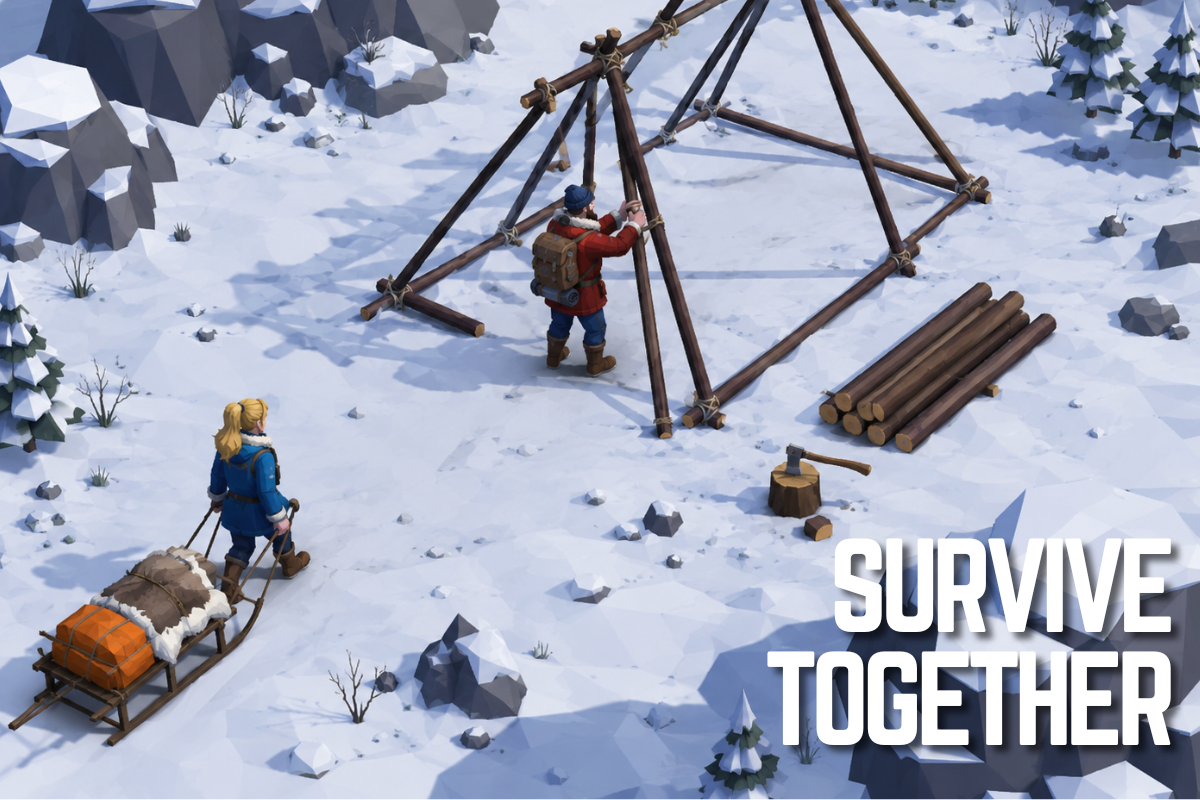
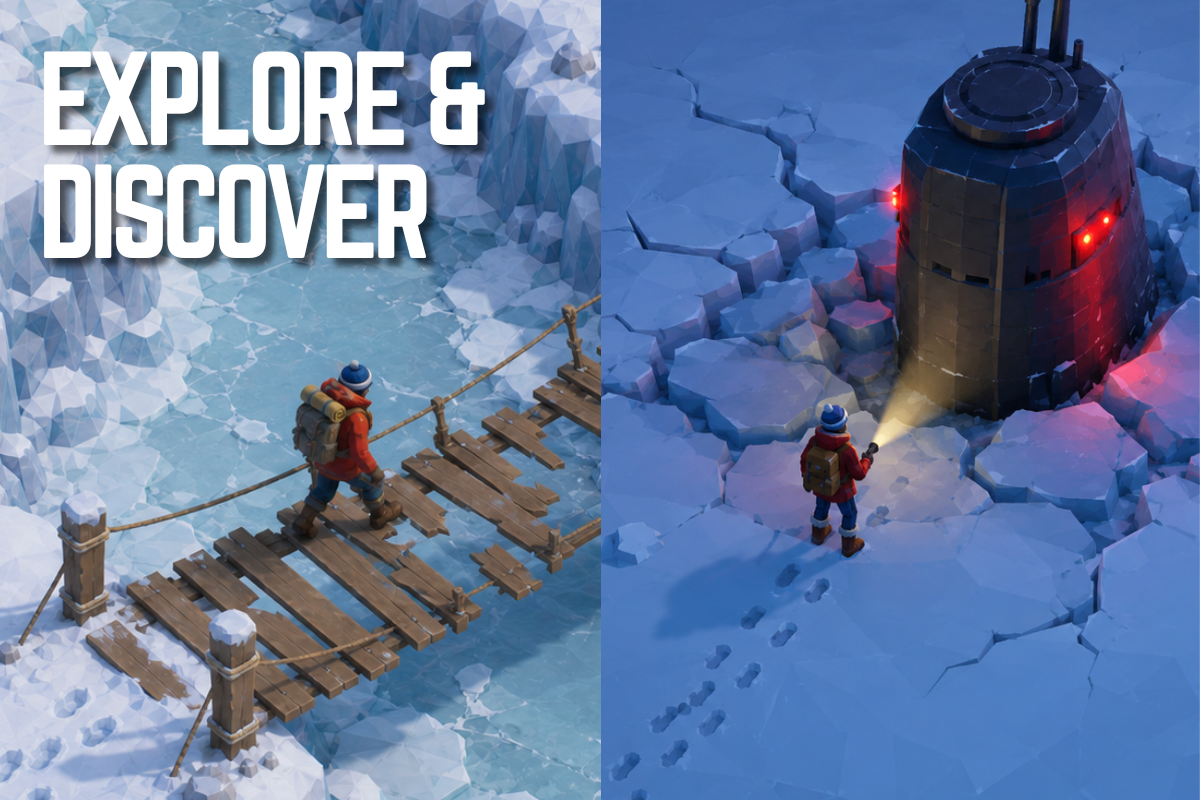
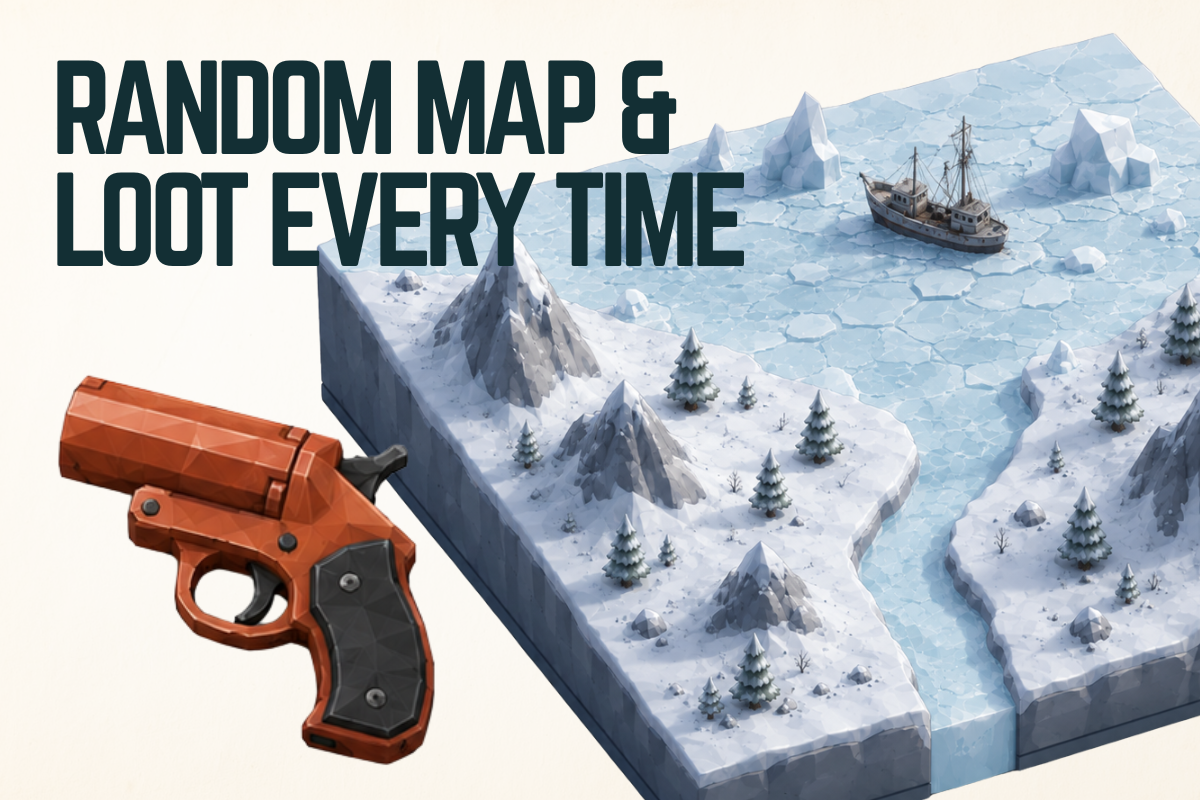
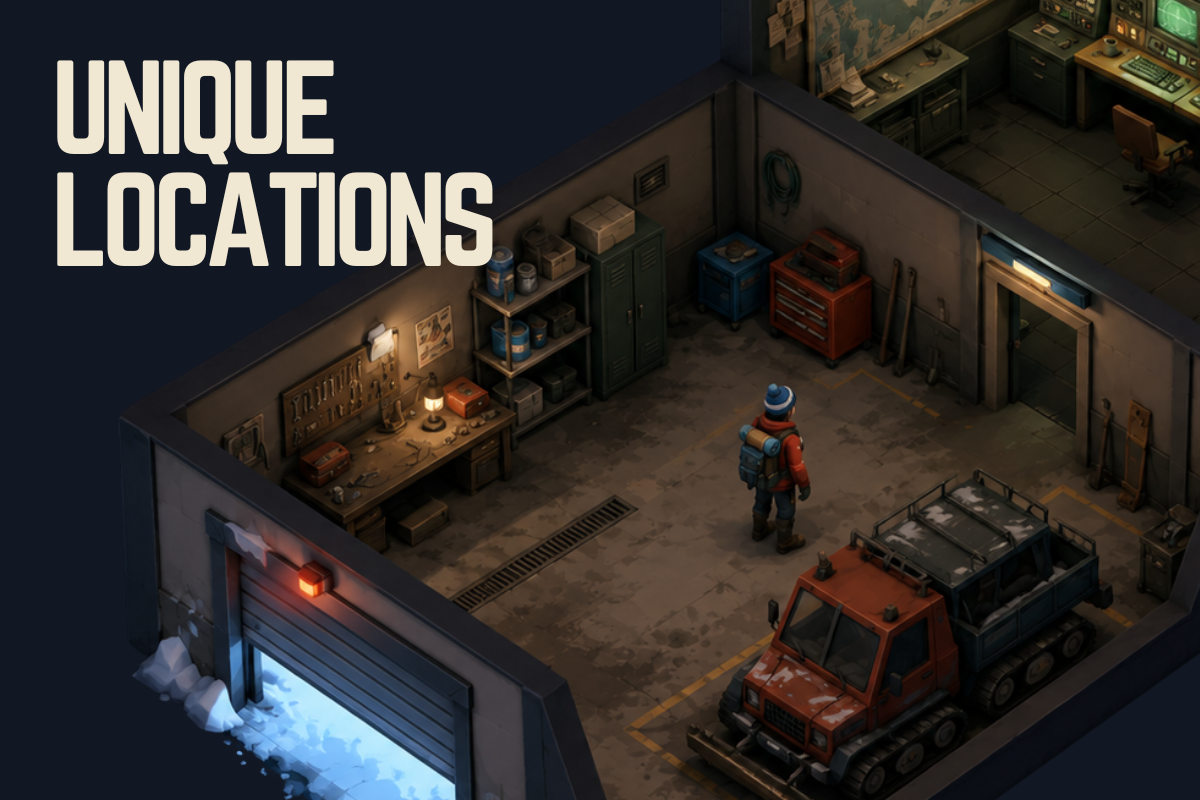
The visual direction was inspired by northern landscapes like Alaska, Siberia, North Norway, and Svalbard. We wanted the world to feel cold, quiet, and harsh, but not depressing. Special locations and other players are bright highlights of the experience. The idea was to create a survival game where players feel vulnerable at first, then slowly build confidence through shelter, fire, tools, and teamwork.
What it does
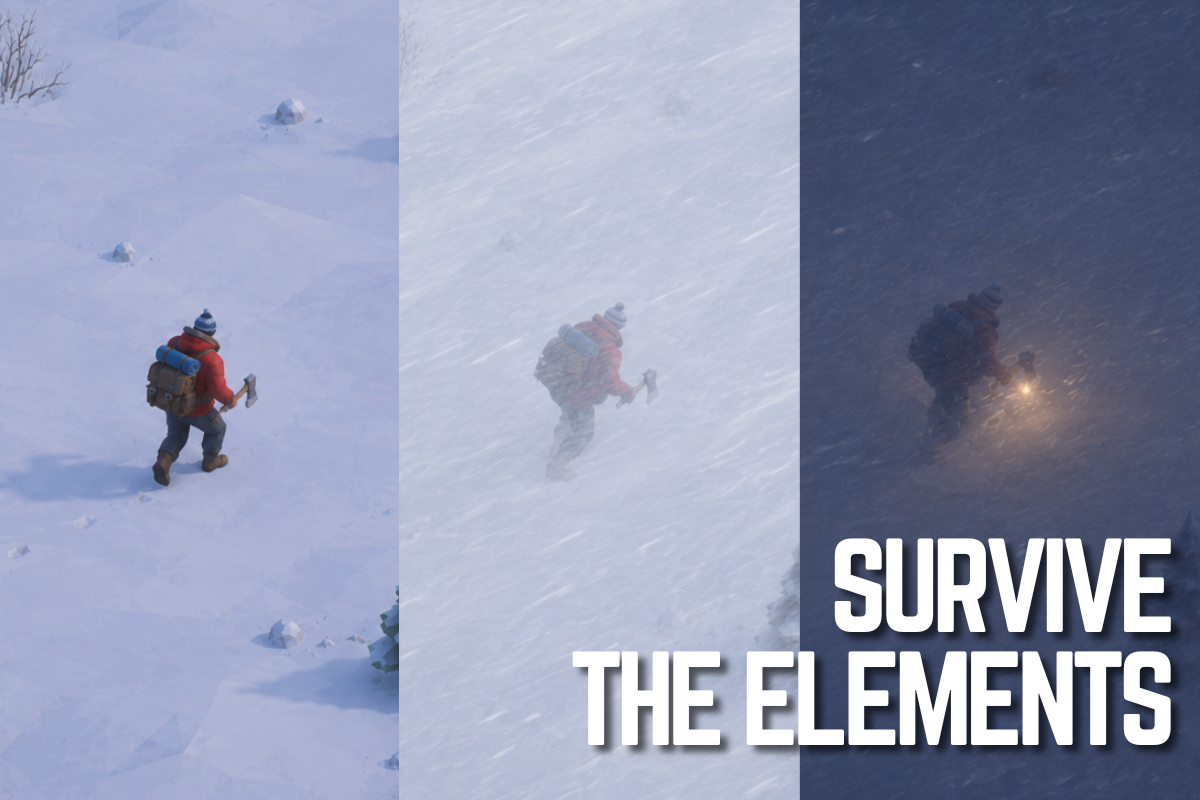
Alone in the Arctic 2 is a cooperative survival game where players explore, gather resources, build shelter, manage warmth, and prepare for longer journeys into the wilderness. The main loop is: Explore, Gather Resources, Shelter, and Replenish. Players must balance hunger, temperature, stamina, daylight, weather, and limited inventory space.
The game also supports open co-op sessions where players can join another survivor’s world. Joining another player’s game starts you with no items, making it a harder challenge for veteran players. The long-term progression includes building beacons, improving the camp, sharing resources through a communal pantry, and eventually attempting Ironman-style achievement runs where death is final.
Challenges we ran into
One of the biggest challenges was keeping the game simple while still making survival feel meaningful. We did not want the player to manage too many stats or menus, so we focused on a few strong systems like cold, hunger, stamina, weather, fire, and shelter. The goal was to make every decision easy to understand, but still tense.
Another challenge was finding the right art style. Early visuals could easily become too realistic or too cartoony, so we refined the style into a clean low-poly mobile game look. The final direction uses simplified shapes, readable objects, muted arctic colors, and strong silhouettes so the game remains clear even on a small screen.
Accomplishments that we're proud of
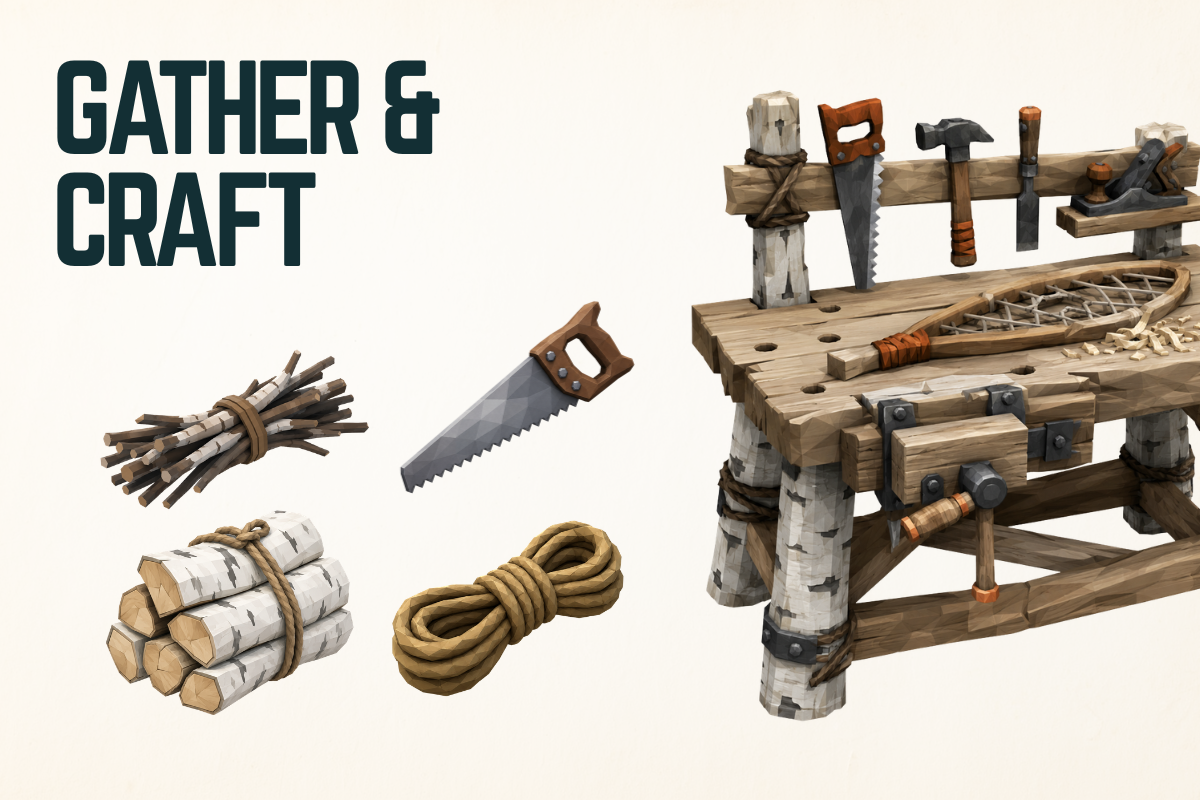
We are proud of how clearly the core survival loop came together. The player starts with basic needs like warmth and food, then progresses toward shelter, storage, crafting stations, beacons, and cooperative systems. The game now has a strong sense of progression without needing a heavy story or complicated quest system.
We are also proud of the visual identity. The project has developed a consistent arctic survival style with characters, shelters, resources, tools, and camp structures that all feel like they belong in the same world.
What we learned
We learned that survival games work best when the player understands the danger immediately. Cold became the main enemy because it creates pressure without needing monsters or combat. A simple fire, a small shelter, or a box of stored food can feel important when the world itself is the threat.
We also learned that co-op survival needs rules that encourage trust. Shared systems like the communal pantry, daily ration limits, corpse drops, and beacons help players cooperate without removing scarcity. The goal is not to make food or resources easy, but to make teamwork feel like the smartest way to survive.
What's next for Alone in the Arctic 2
That depends entirely on whether we win or not. We do not have the technical know-how to create the game ourselves yet, and our resources focus on building Puzzle Paradise. AITA2 is at the top of our minds, however and we hope that shows in this GDD.
Built With
- canva
- horizon
- typescript


Log in or sign up for Devpost to join the conversation.