-
-

All Screen Logo
-
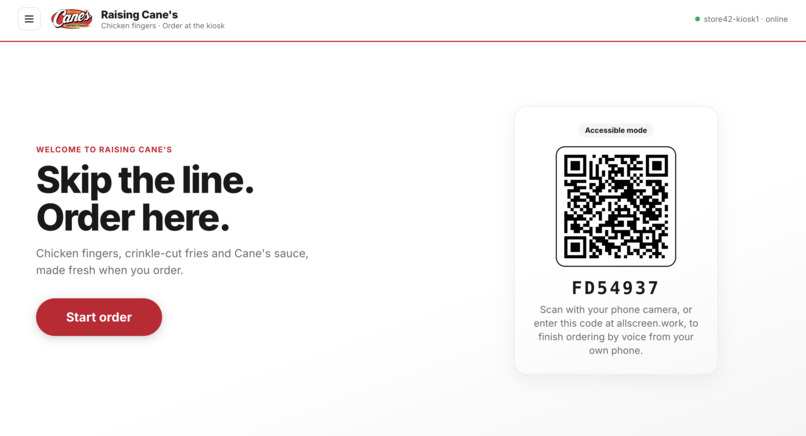
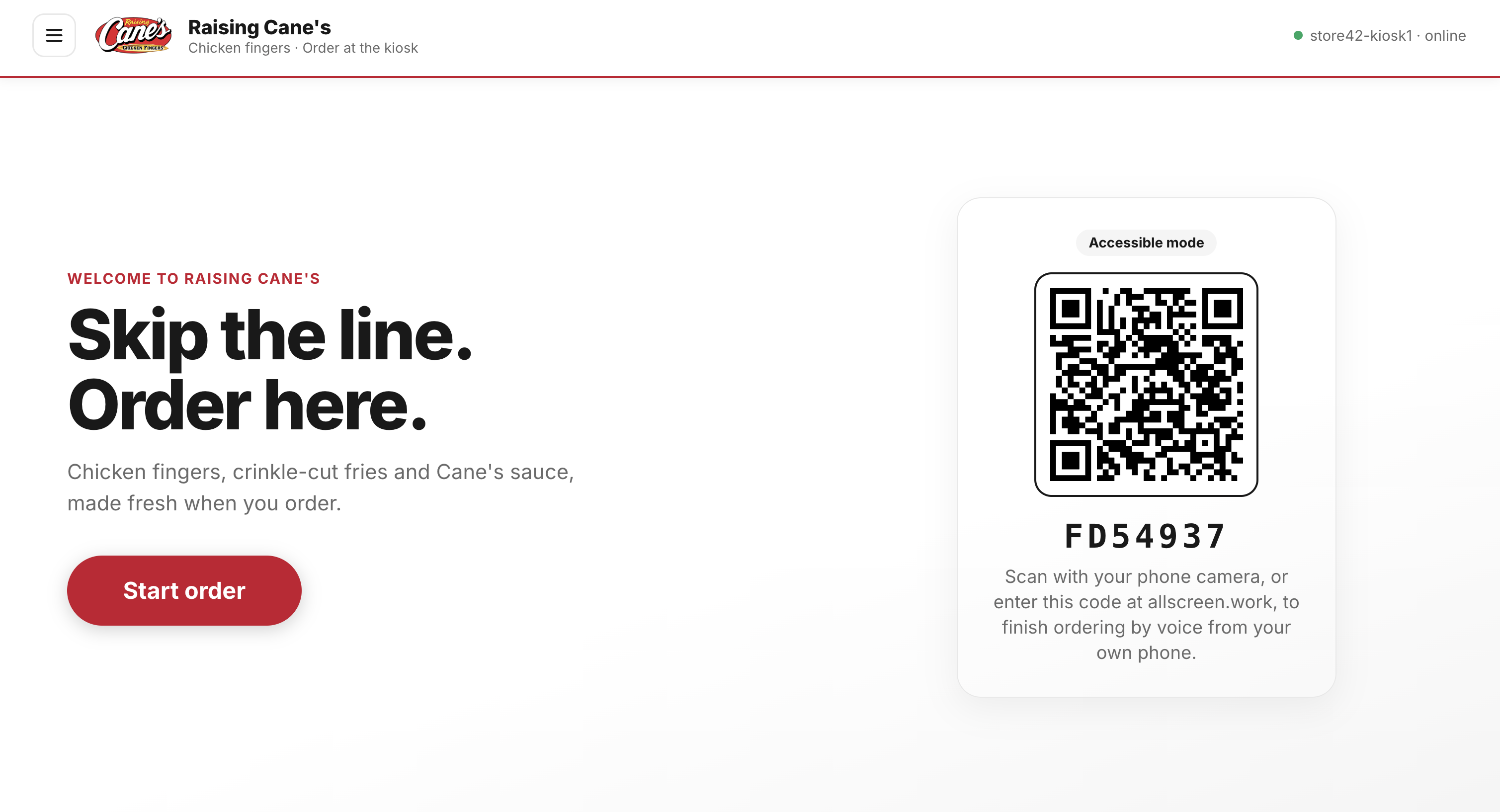
Kiosk - main page
-
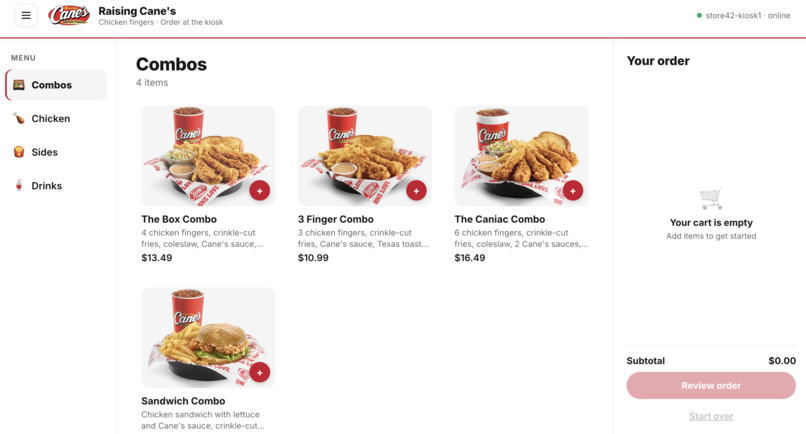
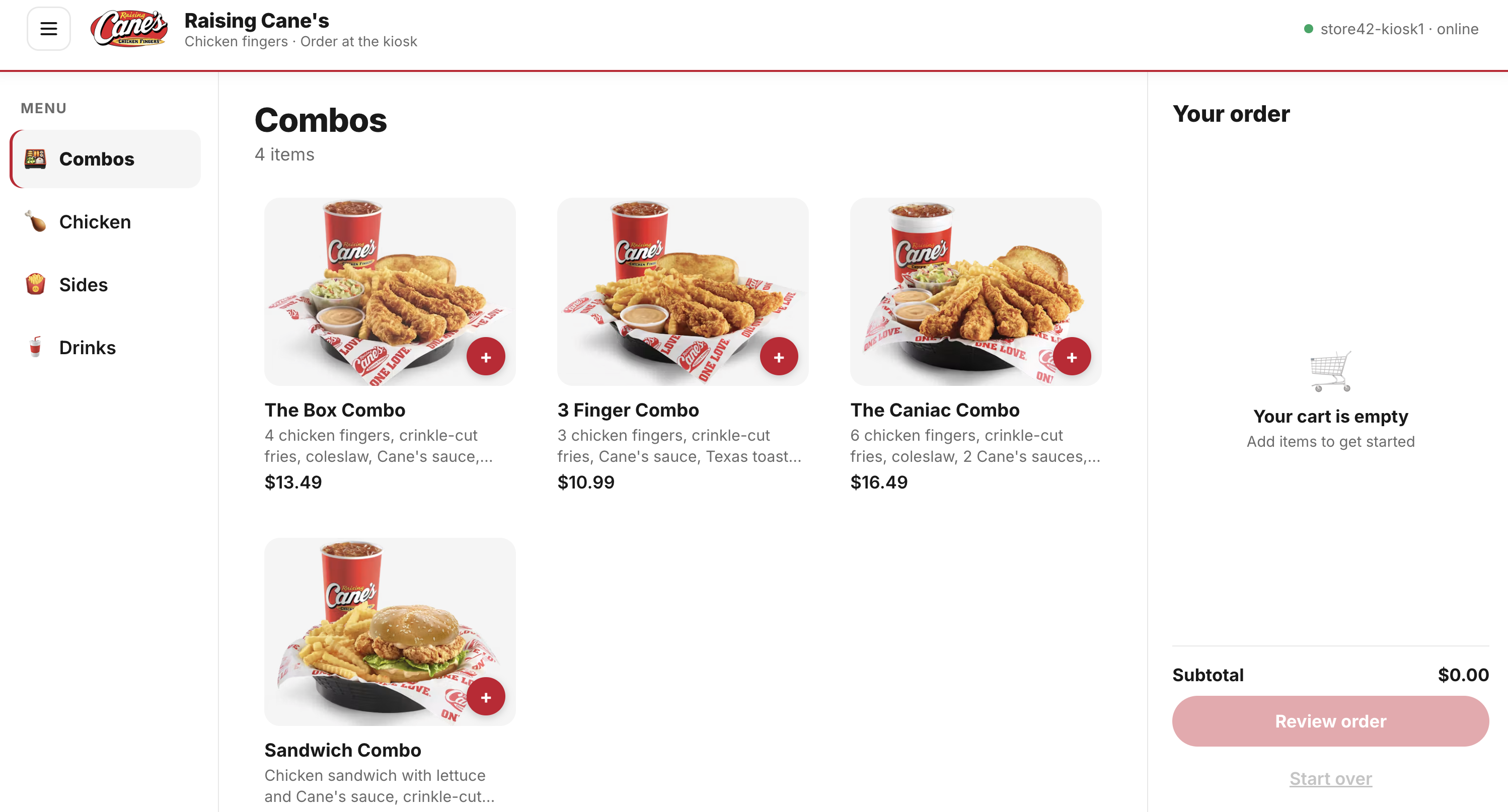
Kiosk - ordering page
-
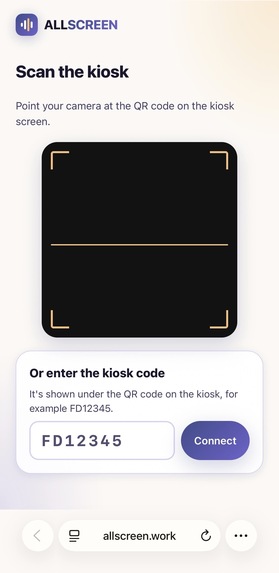
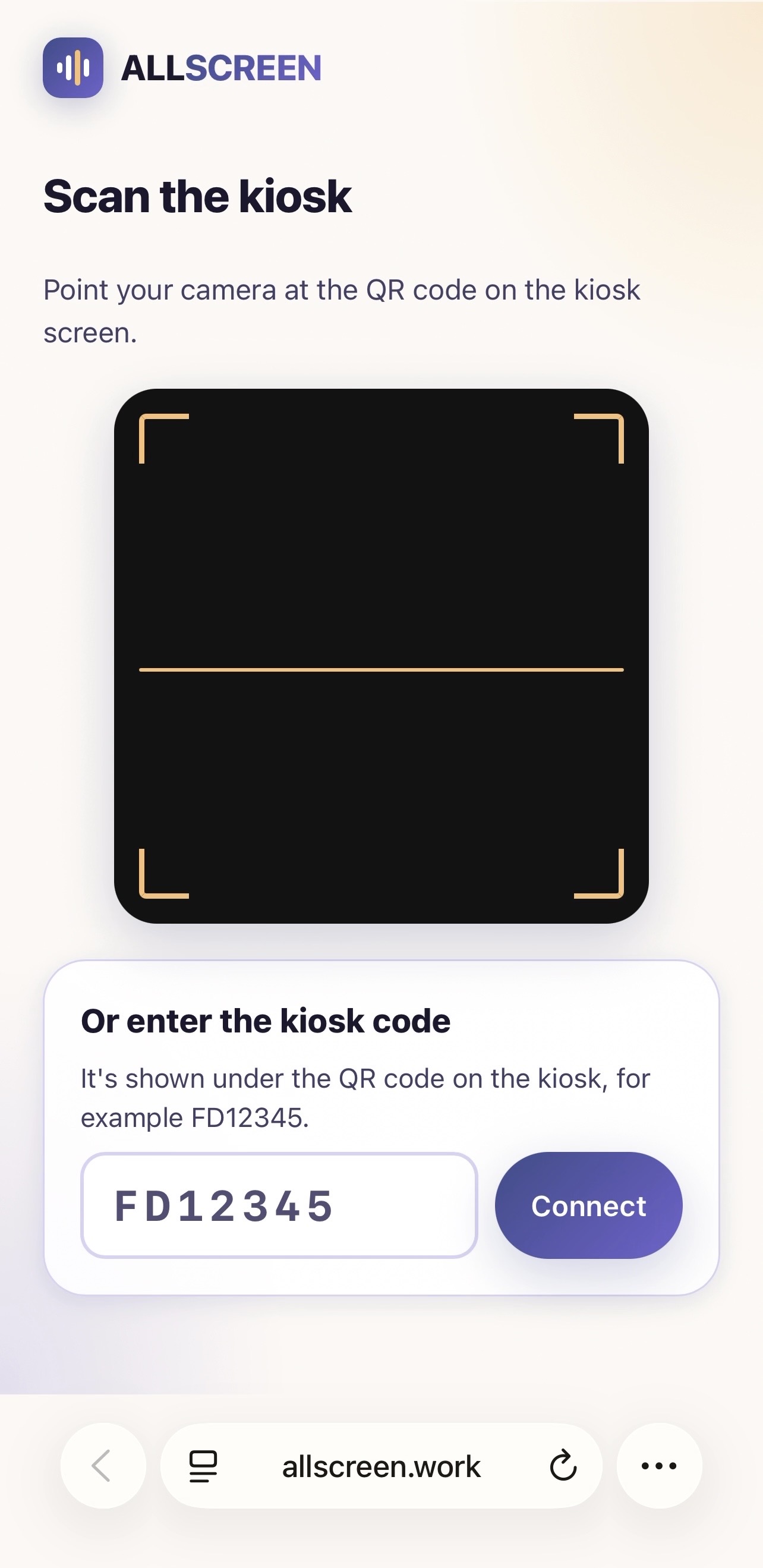
Allscreen - scanner
-
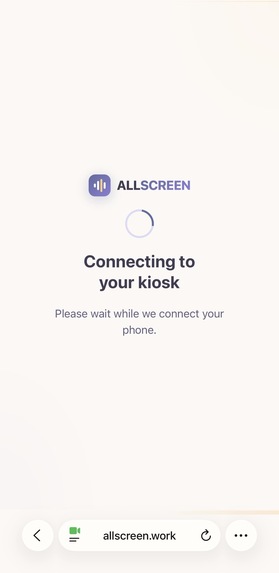
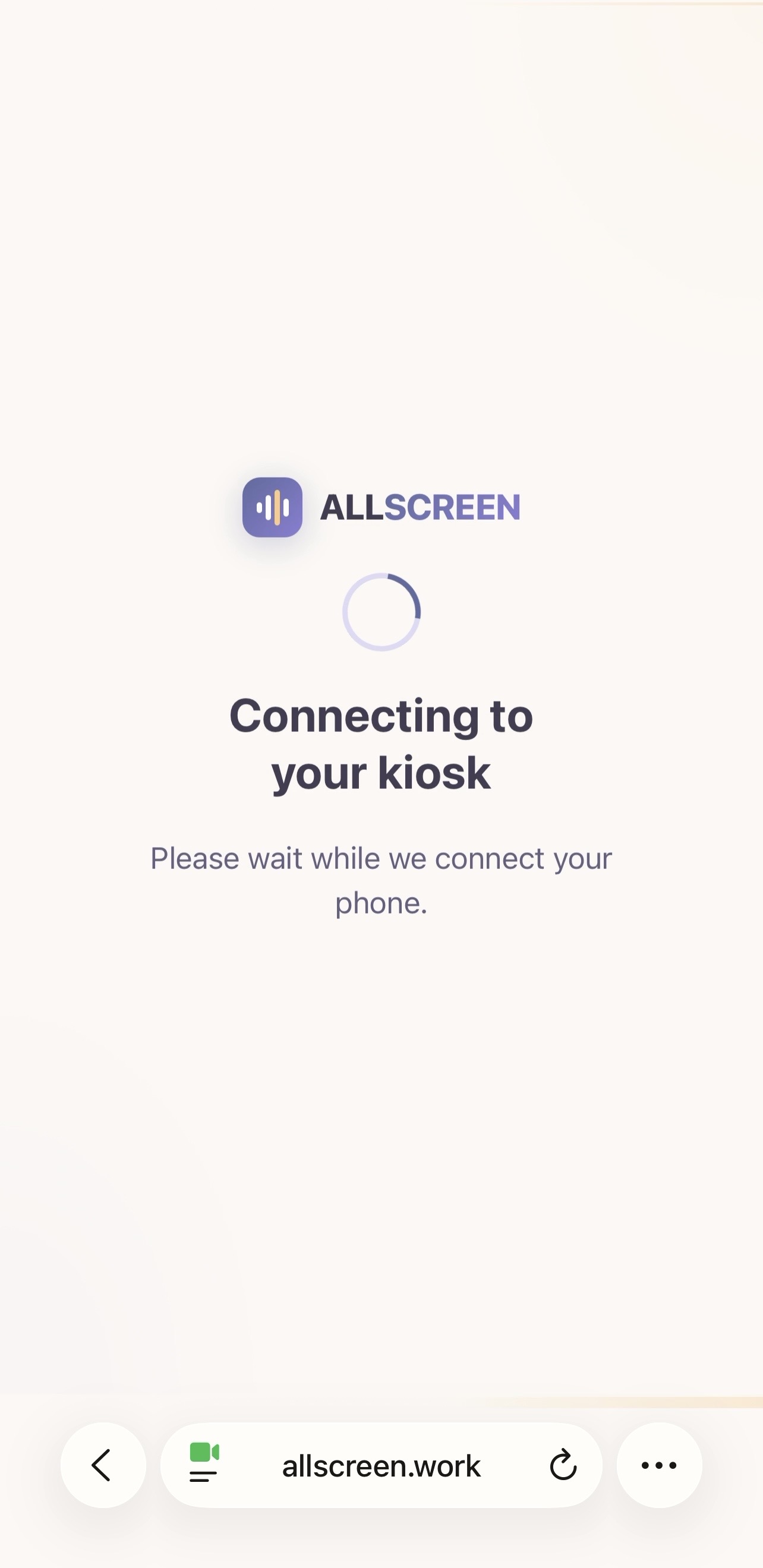
Allscreen- connecting to kiosk
-
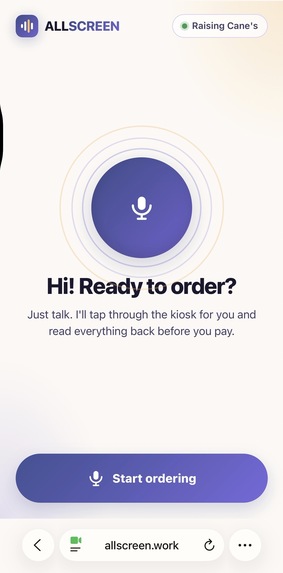
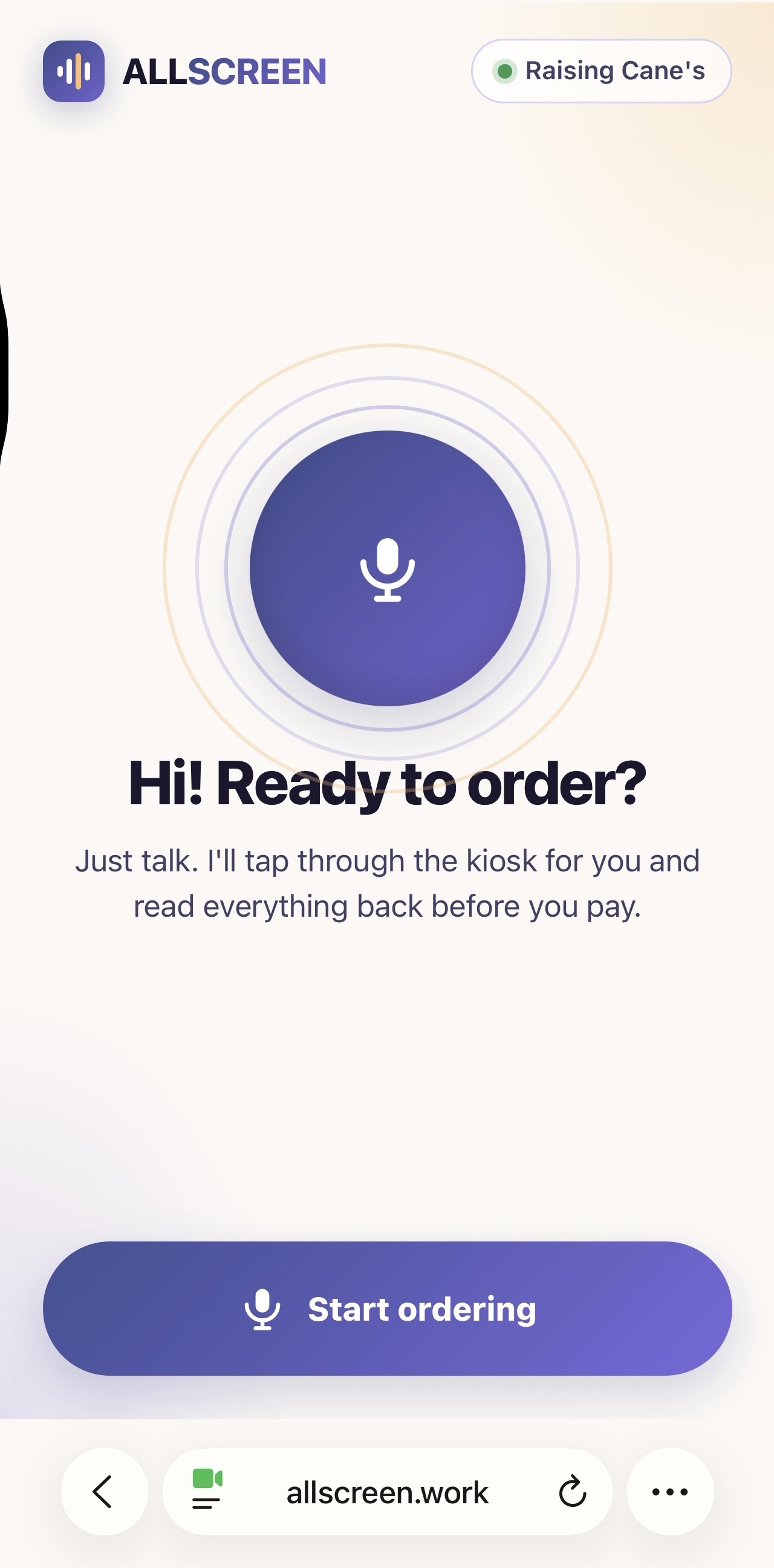
Allscreen - ready to order
-
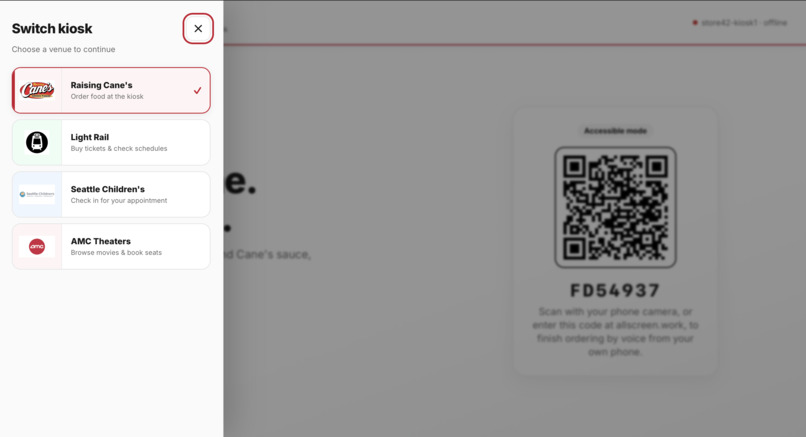
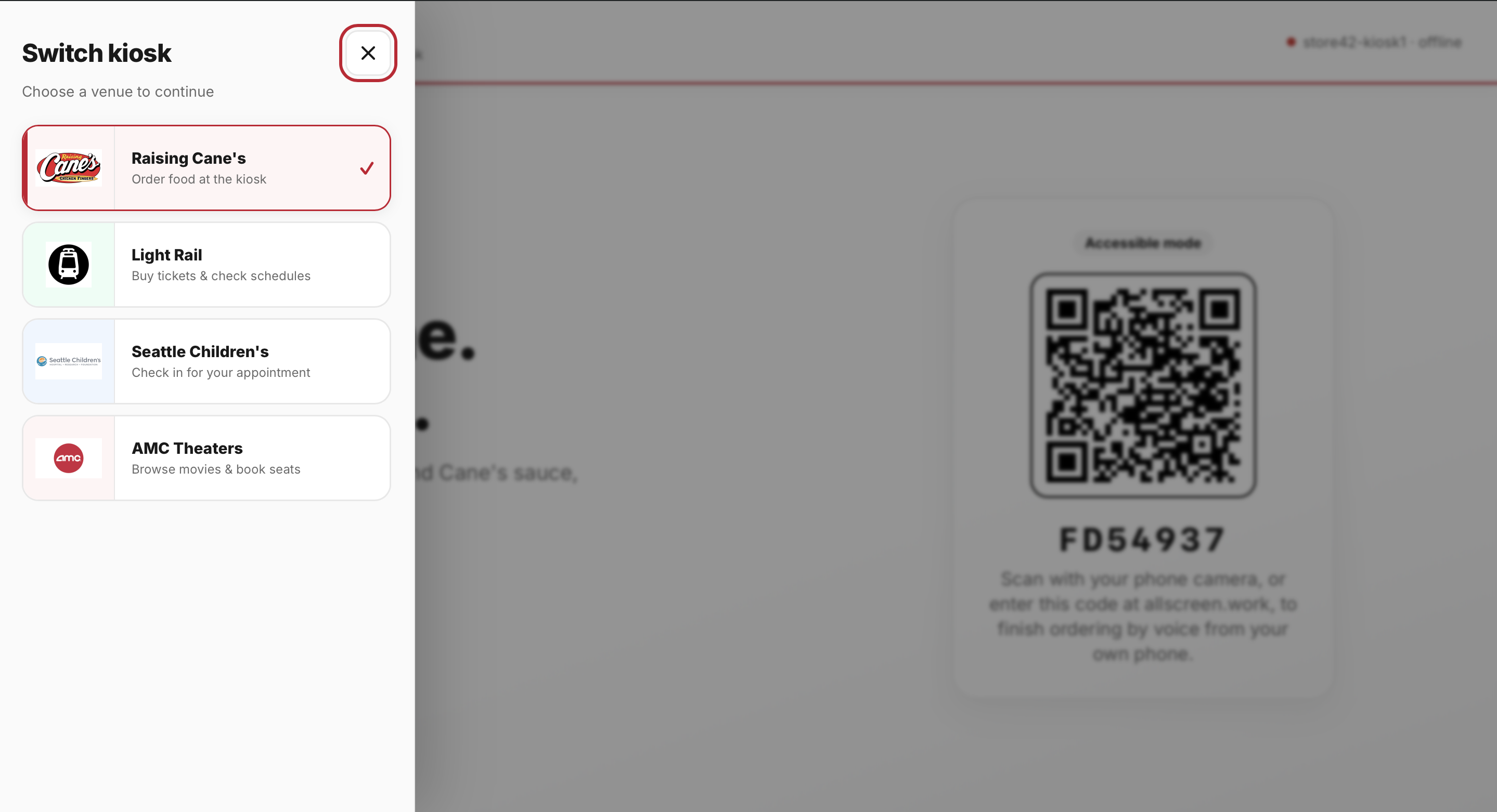
Multiple kiosks
-
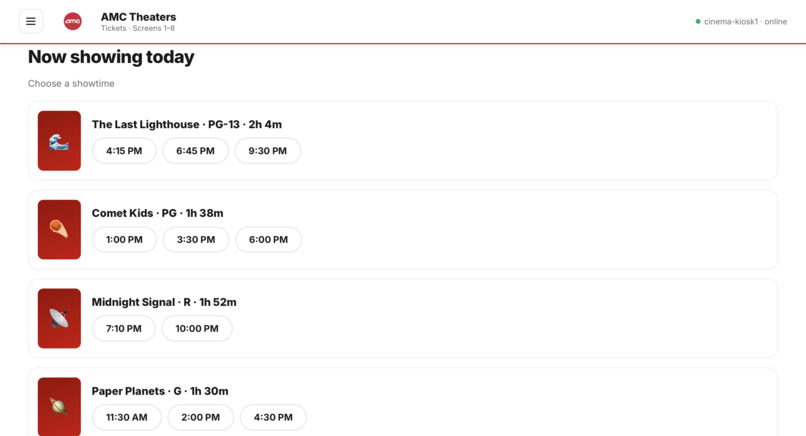
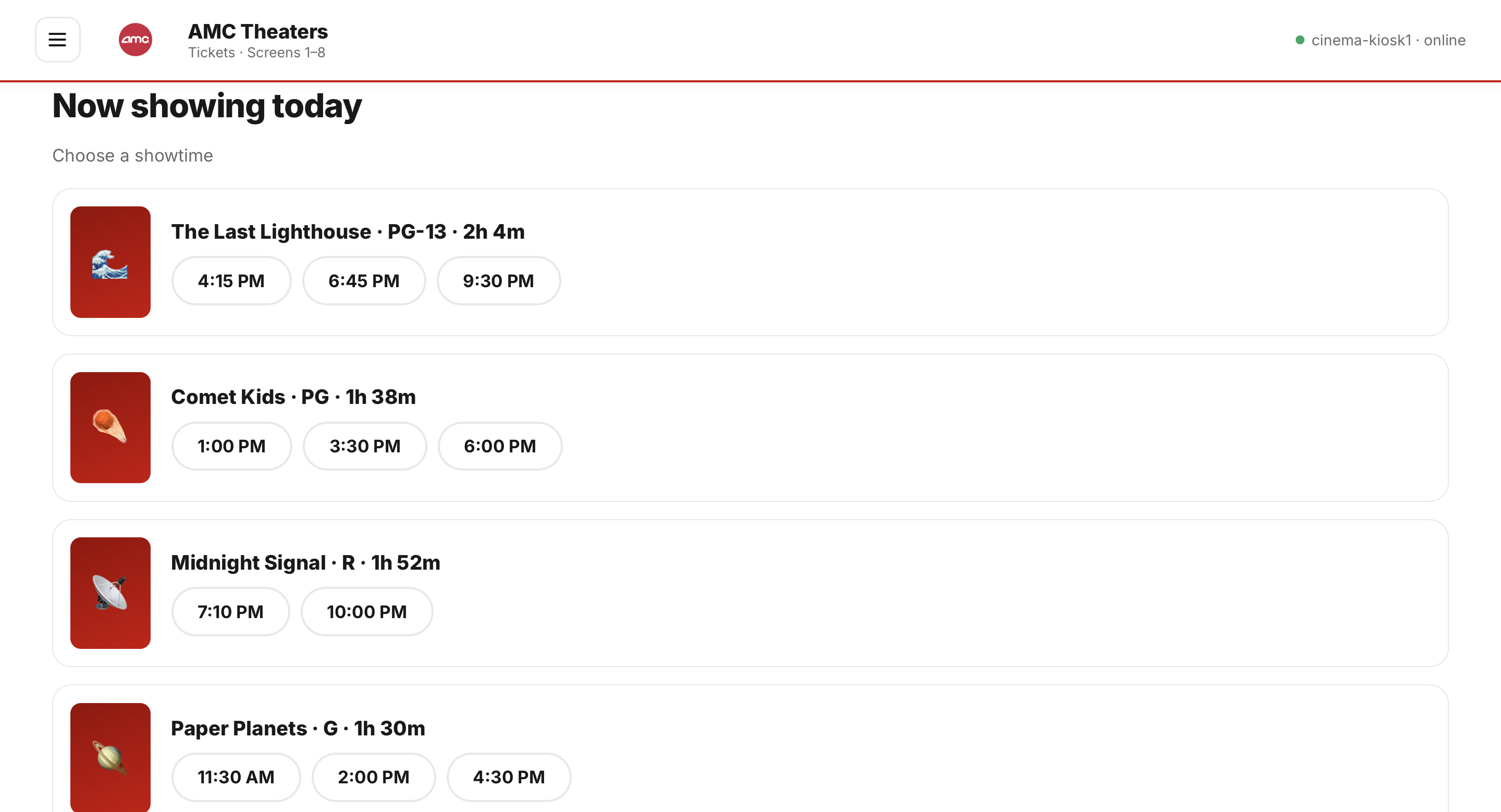
Cinema Kiosk
-
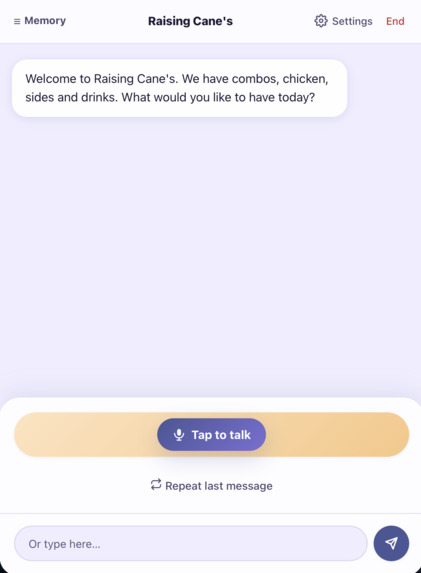
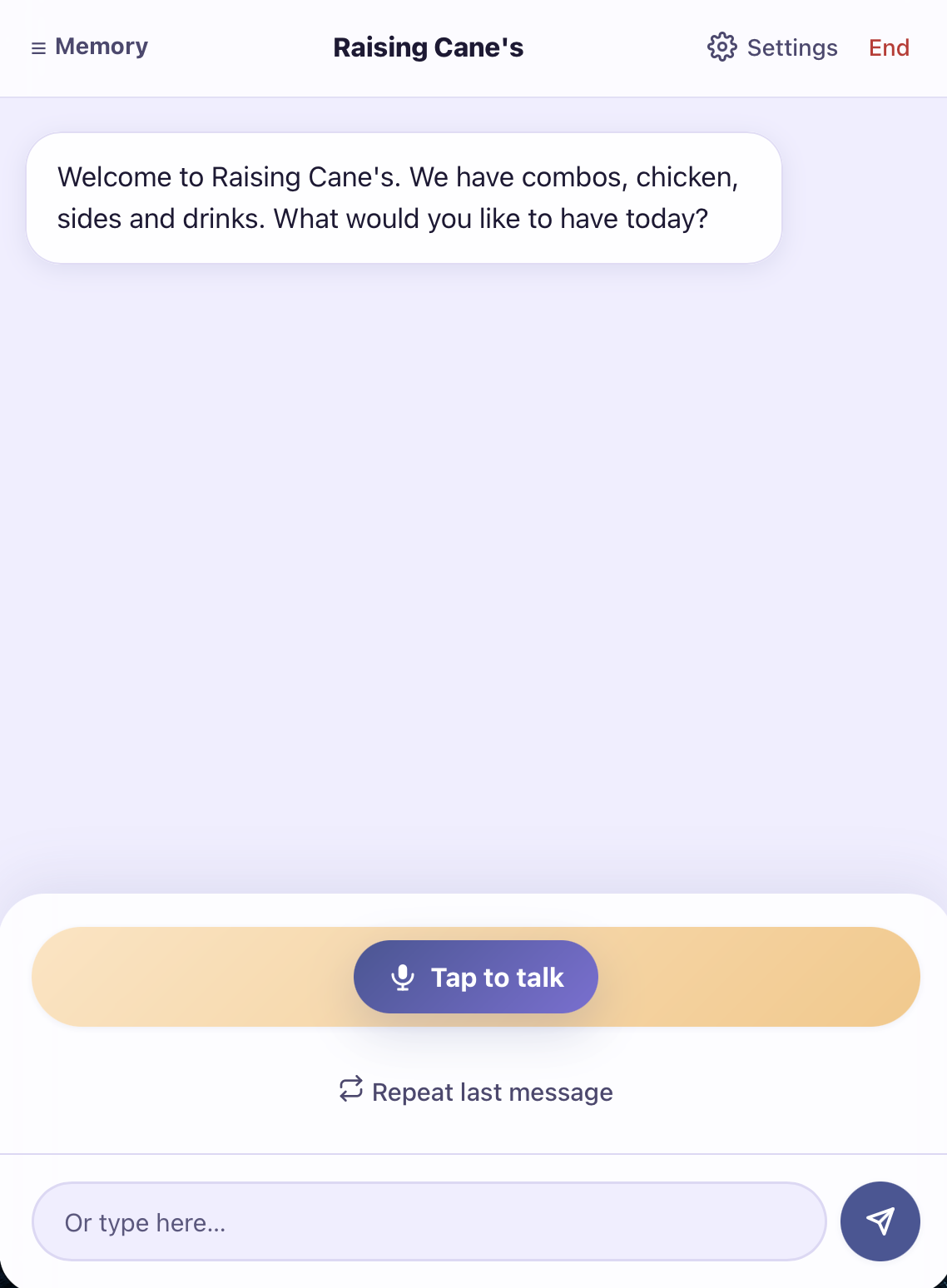
AllScreen-Chat
-
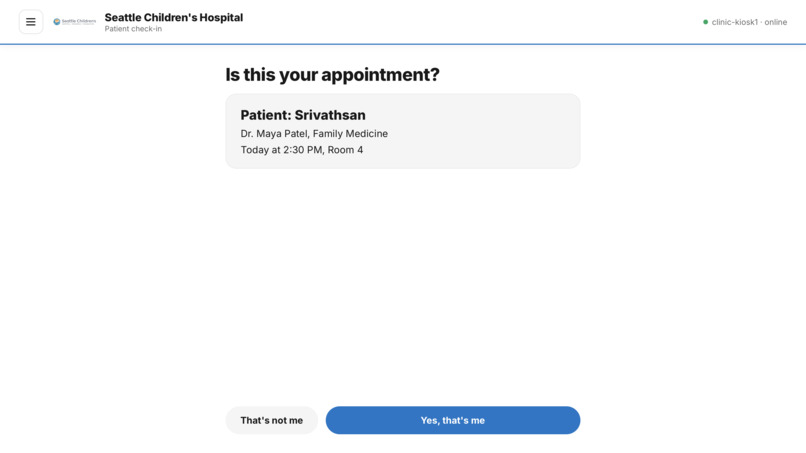
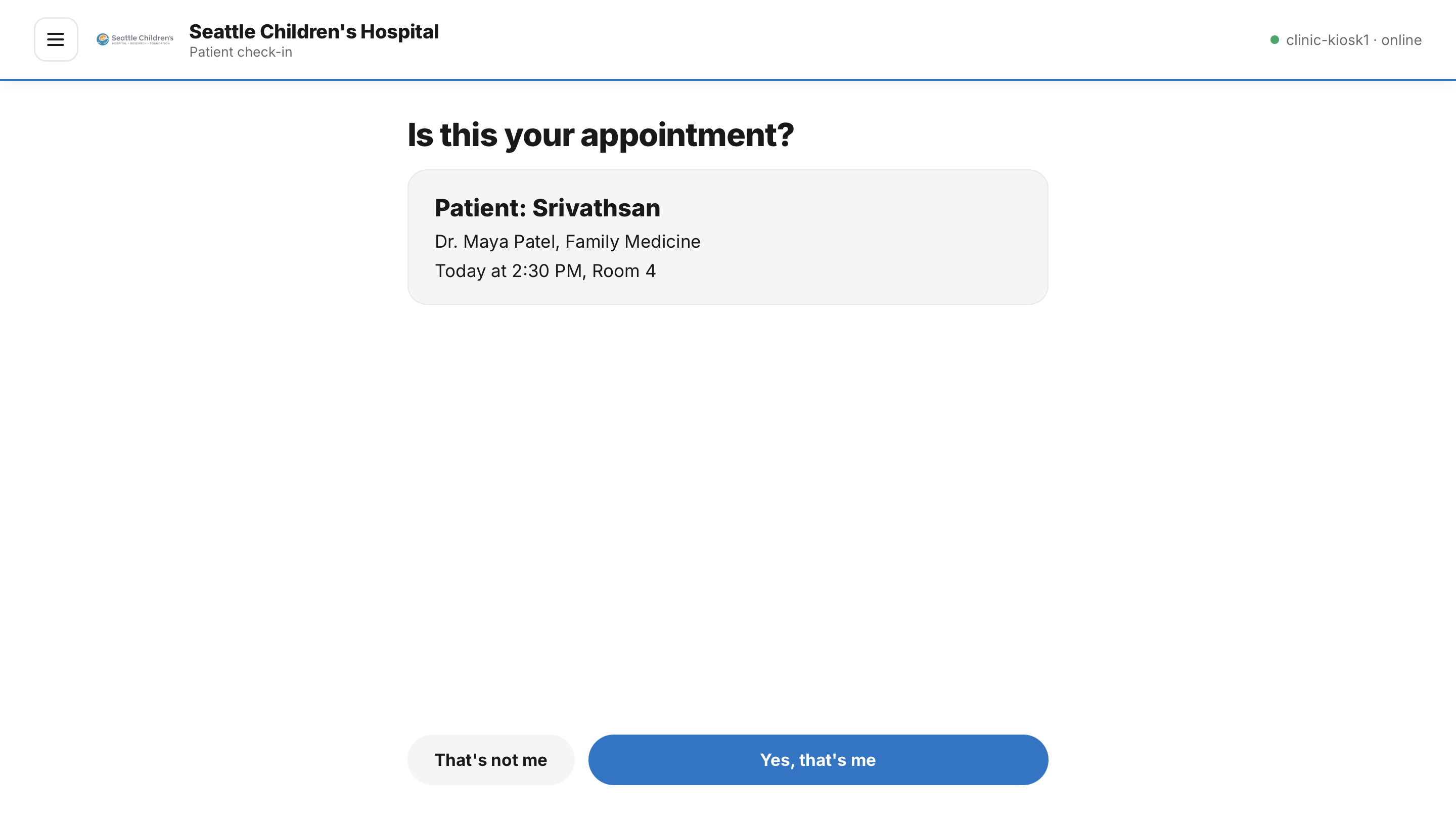
Kiosk - Healthcare
-
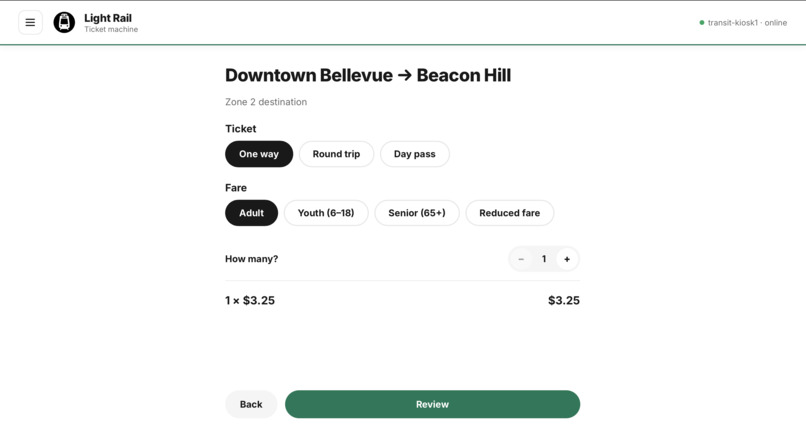
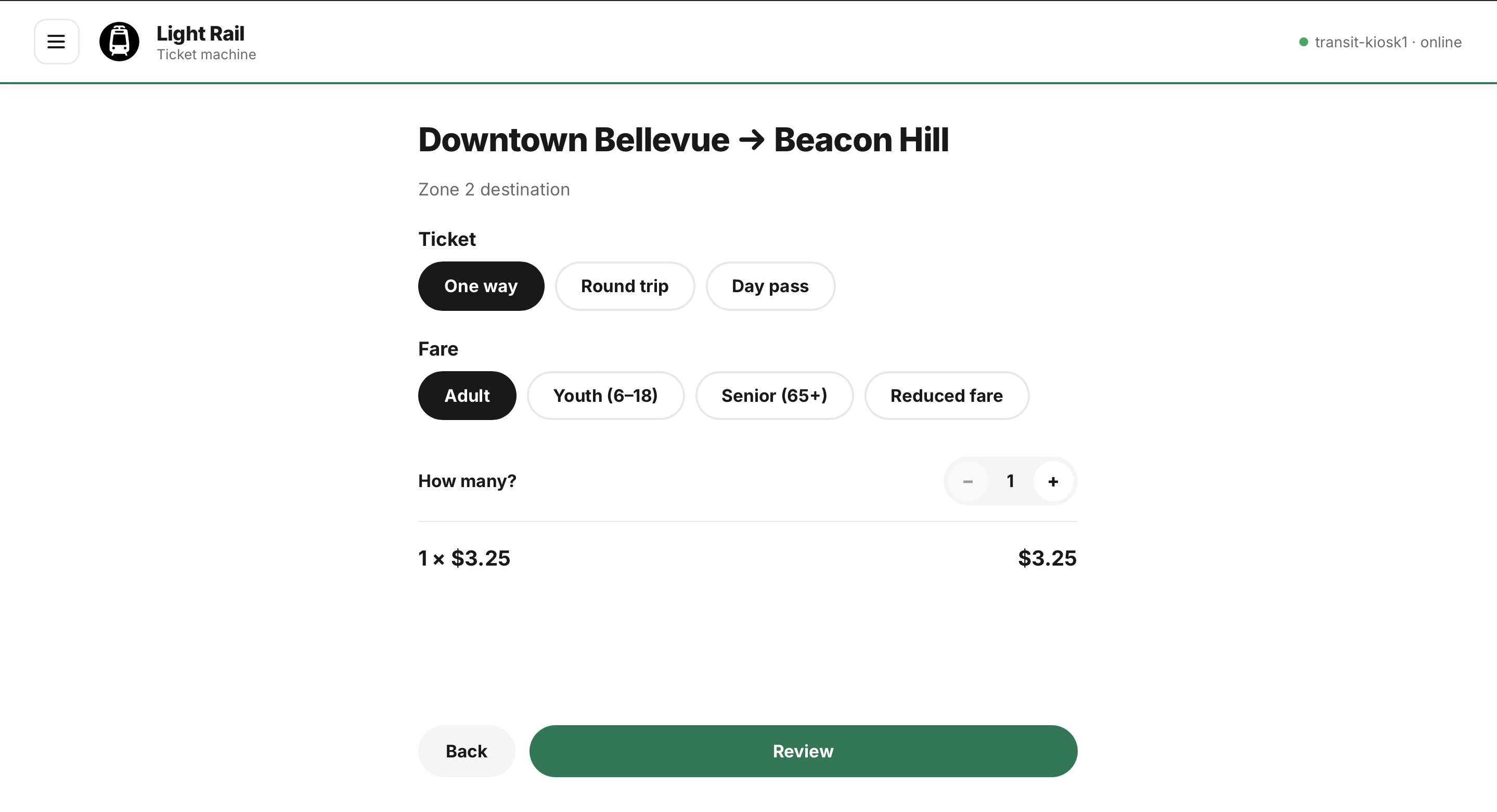
Kiosk - Transit

Inspiration
Imagine walking into a restaurant and being unable to place an order independently because the only available ordering system is a touchscreen you cannot see or navigate. Self-service kiosks are designed to make ordering easier, but for blind and low-vision customers, unfamiliar interfaces can create an additional barrier. We wanted to rethink accessibility by asking a simple question. What if customers could interact with kiosks through the accessibility tools they already use on their phones? Instead of expecting people to adapt to inaccessible technology, we wanted to create technology that adapts to them.
What it does
AllAccess is designed to help customers independently order food through an accessible, conversational interface on their own smartphones. At participating restaurants, customers can scan a QR code on the kiosk to open an accessible ordering experience. Rather than navigating dozens of unfamiliar menu buttons, customers can simply say what they want. For example, "I'd like a cheeseburger without pickles, medium fries, and a drink." Our AI ordering assistant interprets their request, helps clarify customization options, and updates their cart. Customers can also ask questions about the menu, such as available vegetarian options or the prices of different meals. For users who prefer visual interaction, the interface is designed to support large text, high contrast, and customizable accessibility settings. Before checkout, the assistant summarizes the order, including selected items, taxes, tips, and the final total, which gives users the opportunity to review and approve their purchase. For supported kiosk integrations, the order can be synchronized with the restaurant's ordering system, reducing the need to navigate the physical touchscreen.
How we built it
Unlike camera-based accessibility assistants that help users locate and press buttons on existing touchscreens, AllScreen aims to eliminate the need for touchscreen navigation altogether. Our focus is not simply reading a kiosk's interface aloud. We want customers to complete the entire ordering experience using familiar accessibility tools, conversational AI, and their preferred interaction methods. This also creates an opportunity for restaurants to offer accessible ordering experiences and create more revenue.
Challenges we ran into
One of our earliest and most frustrating blockers was getting microphone access to work reliably across devices. Browser permissions behaved differently depending on the platform, and we spent significant time debugging why audio capture would silently fail rather than throw an obvious error. We also ran into cross-browser compatibility issues between Safari and Chrome - Safari handles Web Audio APIs and getUserMedia differently, which broke our voice input flow in ways that worked fine on Chrome. Camera permissions for the QR code scanner added another layer of complexity, particularly on iOS where permission prompts behave inconsistently depending on whether the app is running in a browser tab or a PWA context.
Accomplishments that we're proud of
We are proud to expand the accessibility for the blind/low-vision users and also bring revenue to the business owners. We envision AllAccess as a B2B accessibility platform for restaurants and other businesses operating self-service kiosks. Restaurants could integrate our software into their existing ordering systems through a subscription or enterprise licensing model. Our longer-term goal is to make the platform compatible with different kiosk providers and point-of-sale systems. For customers, this could mean greater independence, privacy, and confidence when ordering. For businesses, it could mean reaching customers who otherwise struggle to use self-service technology. Eventually, the same approach could extend beyond restaurants to transit ticketing, retail self-checkout, and other everyday kiosks.
What we learned
We learned that building for accessibility means confronting edge cases that typical development workflows never surface. Browser APIs that work smoothly in a desktop Chrome dev environment can behave completely differently on a mobile Safari browser, and those differences matter most for the users who depend on your product working correctly. We also learned how to scope a project under real time pressure - cutting features that were nice-to-have to protect the ones that made the core experience work. And we learned that collaboration under pressure means communicating early when something is blocked rather than quietly struggling, because the fastest path through a hard problem is usually asking for help sooner.
What's next for AllScreen
Our long-term vision is to make accessible self-service interactions as common as accessible websites. Future development could include partnerships with kiosk and POS providers, additional language support, and secure payment integrations. We also want to improve the platform through usability testing and direct feedback from blind and low-vision users, making sure our solution addresses real accessibility needs rather than assumptions about them.
