-
-
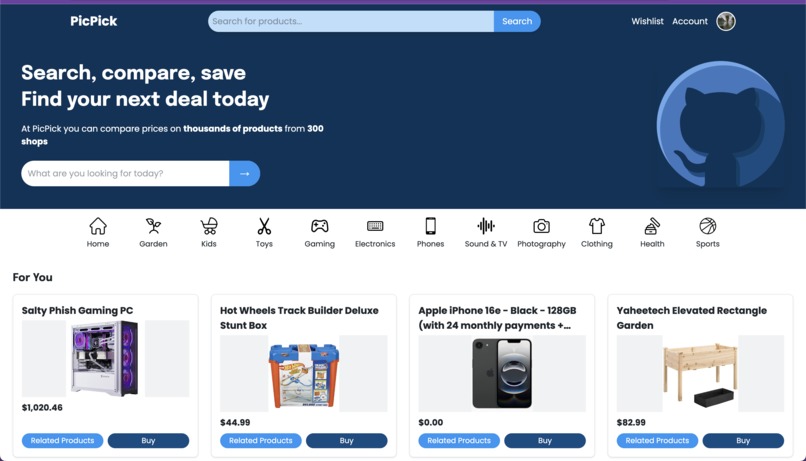
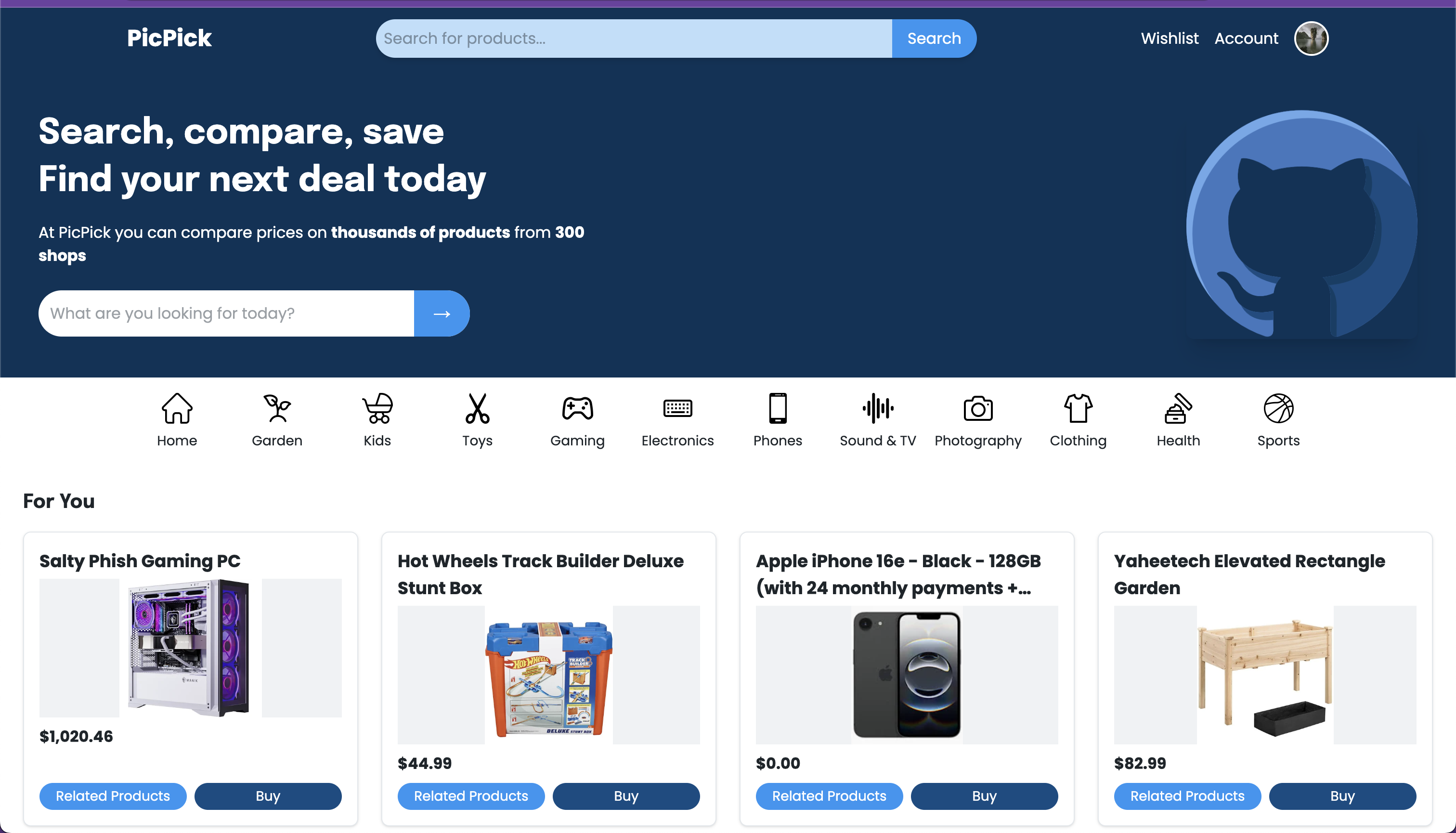
homepage
-
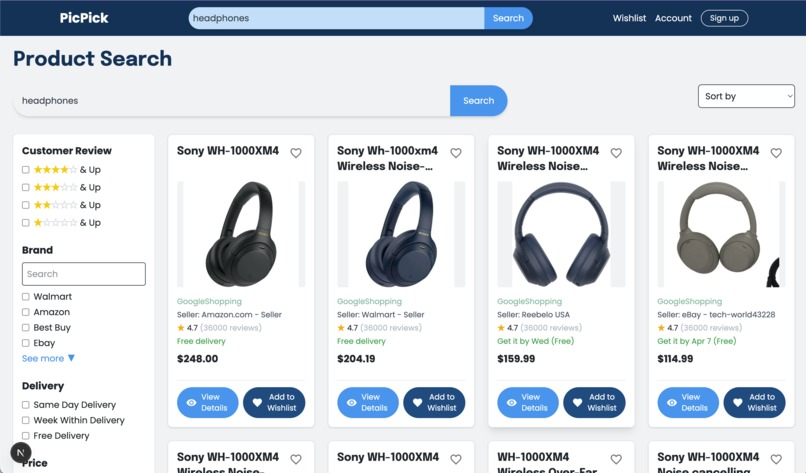
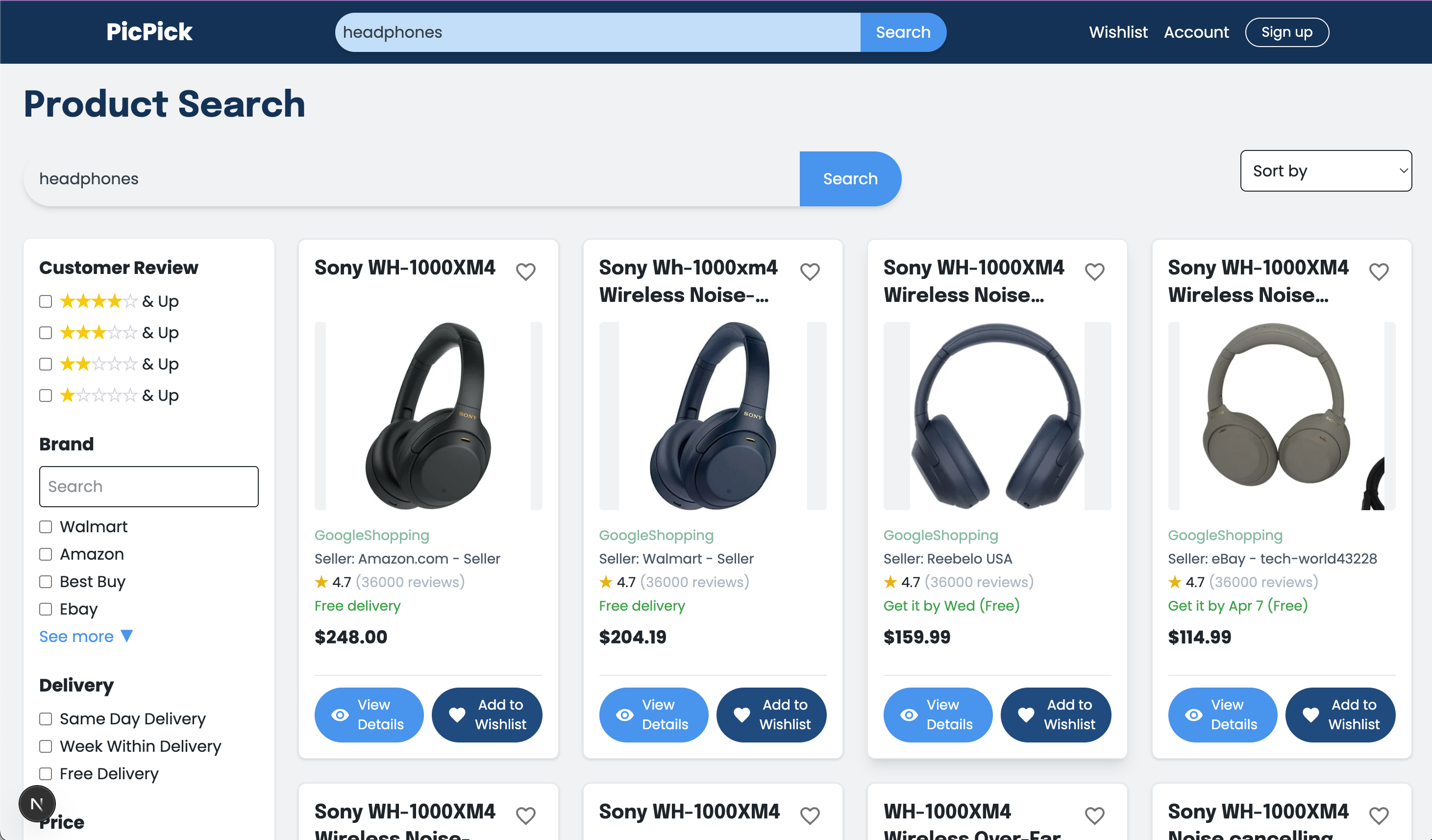
product search page
-
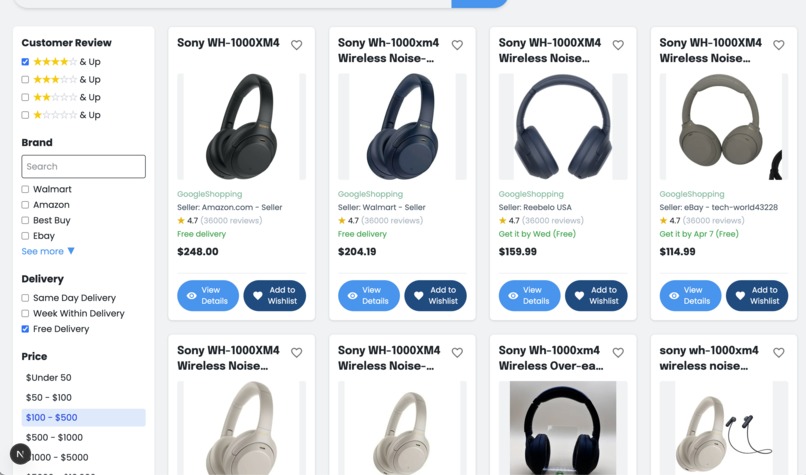
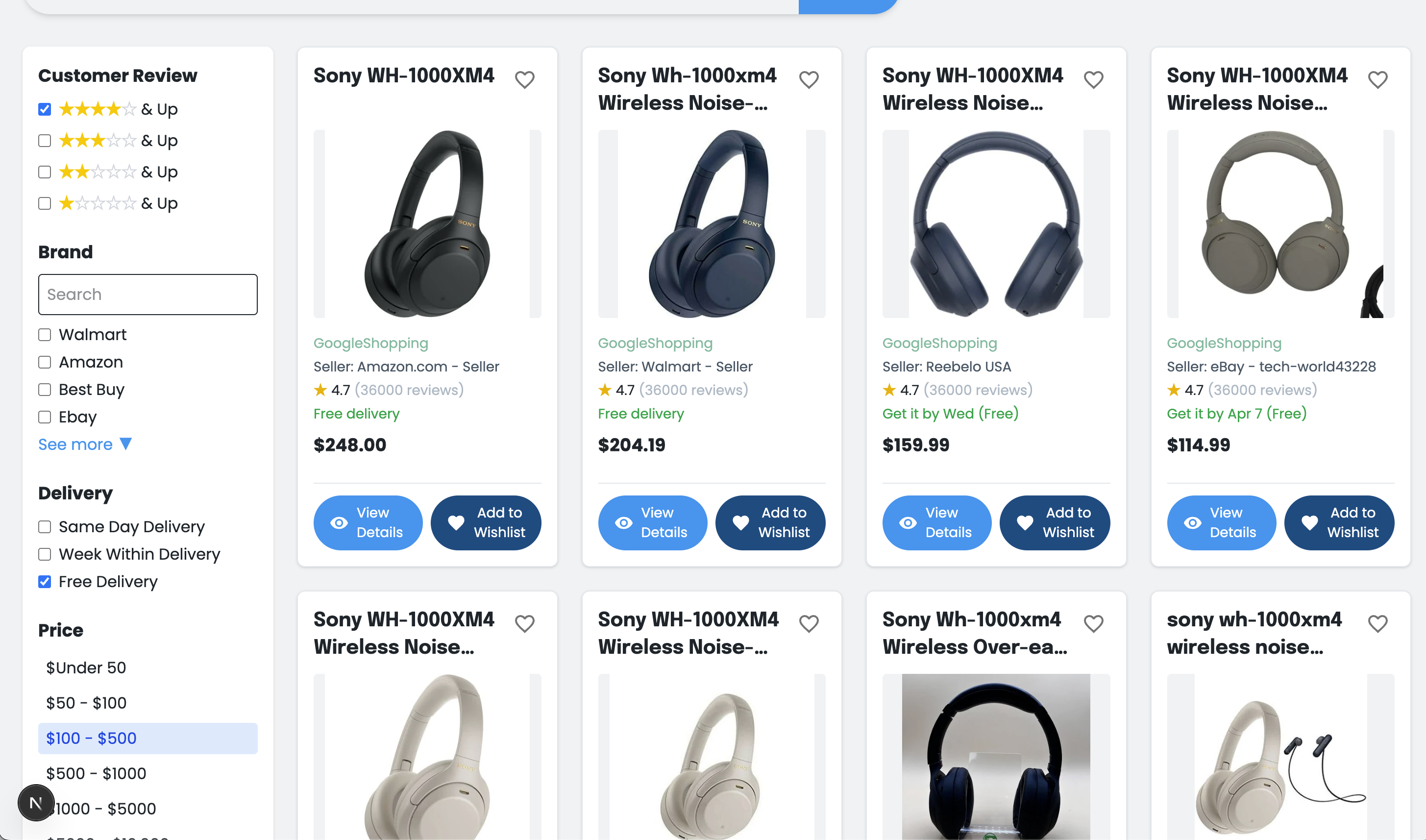
filtering on product
-
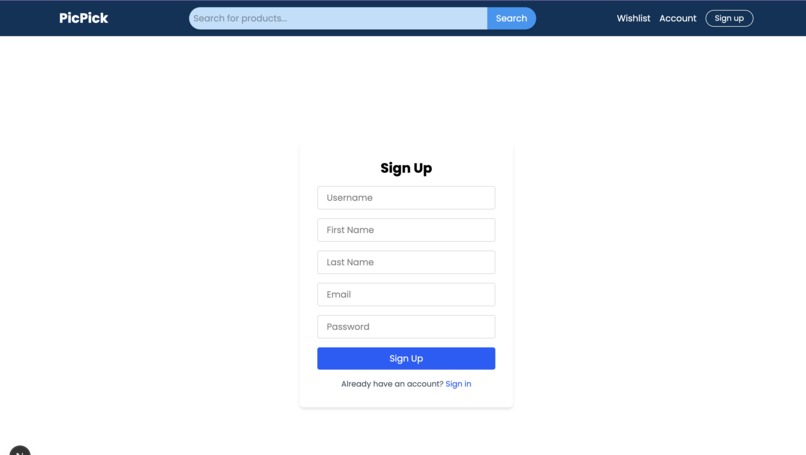
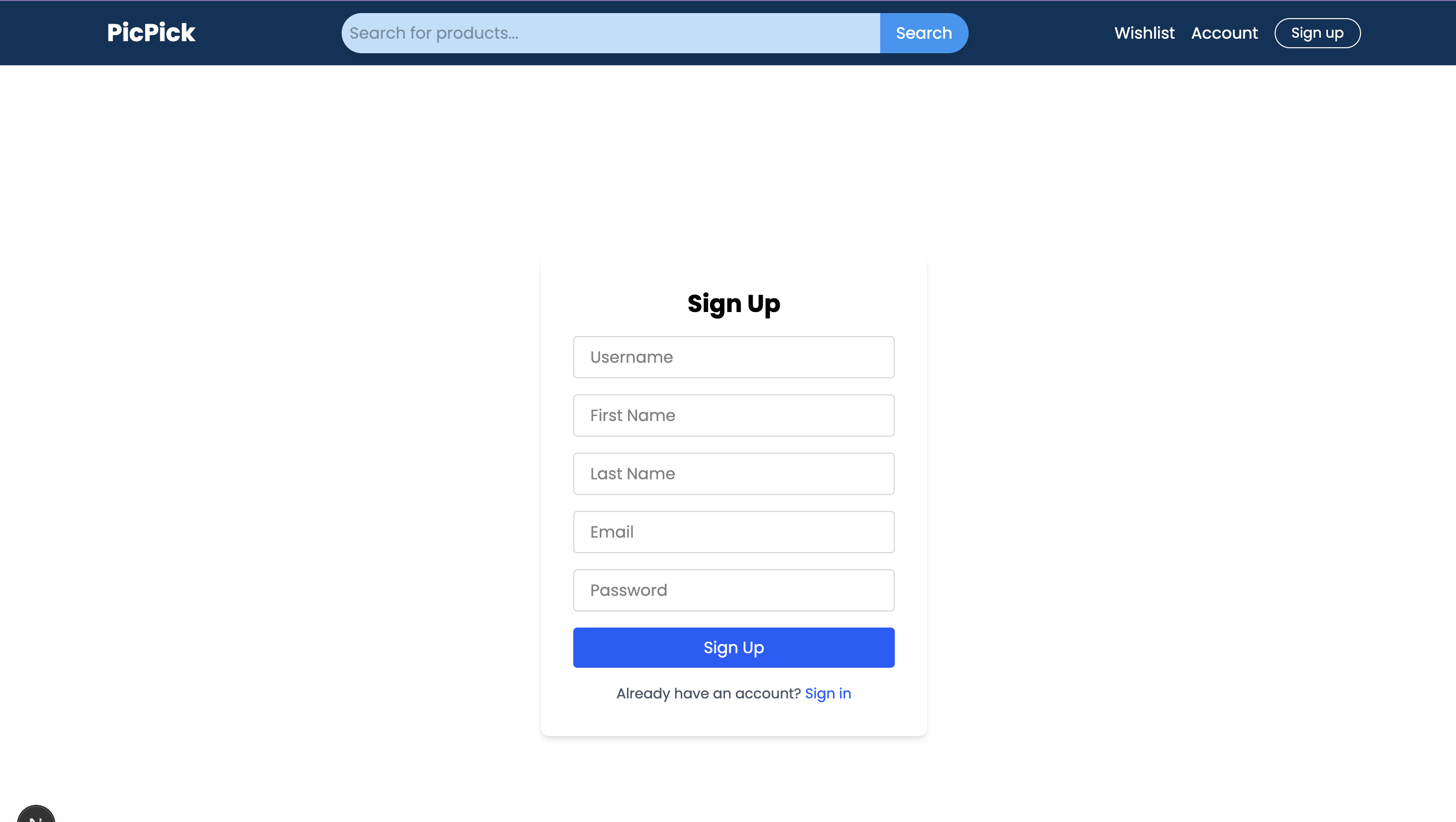
signup page
-
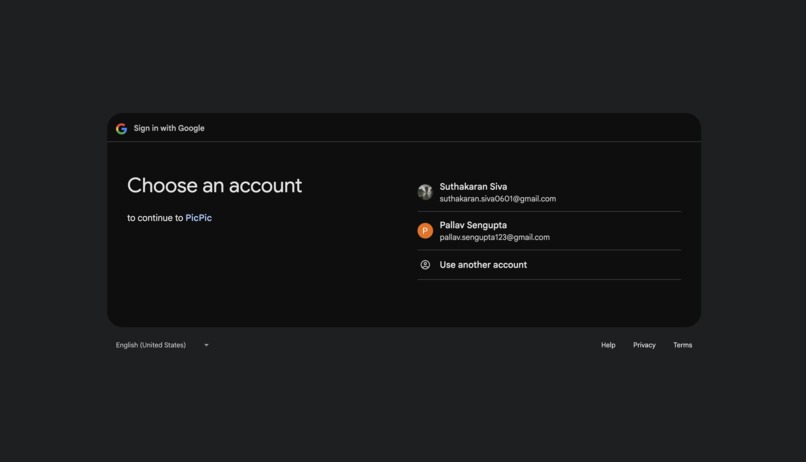
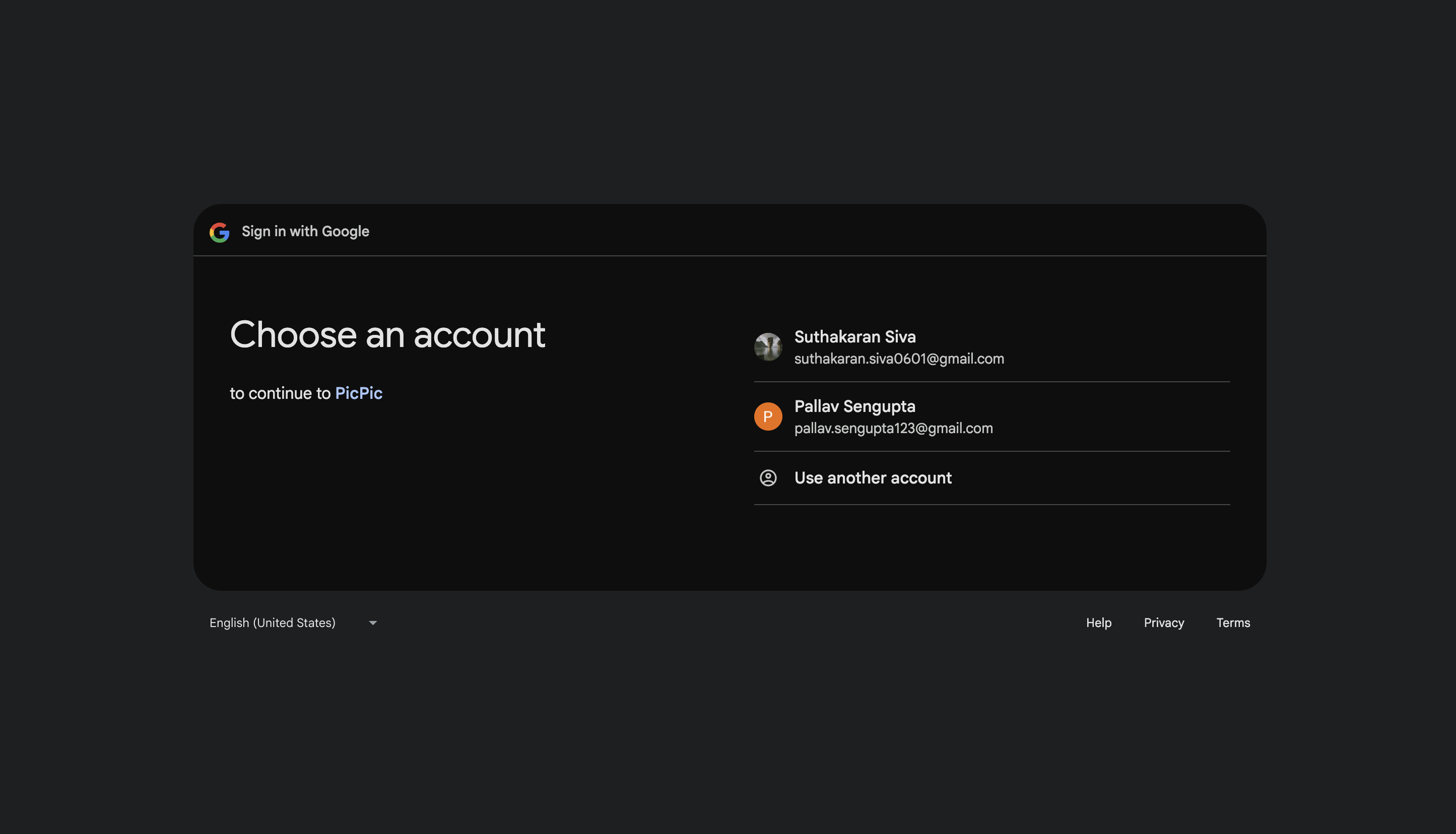
getting actual gmail authentication
-

displaying gmail login

Inspiration
Based on this year's theme for BearHacks, we instantly knew the use case for Automation and noticed a real issue with online shopping. People are spending way too much time searching for all kinds of products, like a new pair of trendy shoes to make a fashion statement or that specific glue they need for a DIY project, like fixing a leaky sink their mom keeps bringing up. It’s not just about one thing; it’s the constant back-and-forth, opening tabs, comparing prices, and sorting through endless options that eats up their day. We saw a clear need for a simpler, faster way to handle this, something that could automate the process and cut out the hassle. That’s why we built PicPick; this is a tool that pulls together thousands of listings from across the web, organizes them cleanly, and helps users find exactly what they want without the headache.
What it does
PicPick is an all-in-one platform that gathers data from thousands of products across major online retailers like Amazon, Walmart, or specialty stores to compare options and deliver a solution tailored to the user’s needs. Whether someone’s hunting for a sleek new jacket to stand out or a niche tool like heavy-duty glue for a sink repair, PicPick pulls listings from multiple websites into one place. It’s built to save time, letting users find what they want faster and often at exclusive prices they wouldn’t spot digging through sites one by one. Instead of juggling tabs or missing out on deals, users get a clear, organized view of their options.
On top of that, PicPick comes with a robust filtering system to take the guesswork out of searching. Users can sort through products with precision, narrowing down by categories like price range, brand, customer ratings, or even specific features like shipping speed. It’s designed to prompt them toward smarter choices, so they’re not wading through irrelevant results. Plus, our system doesn’t just stop at filtering, it suggests products tailored to their preferences, pulling from browsing habits or category picks to highlight deals or items they might’ve overlooked.
How we built it
We built PicPick with a tight stack to tackle online shopping woes. SerpAPI was key, scraping up-to-date pricing, and product details from many major retailers like Amazon to smaller niche sites in real-time, giving us the raw data to compare thousands of listings quickly. For the front end, we used a combination of Next.js, React and tailwind to craft a clean, interactive interface think material design, product cards and filter and sorting options via the sidebar or dropdown menu, just so that users may narrow down what they specifically. Specifically Next.js handled the heavy lifting, via next. routing for front-end accessibility and was also used to provide endpoints, furthermore, we used turbopack to speed up load times with server-side rendering and smooth navigation. MongoDB was our data hub, storing all those varied retailer listings in a flexible setup , so we could organize previous search results then query easily via mongoDB querying category and pull results quickly when users searched. Perplexity brought the smarts, analyzing SerpAPI’s data to spot trends or deals—like a cheap glue stick hiding on page three—and powering our suggestion system to nudge users toward the best options tailored to their needs. for optimization purposes we make use of mongoDB to cache past searches we take into consideration if a search was made recently and we will use the cache more so then making a new expensive api call.
Challenges we ran into
Setting up the API was a nightmare, we wanted one that could pull pricing and analytical data for solid comparisons, but figuring out which one fit the bill was a guessing game. We sifted through options, unsure if SerpAPI or something else would deliver, and it ate up time before we locked it in. Then, the Gmail login turned into another mess. We aimed to let users log in and save their data, but getting the authentication to play nice with our setup was an issue as half the time, it wouldn’t even connect right, and we were scrambling to debug it. Saving user and product data to the client project was just as rough. Pulling everything into MongoDB meant wrestling with the schema as we had to rethink how to structure it to avoid slamming the API with endless calls, which bogged us down as we juggled efficiency and functionality. It was a grind, but we hacked our way through it.
Accomplishments that we're proud of
We’re honestly stoked that we pulled off our MVP for PicPick, it feels like a huge win. With all the headaches we had wrangling the API, from picking the right one to making it work without crashing everything, getting it done was no small feat. But we didn’t just stop there we powered through to tie it all together with React and Next.js, keeping the UI clean and user-friendly, somewhere between decent and downright good. That balance of fixing backend chaos while still delivering a solid frontend we’re proud to show off gives us a real boost. It’s not just about finishing; it’s the grit we showed pushing past the mess that’s got us pumped to tackle bigger projects down the road, staying up all night was definitely worth it.
What we learned
Working on PicPick taught us a great deal about developing under tight deadlines. One of the biggest challenges was selecting and integrating the right API. While SerpAPI ultimately worked, it required extensive testing and careful examination of the documentation to understand what data we could extract and how to use it effectively for comparisons. This experience taught us the importance of looking beyond initial API descriptions to uncover real-world capabilities.
On the frontend, using React and Next.js helped us understand how to build a responsive and visually appealing interface, even when backend processes were more complex. Striking a balance between performance and design was not easy, but we became more comfortable with the trade-offs involved.
Working with MongoDB pushed us to think critically about data structure. Managing both user and product data efficiently without overloading the API.
Implementing Gmail login taught us valuable lessons about authentication flows. OAuth proved to be more complex than anticipated, and we learned the importance of carefully verifying every configuration step.
Exploring Perplexity for AI-driven product suggestions also broadened our understanding of how AI can be used to turn raw data into meaningful outputs. However, making those outputs practical required careful fine-tuning.
Above all, we learned how to adapt quickly and problem-solve effectively. Every obstacle taught us to approach challenges methodically and with persistence.
What's next for PicPick
The next step for PicPick is to evolve into a truly intelligent shopping assistant. Imagine you're browsing for a pair of sneakers—PicPick could instantly highlight a better deal from a lesser-known retailer or recommend a bundle that saves you money. Our goal is to make every user feel like they have a personal shopper working in real time: fast, intuitive, and constantly scanning the web for the best value. We're aiming to build smarter recommendation systems, integrate real-time price alerts, and personalize the shopping experience even further based on user preferences and behavior.

Log in or sign up for Devpost to join the conversation.