Inspiration
As someone who’s watched family members with severe nut allergies struggle to dine out safely, I knew there had to be a better way. Too many times, they’d skip meals out or stress over cross-contamination—restaurants either lacked clear allergen info or staff training. I wanted to build a tool that turns fear into confidence, centering the needs of allergy sufferers and their loved ones.
What it does
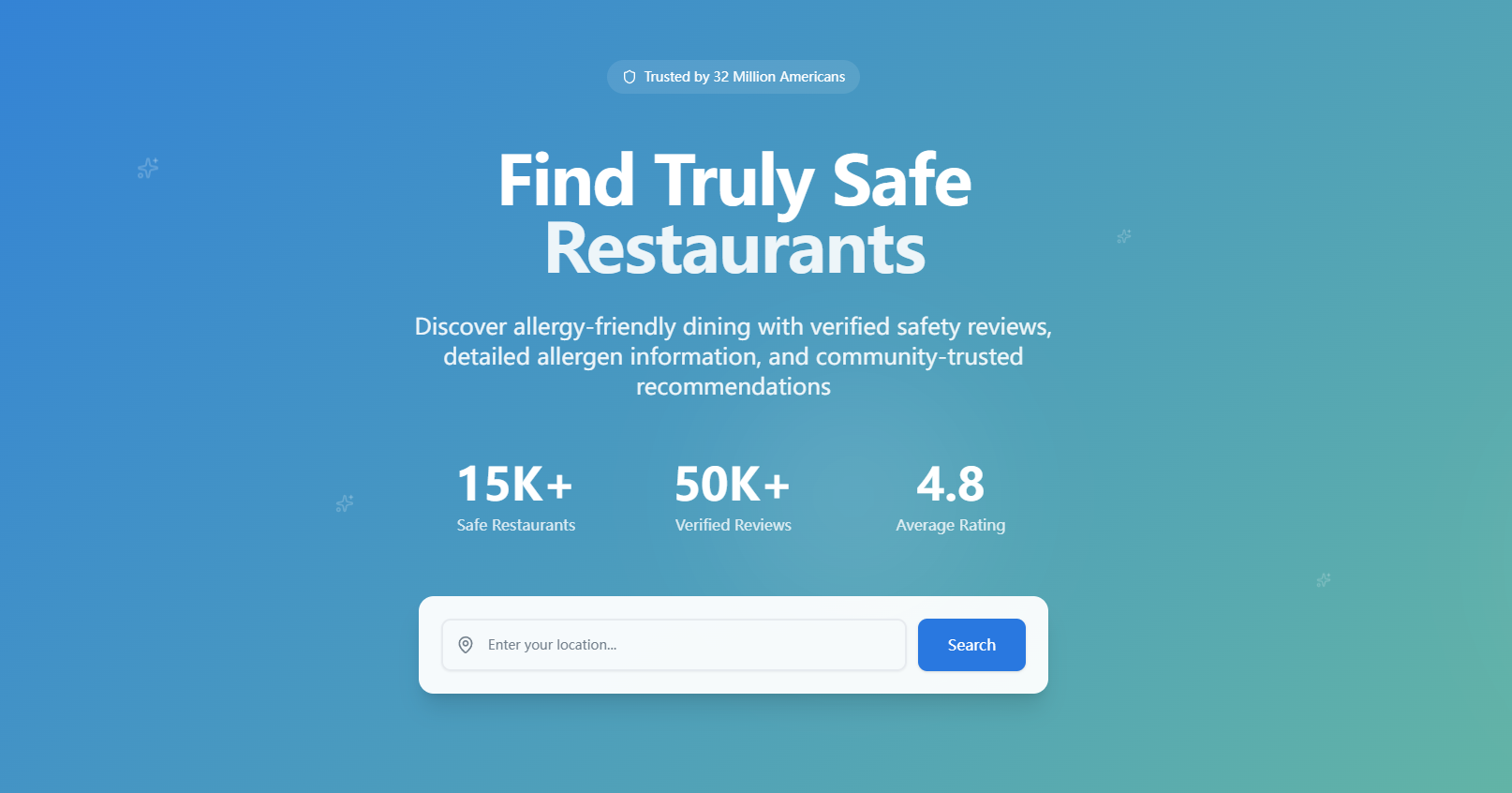
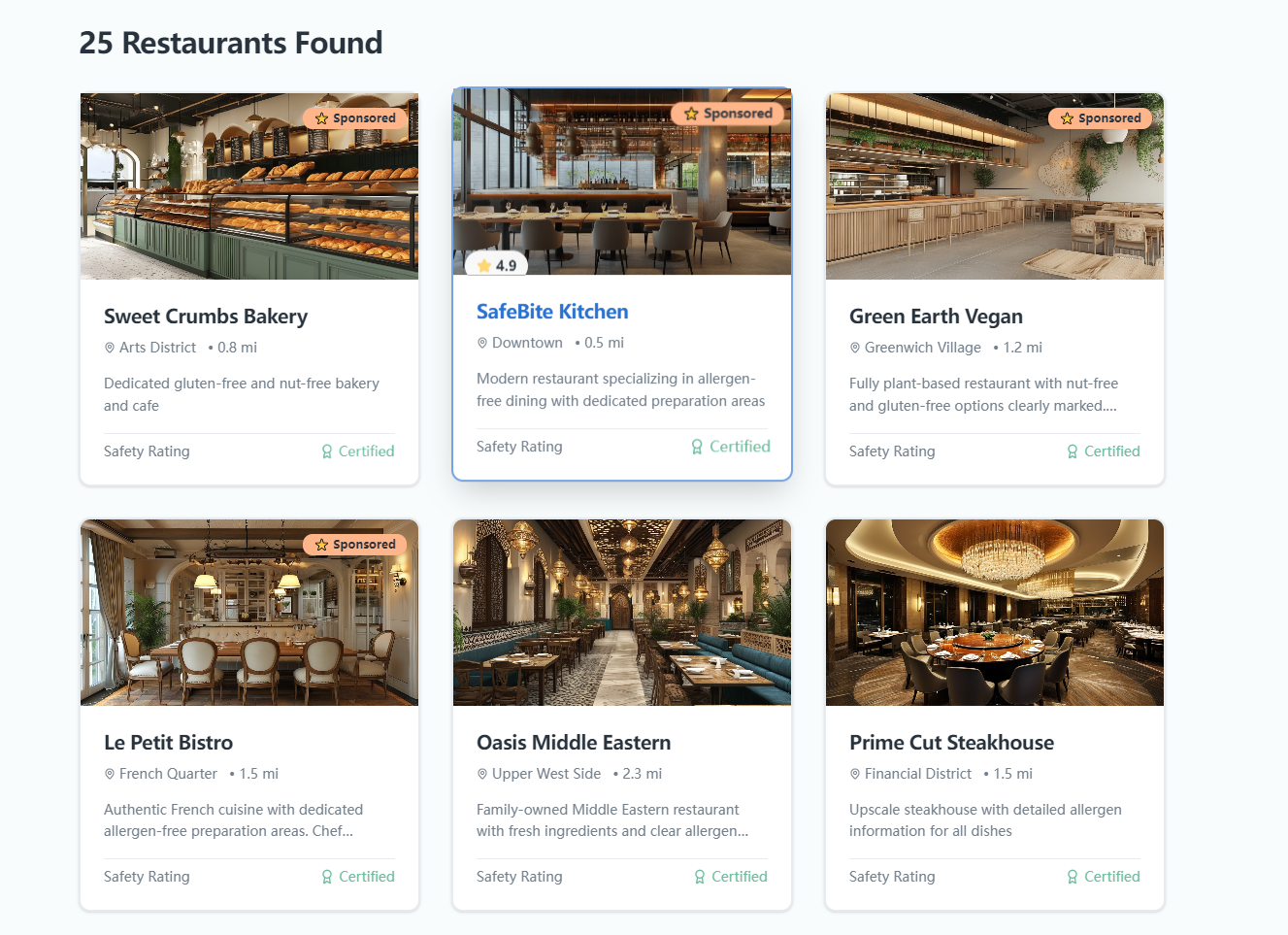
AllergyEats Finder is a web platform that lets users filter restaurants by specific allergens (peanuts, gluten, dairy, etc.), view verified safety reviews from fellow allergy sufferers, access detailed menu allergen labels, and pull up emergency resources (like nearby urgent care or epinephrine usage guides) in seconds. It prioritizes safety, clarity, and location-based relevance for stress-free dining.
How we built it
We started by mapping core user needs—allergen filtering, transparent menu data, and emergency access. Using React for the frontend, we built intuitive allergen selection tools and real-time filter logic. Node.js/Express powered the backend, with PostgreSQL storing restaurant, menu, and review data. We integrated Google Maps and Geolocation APIs to tie results to the user’s location, and designed a rating system that aggregates allergy-specific feedback (staff knowledge, cross-contamination control).
Challenges we ran into
The biggest hurdle was refining the allergen filtering logic—ensuring restaurants were only shown if they could accommodate ALL selected allergens (critical for severe allergies). We also struggled with sourcing accurate menu allergen data; many restaurants don’t track cross-contamination risks, so we had to balance transparency with realistic expectations for users.
Accomplishments that we're proud of
We created a tool that puts allergy sufferers first: the safety rating system is hyper-focused on their unique needs (not generic restaurant reviews), and the emergency resources page is accessible from every screen—no navigation hoops. We also built a monetization model (sponsored restaurant listings) that keeps the platform free for users, without compromising trust (sponsored spots are clearly labeled).
What's next for this project
We want to partner with allergy advocacy organizations to verify restaurant safety protocols, adding official certifications to profiles. We also plan to expand the menu data integration (working with restaurants to update allergen info in real time) and build a simplified mobile web experience—making it easier to use while out and about. Eventually, we hope to add a community feature where users can share quick safety tips for local spots.

Log in or sign up for Devpost to join the conversation.