Inspiration
Our inspiration largely stemmed from simple curiosity and passion for the medical field; we had yet to see a comprehensive app that deals with allergies, and were motivated to test whether we could build an app like that ourselves. The opportunity to not only solve a problem we noticed but address an issue that affects 50 million Americans yearly was one that we chased.
What it does
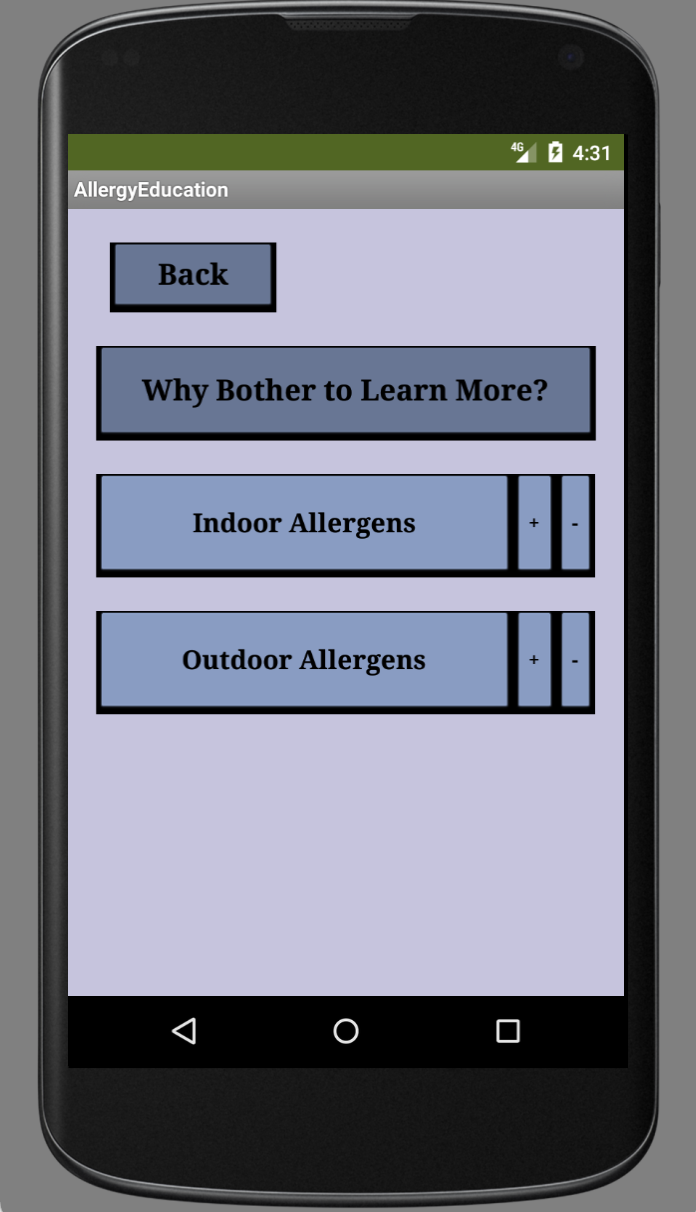
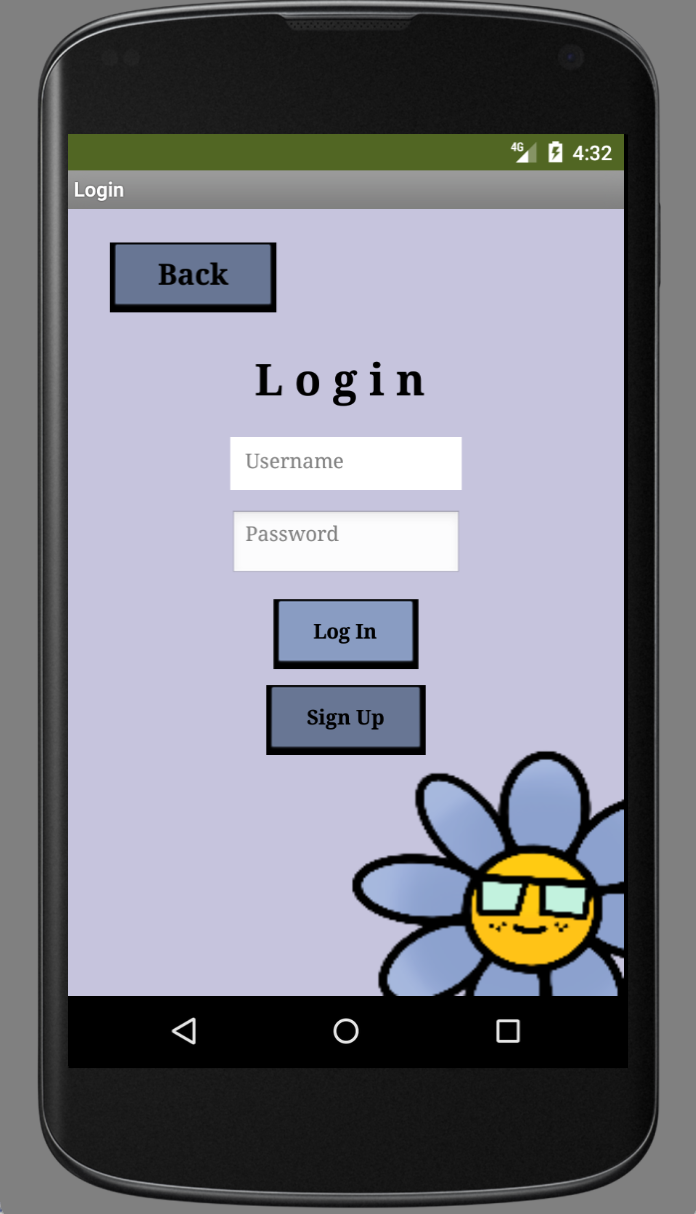
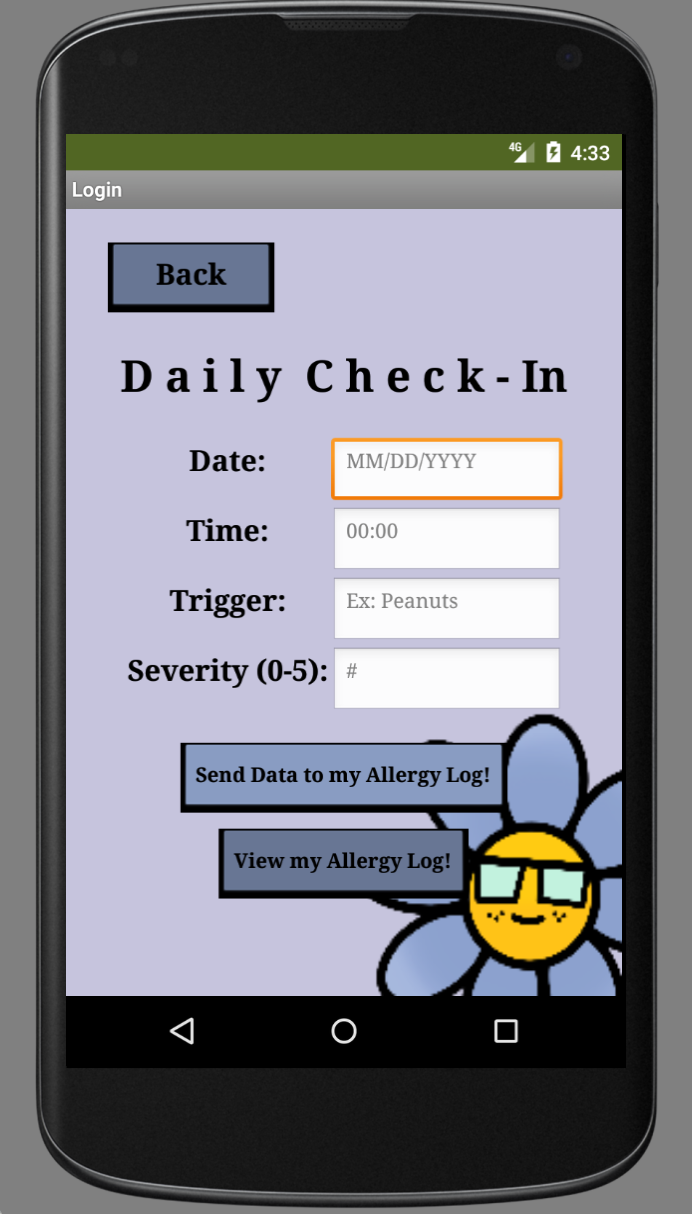
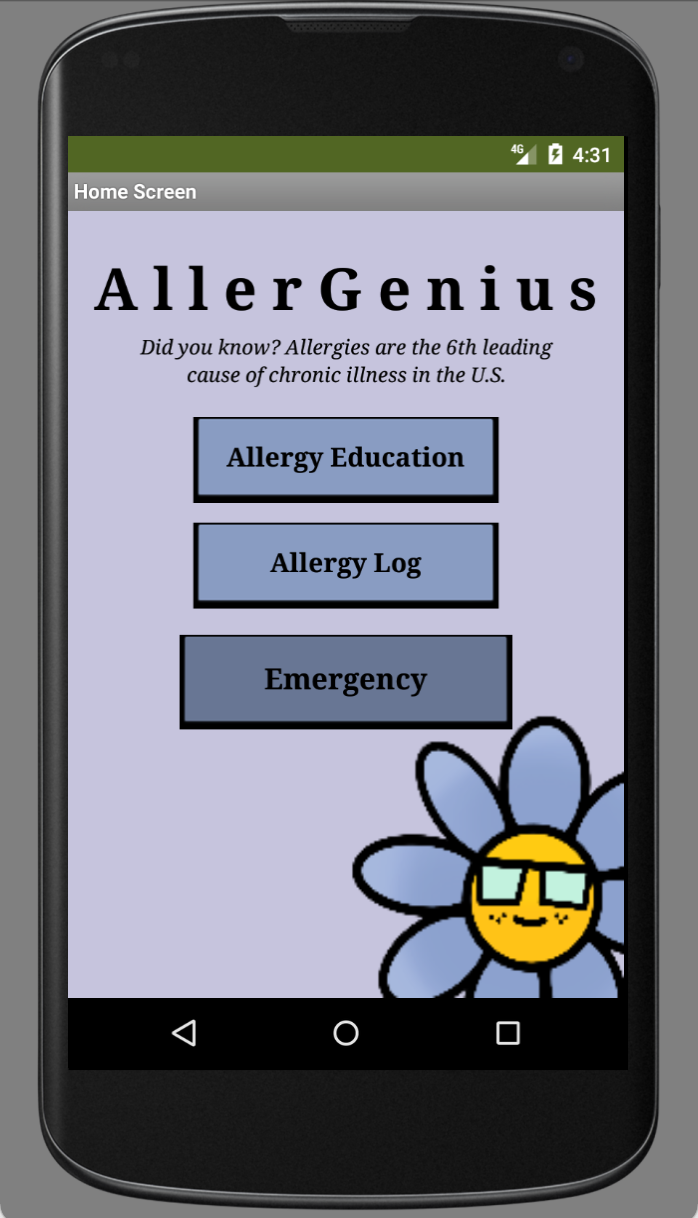
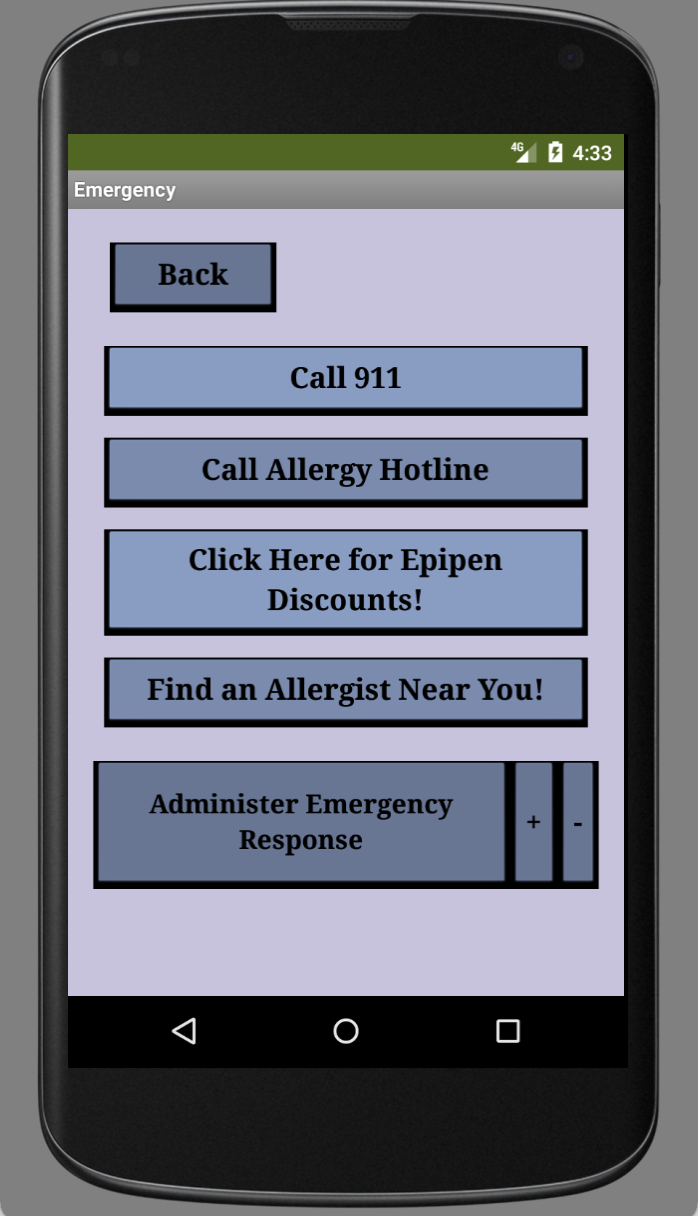
The app, as stated earlier, is a comprehensive guide to allergy management. The app deals largely with three primary components; learning about allergies, logging allergies, and responding to allergies. The first component literally aims to list and document some of the most common allergies, hoping to allow the user to identify and better understand the allergies they deal with. The second component allows the user to create an account and keep a personal log of any allergic responses they've dealt with. The third assists in emergency response, EpiPen needs and use, and locating healthcare professionals equipped to assist with the user's allergy needs.
How we built it
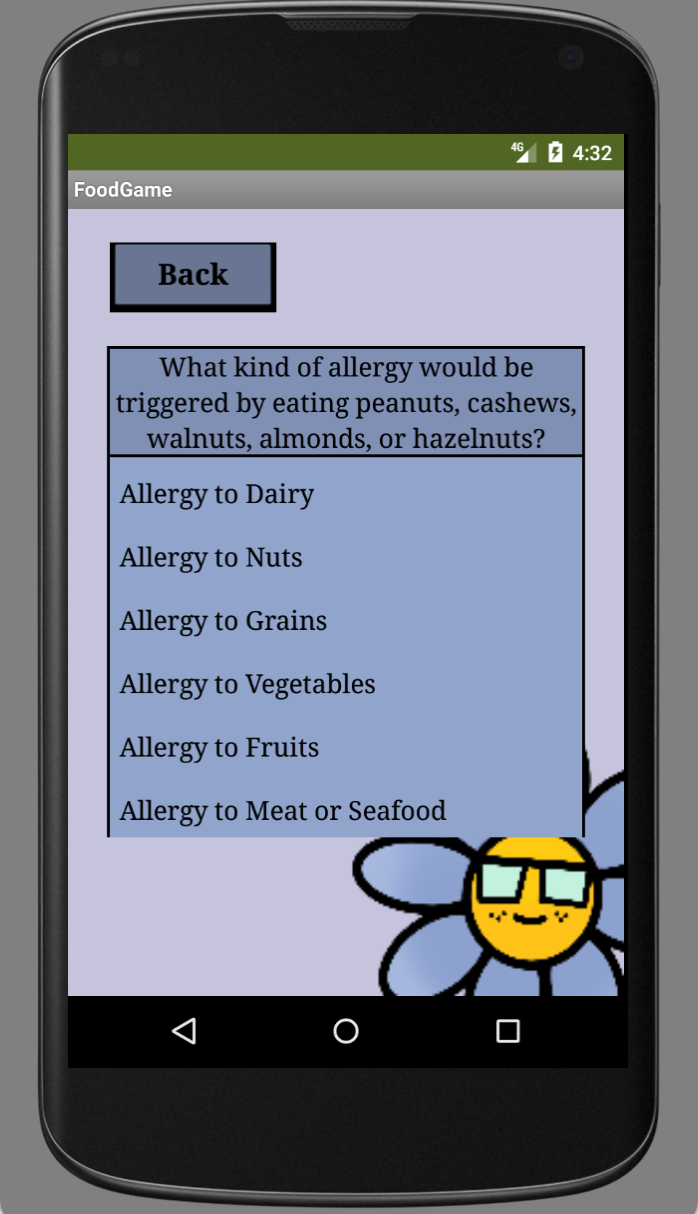
We built the app through MIT App Inventor, and the composition of each portion of the app varies on the basis of its function. The allergy education portion makes use of drop-down menus, through the .visible command and simple true or false commands, while the allergy log portion makes use of a significantly larger number of components. Individual accounts are created through and stored by Google Firebase, while user data is secured in a master sheet, from which the user's information is retrieved through their username. The code itself relies on user entry, considering that it stores and displays the user's own data. The third portion, the allergy response section, relies on buttons that navigate primarily to other places, be it making phone calls to 911 or an allergy hotline, redirecting to allergist searches, or games that further the user's understanding of allergy management.
Challenges we ran into
We had some trouble with identifying a way to make the app display only information that the user entered and wanted to see; we ended up overcoming this challenge by assigning the data a flag of sorts, associating it with the user's username, and constraining what information the app displayed by checking whether the information being retrieved was flagged with the appropriate username.
Accomplishments that we're proud of
Completing the app was an accomplishment in and of itself, one that we're VERY proud of, but alongside this, overcoming any roadblocks, particularly the one mentioned earlier, was something we were quite proud of. Alongside this, the fact that we were able to address an issue as important as allergy management is something we take pride in.
What we learned
We learned a bit more about the creative process, and what it means to have and manage allergies. The benefits of building an educational app involve learning more about the subject along the way, and the knowledge we've gained is immensely valuable.
What's next for AllerGenius
Aside from minor additions that we've considered, perhaps creating code that does the things we've outsourced, like the doctor locator, would be something we're interested in. In terms of other goals, Allergenius could benefit from being used! The app is designed for being used by several users at once, so publishing and promoting its use would be a great next step.


Log in or sign up for Devpost to join the conversation.