-
-

-
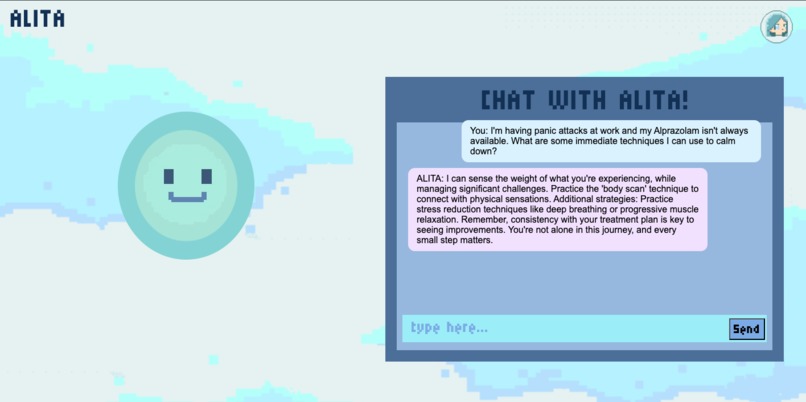
Demonstration of the chat
-
-

journal
-
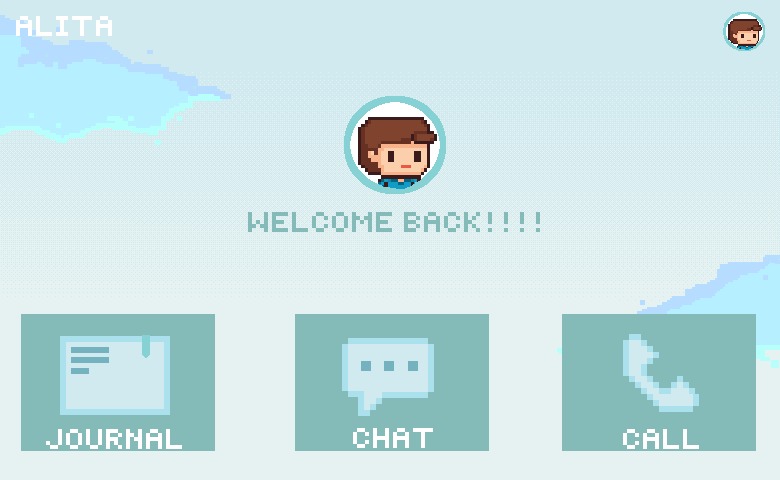
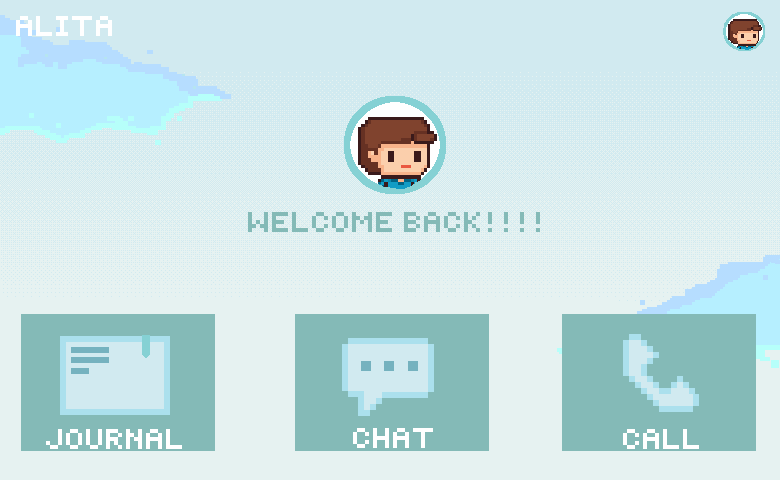
homepage
-

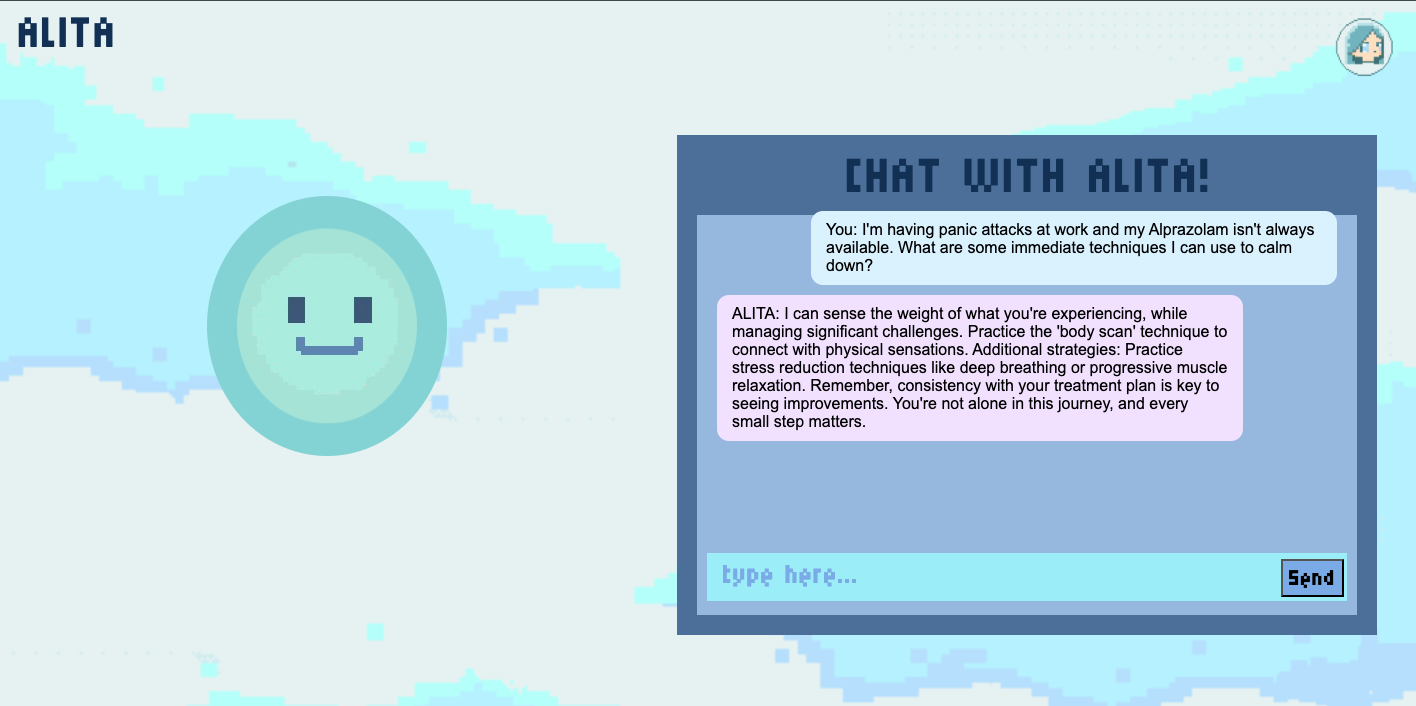
chatbot feature



Inspiration
The world is facing a plethora of problems, and even more so, the people who contribute to it. According to a recent publisher, in 2025, 1 in every 4 Americans will attend therapy sessions in their day-to-day lives. With a demand as high as this for a service just as complex, there must be an easier way for people who feel the need to talk to someone to get help the right way. This is where Alita begins
What it does
Alita is a locally fine-tuned LLM built to learn real knowldege on its users mental health status, allow them to converse ith it, and provide meaningful, comforting, and motivating responses. Alita is built to understand advanced psychological cases, trained on over 2000 unique, diverse inputs to identify and handle even the most foreign or uncommon diagnosis'.
How we built it
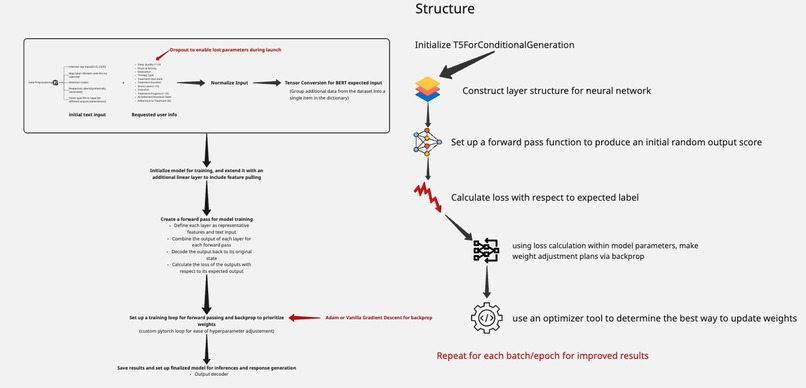
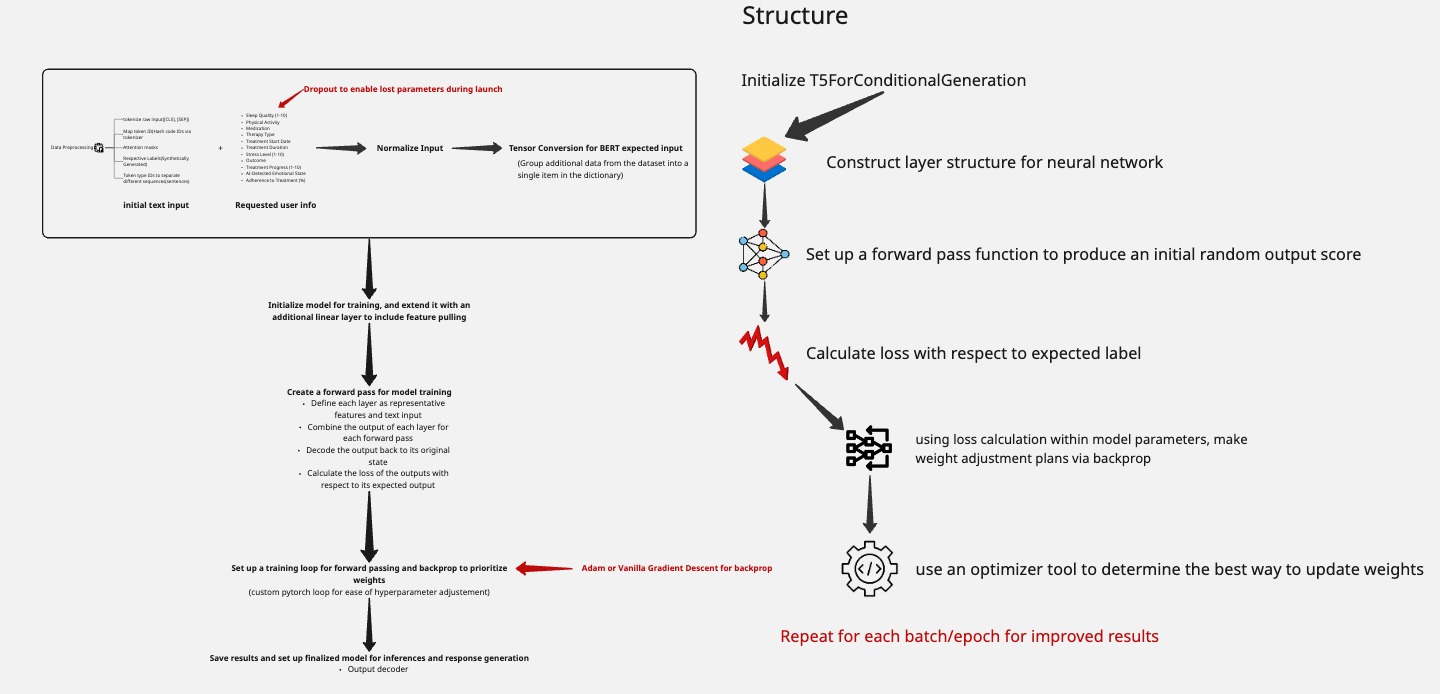
Using T5's T5ForConditionalGeneration, we set up a large neural network to fine-tune our mental health statistics to integrate real-world, specific knowledge into the model. This way, we can tailor every response to our users' lifestyles and feelings. Additionally, we've integrated features like Google's speech recognition to allow our AI model to communicate over audio, making for a seamless mental health companion.
Challenges we ran into
One of the biggest challenges we ran into was ensuring that our dataset was diverse and impactful enough for fine-tuning. We ran into a lot of complciations where our model wouldn't produce the desired responses, oftentimes too shallow for any feasible impact. After working with synthetically augmenting the data and modifying feature inputs to the precise format, we were finally able to get real results.
What's next for Alita - The Smartest Mental Health Companion
At this moment, Alita is just dying to get smarter, so should we decide to take her up on that desire, we want to gather an even more robust dataset that we can train her on so she can be confident in everything anyone ever asks her.


Log in or sign up for Devpost to join the conversation.