Inspiration
Cycling at night often feels risky—navigating poorly lit streets, glancing down at your phone for directions, and struggling to communicate your presence to others. These challenges not only compromise safety but also detract from the joy of the ride. That’s what inspired us to create GuideLight, a revolutionary solution that transforms night cycling into a safe and seamless experience. True to our tagline, “LED-the-Way,” GuideLight uses advanced light projection technology to guide cyclists by projecting navigation and safety cues directly onto the road. By addressing these real-world challenges, we aim to empower cyclists to stay focused, confident, and connected as they follow the lines that light their journey.
What it does
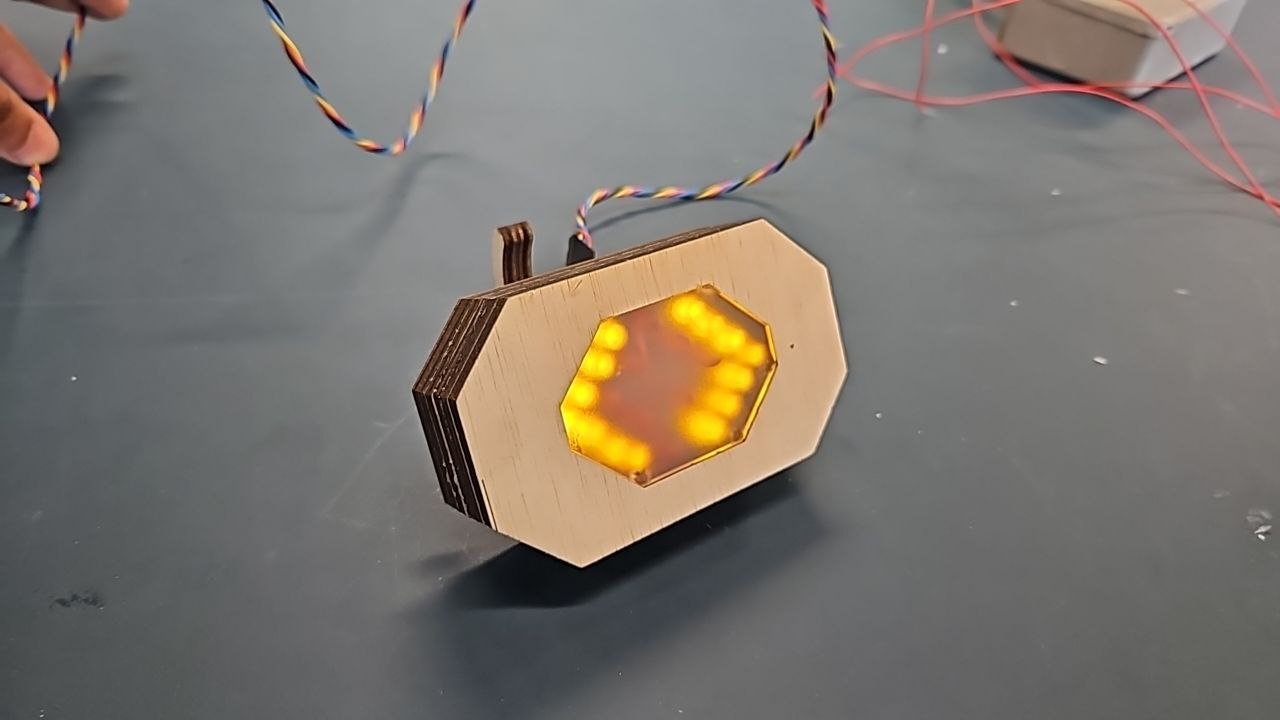
GuideLight projects real-time navigation directions and alerts for cyclists passing through directly onto the road ahead, keeping your eyes on the path. Its advanced light projection system eliminates distractions and enhances visibility, ensuring a safer and more intuitive cycling experience. Additional features include automatic brake backlights and turn signals, improving safety and communication with others on the road.
By creating a seamless and pleasurable experience, GuideLight reduces the reliance on cars for short trips, indirectly contributing to reduced energy consumption and a more efficient urban lifestyle.
How we built it
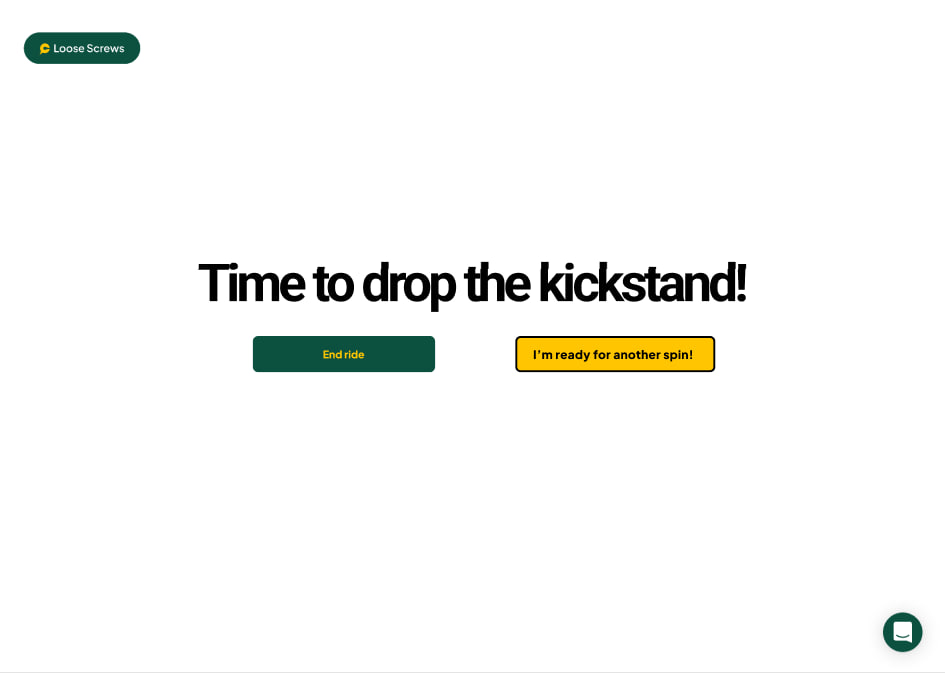
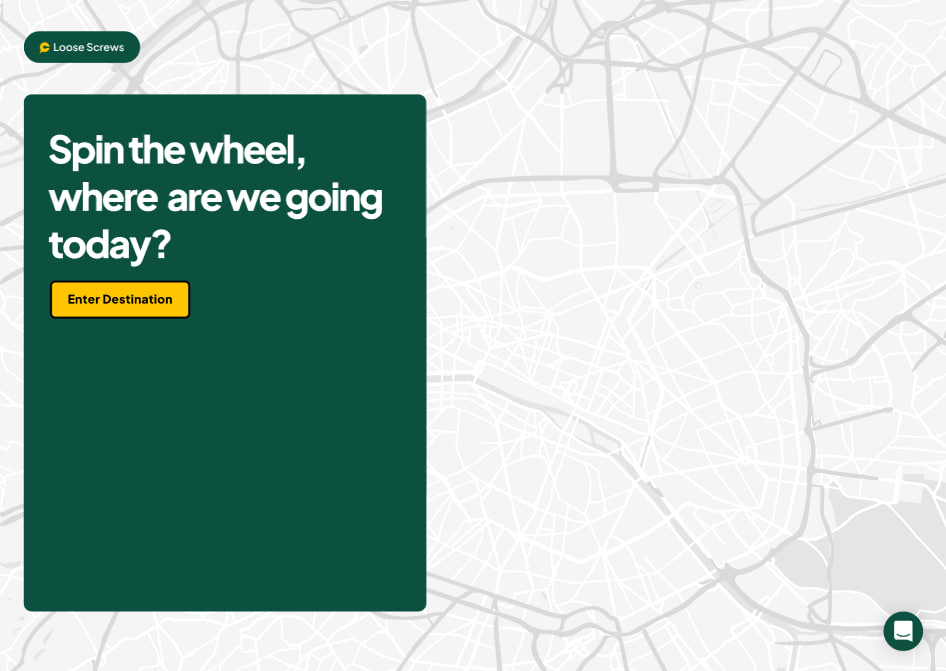
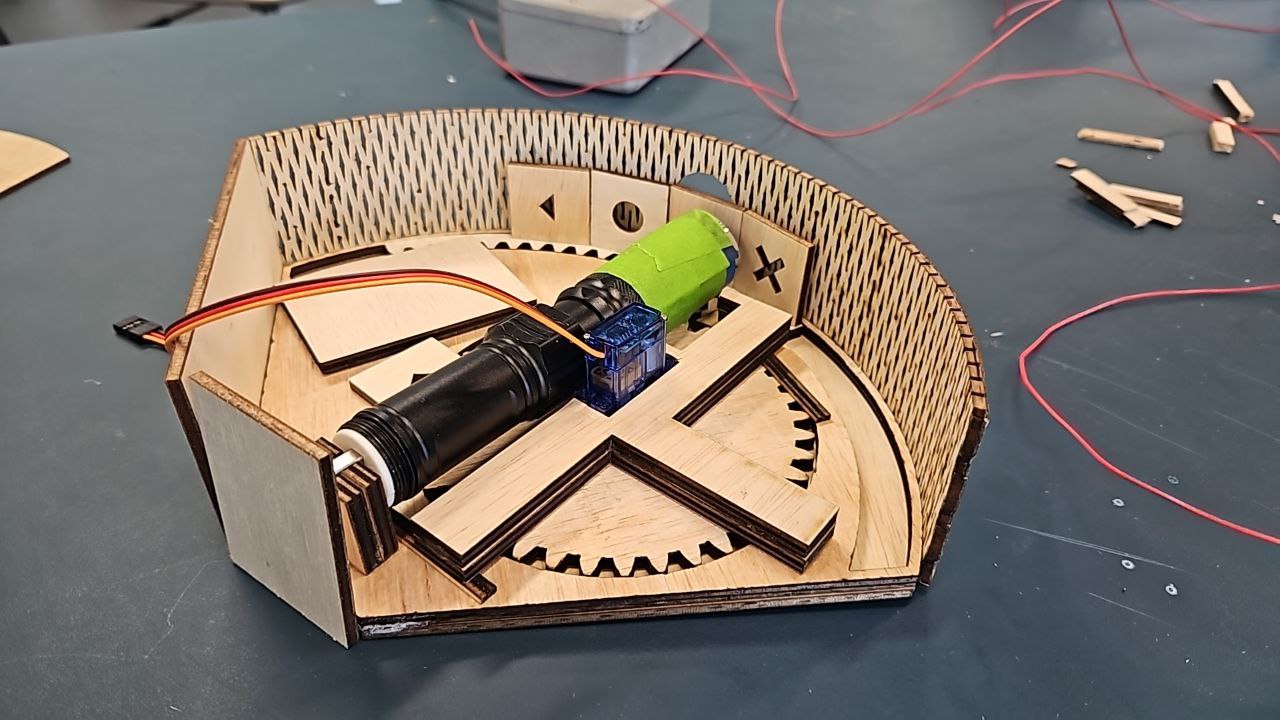
We used React JS to build the web app that calls on Google Map API to get the directions. This web app connects to the esp32 controller in the light through Bluetooth Low Energy (BLE). The esp32 then effects the directions onto the servo motor controlling the stencils for the flashlight. This way the rider gets a projection of the next direction on the ground in front of them, without having to look at his phone.
Challenges we ran into
One of the biggest challenges in developing GuideLight was managing the complexity of the prototype. The initial design was bulky and difficult to integrate seamlessly into a bicycle due to the multiple components required for functionality. While we’ve made progress in reducing the size, further refinement is needed to make it even more compact and efficient.
Another challenge was ensuring the torch used for projection was strong enough to display clear navigation and safety cues on the road. Achieving sufficient brightness and clarity, especially on uneven or poorly lit surfaces, has been tricky. We’re actively exploring brighter, more energy-efficient light sources to overcome this hurdle.
Although these challenges remain ongoing, they’ve provided valuable insights into areas for improvement and innovation. We’re optimistic that with continued development, GuideLight will set a new standard for safety and functionality in cycling technology.
Accomplishments that we're proud of
We’re proud of the progress we’ve made in developing GuideLight, even as we continue to tackle some of the challenges. The projection system, capable of displaying navigation cues, overspeed warnings, and safety alerts like "Cyclist Passing Through," has been successfully implemented, showcasing the potential of our idea. It’s a significant step toward creating a safer, more intuitive cycling experience.
We’ve also integrated features like automatic brake lights and turn signals, enhancing safety and communication on the road. While challenges such as reducing the prototype size and improving projection clarity remain, we’re excited about how far we’ve come and the foundation we’ve built for future improvements.
The progress we’ve achieved so far inspires us to keep refining GuideLight, with the goal of turning it into a game-changing solution for night cycling.
What we learned
Through this project, we learned the importance of user-centric design in solving real-world problems. Testing GuideLight in real scenarios helped us understand how cyclists interact with technology on the go and how critical timing, simplicity, and safety are to the overall experience.
What's next for GuideLight
Our next steps include refining the projection clarity for different weather conditions, adding voice input for hands-free destination setup, especially on varied terrains. We also aim to expand the range of projected signs, such as enhancing over speeding alerts and introducing additional safety prompts, while improving the efficiency and smoothness of the sign transition system.
Looking ahead, GuideLight has potential applications beyond bicycles. We envision expanding into the automobile industry, leveraging our navigation projection technology to create on-road guidance systems for cars. This innovation could significantly reduce the number of car accidents caused by distractions, offering a safer and more intuitive driving experience. By broadening its scope, GuideLight aims to revolutionize navigation across multiple modes of transportation.


Log in or sign up for Devpost to join the conversation.