-
-
Hero
-
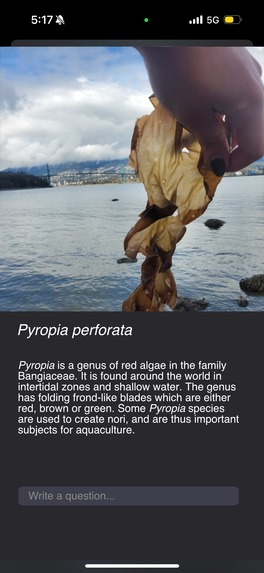
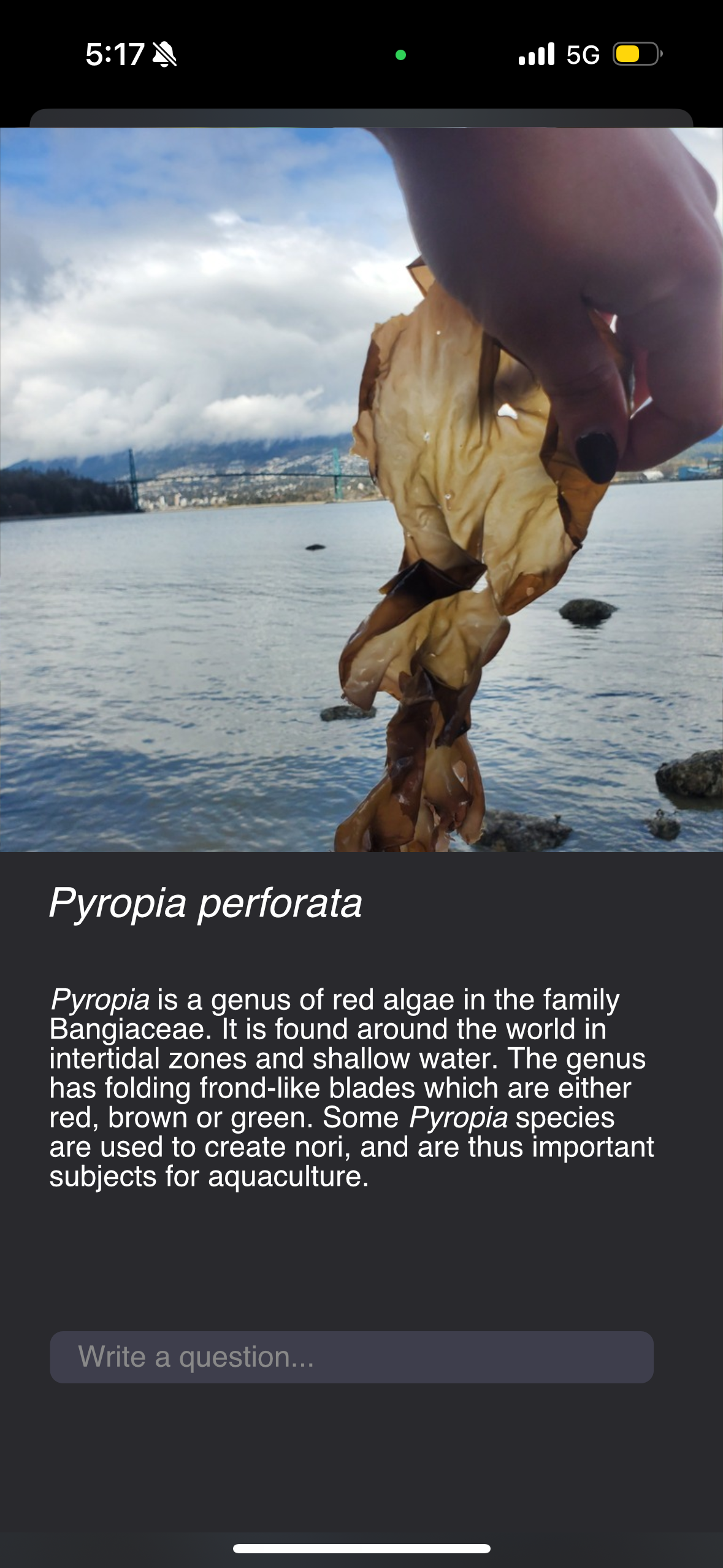
Information about algae with prompt box to query AI about the algae
-
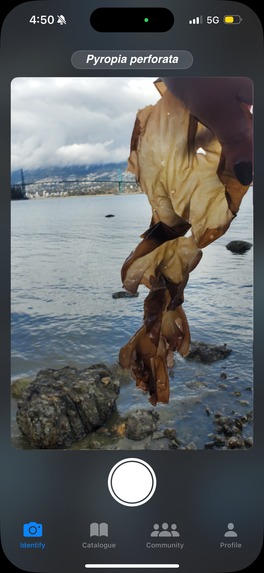
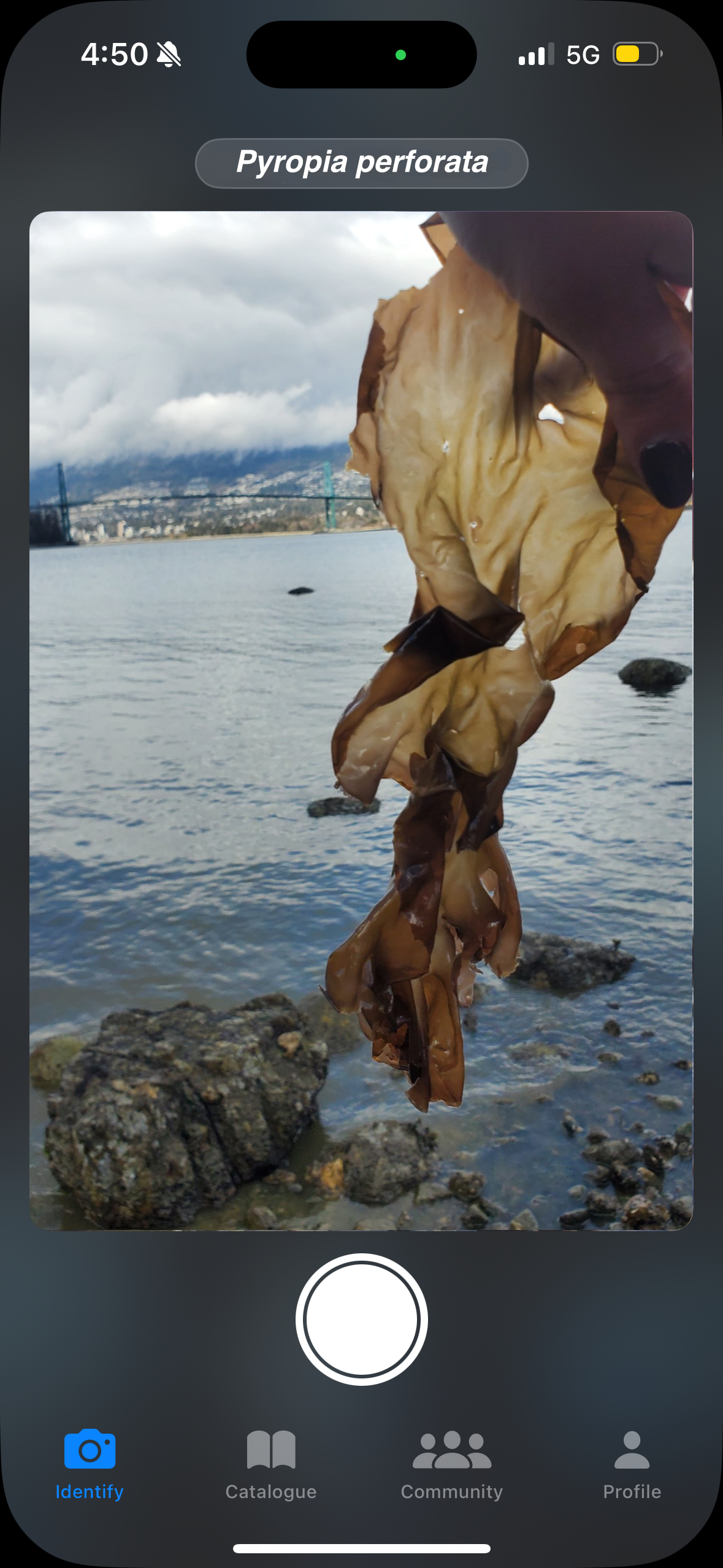
Camera functionality with AI identification
Be bold!
Inspiration
One of our team members, Ana, had to identify algae as part of a course she took in her undergraduate degree. Despite recognizing the importance of algae to her local ecosystem, as well as the global economy, she did not enjoy the tedium and difficulty of finding and identifying algae. With this app, barriers for creating research data are removed, allowing any algae enthusiast to contribute to a global issue.
What it does
AlgaeFinder AI is a theoretical application that uses AI-powered image classification to easily identify and log algae. It also allows users to ask questions about algae they identify and provides AI-powered responses, improving their learning process.
How we built it
Mockups were built using Affinity Suite, and given a week, we believe we can turn this into a real product. Data for the model will be obtained from the GBIF, iNaturalist, and AlgaeBase, and the model will be trained using Create ML. This will then be used in Xcode using the Vision and Core ML frameworks to use the model in a Swift frontend app.
Challenges we ran into
The hardest challenge was thinking of a solution that can be implemented quickly without sacrificing our impact on climate change. Based on previous experience, we know we can create this application, and our research showed that this project is indeed scalable and applicable to climate change.
Accomplishments that we're proud of
We're proud of our ability to learn so much about algae and apply our learnings to a potential real-world solution.
What we learned
We learned a lot about the roles algae has in our everyday world. From thickening agents to the seaweed around sushi, algae is present in many products we consume on a daily basis.
What's next for AlgaeFinder AI
With funding, we would like to turn this into an actual application and test it on algae.


Log in or sign up for Devpost to join the conversation.