-
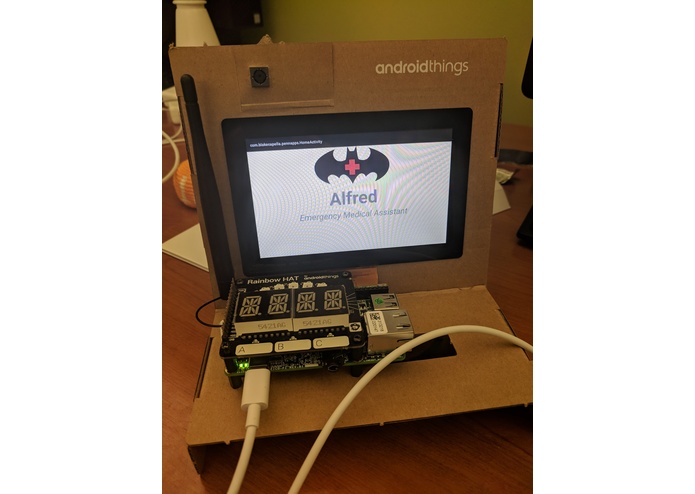
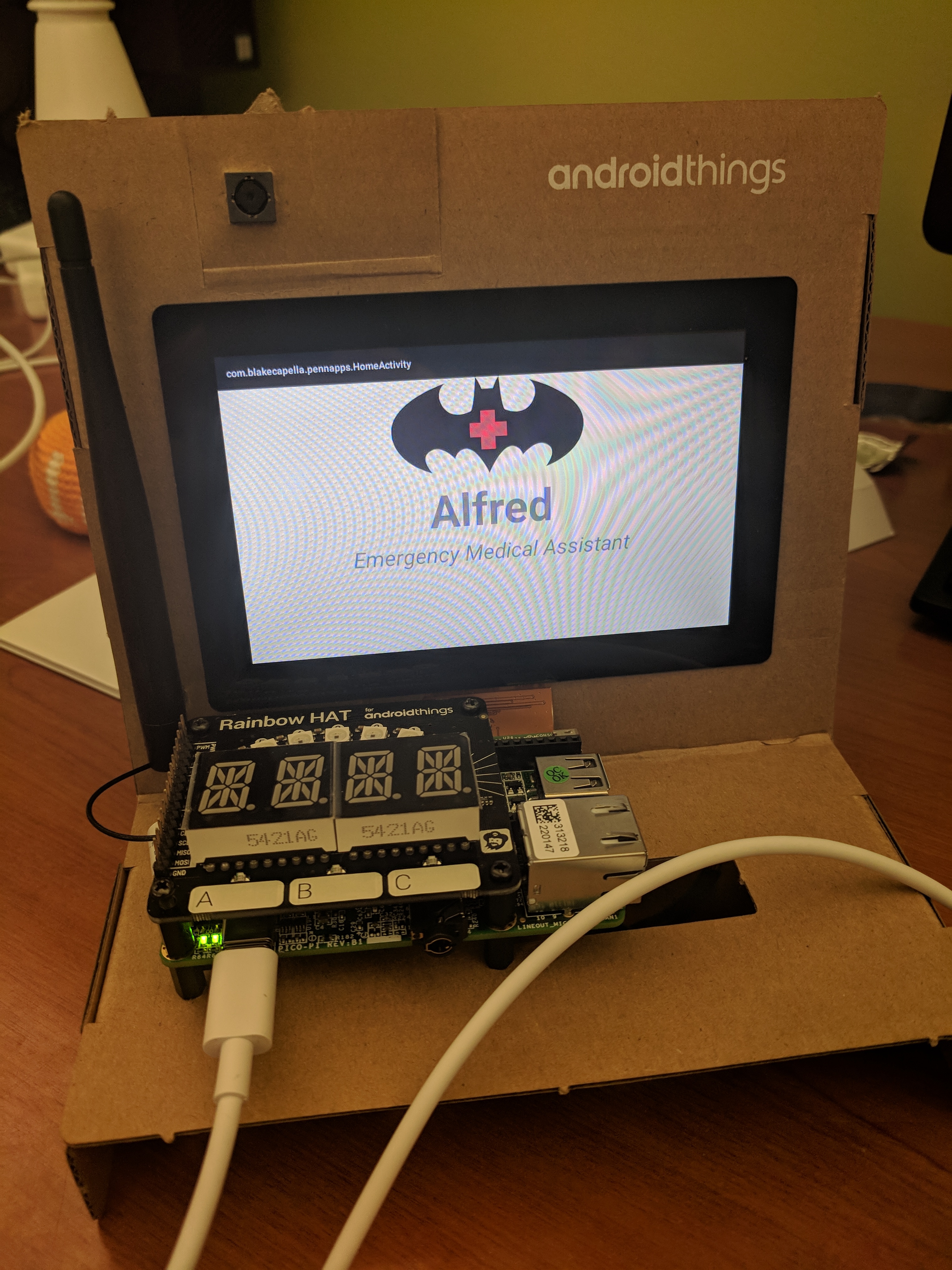
Alfred waits for user input to begin the first aid process
-
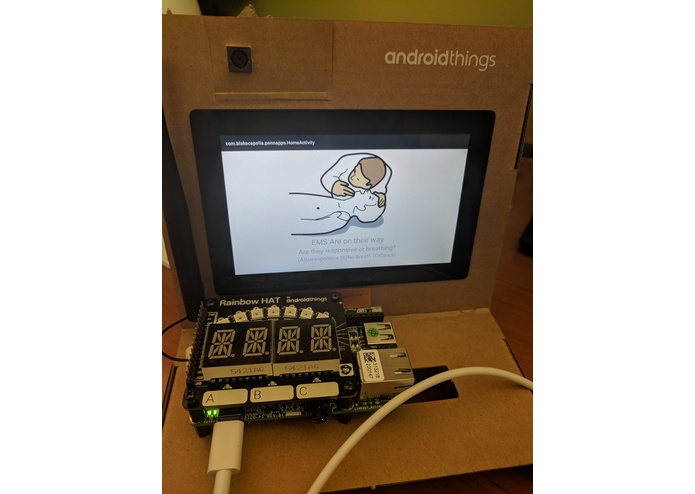
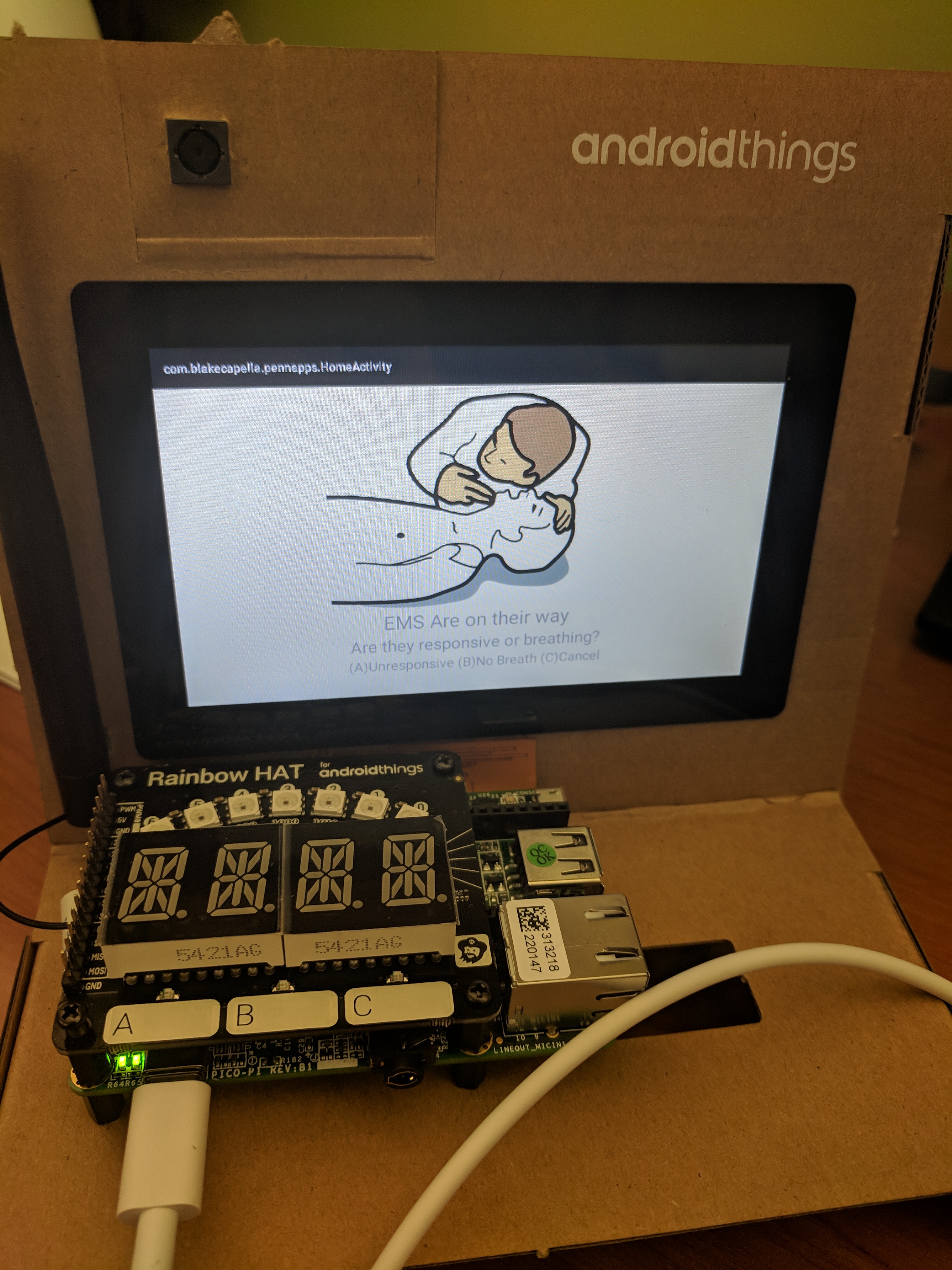
Asking for more information, Alfred instructs the bystander to listen to the patient's breath
-
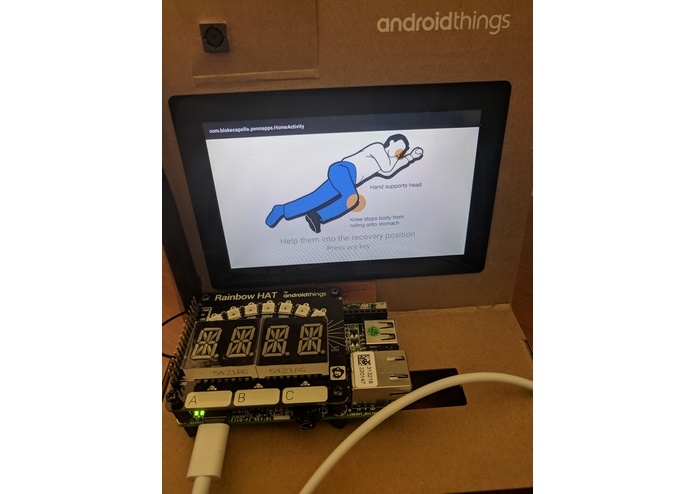
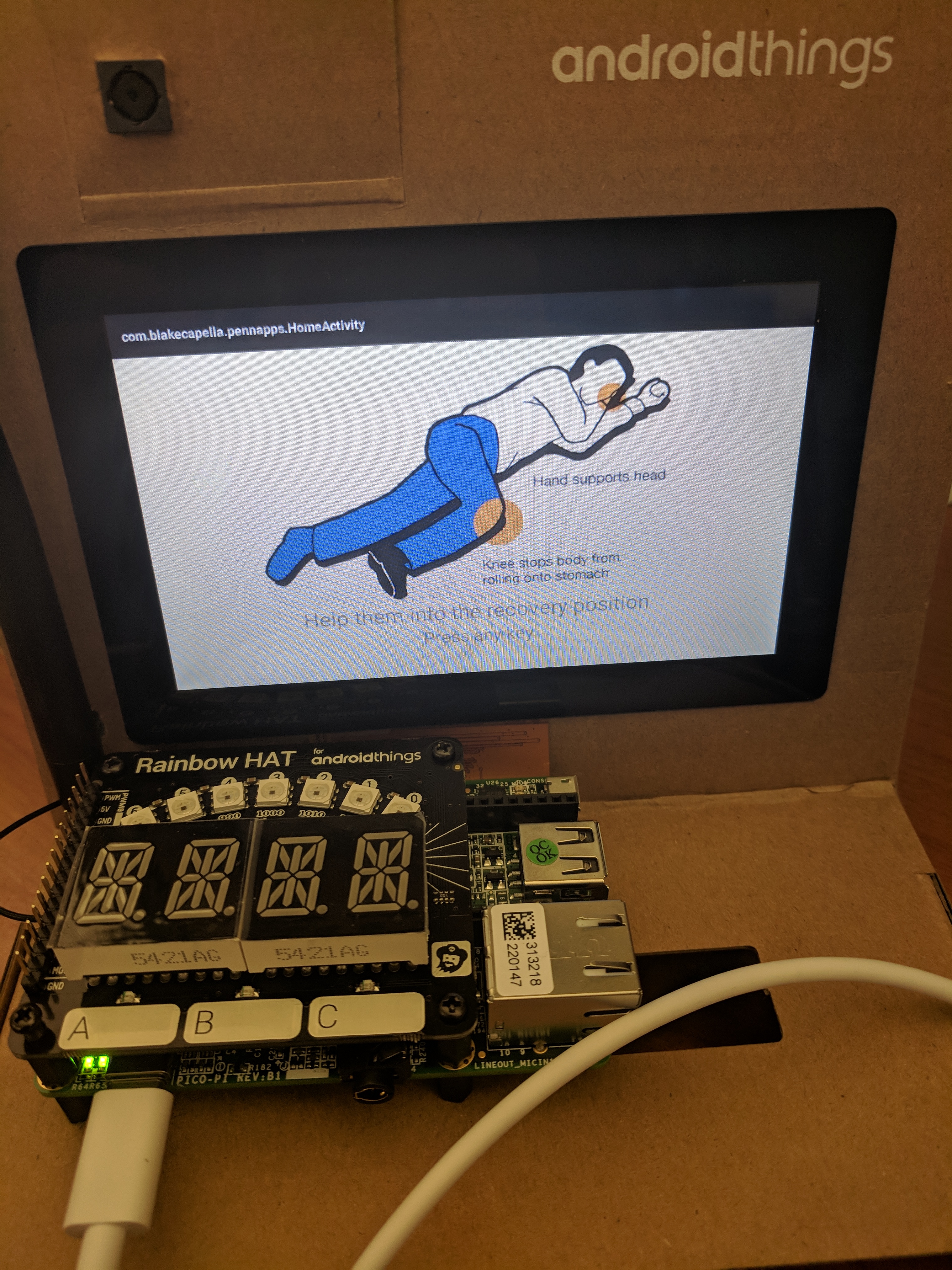
Alfred suggests stabalizing the patient, moving them into the recovery position
-
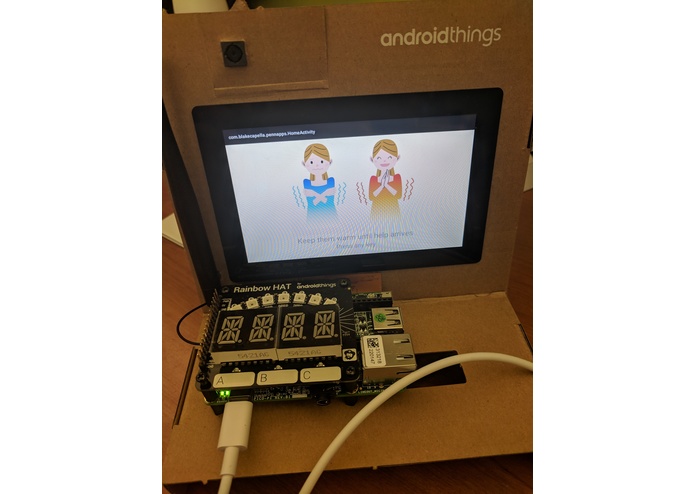
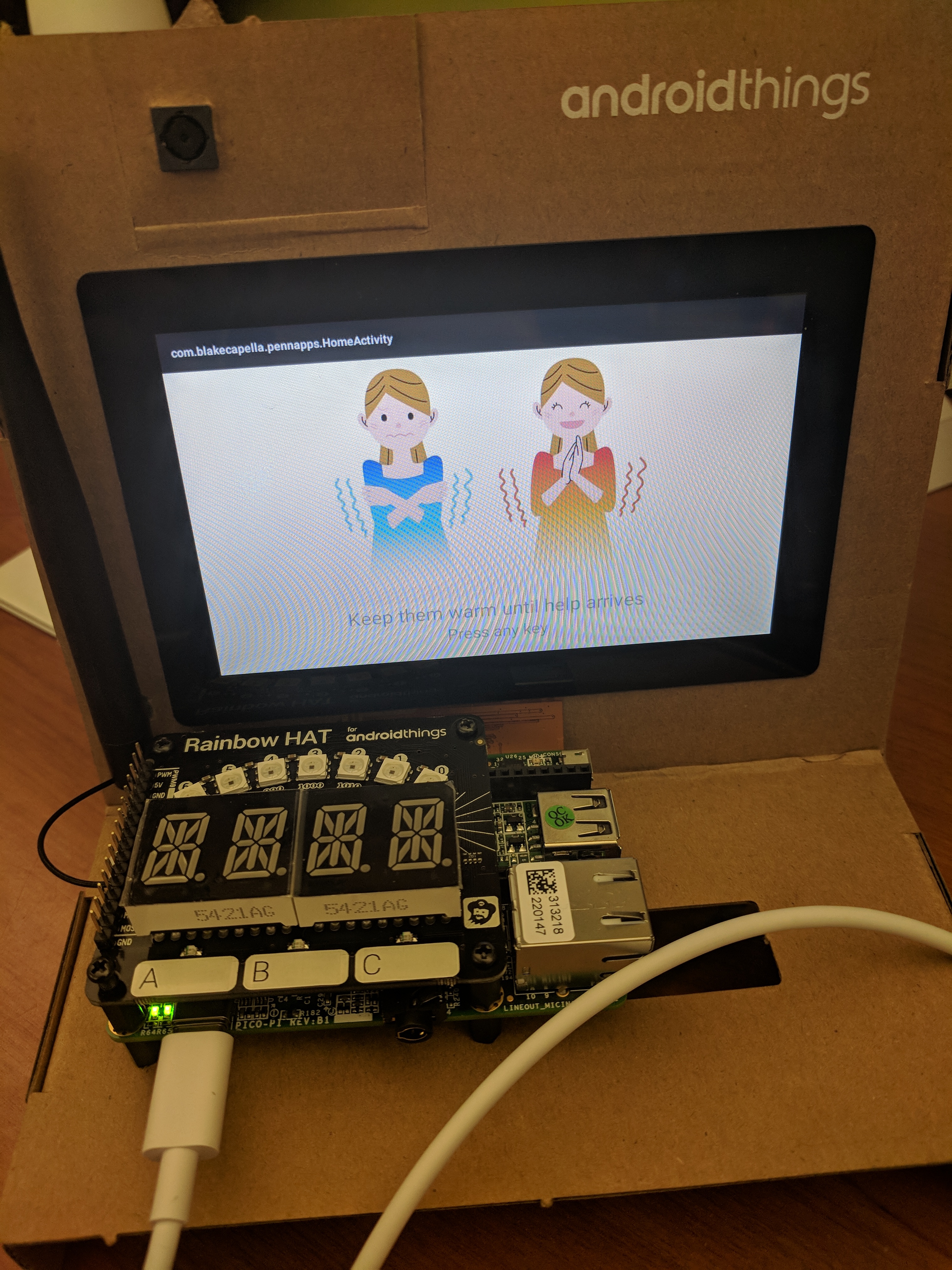
Alfred reminds the bystander that hypothermia is a real risk when someone suffers alchohol poisioning
-
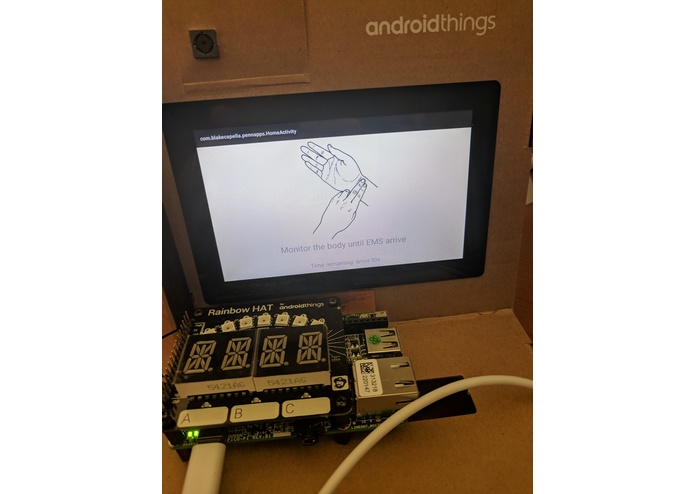
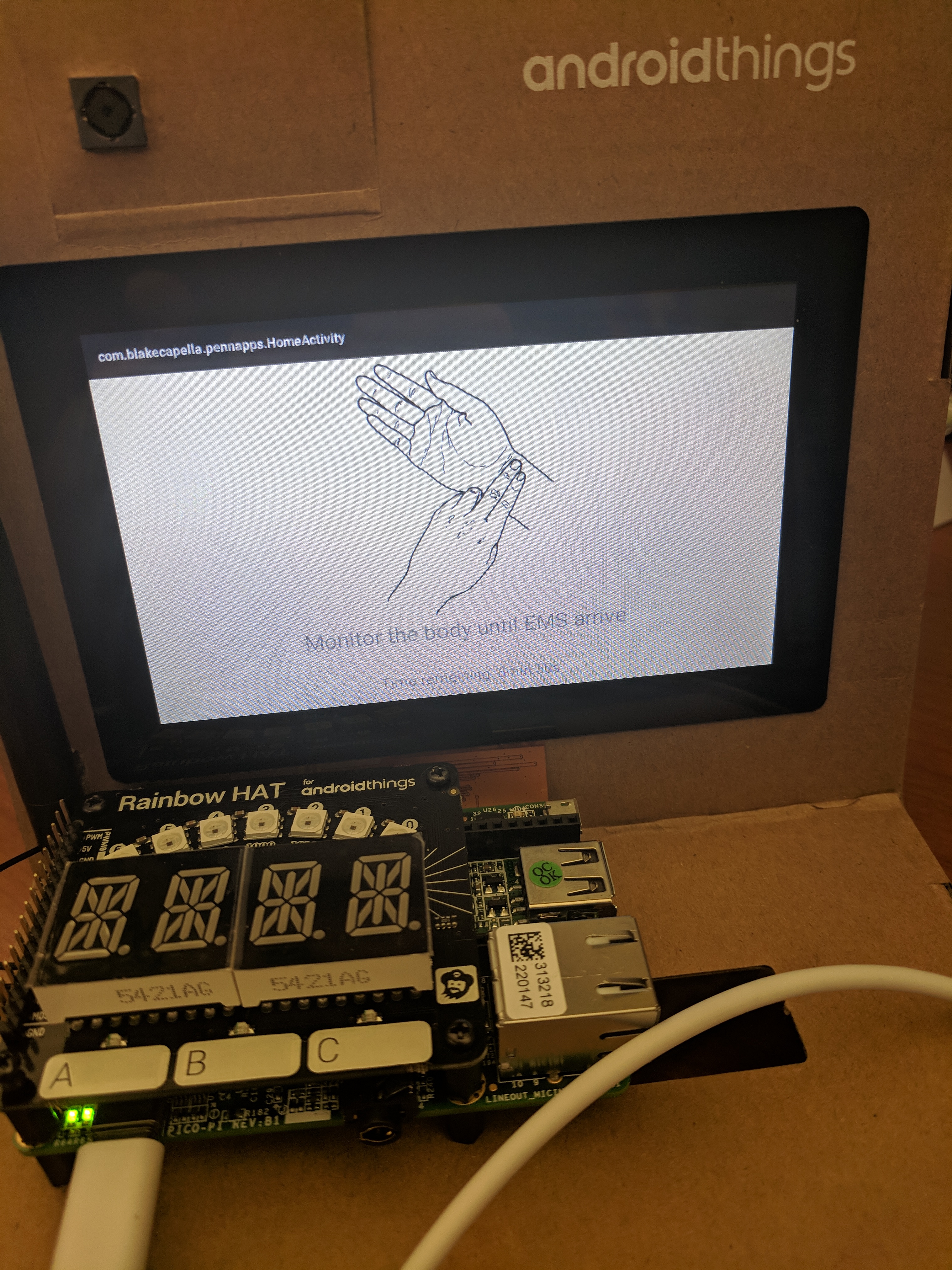
At the end of Alfred's assistance, the user is given an ETA for EMS arrival
Inspiration
The worst feeling in the world is powerlessness. In the emergency health world, it happens all too often. Even if you call 911, the average response time for EMS is 7minutes. Rather sit and wait for the first responders, most people chose to act. A cold shower to help their drunk partner or a towel to bite for someone suffering a seizure. Yet, these good intentions often make the situation worse. Due to medical myths and misinformation, what you think may help very often doesn't. Limited to verbal communication with first responders, bystanders can do nothing but stand by and wait. This is where Alfred comes in.
What it does
Alfred provides professional medical first response strategies and visual aids to stabilize patients. Through its LCD display and touch inputs, Alfred provides a streamlined experience capable of revolutionizing emergency healthcare. The user experience is expressly designed to produce clear and efficient information delivery, enabling even the most stressed and shocked callers to gain valuable information and peace of mind. Through a series of multiple choice questions, Alfred is able to appraise the situation and administer tailored advice for every situation.
How I built it
Alfred was built using an Android Things NXP kit. This kit included an NXP i.MX7D microprocessor, 800x480 LCD Touch Display, and Rainbow HAT. The Rainbow HAT included multiple input and output devices. In this project, the red, green, and blue LEDs were mapped to three capacitive touch sensors. Each button also was given an audio tone, in the range of a musical C, D, and E. The redundant feedback mechanisms are intended to create a seamless user experience. Using the Android Studio, these buttons were used to navigate a series of “slides” through several unique functions. The information included in Albert was collected from select national health organizations in order to fully illustrate the impact of the device.
Challenges I ran into
Unfortunately, our team was very slow in deciding what to do. Once we had decided to work with the Android Things kit and in the health field, each of the team members had to learn android development and UI design from scratch. We tried rushing through the process, which came back to bite us. Also, we had originally planned to use a google action to provide an alternative I/O along with text-to-speech processing. However, the google home had difficulty connecting to the Wi-Fi among other issues. After spending an incredible amount of time working on google assistant and home integration, we decided to modify our plan.
Accomplishments that I'm proud of
I am proud of our team’s ability to adapt and overcome the challenges we faced. We were able to learn an entirely new development environment, the Android Studio, as well as breaking into the embedded design world for the first time. The team worked well together, and we are proud that we have a product capable of making an impact in our community.
What I learned
We learned how essential it is to be thorough. Rather than skim over tutorials, a lack if deeper knowledge will haunt you. Our difficulties seemed monstrous at times, but we took it one step at a time. Slowly but surely, we made it to a finished product. In terms of hard skills, we all brushed up our java skills and took the chance to learn XML. For most of us, this was our first glance at the architecture and syntax of mobile app code. At the end of the day, we have created a solid platform for future app development projects.
What's next for Alfred: The Emergency Medical Assistant
One feature we really wanted to include with Alfred was voice communications. During times of high stress, many people will not take the time to read written instructions. With a microphone and speaker, Alfred could also act as a phone, dialing 911 or transmitting valuable health information to first responders. Finally, Alfred could use a more developed database. Currently, only one illness has a “complete” entry – Alcohol Poisoning. After communicating with medical professionals all common 911 calls would fall under Alfred’s care.
Built With
- android-studio
- android-things


Log in or sign up for Devpost to join the conversation.