-
-
-
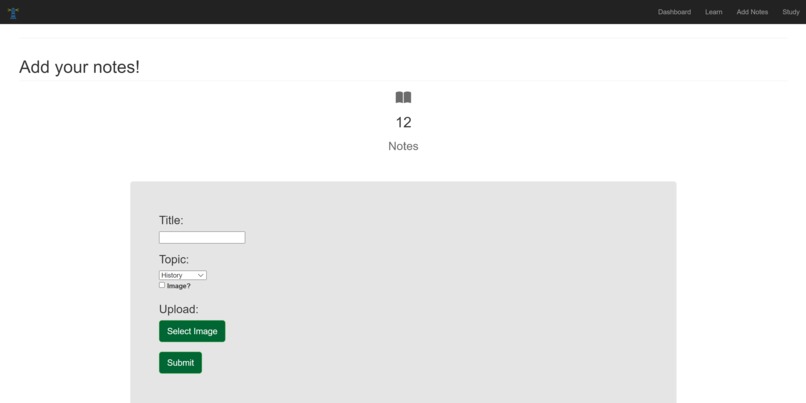
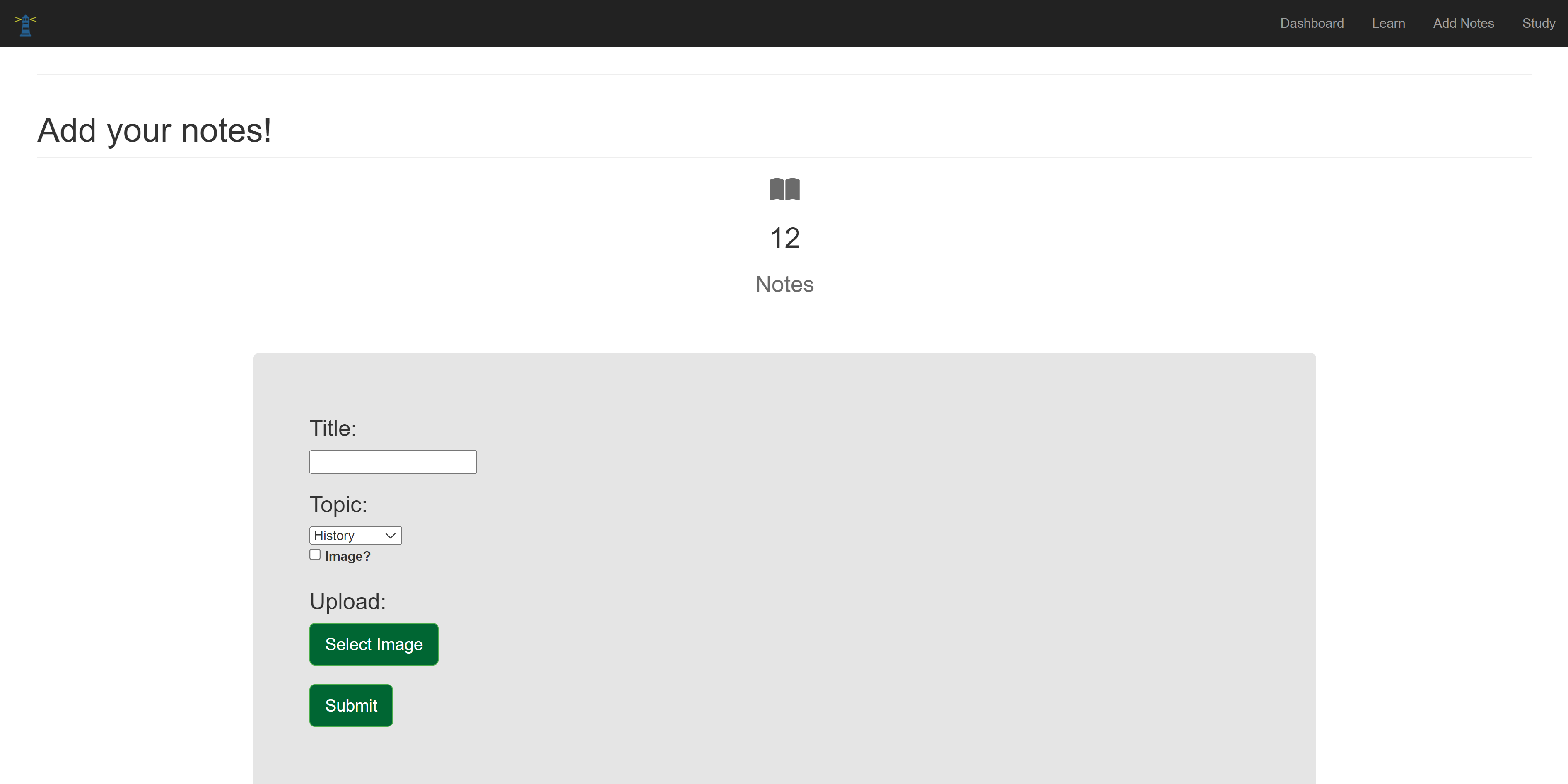
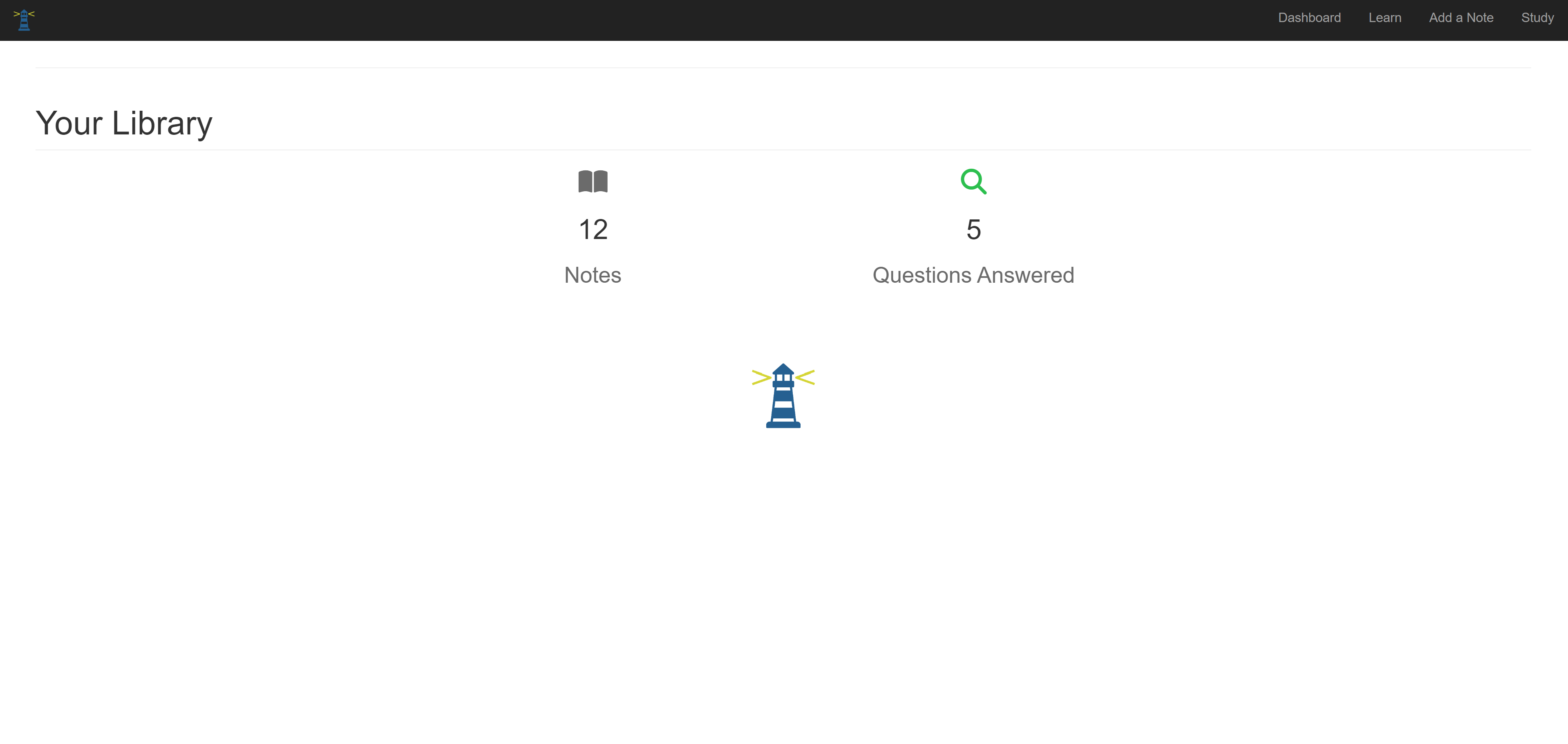
live upload page
-
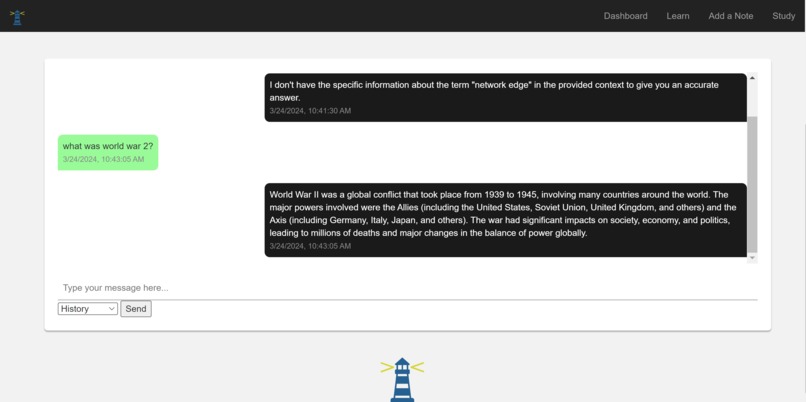
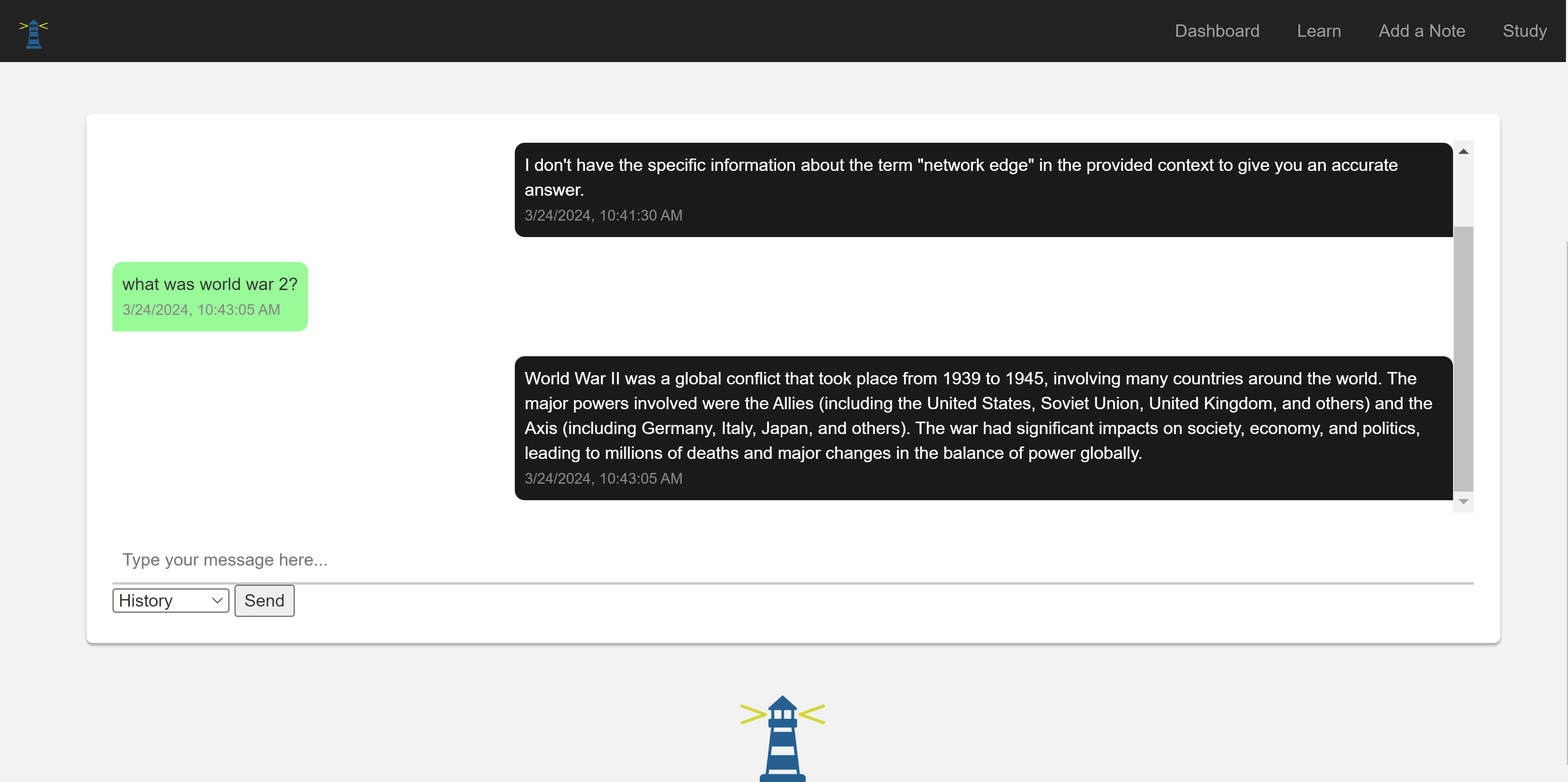
live learning experience
-
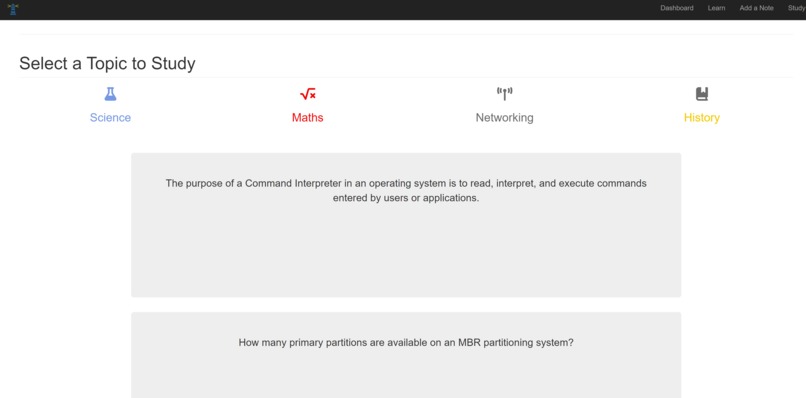
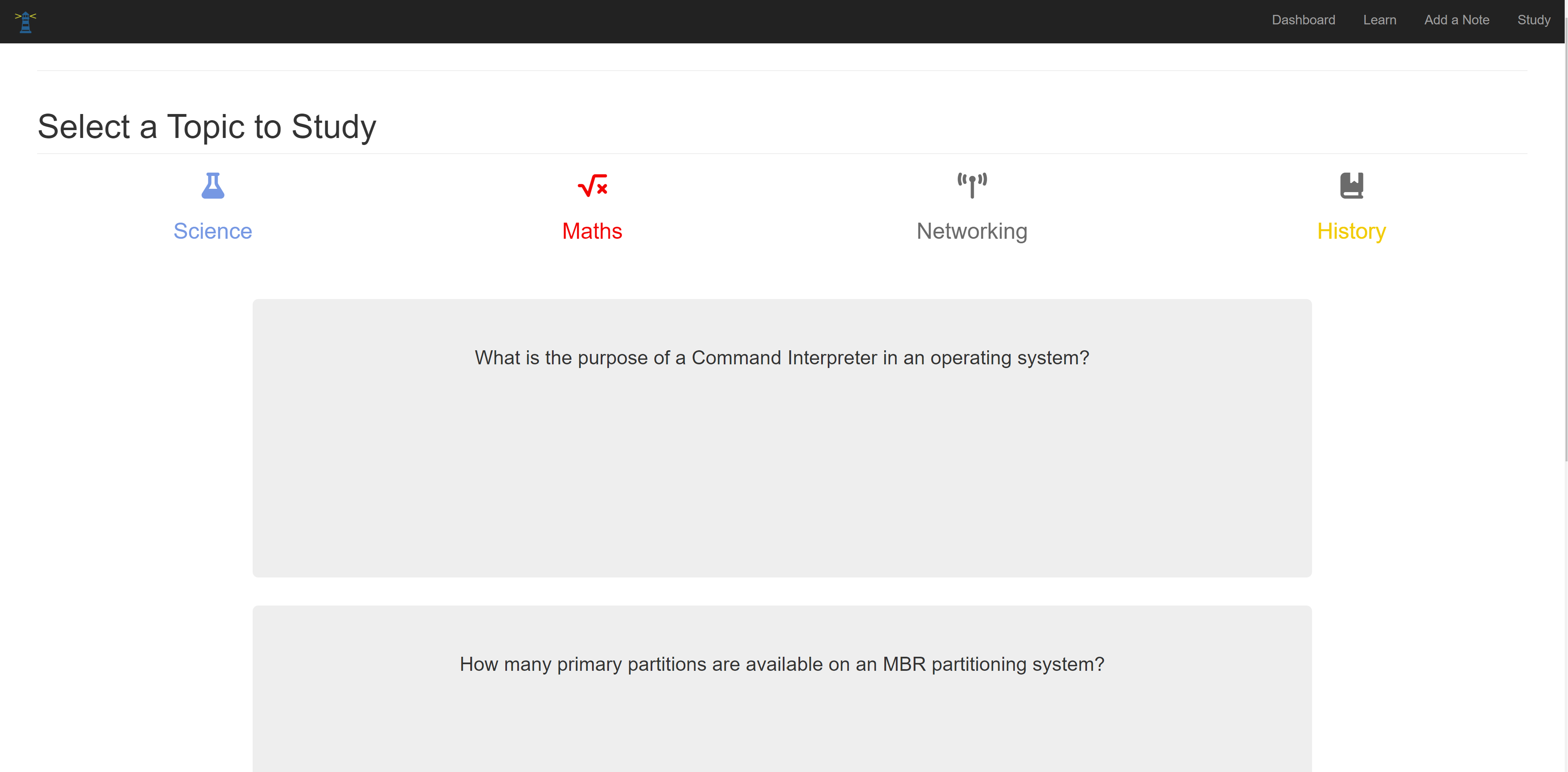
live automatic notecard question generation
-
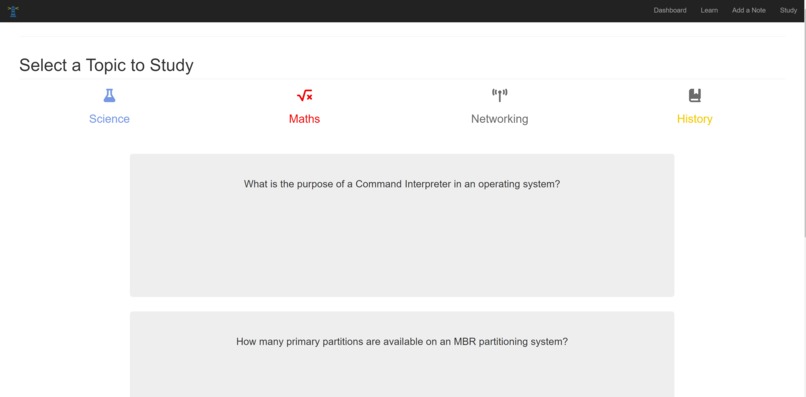
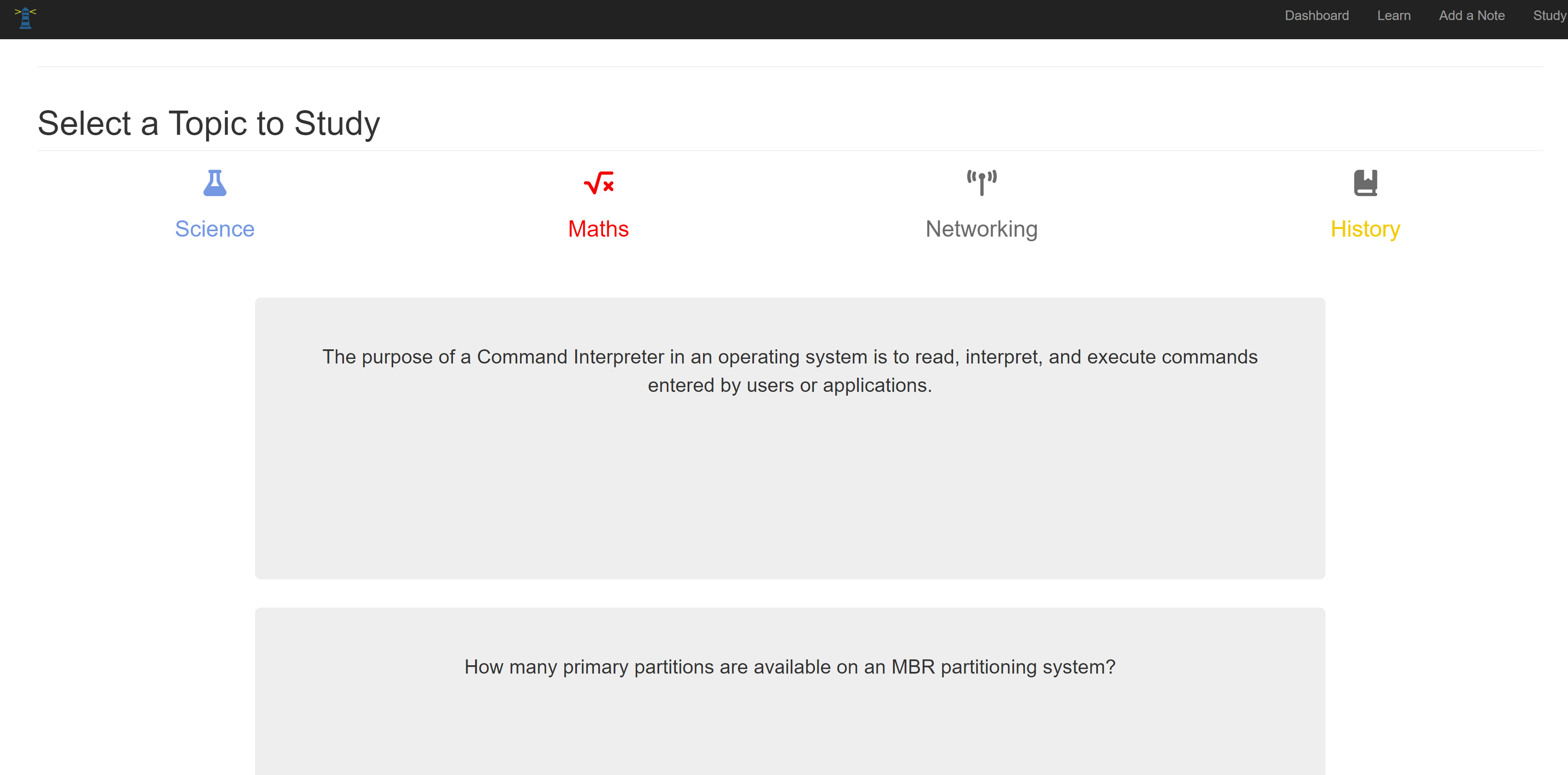
live automatic notecard answer generation
-
-
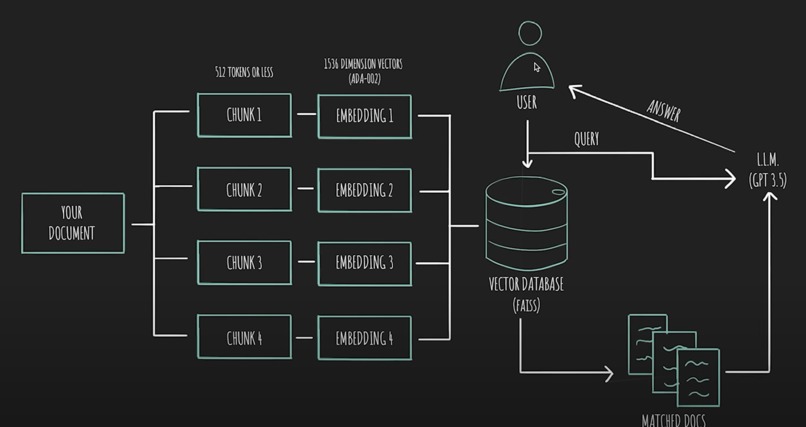
graphic example of ALEXANDRIA PDF feature
Inspiration
After hearing about HooHacks 2024 and feeling inspired to make an innovative and impactful project. We felt motivated as a team to come together and brainstorm during this competition ways we could use our knowledge sets to make a true difference in the world. Through a couple of hours of brainstorming and working through feelings of disappointment in our ideation abilities, we finally started to realize a solution. A major issue challenging our world is the massive gap in education. There simply aren’t enough teachers to teach every student; many students struggle to learn and understand thoroughly with teachers. It has also been proven time after time, that the level of quality of education that can be produced by individually focused tutoring and tailored learning is superior. Along with that, it is widely believed that education is a universal gateway that could potentially help the impoverished and less privileged communities of the world gain the tools necessary to succeed. An all-in-one AI tool built to be able to assist both teachers and students in the learning journey is what is necessary to fulfill this need. Third-world countries especially often lack the infrastructure to be able to support high-quality education for their masses. Through the utilization of an AI and Machine Learning powered tool, all one would need to help bridge this gap is a device with an internet connection. Through one simple, easy to use, and individualized learning experience - the world could be changed for the better.
What it does
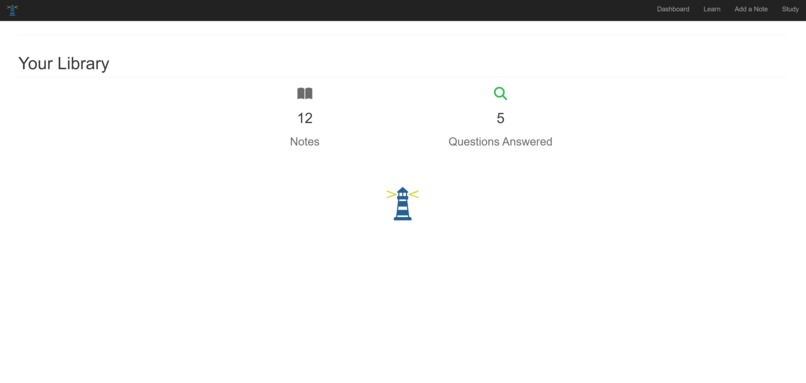
ALEXANDRIA, or Advanced Learning EXperience AND Responsive Intelligence Application, is an AI-powered Tutoring as a Service web-based application focused on providing an individualized learning experience at a low cost. Users can upload notes from their classes, which are then organized into topics, essentially creating a personalized tutor. ALEXANDRIA also utilizes an array of AI supported study tools to enhance student learning. One of these is the ability to automatically create notecards for students to study with directly from their notes based on a selected topic. Using AI technology these notecards will be different and varying every time. . The UI of this tool is also designed with the intent to be used by children and is meant to be intuitive and understandable for everybody no matter who you are and where you’re from. There are a few “AI learning tools” out there already, but most of them are just basic chatbots that answer questions and are overpriced for that purpose. We have built a foundation to build upon with a couple capabilities already there. This tool's ability to analyze your notes and give you answers and study tools based upon those. With ongoing development, ALEXANDRIA aims to expand its capabilities further, offering an affordable and effective tool to facilitate learning for all.
How we built it
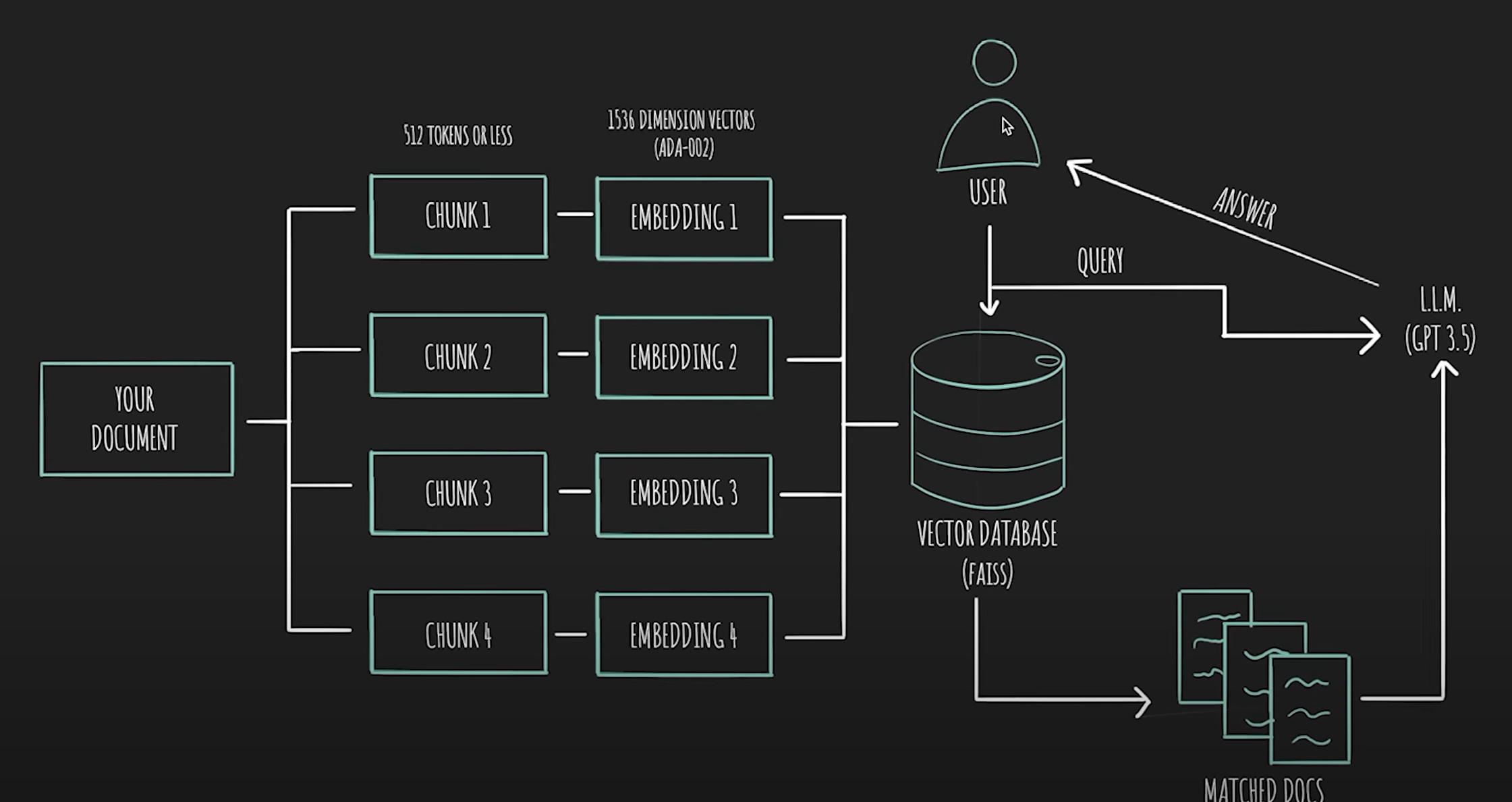
ALEXANDRIA was built with a multifaceted approach, with an emphasis on the user’s individual learning experience. We used a tasteful blend of FastAPI, Python, HTML, CSS, MongoDB, and other tools. Using Python and various AI tools such as an OpenAI Machine Learning-based Embedding model and the LangChain library. This functionality allows us to read large quantities of PDF files and manage the text into readable raw chunks. These chunks are then added into a vector database where the machine learning-based algorithm will check for similarities between a user-provided query (or question) and respond with a natural-sounding response directly answered by the user-provided documentation. This essentially creates a program where users are able to learn directly from their notes. A scenario where they can ask their notes questions and receive well-informed answers and create automatically generated study material at the click of a button. The best part of this specific technology is its low cost, effectively providing a high-quality, reliable, Tutoring as a Service system. MongoDB is utilized to store student analytics which can be useful to educators in understanding where their students are in the learning process to ensure our program not only enhances the learning of students, but also the experience of educators. Our UI was built with a focus on simplicity and the understanding that our users do not want to learn our program, they want to learn their materials. Using Bootstrap with HTML and CSS we were able to develop a responsive and easy to understand front end backed by a FastAPI library.
Challenges we ran into
Embarking on our group project journey involving HTML web pages was both exhilarating and daunting. Little did we know that it would lead us through a maze of bootleg templates and tangled syntax, testing our collective patience and skills in unforeseen ways.
We encountered the formidable challenge of sourcing bootleg templates from various repositories. While visually appealing, these templates proved to be a double-edged sword. Their disorganized structure and cryptic syntax transformed what should have been a straightforward development process into a frustrating puzzle of confusion , slowing our progress and dampening our spirits. Alongside HTML struggles, we started to recognize that the full scope of our project was going to be unable to be achieved purely due to hardware limitations. Specifically looking at uploading pictures of either handwritten or printed notes. We are able to utilize OCR to convert these into usable notes but we are unable to fully implement this feature due to server and hardware limitations. The implementation of the notecard study tool could also be expanded to an infinite scale given the opportunity to utilize better hardware and server options.
Accomplishments that we're proud of
One of our standout achievements was the successful implementation of a seamless user experience for our service. Despite the initial challenges and hardware limitations posed by the complexities of integrating AI chat functionality with note uploading capabilities, we persevered as a team. Through meticulous planning and collaborative effort, we crafted an intuitive interface that allows users from all corners of the globe to effortlessly upload their notes and engage with our AI chat.
Moreover, our AI chat's ability to generate personalized questions based on uploaded notes marked a groundbreaking advancement. This feature not only enhances the learning experience but also caters to individual learning styles, empowering users to tailor their study sessions to their unique needs. Witnessing the transformative impact of our AI chat in facilitating effective studying fueled our determination to push boundaries and innovate further.
Furthermore, the development of the notecard generation feature stood as a testament to our commitment to excellence. By leveraging cutting-edge technology and leveraging the power of machine learning algorithms, we engineered a system capable of automatically generating comprehensive notecards from uploaded notes. This functionality streamlines the study process, equipping users with concise summaries that reinforce key concepts and aid retention.
As we reflect on our journey, we take pride in the collective effort that brought our vision to life. From overcoming the initial challenges of navigating bootleg templates to realizing the full potential of our service, each accomplishment represents a testament to our resilience and dedication. Moving forward, we remain steadfast in our commitment to refining and enhancing our service, ensuring that learners worldwide continue to benefit from accessible, personalized, and effective study resources.
What we learned
Despite the challenges, we refused to be discouraged. Recognizing the need for simplicity amidst the chaos, we embarked on a collective quest to streamline our development process. Through collaborative effort and careful template selection, we managed to cut through the complexity and forge a smoother path forward. Our collective journey through the maze of HTML templates taught us invaluable lessons. We learned the importance of diligence and discernment in selecting tools for web development. By prioritizing simplicity and clean code, we can navigate through challenges more effectively and deliver exceptional web experiences as a cohesive team.
What's next for ALEXANDRIA
Due to our focus on a modular individual approach to enhance student learning, we left a lot of room open for easy development of add-ons to further increase the ability of users to learn and study their notes and other materials. One further expansion we pursued was multiple choice and short answer question quizzes. We wanted to implement this technology using similar techniques to our automatic note card system allowing for fully generated and varying questions and answers. We could have achieved short answer questions using a combination of crafty prompt engineering and machine learning based sentiment analysis. We were prevented from fully implementing these programs by a mixture of time and hardware.
As we peer into the future of ALEXANDRIA, the trajectory of ALEXANDRIA in education promises transformative change for learners across socioeconomic divides. For impoverished communities, this tool stands as a beacon of opportunity, leveling the playing field by providing access to quality education regardless of economic constraints. Through innovative platforms, tailored content, and personalized learning paths, this tool empowers individuals to break the cycle of poverty and chart their own paths to success. Meanwhile, in more developed school systems, future integration of this tool augments traditional education, enriching curriculum with dynamic resources, adaptive assessments, and real-time feedback loops. These tools require more hardware power and capabilities than we have access to right now, but as we scale this project up, we can increase the functionality of this tool tenfold. By bridging gaps in access and enhancing educational outcomes, the future of AI in education holds the promise of a more equitable and empowered society for all learners.
Sponsors Prizes
MongoDB
We used MongoDB to store and analyze user statistics which can be easily and quickly expanded to provide support for educators in understanding the progress of their students and how they can best improve their learning.
DEI
This tool’s goal is to increase educational equity across all fronts by bringing low-cost and easy-to-implement educational tools to the masses, no matter who you are or where you’re from. Education is considered a human right and this tool is the start of a movement to ensure that right is given to everybody. Along with a fundamental focus on Equity, our program has been developed with the intention for an expansion on Inclusion where we can easily, given more hardware capabilities, include Accessible tools such as text to speech for the visually impaired and an array of other helpful systems to support any student.


Log in or sign up for Devpost to join the conversation.