-
-
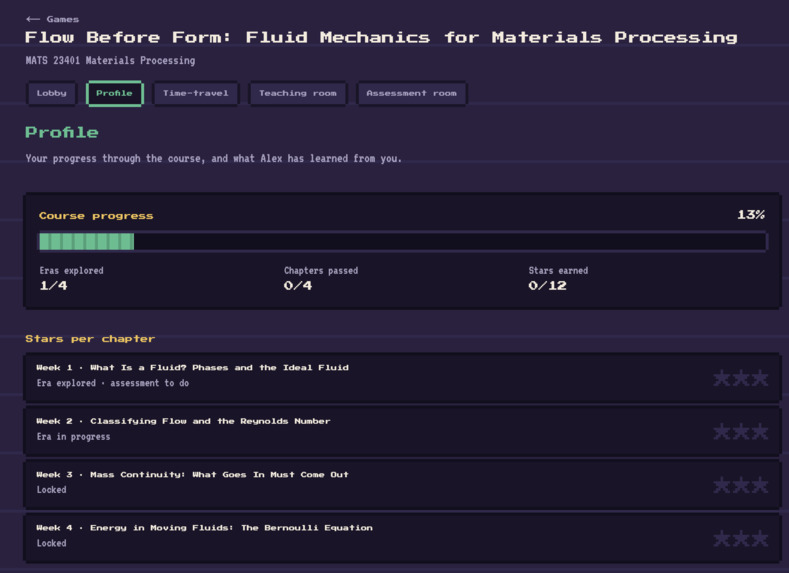
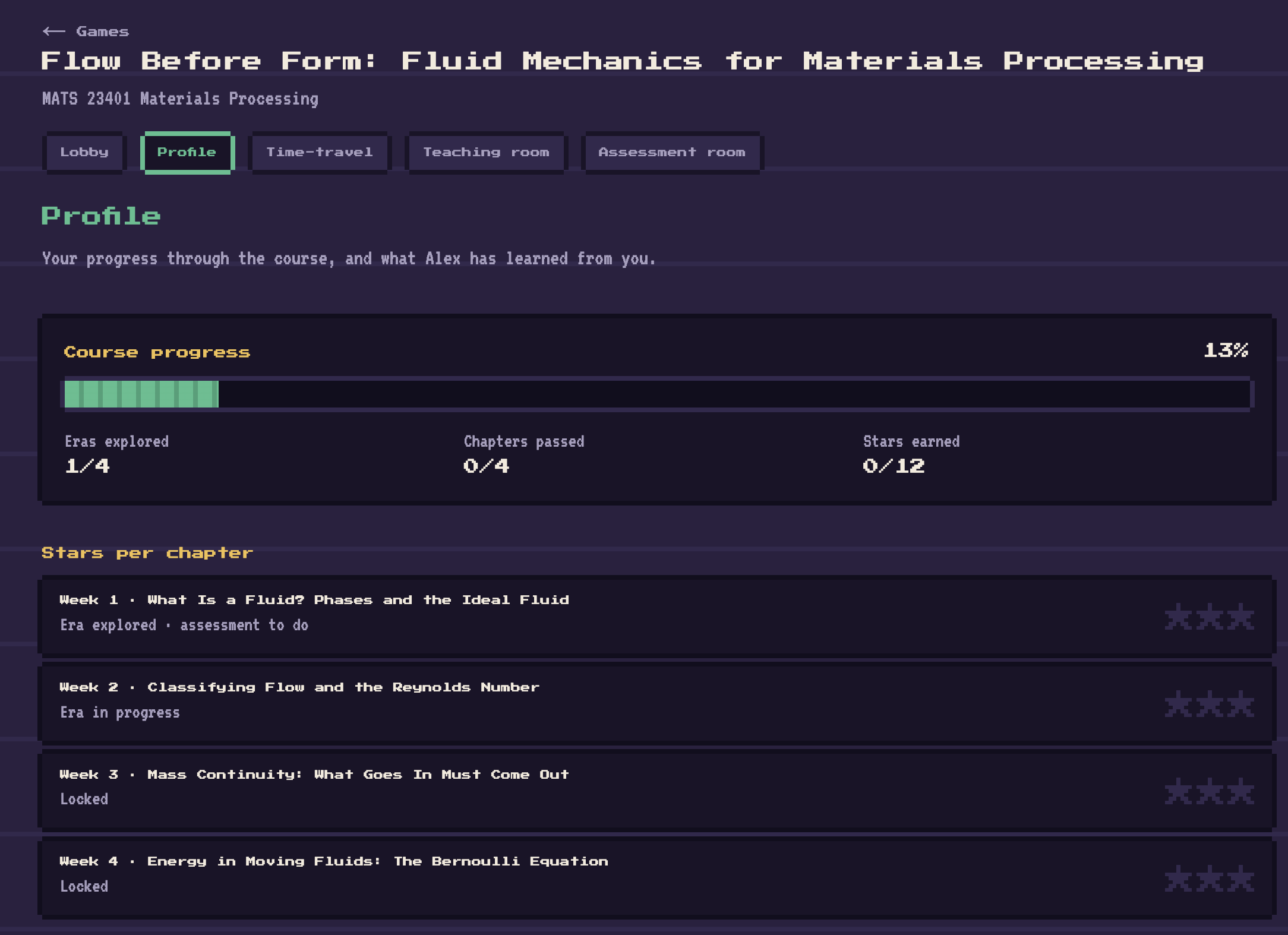
profile progress section
-
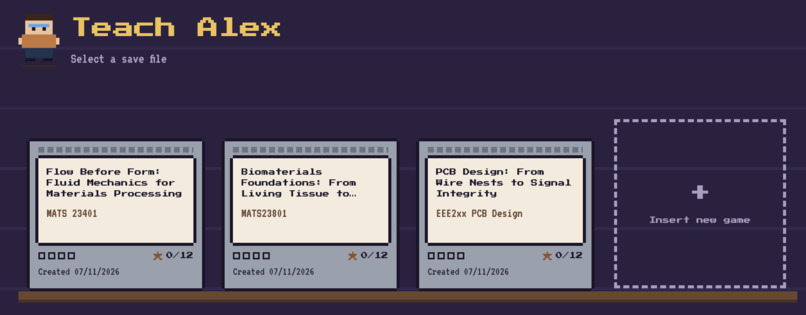
general home section
-
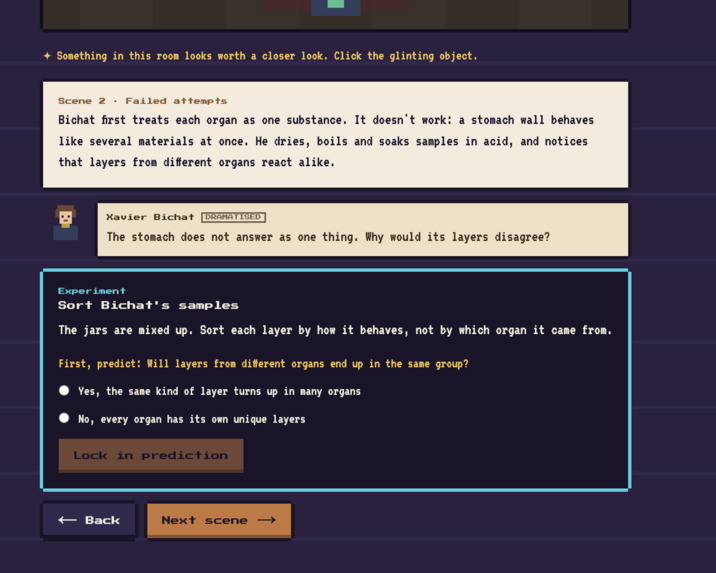
time traveller - questions
-
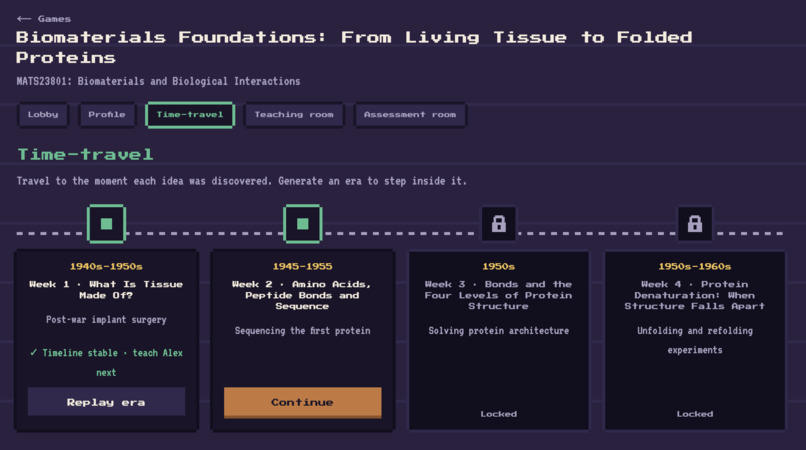
time-travel section
-
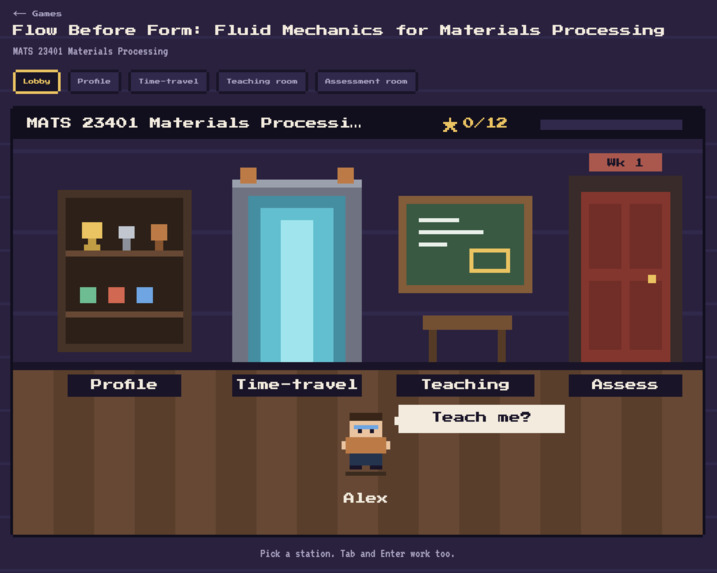
lobby section
-
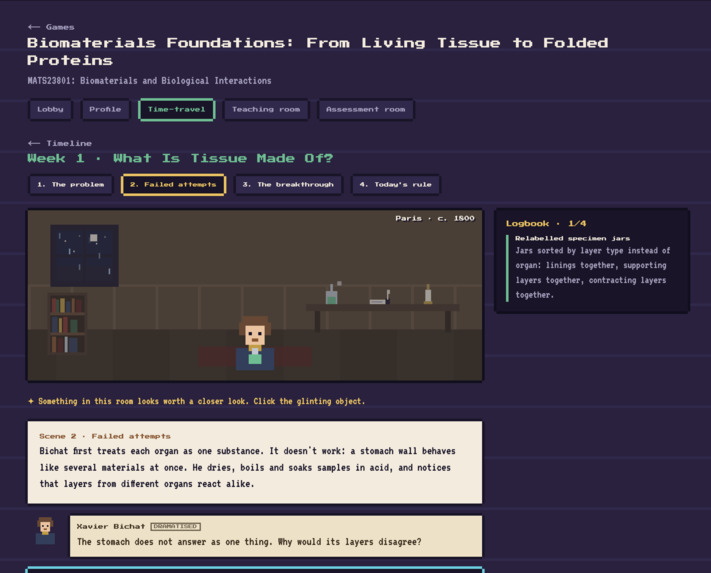
snaphot of one historical era - time traveller
-
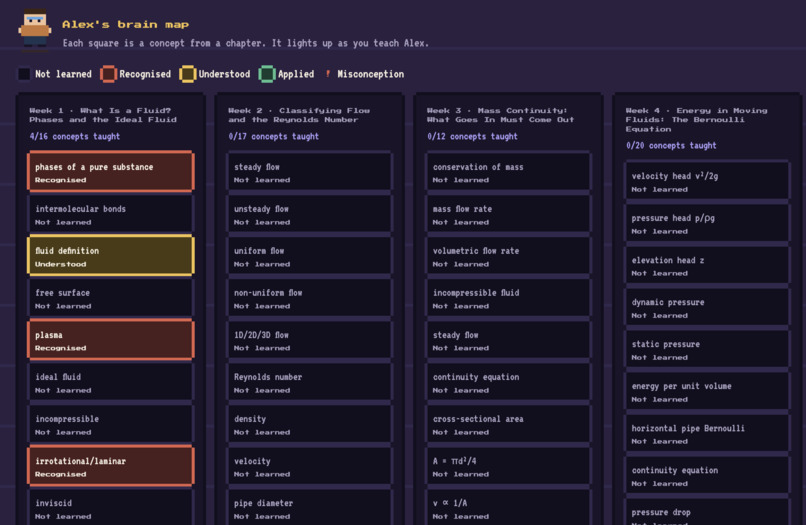
profile section what alex knows or not
-
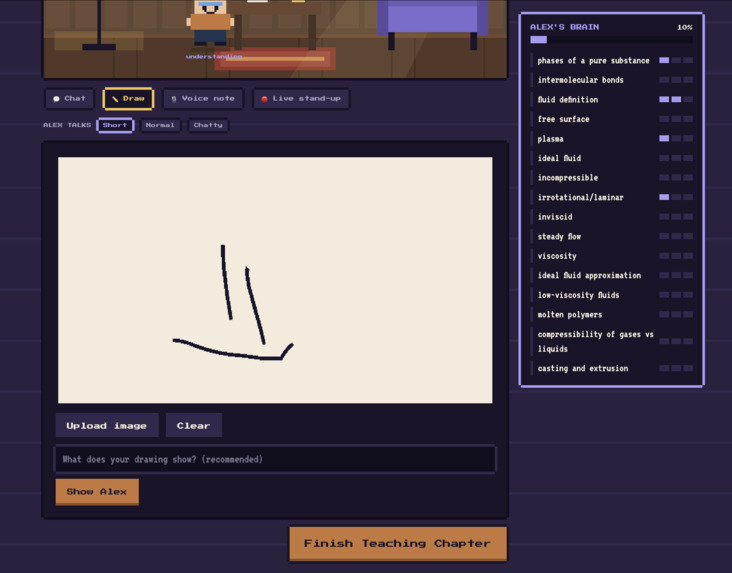
teaching room can draw things
-
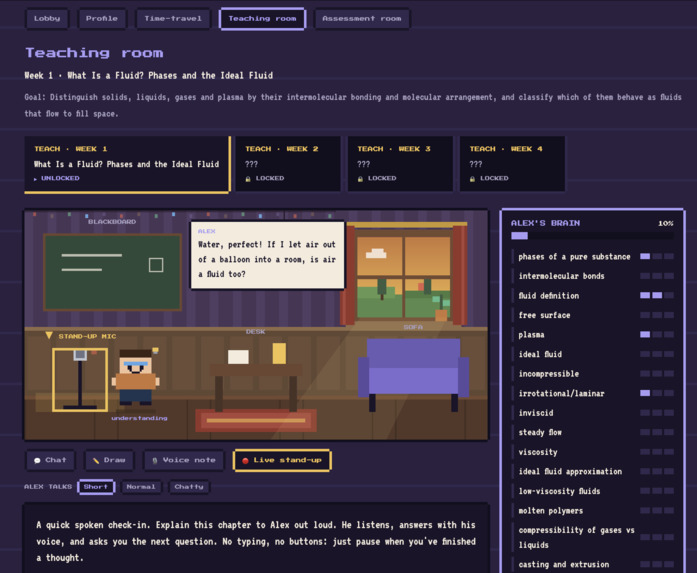
teaching room
-
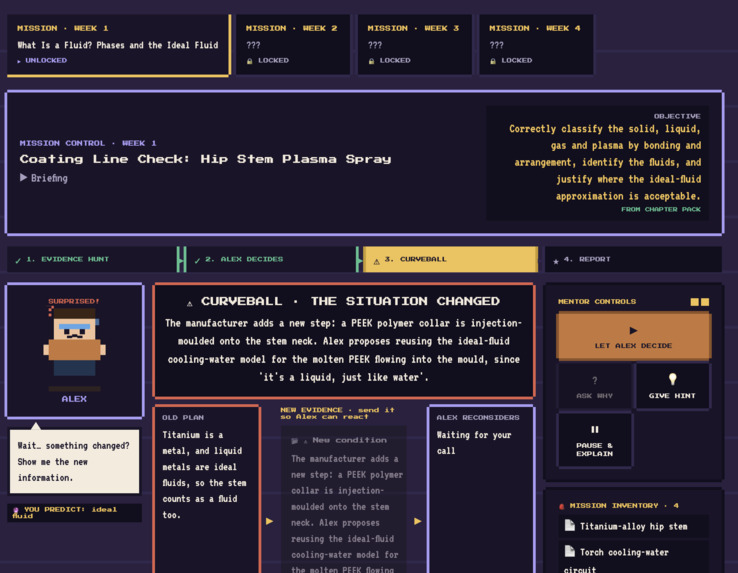
assessment room
-
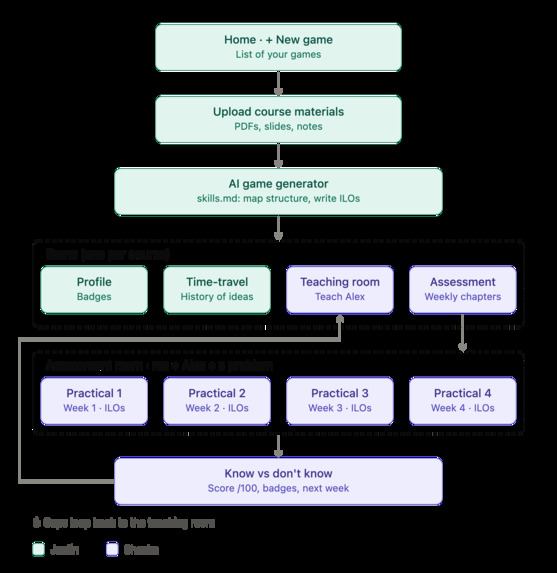
main workflow
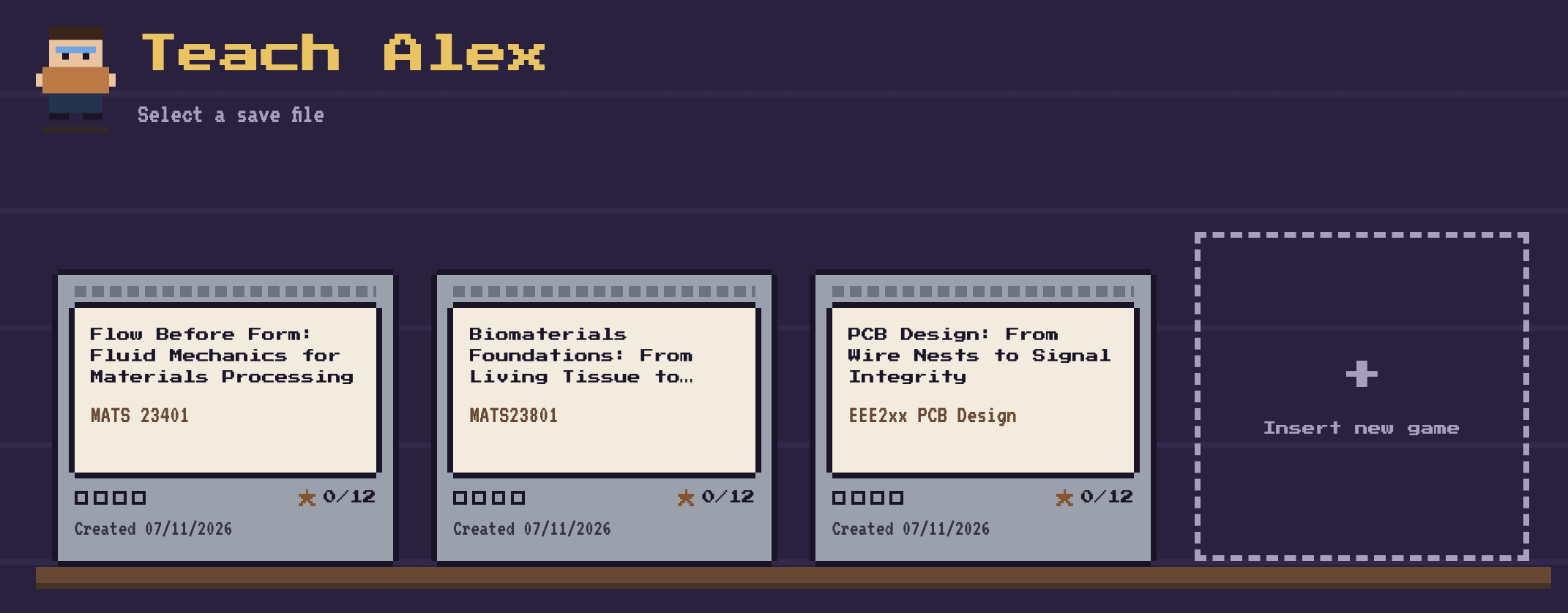
Inspiration We noticed we'd memorised plenty of engineering rules, like "turbulent flow starts around a Reynolds number of 4,000", without ever knowing why they're true. Labs turned into recipe-following, and a week after the exam most of it was gone.
Two ideas stuck with us. First, you only really understand something once you can teach it. Second, every rule in a textbook started as a real problem someone struggled with. So we asked: what if you met that problem first, then had to teach the idea to someone who knows nothing, and got honest feedback when your explanation had holes?
That someone became Alex, an AI apprentice who learns only from you.
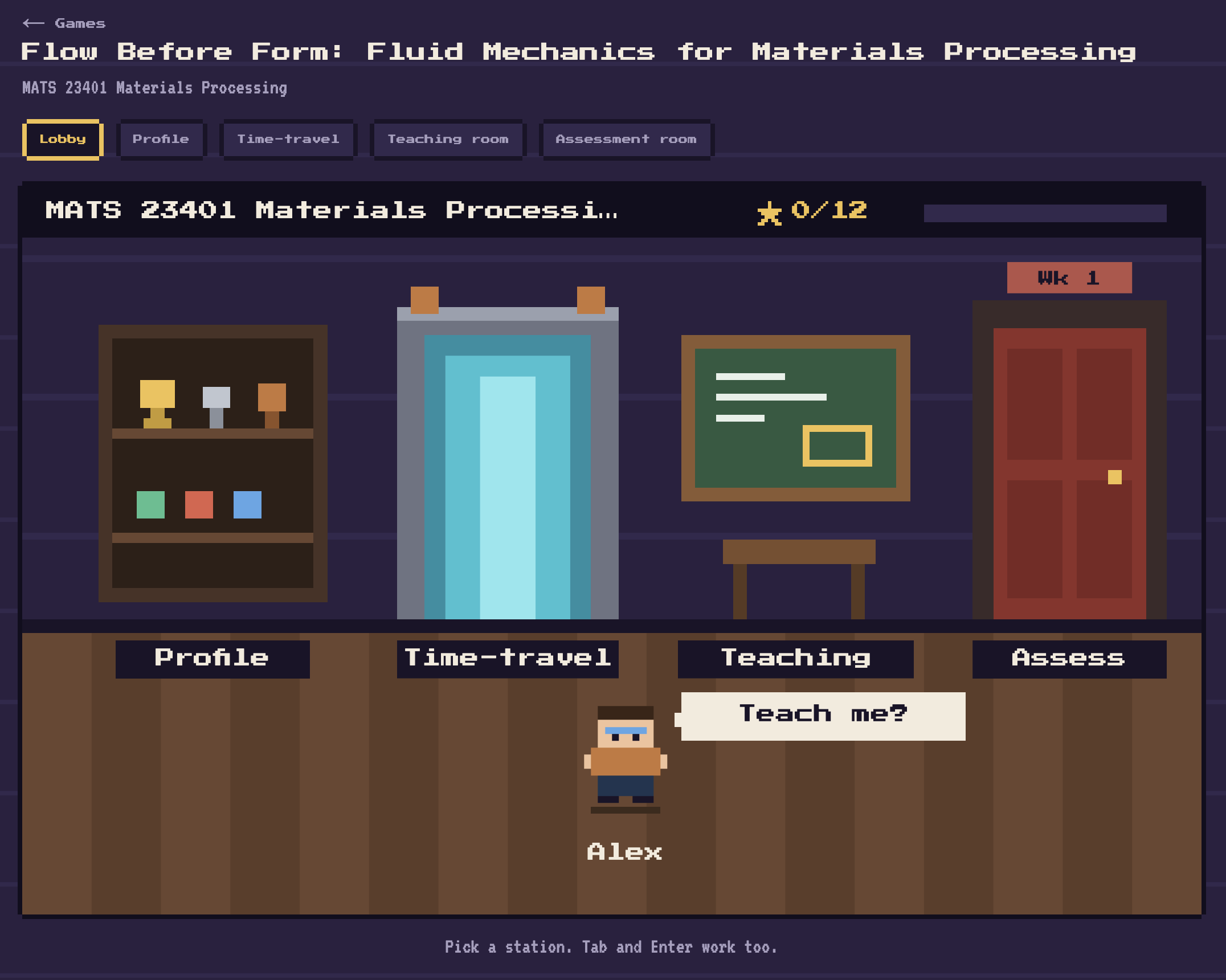
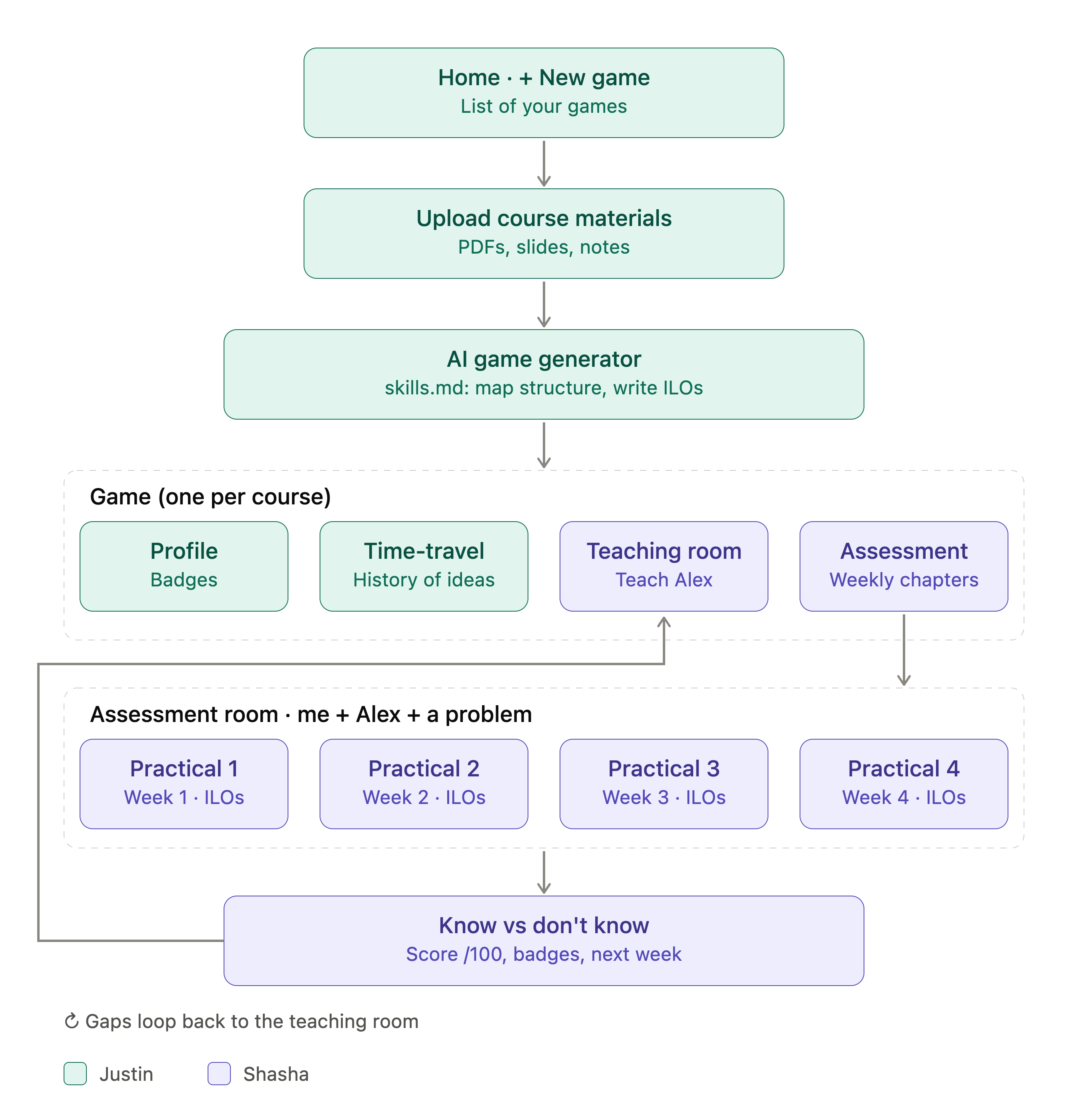
What it does Alex: The Apprentice turns any course into a game. Upload your lecture slides or notes, and AI builds a playable course in a few minutes. Each week has three stages.
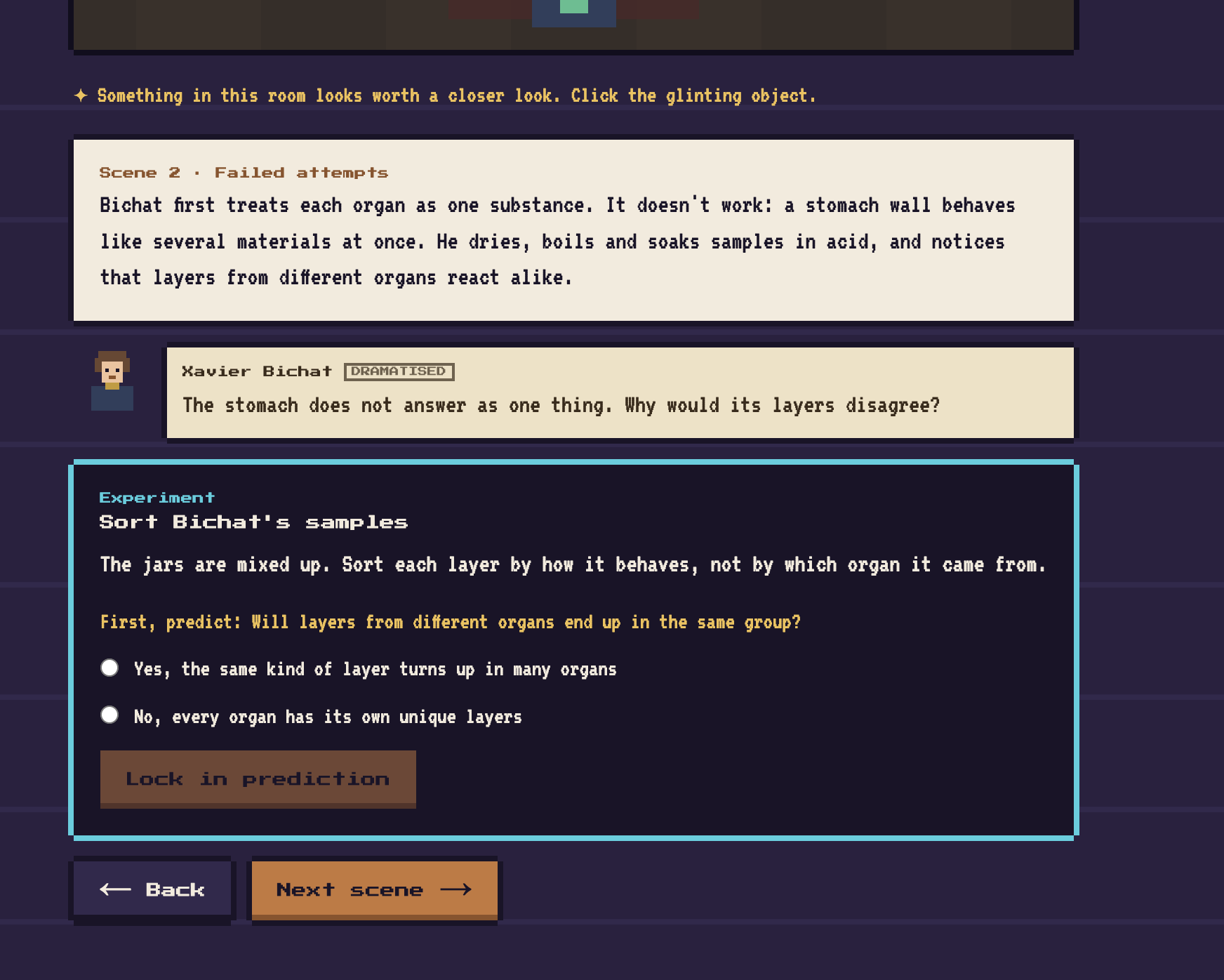
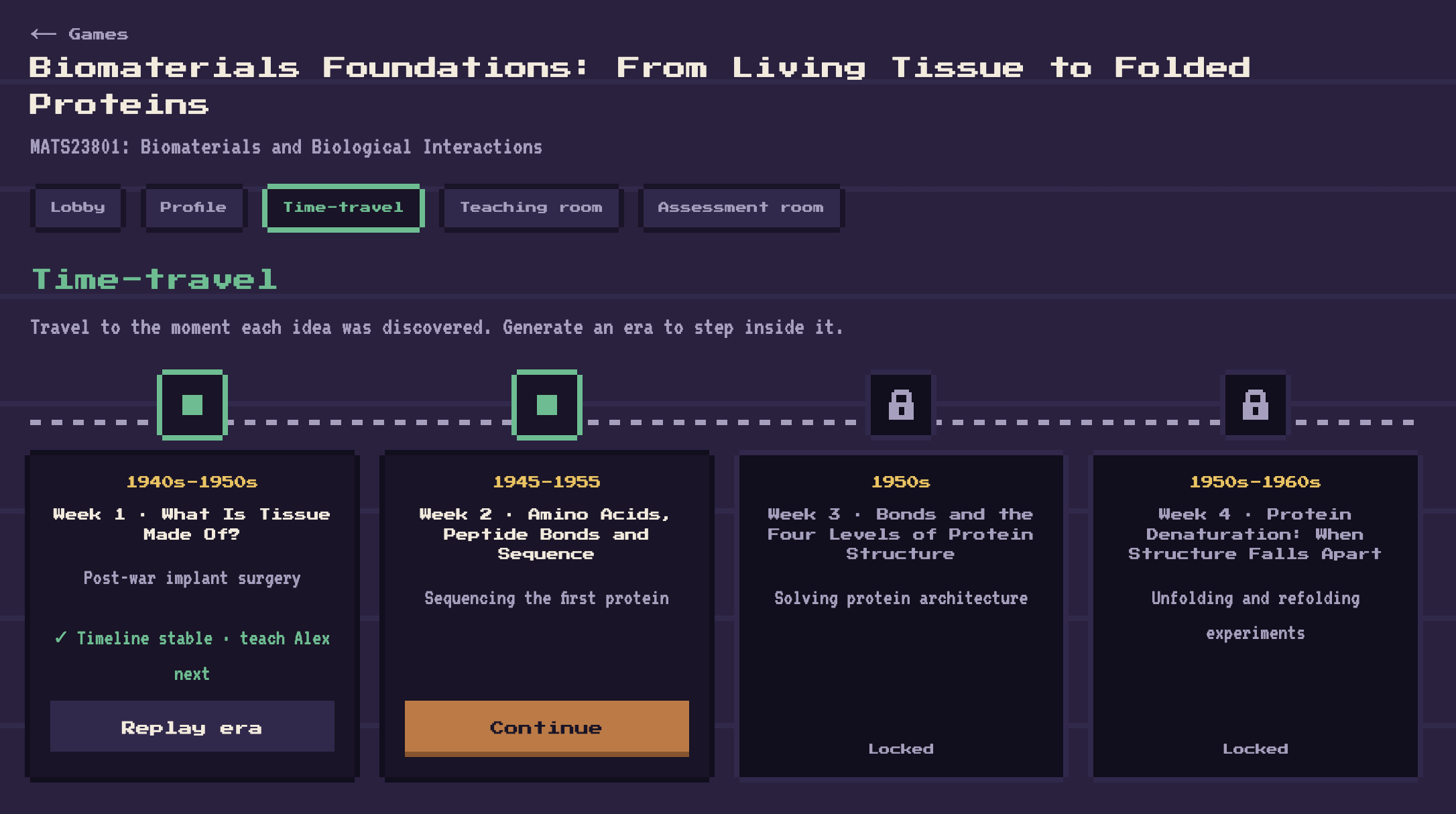
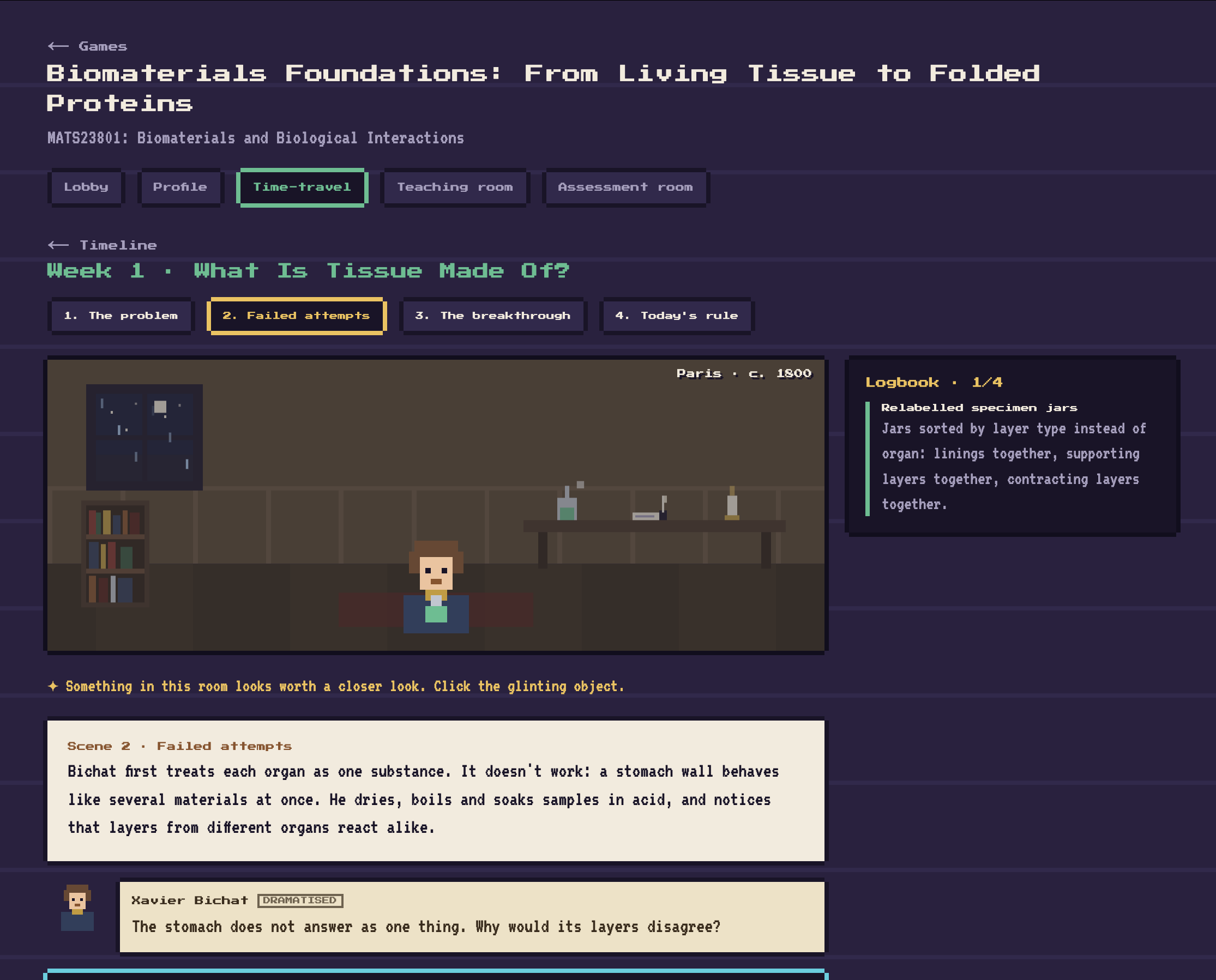
⏳ Time-travel. Step back to the moment the idea was discovered: Euler's fluid equations in the 1750s, Reynolds' dye-in-a-pipe experiment in 1883. Each era is a pixel-art scene generated for that chapter. You search the room for clues, try a hands-on mini-game (predict first, then experiment), and answer the mentor's question in your own words. The mentor nudges you with hints and never gives the answer. The era ends on the rule as your course teaches it, plus a "what really happened" card separating real history from dramatised dialogue.
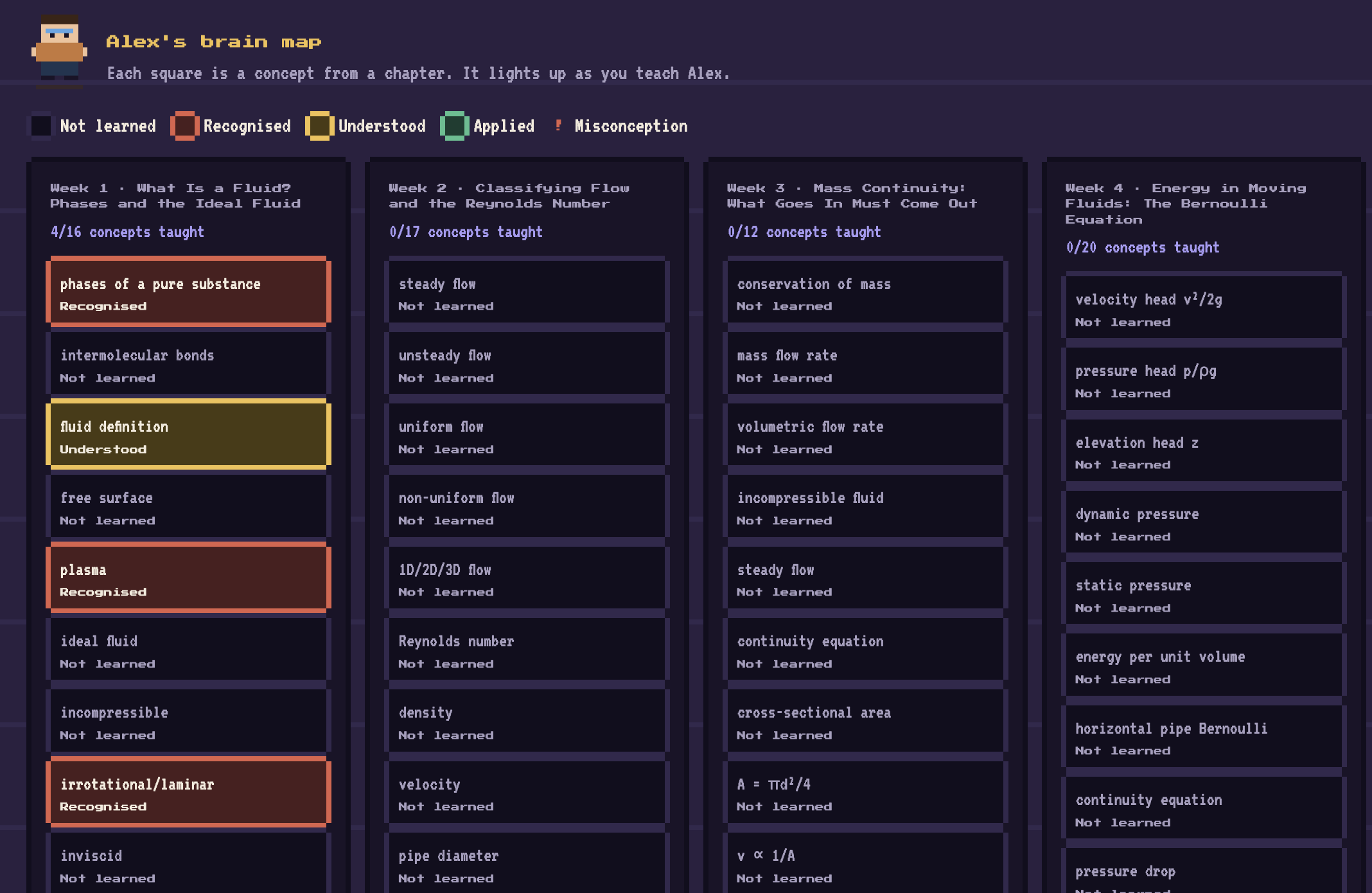
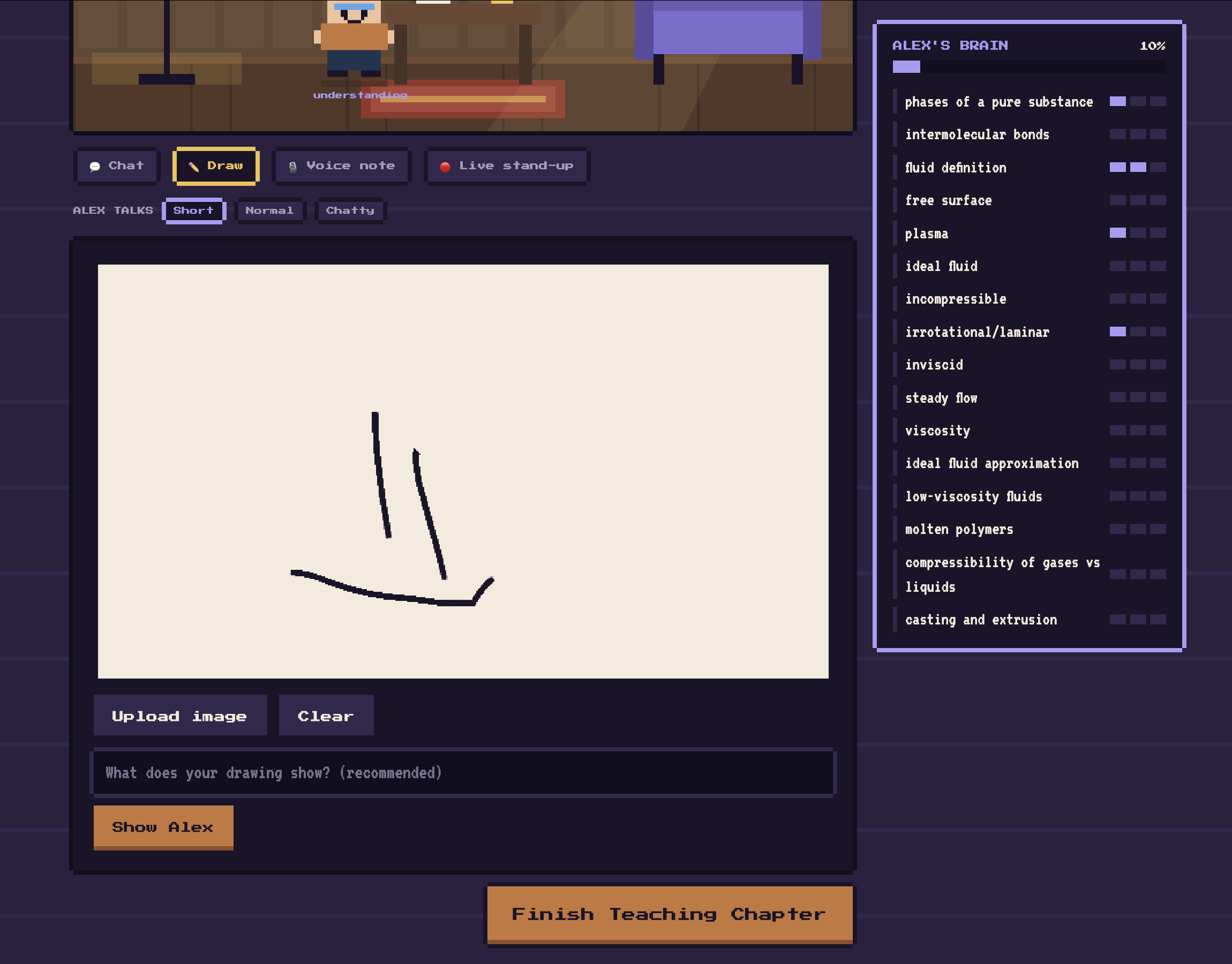
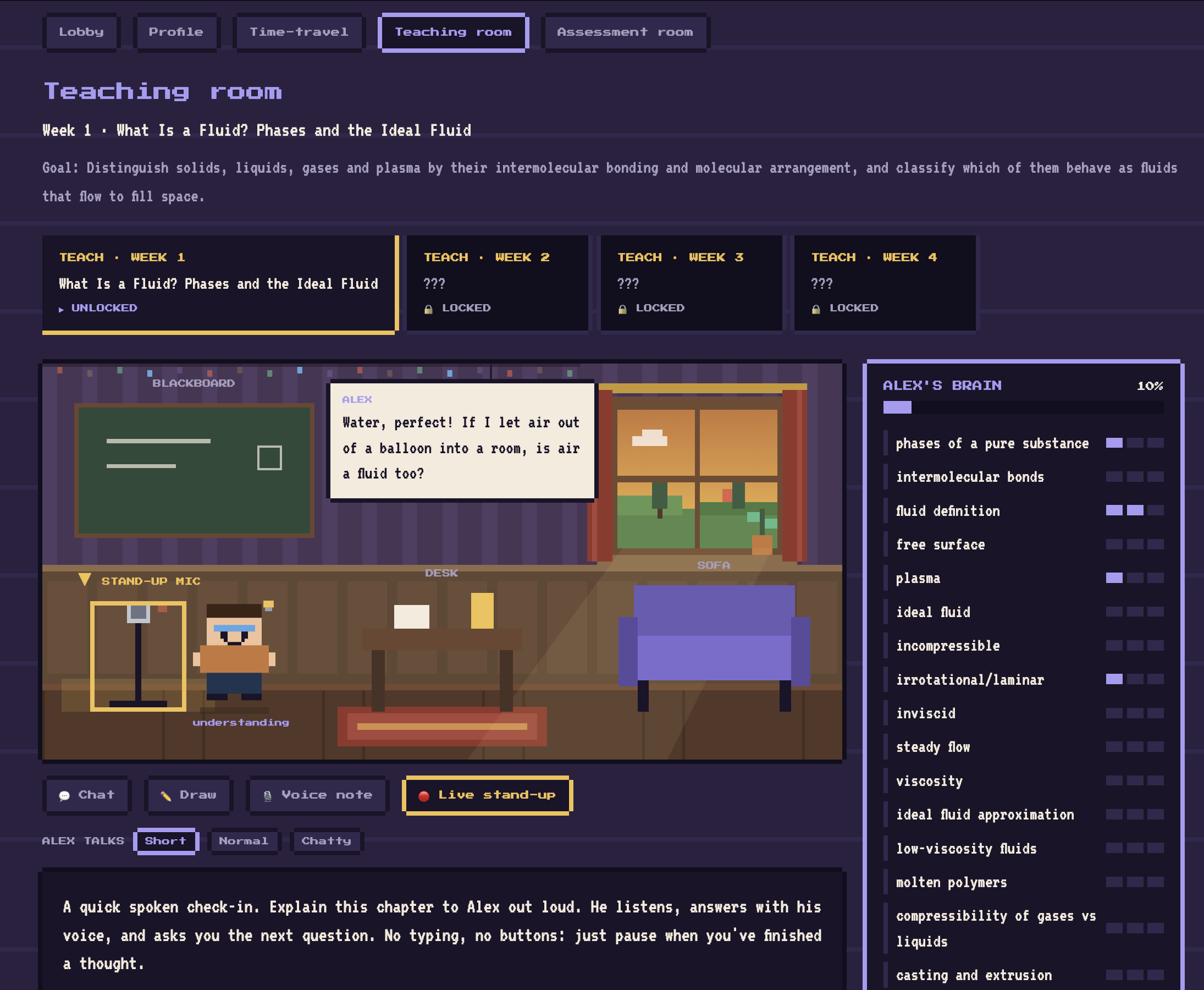
🧑🏫 Teaching room. Teach Alex what you learned, by chat, by drawing on a blackboard, by voice note, or in a live spoken stand-up: talk naturally, and he listens, answers out loud and asks the next question. You can interrupt him by saying "stop". Alex learns only from your exact words, and his brain map shows what he understands, half-understands or has got wrong.
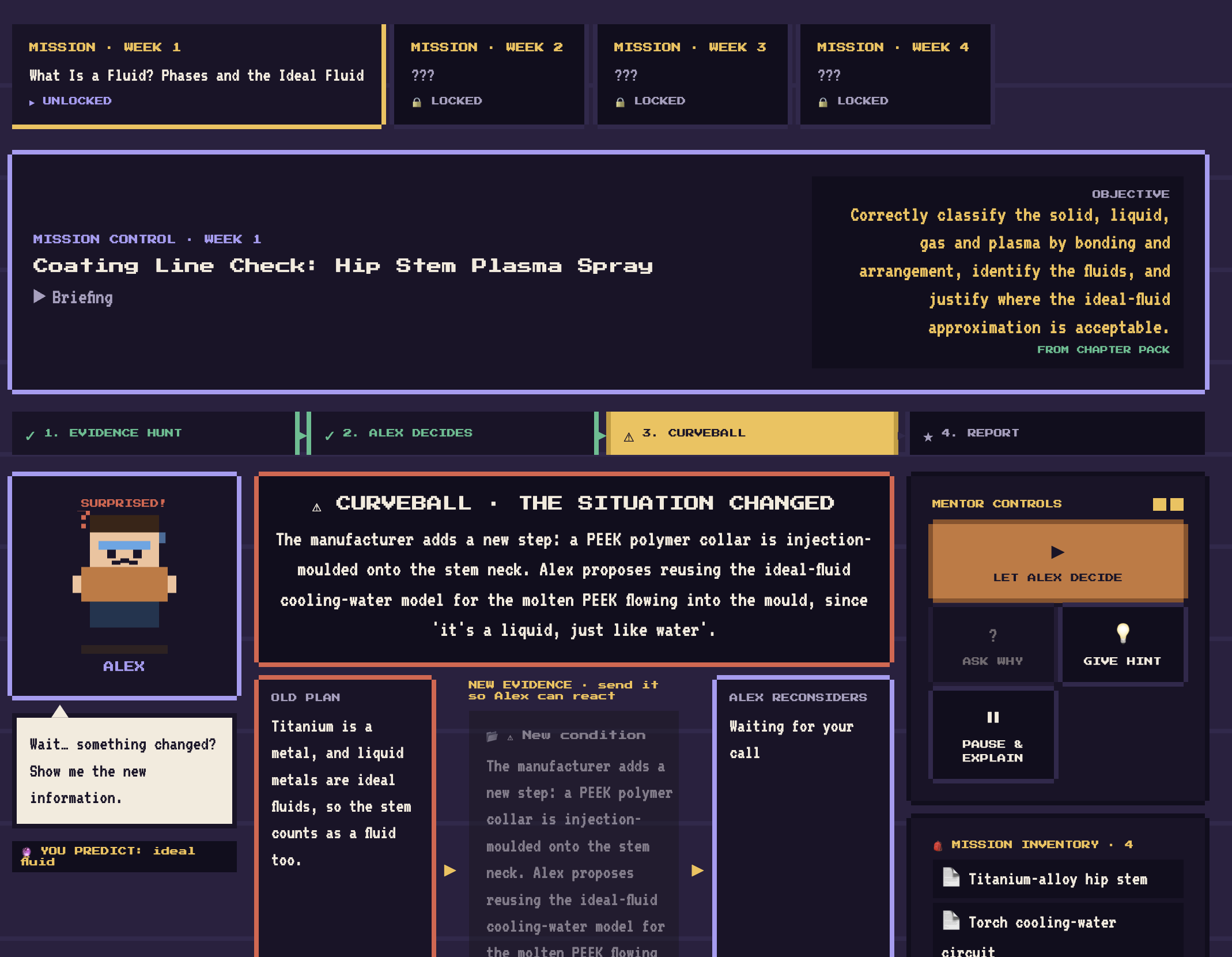
🎯 Assessment room. Alex faces a realistic mission, such as checking a medical-implant coating line. He decides using only what you taught him. If he makes a mistake, it's because there was a gap in your teaching, and that gap points you straight back to the concept you need to re-teach.
Your profile tracks course progress, stars per chapter and Alex's brain map. How you do in an era even leaves a mark: a shaky answer to the mentor leaves a "time ripple" that becomes one of Alex's weak spots.
How we built it Three Claude agents, each with a narrow job: Agent 1, Curriculum (once per course): reads the uploaded PDFs and slides, maps the course into weekly chapters, writes measurable learning outcomes, and picks real historical key events with cited page excerpts. Agent 2, Events (when you open a chapter, cached afterwards): turns one chapter into a playable era (scenes, clues, mentor question, scene-art plans, a mini-game) and the assessment mission, from a single call. Agent 3, Alex (live): judges each explanation, updates Alex's knowledge from your words, and picks his next question with an adaptive strategy. A cheap examiner model checks the mentor answers. It only ever sees the question, the key points and your answer, and returns "x of y key ideas covered" without revealing them. Guardrails in code, not just prompts. Every generated chapter is validated: real people only from the key events, no invented years, every concept taught and tested, at least one course-material source. Answers and key points never reach the browser. Unlock and progress rules are enforced on the server. Pixel-art engine: eras are drawn from a library of 9 room types and 39 props. Claude only chooses the scene plan (place, time of day, weather, props, poses) and our code draws it, so every era looks different without spending tokens on drawing. Voice: ElevenLabs speech-to-text and text-to-speech, with a browser-side pause detector for the hands-free stand-up and the browser's speech recognition for "stop". Cost control: nothing is generated in advance. Each chapter costs about $0.20, generated once and saved. A mock mode let us build and test for free. Challenges we ran into Our first live generation failed. The chapter schema was too large for the API's enforced structured output. We moved to schema-in-prompt plus our own validator. Our validator was stricter than our spec. It rejected good chapters over things like a "1752–1757" year range. We learned to keep the core checks strict but make every optional extra self-repairing, so a slightly-off scene plan gets fixed instead of failing the chapter. Keeping history honest. LLMs happily invent anecdotes and quotes. We restricted eras to verified key events from the curriculum agent, labelled all dialogue as dramatised, and added a "what really happened" card. Not giving away the answer. The mentor, the examiner and Alex are all built so the student has to do the thinking. Hints come in stages, and the key points stay on the server. Making live voice feel natural: detecting when you've finished speaking, letting you interrupt Alex, and cancelling a reply that's still downloading when you cut him off. Two people, three rooms, one codebase. We built in parallel and agreed on shared contracts (the chapter pack, Alex's brain, chapter states) early, so our work merged with very few conflicts. Accomplishments that we're proud of Any course in, a playable game out. We tested it on real university courses: fluid mechanics and biomaterials. Real history, not made-up stories. Eras are built only from verified events, and course clues cite the actual lecture page. An AI that learns only from you, so its mistakes are a genuine mirror of your understanding. The live stand-up: a hands-free spoken conversation with Alex that you can interrupt. Cheap and fast: about $0.20 and 90 seconds per chapter, generated once and cached. A tested core: 95 automated tests on the teaching and assessment engine, plus validation on every generated chapter. What we learned Validate hard, repair soft. Strict checks on what matters (history, answers, concept coverage) and forgiving handling of everything cosmetic made generation both safe and reliable. Keep the AI's job small. Claude picks what a scene should contain, and code draws it. Claude phrases Alex's explanation, and code decides his action. Narrow roles made the system cheaper, faster and easier to trust. Agree on contracts early when two people build different parts of one product. Measure cost from day one. Logging every token kept us within our budget and showed exactly where the cost went. What's next for Alex: THE APPRENTICE Lecturer mode: lecturers approve generated chapters and see a class dashboard of common gaps. Accounts and sync, so your progress and Alex's brain follow you across devices. A history fact-checking agent that cross-checks every era before students see it. More mini-game types and richer, real-time voice conversations with Alex. A proper study to measure whether learning by teaching Alex actually improves understanding and retention.

