Up to 40% of newly hospitalized medicine patients are chronic alcohol users, and it’s often a matter of time before the dangerous effects of alcohol withdrawal begin to set in. Tremors are a hallmark symptom, but patients frequently fake hand tremors, leading to overmedication with sedatives, complicating their treatment. To address this, we developed an innovative device utilizing OpenBCI technology to detect tremulous movement of the tongue. The device integrates seamlessly into existing monitoring systems, such as cardiac monitors, requiring only four additional stickers placed on the chin and neck. These non-intrusive sensors do not interfere with essential activities like eating or sleeping. The device captures 20 seconds of involuntary tongue tremor data to objectively measure the progression of withdrawal.
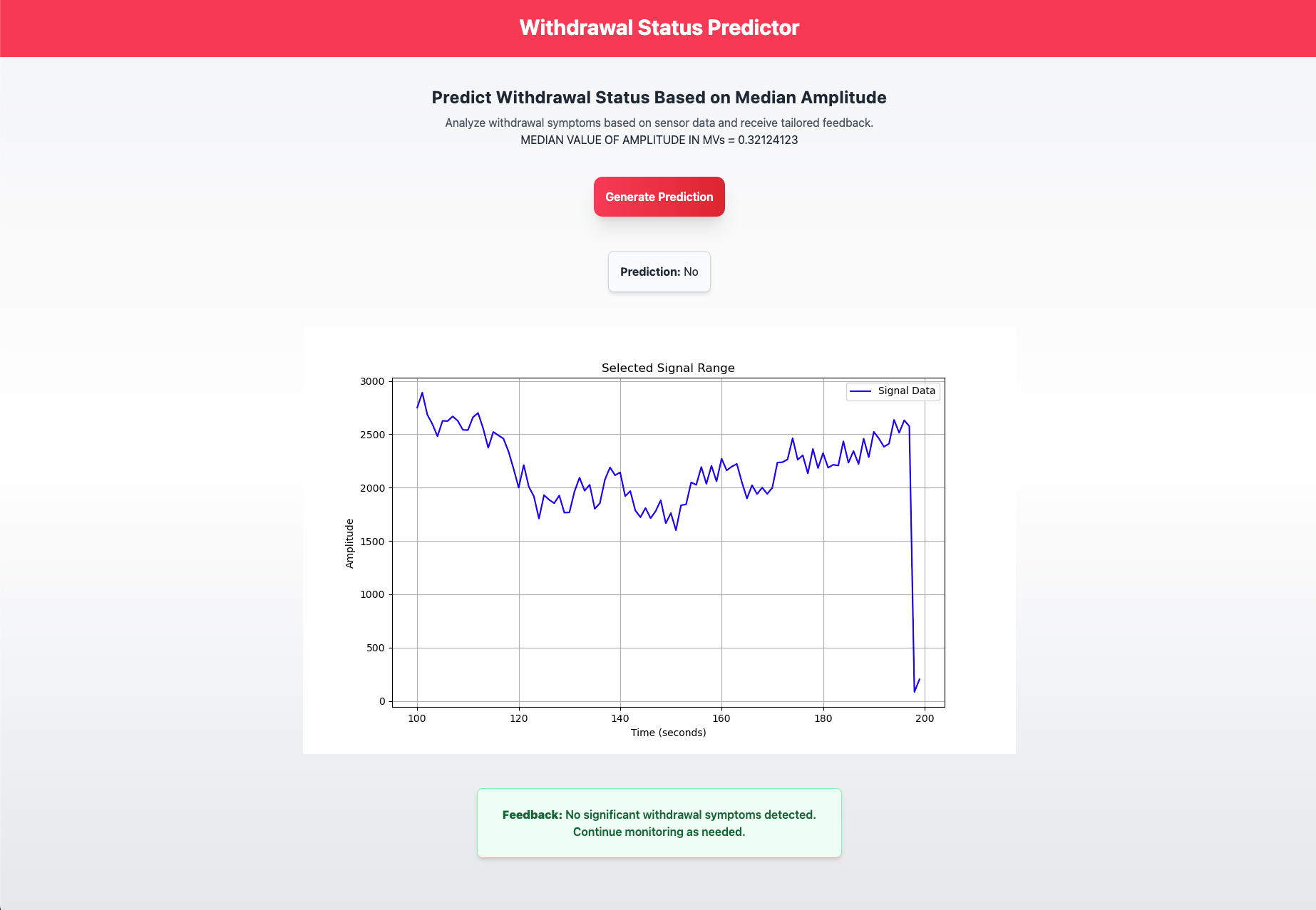
Our project employs OpenBCI hardware and BrainFlow to collect and analyze data for monitoring alcohol withdrawal symptoms, focusing on chin and tongue tremors. We developed a pipeline to extract and preprocess data from OpenBCI’s generated CSV files, calculate key metrics, and visualize results. Median values from the tremor data are processed through Gemini LLM, which uses the CIWA-Ar scale to evaluate withdrawal severity and recommend actions, such as adjusting sedative dosages or increasing monitoring.
By integrating predictive analytics, signal preprocessing, and visualized symptom evaluation, the device enhances clinical decision-making, reducing unnecessary sedative use while ensuring timely intervention for severe withdrawal symptoms. This approach improves patient safety, optimizes treatment, and mitigates adverse outcomes like seizures, paving the way for better care and outcomes for hospitalized chronic alcohol users.


Log in or sign up for Devpost to join the conversation.