

Inspiration
Our team was inspired by the common difficulties that many people encounter in maintaining a consistent workout regimen. Observing the widespread issues of motivation, personalization, and accessibility in traditional fitness programs, we aimed to create a solution that could bring personalized training to anyone, anywhere. With advancements in technology, particularly in computer vision, we envisioned a system that could tailor fitness plans to individual needs dynamically and accessibly—thus, Alara was born.
What it does
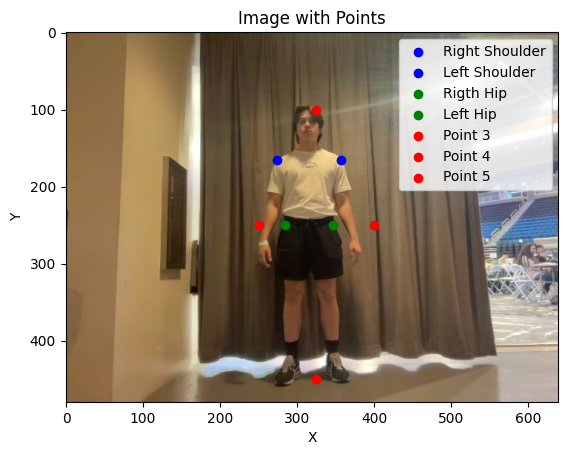
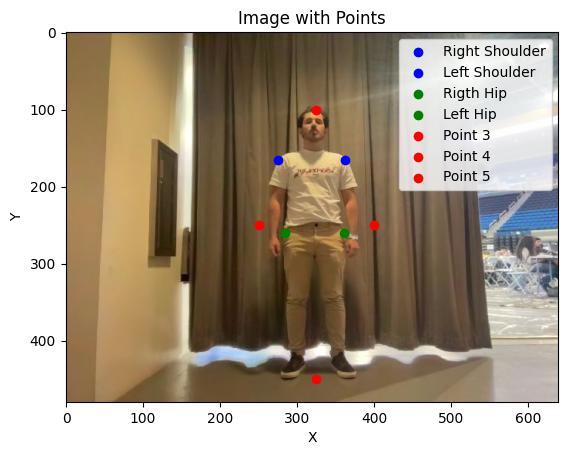
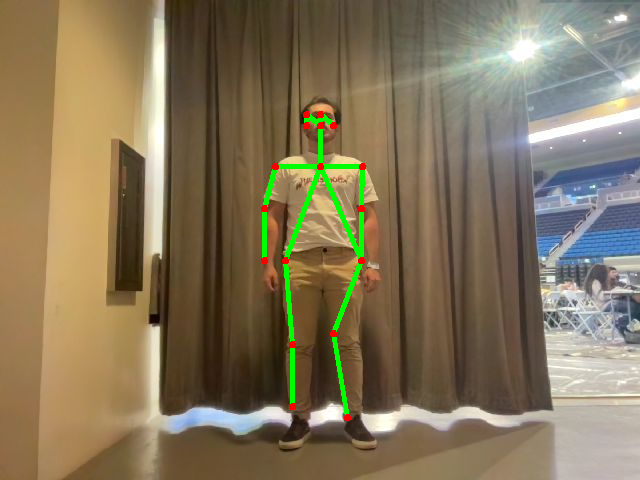
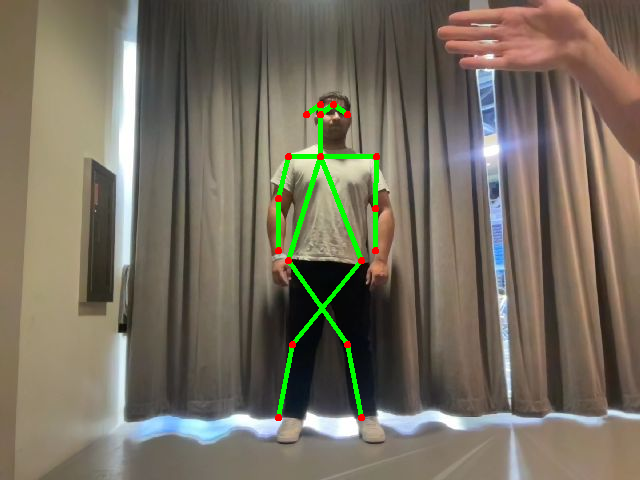
Alara is an innovative virtual personal trainer that employs computer vision technology to analyze users’ physique from uploaded images. Using this data, Alara crafts personalized workout plans that are optimized as the user progresses. The system adapts to physical changes and improvements, ensuring that each workout is perfectly suited to the user’s current condition and fitness goals.
How we built it
Alara was developed using Python and OpenCV for the core analysis and machine learning components, which handle the image processing and body analysis tasks. We incorporated Reflex as our interface framework to manage user inputs and image uploads seamlessly. This combination allowed us to create an application that is both powerful in its computational capabilities and user-friendly in its interface.
Challenges we ran into
Implementing accurate and reliable body analysis using OpenCV posed significant challenges especially at modeling for body part edges. Reflex, also posed its fair amount of issues for us, as our whole group was completely new to Reflex, we had to learn it on the fly.
Accomplishments that we're proud of
We are immensely proud of integrating OpenCV with Python to perform precise body analyses and generate personalized workouts effectively. We successfully created a platform that not only meets the personalization needs of users but also ensures their data is handled securely and privately. Our interface, powered by Reflex, provides a seamless and intuitive user experience as Reflex is fully implemented in python, making complex technology accessible to all users.
What we learned
The project deepened our expertise in computer vision and Python programming, enhancing our understanding of image processing and real-time data handling. We gained valuable insights into building secure applications that protect user privacy and scaling them to accommodate a growing user base. The experience also honed our problem-solving skills, particularly in optimizing performance and user engagement.
What's next for Alara - Your Virtual Personal Trainer
Looking ahead, we aim to expand Alara's capabilities to include more comprehensive health monitoring features such as dietary tracking and progress overviews. We plan to refine our algorithm to support a wider variety of physical conditions and workout preferences. Finally, we are considering strategic partnerships with fitness centers and health professionals to integrate Alara into traditional fitness environments and broaden our user base.

Log in or sign up for Devpost to join the conversation.