Inspiration
Many small businesses and growing teams struggle to provide instant, high-quality site support without spending heavily on massive customer service teams. Traditional chatbots often rely on rigid, pre-scripted decision trees that frustrate users and fail to answer specific questions. Akintu was created to fix this gap by turning passive website traffic into active sales opportunities using intelligent conversational AI. By training AI agents directly on actual business documentation, companies can offer immediate, context-aware conversations that drive higher conversion rates.
What it does
Akintu is an AI customer engagement platform that builds intelligent sales and support agents using custom business data. Instead of generic automated replies, Akintu combines Retrieval-Augmented Generation (RAG), custom system prompts, safety guardrails, and business workflows to handle real customer interactions.
Key capabilities include:
- Instant answer generation grounded in company knowledge bases
- Automated lead qualification and direct appointment scheduling
- Built-in guardrails and system prompts for accurate conversation boundaries
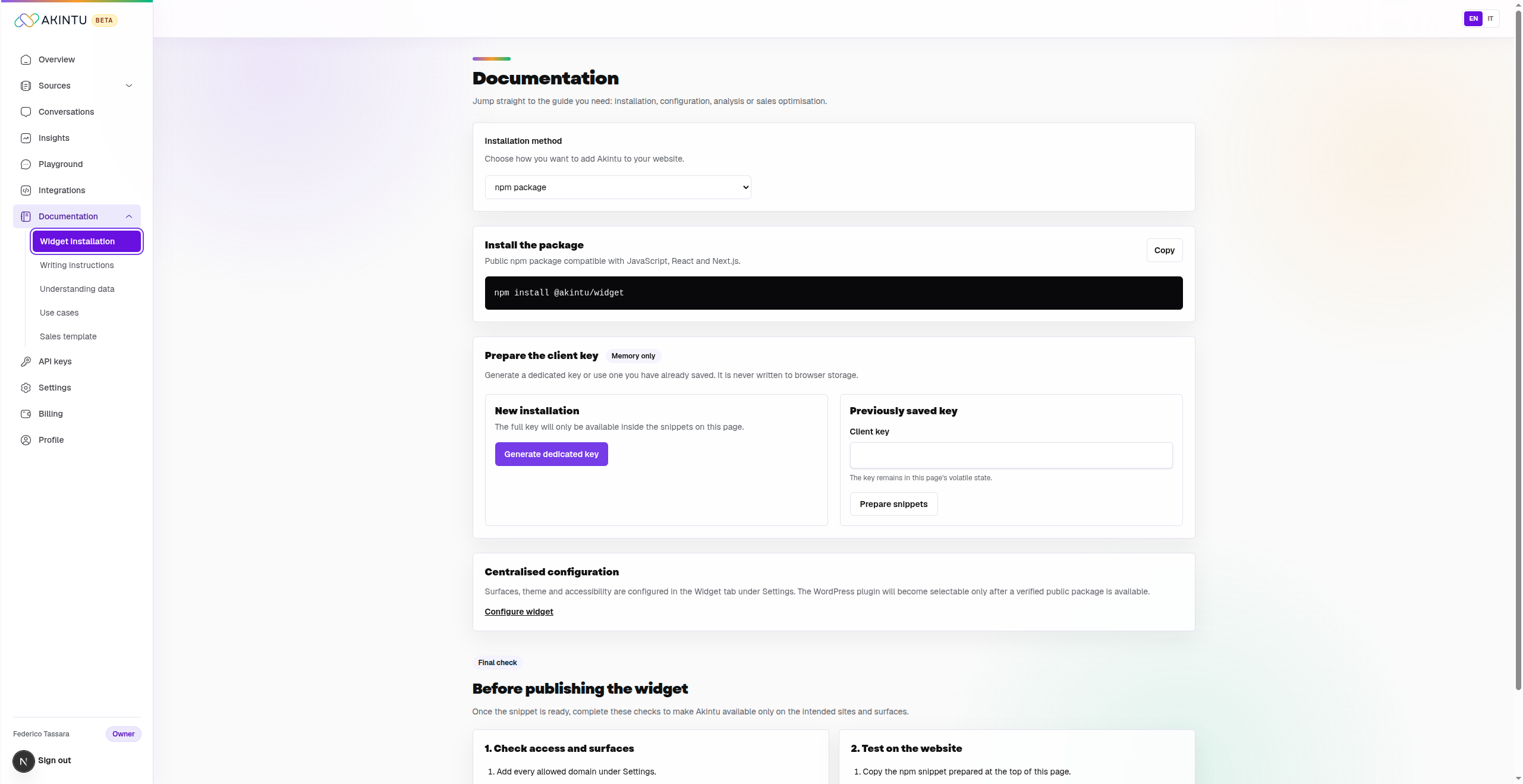
- Easy-to-embed website chat widgets with no-code configuration
- Multi-language support and seamless routing for human handoffs
- Native API access and webhooks for external tool integrations
How I built it
The platform architecture centers around a flexible RAG workflow designed to ingest, process, and retrieve knowledge fast. Custom company documents and website data are indexed into vector databases to supply factual context during user sessions.
The core system consists of:
Retrieval Pipeline: A high-accuracy search layer that retrieves relevant documentation chunks before passing context to the primary language model.
Configurable Safety Engine: Custom guardrails and system prompts that dictate agent behavior, tone, and strict boundaries.
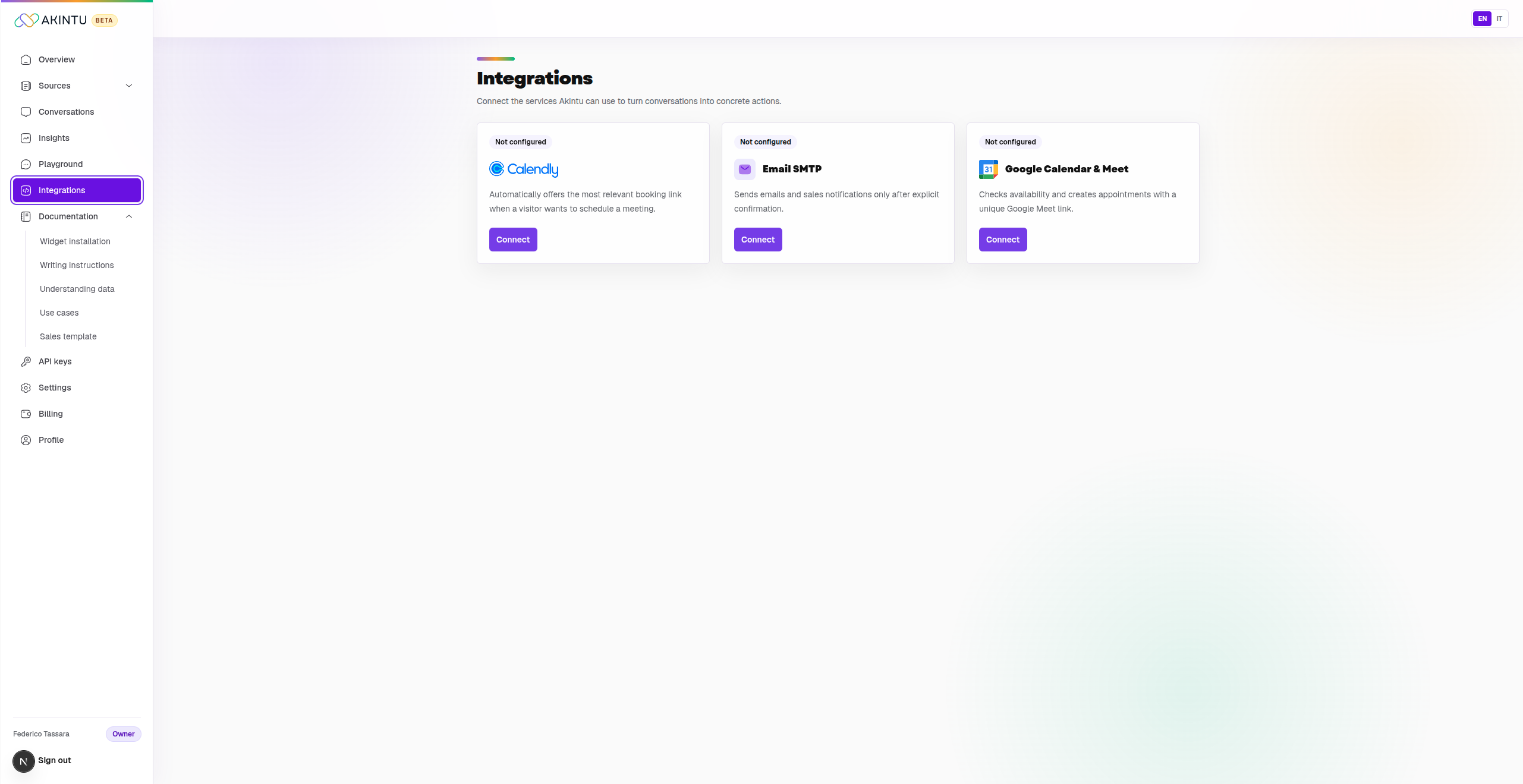
Action Routing Engine: Automated logic for booking calendar events, qualifying incoming leads, and triggering third-party APIs.
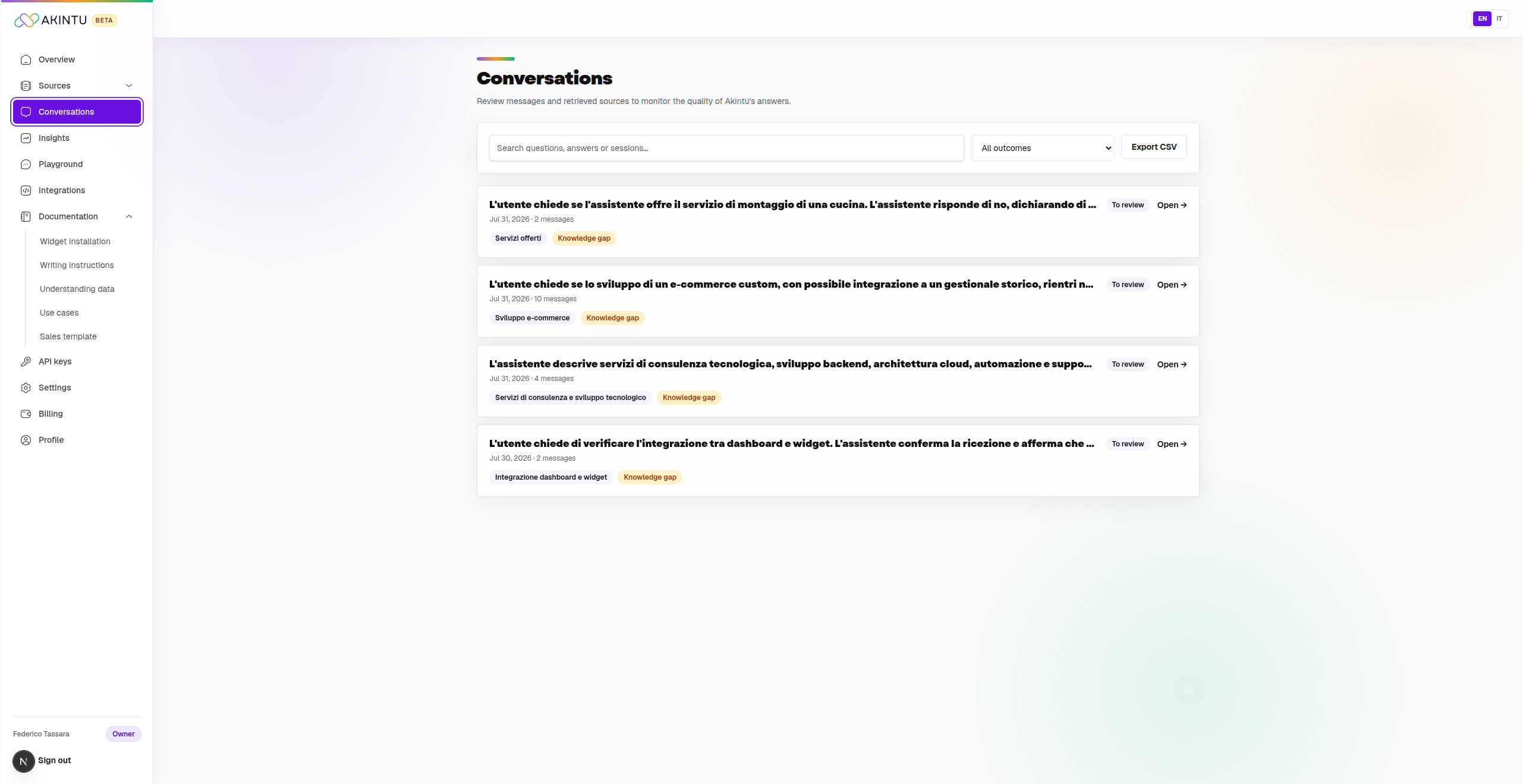
Control Panel: A simplified web dashboard giving non-technical teams direct control over agent settings, knowledge bases, and conversation analytics.
Challenges I ran into
Halting Hallucinations: Standard LLMs tend to invent answers when context is missing. Designing strict RAG retrieval filters and guardrail logic was essential to ensure the agent only speaks from verified source materials.
Multi-Language Context: Maintaining accurate technical context across different languages required tuning prompt structures and embedding models for semantic consistency.
Real-Time Performance: Reducing end-to-end latency so that web chat visitors receive immediate, fluid responses without long processing delays.
Accomplishments that I'm proud of
Creating a setup process where non-technical operators can train and launch a custom AI agent on their website in a matter of minutes.
Achieving reliable, context-aware answers that naturally qualify leads and handle calendar booking without manual human intervention.
Balancing an accessible no-code user dashboard with powerful, enterprise-ready API integrations and workflow automation.
What I learned
Dynamic context retrieval through RAG is far more reliable and cost-effective for business customer support than fine-tuning entire models.
Setting clear guardrails and strict system prompts early in the conversation pipeline is crucial for keeping public-facing AI agents on topic.
A seamless transition from AI chat to a live human agent remains a critical feature for high-value sales inquiries.
What's next for Akintu
Expanding native integrations for popular CRM platforms, helpdesks, and marketing stacks.
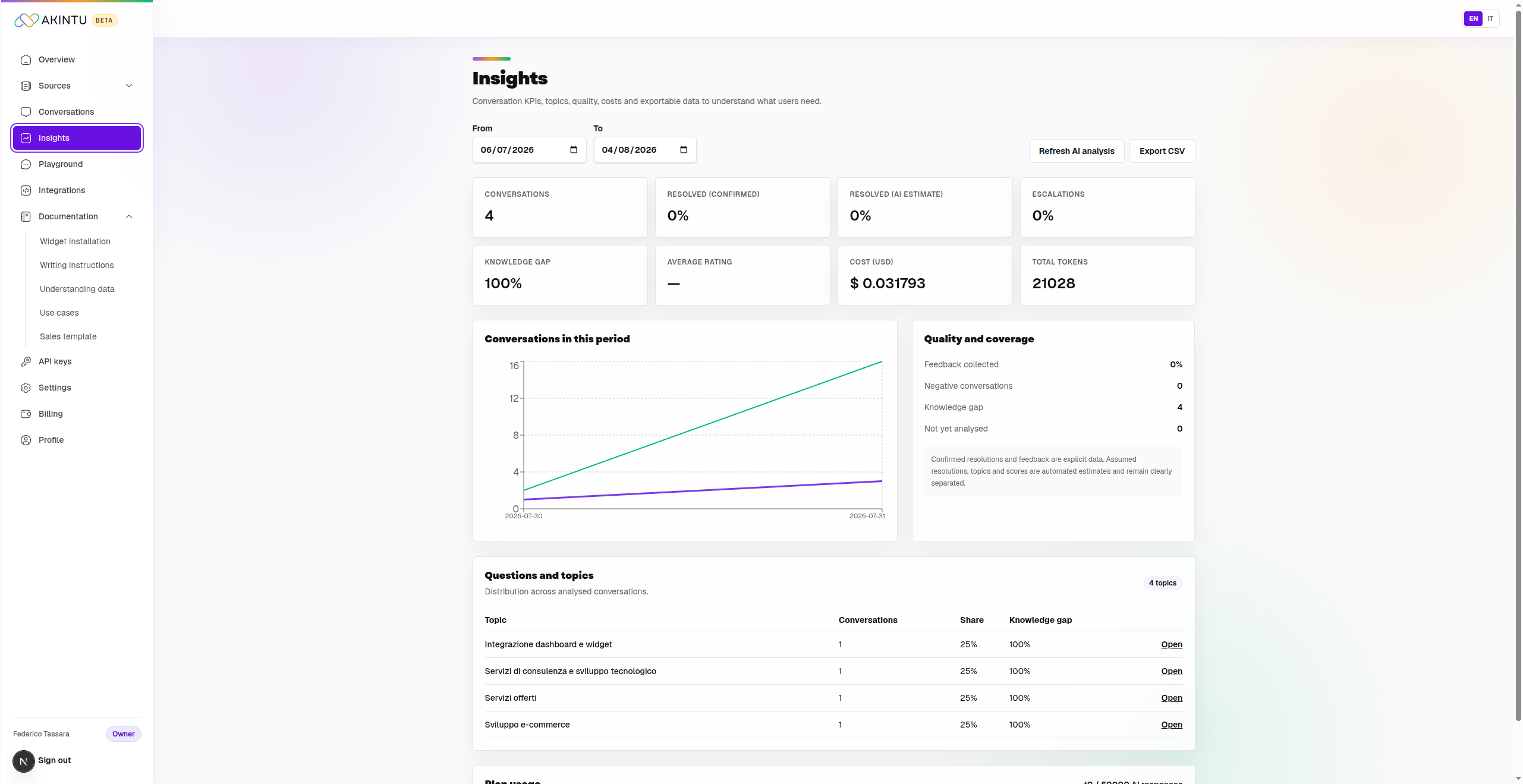
Enhancing conversation analytics with automatic intent mapping and proactive performance reporting.
Introducing deeper multi-channel support to deploy Akintu AI agents across messaging applications and enterprise communications tools.
Built With
- inngest
- nextjs
- postgresql
- vercel
