-
-

The app landing page
-
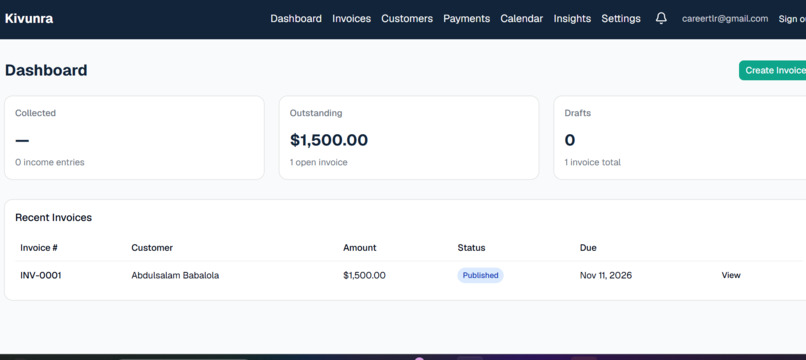
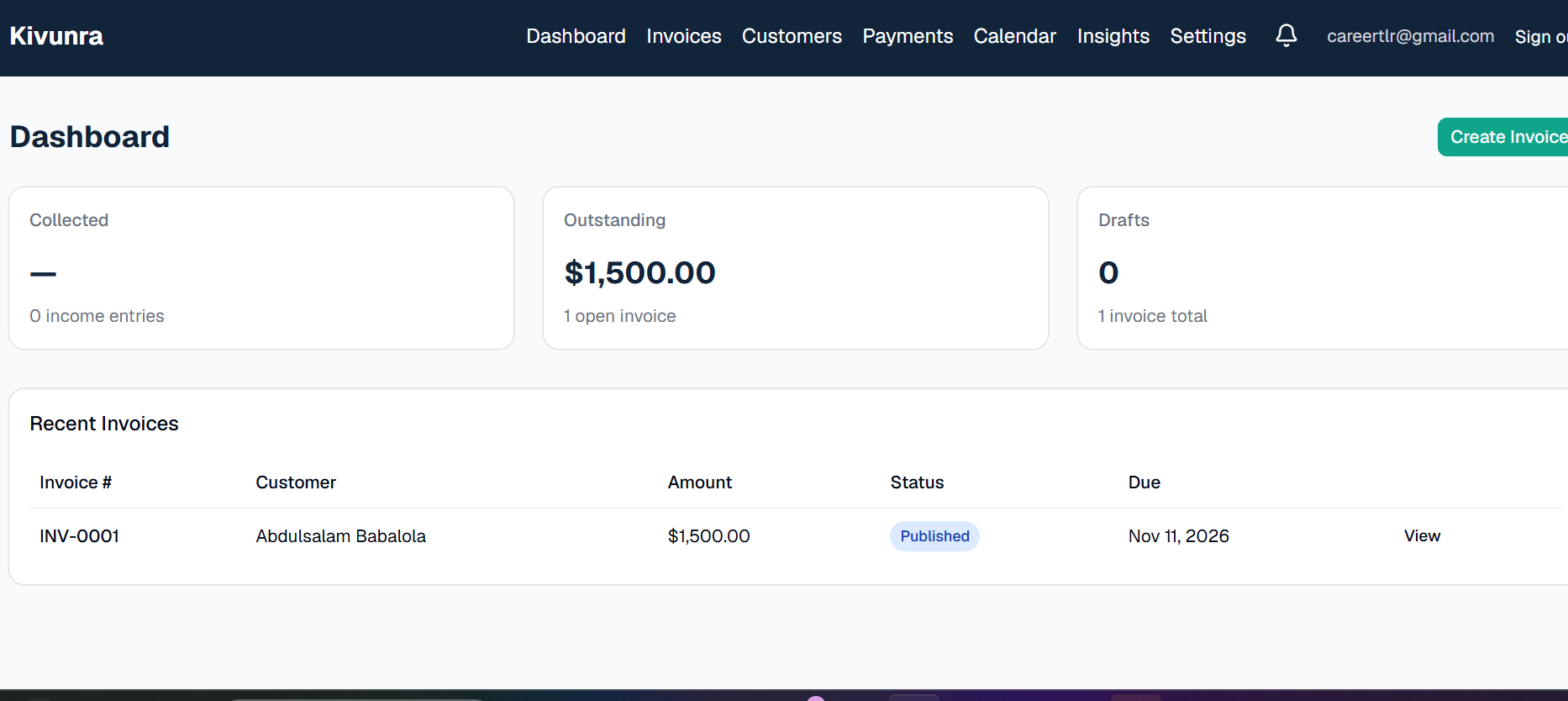
user dashboard
-
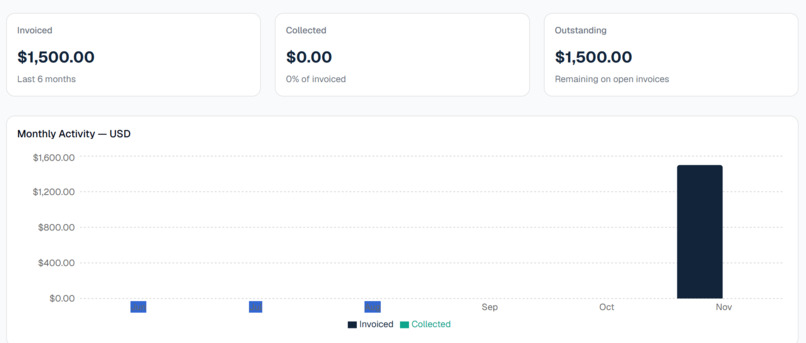
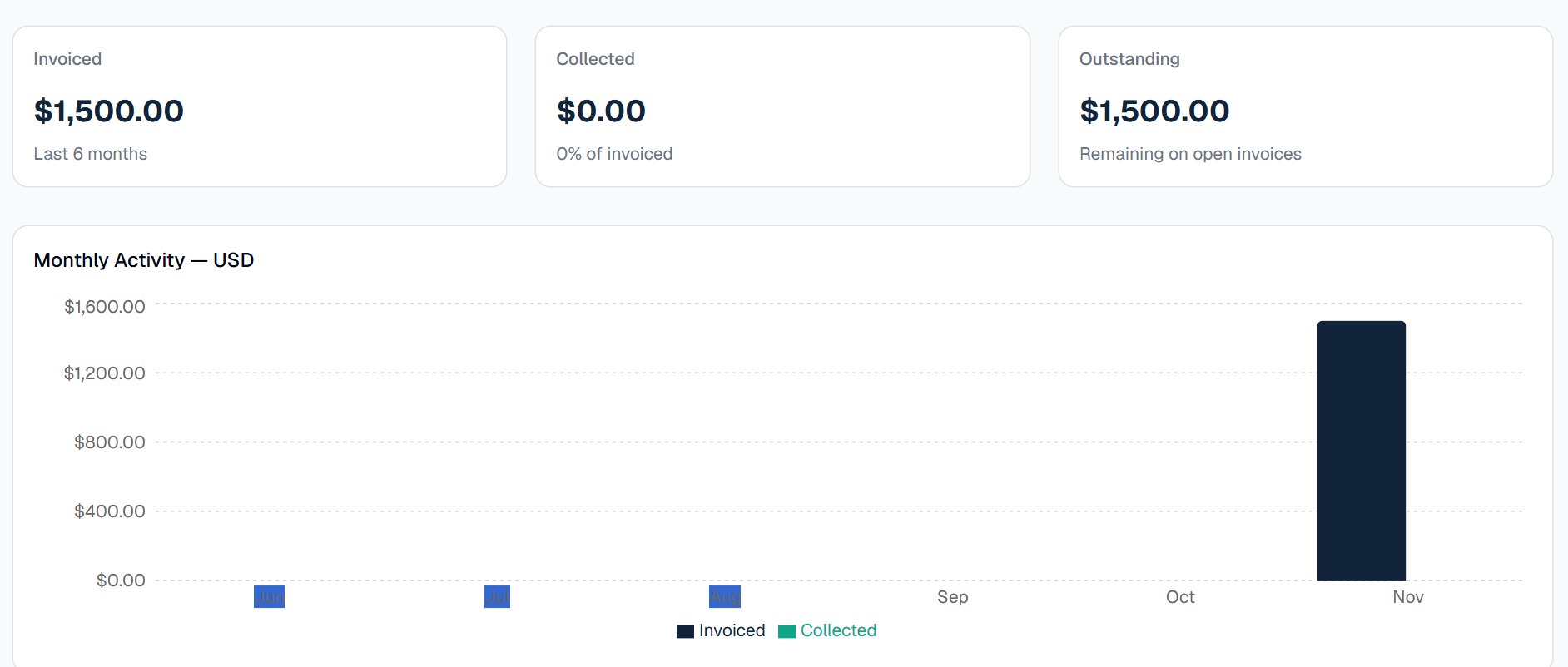
financial insight page
-
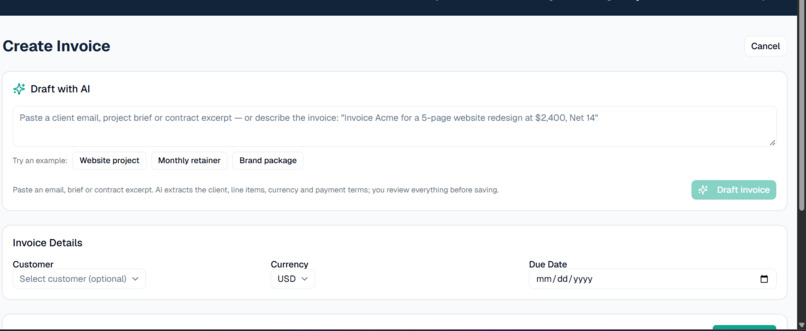
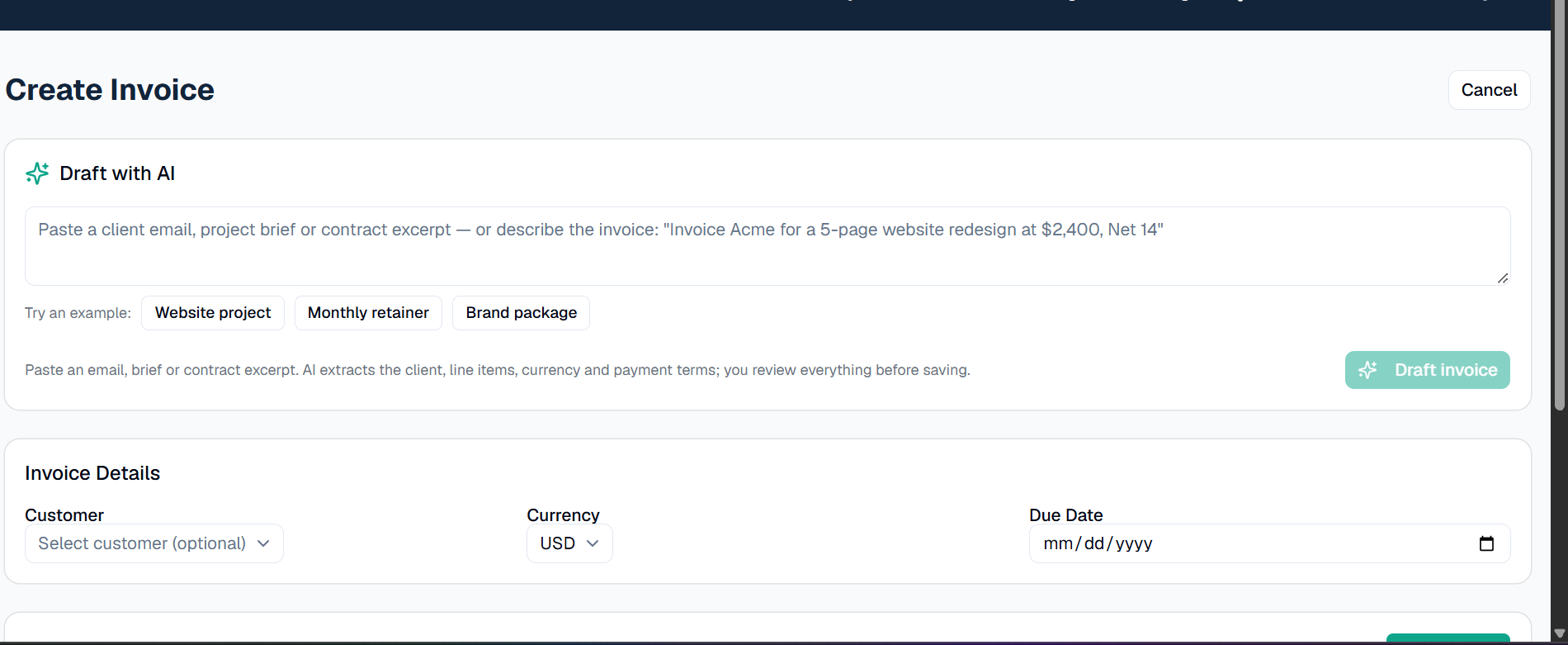
Draft Invoice with AI or manually page

Inspiration
Freelancers, independent creators, and small business owners often struggle with managing their finances. From creating invoices and tracking payments to organizing customers and understanding their financial position, these activities can become fragmented across multiple tools. I realized that managing a business's finances shouldn't require spending hours on administrative tasks or switching between different platforms. I wanted to build something that goes beyond traditional invoicing and payment management — a platform that helps people manage their financial operations while making smarter decisions. That idea inspired Kivunra, an AI-powered financial workspace designed to simplify financial management for freelancers, independent professionals, and small businesses. My vision is to make financial management less stressful, more intelligent, and accessible to everyone building something of their own.
What it does
Kivunra brings essential financial operations into one workspace, combining payment management, invoicing, customer management, and AI-powered assistance.
Its key features include:
AI-Powered Invoice Generation: Users can paste client emails, project briefs, or contract excerpts, and Kivunra AI extracts relevant information such as client details, line items, currency, and payment terms to draft structured invoices. Users can review the information before saving.
Invoice Management: Create, manage, publish, and track invoices, including outstanding amounts and due dates.
PayPal Payment Integration: Connect payment workflows with PayPal to support payment collection and simplify how businesses receive money. Customer Management: Organize customer information and maintain a more structured view of business relationships. Financial Dashboard: Get an overview of collected income, outstanding invoices, drafts, and recent invoicing activities. Kivunra Copilot: An AI-powered financial assistant designed to help users interact with their financial information, understand business activities, and gain useful financial insights. Financial Insights: Provide a foundation for understanding financial performance and making better business decisions. Kivunra is built around one idea: financial management should not just record what happens to your money; it should help you understand what those activities mean.
How we built it
I built Kivunra using a modern technology stack focused on performance, scalability, and AI integration.
My technology stack includes:
Next.js: Application framework for building the user interface and application architecture.
TypeScript: For type safety and maintainable development.
Supabase: For database management, authentication, and backend services.
Groq AI: To power AI capabilities, including natural-language invoice drafting and Kivunra Copilot.
PayPal: For payment integration and payment-related workflows.
Tailwind CSS: For building a responsive and consistent user interface.
One of my key implementation decisions was to make AI part of the actual financial workflow rather than simply adding a chatbot to the application.
For example, my AI invoice drafting feature allows users to provide unstructured business information, which AI helps transform into structured invoice details. Users retain control by reviewing the generated information before saving.
I also designed the financial workspace around connected operations, bringing invoices, customers, payments, and financial information into a unified experience.
Challenges we ran into
Building Kivunra came with several challenges.
Connecting financial workflows: Ensuring that invoices, customers, payments, and financial records fit together into a consistent experience required careful planning.
AI accuracy and context: I wanted AI to understand actual business information and produce useful structured results rather than generic responses.
Payment integration: Incorporating PayPal into the application while maintaining a coherent payment workflow required attention to integration and transaction handling.
Product architecture: Building multiple financial features within one application while keeping the architecture maintainable was another challenge.
Time constraints: Working within the hackathon timeline meant prioritizing the features that delivered the greatest value while balancing implementation, testing, and user experience.
These challenges pushed me to focus on building a product where the different features work together to solve a meaningful problem.
Accomplishments that we're proud of
I'm particularly proud of building Kivunra as a unified financial workspace rather than another standalone invoicing application.
Some of my key accomplishments include:
Building a functional financial dashboard that provides visibility into invoices and outstanding amounts.
Developing AI-assisted invoice drafting that transforms client emails, project briefs, and contract descriptions into structured invoice information.
Integrating customer and invoice management into one workspace.
Incorporating PayPal payment capabilities into the product.
Building the foundation for Kivunra Copilot and contextual AI-powered financial assistance.
Creating an application architecture that can support additional financial automation and intelligence.
Most importantly, I'm proud that Kivunra addresses a real challenge faced by people running independent businesses: spending too much time managing finances instead of growing their businesses.
What we learned
Building Kivunra reinforced my understanding that successful AI products are not simply about integrating an AI model. They are about identifying where intelligence can remove friction and create real value in an existing workflow.
I learned the importance of providing AI with relevant context, validating generated information, and keeping users in control of important financial operations.
I also gained practical experience working with payment integrations, AI-powered application development, database architecture, and building connected financial workflows.
Another important lesson was that a good financial product must prioritize trust, accuracy, simplicity, and usability. These principles influenced many of my development decisions.
What's next for Kivunra
I see Kivunra evolving into an intelligent financial operating system for freelancers, independent creators, and small businesses.
My next steps include:
Expanding Kivunra Copilot: Developing a more context-aware AI assistant capable of answering financial questions, identifying patterns, and providing actionable recommendations. Automated Bookkeeping: Improving transaction categorization, reconciliation, and financial record-keeping. Smarter Financial Insights: Introducing deeper cash-flow analysis, revenue tracking, expense analysis, and financial forecasting. Advanced PayPal Integration: Expanding payment synchronization, transaction visibility, and payment automation. Financial Reminders: Helping users stay on top of invoice due dates, outstanding payments, and important financial activities. Multi-currency Support: Supporting businesses and professionals operating across different markets. My long-term vision is to make Kivunra a trusted financial workspace that helps people not only manage their money but also understand it, plan with it, and grow with it.
Built With
- invoicing
- jwt
- llm
- next.js
- paypal
- postgresql
- react
- render
- sandbox
- supabase
- tailwind
- typescript
- vercel
