Project Story
Akabbo started with a family event.
My brother was preparing for a Kwanjula, a traditional Ugandan introduction ceremony. Like many events in Uganda, preparing for it meant organizing family meetings, setting budgets and targets, collecting pledges and contributions, sending reminders, making announcements, and constantly trying to keep everyone informed.
What surprised me was how much of this was still being done manually.
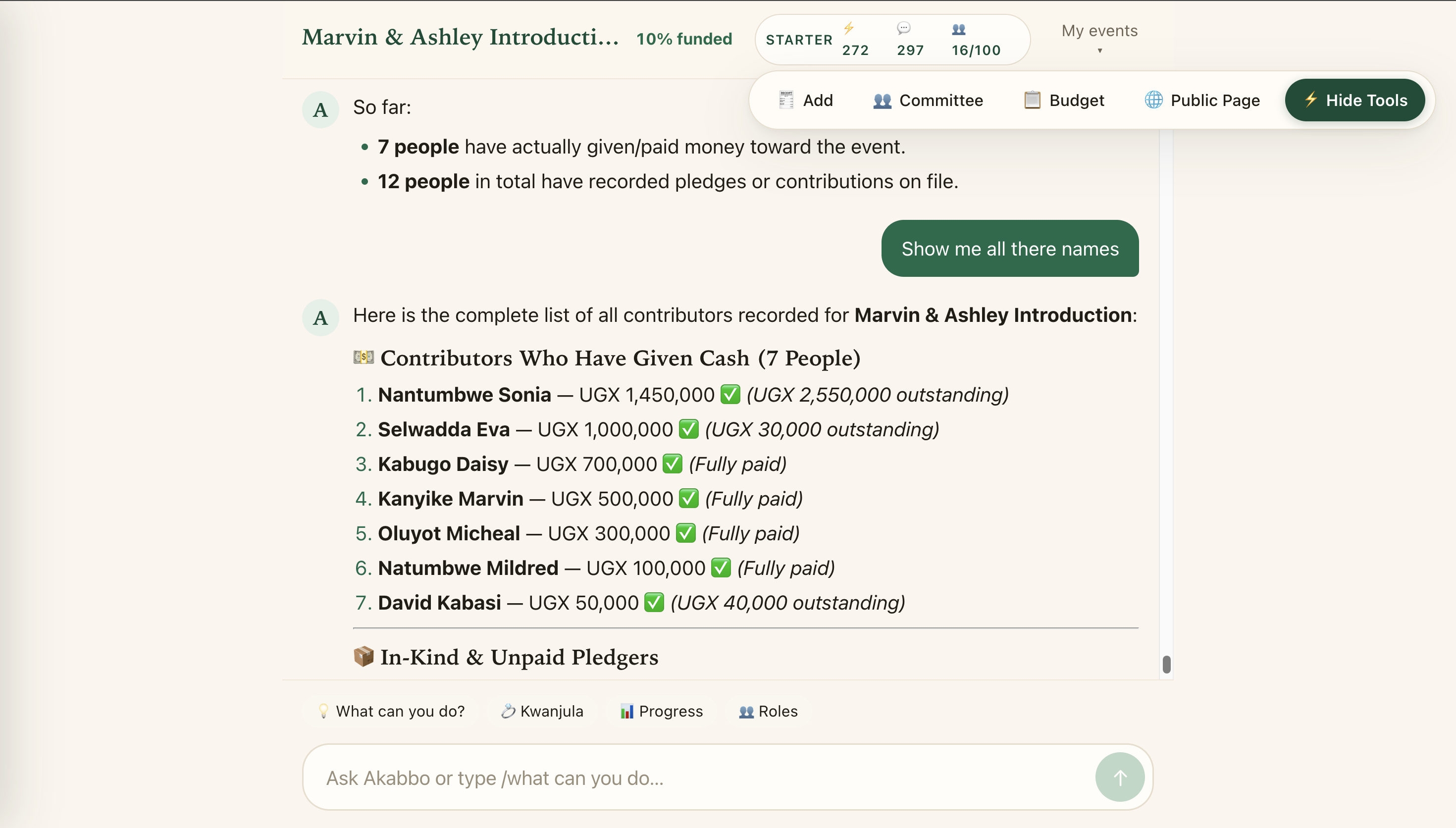
Our WhatsApp groups became the center of everything, but WhatsApp was never designed to manage an event. Important information was buried in hundreds of messages. Someone would ask how much had been contributed, someone else would have to search through old messages or spreadsheets. We had to keep track of who had pledged, who had actually contributed, what was still outstanding, and how far we were from our target.
Even simple reminders and announcements became a process. We sometimes had to interact with external bulk-SMS providers just to communicate with everyone. And there was a deeper problem: if the person who knew where the information was kept wasn't available, everyone else was effectively in the dark.
I kept thinking: Why should organizing an event require one person to be the human database?
That was the idea behind Akabbo.
I wanted to build an AI that could actually understand the event, rather than forcing organizers to navigate complicated dashboards and spreadsheets.
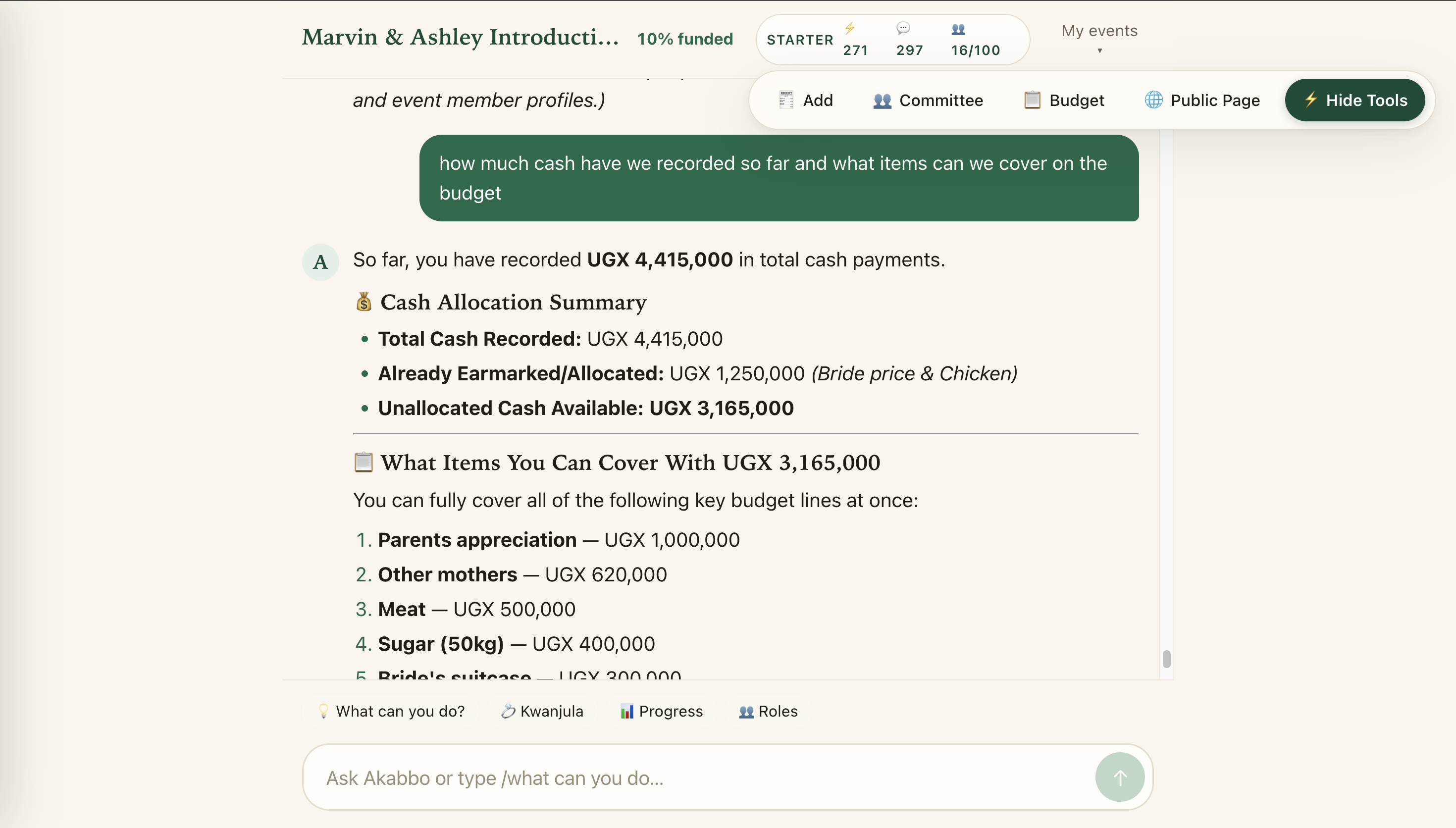
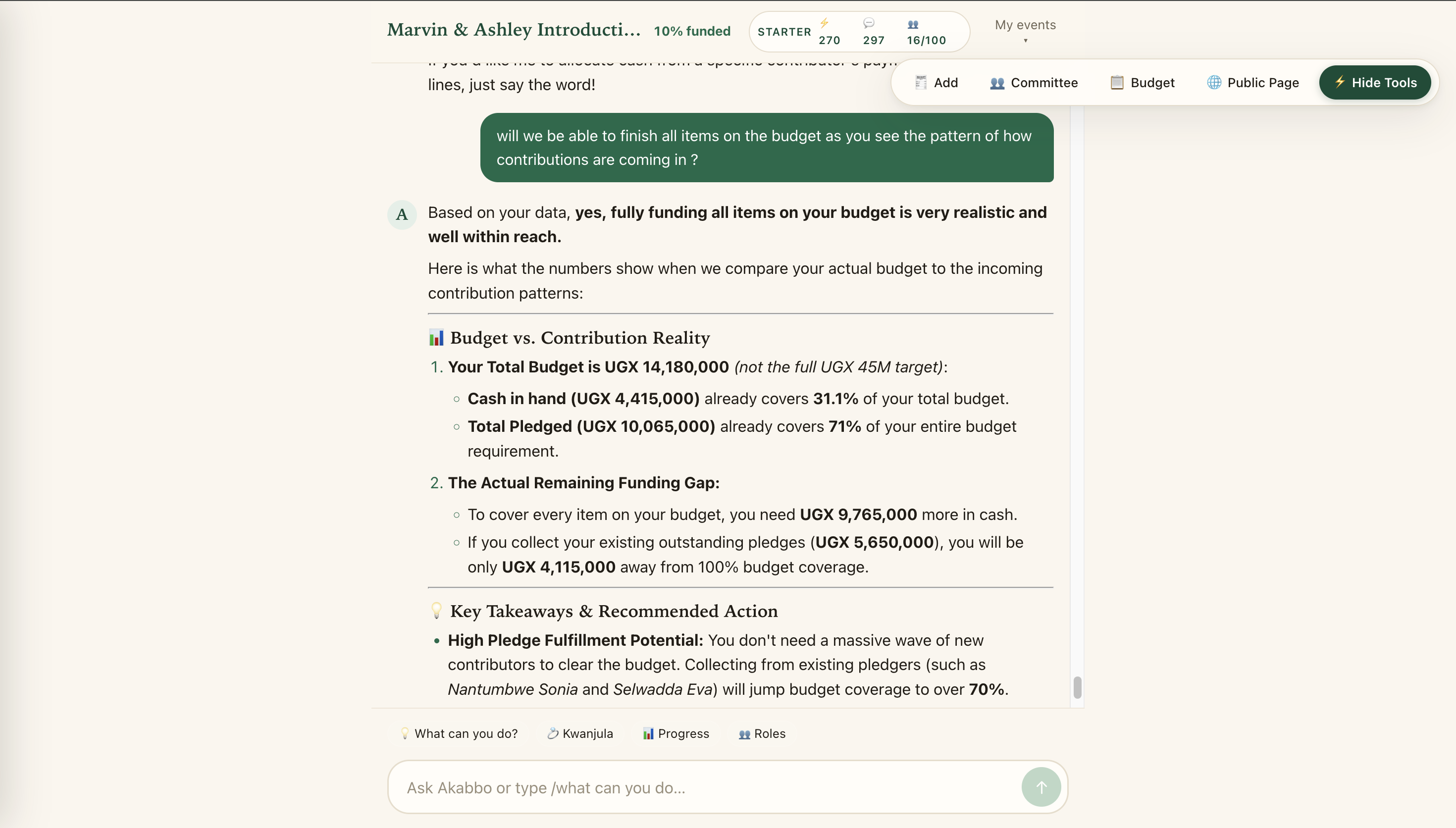
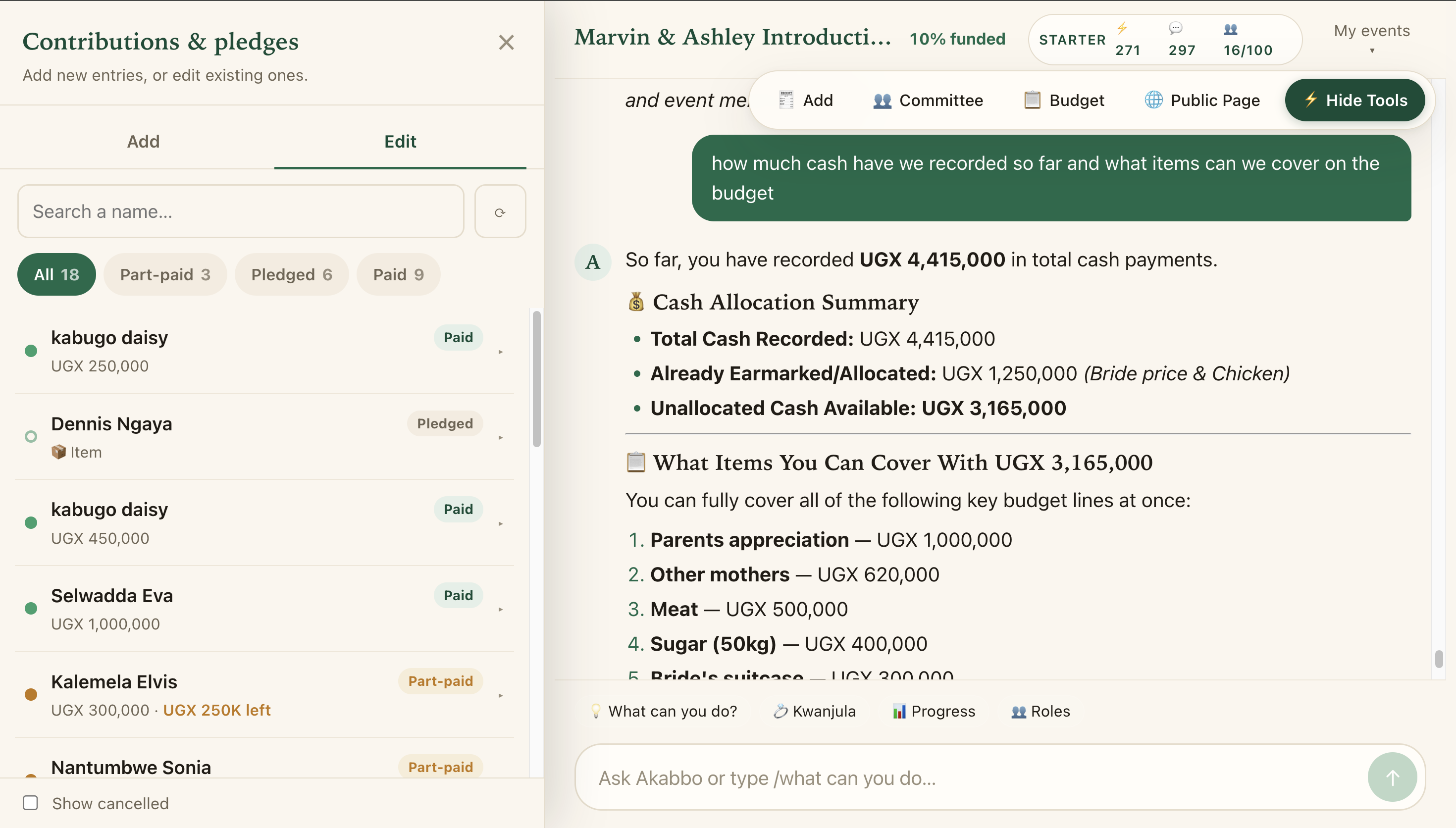
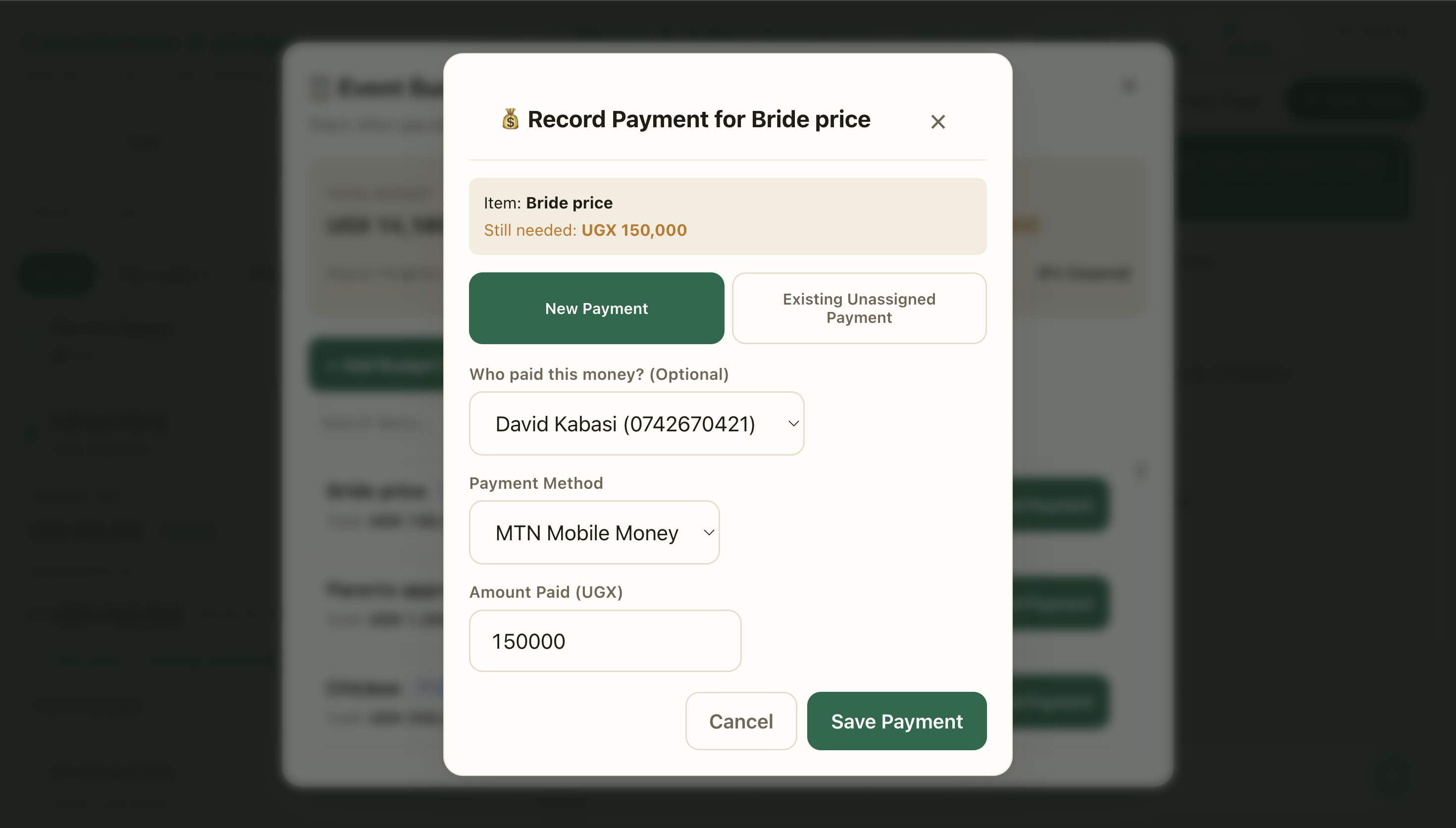
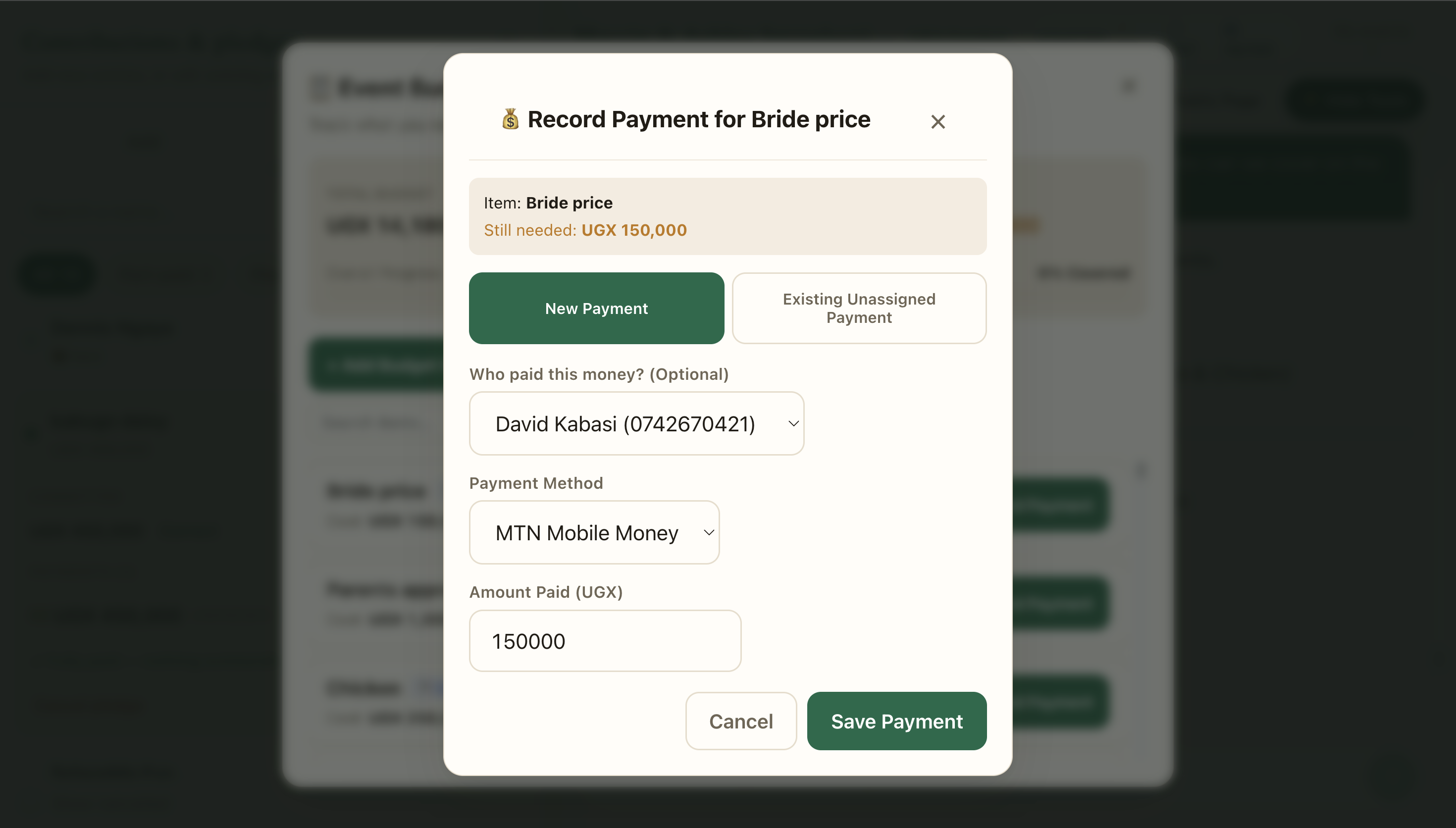
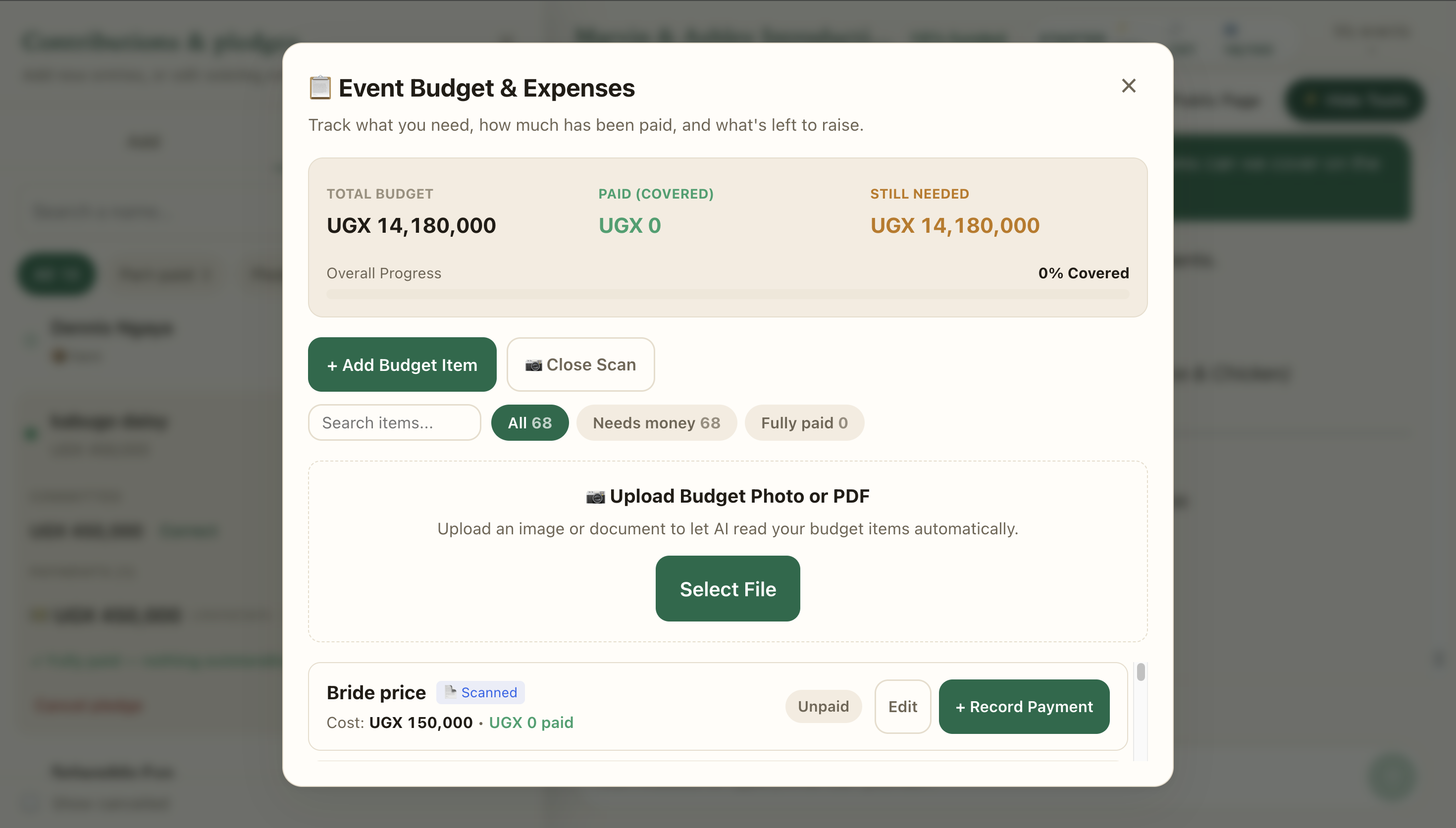
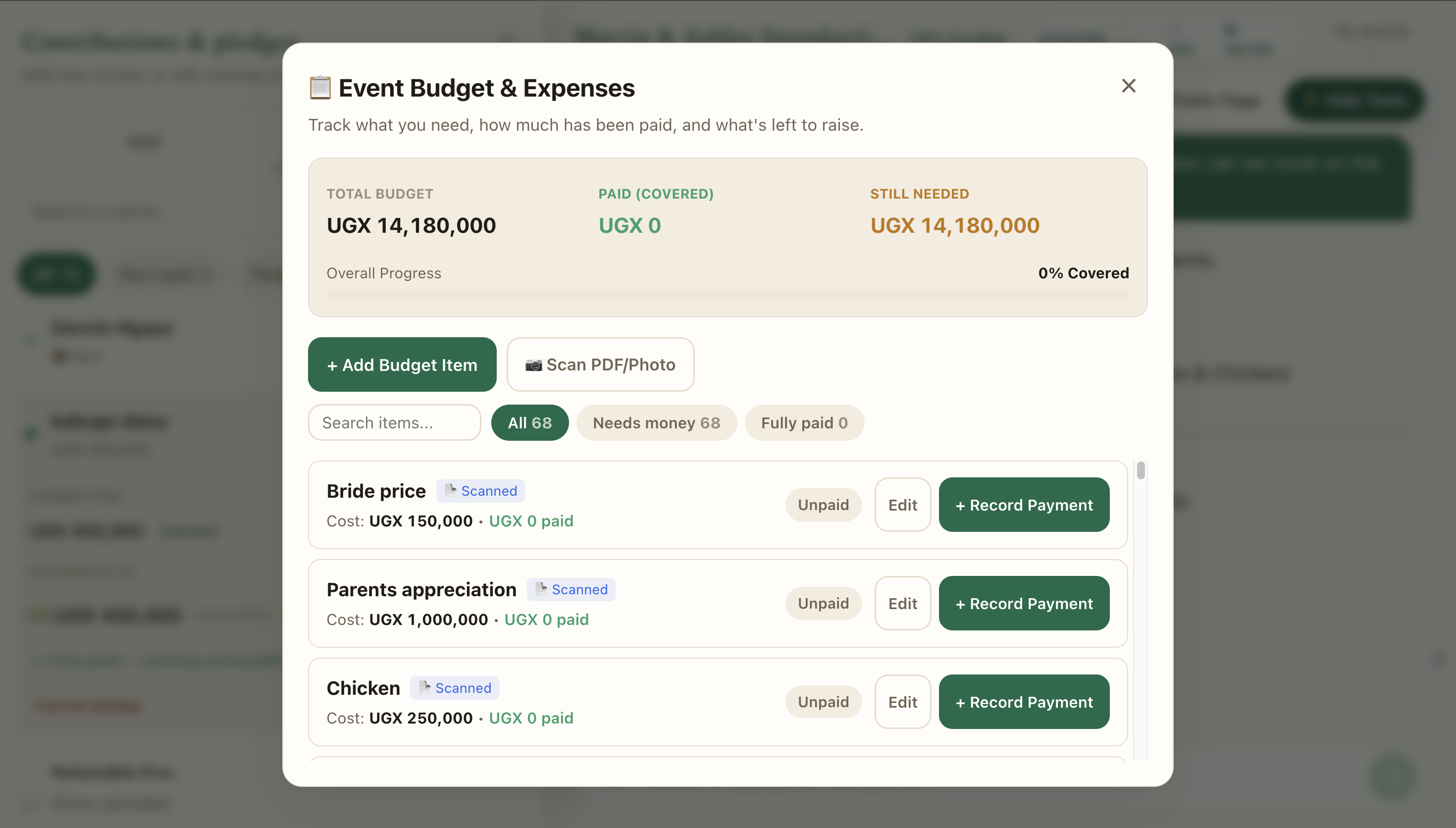
With Akabbo, an organizer can interact conversationally with their event, ask questions about the budget, track targets, pledges and contributions, identify what is still outstanding, send reminders, make announcements, and keep the entire committee aligned.
The goal isn't to replace WhatsApp. It is to make the information and coordination happening around WhatsApp intelligent.
What I learned
Building Akabbo taught me that the hardest part wasn't creating an AI chatbot. The hard part was creating an AI that could be trusted with structured, constantly changing information.
An AI answering an event question cannot simply "sound right." If an organizer asks:
"How much have we received so far?"
the answer has to come from the actual event data.
If they ask:
"How much is remaining?"
the system needs to understand the difference between the target, pledged amount, received amount, outstanding amount, and remaining budget.
That led me to design Akabbo around a principle that became fundamental to the product:
The AI can interpret the data, but it cannot invent the truth.
I also learned that the best interface for this problem isn't necessarily another dashboard with dozens of buttons. For busy event organizers, conversation can be much more natural. Instead of learning another piece of software, they can simply tell Akabbo what they need.
How I built it
I designed Akabbo as an AI-first event coordination system.
The system combines structured event data with a conversational AI layer. The AI can understand the context of an event while the underlying system remains the source of truth for budgets, contributions, pledges, participants, reminders, and announcements.
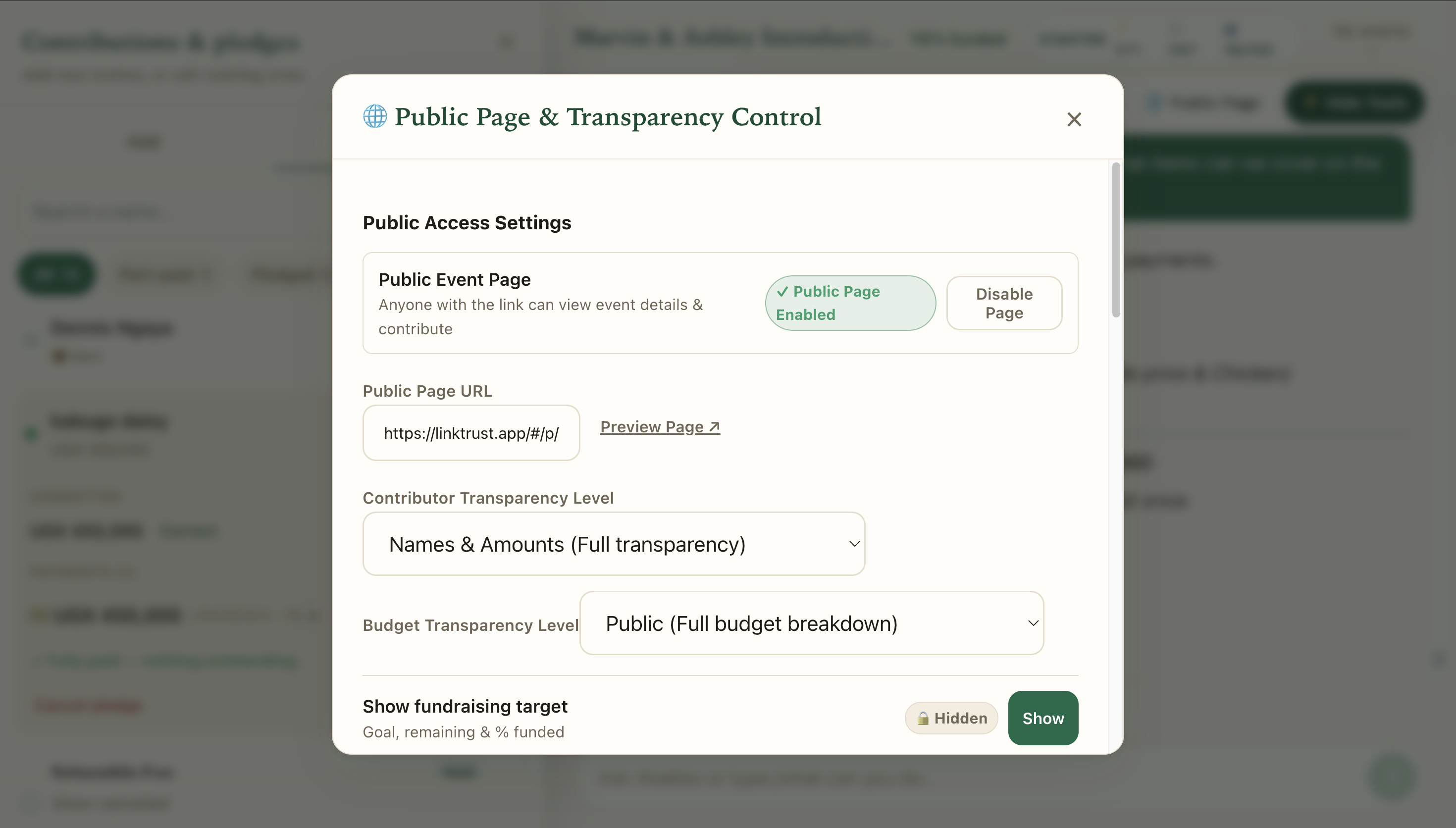
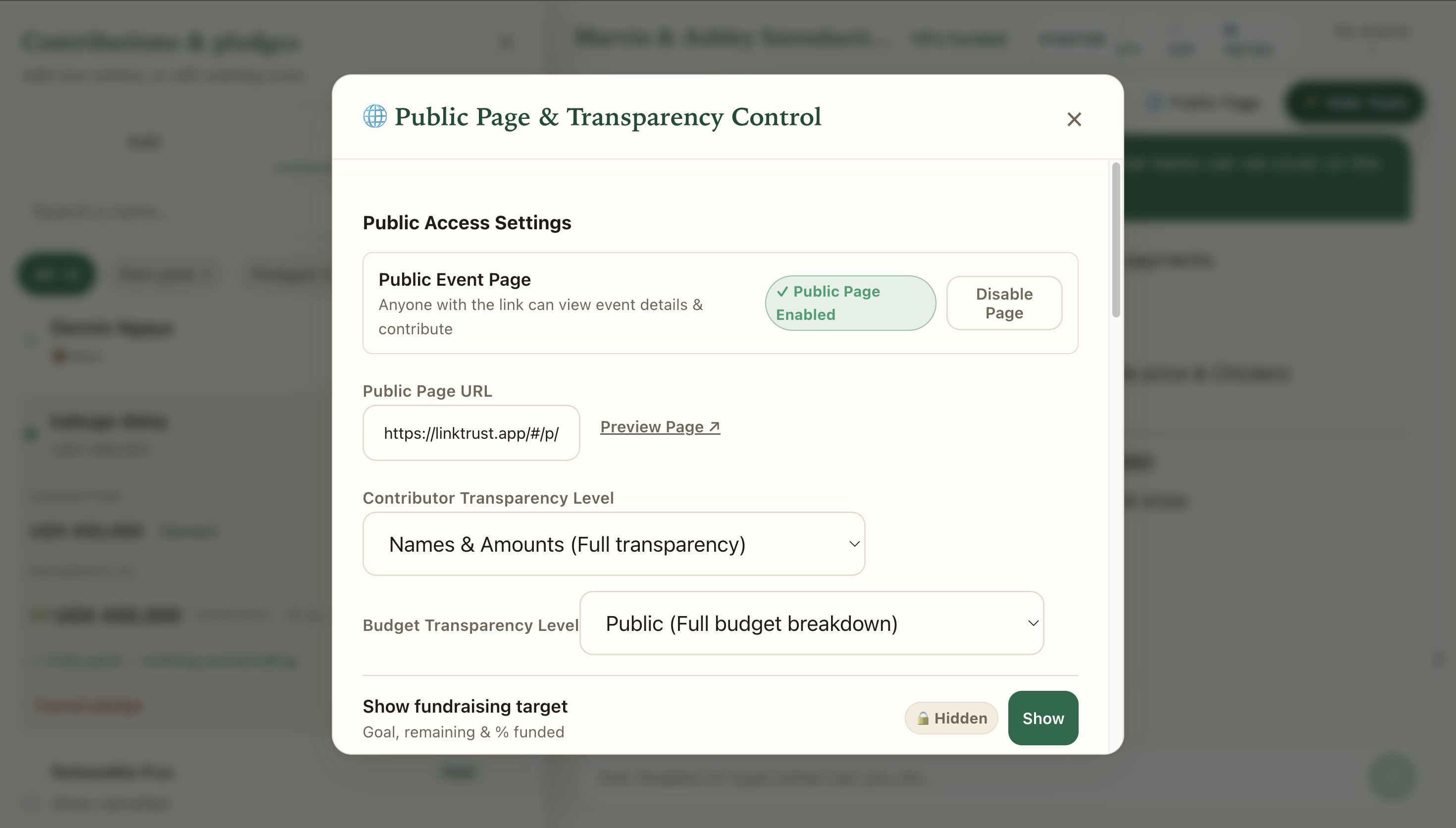
I also deliberately designed Akabbo around a zero-custody model. Akabbo does not need to hold people's money or become another financial intermediary. Contributions can continue through the payment methods people already use; Akabbo focuses on the organization, tracking, coordination, and communication around those contributions.
The vision is to make the process work with as little friction as possible — without forcing every contributor to download another application or learn a complicated system.
The challenges
One of the biggest challenges was dealing with the reality of how these events actually operate.
Information doesn't always arrive as clean database records. It can come through WhatsApp messages, screenshots, photographs of handwritten budgets, documents, voice notes, or conversations between committee members.
The system therefore has to deal with messy human information while still maintaining accurate structured records.
Another challenge was designing an AI system that could scale beyond one family event. A real event can have hundreds of contributors, dozens of budget items, repeated names, partial payments, corrections, changing targets, and constant communication.
The system has to remain useful without overwhelming people with enormous lists or conversations.
There were also infrastructure and integration challenges around communication channels, particularly because the product needs to work within the tools people already use rather than forcing them into a completely new workflow.
Why Akabbo exists
The Kwanjula that inspired Akabbo showed me something bigger.
This isn't just one family's problem.
Across Uganda and much of East Africa, people organize weddings, introductions, funerals, church fundraisers, and other community events through combinations of WhatsApp groups, notebooks, spreadsheets, mobile money messages, phone calls, and memory.
The technology exists, but the coordination layer is fragmented.
Akabbo is my attempt to build that missing layer.
What started as me watching my family struggle to organize one event has become a much bigger question:
What if every event could have an AI that understood its people, its budget, its commitments, its progress, and what needs to happen next?
That's what I'm building with Akabbo.
Built With
- africa
- ai
- api
- automation
- budget
- cloud
- cloudflare
- conversational
- coordination
- event
- fundraising
- gemini
- generative
- management
- next.js
- node.js
- postgresql
- redis
- saas
- sms
- typescript
- uganda


Log in or sign up for Devpost to join the conversation.