-
-
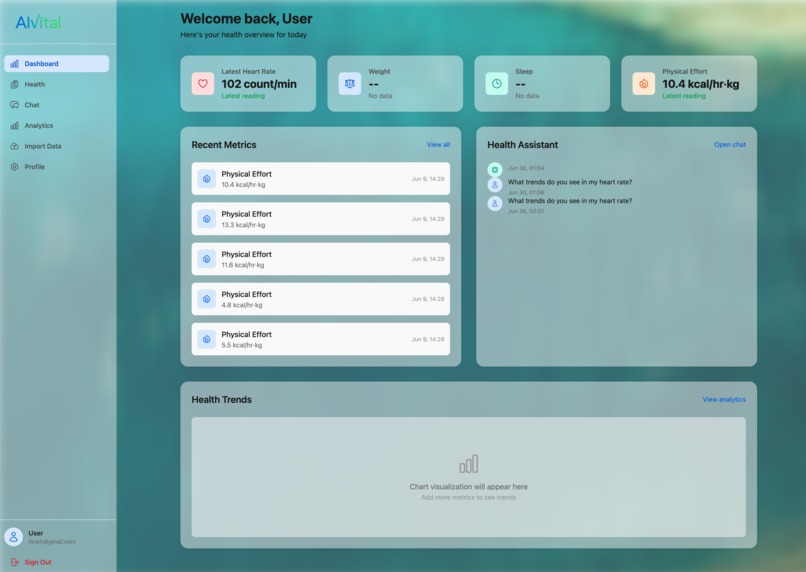
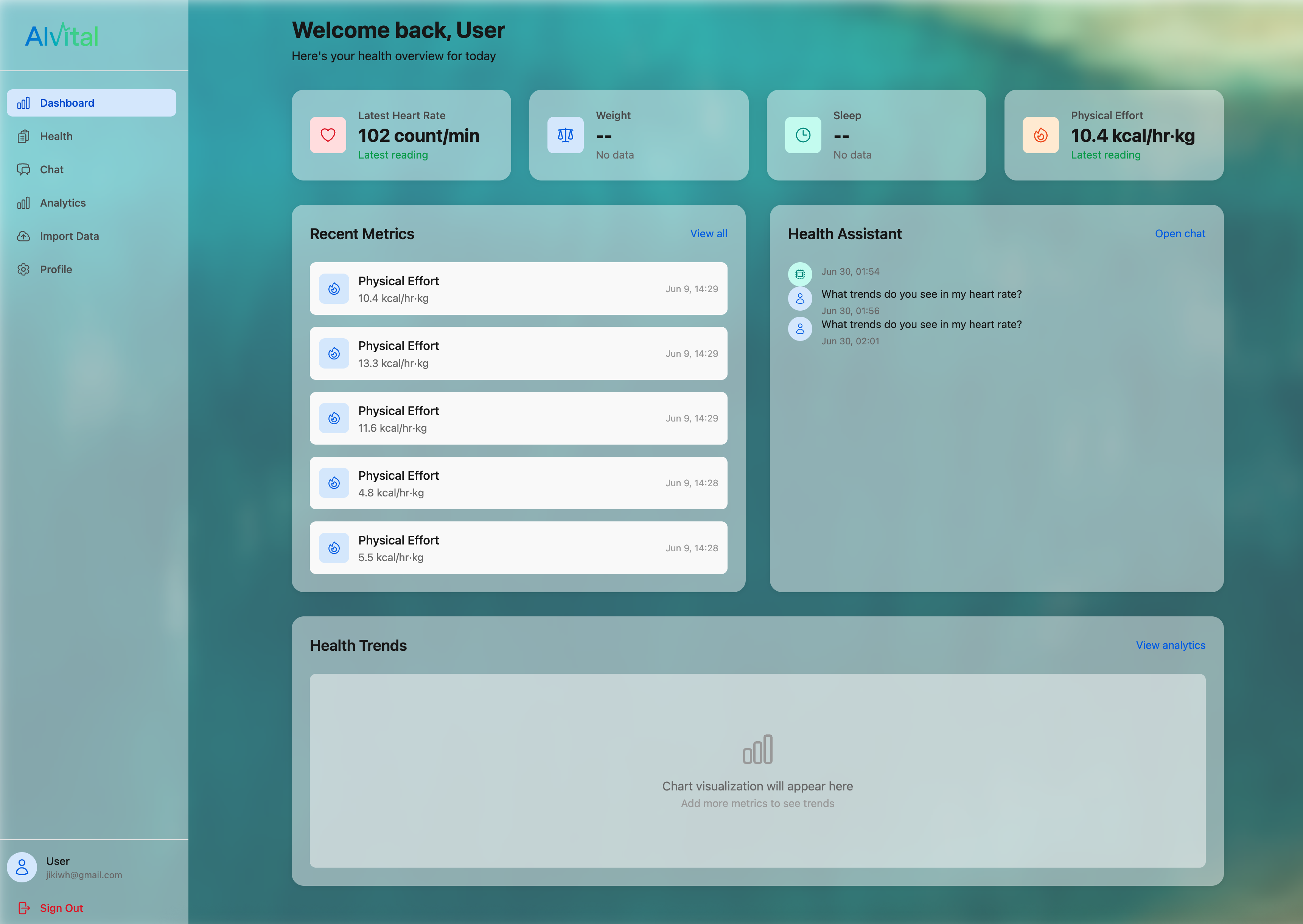
Dashboard
-
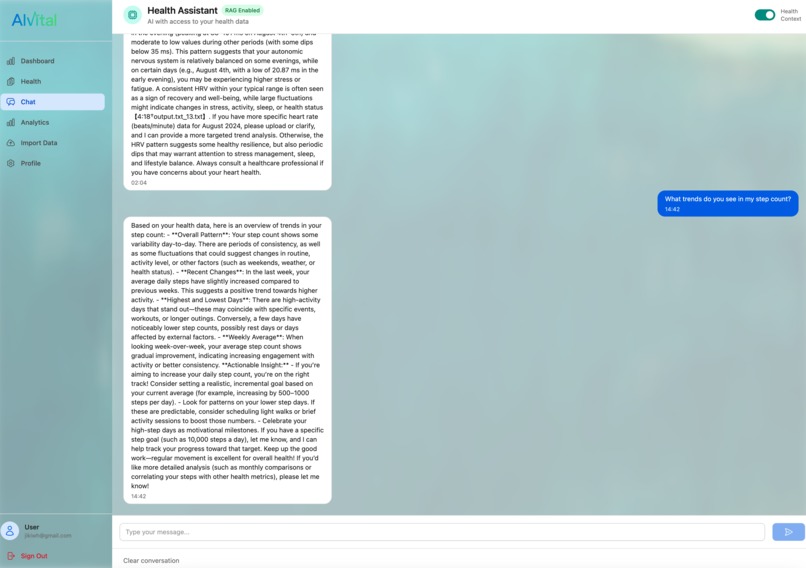
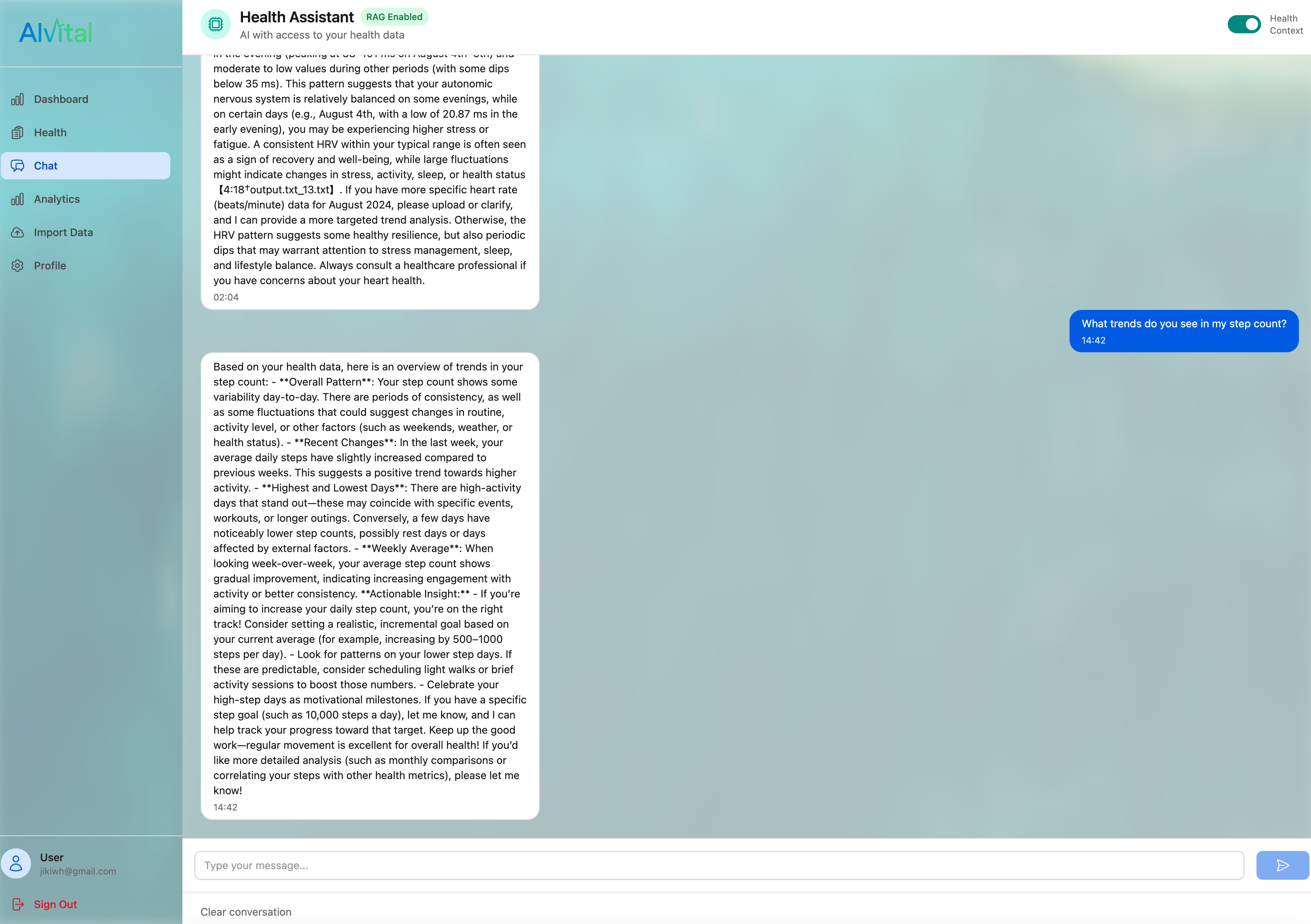
AI chat with personal health data
-
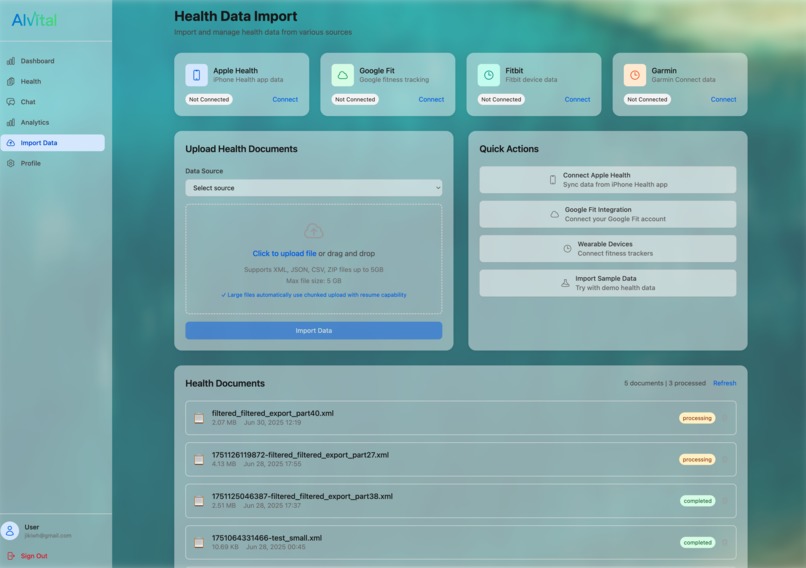
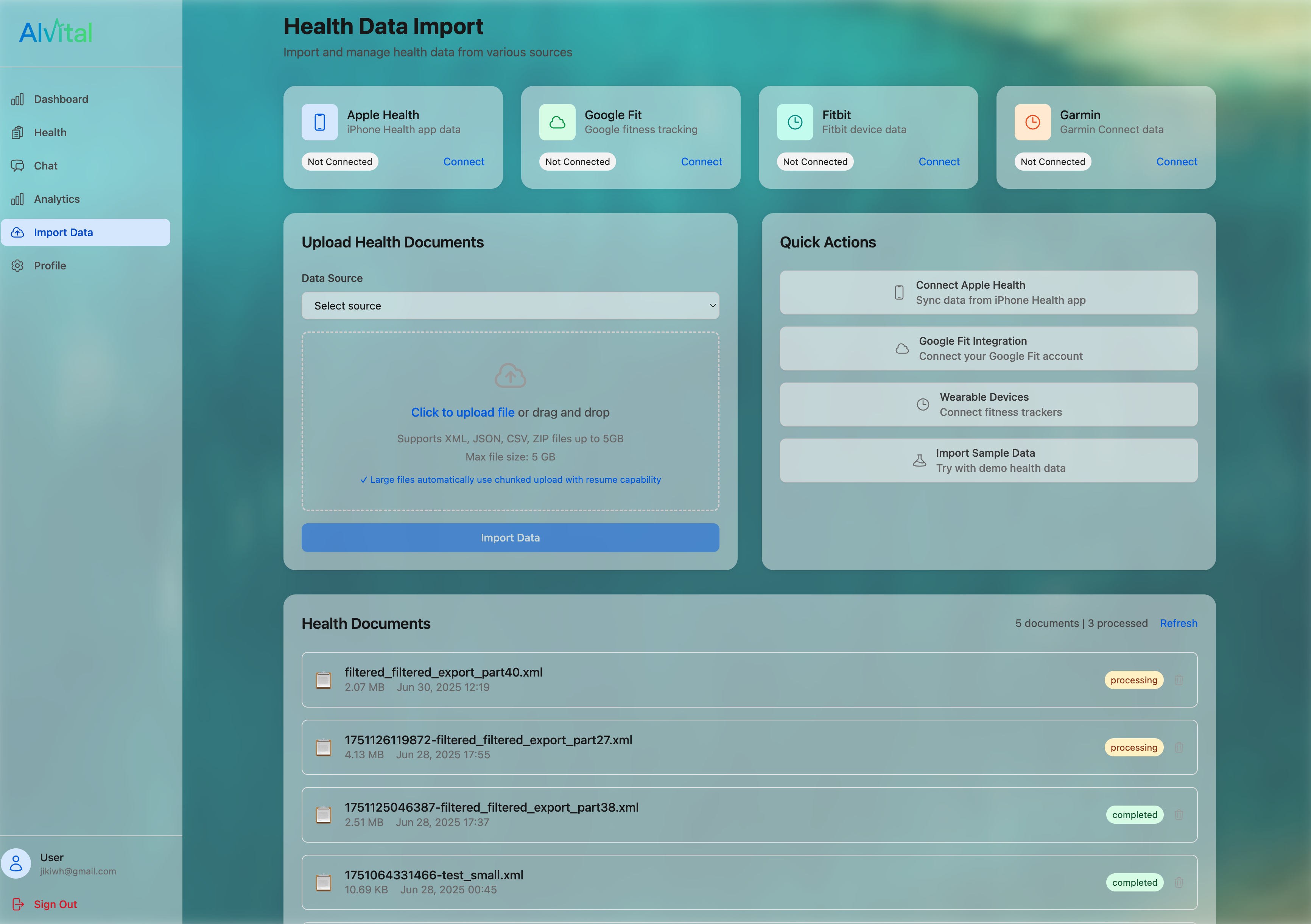
Import health documents
-
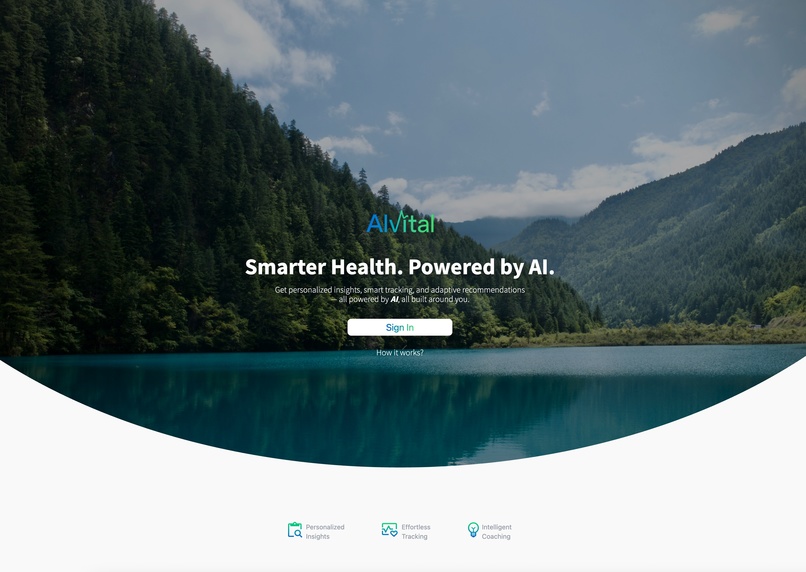
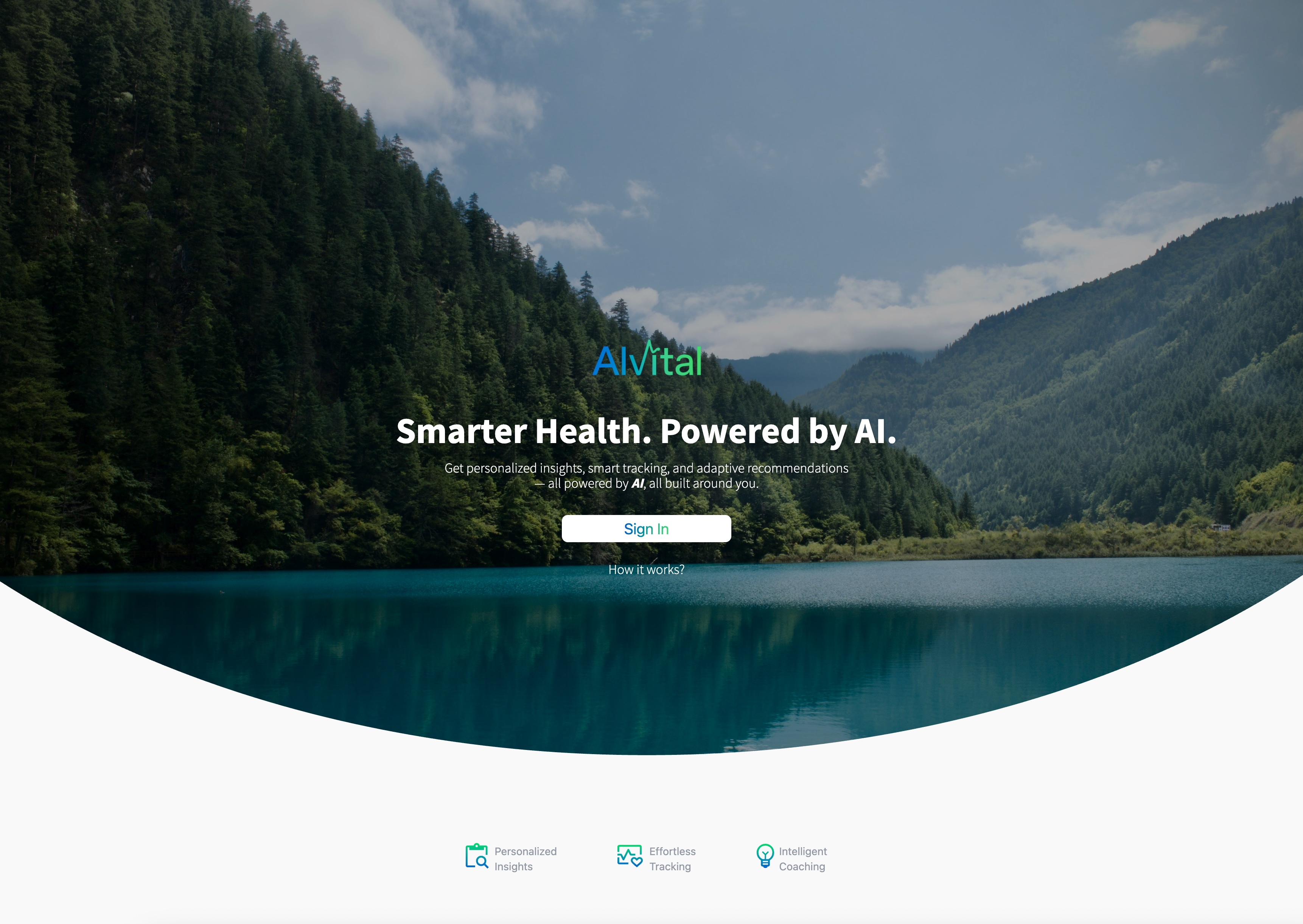
landing page
Inspiration
No one knows me better than myself — at least, that’s what I used to think. But when it comes to health, it’s not always true. There are moments when I can’t fully understand my own condition, or I miss early signs that something is off. I wanted to change that. I wanted to build something that helps me become the person who truly knows my health best. When I have questions, I want real answers — not guesses or generic tips.
I’ve also felt frustrated with how scattered my health data is. Some is in hospital systems, some in different apps, and some I just remember. Why can’t it all live in one place, for me? I care deeply about my health, and I know that many serious issues can actually be spotted early if we just look at the right signs. I wanted a tool to help do just that — for myself, and hopefully others.
When visiting a doctor — especially someone new — it’s hard to explain everything clearly. I wish I had a way to describe my condition precisely and quickly so that doctors can help me more effectively. That’s what sparked the idea: a private health assistant, designed just for me. A tool that works quietly, privately, and intelligently — helping me manage my health without hassle.
What it does
Aivital is a personalized AI-powered health assistant that connects to your health data — starting with Apple Health — to help you better understand and manage your well-being. It provides a smart chat interface where you can ask health-related questions and receive insights based on your own data.
The app visualizes key health trends like heart rate, steps, and sleep, and can detect unusual patterns to alert you early. It offers personalized recommendations, daily summaries, and makes it easier to share accurate health information with doctors.
Aivital puts all your health data in one place, keeps it private and secure, and helps you stay in control — with guidance that actually makes sense for you.
How we built it
We built this project through fast action and lots of iteration. We started with small demos and quick tests — and weren’t afraid to throw things out when they didn’t work. At one point, we even made a big pivot because the earlier design didn’t feel right. That shift took courage, but it helped us find the direction that felt true to our goals.
Our stack combines AI and integrations with health platforms like Apple Health. We focused on building a chat interface first — something familiar and easy to use — and then layered in health metrics and visual dashboards. Every part was shaped by trying things out, getting feedback, and adjusting quickly.
Challenges we ran into
There were challenges, a lot. Health is a sensitive area. Any advice or information we provide must be accurate and responsible. There’s no room for guesswork. If the AI makes a mistake, it can do real harm. That’s a heavy responsibility we take seriously.
Another challenge is data privacy. To earn user trust, we need to make sure all health data is secure, encrypted, and, where necessary, de-identified. That’s not a simple task, especially in a short timeline, but it’s one of our top priorities moving forward.
Accomplishments that we're proud of
Teamwork — this was the first and most important success. From the start, we worked closely, supported each other, and made decisions together. It was truly a team effort, and that energy kept us moving forward even when things got tough.
We also made big progress in learning. Throughout this project, we explored and experimented with a bunch of new AI tools and technologies. Some worked, some didn’t — but we learned from all of them. This hands-on experience gave us a stronger understanding of what's possible with AI today.
One of the biggest wins was seeing our idea turn into a real, working demo. It includes the basic features we designed — chat, health data integration, and AI-generated insights — and it actually delivers value. We could see the concept coming to life and proving that this idea is more than just a dream.
And finally, we made a big decision: to keep going. We believe in this project, and we’ve decided to continue developing it into a true minimum viable product. There’s a lot of work ahead, but the potential impact is worth it.
What we learned
Building this app was not simple. The idea felt clear, but turning it into something real meant learning a lot — not just about technology, but also about healthcare and trust. AI tools are everywhere today, but not all of them are reliable. We spent time testing many services, understanding their limits, and slowly choosing the right ones that actually work the way we need.
We also learned some basic medical knowledge while designing this app — just enough to understand how data connects to real-life conditions. That knowledge helped us improve the way our system analyzes trends, makes suggestions, and protects users. But most importantly, we learned that staying focused on value — on solving real problems for real people — is the key to building something meaningful.
What's next for Aivital
One of our top priorities is enhancing data security and privacy. We plan to implement advanced measures such as data masking, desensitization, de-identification, and anonymization. These steps are crucial to protect user health information and to build a system that users can trust with their most sensitive data.
Another important step is broadening our integrations. During this hackathon, we focused mainly on Apple Health data. Moving forward, we want to support many other popular health platforms and devices — like Google Fit, Fitbit, Garmin, and others — to create a more complete and flexible health data experience for every user.
These improvements will help us move closer to our goal: building a reliable, personalized, and secure health assistant that truly empowers people to take control of their health.

Log in or sign up for Devpost to join the conversation.