-
-
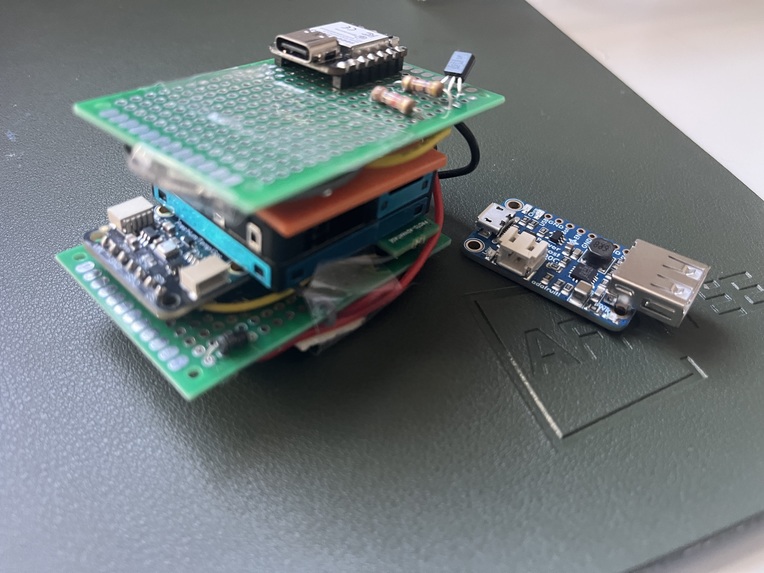
Device
-
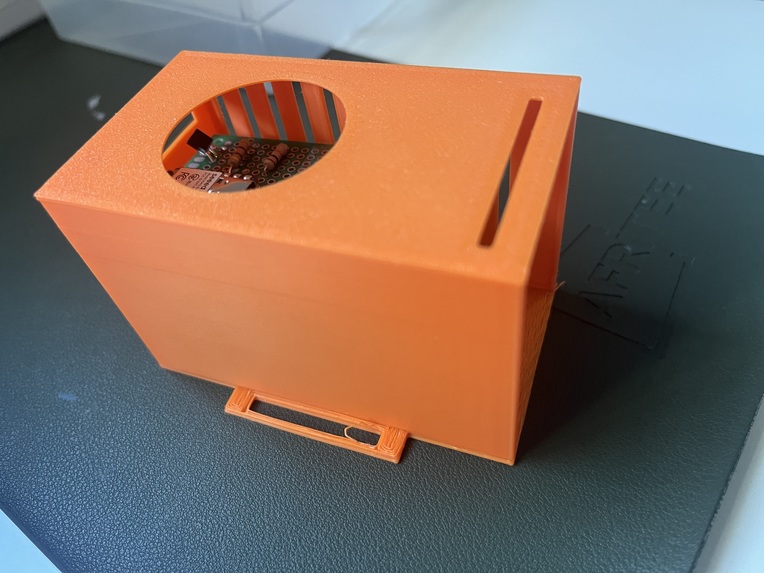
Project with 3D-printed Case
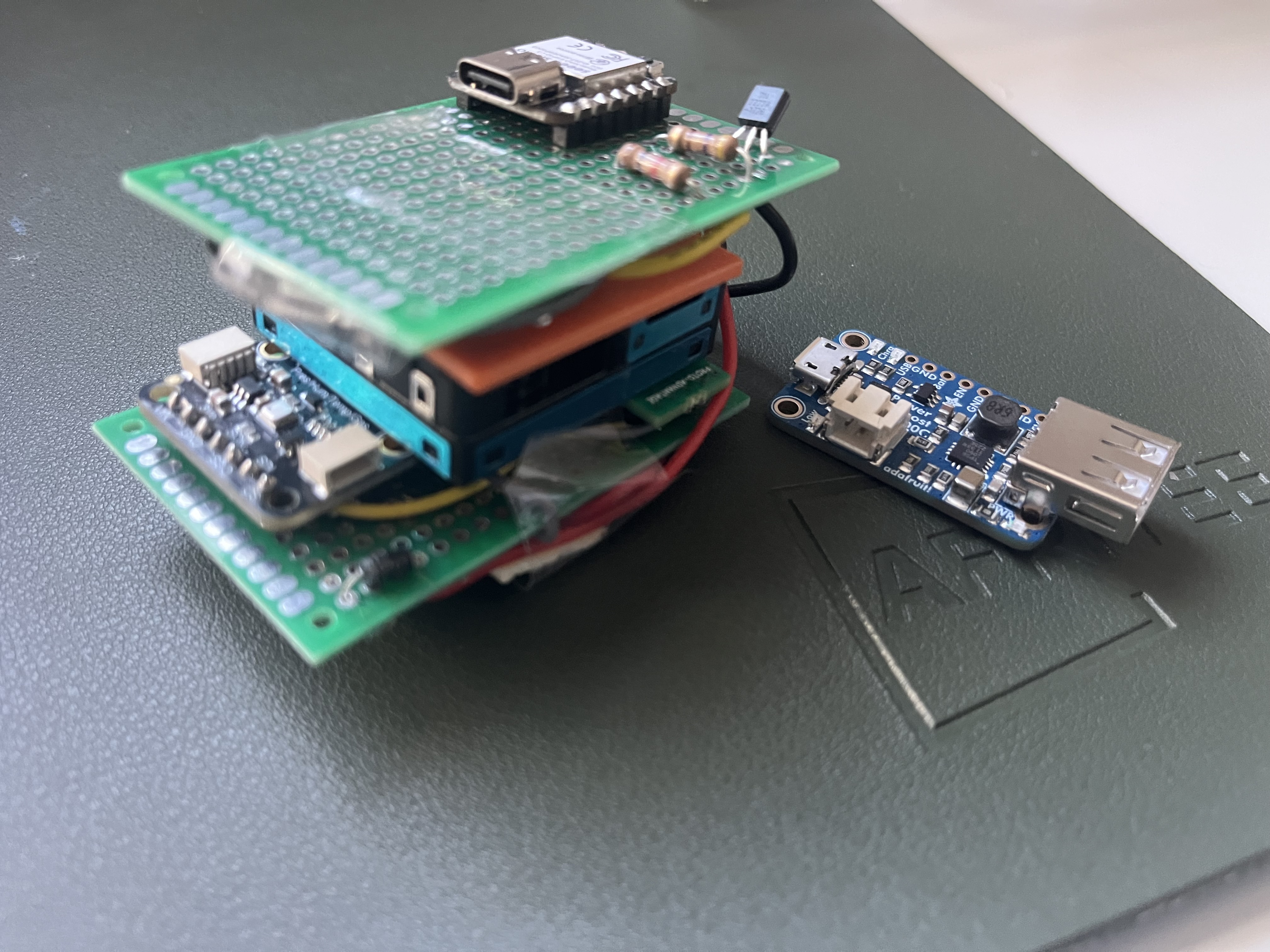
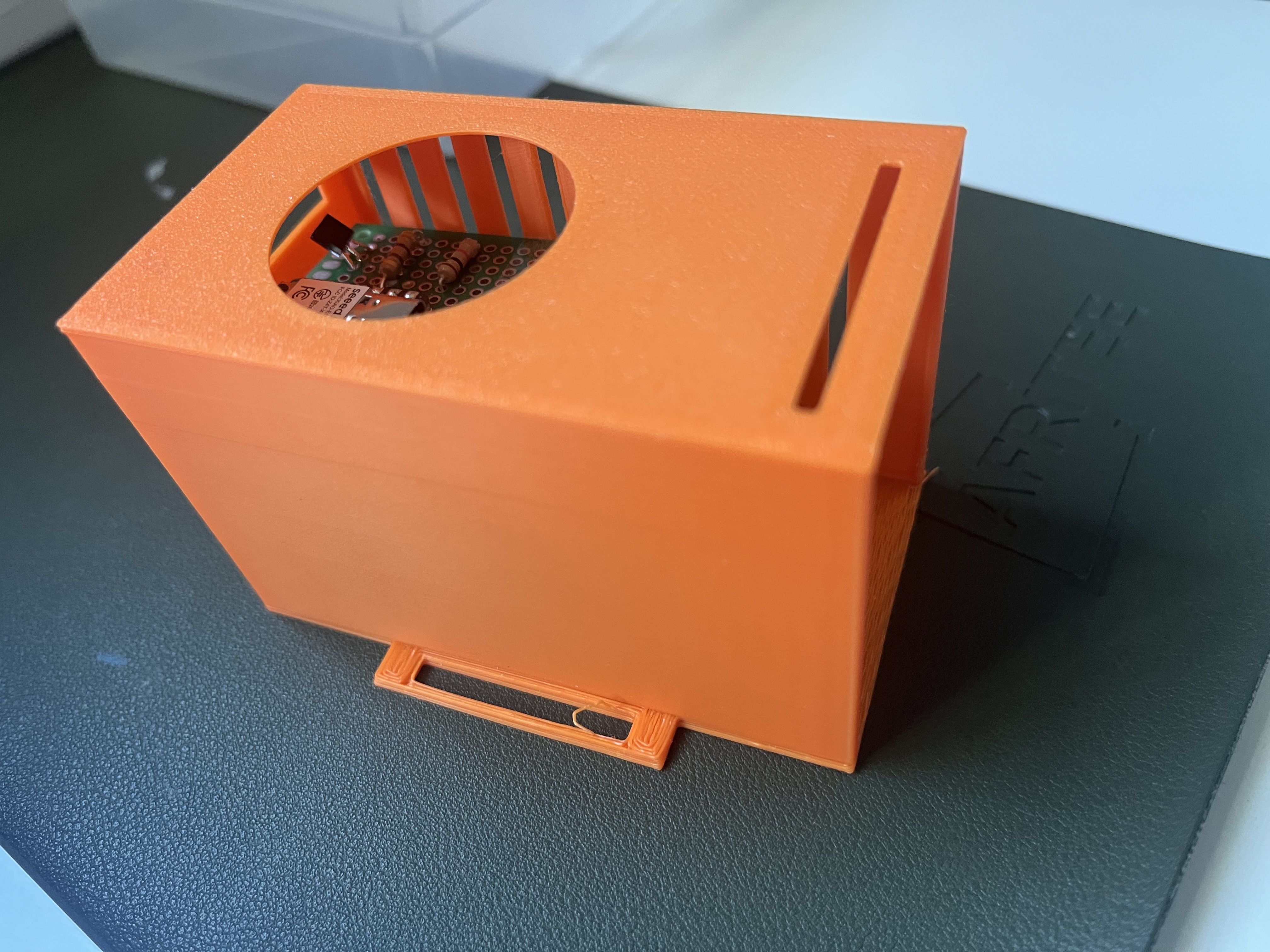
Inspiration Air quality data is usually collected from large, stationary monitors, which doesn’t reflect what individuals actually experience daily. I wanted to make air pollution data more personal and actionable.
What I Built I built AirSense and BreatheBand, a wearable air-quality monitoring system. It uses environmental sensors to measure particulate matter (PM1.0, PM2.5, PM10), temperature, humidity, pressure, and gas levels in real time. The data is sent to a Python backend (FastAPI) and stored in a SQLite database. A web dashboard visualizes the data, allowing users to track changes in their personal air exposure over time. The wearable also provides alerts using LEDs and vibration when air quality becomes unhealthy.
Challenges One major challenge was integrating hardware and software reliably. I had to debug sensor inconsistencies, manage real-time data flow, and ensure stable communication between the device and backend. Designing a compact, wearable prototype was also difficult.
What I Learned This project taught me how to work with embedded systems, integrate sensors, and build a full-stack pipeline from data collection to visualization. I also learned how to turn raw environmental data into meaningful insights.

Log in or sign up for Devpost to join the conversation.