

Inspiration
We're no stranger to running out of storage on our phones from all the photos, videos, and apps that we download, and we've always wanted an easy way to increase our storage without having to upgrade our phones or pay to use subscription-based services like iCloud. Instead of trading in old phones for a small fraction of their original value or throwing them away, we wanted to come up with a way to utilize them as storage devices.
What it does
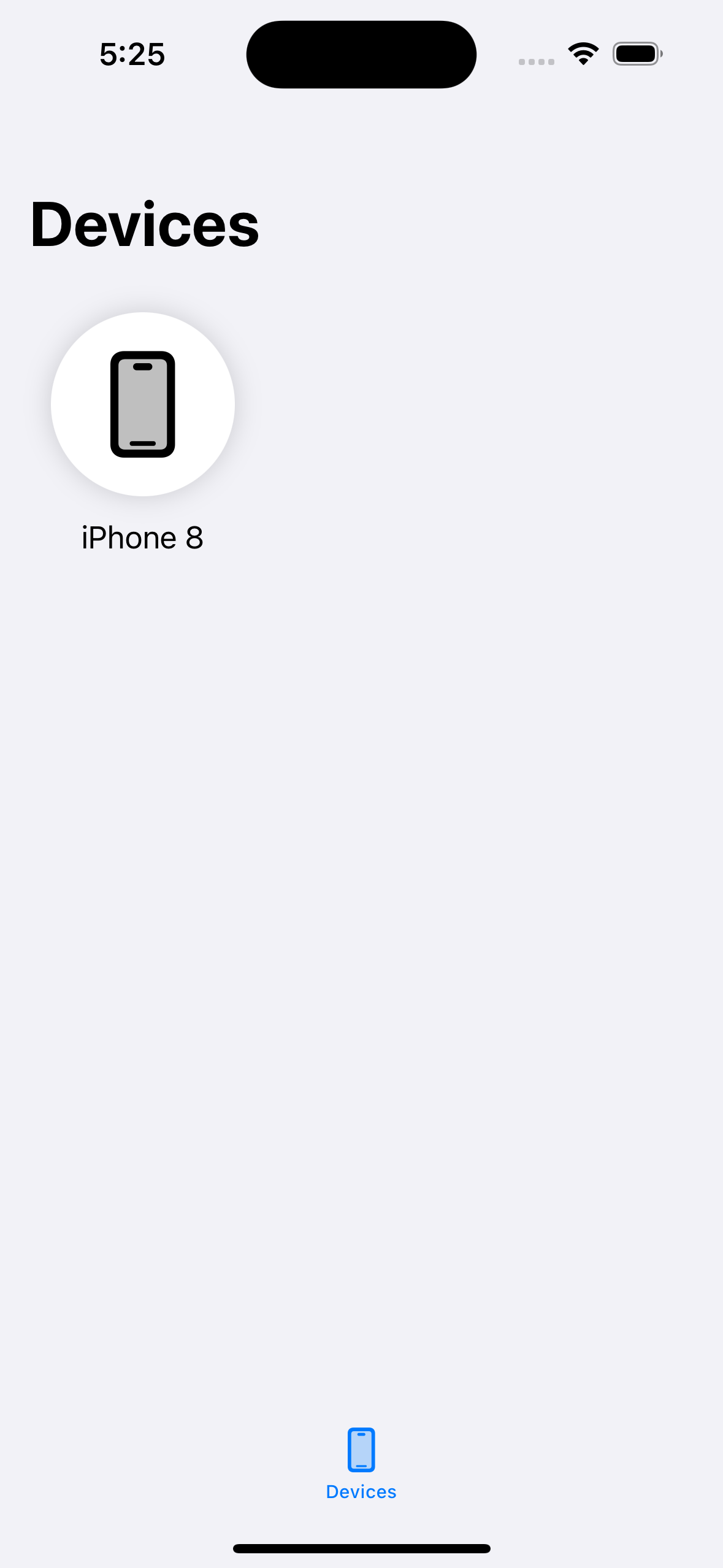
AirPlane is an innovative app that allows you to turn your old phones into cloud storage devices. AirPlane does that by creating its own file management system. Via Airplane, users transfer files from their current device to another device that has AirPlane installed on it. When they want to use those files, they can transfer the files from the other device back to their current device also using AirPlane. To be clear, AirPlane is different from iCloud because it uses an older phone's "physical" storage whereas iCloud is hosted on Apple's servers. Whereas iCloud comes with a monthly subscription, users face no cost when using AirPlane. In addition, AirPlane can potentially be used to backup a device's information without having to plug that device into a computer. Similarly, AirPlane is completely digital, meaning that users don't have to go through the pain of transferring data manually through an intermediate physical device.
How we built it
We built this app using Swift and SwiftUI for the interface. In order to initiate a successful data transfer between phones, we used Firebase as an intermediate, temporary storage source.
Challenges we ran into
Kevin, being from a web development background, has never worked with SwiftUI before, so he had to learn from Apple's 4-hour SwiftUI tutorial. Many aspects of mobile development are different from web development, and Apple in particular constrains customization of the UI, so Kevin also had to figure out how to work with that. Soham, never having used SwiftUI for development, had to learn on the fly how to use Apple's file management system. He had to ensure that files were deleted properly and written to the new device properly which involved countless hours of googling and dozens of syntax errors.
Accomplishments that we're proud of
We're happy that we were able to bring together an app with a clean UI without having worked with SwiftUI before (Soham comes from a UIKit background).
We're also excited about how many people this app could potentially impact. Upgrading to a new phone is a big investment for a lot of people, and adding more storage increases the cost of a new phone. We hope that AirPlane helps people turn their old phones into a free storage option, helping them save money when upgrading their phone.
What we learned
We learned how to work with a MVVM (Model-View-ViewModel) architecture when deploying an app with SwiftUI. Both of us are familiar with the MVC (Model-View-Controller) architecture, and we saw many parallels between the two architectures. The Model is used to store database information, the View is used to present information to the user in the UI, and the ViewModel is used as a connection point between the View and the Model.
What's next for AirPlane
We hope to expand our app to other devices in the Apple ecosystem, including iPads and Macs. Additionally, we plan to develop a version for users in the Android ecosystem in the near future.
We also hope that our app helps to curb electronic waste by encouraging people to hold onto to their old devices to use as extra storage. In a world that is increasingly affected by climate change, we wanted to play our part in protecting the environment.


Log in or sign up for Devpost to join the conversation.