-
-
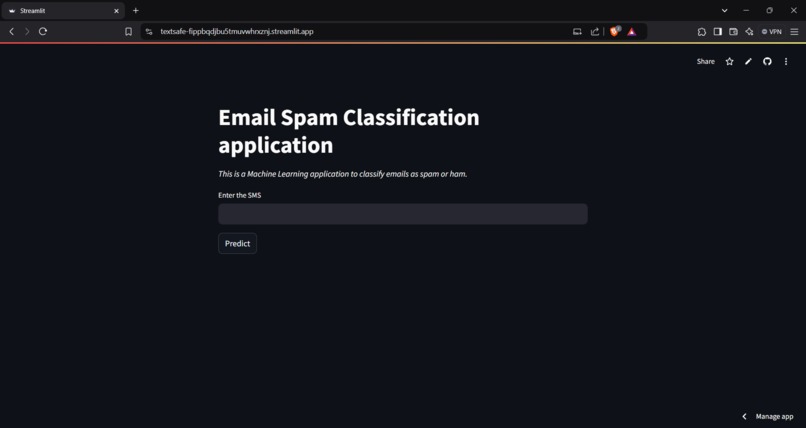
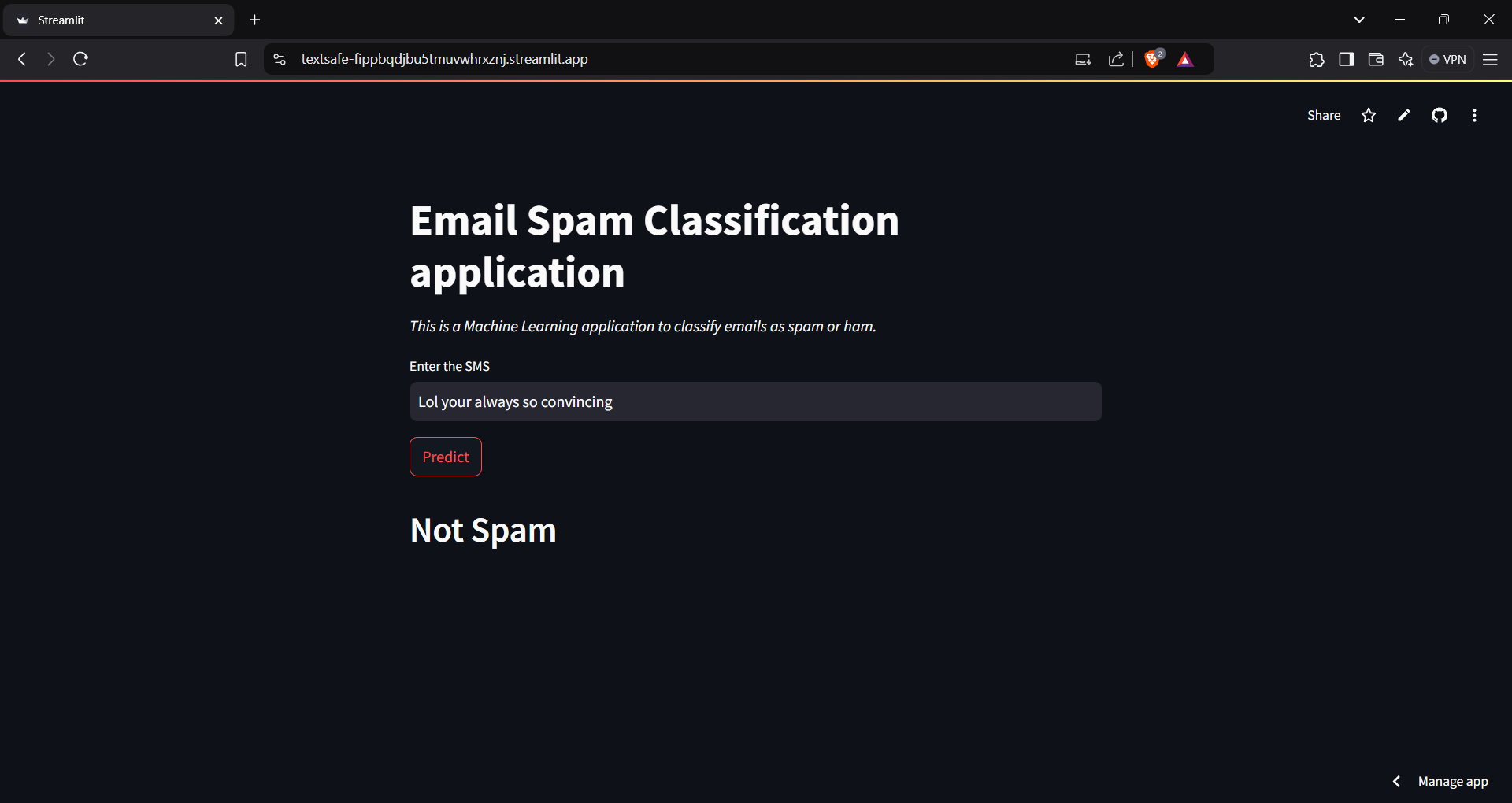
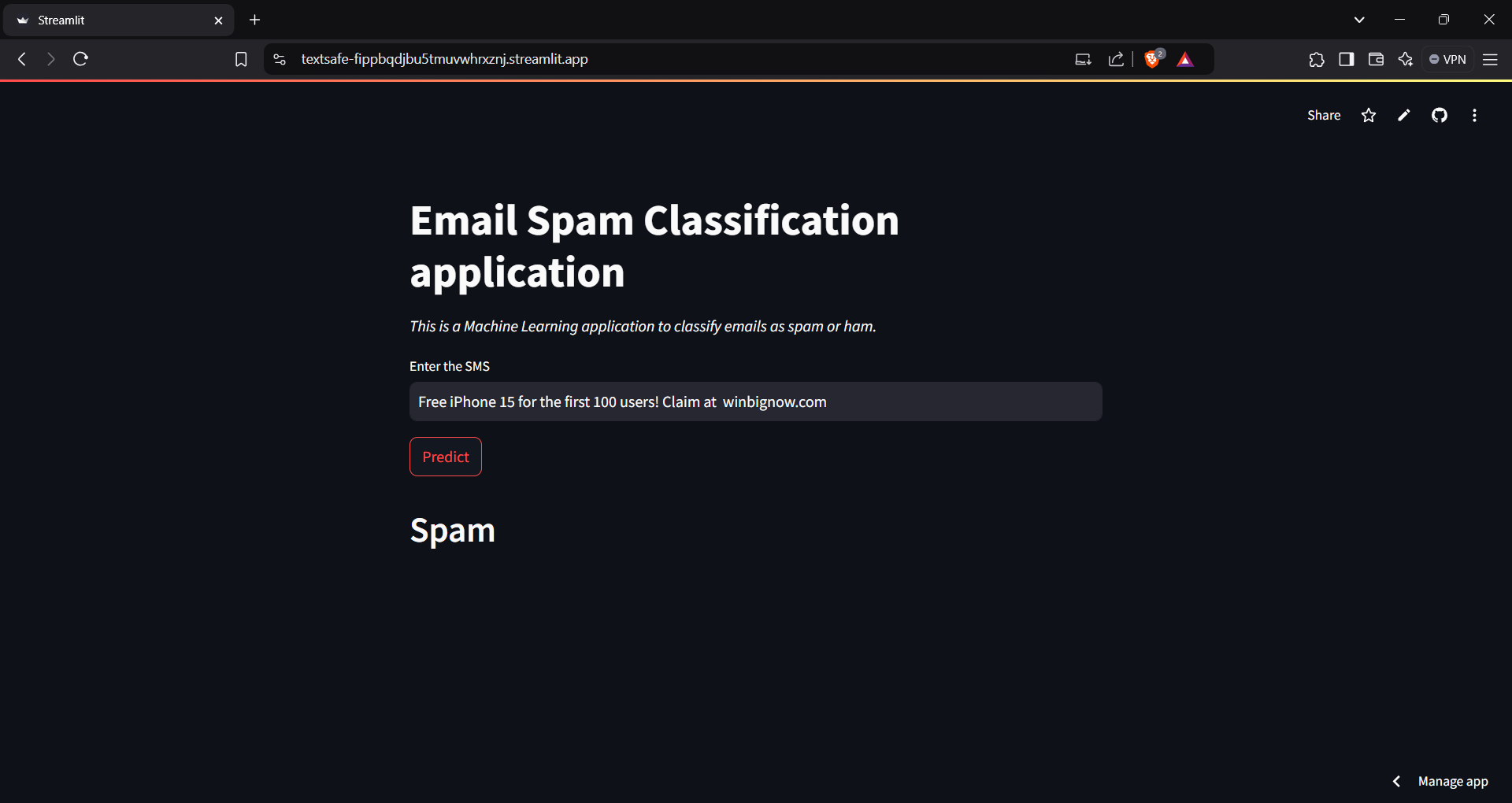
The outcome
-
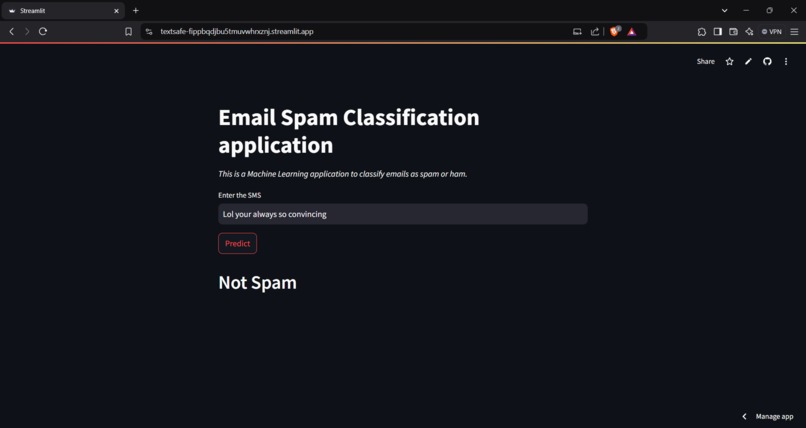
The not spam detection
-
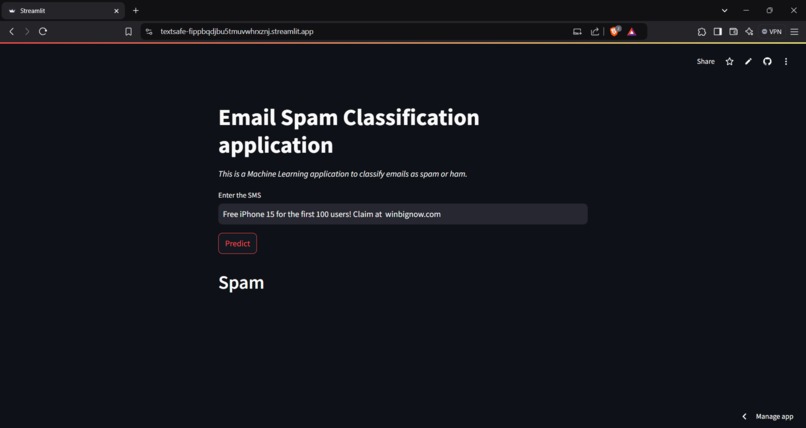
The spam detection
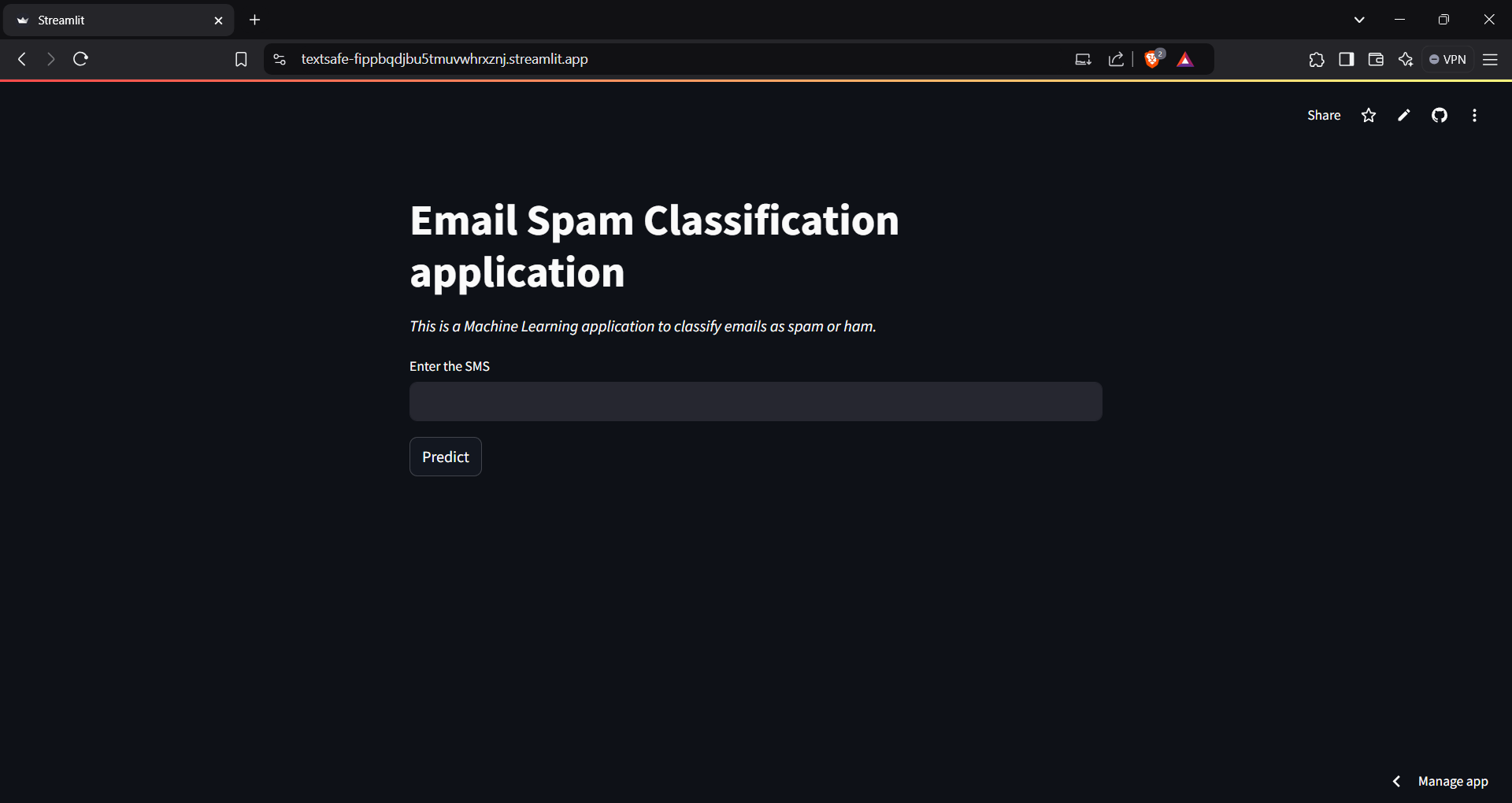
📌Inspiration The need for an effective solution became clear with the rapid increase in SMS spam messages, ranging from unwanted advertisements to phishing scams. During my AICTE Empower AI Internship with Microsoft & SAP, I was motivated to create a system that could intelligently classify messages as spam or legitimate. The goal was to build a tool to enhance user experience by filtering out spam and preventing fraudulent activities.
📌What it does The SMS Spam Detection system automatically classifies SMS messages into two categories: spam and ham (non-spam). It uses machine learning and natural language processing (NLP) techniques to analyze the content of a message and determine whether it is spam. The tool aims to provide users with a seamless experience by automatically detecting and filtering out unwanted messages, thereby saving time and reducing the risk of fraud.
📌How I built it *Data Collection: I began by sourcing a publicly available SMS dataset containing labeled examples of spam and ham messages. *Data Preprocessing: Text data was cleaned by removing special characters, and stopwords, and applying techniques such as tokenization and lemmatization to prepare it for analysis. *Feature Extraction: We used TF-IDF vectorization to convert the text data into numerical features that could be fed into machine learning algorithms. *Model Training: Multiple machine learning models, such as Logistic Regression, Naive Bayes, and Support Vector Machines (SVM), were trained and evaluated to find the best-performing one. *Model Evaluation: The models were evaluated using metrics such as accuracy, precision, recall, and F1 score, ensuring that the chosen model could effectively distinguish between spam and legitimate messages. *Deployment: After fine-tuning the chosen model, it was deployed as a script that can be integrated into existing systems for real-time spam detection.
📌Challenges I ran into *Data Imbalance: The dataset had significantly more ham messages than spam messages, which caused the model to have biased predictions toward ham. To address this, we implemented oversampling and SMOTE (Synthetic Minority Over-sampling Technique) to balance the data. *Text Processing: Preprocessing text data for feature extraction was challenging due to the variety of ways spam messages could be phrased. Fine-tuning the vectorization process and cleaning methods was essential to achieve optimal results. *Model Performance: Selecting the right model and tuning its parameters required multiple iterations. We faced challenges with overfitting and underfitting and had to experiment with different models and hyperparameters to find the best approach.
📌Accomplishments that I'm proud of *High Accuracy: The final model achieved a high accuracy rate in correctly classifying messages as spam or ham. *Real-World Impact: By automating spam detection, the project has the potential to save time and protect users from fraudulent SMS content. *Skills Development: Throughout this project, I gained hands-on experience with NLP, text classification, and machine learning models, strengthening my technical skills in these areas.
📌What I learned *Importance of Data Preprocessing: Proper data cleaning and text preprocessing were key to achieving good results with text data. *Challenges of Class Imbalance: Handling imbalanced datasets requires specific strategies like oversampling or using specialized algorithms. *Model Selection and Evaluation: Iteratively testing different models and using comprehensive evaluation metrics ensures that the chosen model performs well on unseen data.
📌What's next for SMS Spam Detection *Real-Time Integration: The next step is to integrate the spam detection model into mobile apps or messaging platforms for real-time SMS filtering. *Model Improvement: Experiment with more advanced models like Deep Learning or BERT for better performance on complex text patterns. *Multi-Language Support: Extending the model to handle different languages and dialects, making it more versatile globally. *User Interface: Develop a user-friendly interface where users can easily see the classified messages and provide feedback to further improve the system.

Log in or sign up for Devpost to join the conversation.