-
-

Airis-SH Logo
-
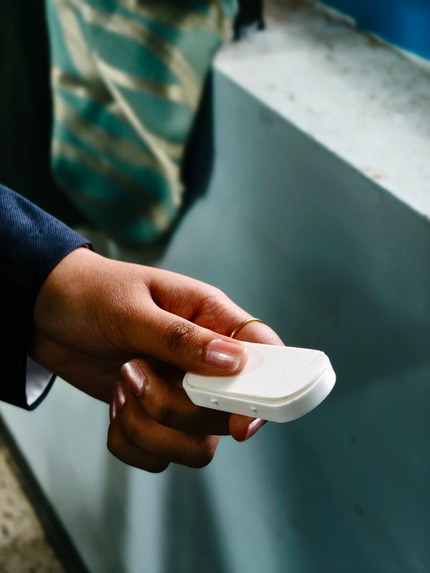
Airis-SH MVP
-
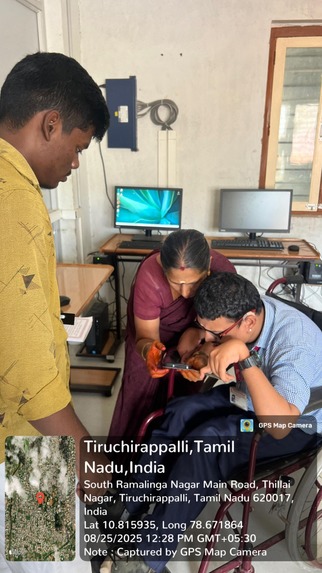
Field visit - Spastic Society
-
-
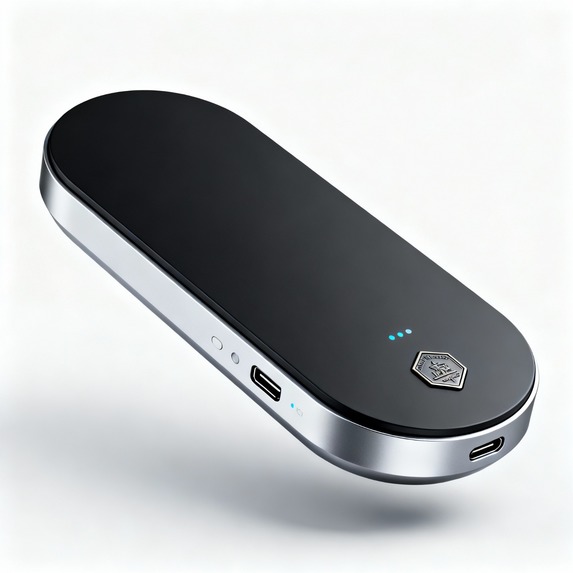
Product Design
-
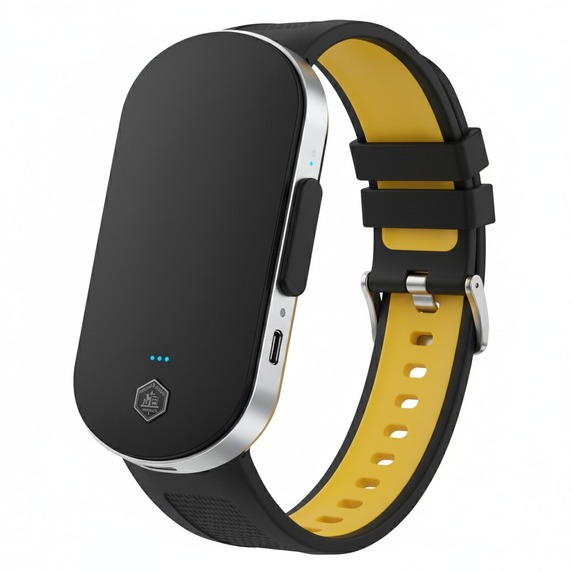
Watch based Design
-
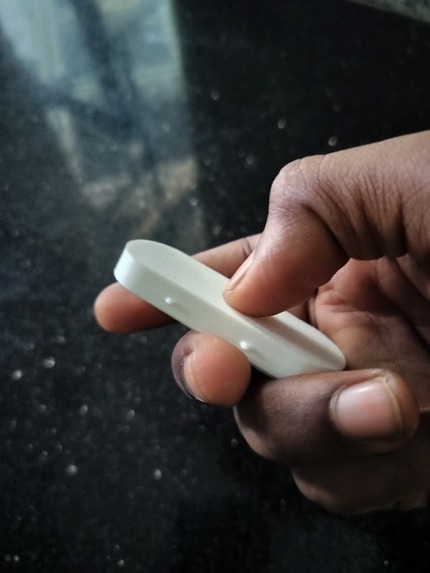
Airis-SH MVP
-
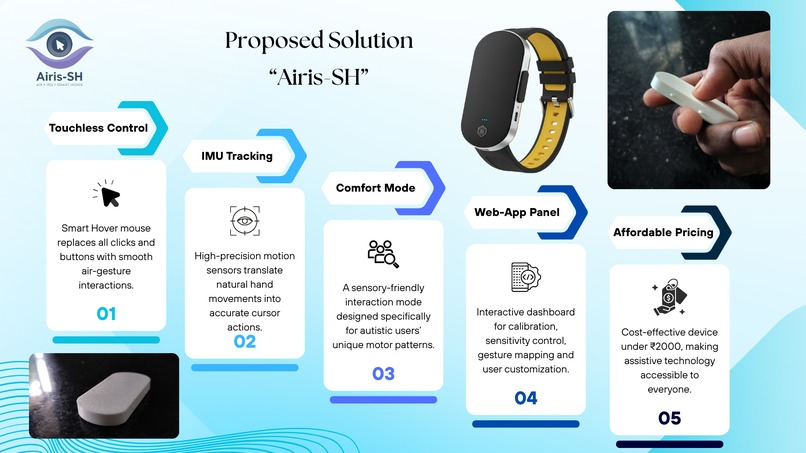
Proposed System - Slide
-
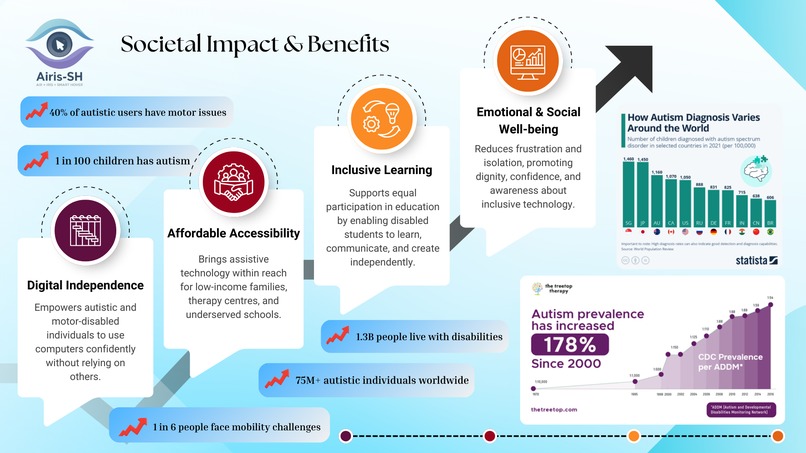
Social Impact - Slide
-
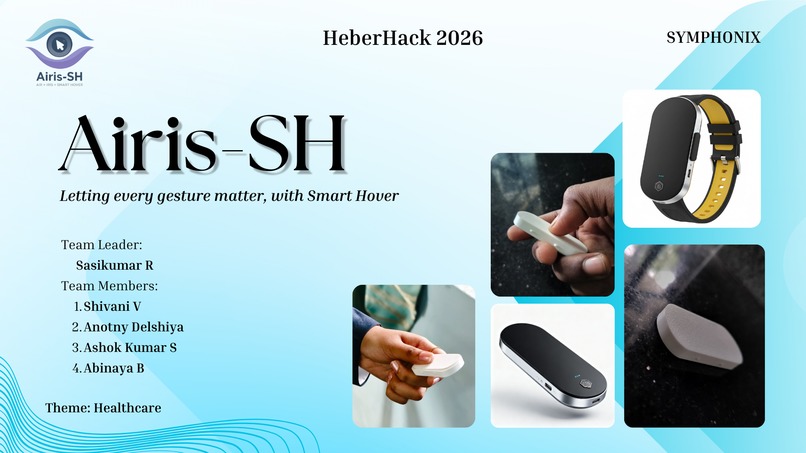
Slide 1
-
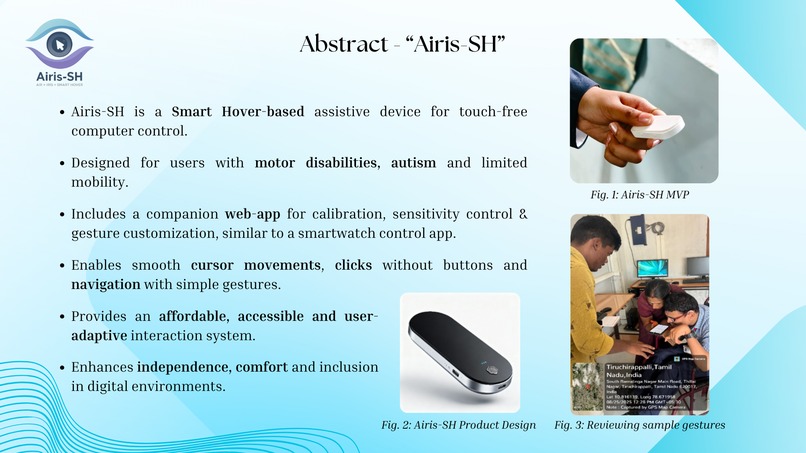
Slide 2
-
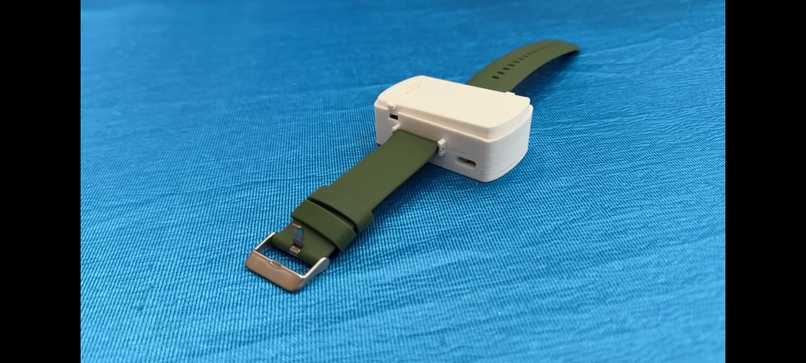
Wearable Prototype
-
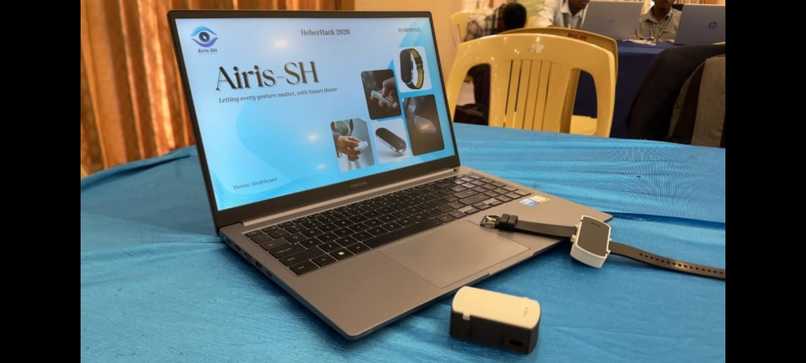
Airis-SH
-
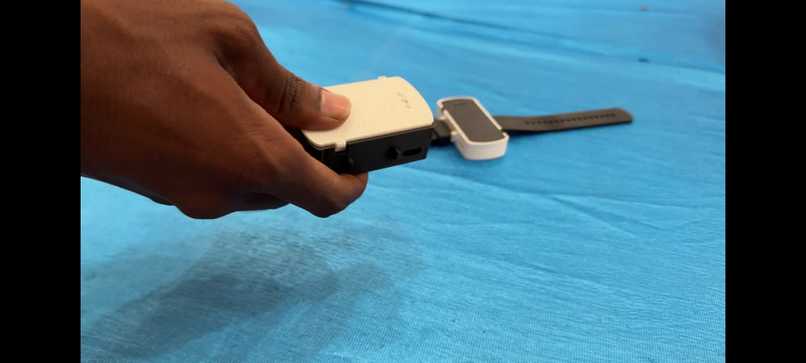
Airis-SH
-
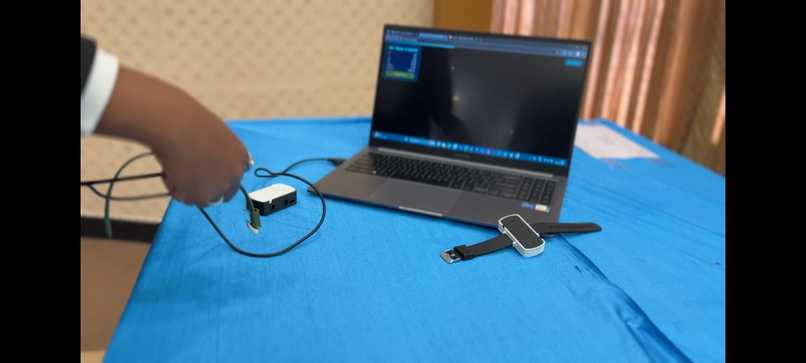
Using Airis-SH
-
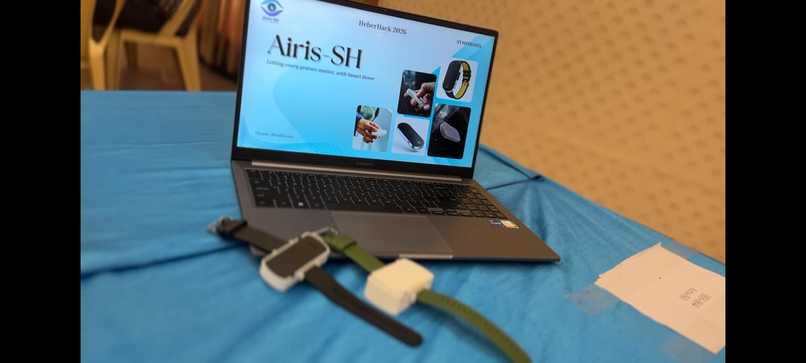
Airis-SH
-
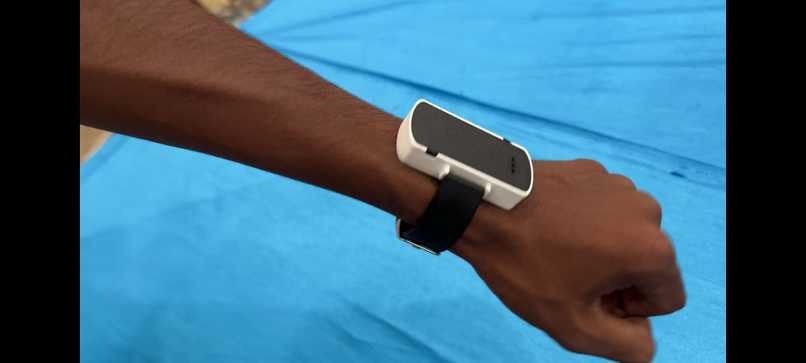
Airis-SH
-
Airis-SH

Inspiration
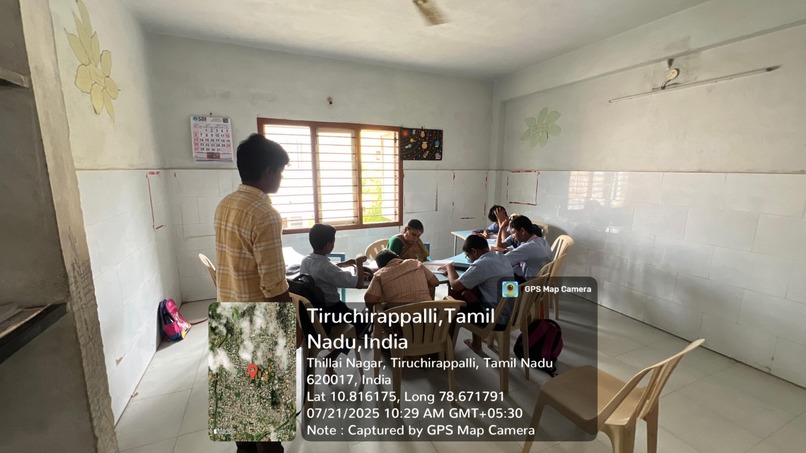
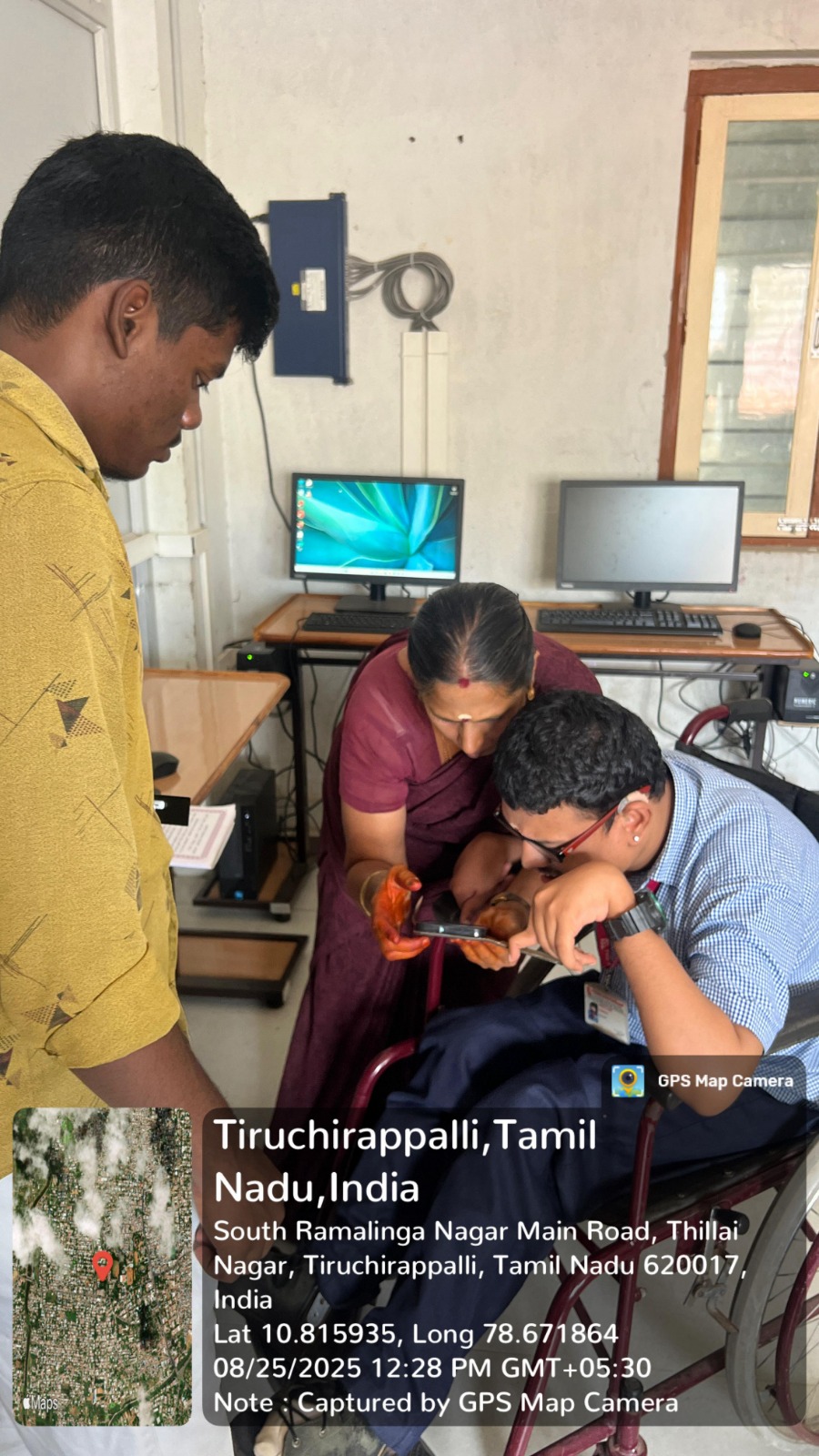
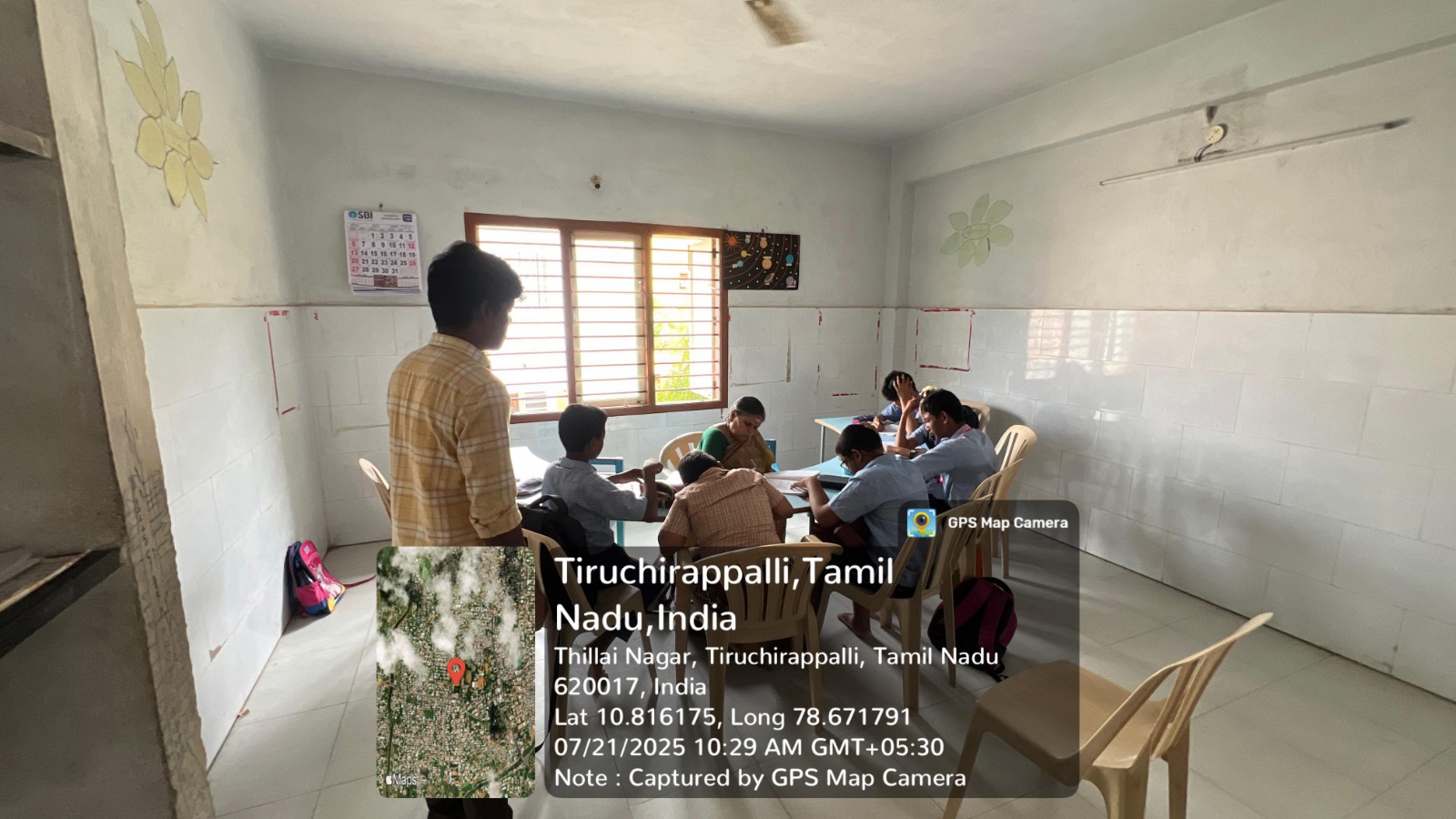
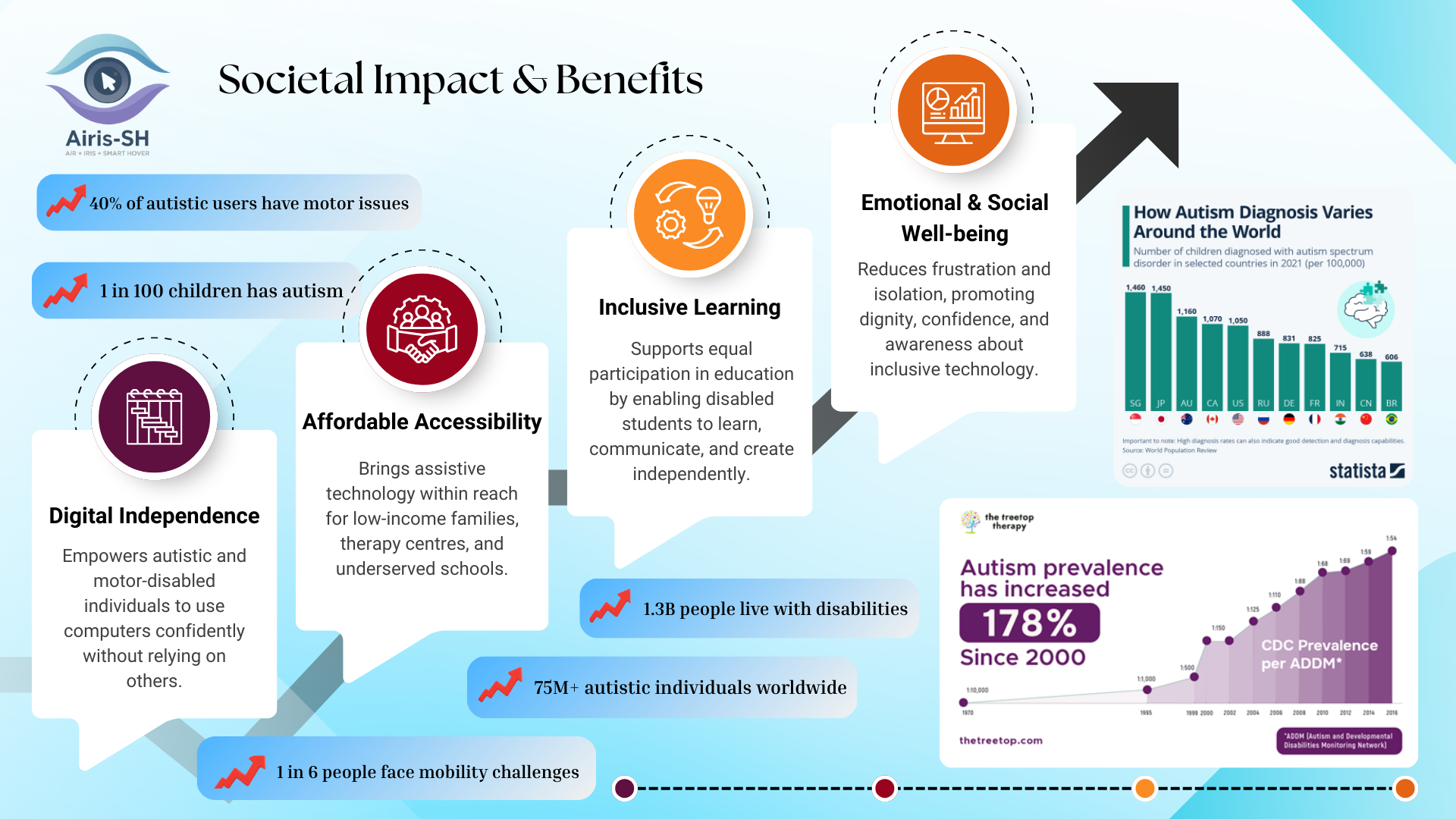
During a field visit to the Spastic Society, real-world interactions with autistic children and people with motor disabilities served as the inspiration for Airis-SH. Watching students struggle with simple computer actions like clicking or scrolling highlighted a deep accessibility gap. Parents shared emotional experiences of their children feeling frustrated, dependent, and left out of digital learning. This inspired us to build a solution that restores dignity, independence, and comfort — without expensive equipment or complicated devices.
What it does
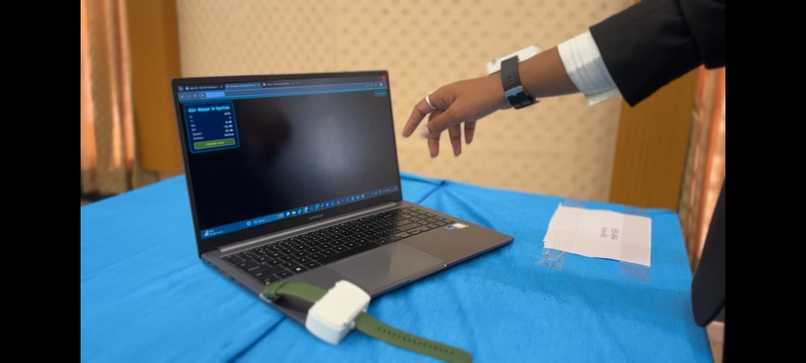
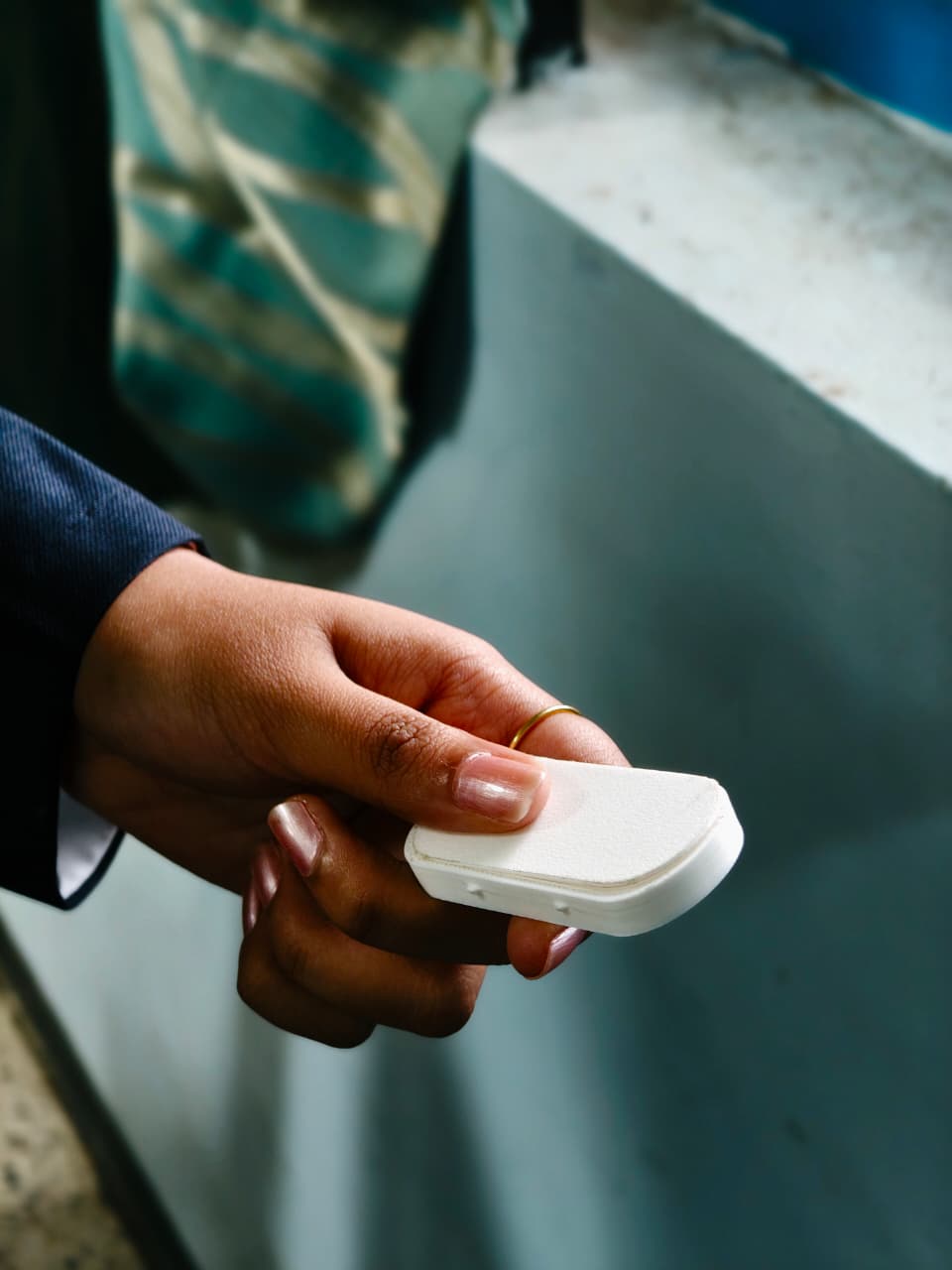
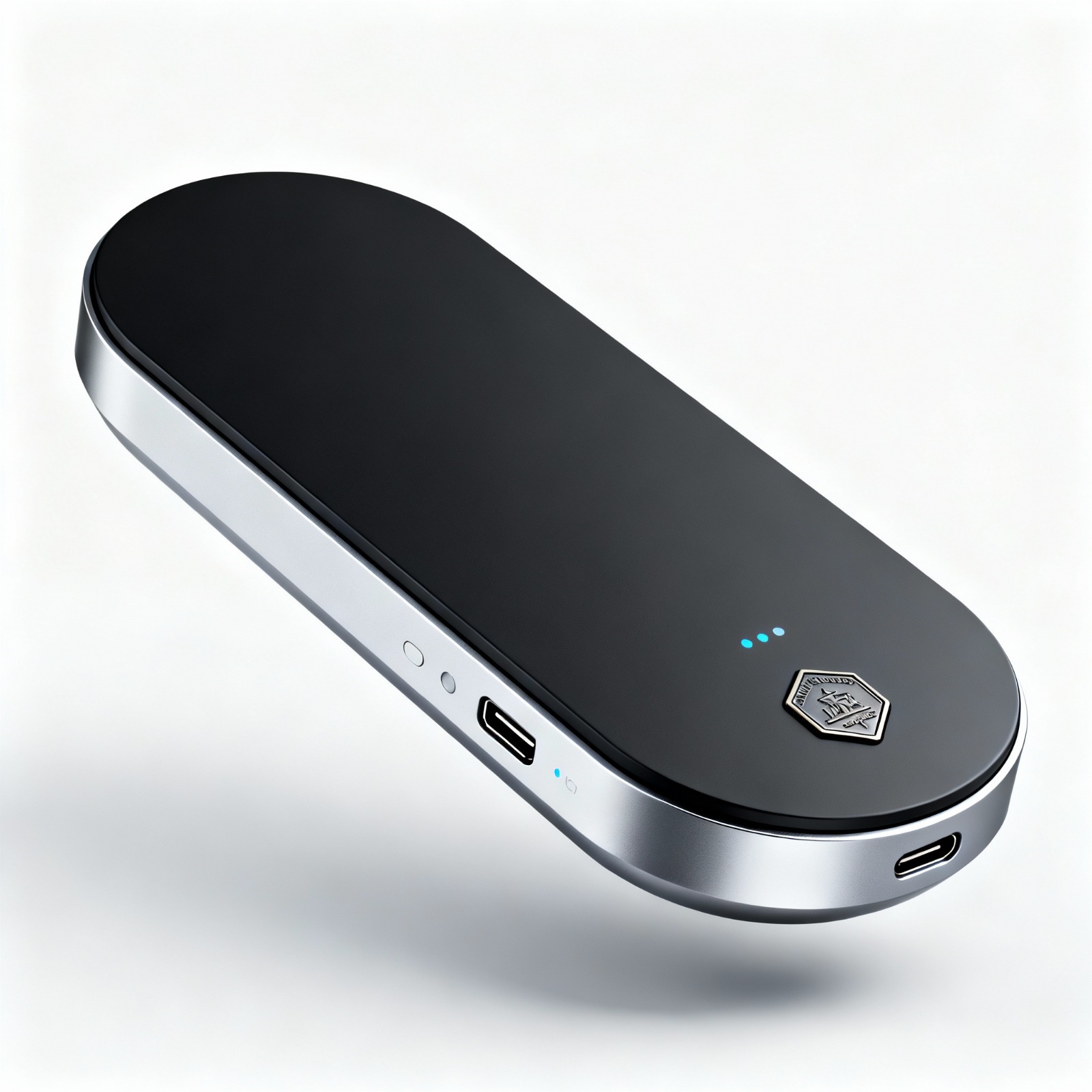
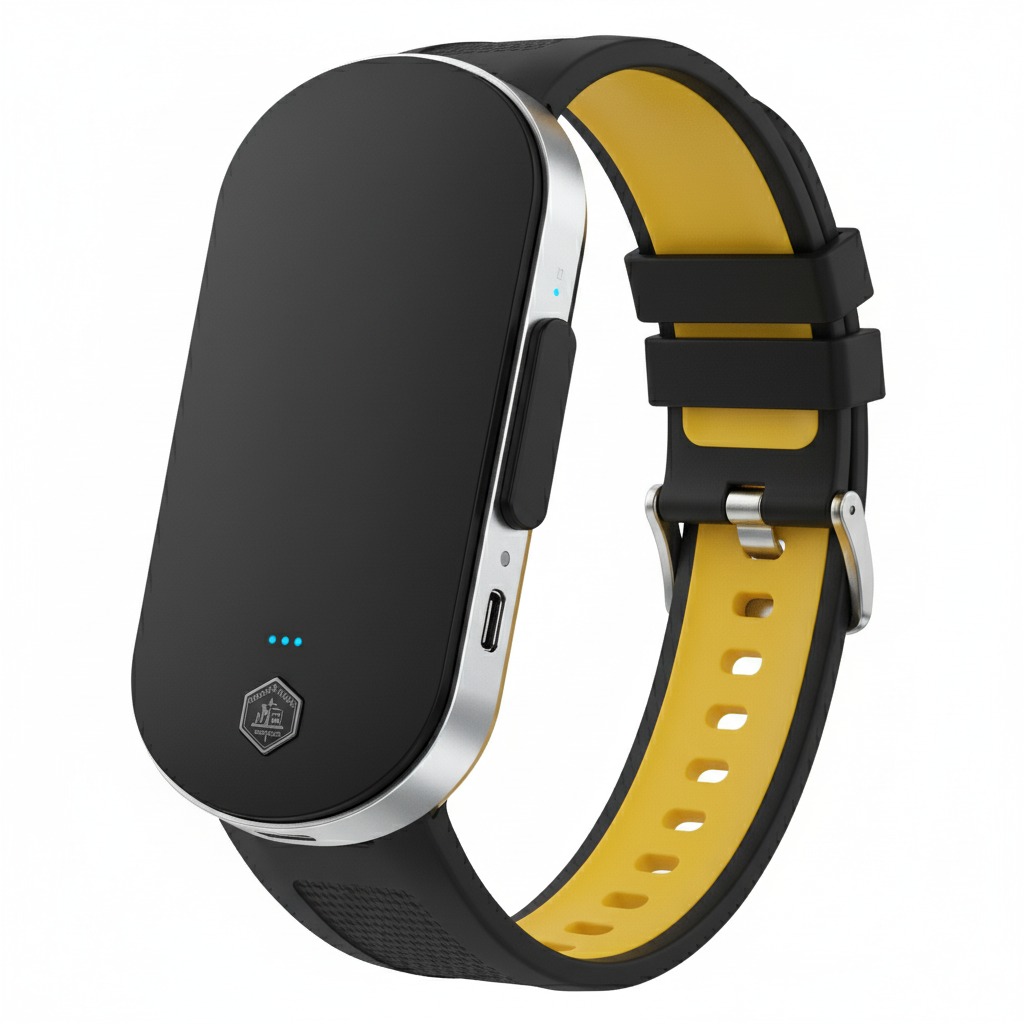
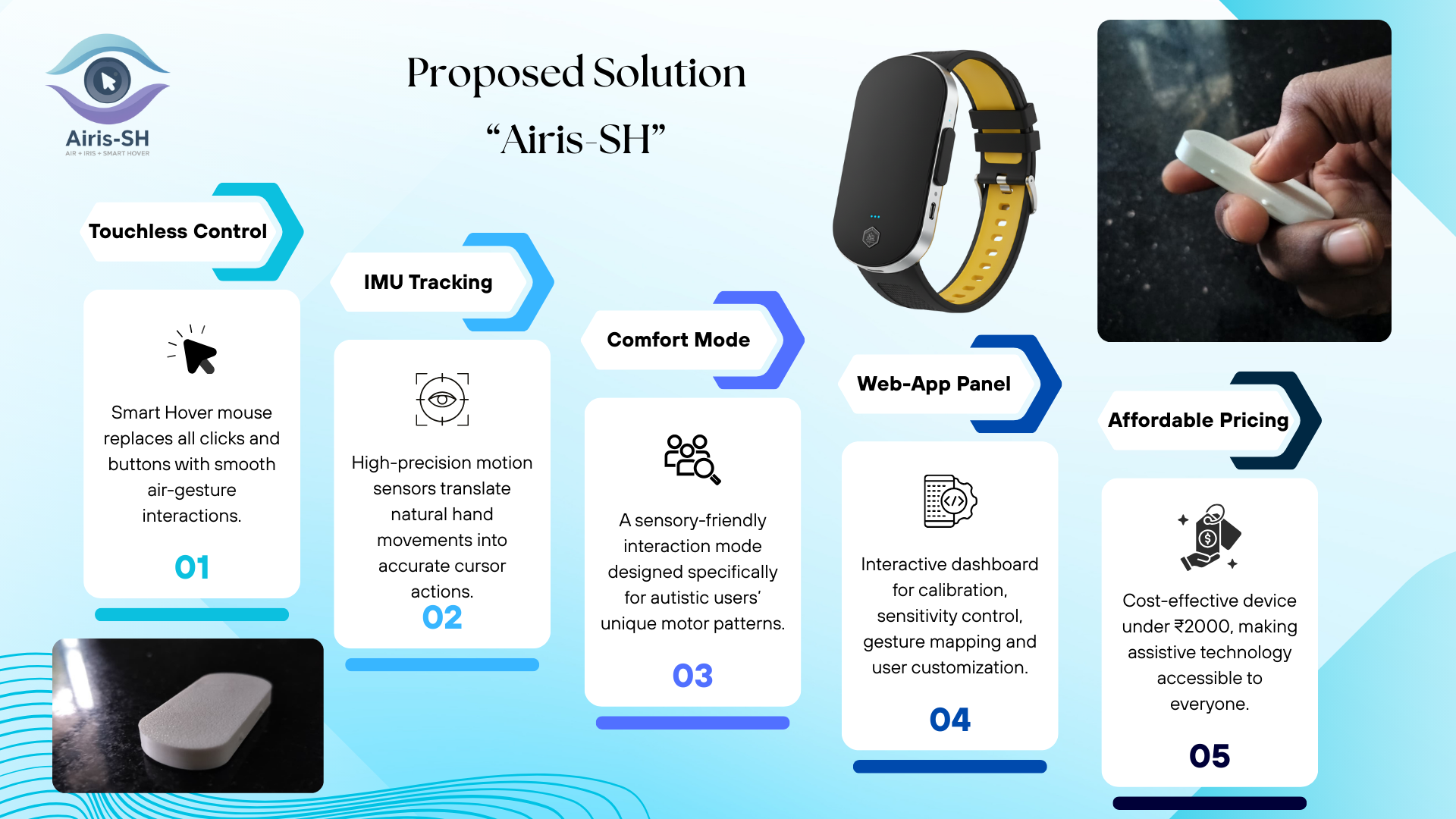
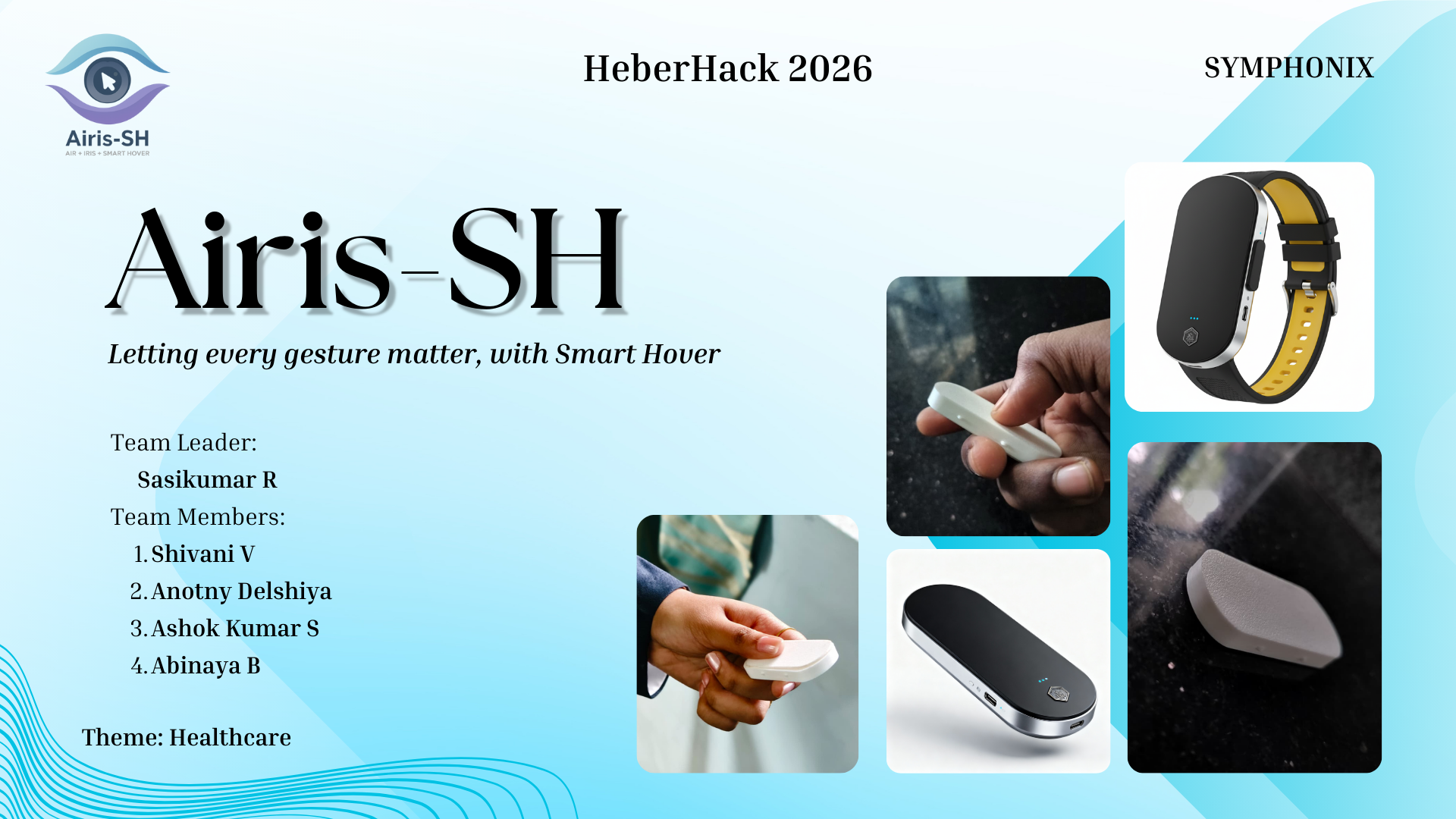
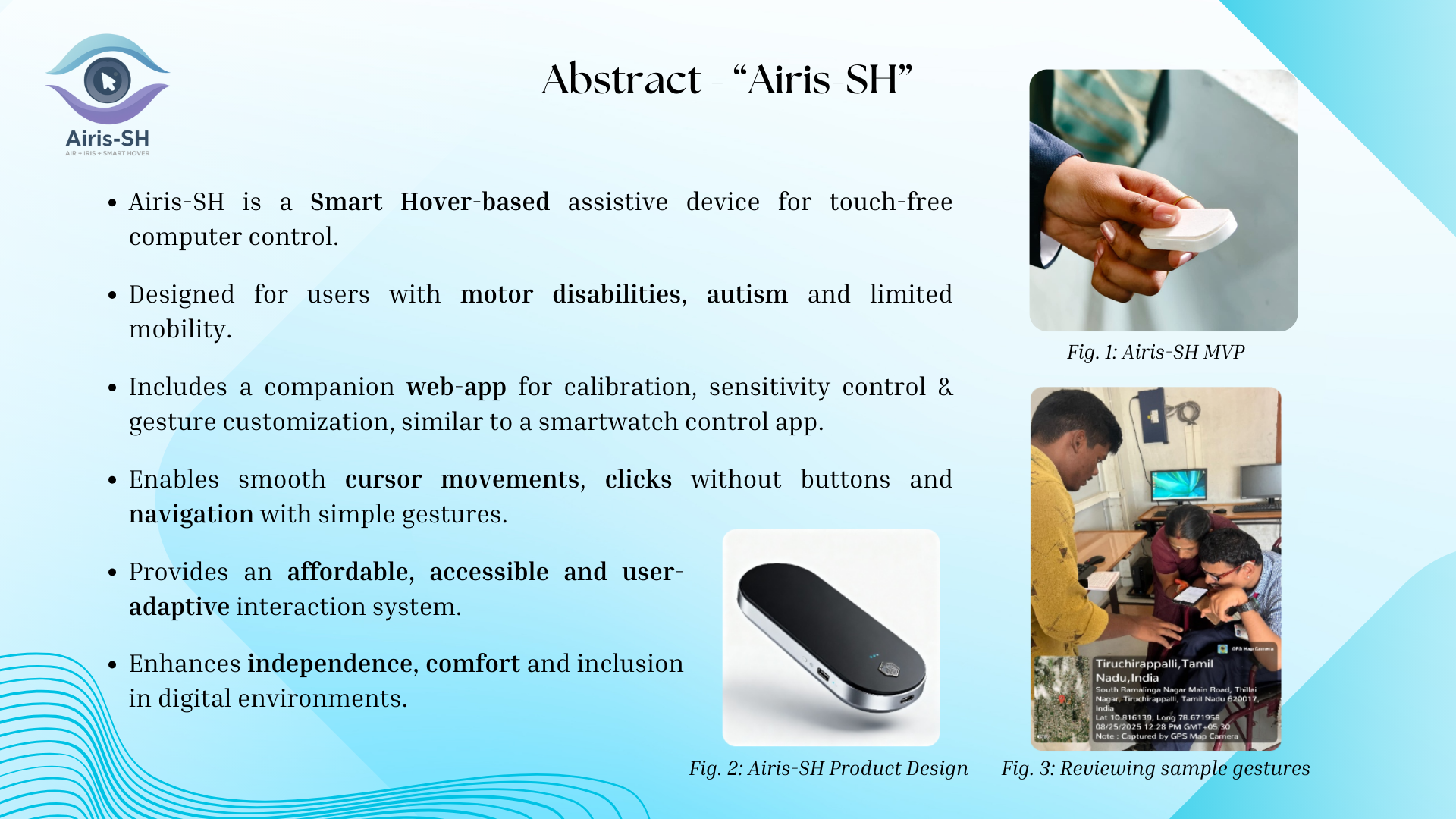
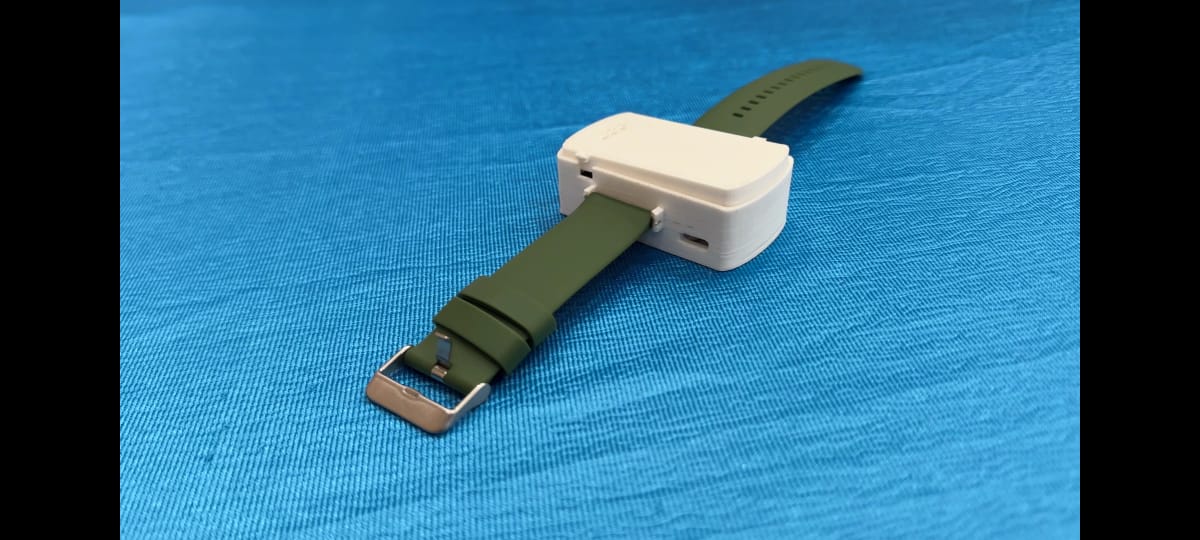
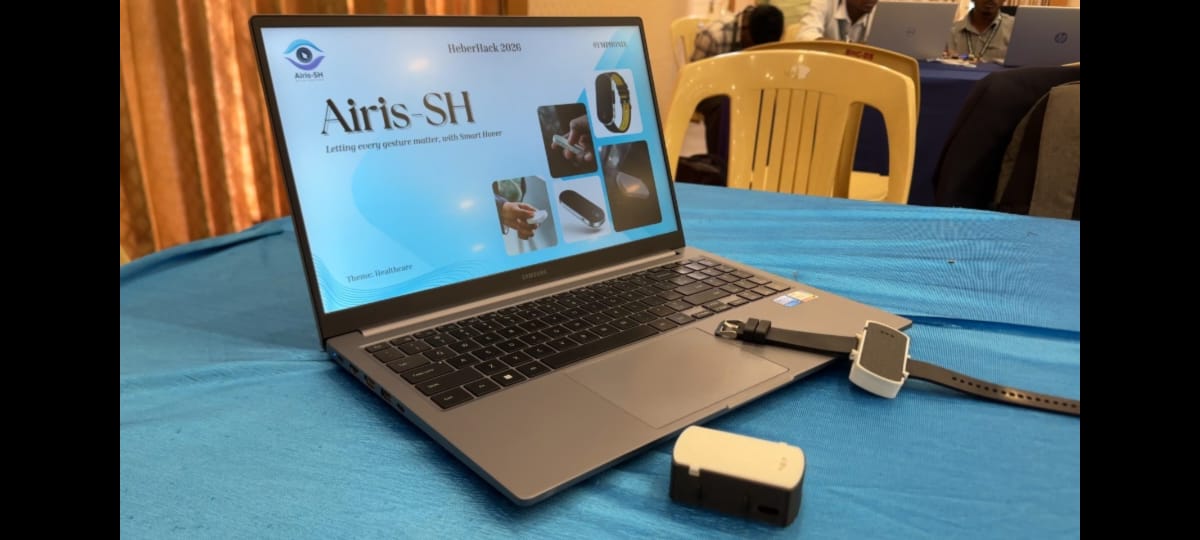
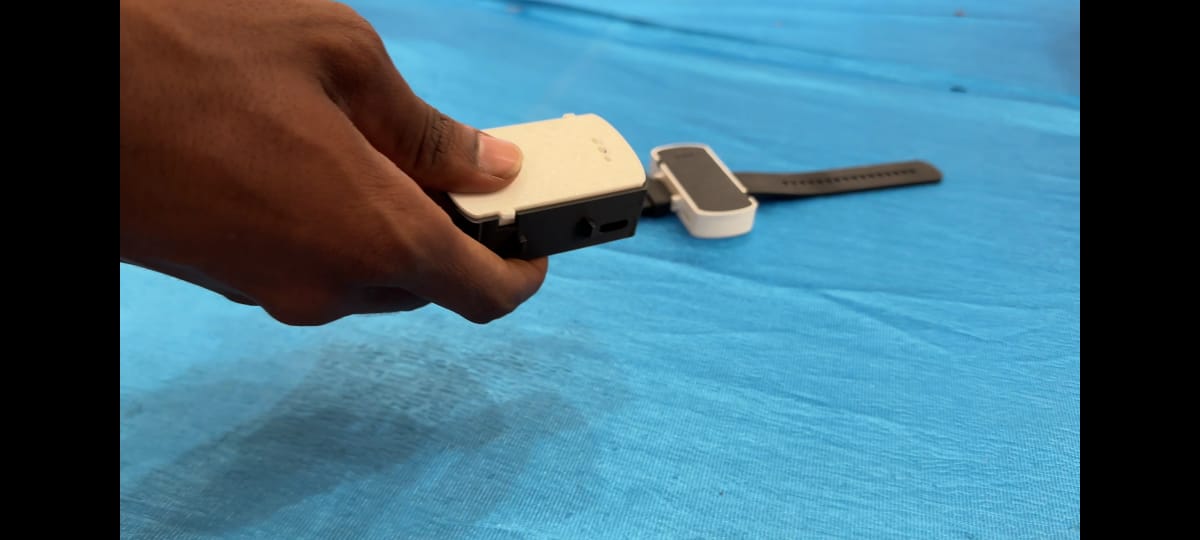
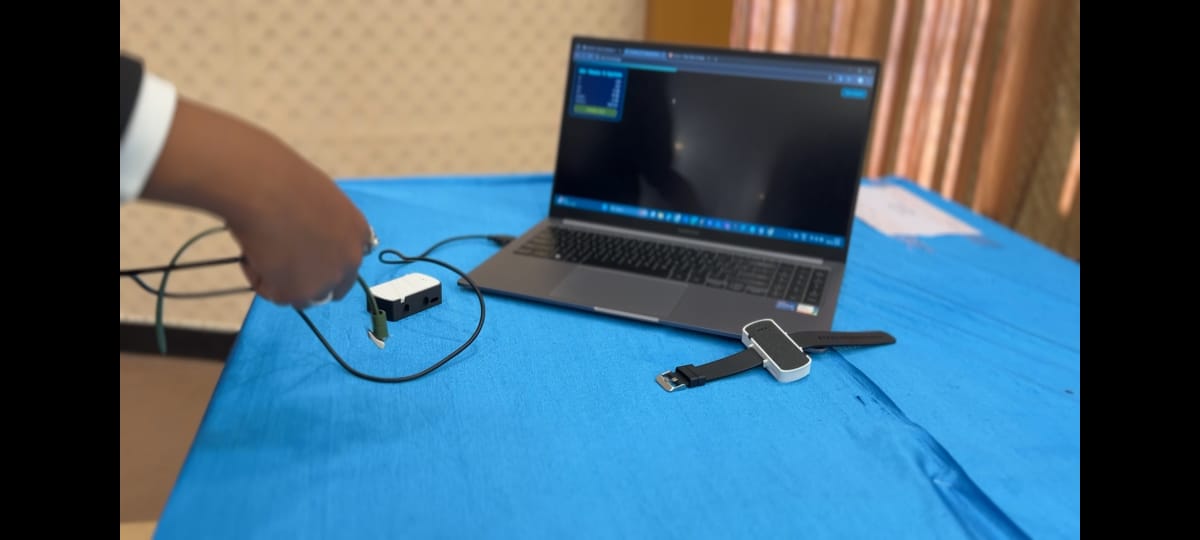
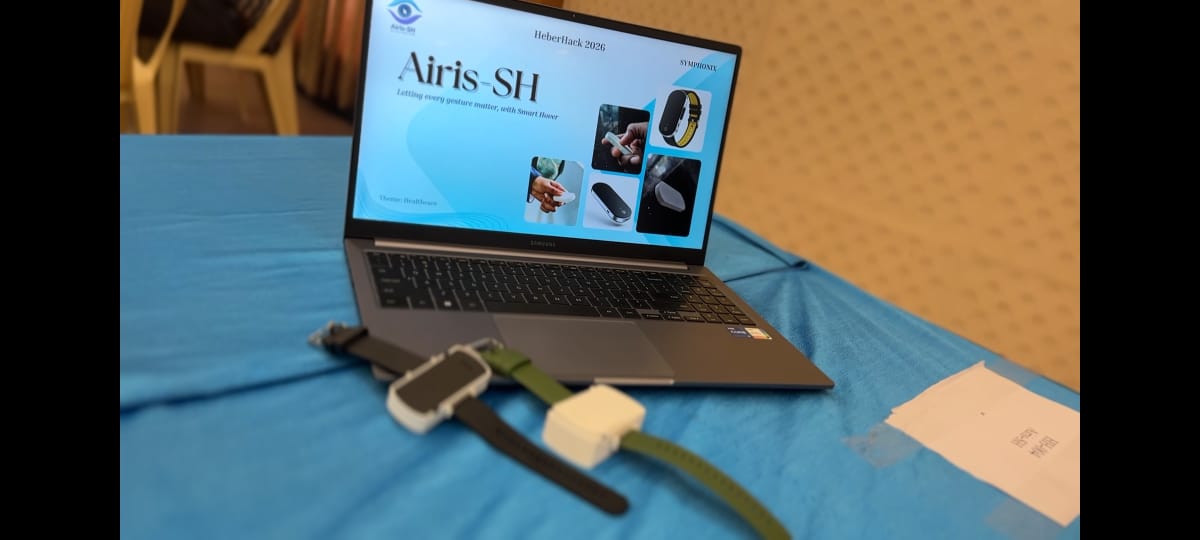
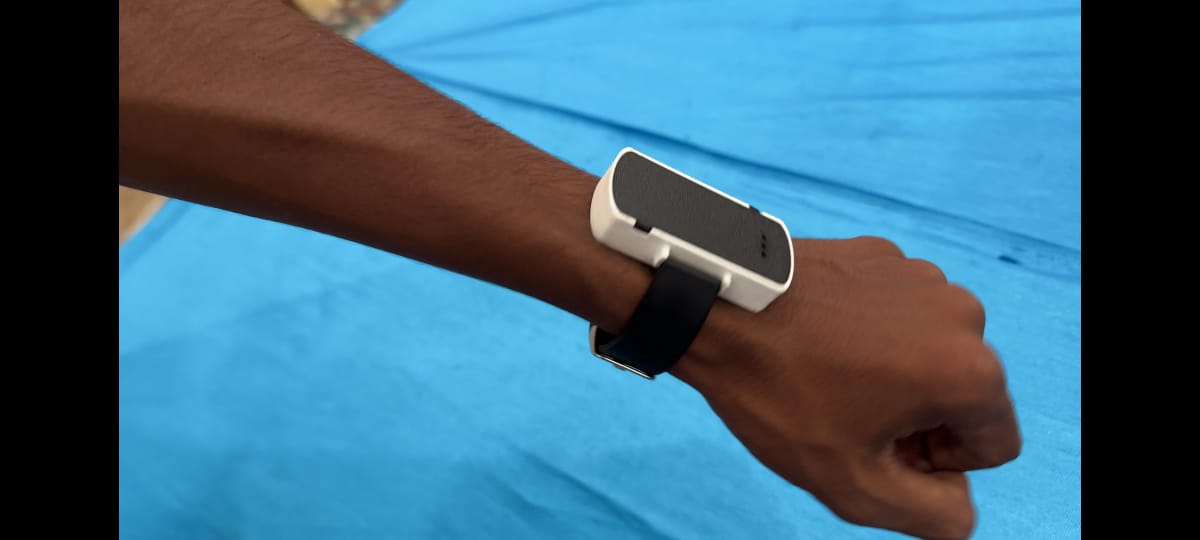
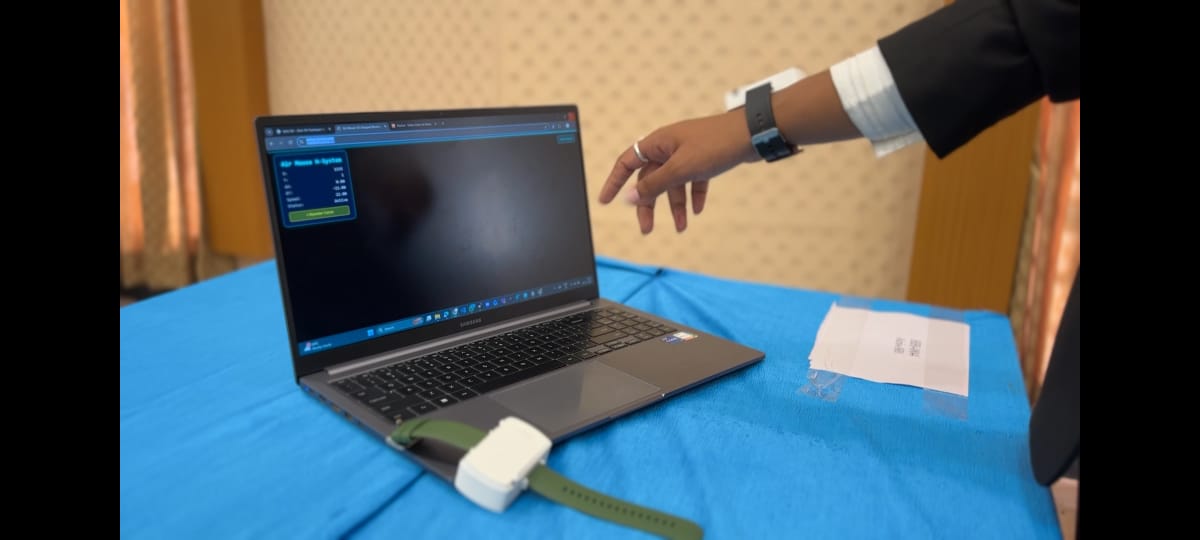
Airis-SH is a Smart Hover, touchless air-gesture mouse designed for people with limited mobility and neurodivergent needs. It performs all essential mouse actions — cursor movement, left/right click, scroll, and navigation — through simple hand gestures. The device includes a Comfort Zone Mode for autistic users and a wearable version for users who cannot hold a mouse. A companion web-app allows calibration, gesture customization, and motion tuning, just like a smartwatch app.
How we built it
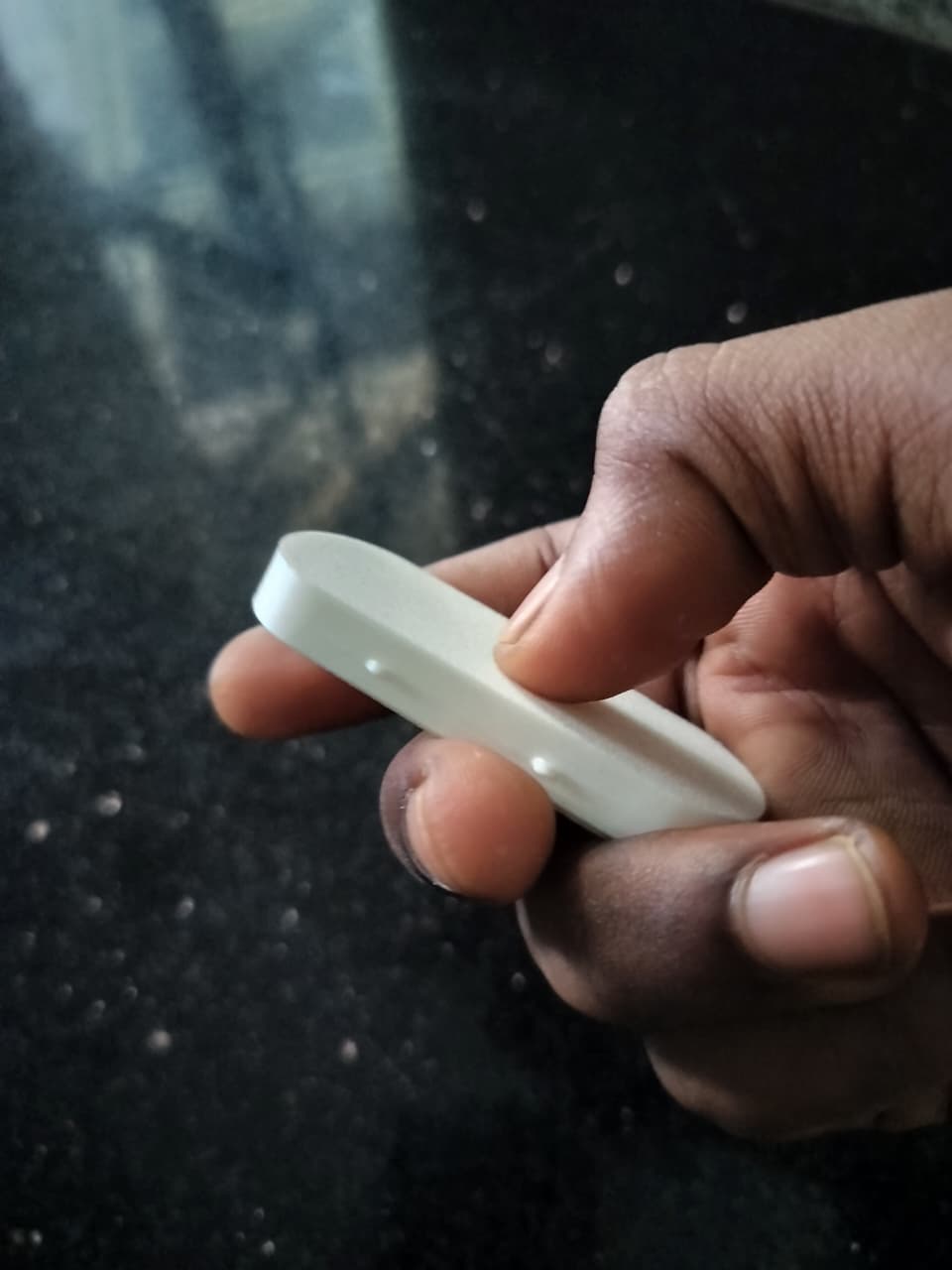
Built using the ESP32-S3 Mini, IMU sensor, and Bluetooth connectivity. Developed firmware to handle gesture recognition, filtering, sensitivity, and click detection. Designed multiple hardware iterations including a wearable chassis. Created a full web-app for calibration and user customization (HTML, CSS, JS, deployed on Vercel). Implemented gesture rules: stay 2s for left click, gentle twist for right click, up/down motion for scroll, hard twist for navigation. Conducted real-world testing with students and refined Comfort Zone Mode.
Challenges we ran into
Mapping hand gestures accurately without causing jitter or sudden cursor jumps. Designing a wearable version comfortable for users with limited hand control. Managing sensitivity for autistic users with sensory overload issues. Minimizing latency over Bluetooth. Making the system ultra-affordable under ₹2000. Fine-tuning gestures so they work for different motor abilities. Ensuring the web-app works consistently across devices.
Accomplishments that we're proud of
Successfully built a full touchless mouse with complete gesture control. Achieved smooth cursor movement with low-latency response. Created a Comfort Zone Mode that adapts to each user’s sensory comfort. Designed a wearable, smartwatch-style version for users who can’t grip devices. Made the device 10× cheaper than existing assistive products. Built a fully functional web-app for calibration and gesture customization. Received positive feedback during field testing. Developed a system that empowers digital independence.
What we learned
The importance of inclusive design and emotionally sensitive technology. How different disabilities require different kinds of motor interaction. Real-world testing is crucial — theory alone isn’t enough. Hardware + software integration challenges. Designing for affordability is as important as designing for functionality. Gesture-based systems must prioritize comfort, stability, and simplicity.
What's next for Airis-SH
AI-based gesture learning for personalized control. Hybrid eye + gesture control. Dedicated mobile app for device management. Improved wearable ergonomics. Cloud-sync profiles for cross-device use. Mass production partnerships to reach therapy centers and schools. Collaborations with accessibility NGOs for real-world deployment.

Log in or sign up for Devpost to join the conversation.