-
-

HomeScreen
-
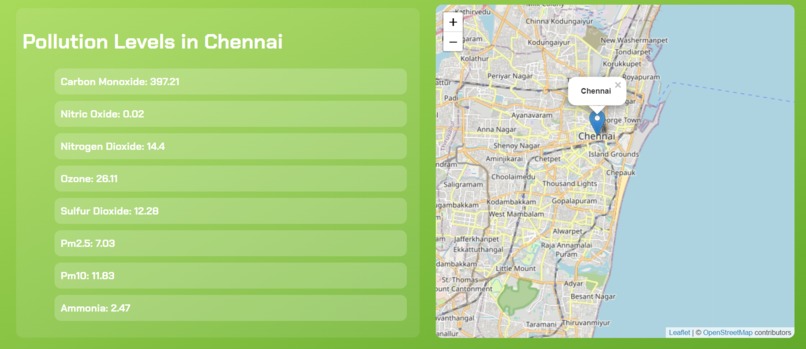
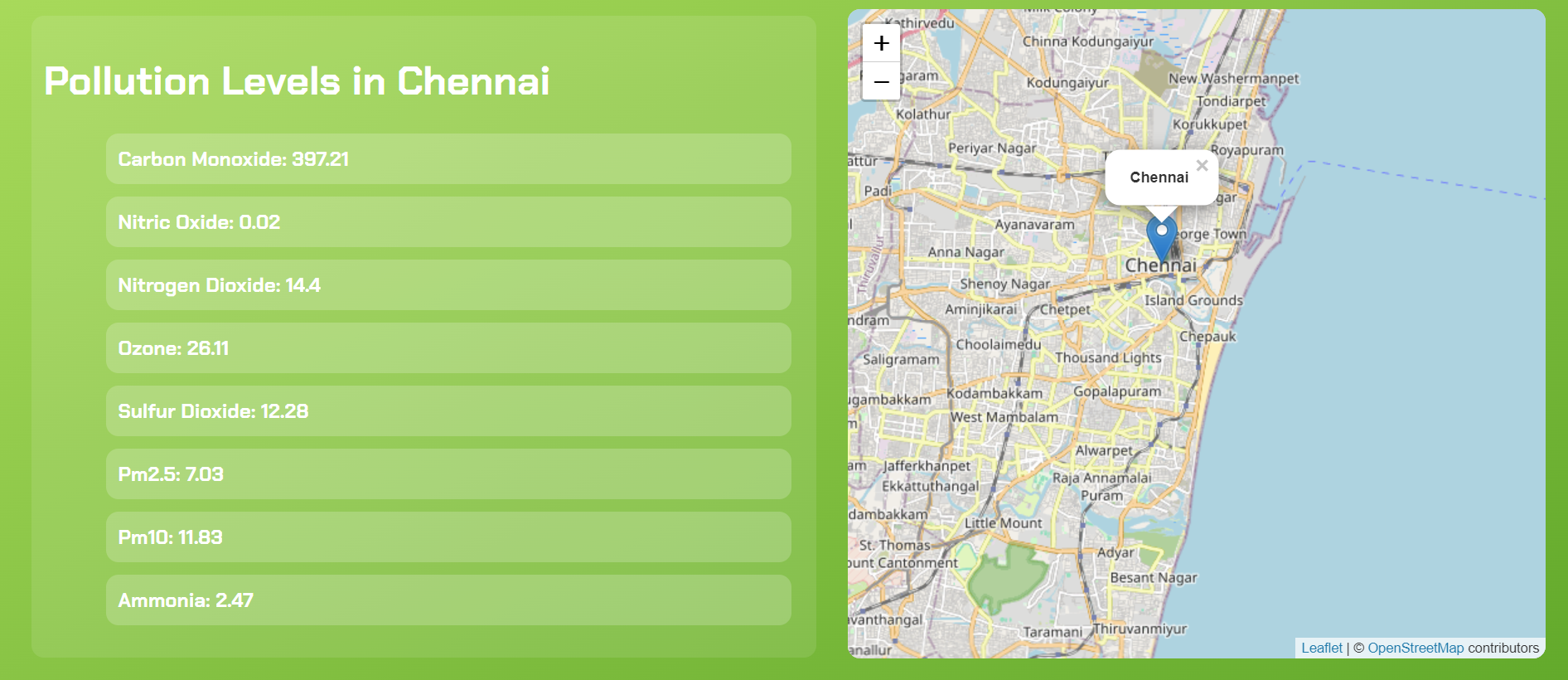
Details Screen - Pollutants and Location on Map
-
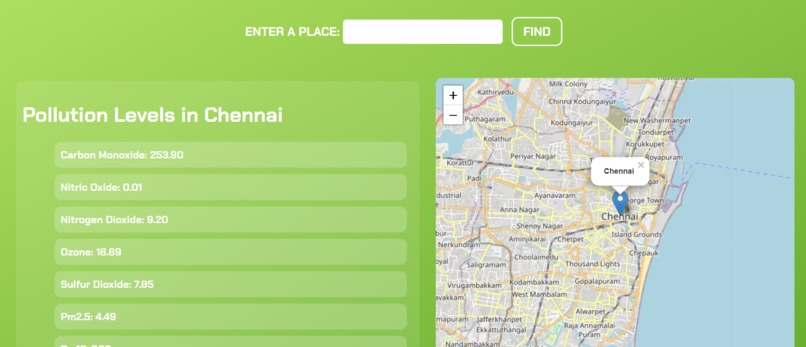
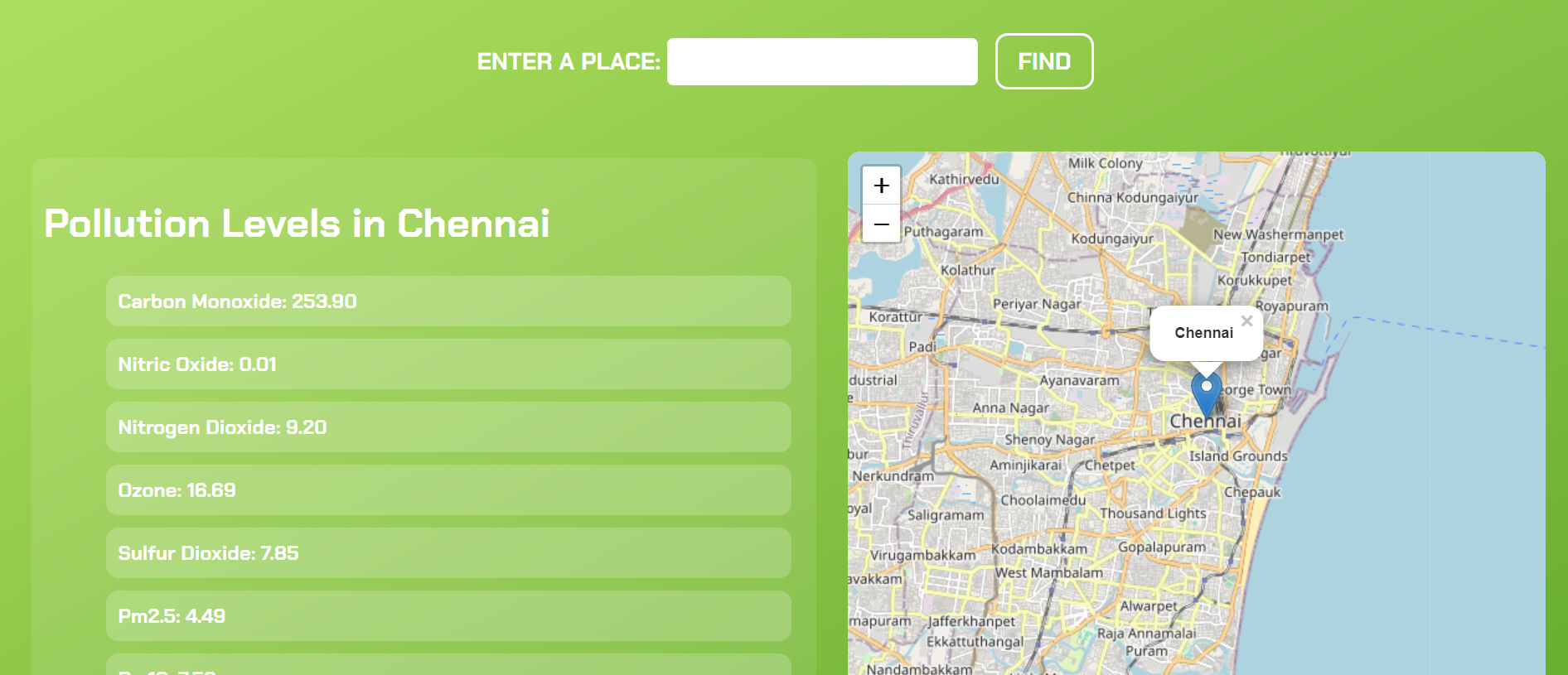
Initial Search Screen

AirIQ
Inspiration
The inspiration for AirIQ stemmed from the growing concern about urban air quality and its impact on public health and the environment. With cities experiencing rising levels of pollution, we felt a need to create a tool that empowers individuals to monitor air quality in their area, make informed decisions, and advocate for cleaner environments. By providing real-time pollution data, we hope to spark greater awareness and action for sustainable living.
What it does
AirIQ is an AI-powered application that allows users to check the levels of various pollutants in any city around the world. The app retrieves real-time data on pollutants like CO2, NO2, PM2.5, and more, and displays it in an easy-to-read, color-coded format. It also offers historical data for comparison and provides insights on how pollution levels might affect health and the environment.
How we built it
We built AirIQ using:
- APIs: Integrated air quality data from trusted sources like OpenWeatherMap, AirVisual, and AQICN.
- AI and Machine Learning: Implemented AI models to analyze pollution trends and provide forecasts based on historical data.
- Web Development: Used Python and Flask to create a responsive web app, with a simple interface for users to input cities and receive pollution data in real time.
- Data Visualization: Incorporated color-coded indicators and graphical summaries to make data easy to interpret for the users.
Challenges we ran into
One of the main challenges was handling discrepancies in data availability between cities. Some cities had robust air quality data, while others had limited or inconsistent information. Ensuring a uniform experience across different regions required handling missing data gracefully. Another challenge was optimizing the AI models to predict future pollution levels with limited historical data in some regions.
Accomplishments that we're proud of
We’re proud of creating an accessible and user-friendly tool that helps people understand air quality in their environment. Successfully integrating real-time data with AI-driven insights was a major achievement. Additionally, building a robust system that adapts to global variability in data availability while still delivering accurate insights was a complex but rewarding task.
What we learned
This project taught us the importance of data integrity and reliability when building an application that depends on external data sources. We gained a deeper understanding of air pollution’s environmental and health impacts. We also improved our skills in handling real-time data and applying machine learning models to predict trends based on historical data.
What's next for AirIQ
Our next steps for AirIQ include:
- Mobile App Development: Expanding the platform to mobile devices for greater accessibility.
- Notifications: Implementing push notifications for users when air quality reaches critical levels.
- Enhanced Forecasting: Improving AI models for more accurate long-term pollution forecasts.
- Data Source Expansion: Incorporating additional sources of pollution data to improve coverage, particularly in underserved areas.
- Community Features: Adding features that allow users to contribute local pollution data and discuss environmental initiatives.


Log in or sign up for Devpost to join the conversation.