-
-
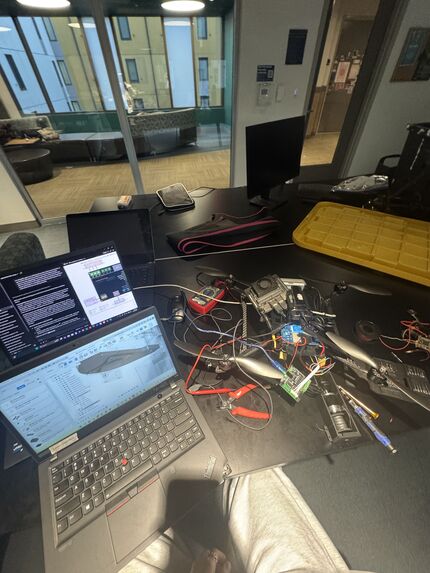
CAD + Building at Berkeley
-
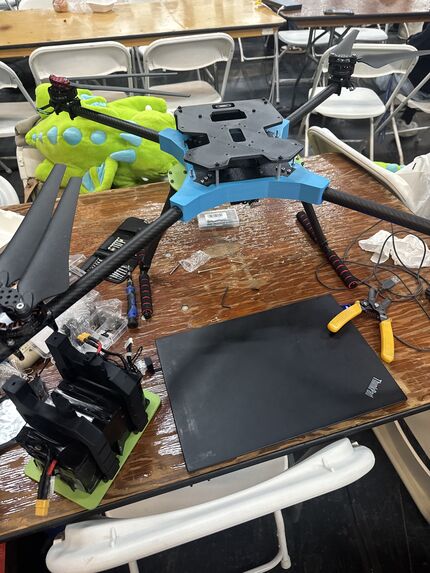
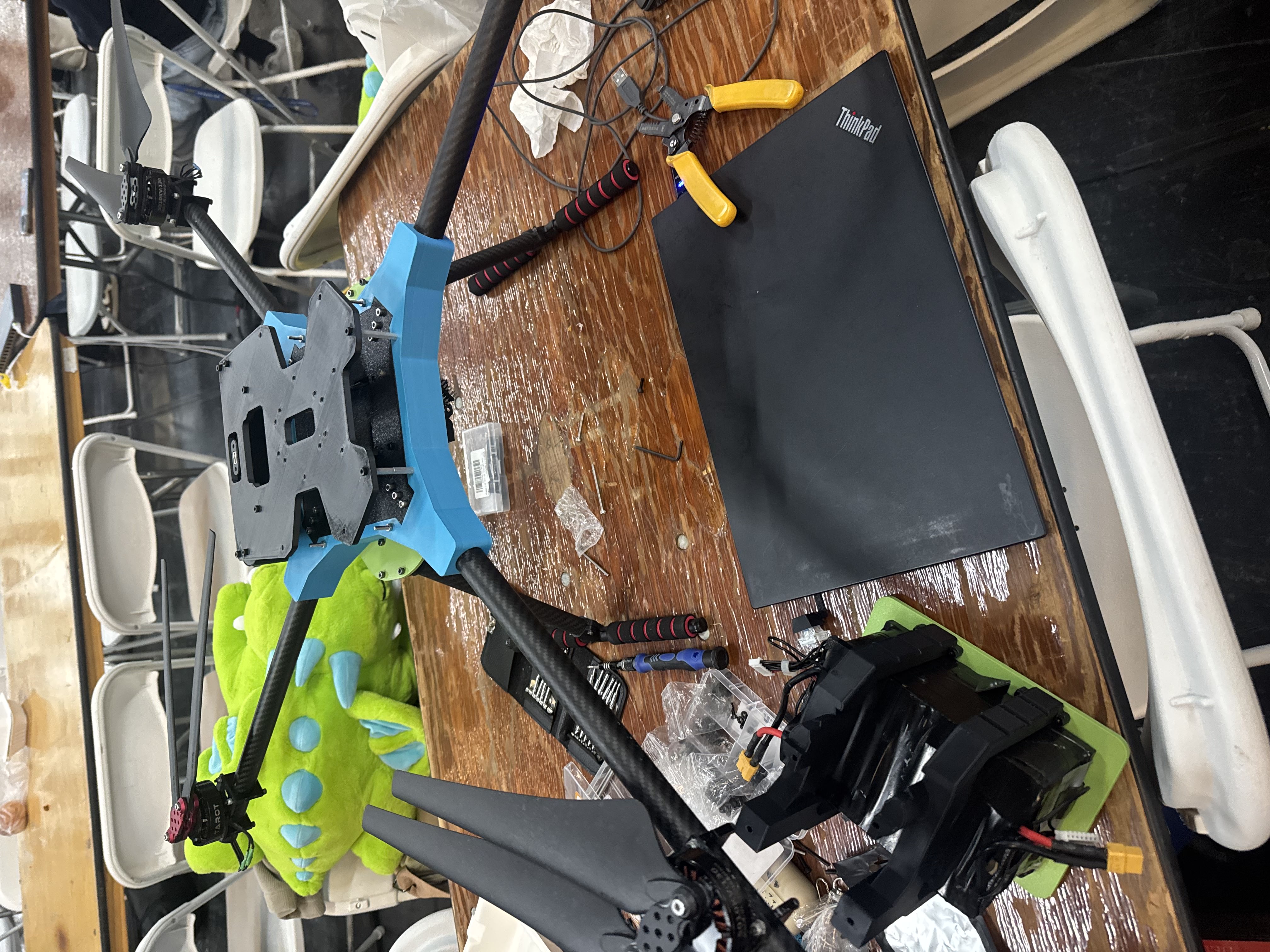
Finished frame assembly
-
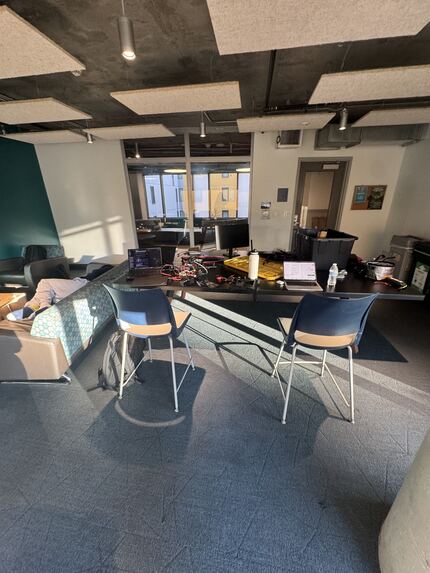
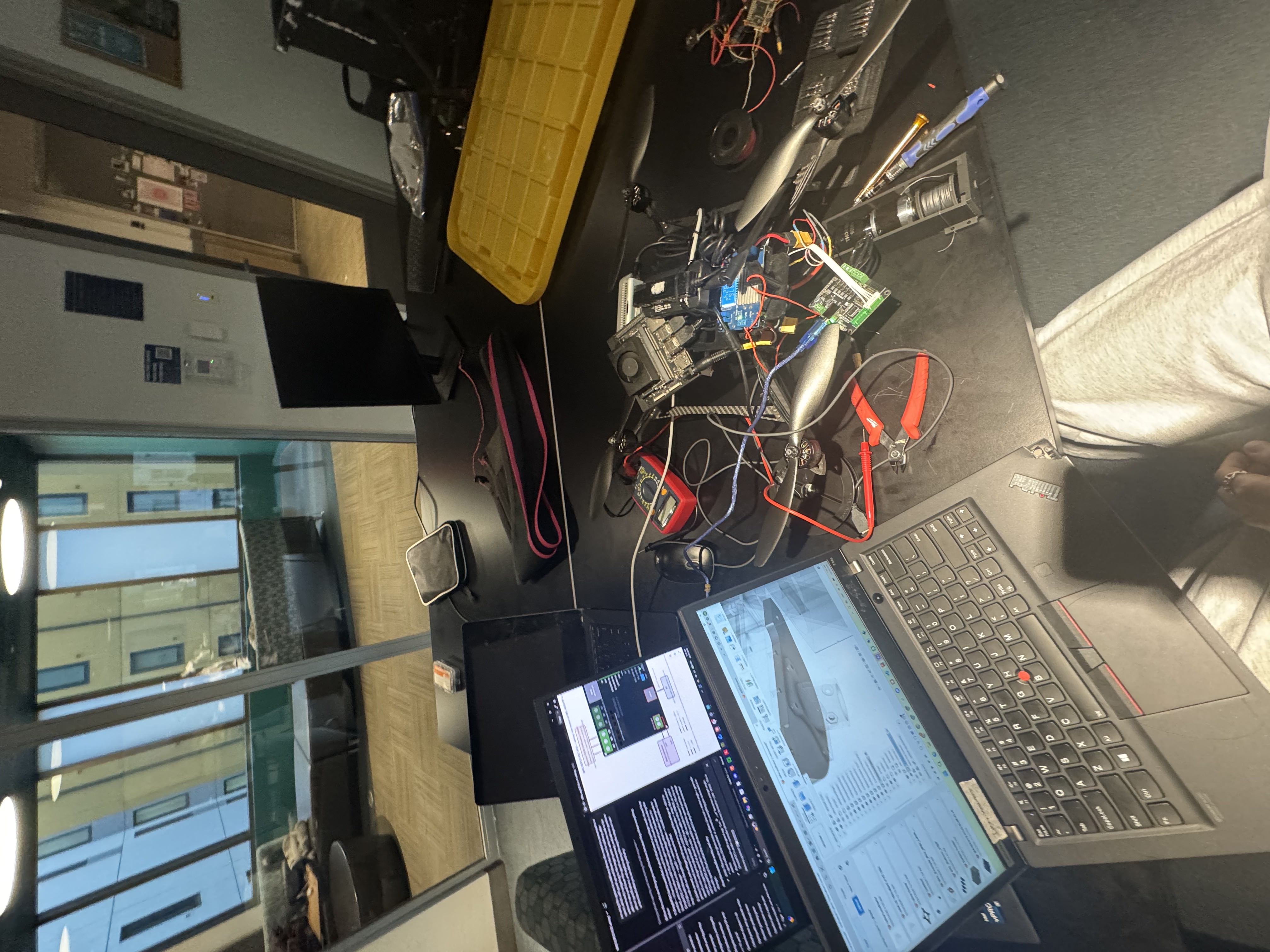
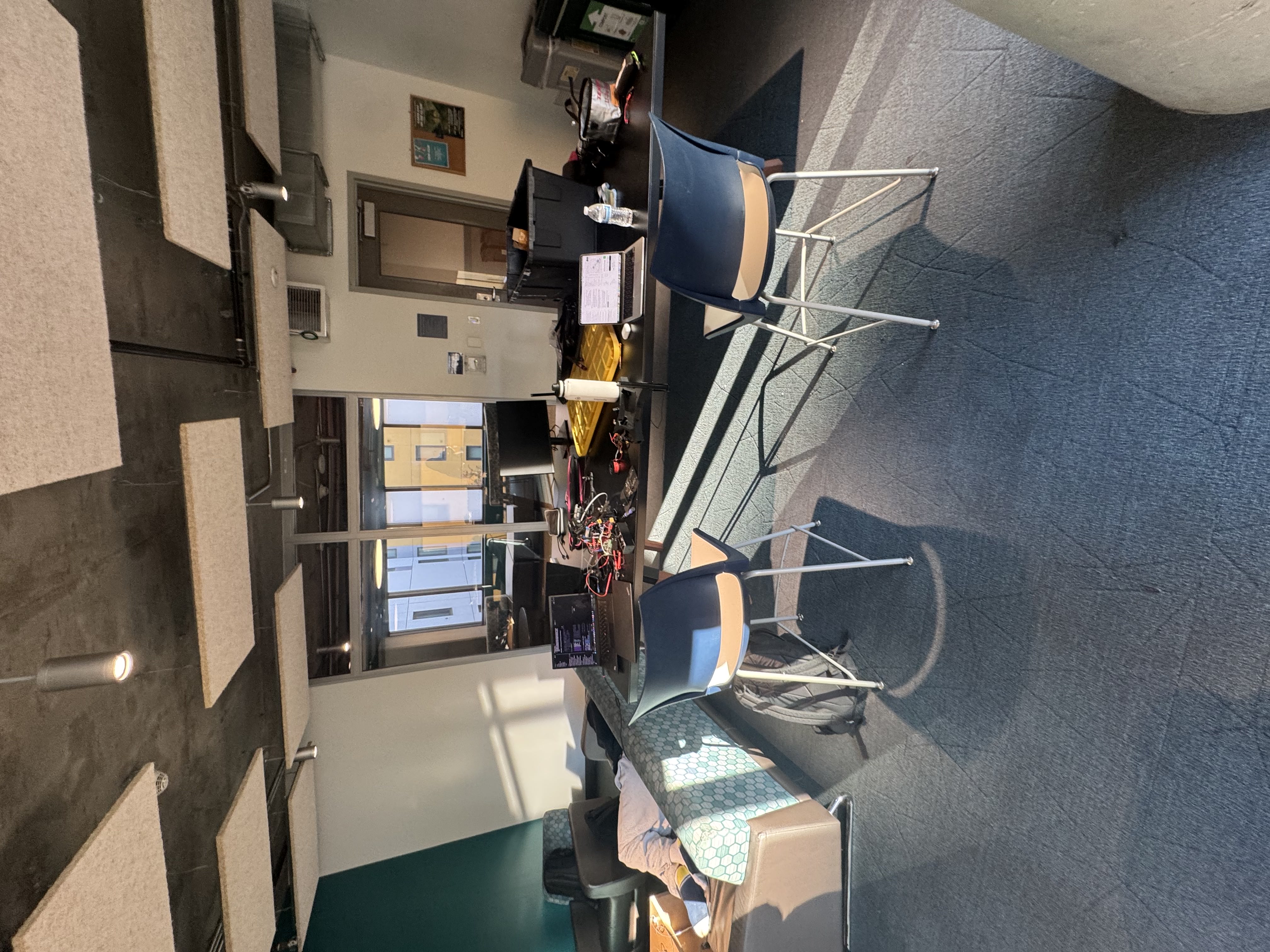
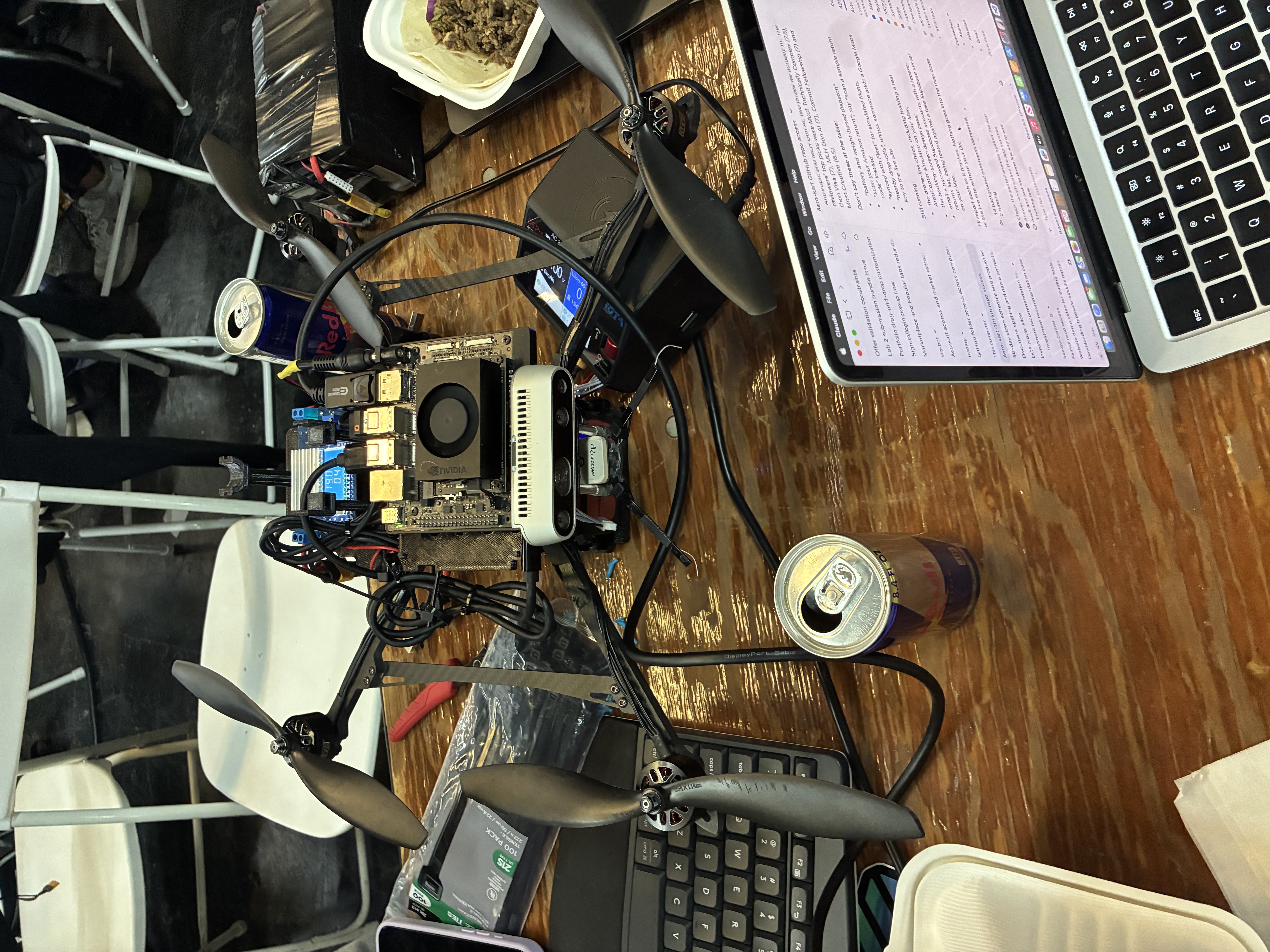
Workspace
-
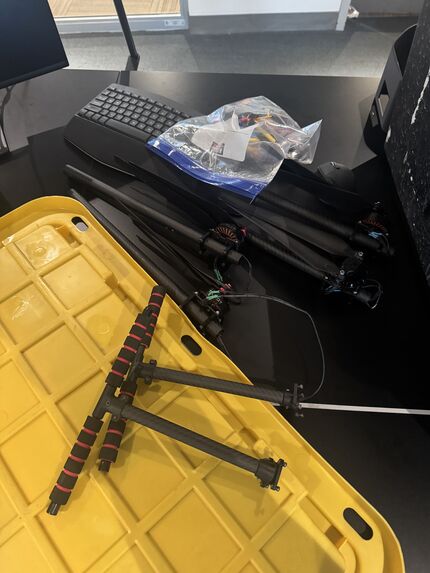
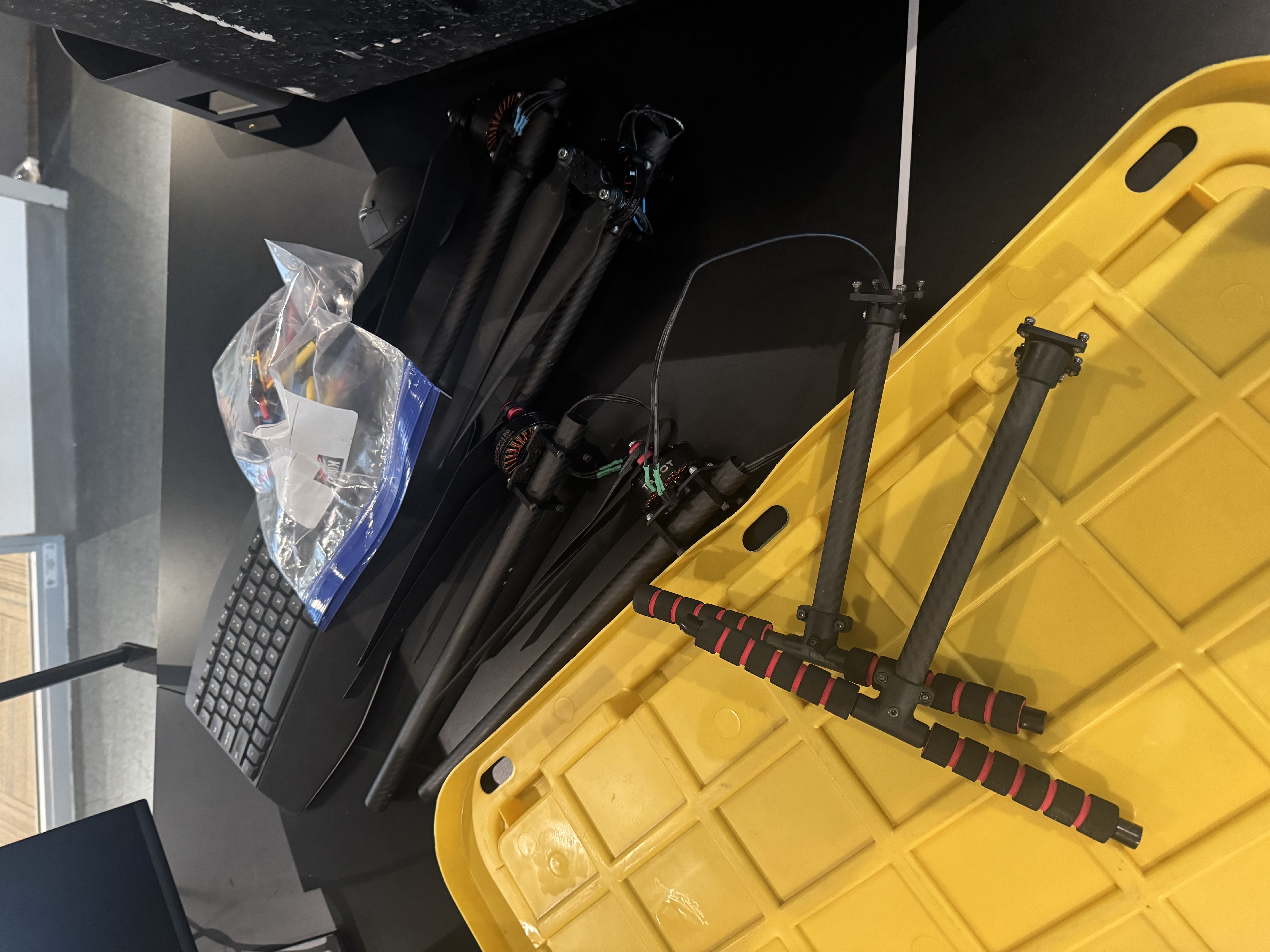
store bought parts, first day of comp
-
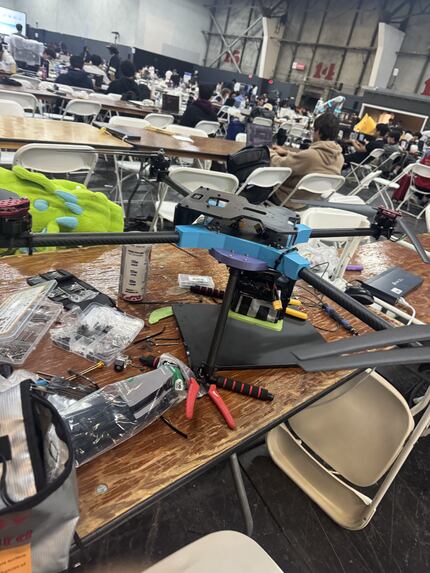
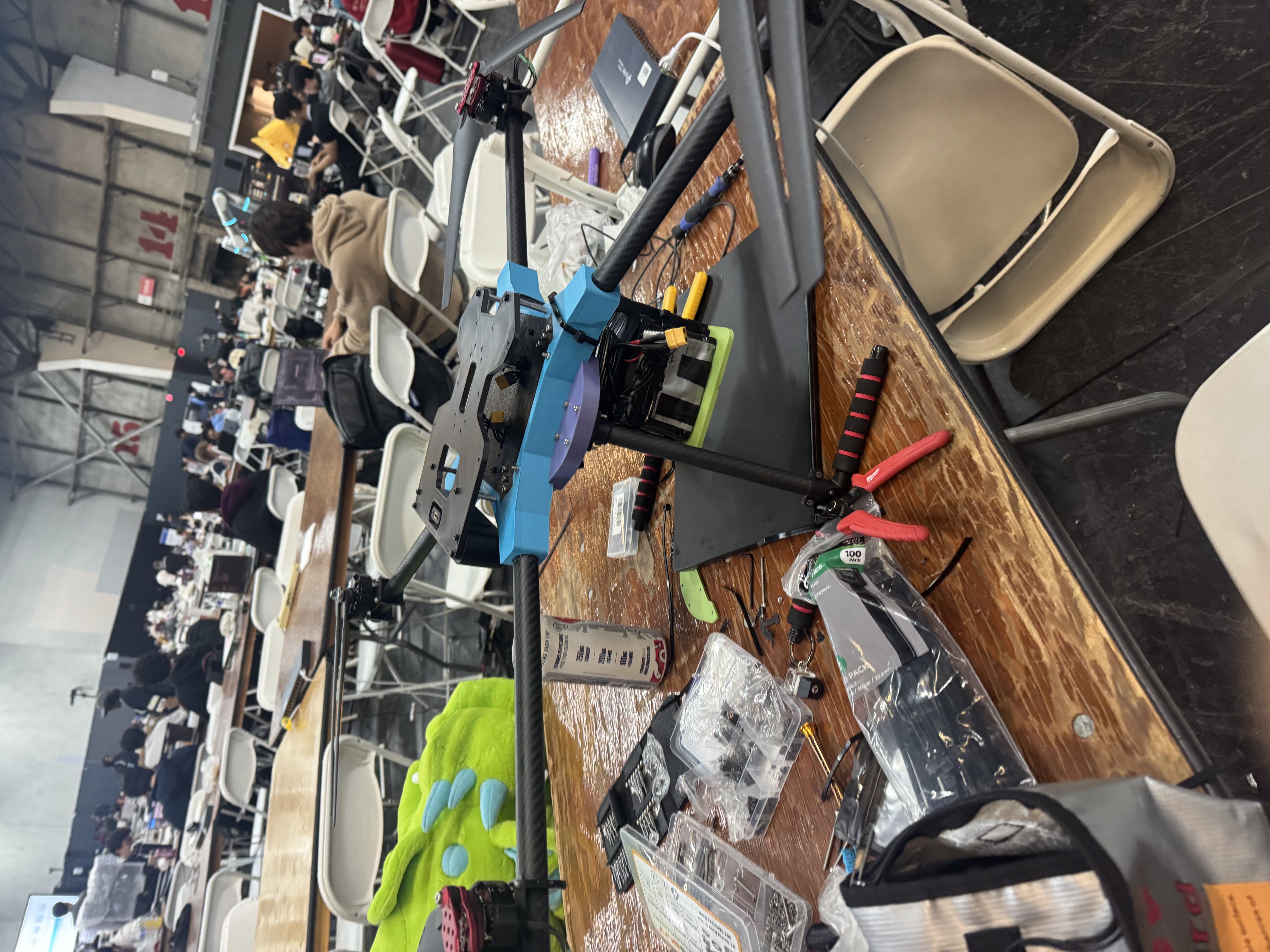
electronics tray designed printed and assembled
-
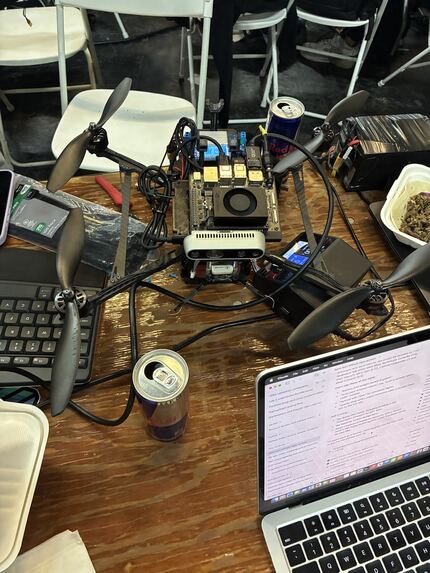
small 10 inch drone that successfully tested our software
-
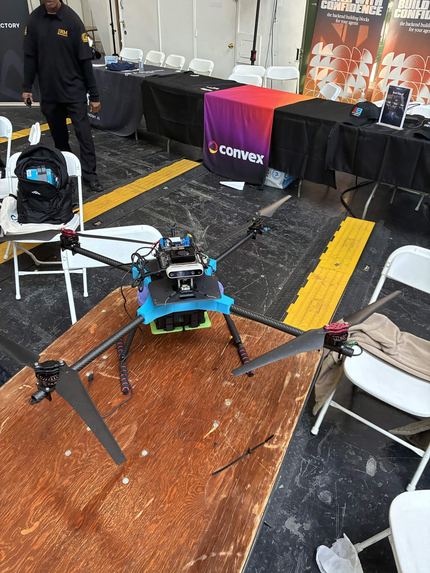
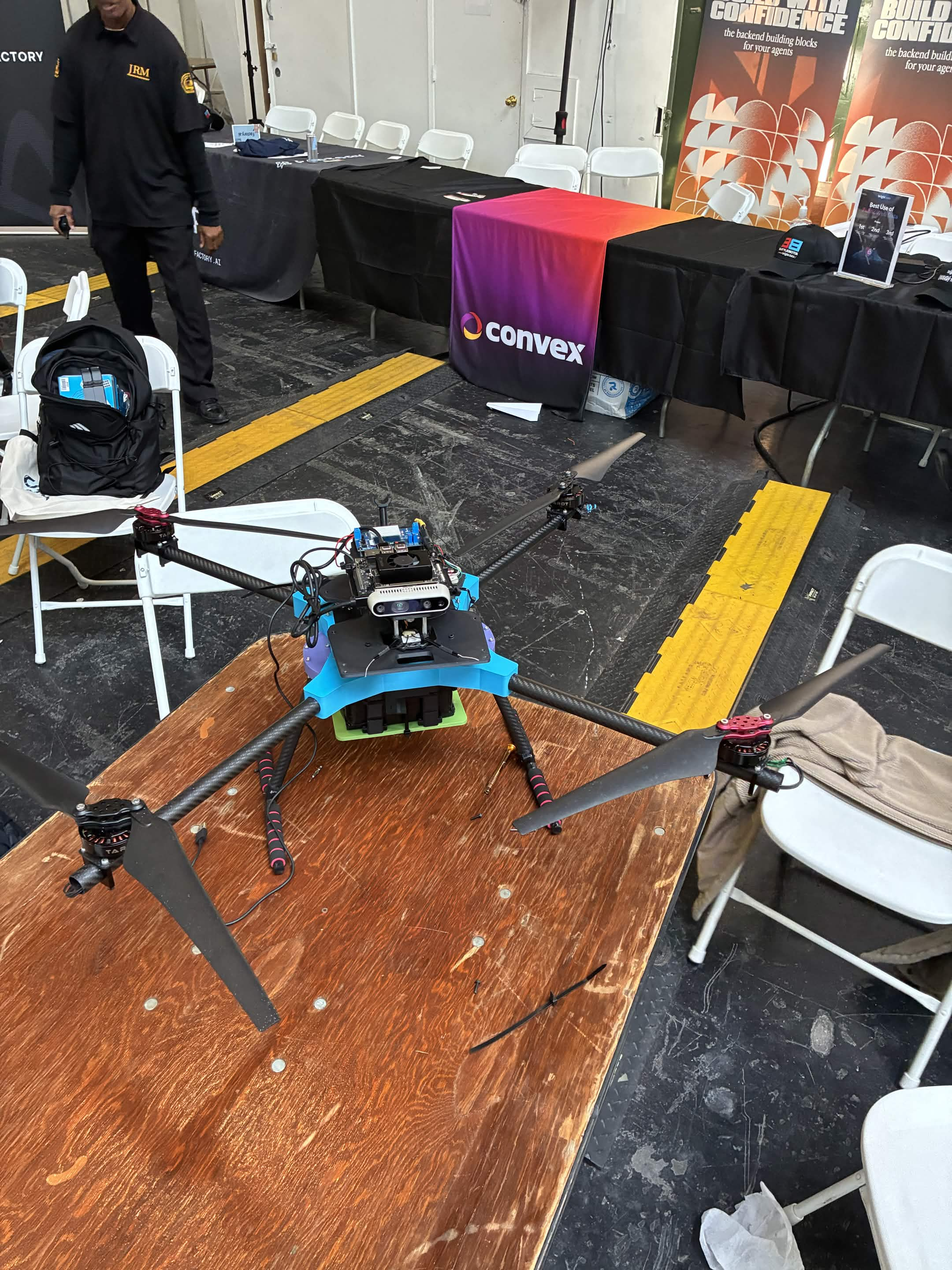
21 inch big drone
Inspiration
I was very hungry at school and I wanted a drone to deliver my lunch. This lead us to realize how applicable drones are in logistics. We want to spread that technology as fast as possible through our drone stack.
What it does
Aircart includes a physical drone and its autonomy stack. On a high level its simply a drone that can be programmed to do what ever the user wants. It can be owned by everyday people and help them complete logistical tasks. Specifically for this hackathon, we focused on delivering items for everyday people. It can handle amazon returns, door dash orders, or simply sending your friends a gift.
How we built it
We began by building a small 10inch fpv drone with standard off the shelf parts. We connected it to a jetson orin nano that handles network tables for drone to server communication. Through this hackathon, we were able to design a web app, that takes a user friendly input and break it down to low level drone operation commands to send it to a location autonomously.
After accomplishing the basic software stack, we began building the main drone. A 21 inch heavy lift aircraft with less standard parts. Its designed to handle a 4kg payload with a service radius of 2 miles. It also includes a custom spooling payload mechanism designed and 3d printed, with force feedback able to lower and retract payload to the user.
as of 4:43 am we are working on integrating flight tested software with this new 21 inch drone.
Challenges we ran into
We ran into alot of supply and material issues. The first day our Jetson ran into connection issues which required a monitor we did not have. We had to go to Berkely to pick up a monitor. The second issue we had was the 4g dongle purchased off amazon, the drone was supposed to communicate on the 4g network which works at higher elevations than compared to the 5g network, however the dongle was cheap and unreliable. We then had to swap to using a iphone hotspot. Another issue we ran into was unreliable sensors as they were cheap off amazon and no where near the quality needed to accomplish the autonomy tasks we desired. Yet we still made it work on a basic level.
Accomplishments that we're proud of
Our web app that successfully took a high level mission/command and communicated it to our drone hardware stack.
The fact that we designed and 3d printed a 21 inch drone from scratch in 2 days.
We had built reliable hardware platform to test and research drone software for future development.
What we learned
We learned a lot about mav ros software stack integration, pushing through failure, hardware design, drone electronics and calibration. Autonomy bridge from high level commands from a website to low level flight controller instructions.
What's next for AirCart
We plan to further develop the 21 inch drone and have the large drone complete its first autonomous mission by the end of the year. Hopefully even ship our first product and make our drone reliable enough for anyone to own one in two or so years.
Built With
- 3.js
- 3dprinting
- autodesk-fusion-360
- claude
- codex
- google-maps
- jetson-nano
- linux
- ros
- stm32


Log in or sign up for Devpost to join the conversation.