-
-
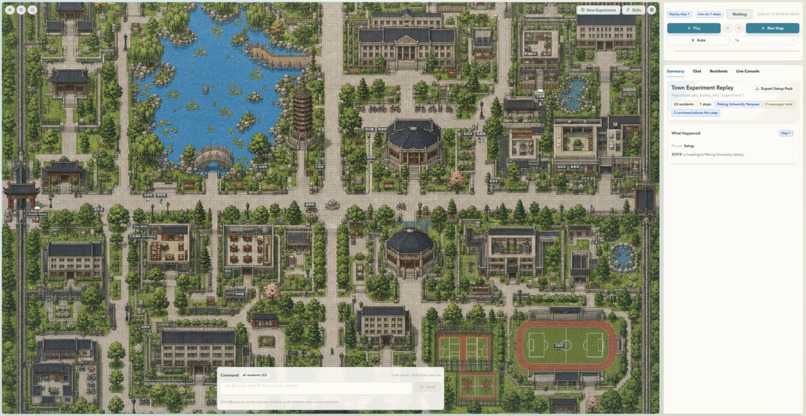
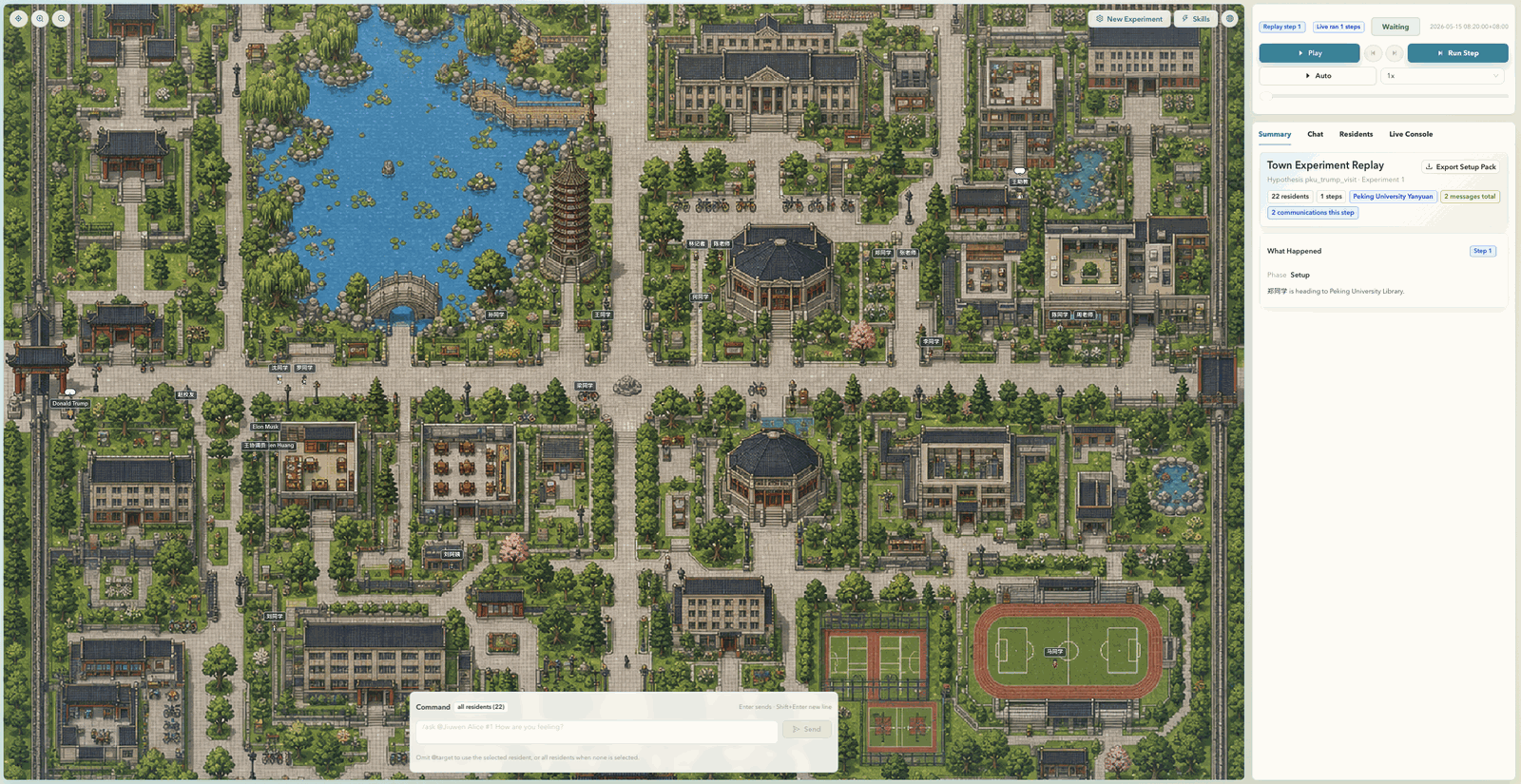
Control Room
-
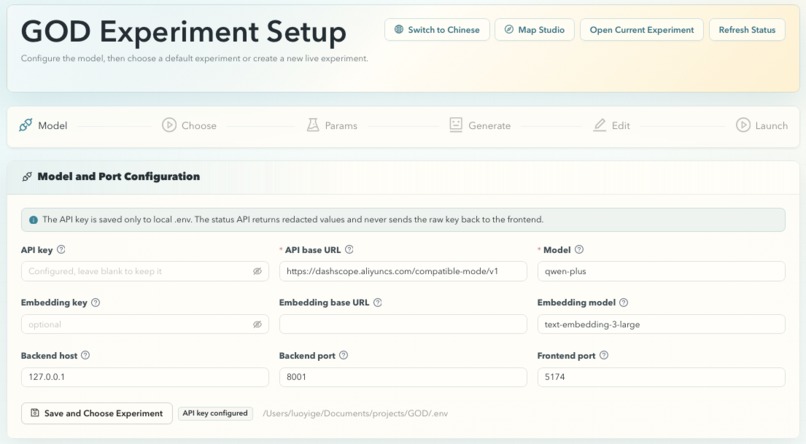
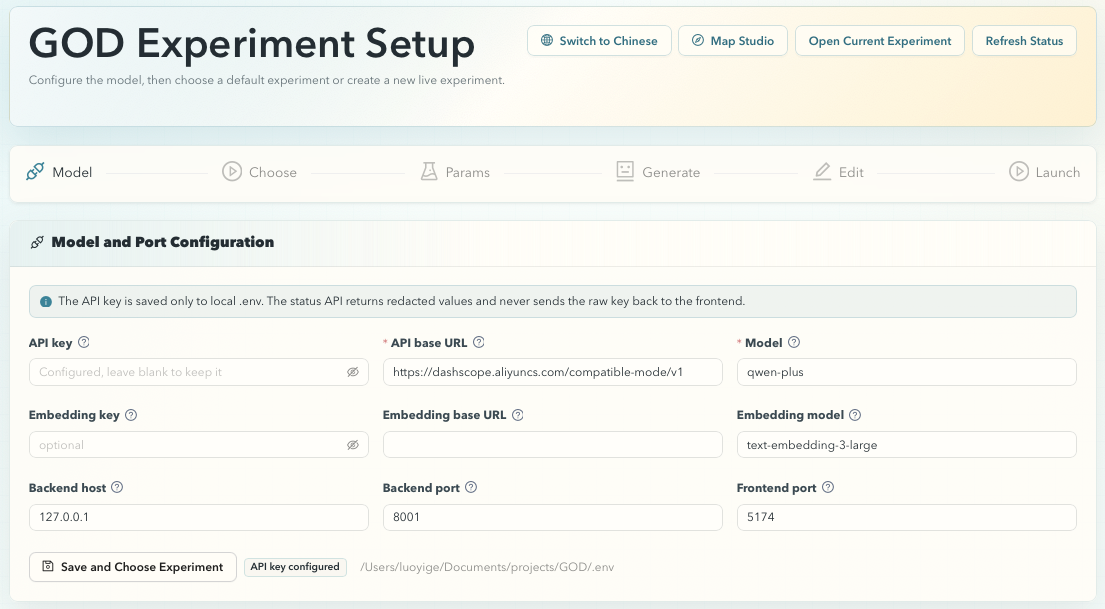
Setup Wizard
-
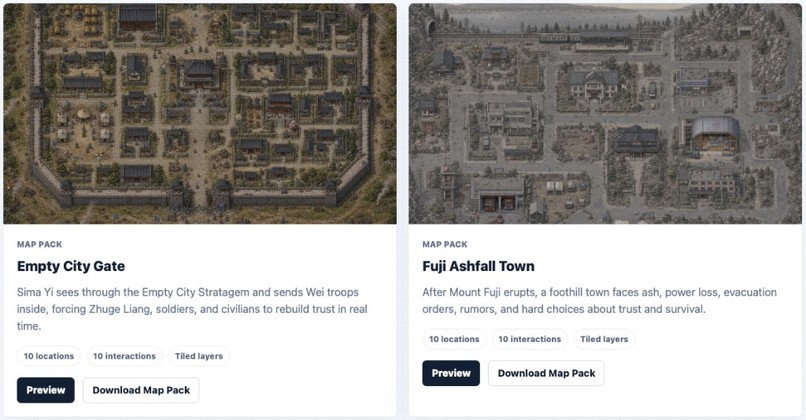
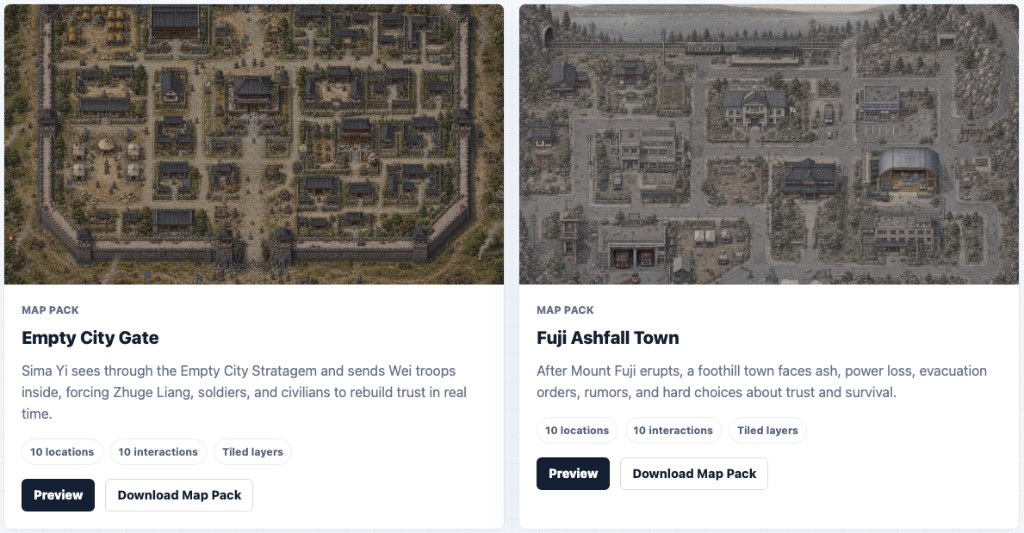
Map Pack
-
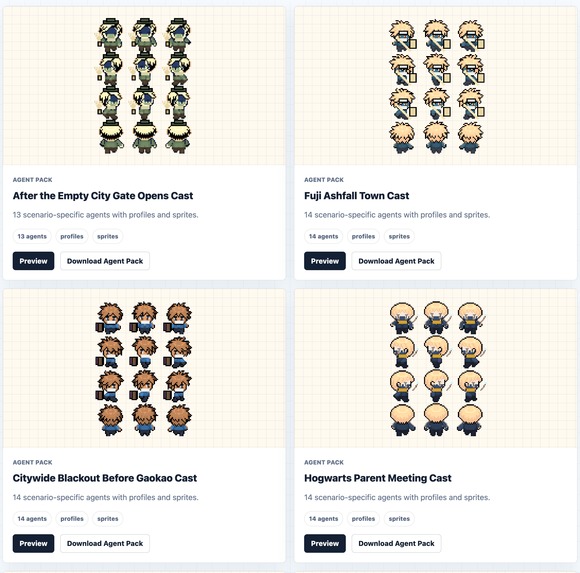
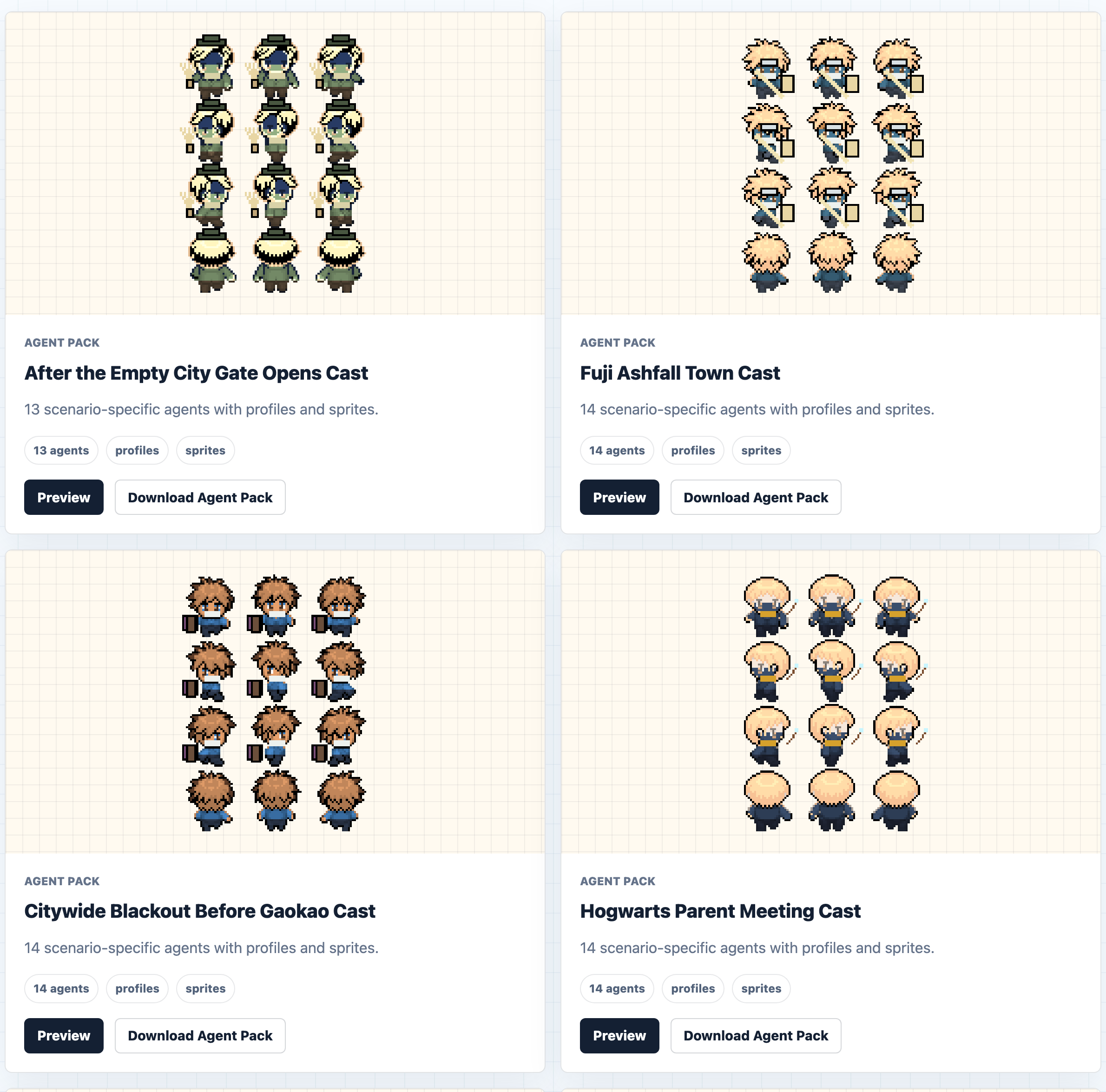
Agent Pack
-
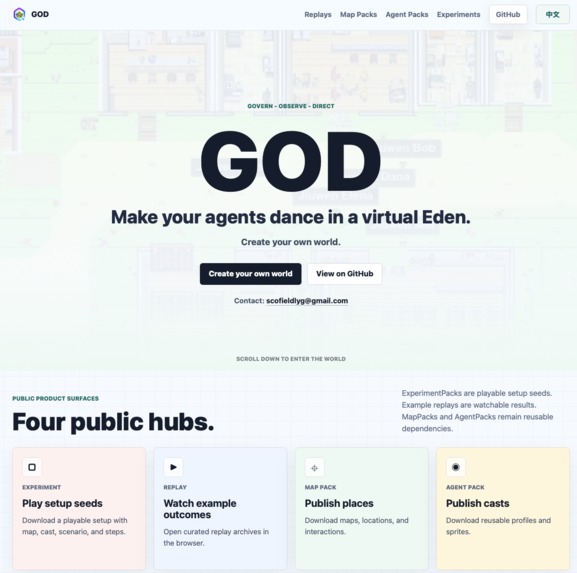
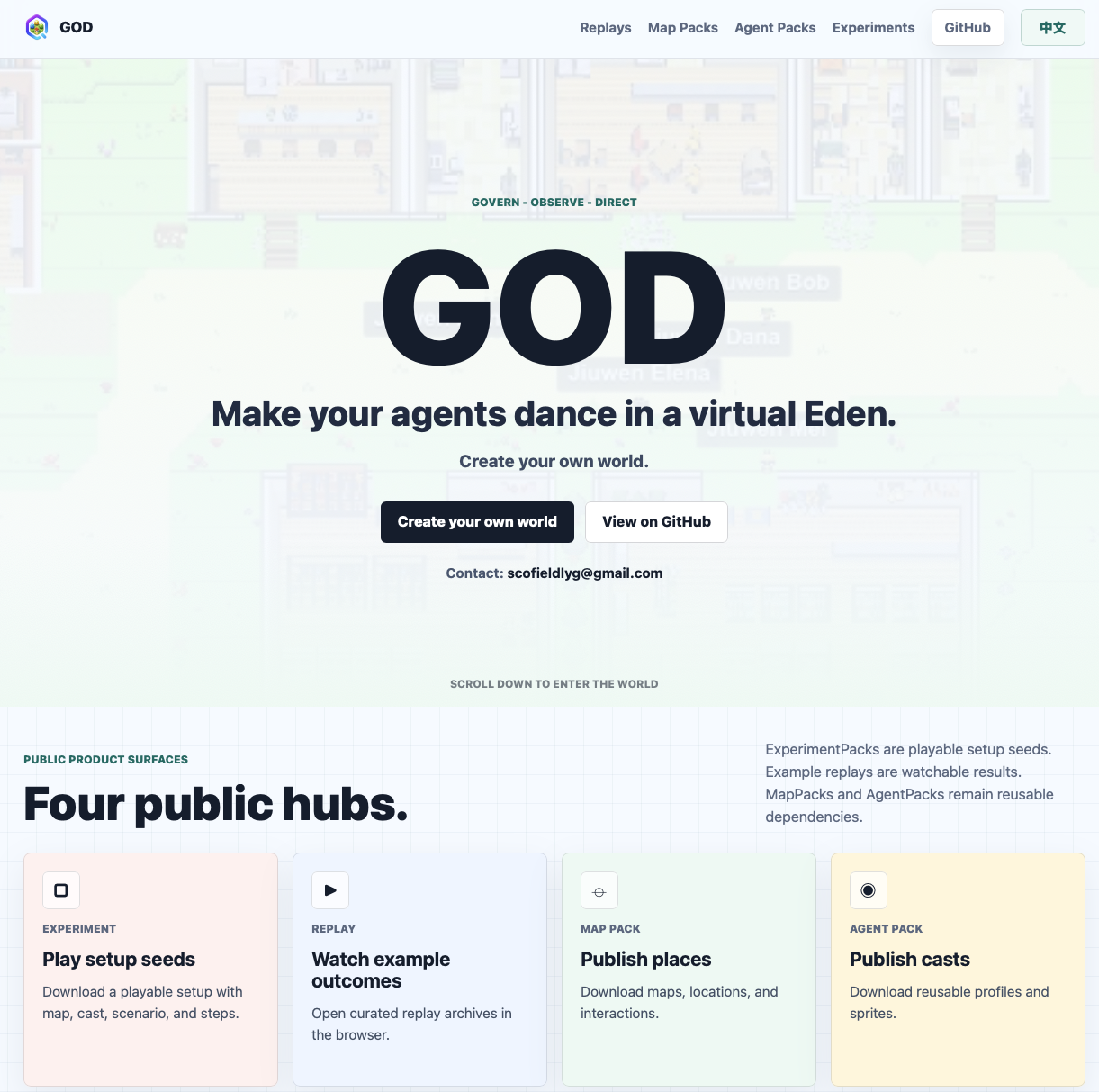
Public Webpage
Inspiration
Most agent-society demos are passive. Inspired by Generative Agents and OASIS, we wanted to build a control room where users could observe, question, and steer an agent society.
What it does
GOD runs a town of LLM agents on an interactive map. Users can pause, replay, ask residents questions, intervene in the next step, and export experiments.
How we built it
We combined a React/Vite frontend, FastAPI backend, Pixel Town environment, and JiuwenClaw agent runtime. Experiments, maps, agents, and replay data use structured, reusable files.
Challenges we ran into
Keeping the frontend, backend, simulation, and agent runtime synchronized was difficult. We also had to make flexible LLM behavior structured and replayable.
Accomplishments that we're proud of
We turned a passive simulation into an interactive operator console with live controls, browser replays, a no-code setup flow, and portable experiment packs.
What we learned
Observability and reproducibility must be designed from the beginning. Every intervention and state change should be explicit, traceable, and easy to inspect.
What's next for G.O.D
We plan to add multi-experiment comparison, behavior metrics, pluggable agent runtimes, larger simulations, and a hosted live control room.
Built With
- agent
- agentsociety
- fastapi
- generative-agents
- github
- javascript
- jiuwenclaw
- llms
- multi-agent-systems
- pixel-art
- python
- react
- sqlite
- vite
- websockets


Log in or sign up for Devpost to join the conversation.