Inspiration
Traditional learning methods, centered around passive reading and watching videos, often fail students with ADHD. We were inspired by the need for a tool that caters to neurodivergent minds, which thrive on engagement and active participation. We saw a gap for a platform that replaces static text with dynamic, hands-on experiences, allowing students to learn in a way that feels natural and intuitive to them. Instead of the typical chat interfaces, Aio makes an effort to teach unconventionally.
What it does
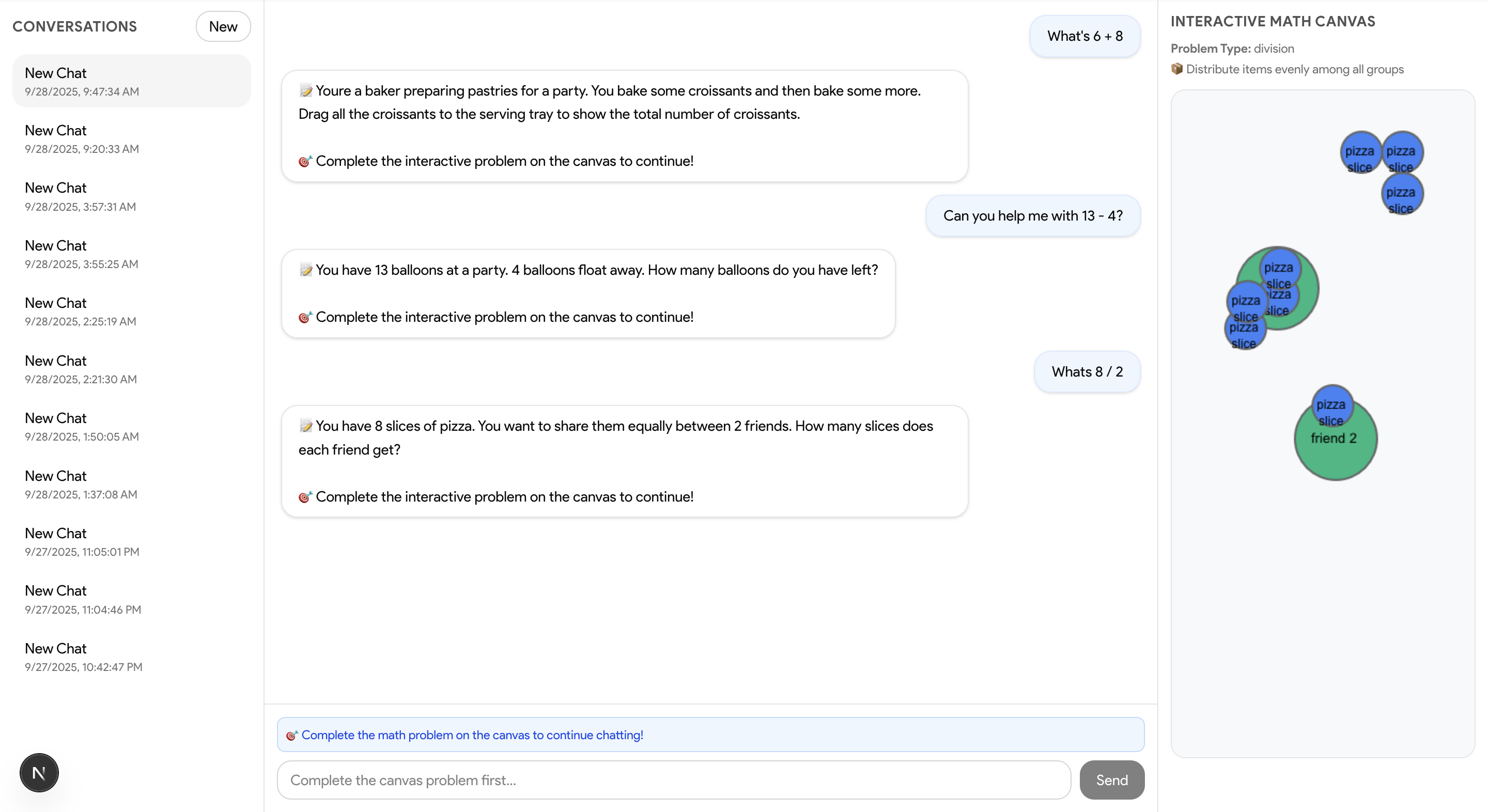
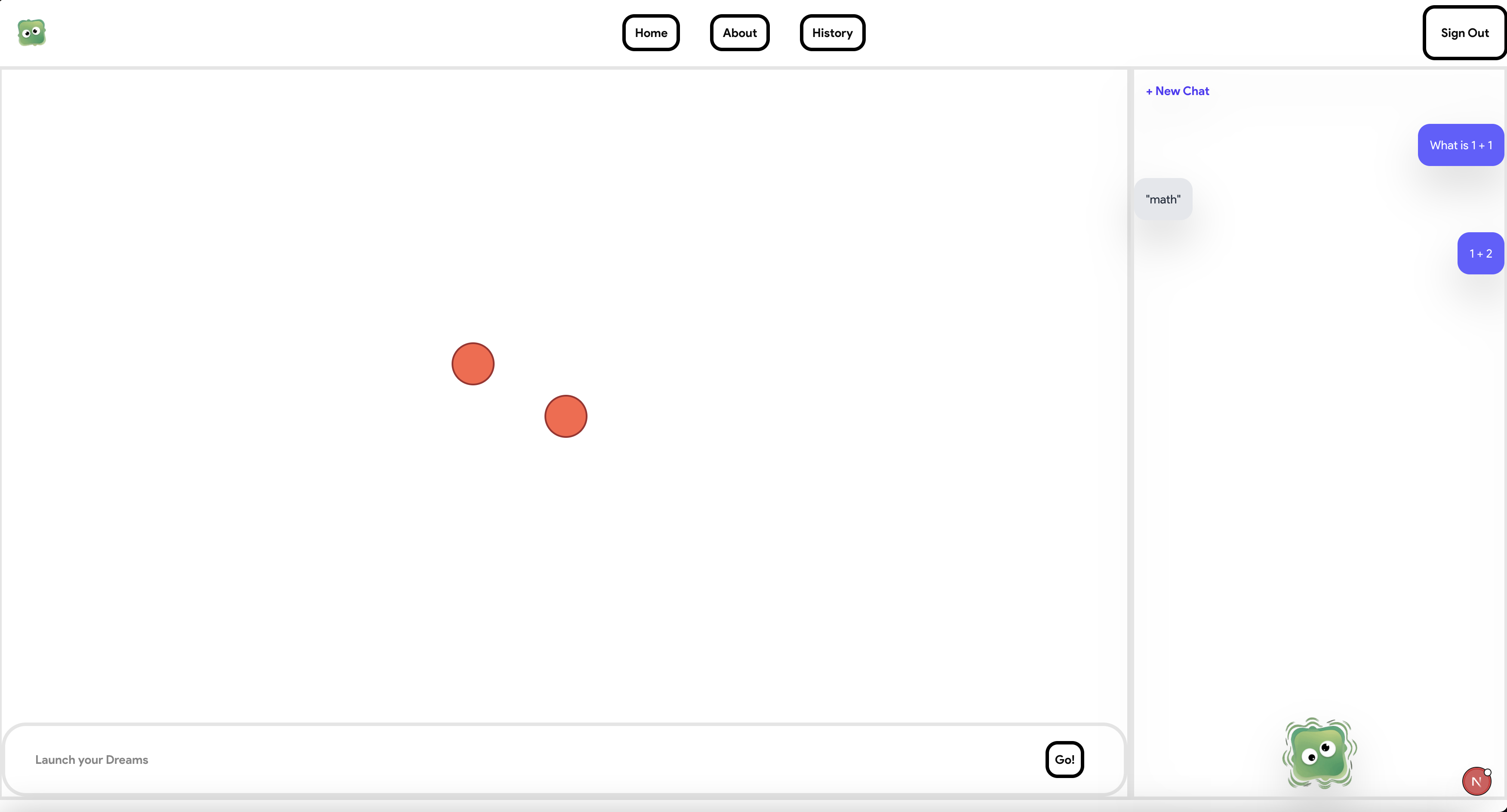
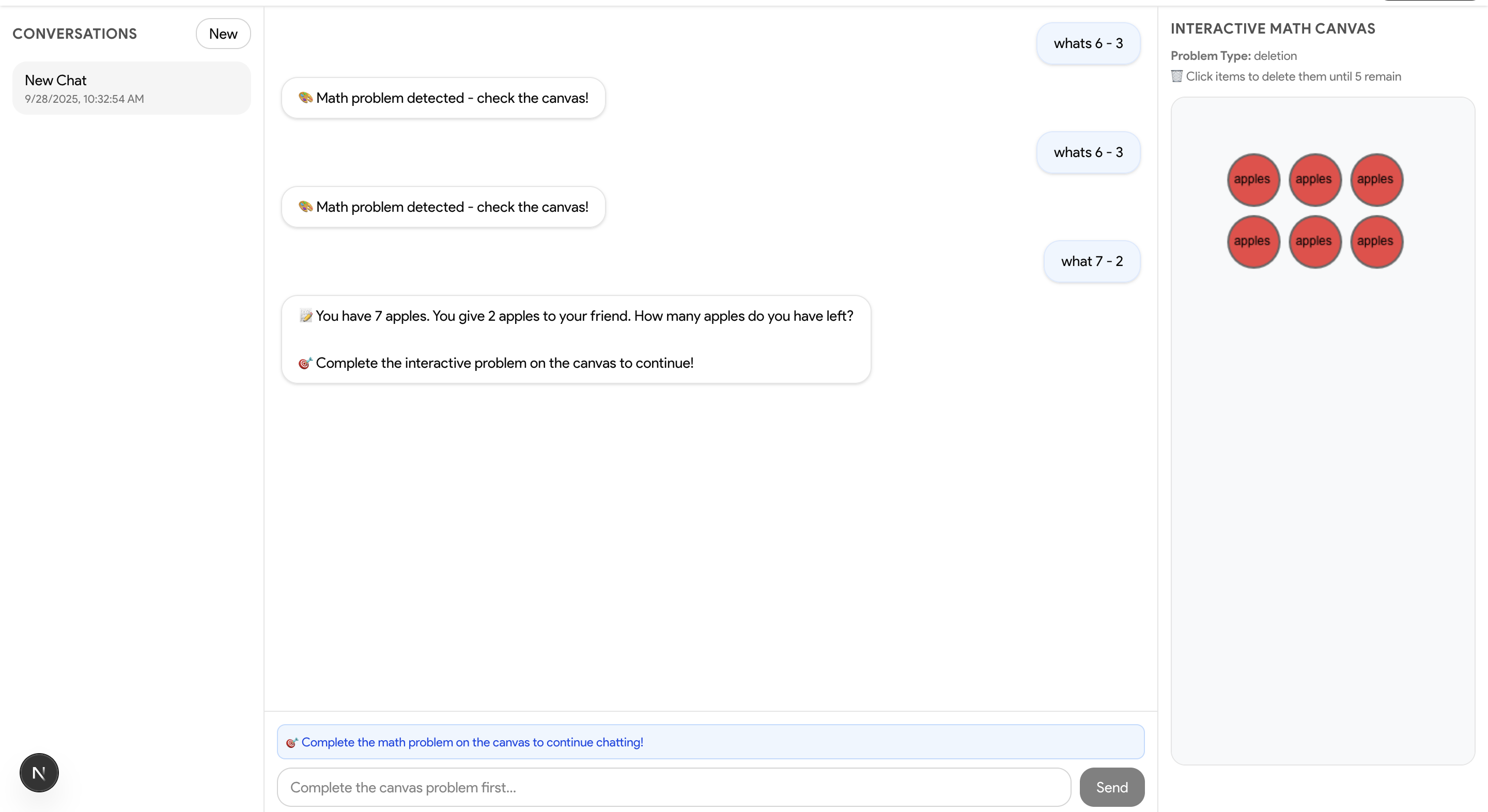
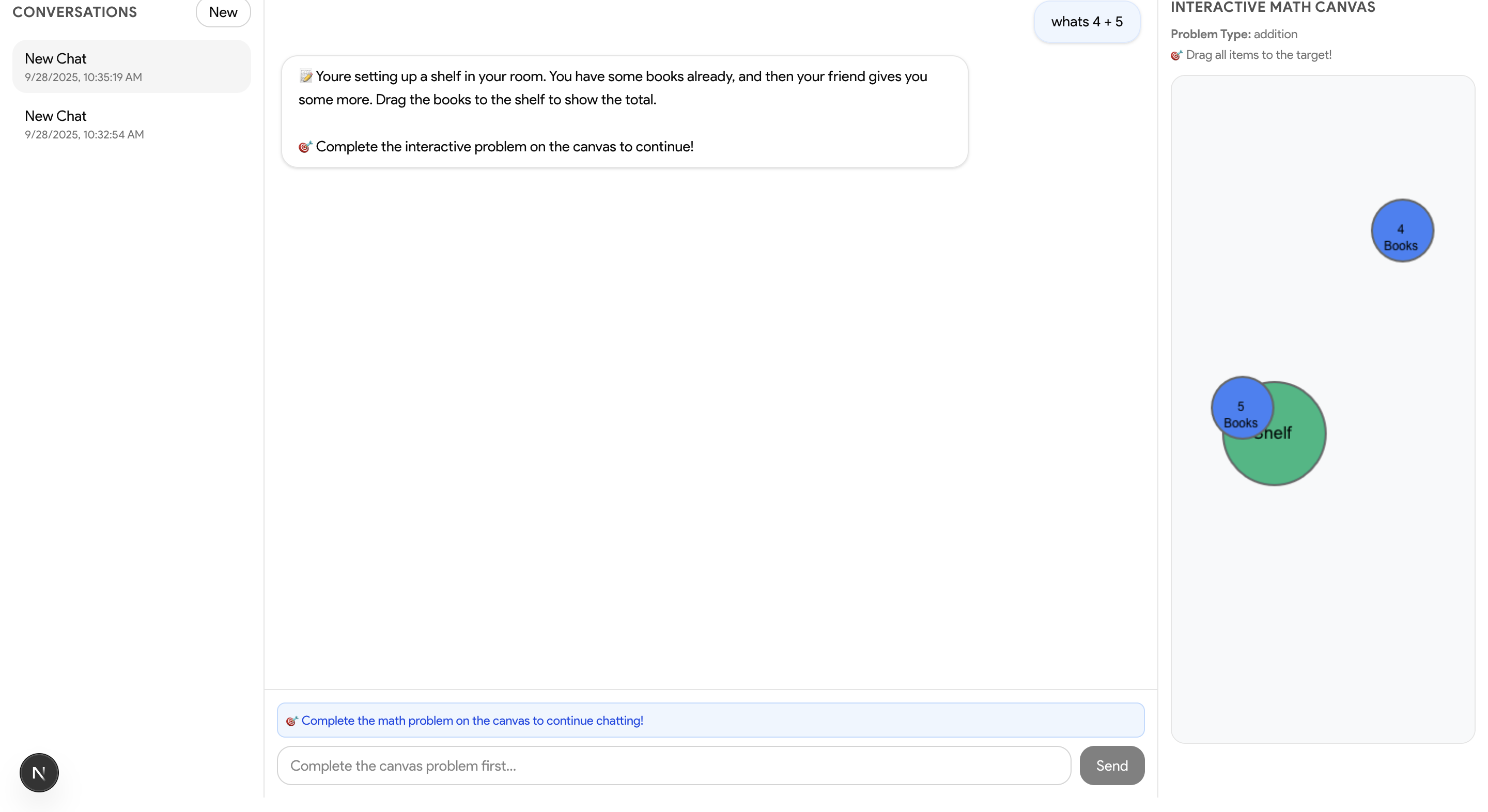
Aio is an interactive, AI-powered learning platform designed for students with ADHD. Instead of reading a chapter about the solar system, a user can physically drag and drop planets into their correct orbits and get instant, AI-generated feedback. Aio transforms abstract concepts into tangible, interactive modules that a user can manipulate to build a deeper, more intuitive understanding.
How we built it
Frontend: We used Next.js and React to create a fast, responsive user interface, styled with Tailwind CSS.
Backend: A FastAPI (Python) server handles the core logic and communication with the AI.
Database & Auth: We used Supabase for its integrated Postgres database and user authentication.
AI Engine: The core interactive feedback is powered by the Google Gemini and API.
Deployment: The ADK and AI agents are hosted on Google Cloud.
Challenges we ran into
Our biggest challenge was designing interactive modules that were both educational and genuinely intuitive. It's difficult to simplify a complex topic into a hands-on experience without losing crucial information. We also spent significant time on prompt engineering to ensure the AI's feedback was consistently helpful, concise, and encouraging—a critical feature for our target users.
Accomplishments that we're proud of
We are incredibly proud of creating a seamless and instantaneous feedback loop. When a user performs an action, the AI responds in real-time, perfectly mimicking a one-on-one tutoring session. Building our first fully functional module and seeing a concept come to life as an interactive puzzle, rather than a boring page of text, was a major accomplishment for us.
What we learned
We learned that user interface design is even more critical when your audience is neurodivergent. Simplicity, clarity, and immediate feedback are not just features; they are essential for the product to work. On the technical side, we gained deep experience in integrating a modern, full-stack application with powerful large language models.
What's next for Aio
Our next step is to expand our library of interactive modules to cover a full range of subjects. We also plan to implement an adaptive learning path, where the AI tracks a user's performance and adjusts the difficulty of subsequent modules. Finally, we will be conducting user testing with ADHD students to gather feedback and continuously refine the Aio experience.
Built With
- nextjs
- python
- supabase
- typescript


Log in or sign up for Devpost to join the conversation.