-
-
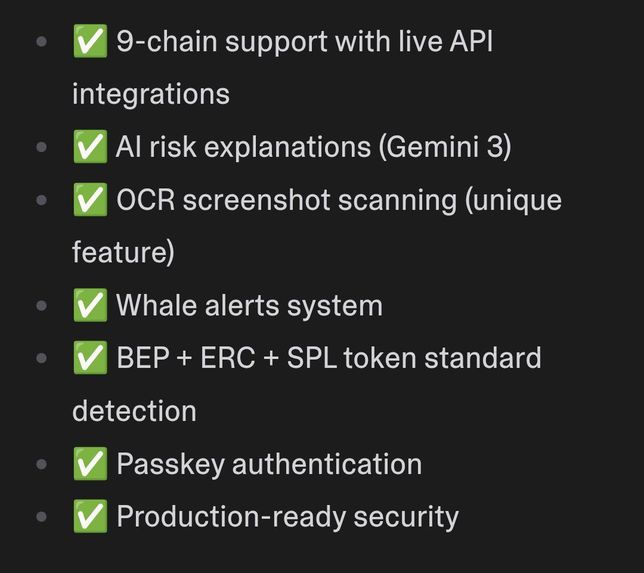
Multi features
-
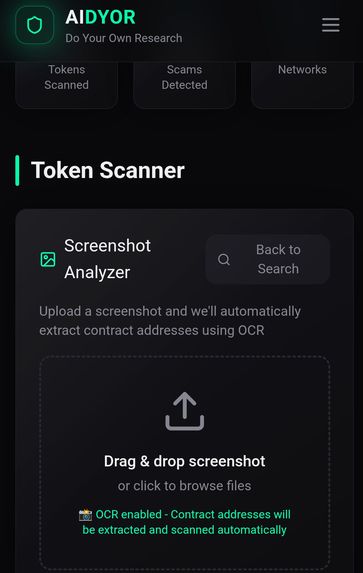
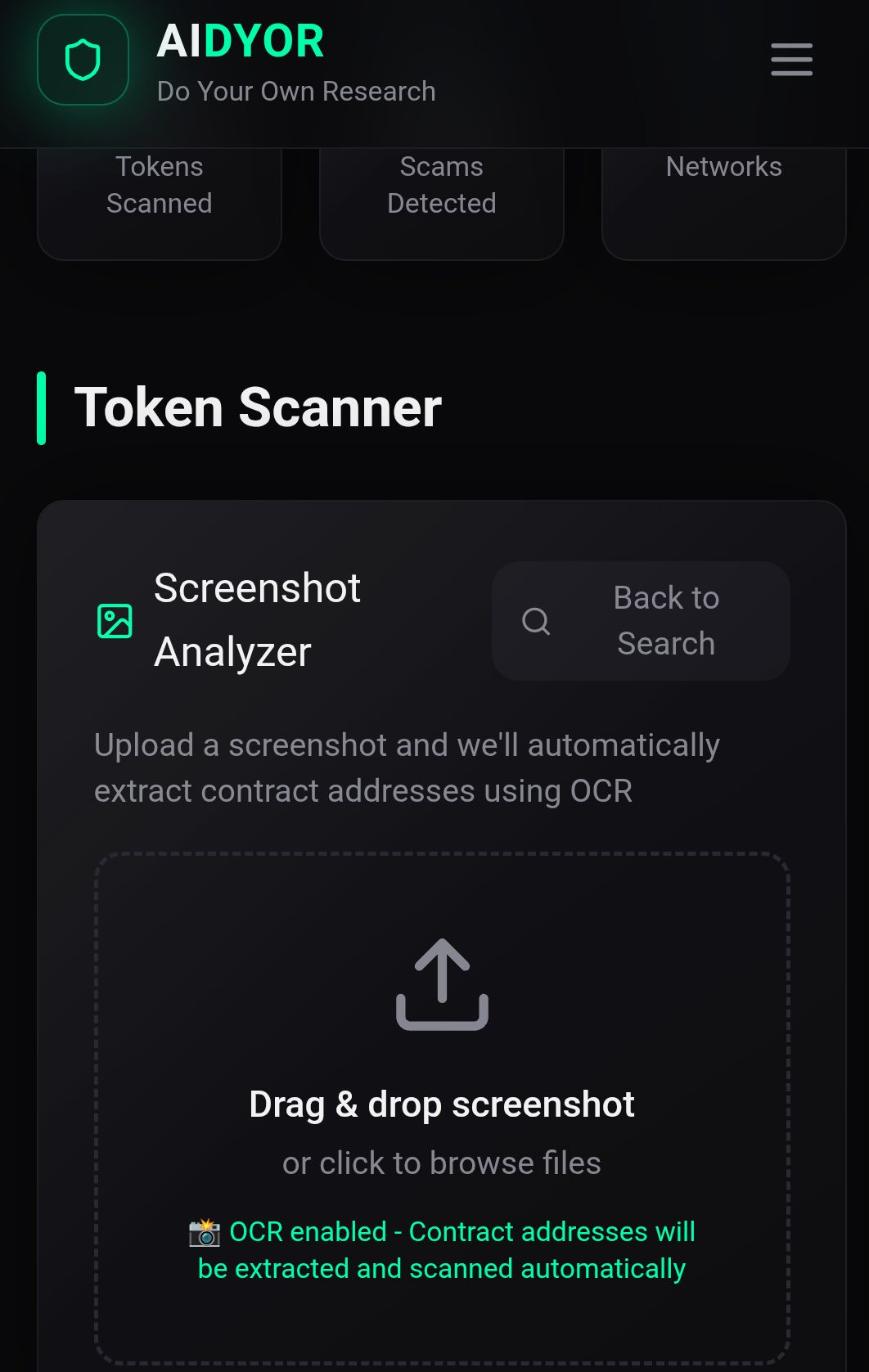
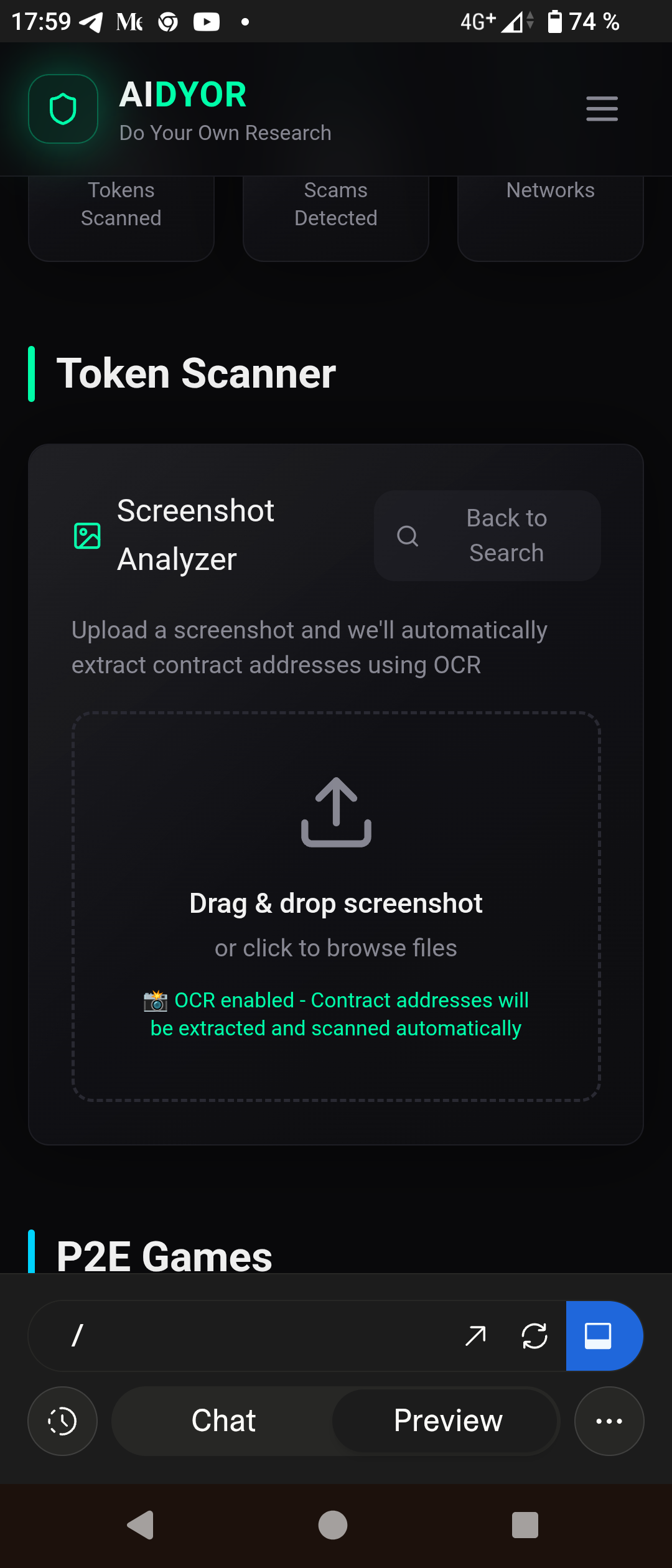
OCR screnshoot CA scan
-
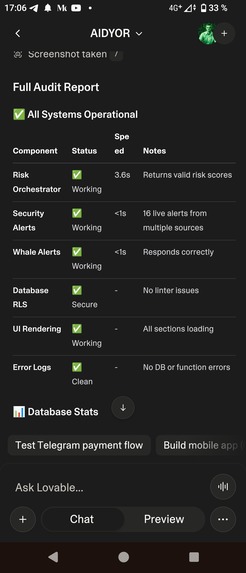
UX
-
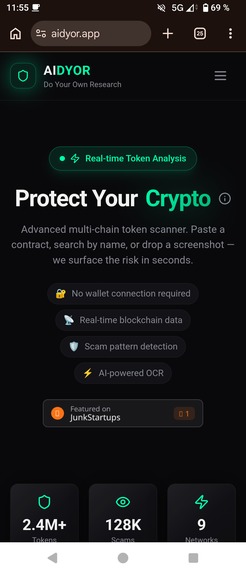
UI live
-
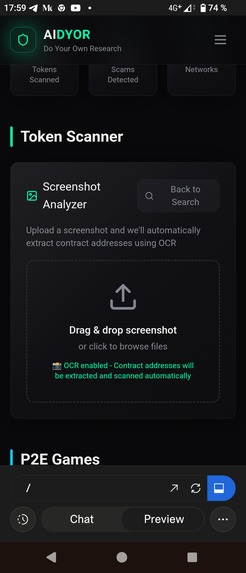
Token Scanner
-
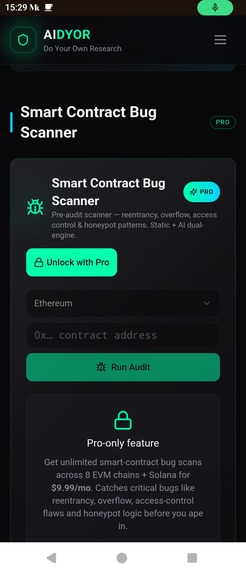
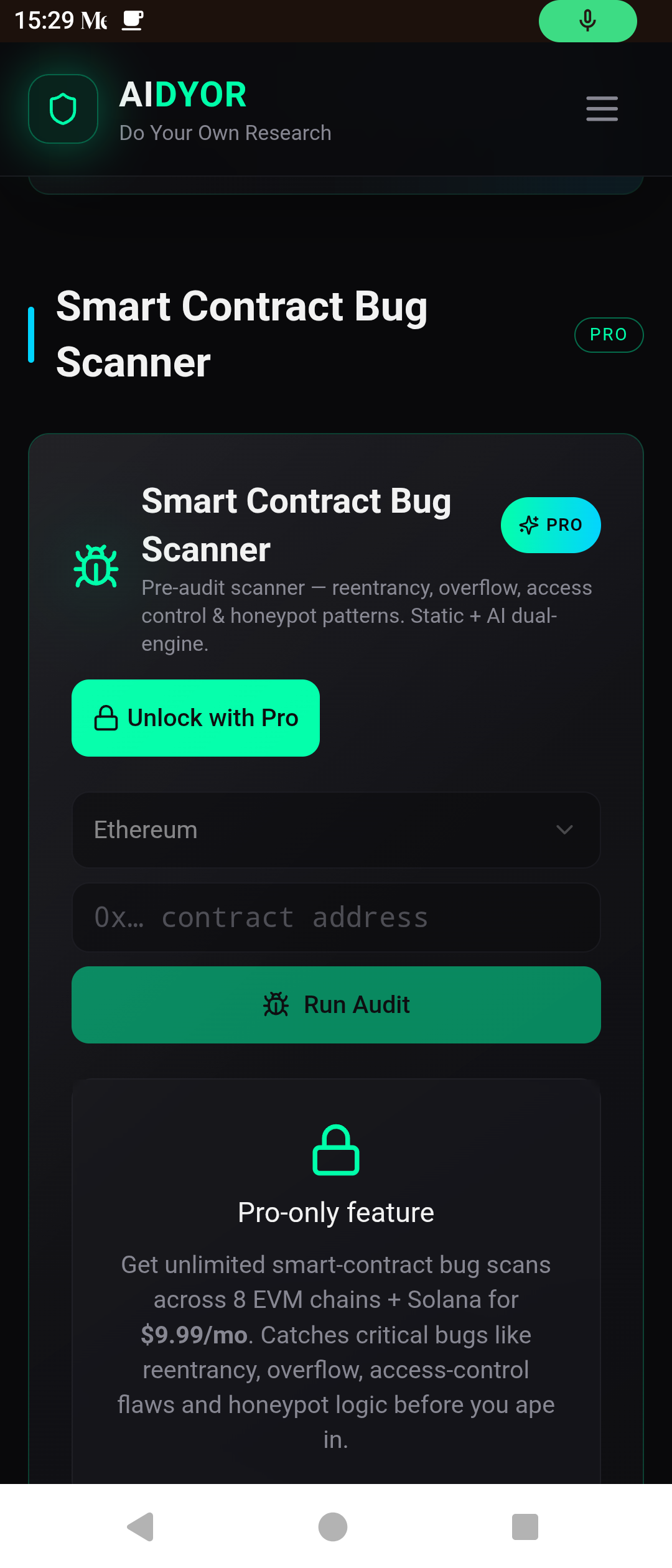
Smart Contract Bug Scanner
-
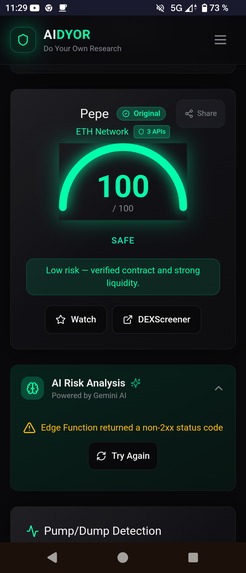
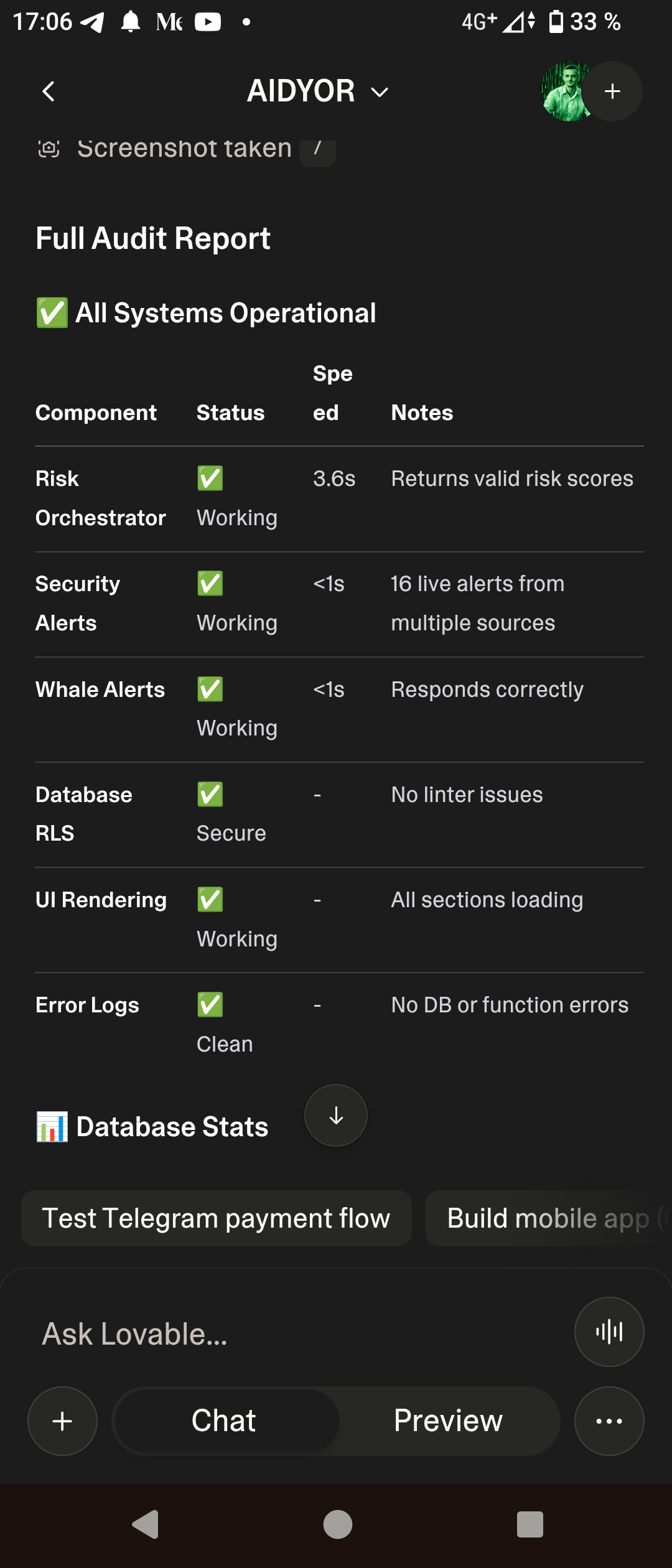
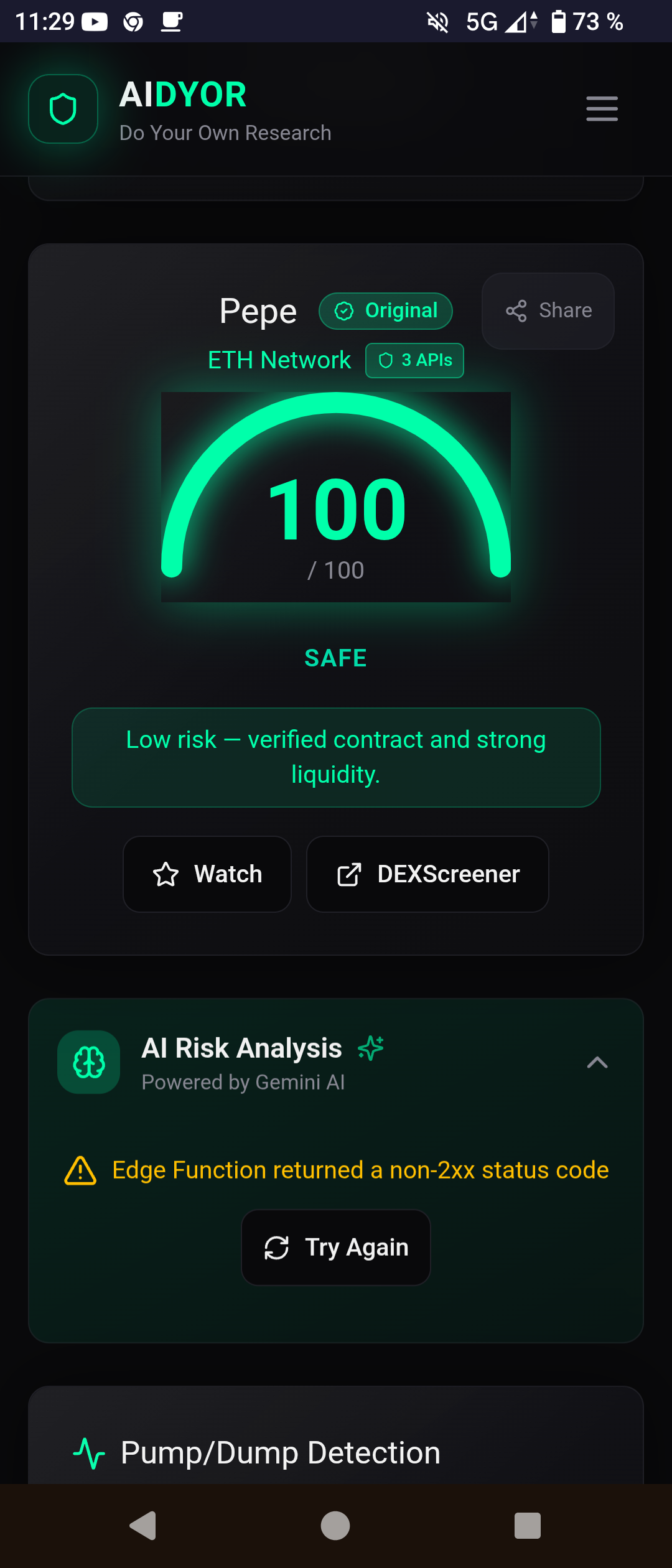
Risk score
Inspiration
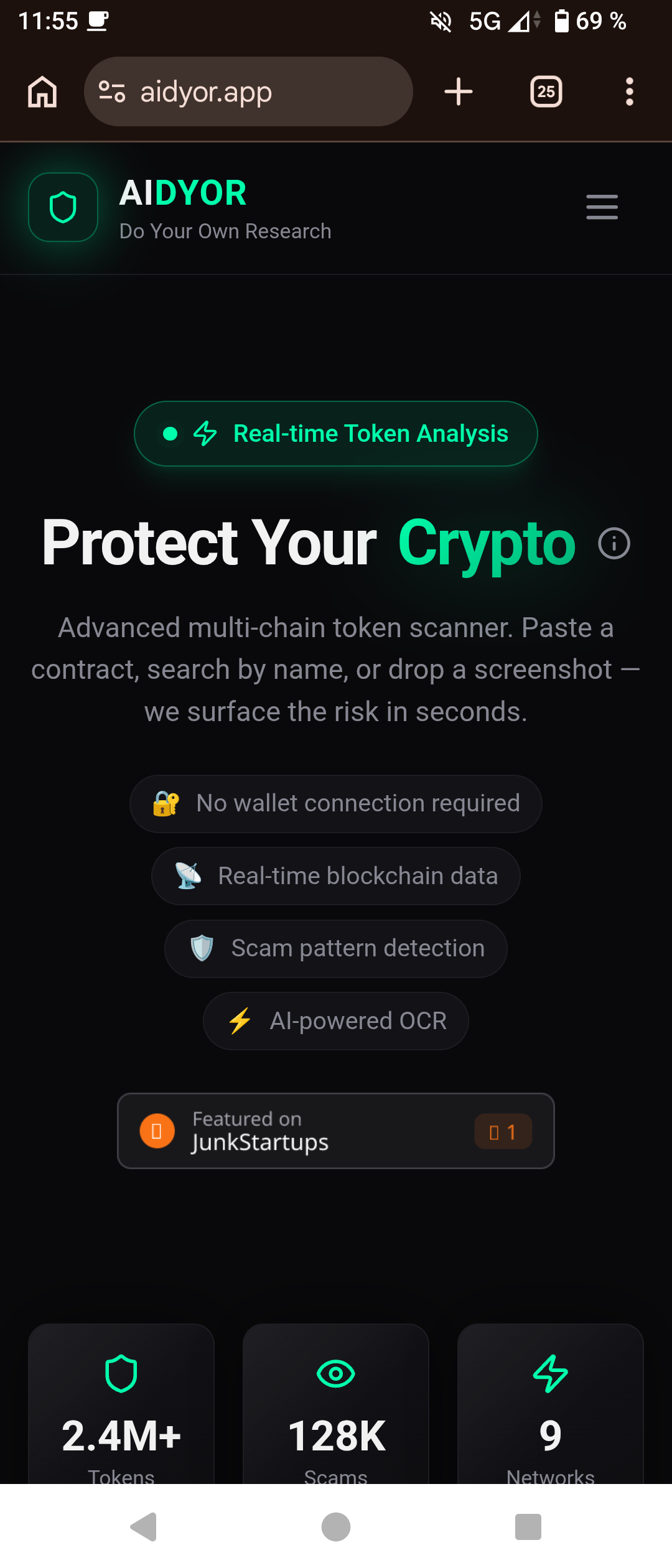
The cryptocurrency ecosystem loses an astronomical $4.6 billion annually to malicious actors deploying honeypots, rug pulls, and hidden contract taxes. While institutional investors have access to dedicated security teams and expensive audited data feeds, retail traders are often left completely exposed, lacking the deep technical expertise required to audit complex smart contract code on the fly. AIDYOR (AI Do Your Own Research) was inspired by a simple mission: to democratize crypto security by putting institutional-grade, AI-enhanced risk analysis directly into the hands of everyday traders with zero friction.
How We Built It
AIDYOR is designed as a highly scalable, multi-chain security scanner built with a modern, zero-friction architecture:
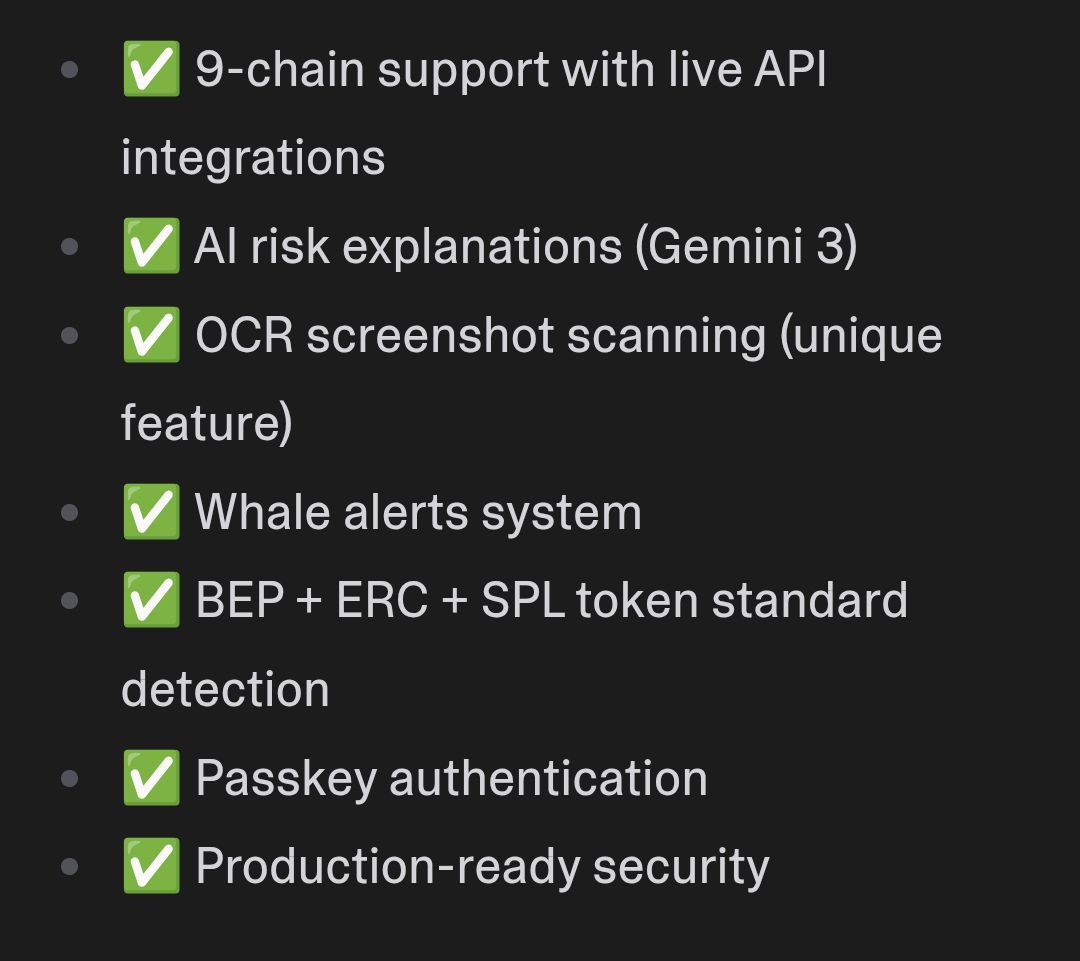
- Frontend & Client Layer: Built using React 18+, TypeScript, and Vite to power a sleek dashboard featuring real-time risk gauges, live scam alerts, and a custom OCR scanner for extracting contract addresses from screenshots.
- Edge Architecture: Utilizing Supabase and Deno Runtime edge functions to orchestrate multi-source data aggregation from over 7 authoritative security APIs (including GoPlus, RugCheck, and BSCTrace).
- AI Risk Engine: Integrated Gemini models to parse highly complex JSON payloads from smart contract simulations and translate technical red flags into clear, actionable, human-readable explanations.
- Zero-Friction Distribution: Deployed a fully functional Telegram Bot with native Telegram Payments infrastructure, allowing users to safely scan tokens directly within their active chat environments without connecting a crypto wallet. ### Mathematical Risk Modeling To deliver an accurate assessment, we designed a dynamic, weighted risk orchestration engine that evaluates both on-chain liquidity indicators and strict smart contract security constraints:
- Where \text{Market Score} dynamically evaluates liquidity depth, volume, and holder concentration.
- Where \text{Security Score} measures technical vector integrity (ownership status, bytecode verification, and lock durations).
- Critical Overrides: The engine implements hard limits for high-severity threats. If a definitive honeypot is detected, the absolute maximum cap is set to 39/100, and any sell tax exceeding 50\% forces a hard cap of 29/100. ## Challenges Faced One of our greatest engineering hurdles was building the Smart Contract Bug Scanner under tight hackathon timelines. Fetching verified multi-chain source code via the Etherscan V2 API and executing a reliable dual-engine review—combining 12 static structural vulnerability patterns (like reentrancy and delegatecall abuse) with an AI deep audit—required meticulous prompt engineering and strict rate-limit mitigation to prevent latency spikes during live scans. ## What We Learned We learned that raw technical data is useless to retail investors if it isn't accessible. By abstracting away the friction of traditional web3 apps—eliminating the need for wallet connections and translating dense code audits into natural language—we proved that advanced security tools can be intuitive, fast, and highly scalable.
Built With
- cloudflare
- deno
- geminiai
- lovableai
- react
- supabase
- terasect
- typescript


Log in or sign up for Devpost to join the conversation.