-
-
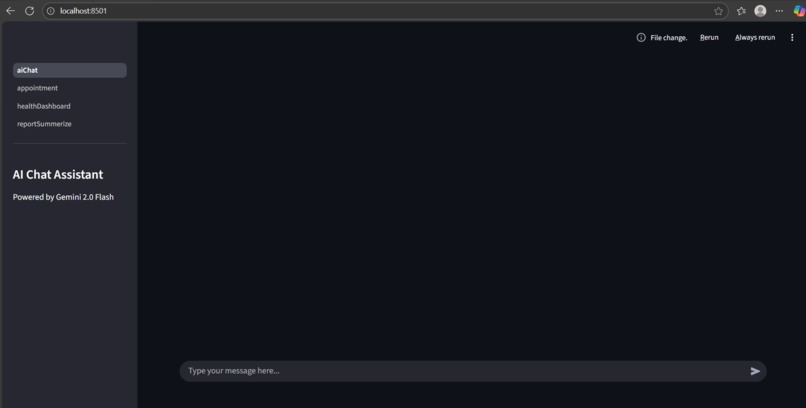
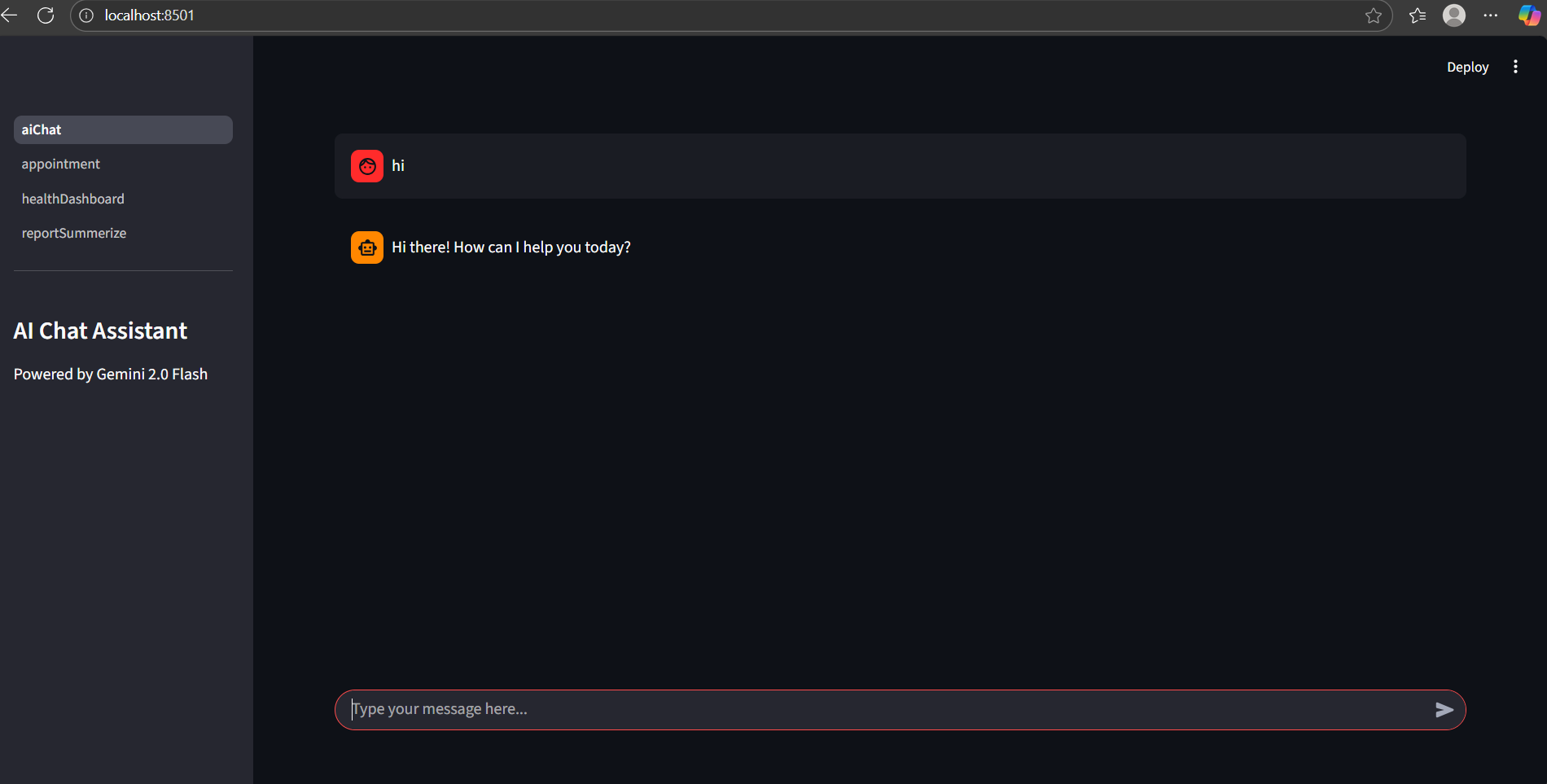
This is the first look of the web AIDoc,and i try to make it look simple.
-
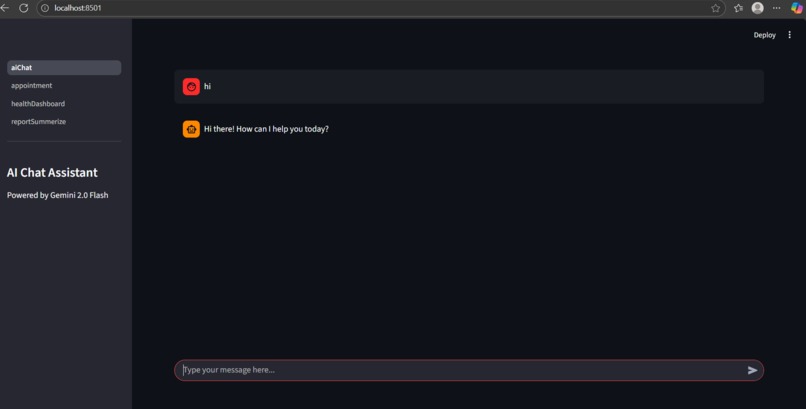
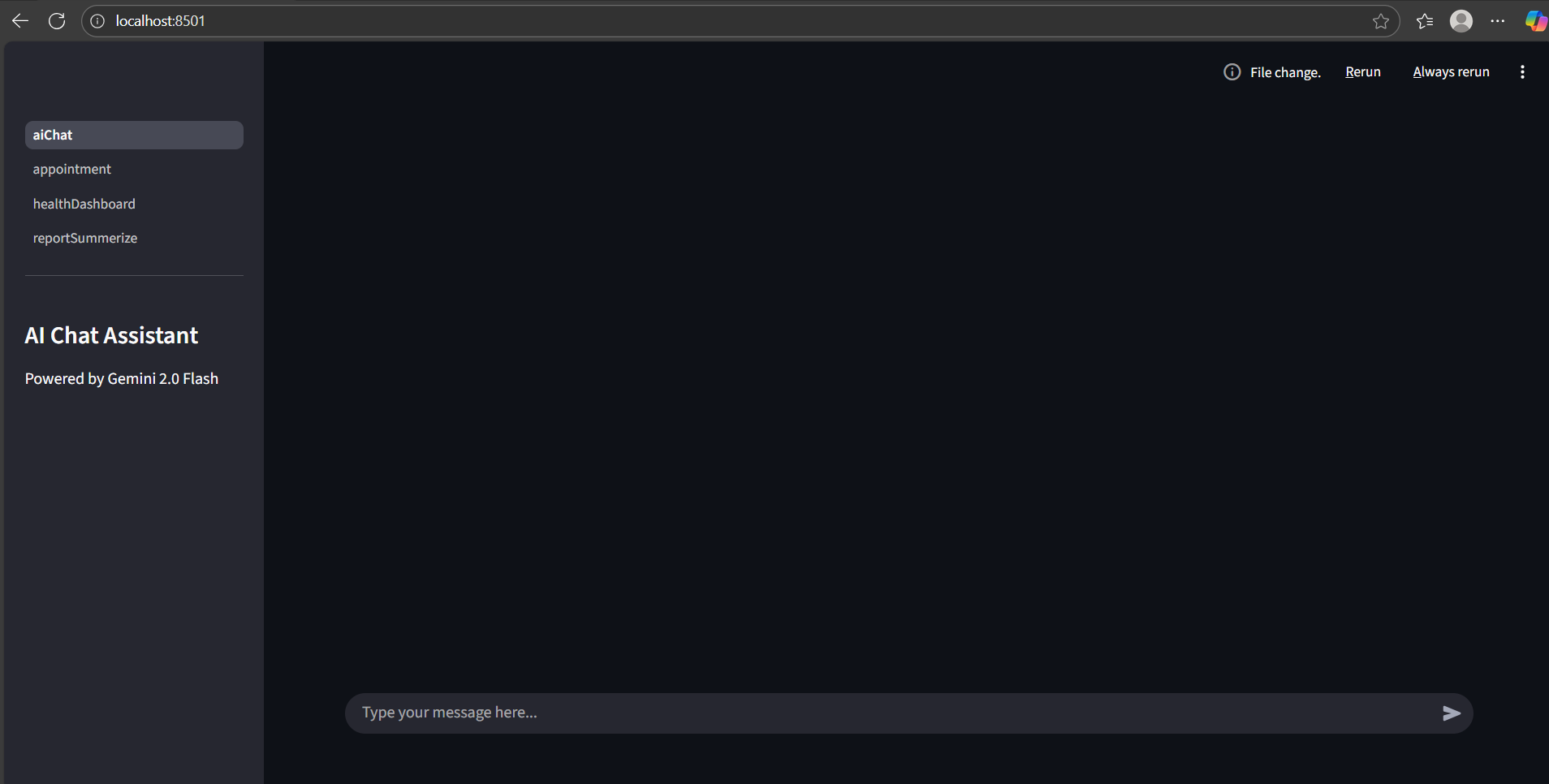
so this is the sample od ai chat and it really work so good that anyone can understand .
-
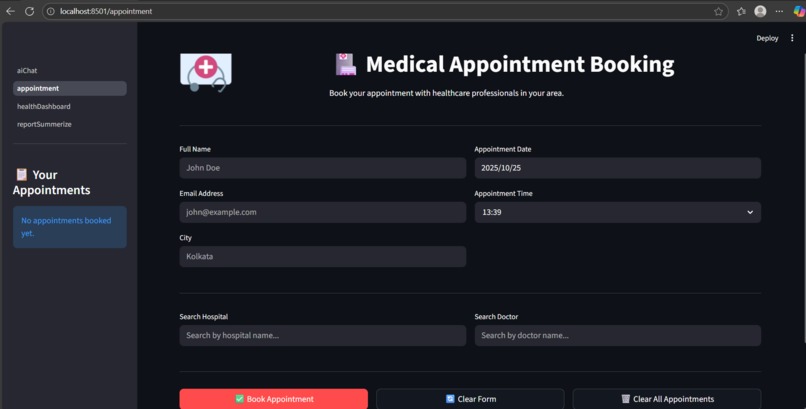
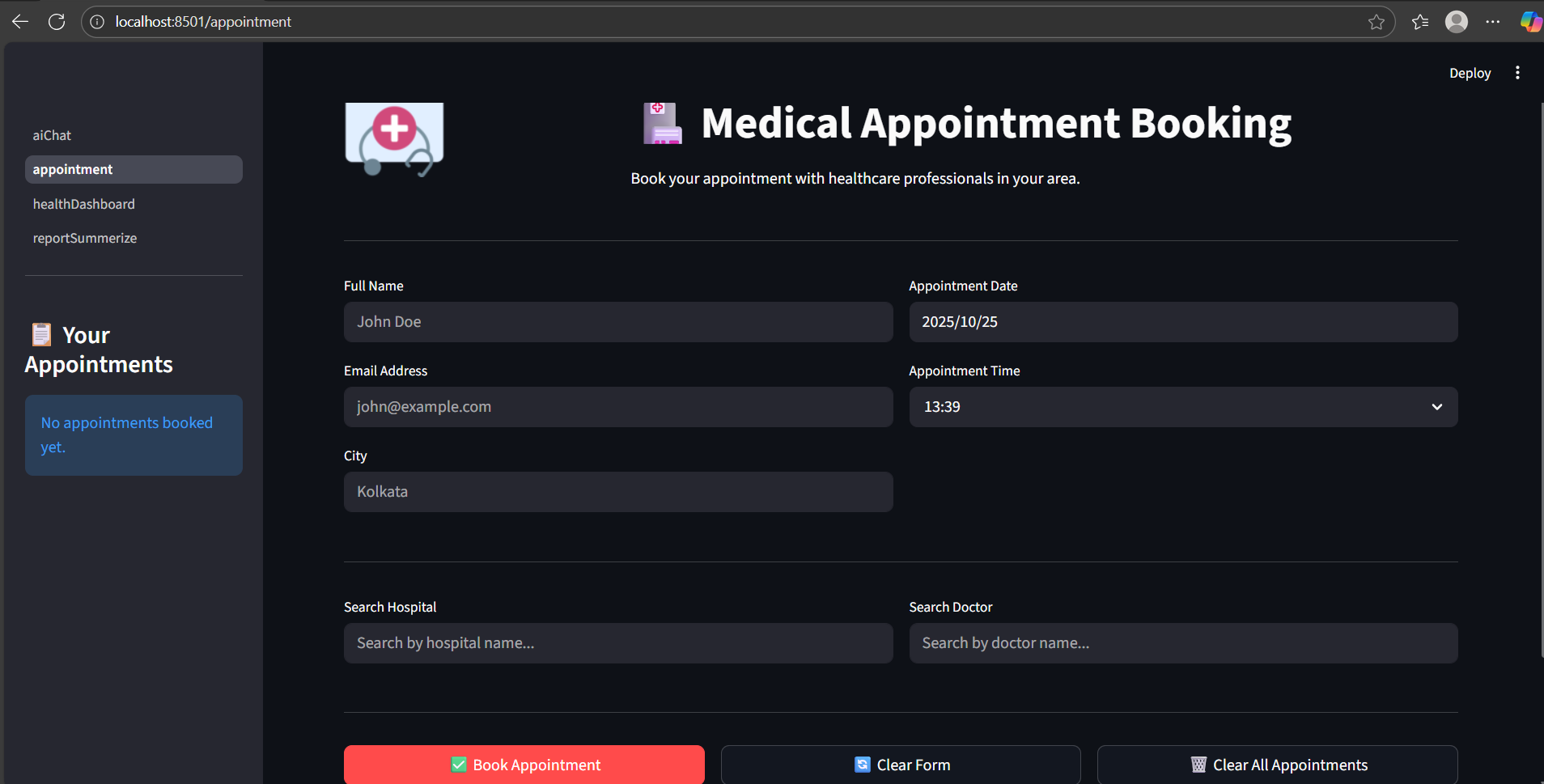
This is the second page that use to book any appointment to any doctor.
-
-
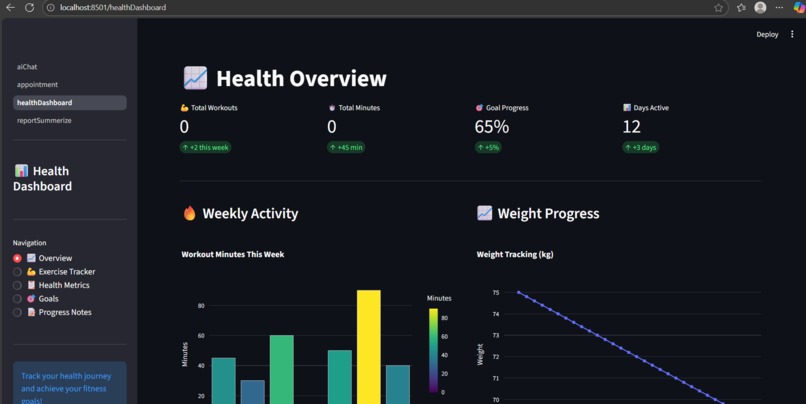
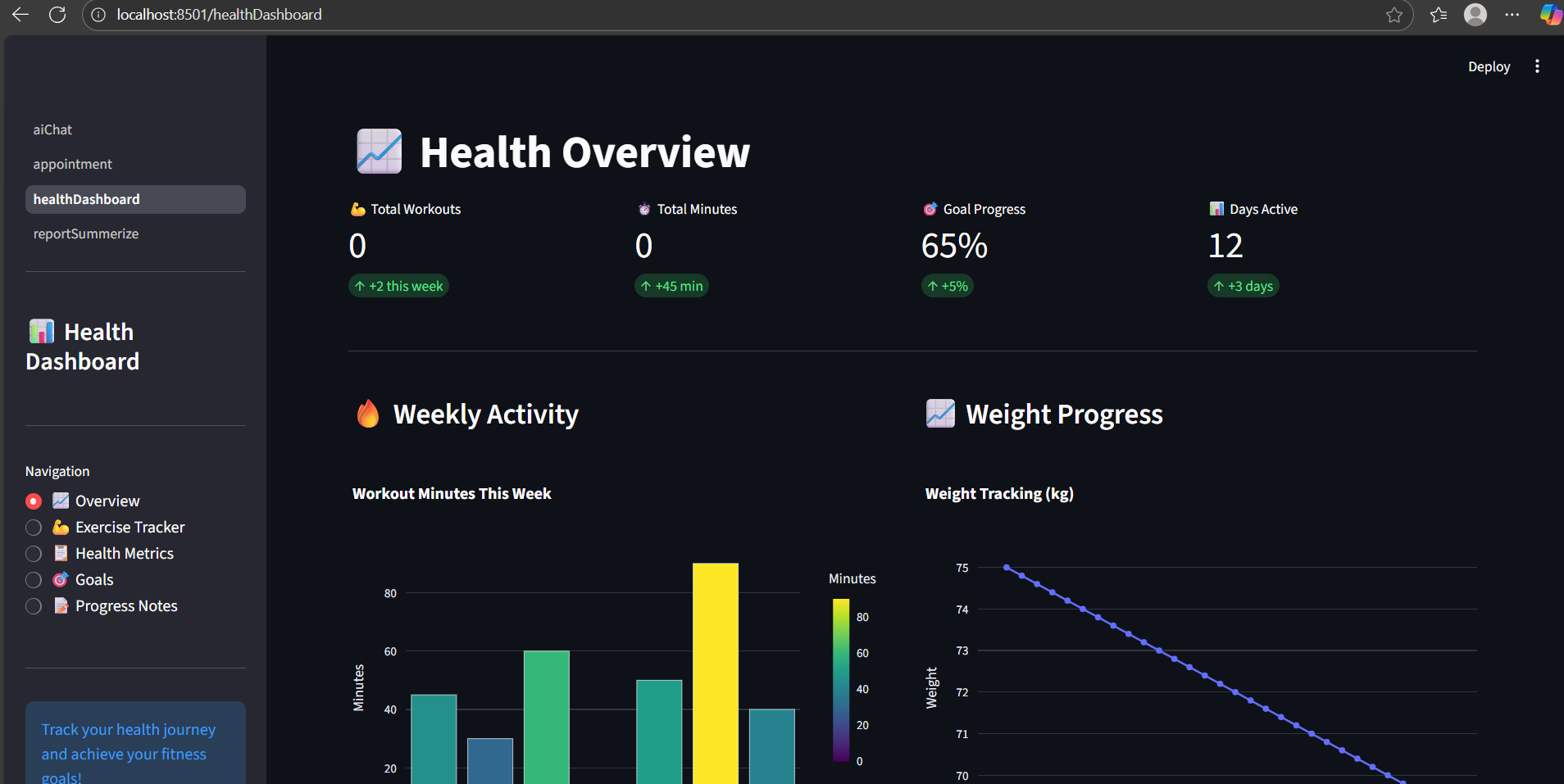
it is the health dashborad that has many option and analyzing tools.
-
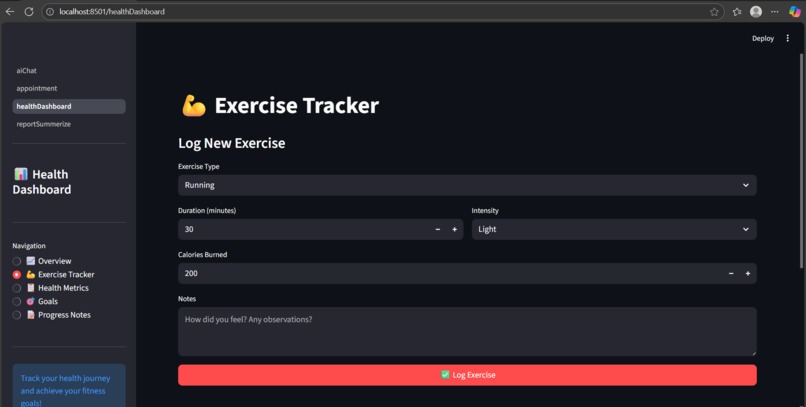
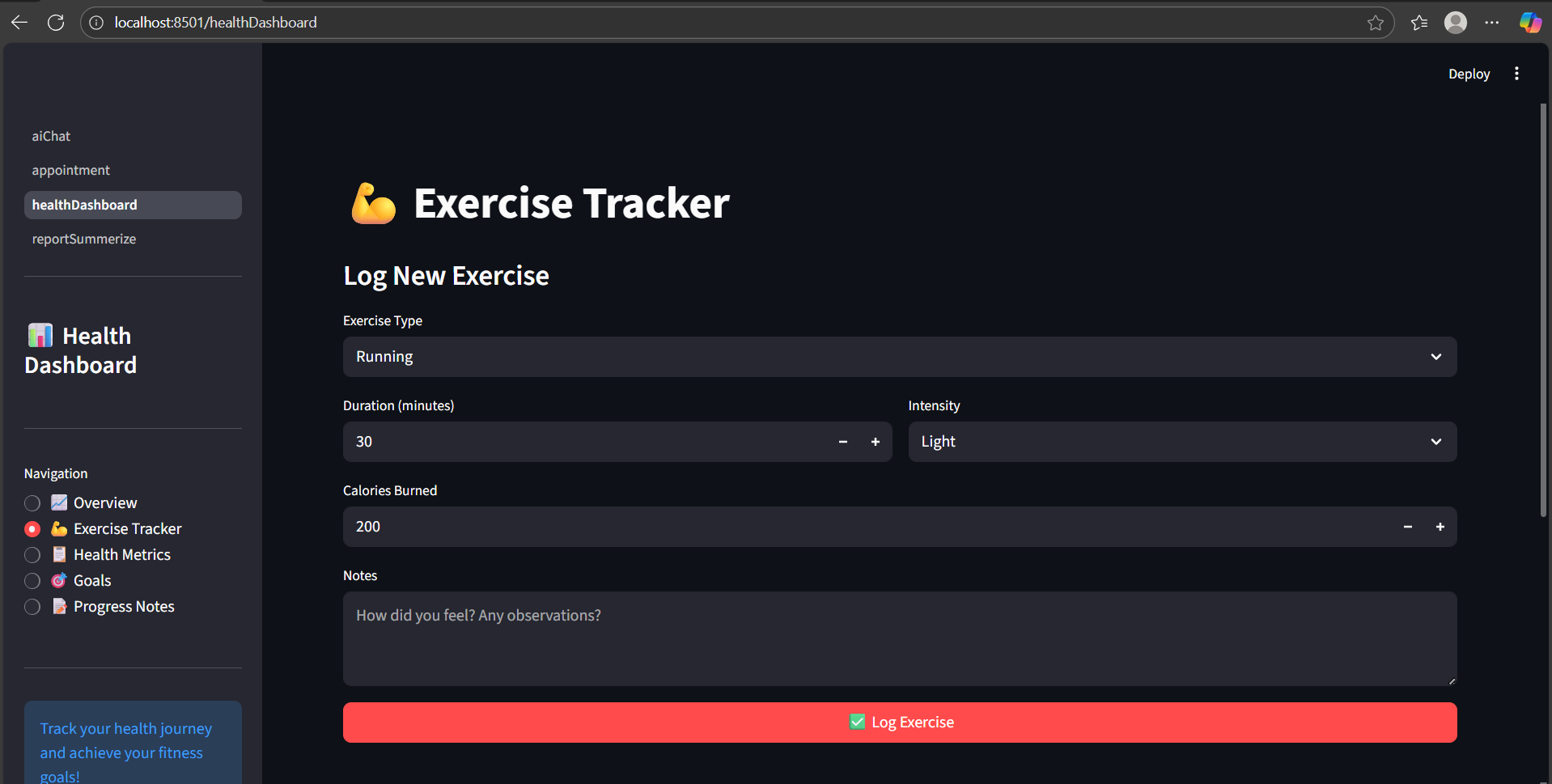
So, this is the excercise tracker that track your excercise time and all .
-
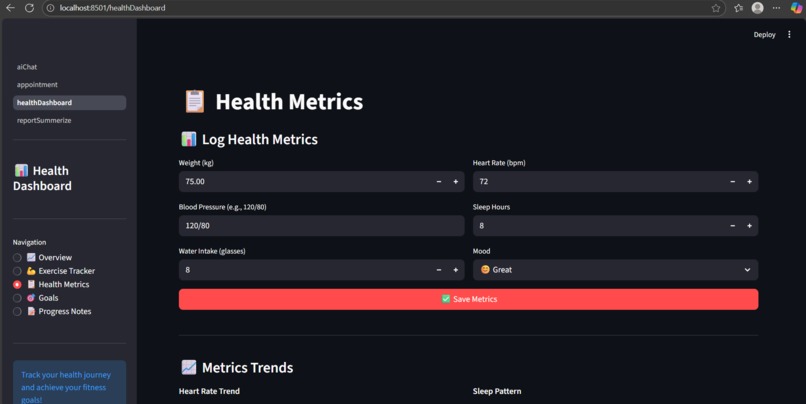
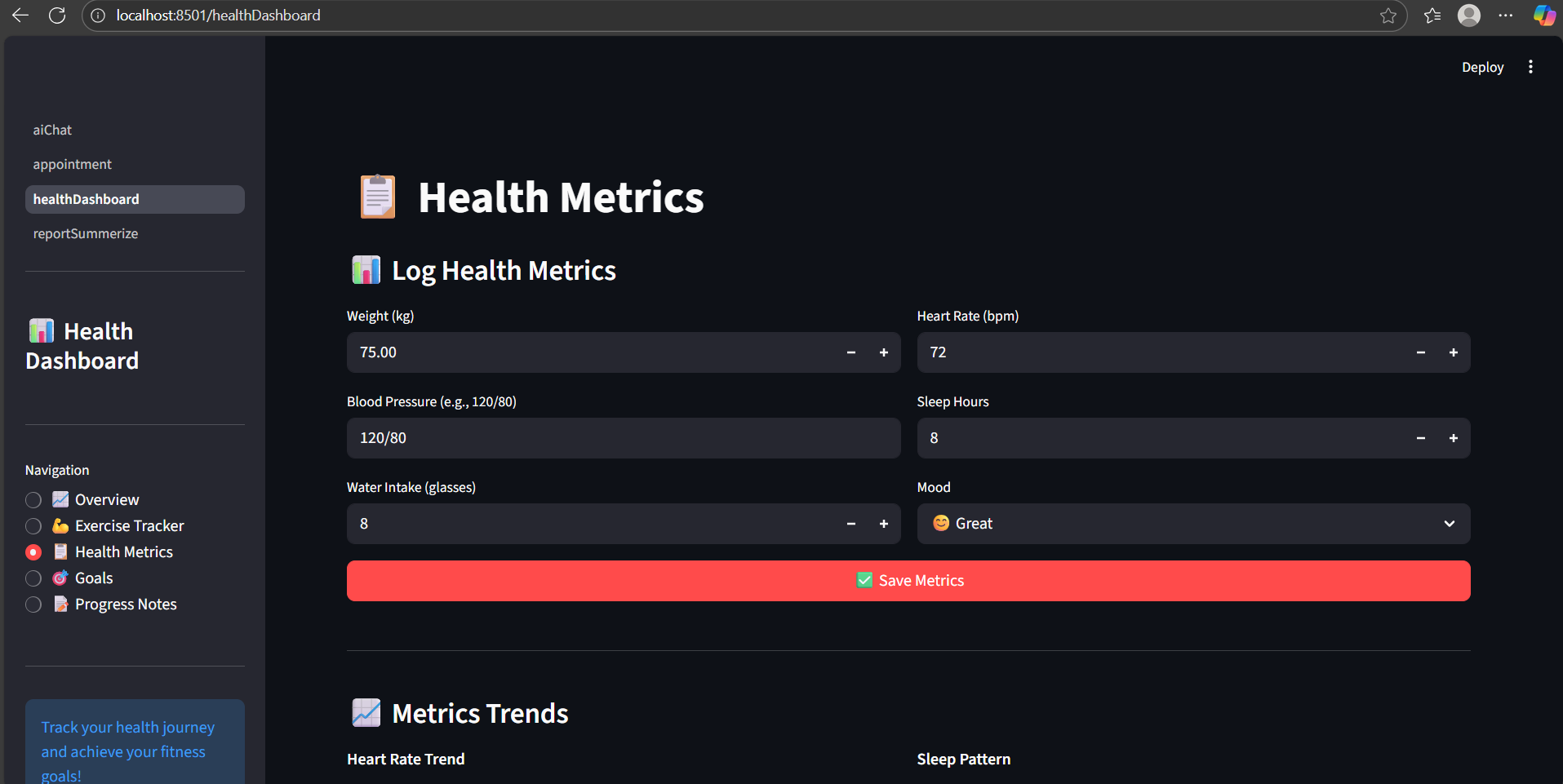
This page consist your basic physical and mental details and user can see their all thing in analytic form.
-
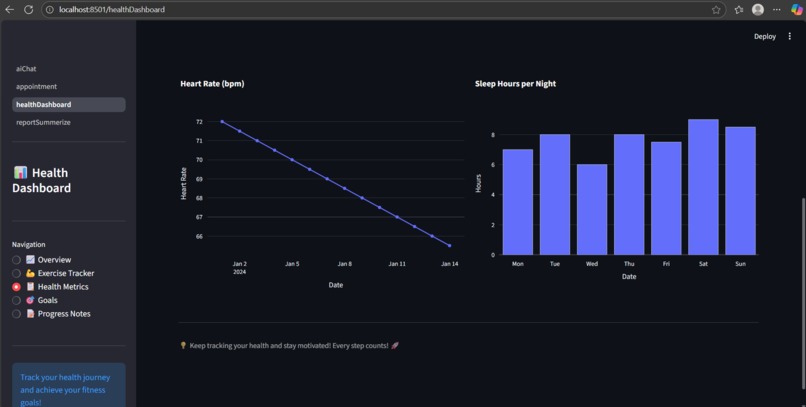
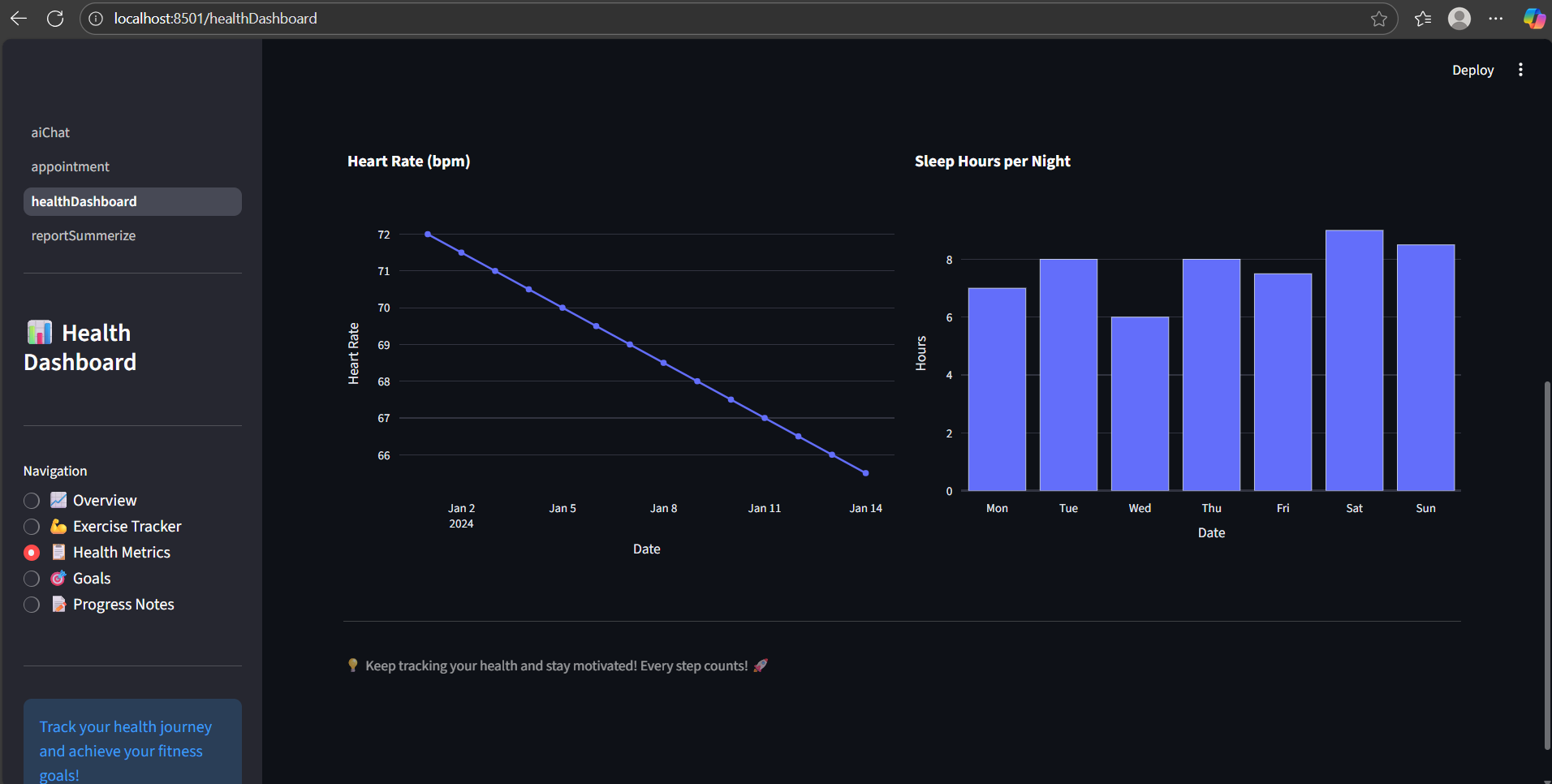
this is ui that show what is the user heart rate and sleeping cycle.
-
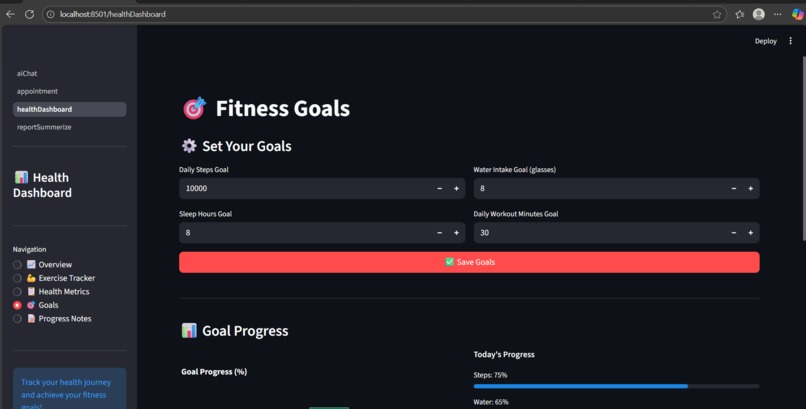
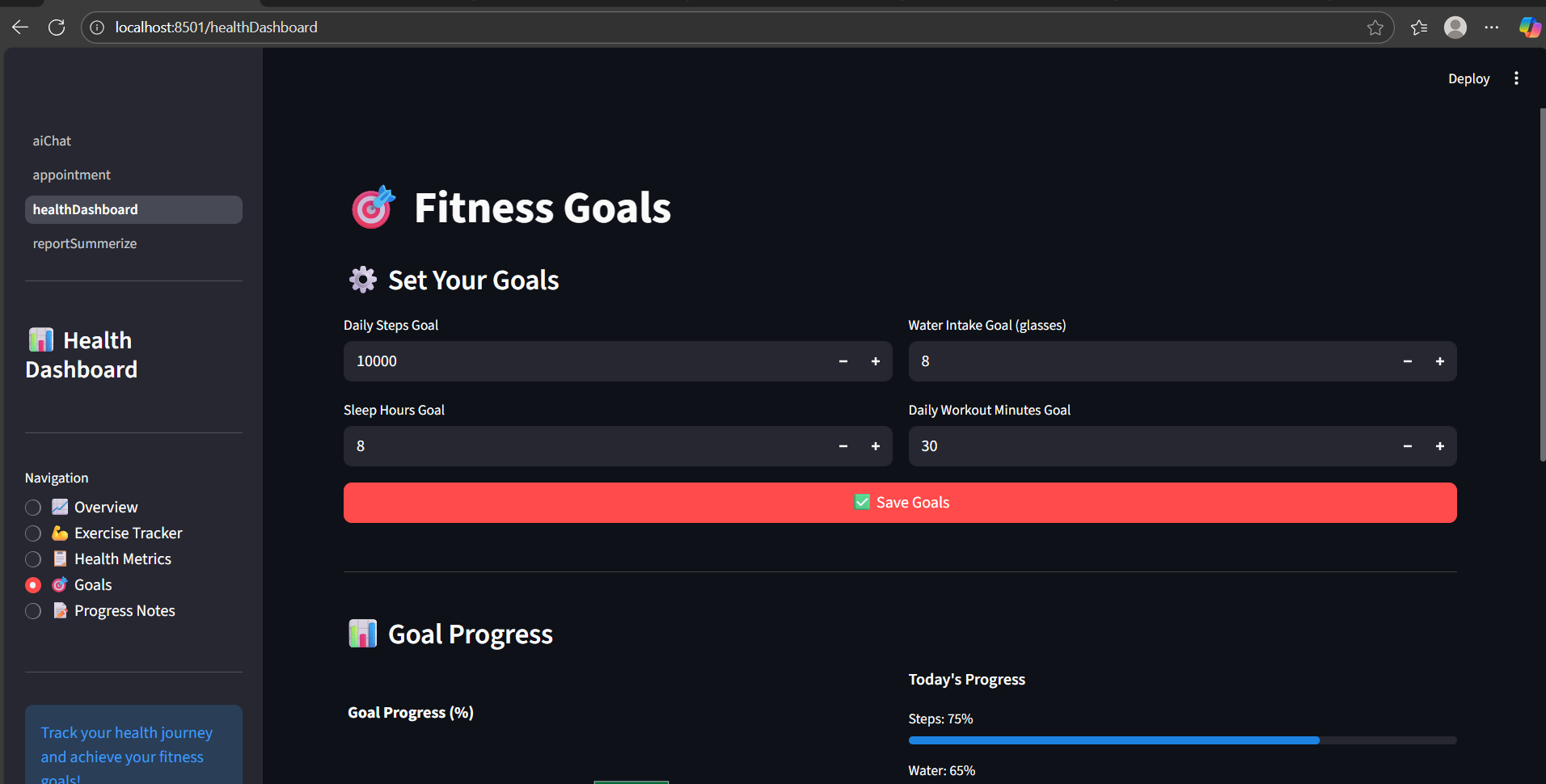
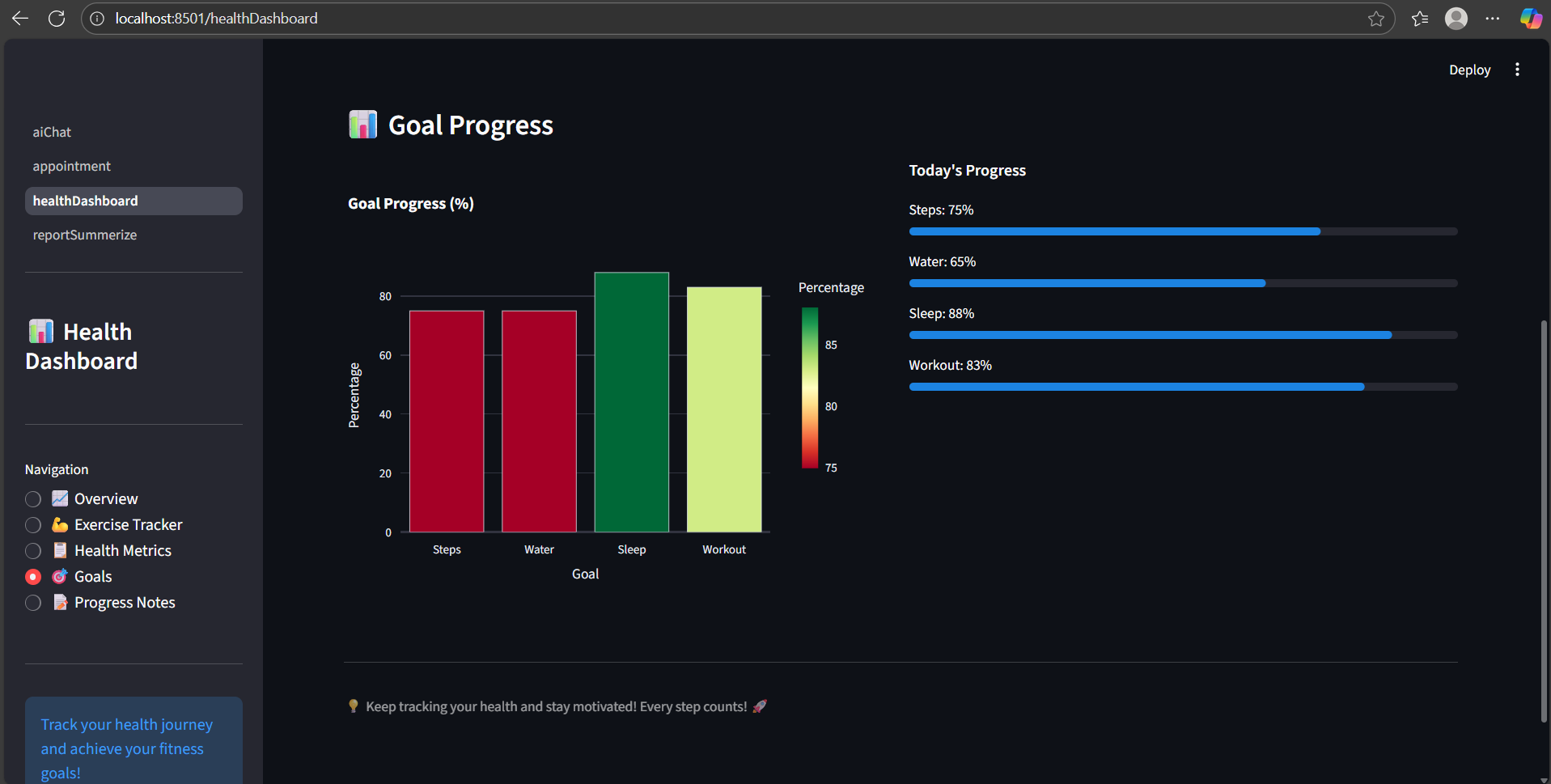
it is the user fitness goals page and it also shows the progress.
-
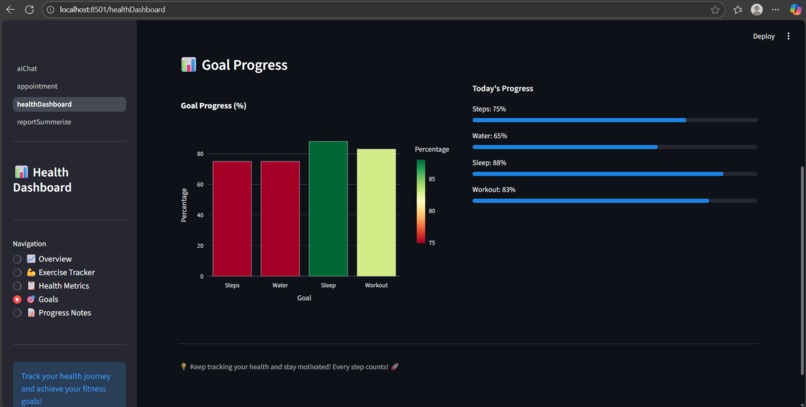
This is how the representation look like.
-
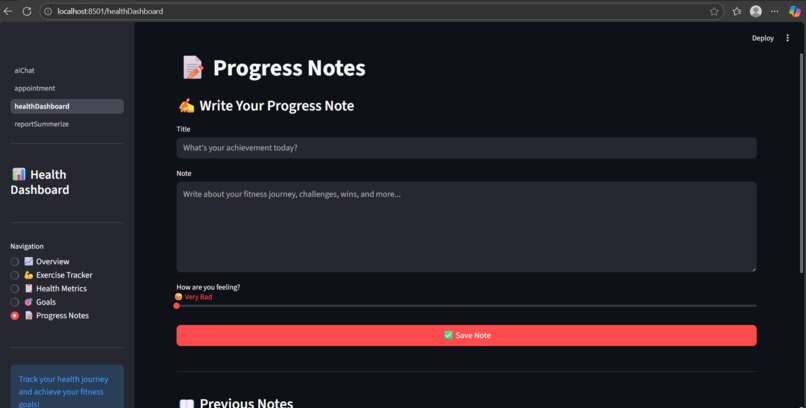
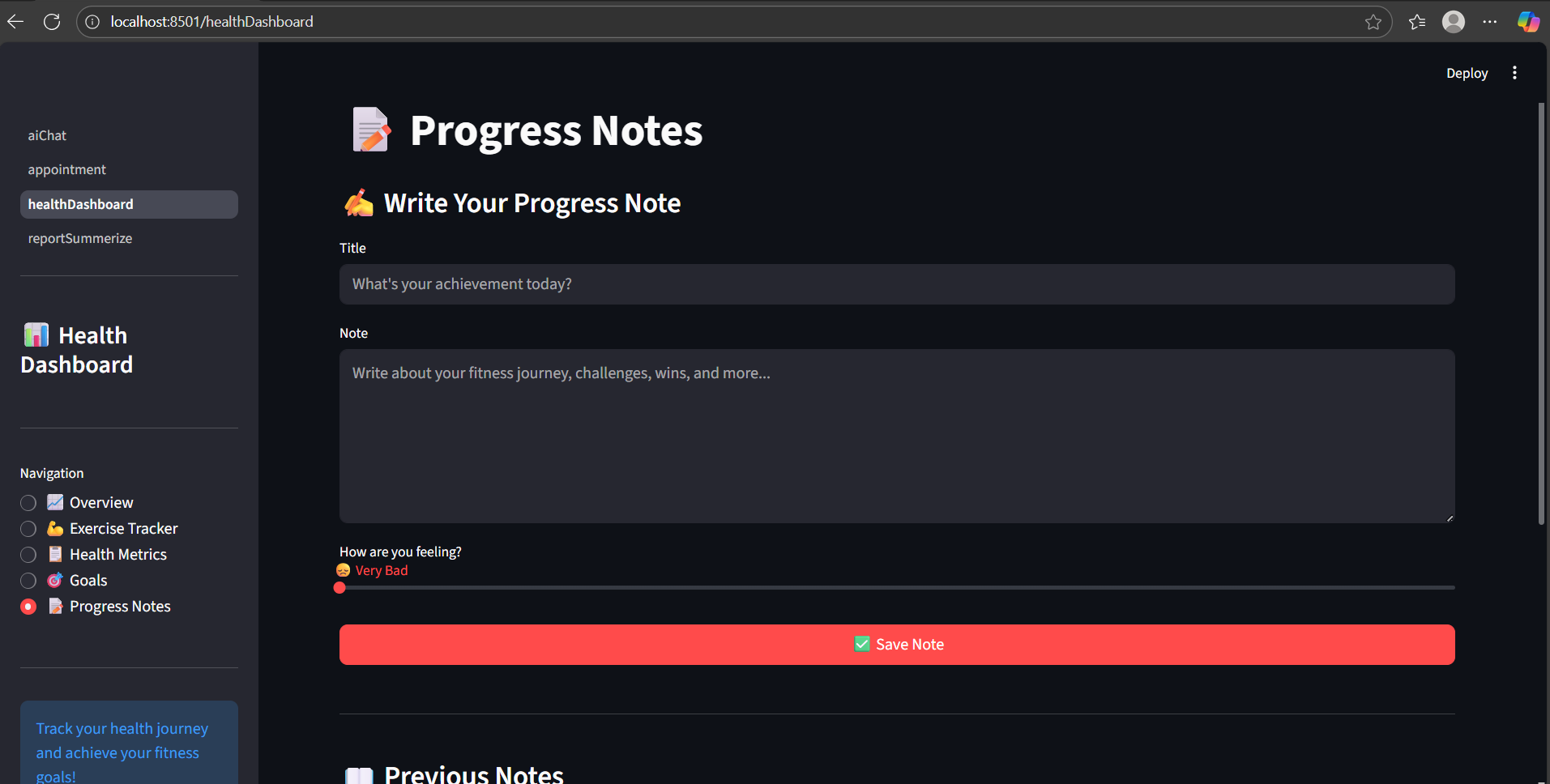
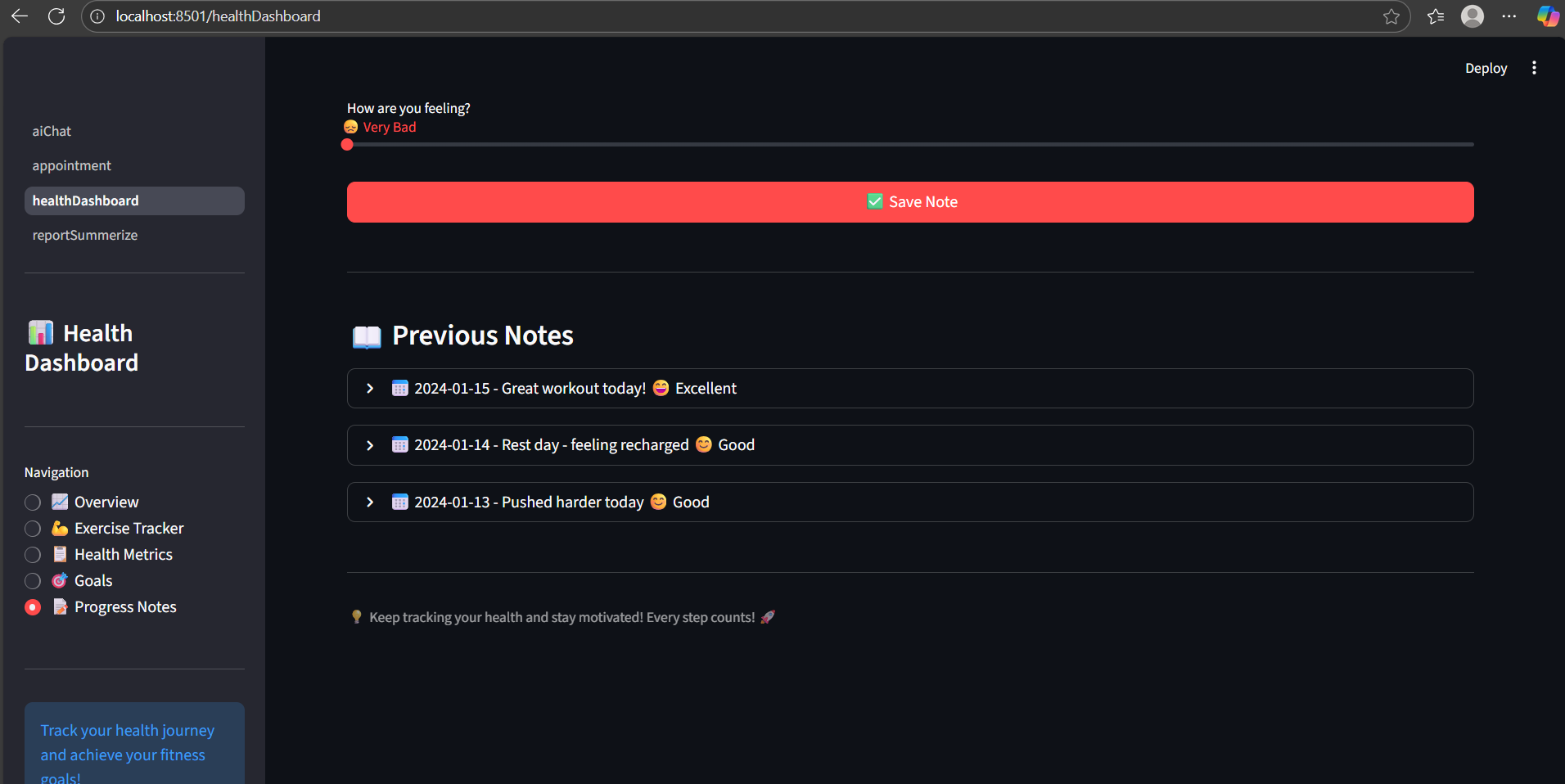
It has also a progress note page where user can share their progress according to them.
-
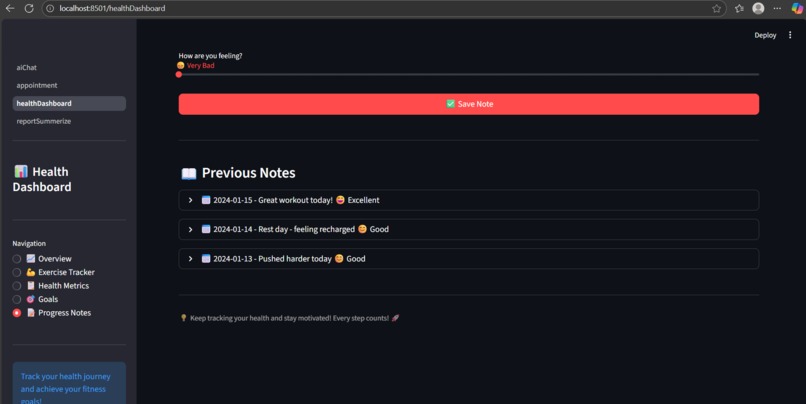
it has all the history of your progress.
-
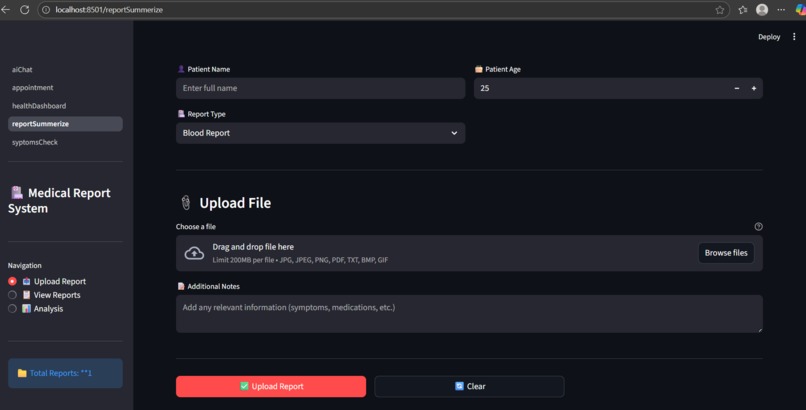
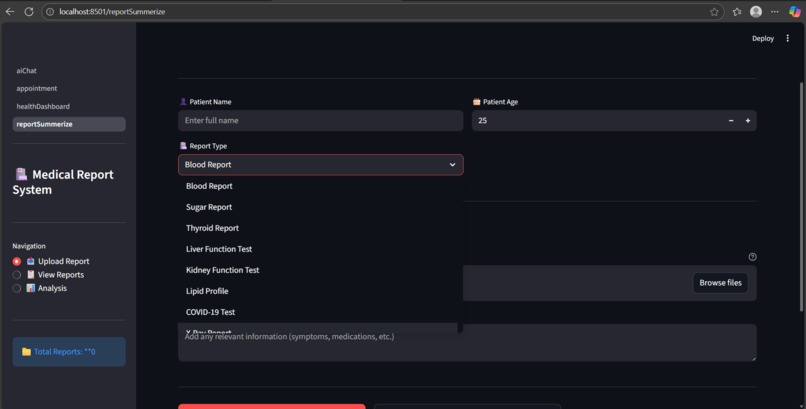
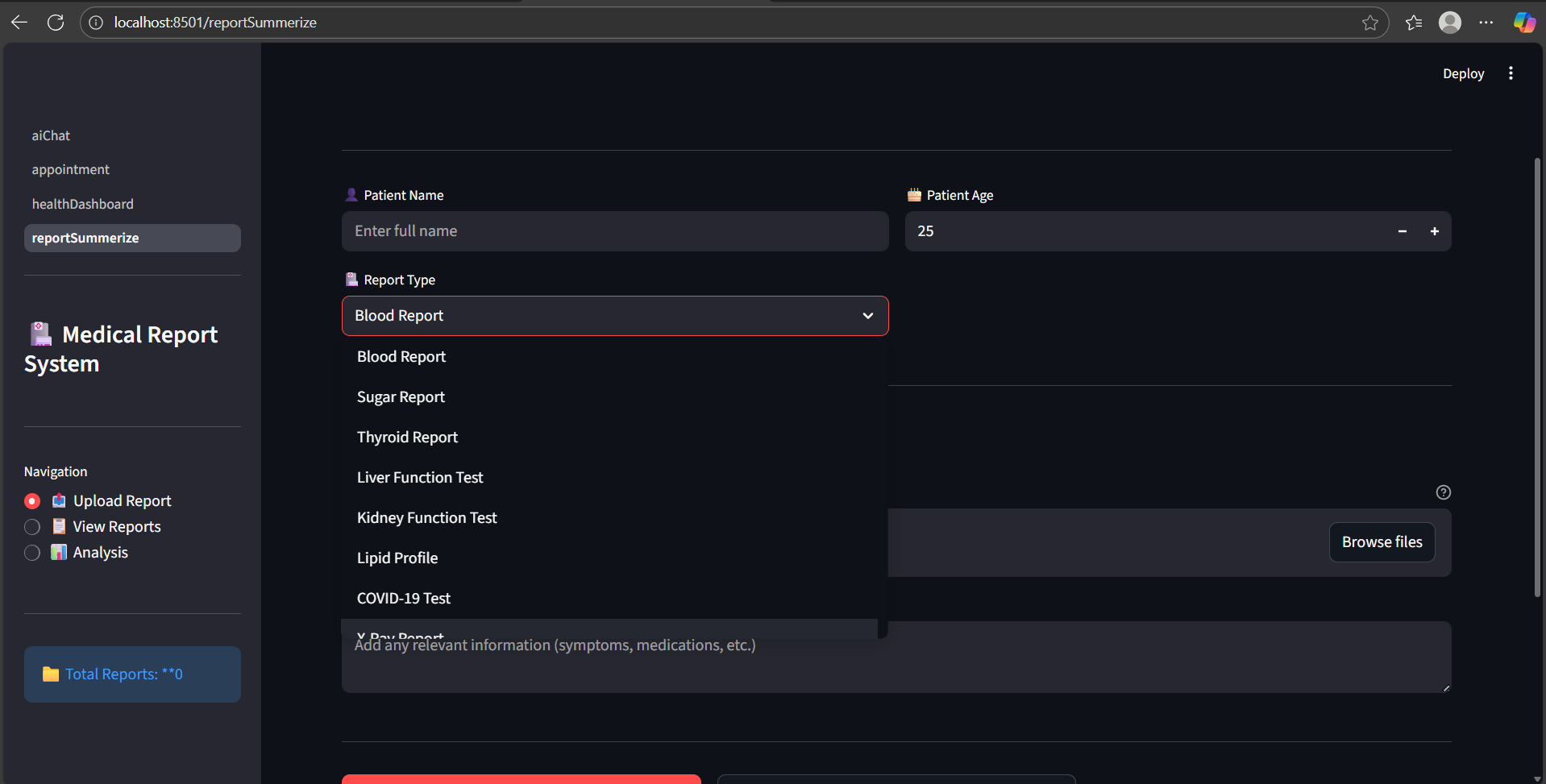
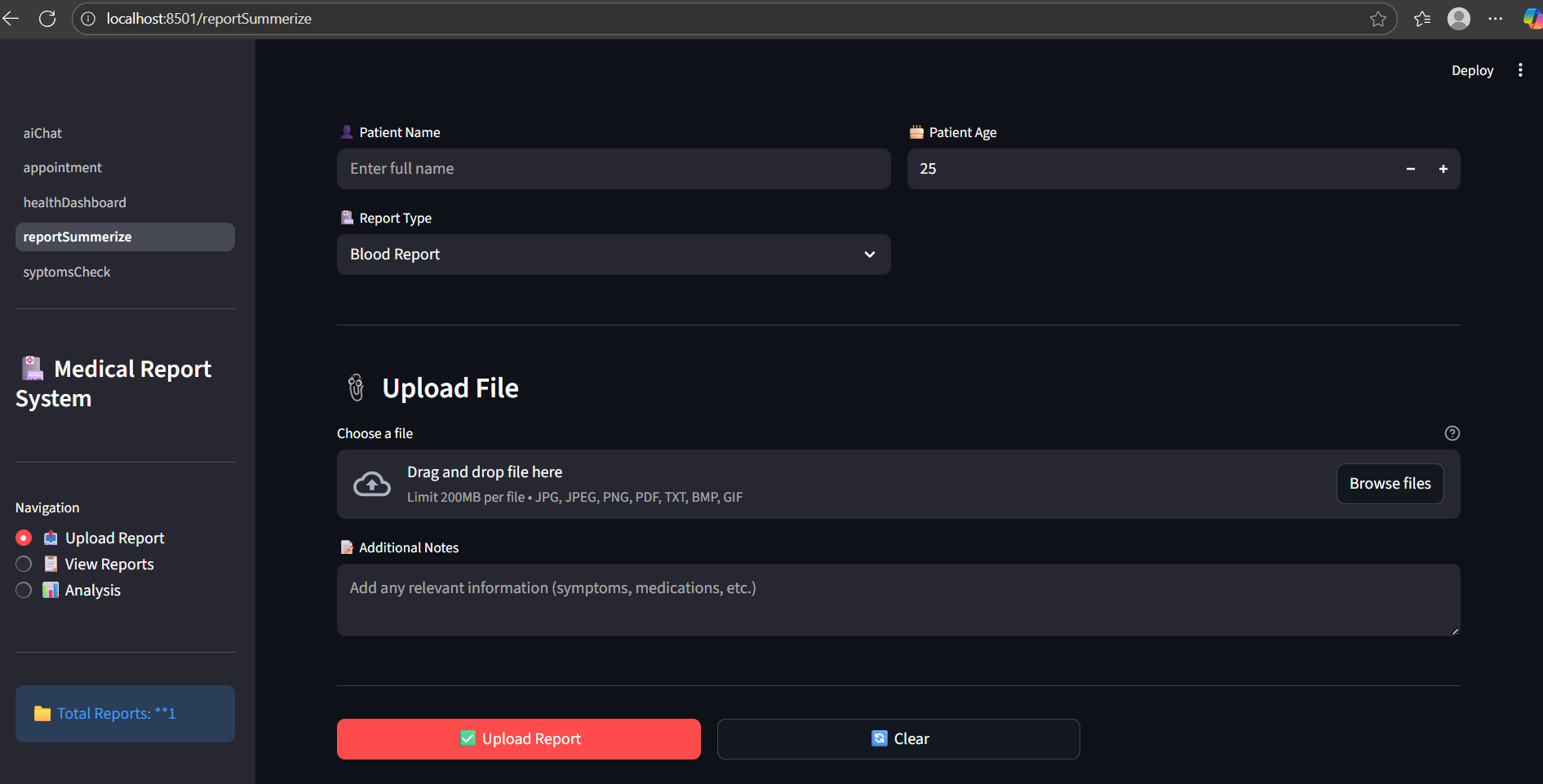
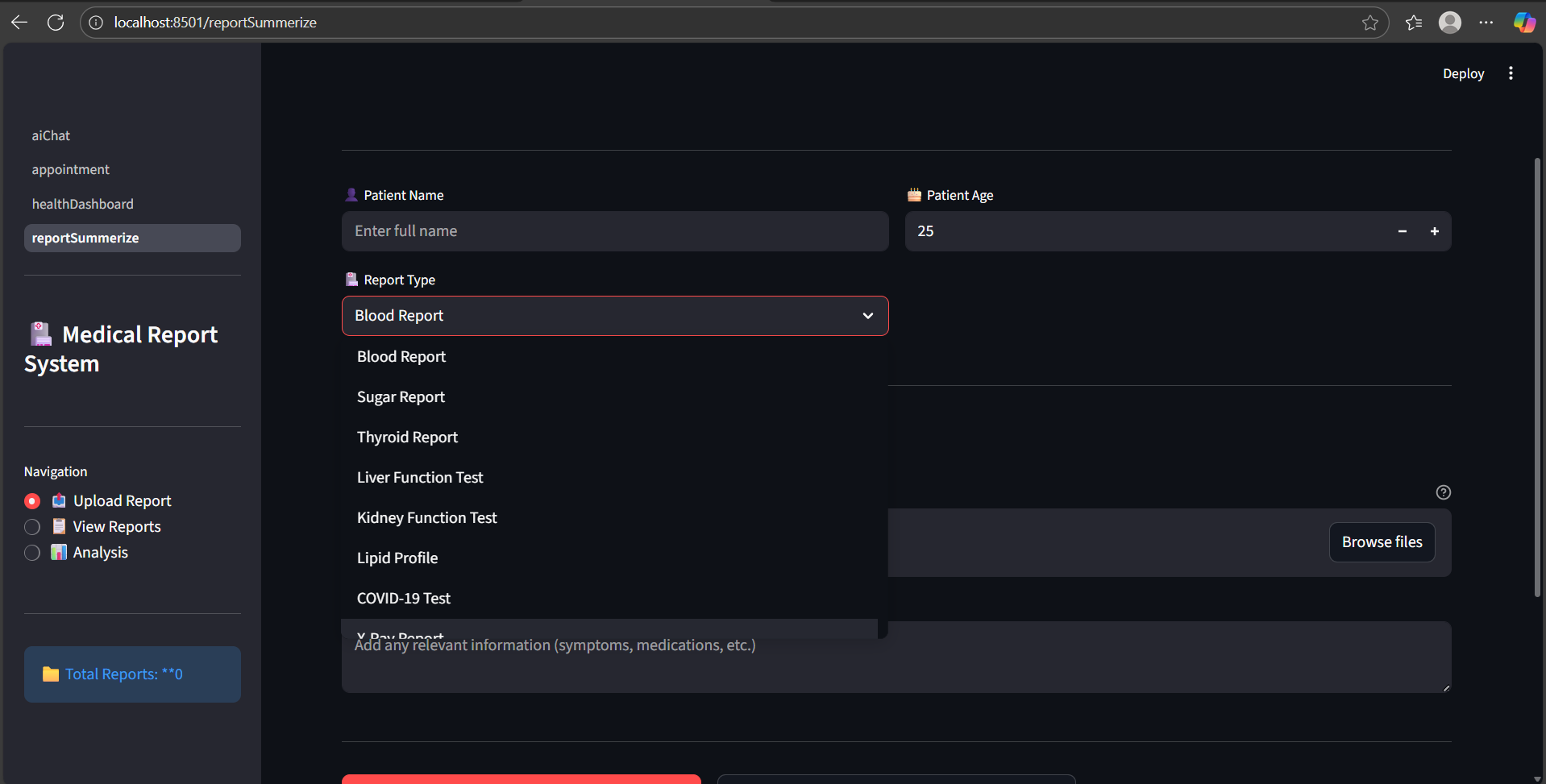
This is the last page that has feature to analyze medical reports.
-
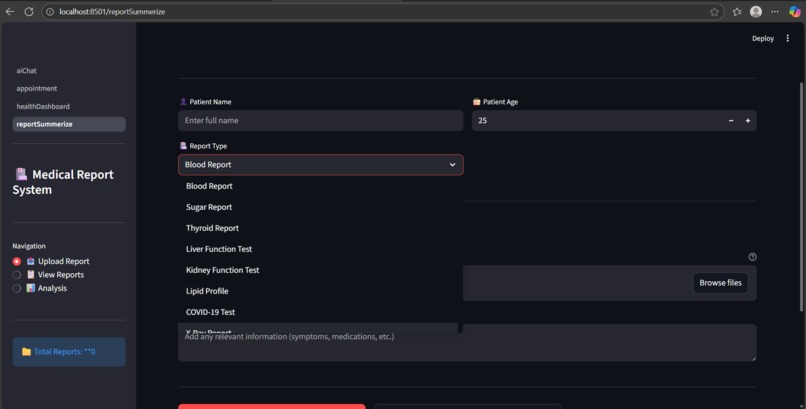
it has option to analyze a lot of types of reports.
-
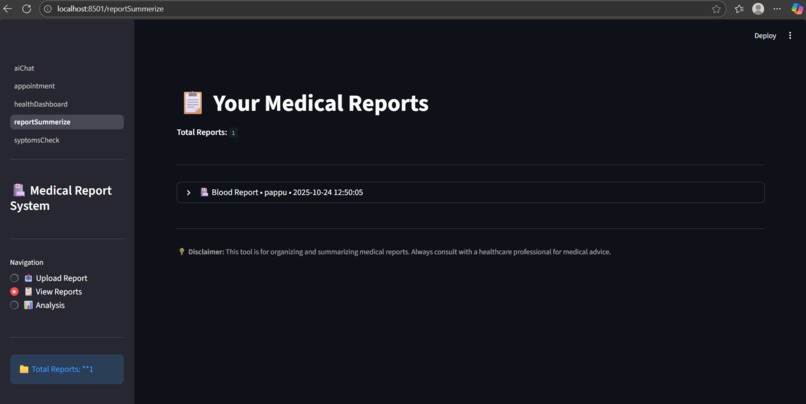
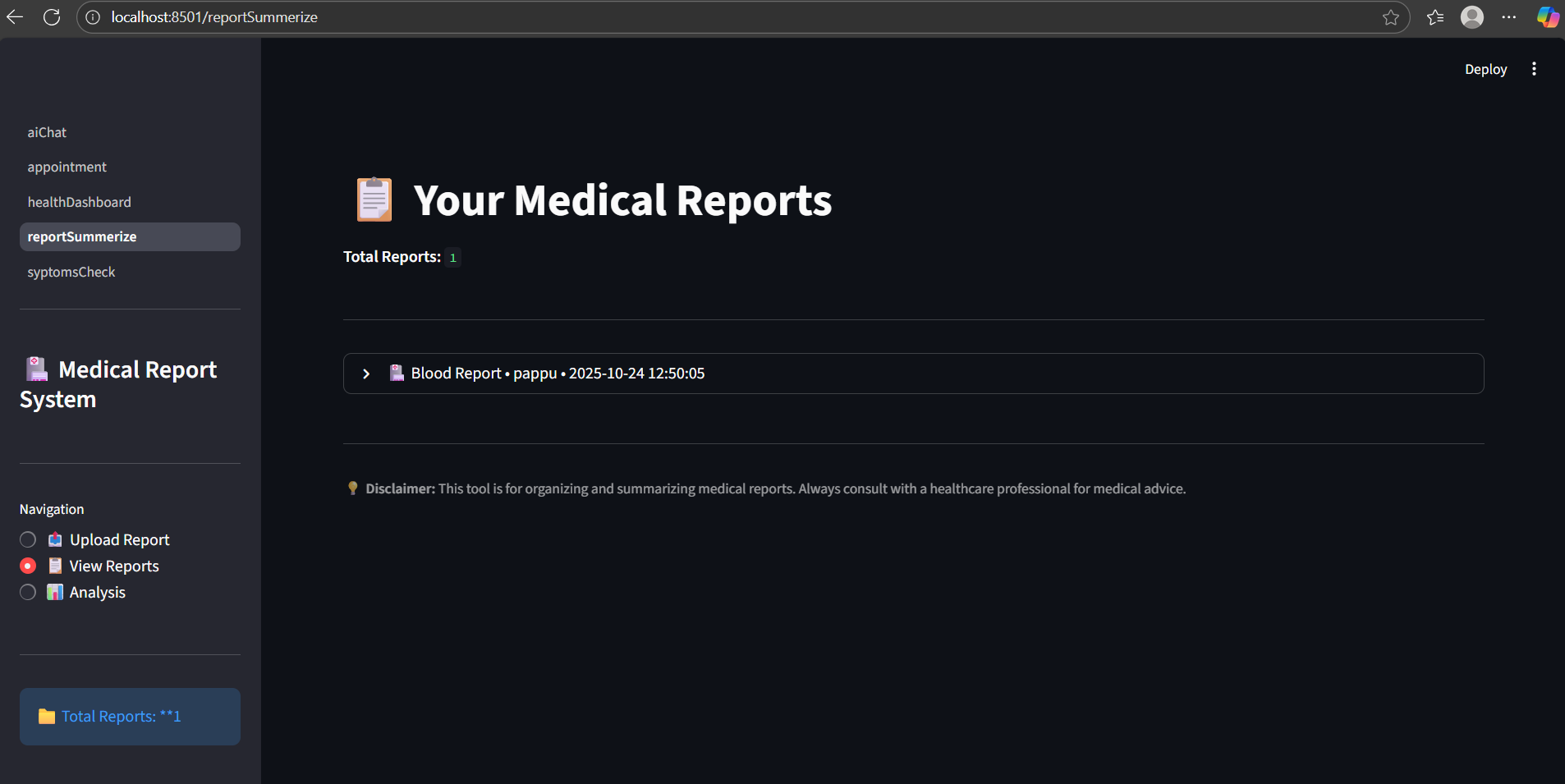
after uploading their reports they can see and delete report from this page .
-
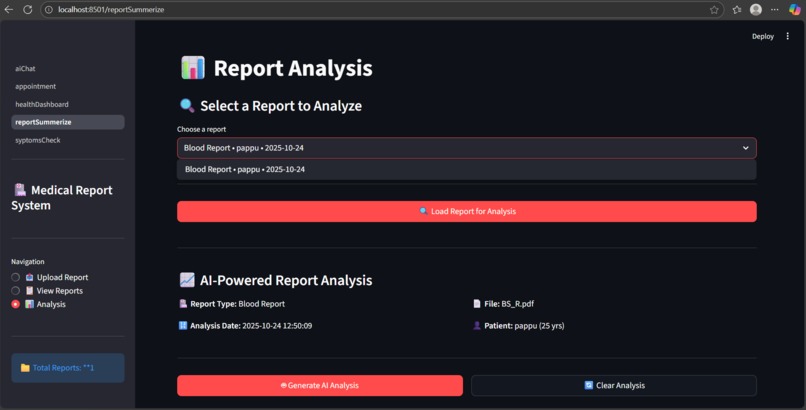
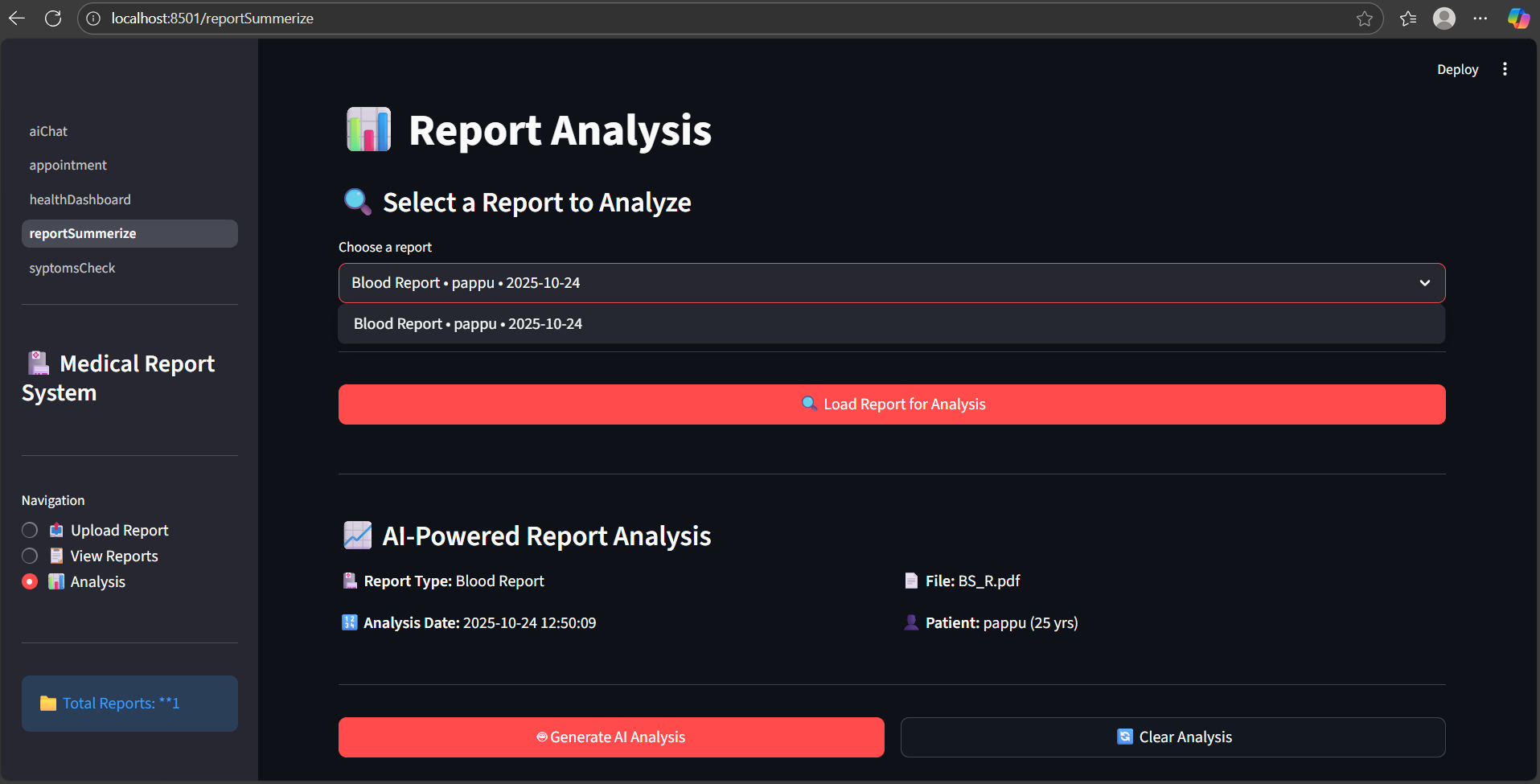
This is the analysis page where user can select their report and analyze it through AI.
-
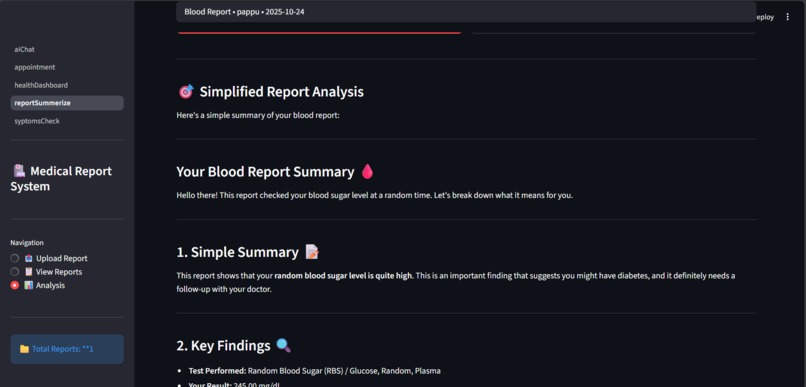
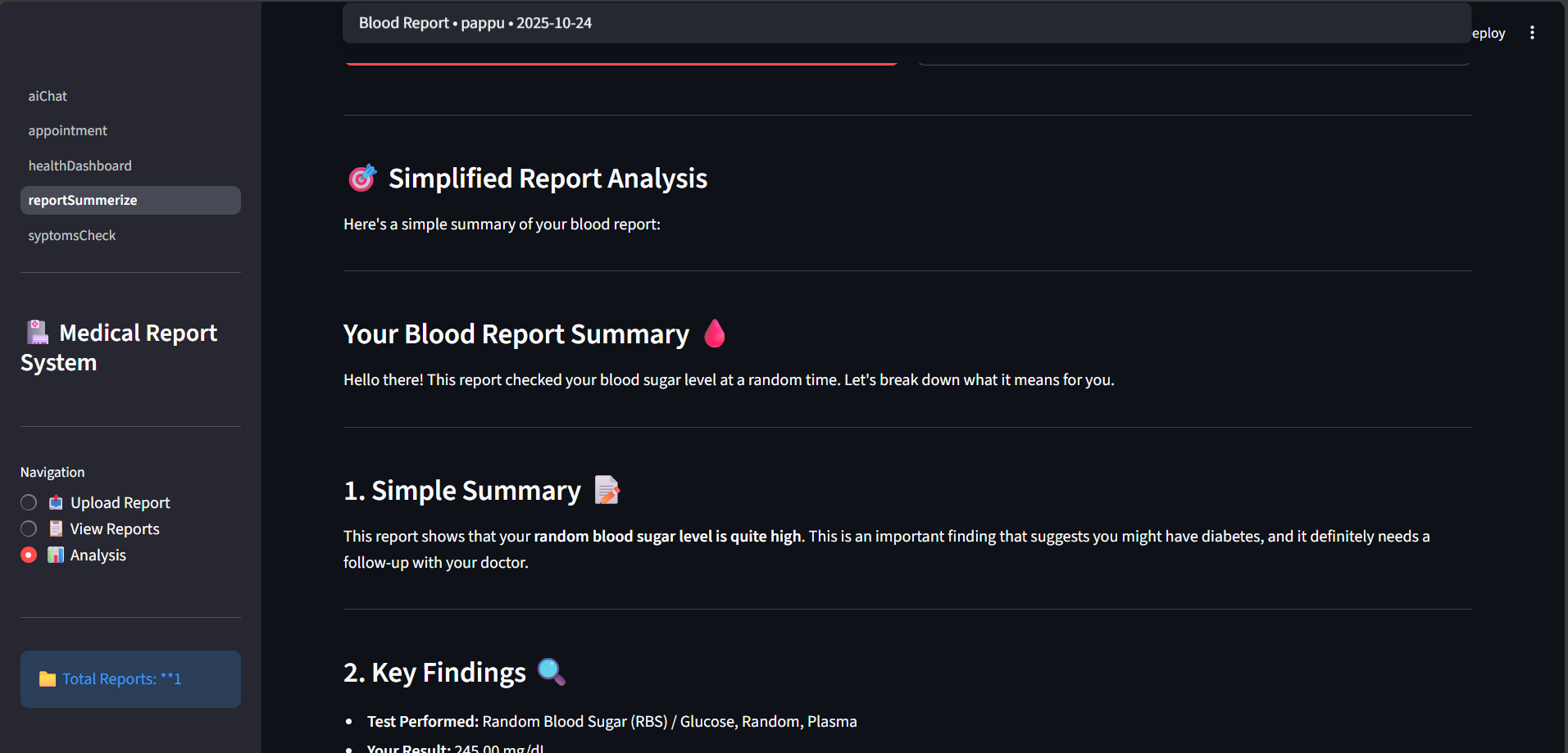
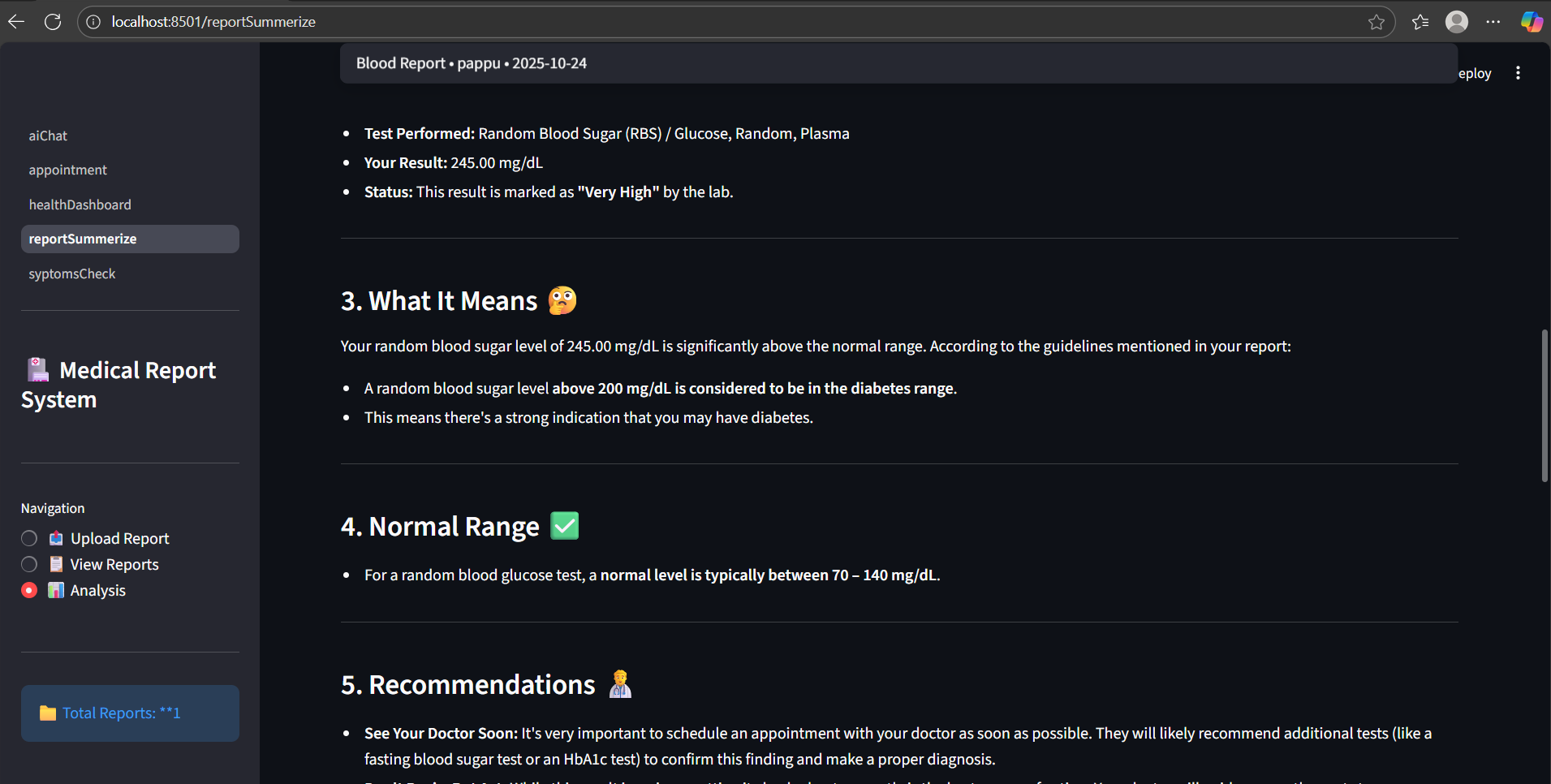
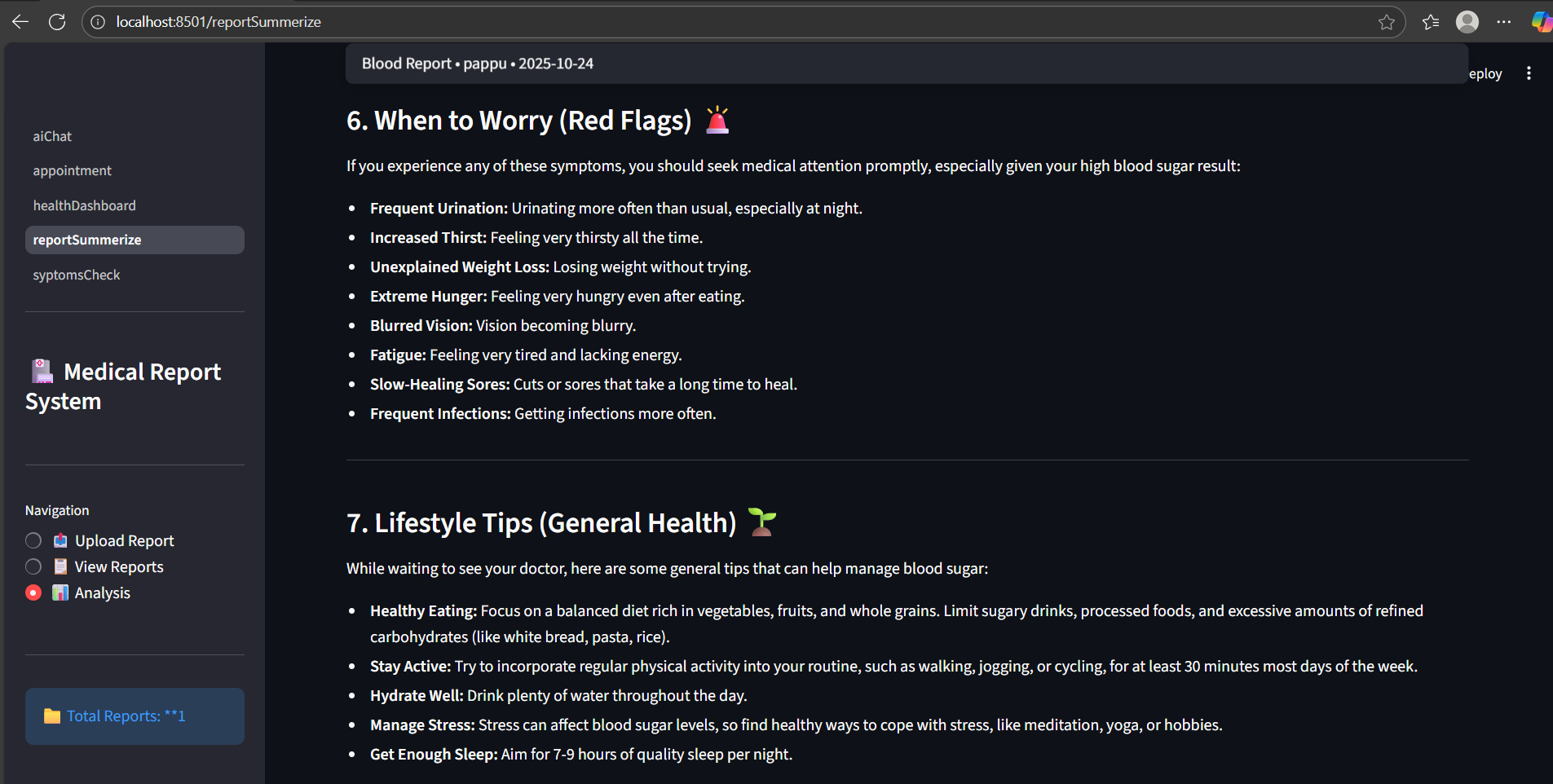
This is how the AI simply shows about their report .
-
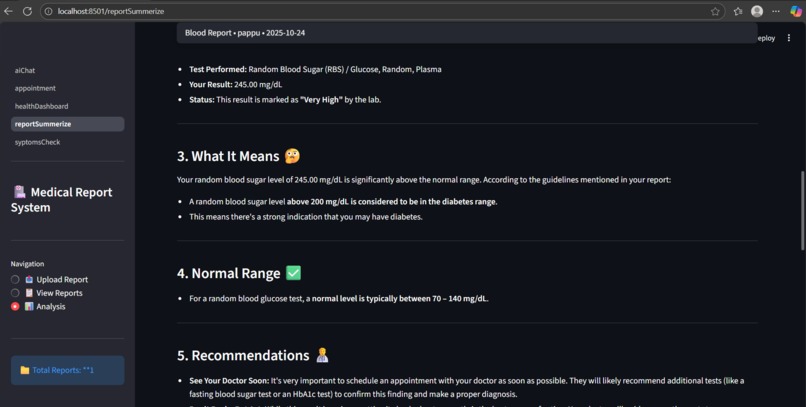
It shows all the results in point that make user understand their report.
-
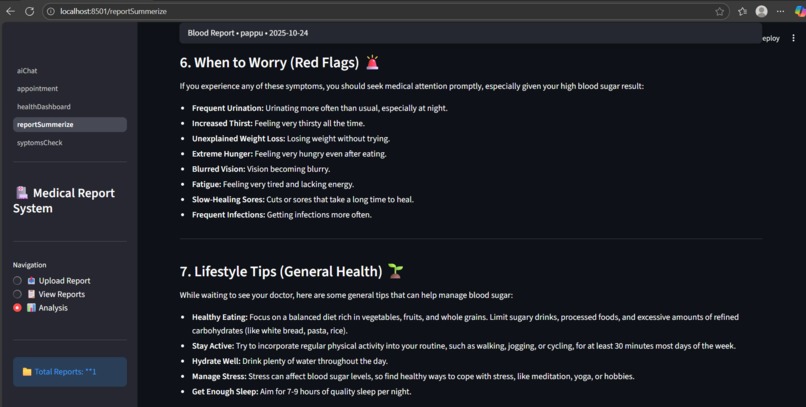
It also suggest the solution and points to worry.
Inspiration...
The inspiration behind AIDoc came from observing how many people — especially older parents — struggle to understand their medical reports. Often, they have to visit doctors just to interpret simple results. I wanted to create something that could save their time and make them healthier by translating medical reports into simple, understandable language and offering basic advice. The goal was to build a helpful web application that acts as an AI health companion for everyone.
What it does
AIDoc allows users to upload or paste their medical reports (like blood test, sugar, or cholesterol reports). It uses an AI model to: -> Analyze the data from the report. -> Explain results in non-medical, human-friendly terms. -> Suggest possible health advice or next steps. It aims to make medical understanding easier and accessible for everyone.
How we built it
I built AIDoc using: -> Python and Streamlit for the web interface. -> LangChain for connecting with LLMs. -> Google Gemini API (Gemini 2.0 Flash model) for analysis and chat responses. -> OCR and PDF2Image libraries to extract text from uploaded reports. -> dotenv for securely storing API keys. The architecture allows users to interact directly with the AI, which interprets their report data and gives instant insights.
Challenges we ran into
There were a lot of errors — especially during API integration. I tried different APIs, LLM models, and even experimented with multiple libraries to get accurate and stable results. Working with OCR and PDF processing was also tricky due to formatting differences in reports. However, each challenge helped me understand how real-world AI integrations work
Accomplishments that we're proud of
  -> Successfully integrated an AI model that can analyze real health data.
  -> Created a clean and interactive UI using Streamlit.
  -> Made an AI-powered tool that actually helps people understand their reports.
  -> Learned how to manage API keys securely and handle different response formats.
What we learned
I learned: -> How API integration works in depth. -> How LLMs like Gemini process and interpret data. -> How to design an intuitive Streamlit UI. ->The importance of secure coding, environment variables, and error handling. This project taught me how to connect different technologies into one working AI product.
What's next for AIDoc
In the future, I plan to: ->Connect AIDoc with fitness bands or smartwatches to track live health data. ->Add doctor appointment booking and reminder features. ->Use a fully medical-trained LLM for more accurate health analysis. ->Improve the UI and add visualization features for health trends. The vision is to turn AIDoc into a personal AI health companion that not only explains reports but also keeps users healthy and aware.


Log in or sign up for Devpost to join the conversation.