-
-
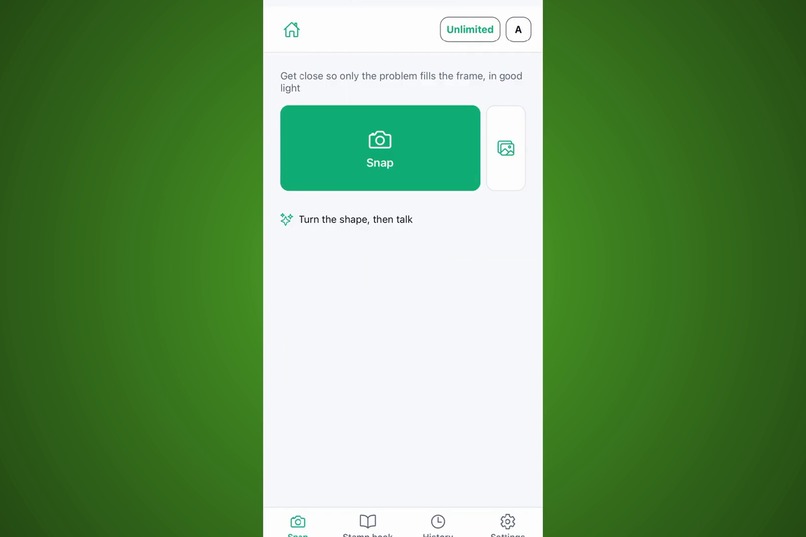
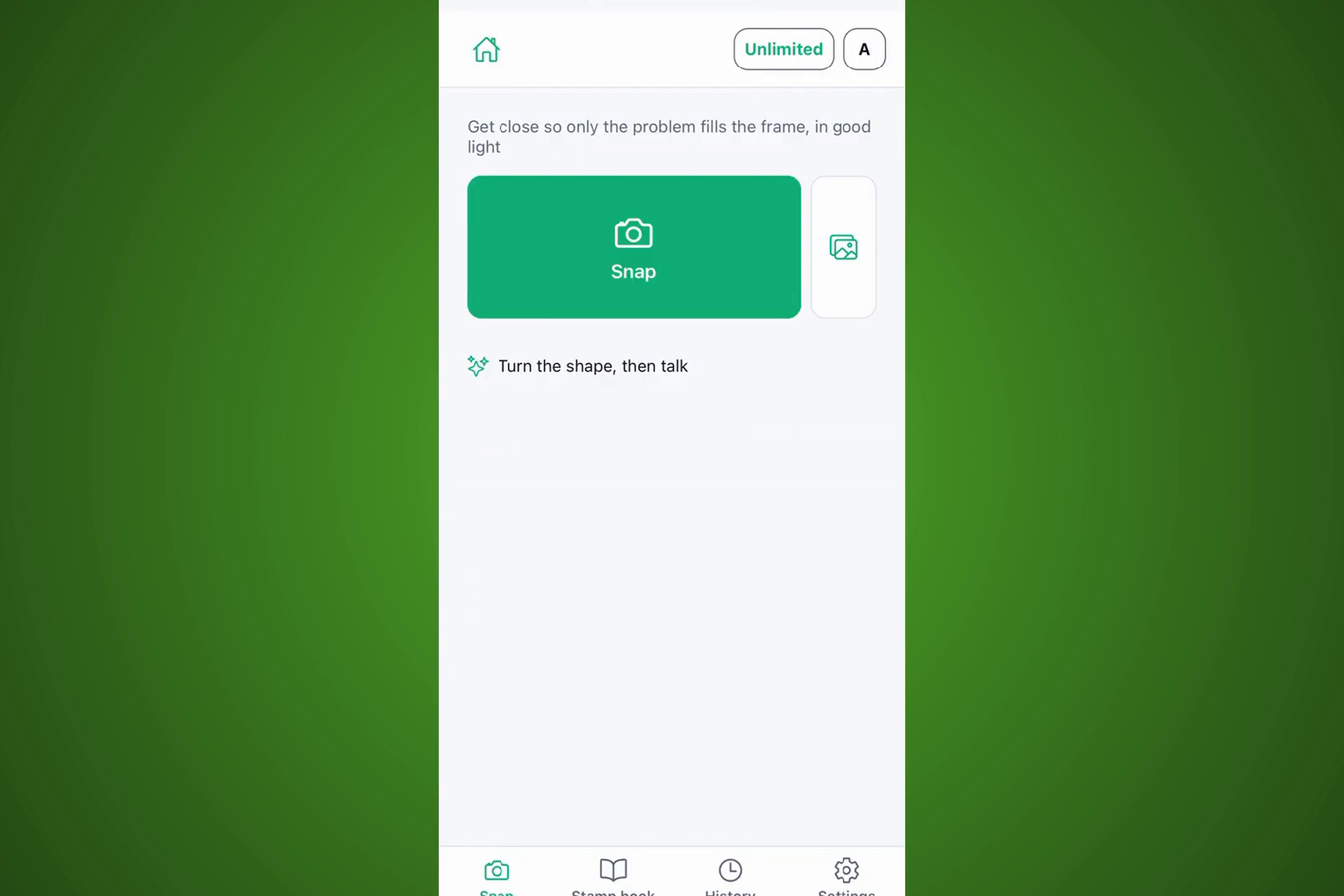
Snap a printed homework problem, or pick a photo from your library. Get close so only the problem fills the frame.
-
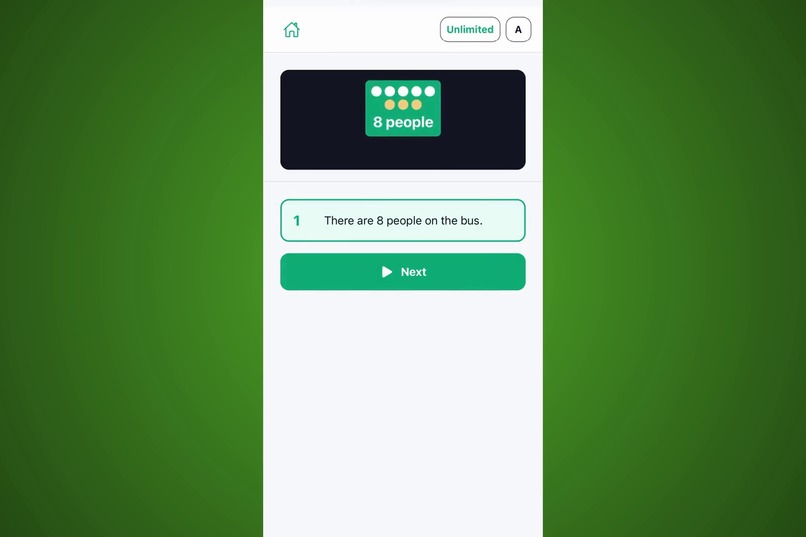
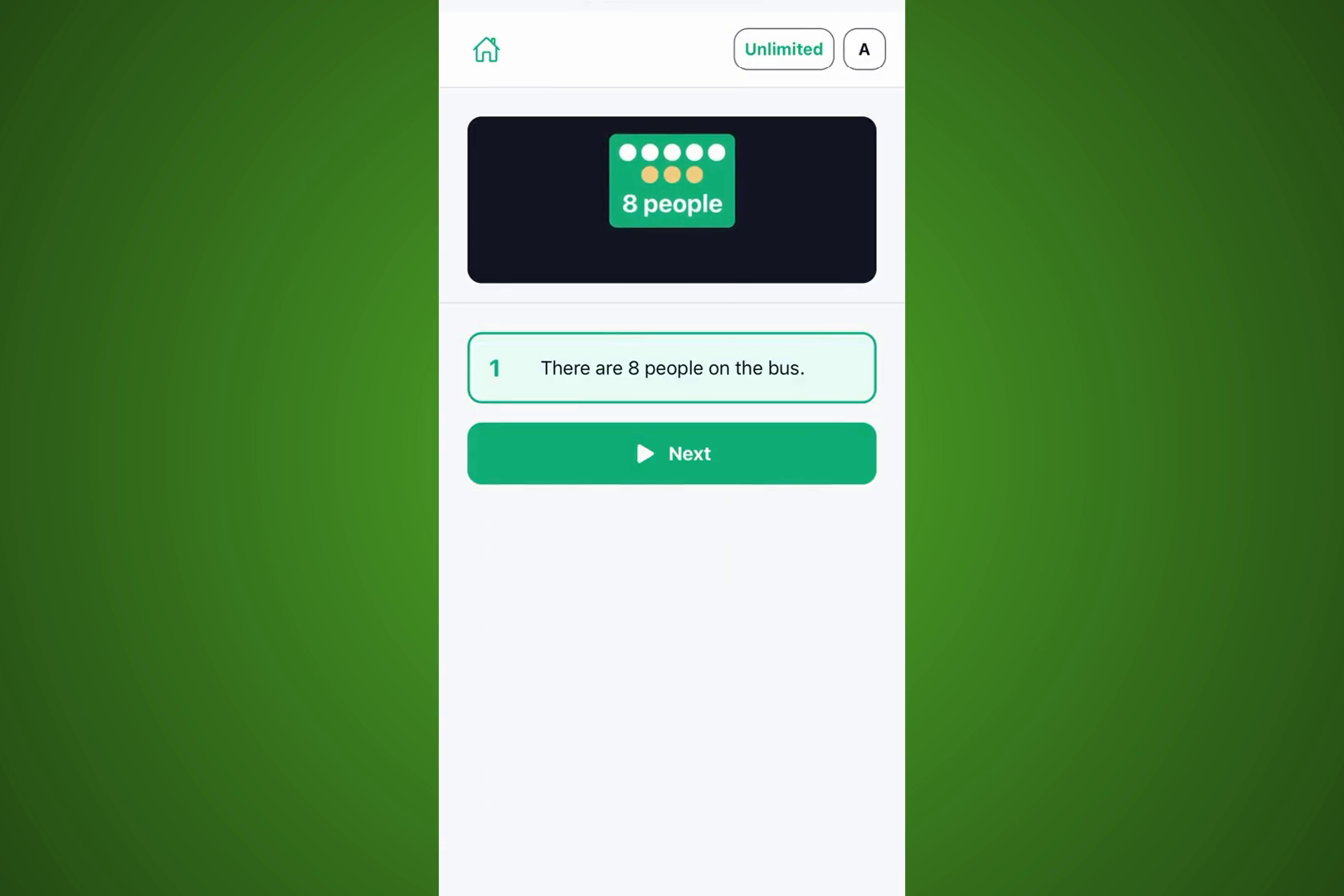
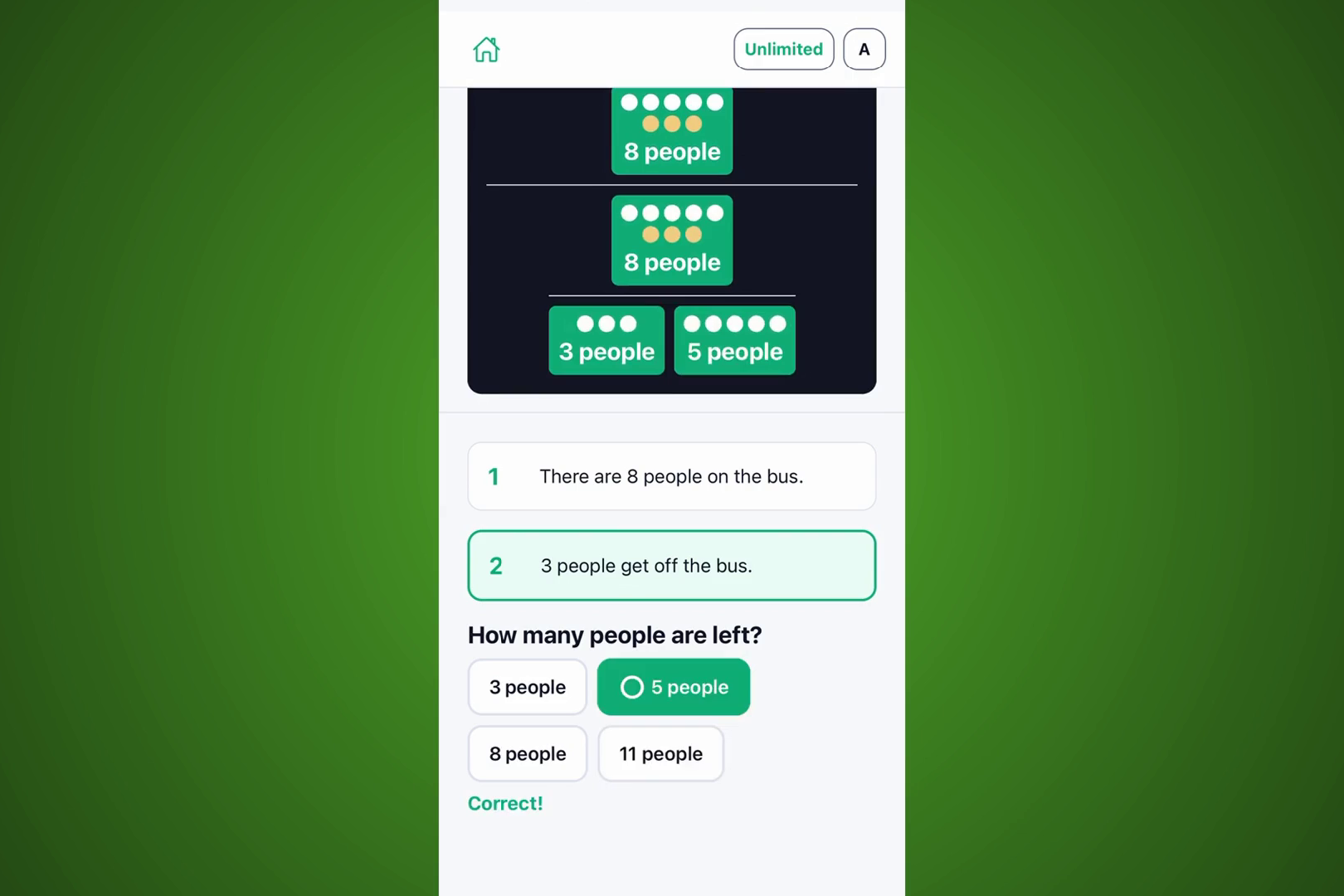
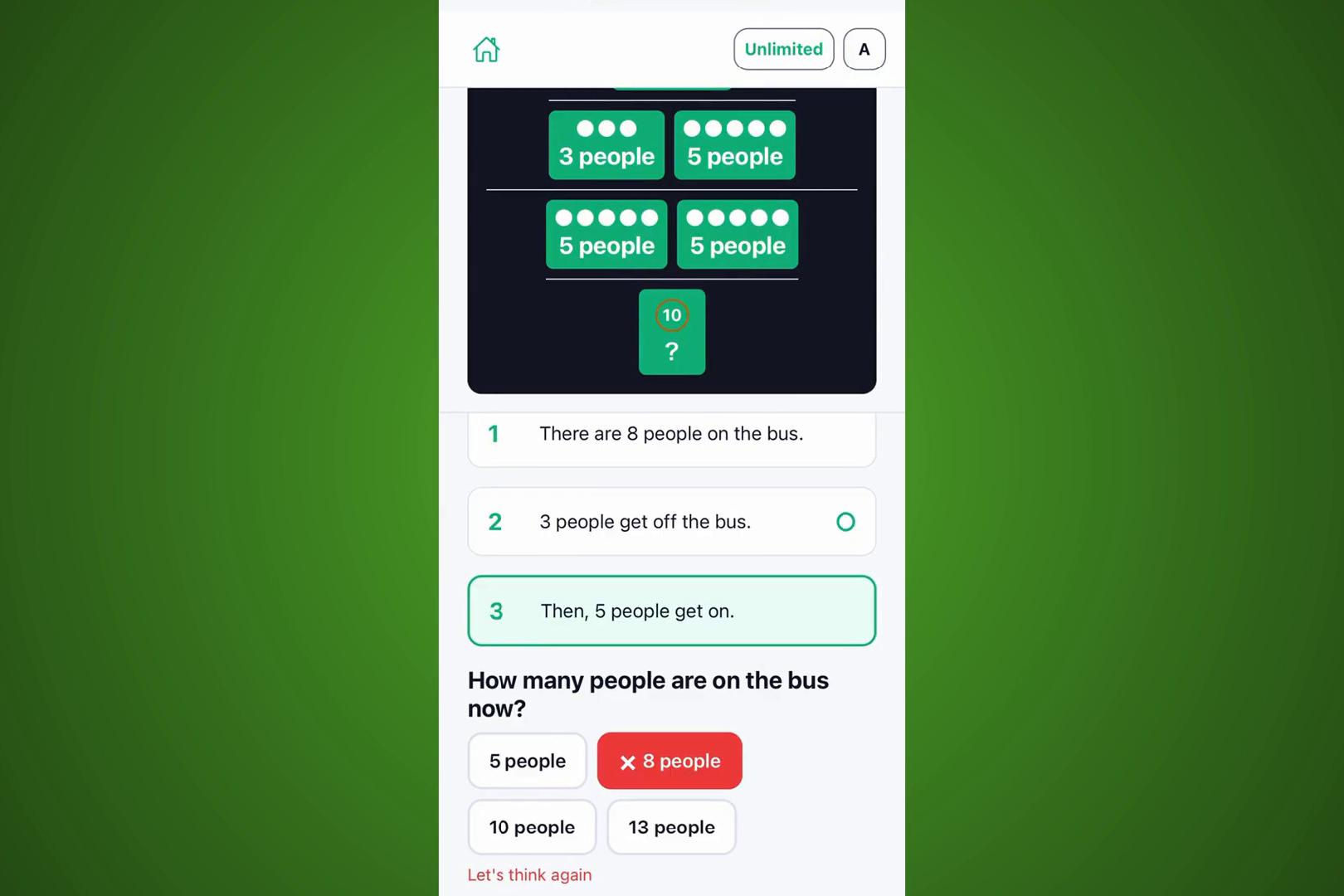
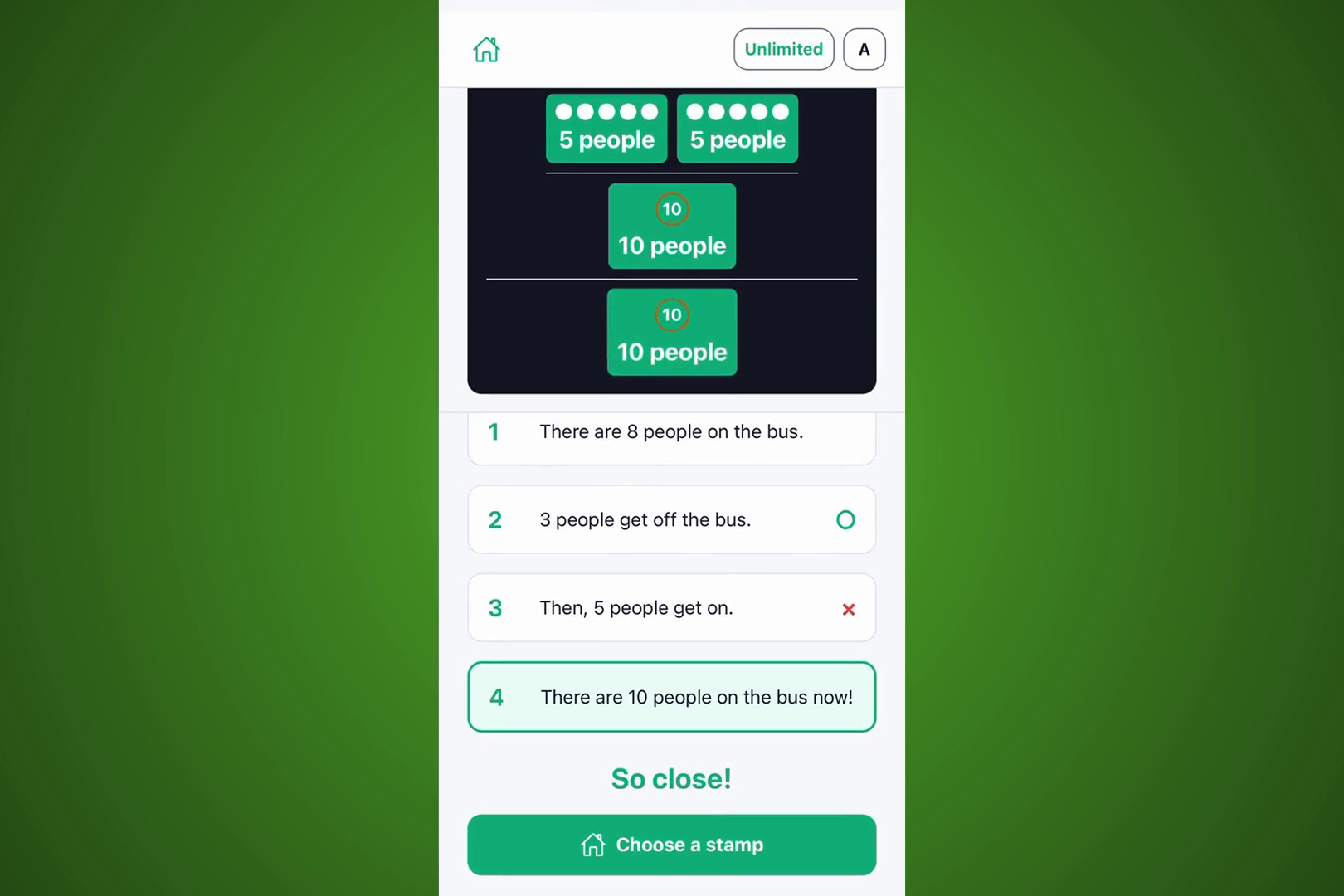
The solution comes to life step by step. Quantities appear as dots before digits, the CPA sequence used in Singapore Math.
-
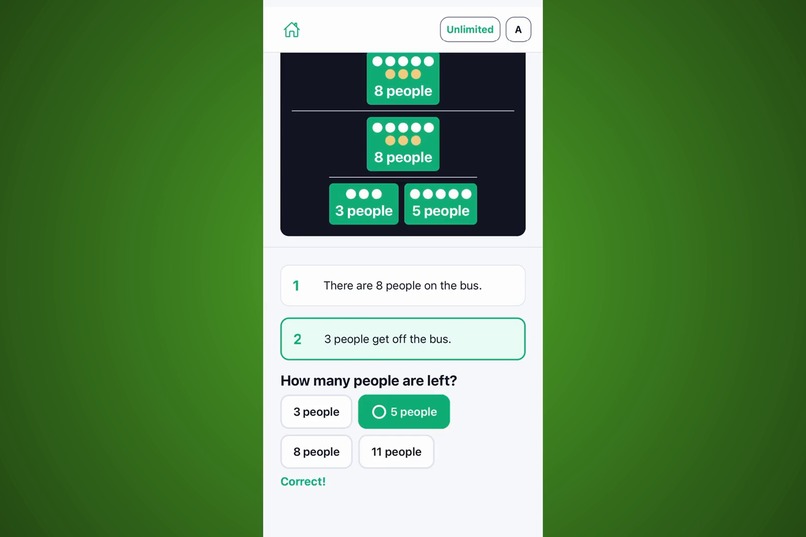
At each step, a checkpoint question asks your child to think, not just watch the answer.
-
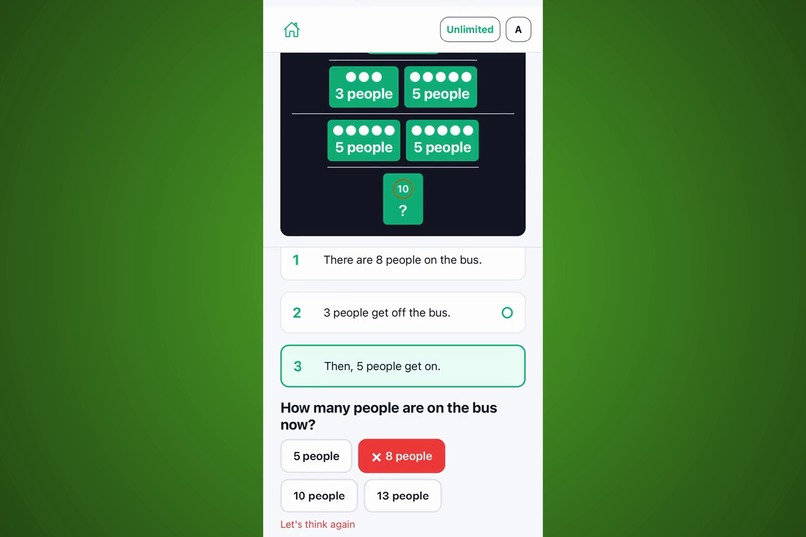
A wrong answer gets a gentle "Let's think again," and your child tries once more.
-
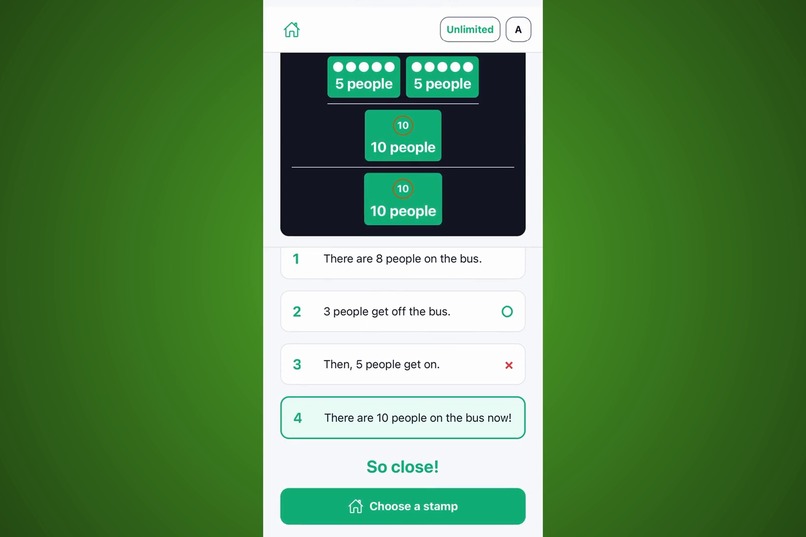
There are 10 people on the bus now! Your child reaches the answer one step at a time.
-
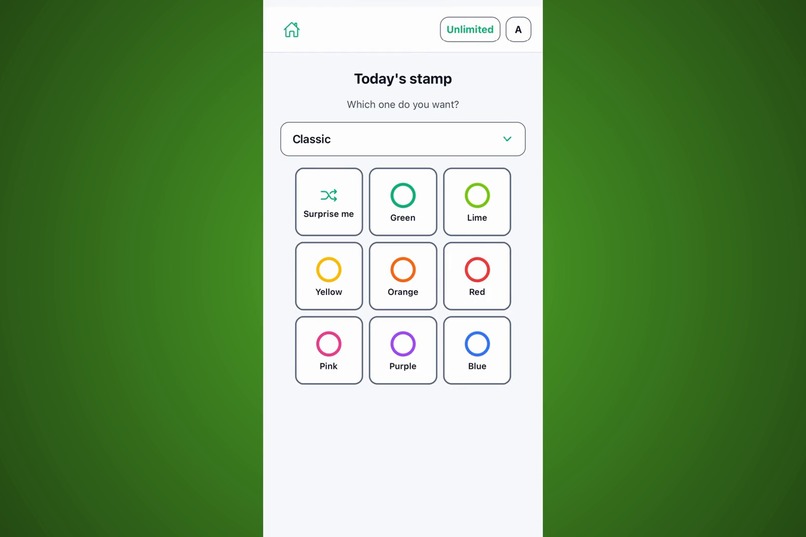
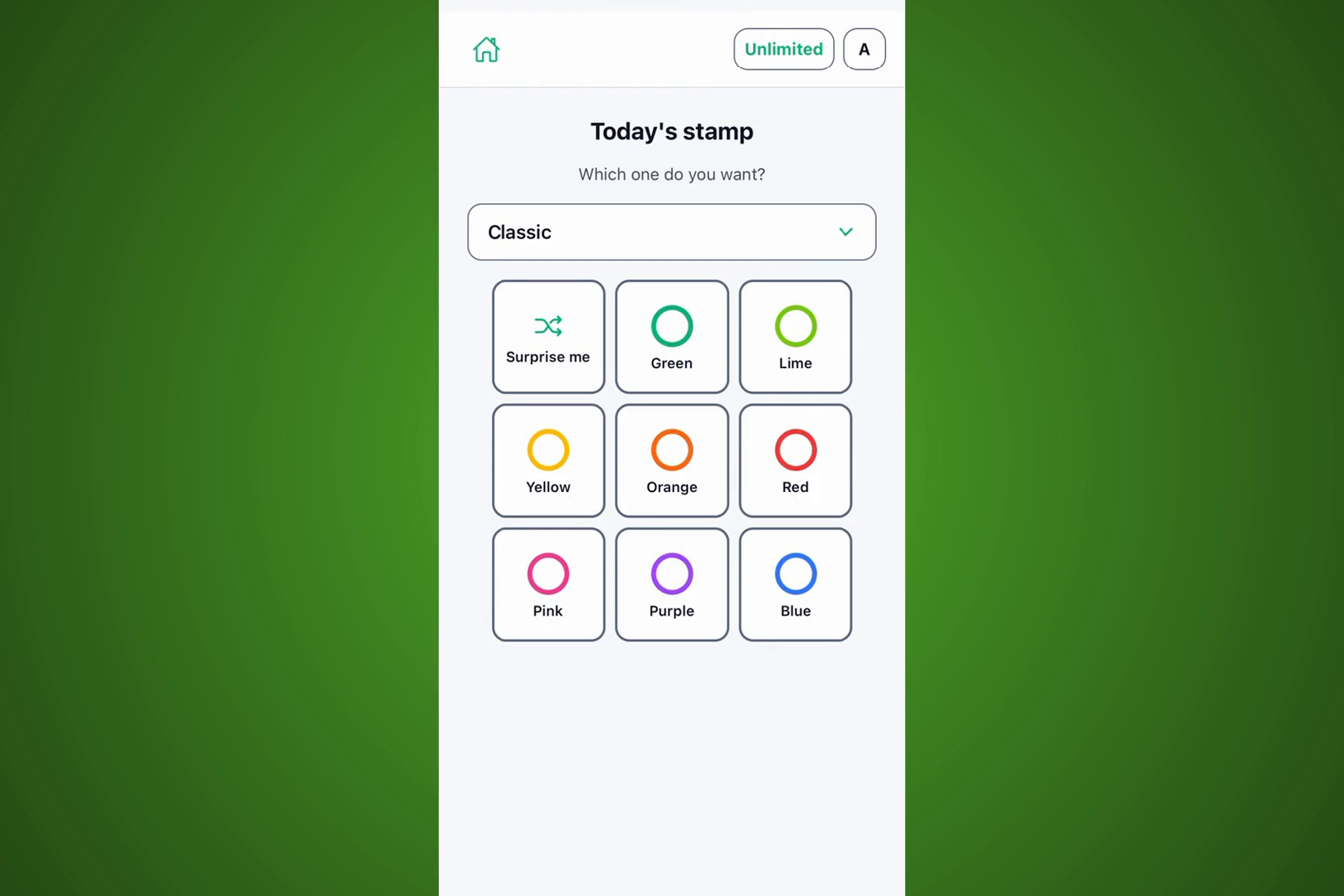
Finish a problem and pick today's stamp.
-
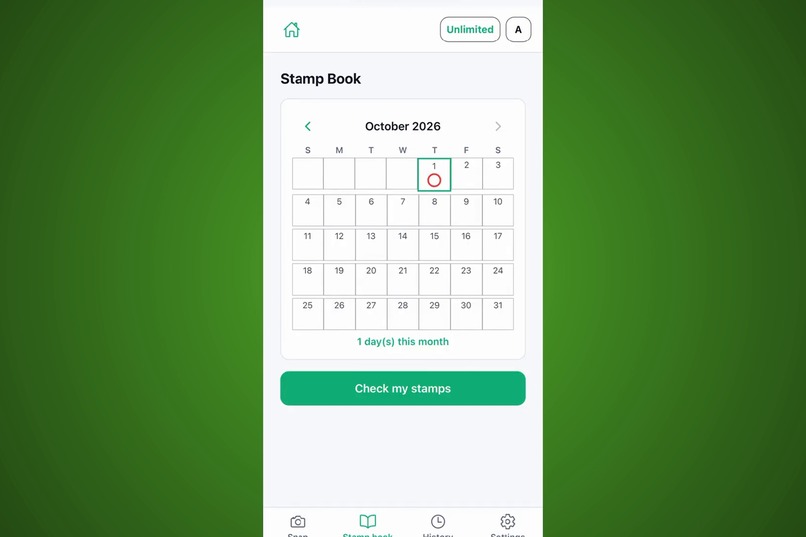
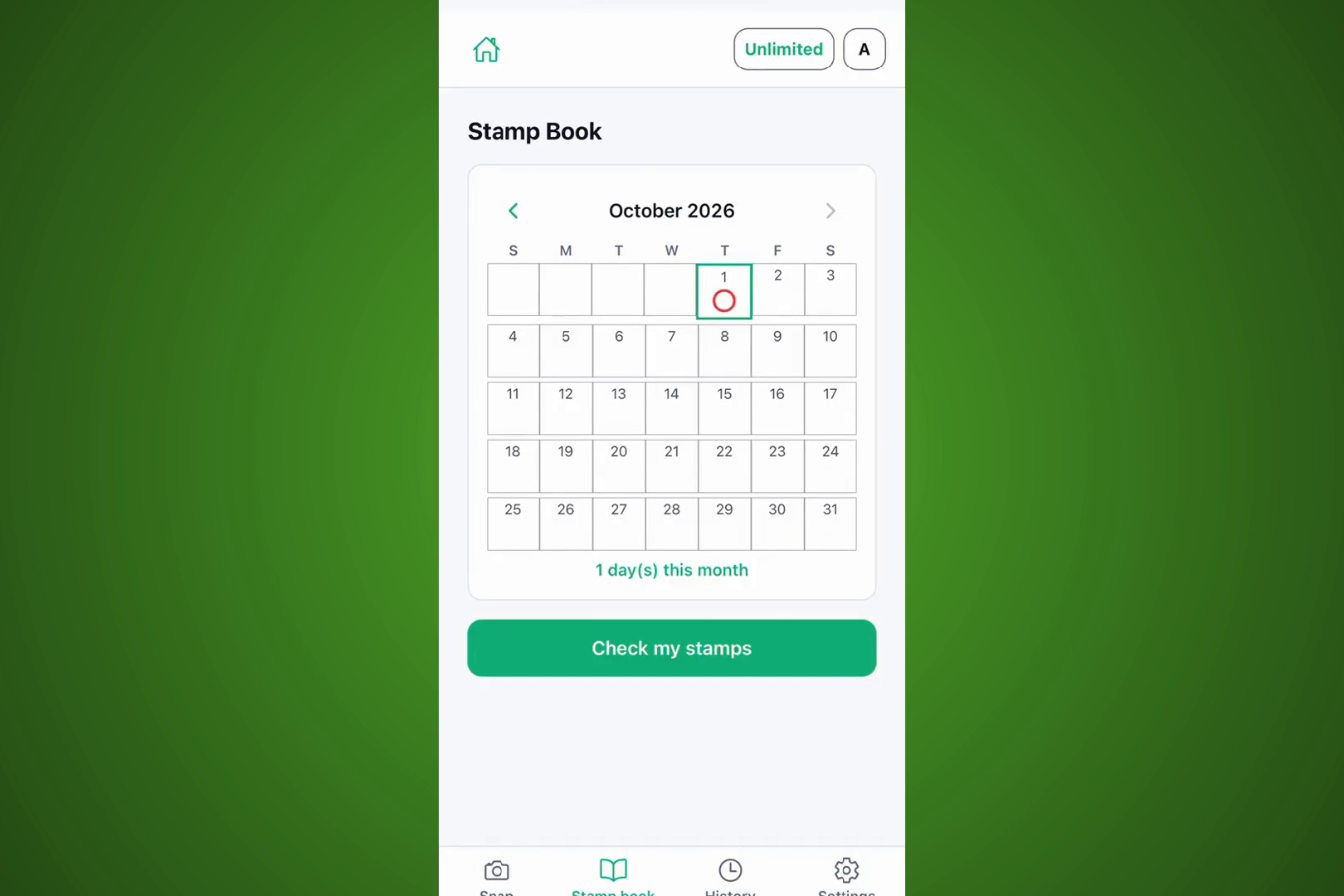
The stamp book marks each day of practice on a calendar.
-
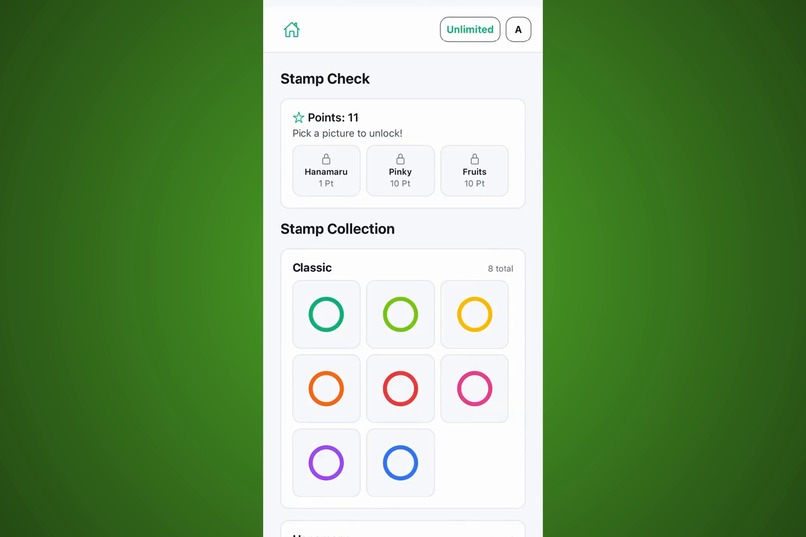
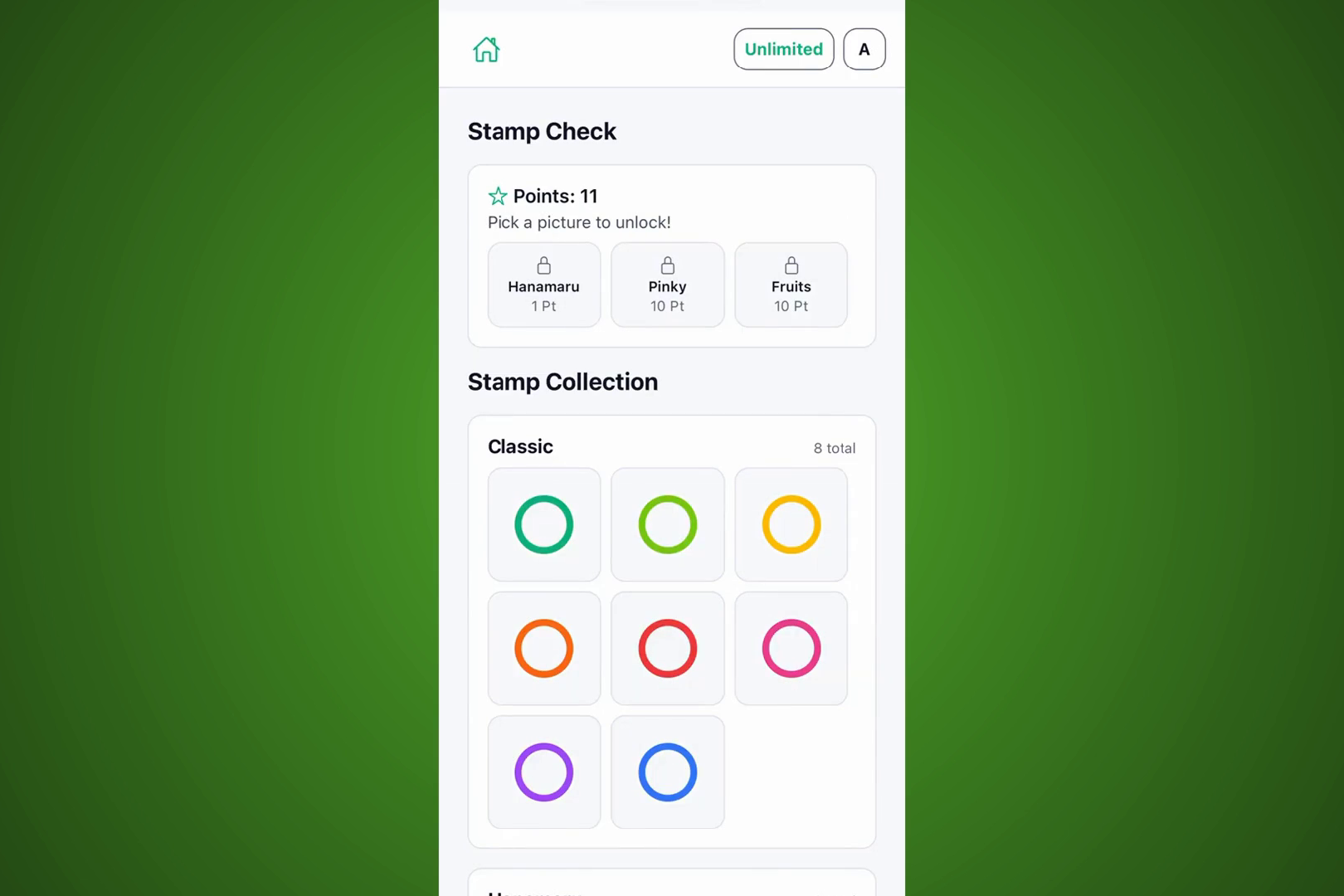
Keep practicing to earn points, and use them to unlock new picture stamps.
-

3 free problems a day. For unlimited step-by-step solutions, parents can choose a monthly or annual plan (cancel anytime).
-
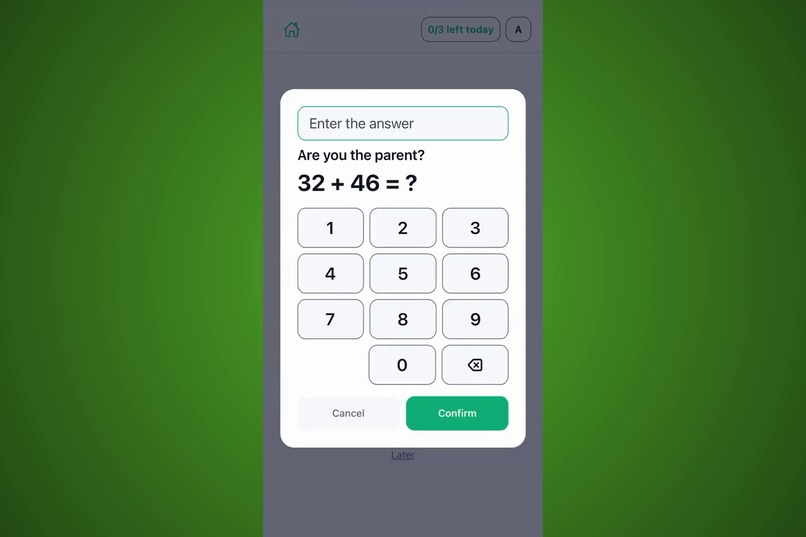
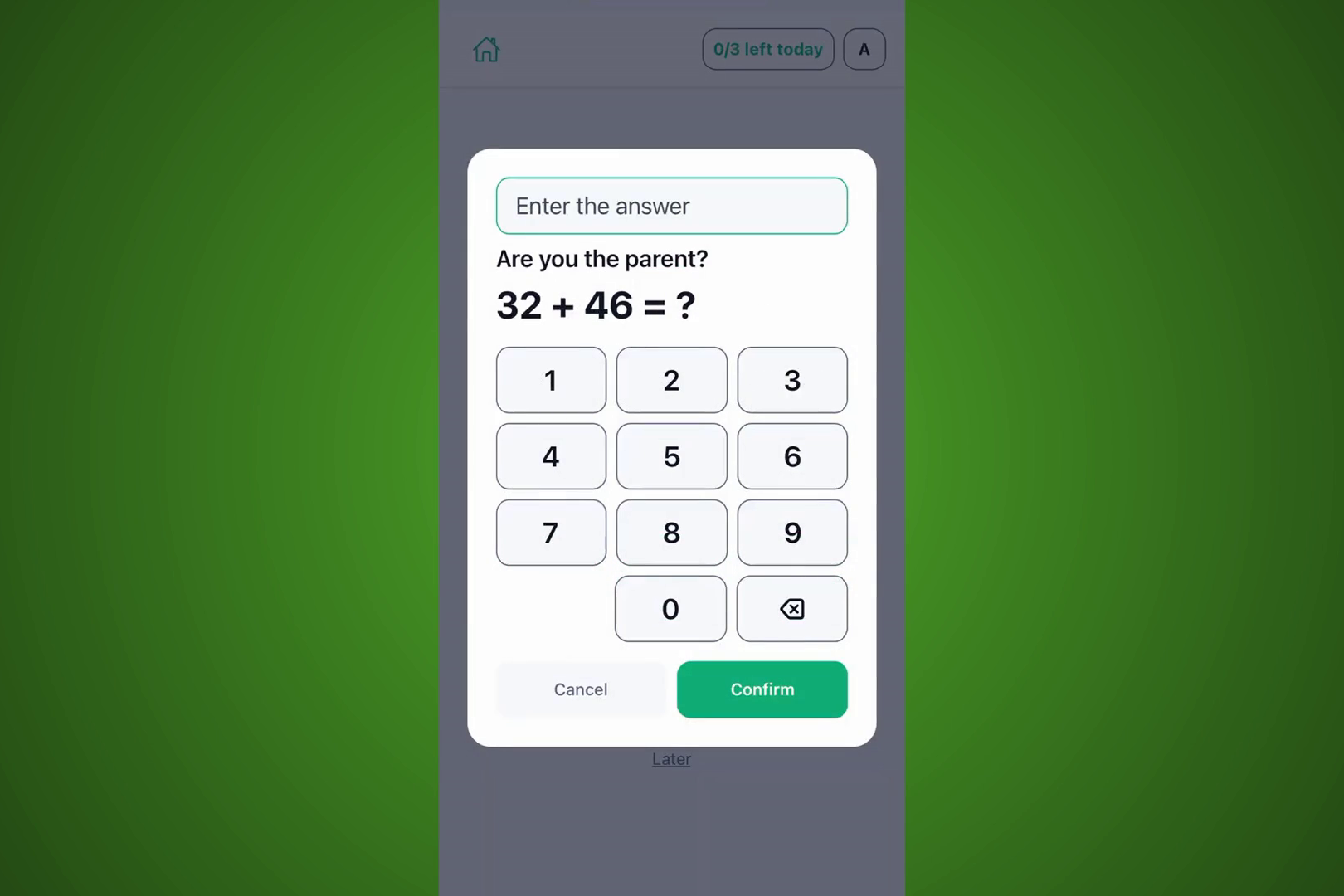
A quick math question for grown-ups keeps purchases in a parent's hands.

Inspiration
Homework time is one of the most common sources of parent-child conflict in households with young children. When a child gets stuck on a math problem, parents default to explaining with numbers and words - and that often escalates into frustration on both sides instead of understanding. We built AiDEPT for Parents so that a parent's role can shift from "frustrated teacher" back to "supportive companion," with the app doing the step-by-step explaining.
What it does
- A parent photographs the homework problem (a crop guide keeps the shot focused on the page, not the child's face or home).
- Vertex AI Gemini reads the problem and breaks the solution into 2-6 steps, decided dynamically per problem - there are no fixed templates.
- Each step is shown as an animation following a concrete -> pictorial -> abstract sequence: quantities appear as dot groups first, then as digits, mirroring the Concrete-Pictorial-Abstract (CPA) approach used in Singapore Math.
- Every step includes a checkpoint quiz the child must answer correctly before moving on. This is Human-in-the-loop, not a passive video - kids reach their own "I get it!" moment instead of watching one.
- Parents can review their child's solved-problem history at any time.
Sign-in is via the parent's Google or Apple account, and parental consent is required before first use. Photos are sent to Google Cloud (Vertex AI) for analysis and are not stored on our own servers; only structured (non-image) data such as the recognized problem text is retained.
Monetization is transparent: 3 free problems per day, then unlimited access via a monthly (Y980) or annual (Y9,800) subscription - powered entirely by RevenueCat, no ads.
Solving problems earns stamps. The child collects one stamp a day on a monthly calendar, and points toward opening new sticker series - fruit, flowers, animals, sea creatures, dinosaurs and the characters from our own children's programme. Ten points opens one series of twelve stickers, and the child picks which sticker to place.
How we built it
Expo / React Native client (iOS and Android), Vertex AI Gemini for both image recognition and step-by-step solution generation, Firebase (Auth + Firestore) for accounts and data, a Cloud Run backend (asia-northeast1) that mediates every AI call so no API keys live on the client, and RevenueCat for subscription management.
The animation layer is a single generic StepStage component driven entirely by data Gemini returns (targets plus an op like appear/split/merge/rotate/highlight) - there's no fixed template per problem type, so the same engine handles number decomposition, multiplication word problems, and shape problems alike.
Challenges we ran into
- Getting Gemini to produce a pedagogically correct decomposition (building up from the smallest unit instead of just following the sentence order of the word problem) took several rounds of real-device testing with an actual family and prompt iteration.
- Apple's review rejected our first submission twice: once for offering only Google sign-in (Guideline 4.8, fixed by adding Sign in with Apple) and once for a missing in-app link to our subscription terms from the paywall (Guideline 3.1.2(c)).
- Supporting in-app account deletion (Guideline 5.1.1(v)) exposed a real abuse loophole: deleting and recreating an account would silently reset the daily free quota. We moved the free-tier counter from being keyed by account to being keyed by an anonymous device identifier so deleting an account no longer resets it.
- We also found and fixed a backend signature-verification gap during hardening, and re-verified in production that legitimate requests still succeed after tightening it - a security fix that breaks real traffic is just a different kind of failure.
Accomplishments that we're proud of
The step-by-step "dots before digits" animation is, as far as we can tell, a genuinely different way to present a homework solution compared to a static worked-example or a talking-head explainer video - and it's grounded in an actual pedagogical framework (CPA), not just a stylistic choice. The full pipeline (photo, Gemini recognition, Gemini step generation, animated quiz-gated playback, RevenueCat paywall) runs end-to-end on real devices, not a prototype. The subscription purchase and restore flow has been verified end-to-end on a real device via RevenueCat sandbox testing; we do not yet have real (non-test) purchases to report, since the app was only published during the Shipaton window itself.
What we learned
That "explain the answer" and "help a child understand the answer" are different products. Text-first explanations put the whole cognitive load on reading and language processing; visual, incremental, quiz-gated steps let a young child build understanding at their own pace.
What's next for AiDEPT for Parents
Broadening beyond number composition and shape problems to more of elementary math, and expanding language support beyond Japanese.


Log in or sign up for Devpost to join the conversation.