-
-
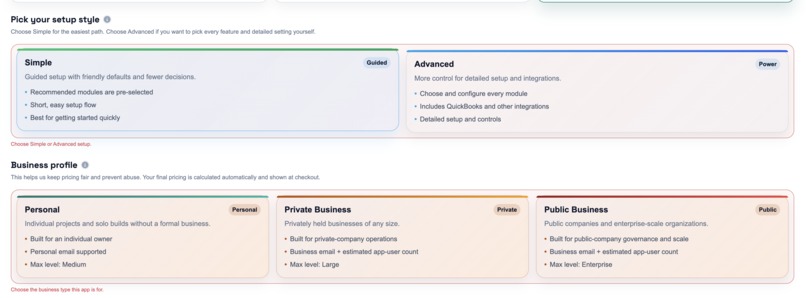
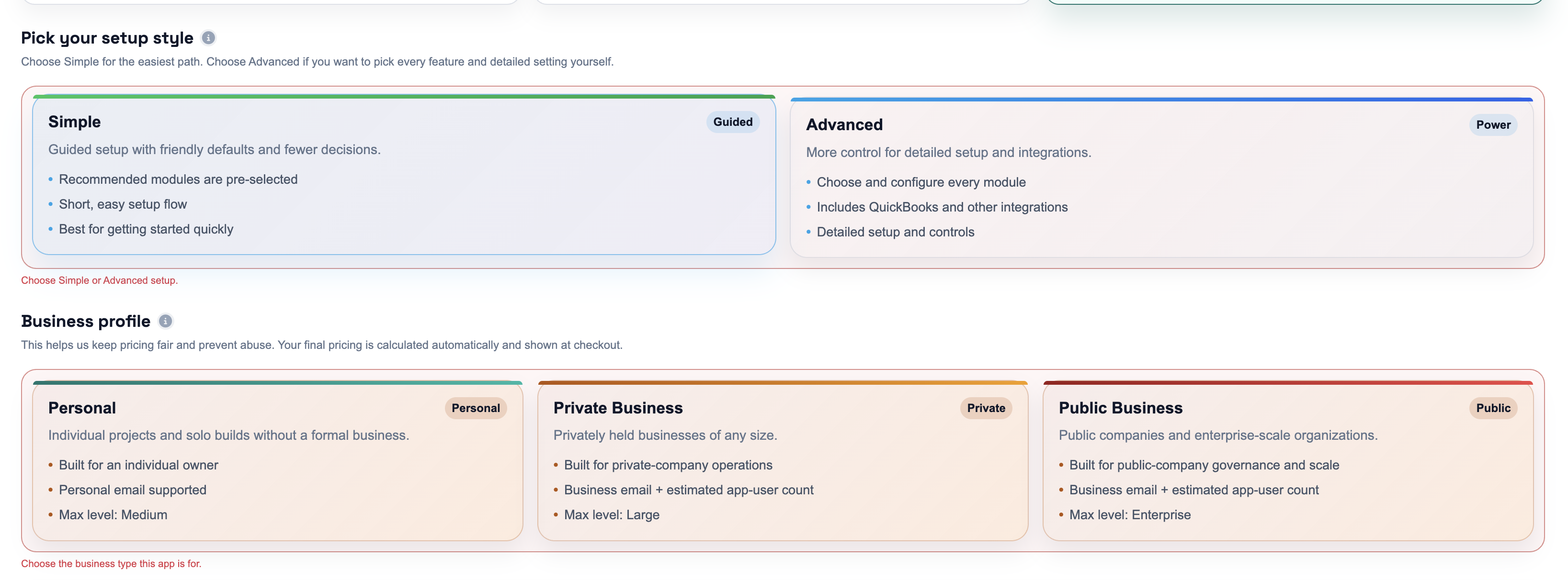
Cater to all business sizes and scale system accordingly
-
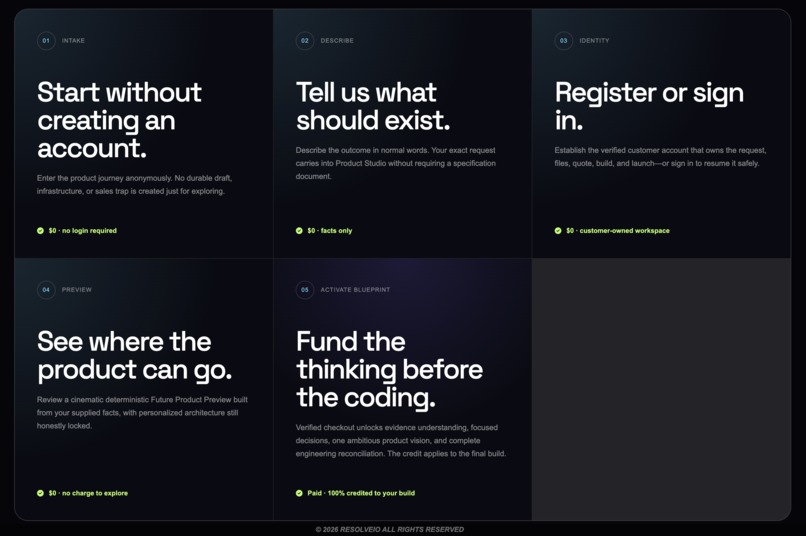
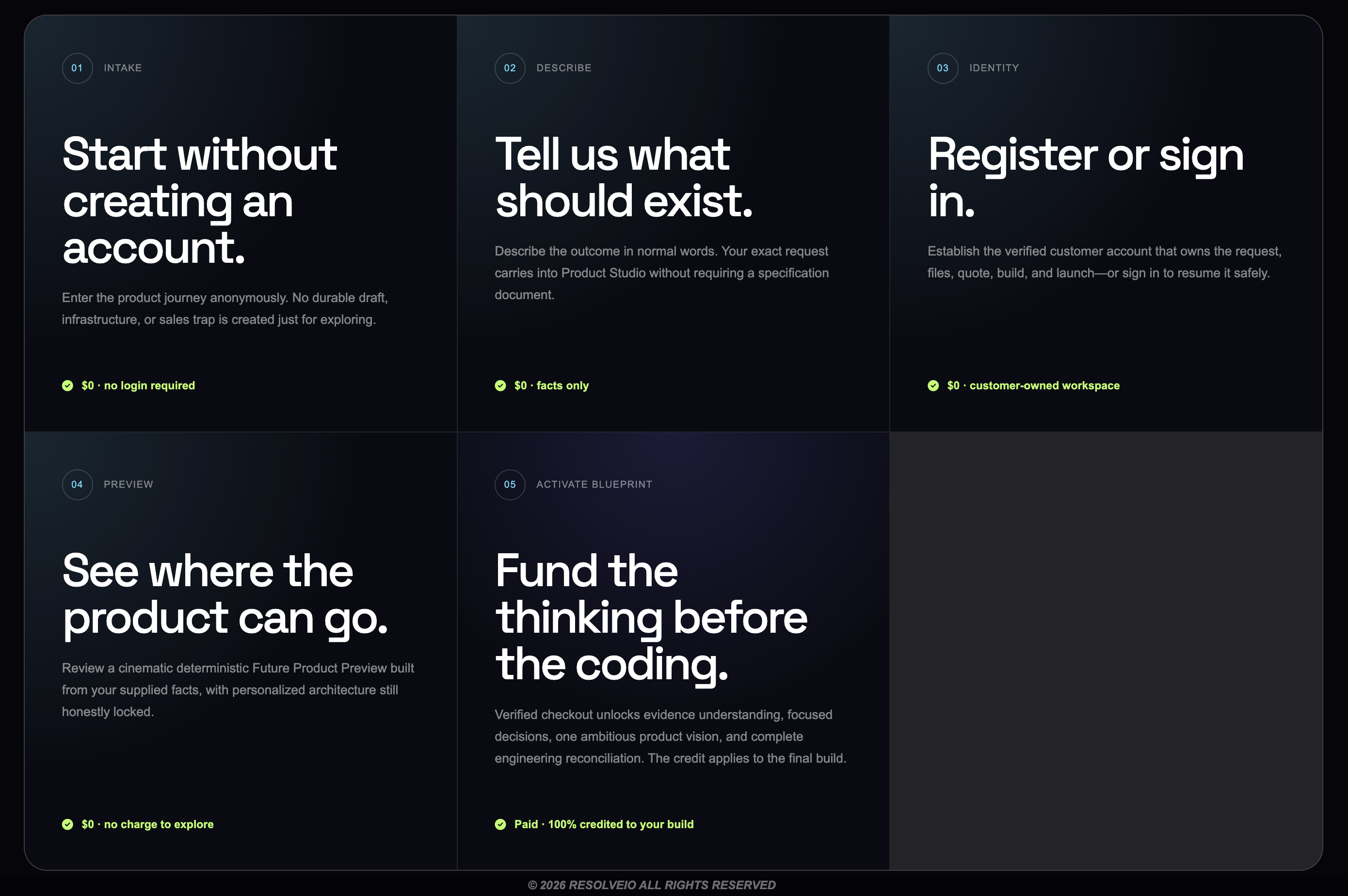
Easy steps to generate wonderful tools/apps
-
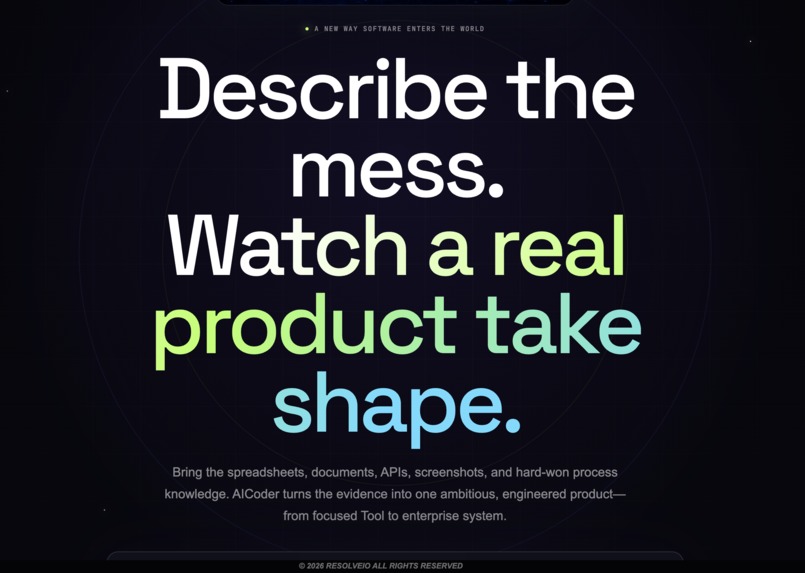
Transform spreadsheets into software
-
Logo
-
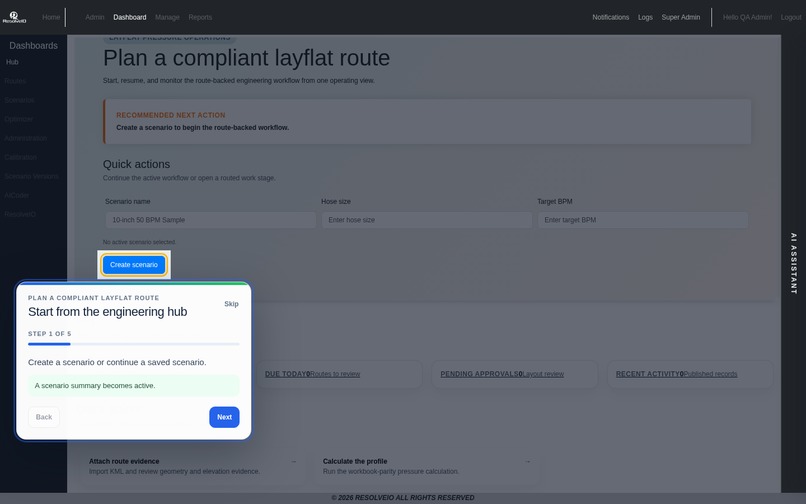
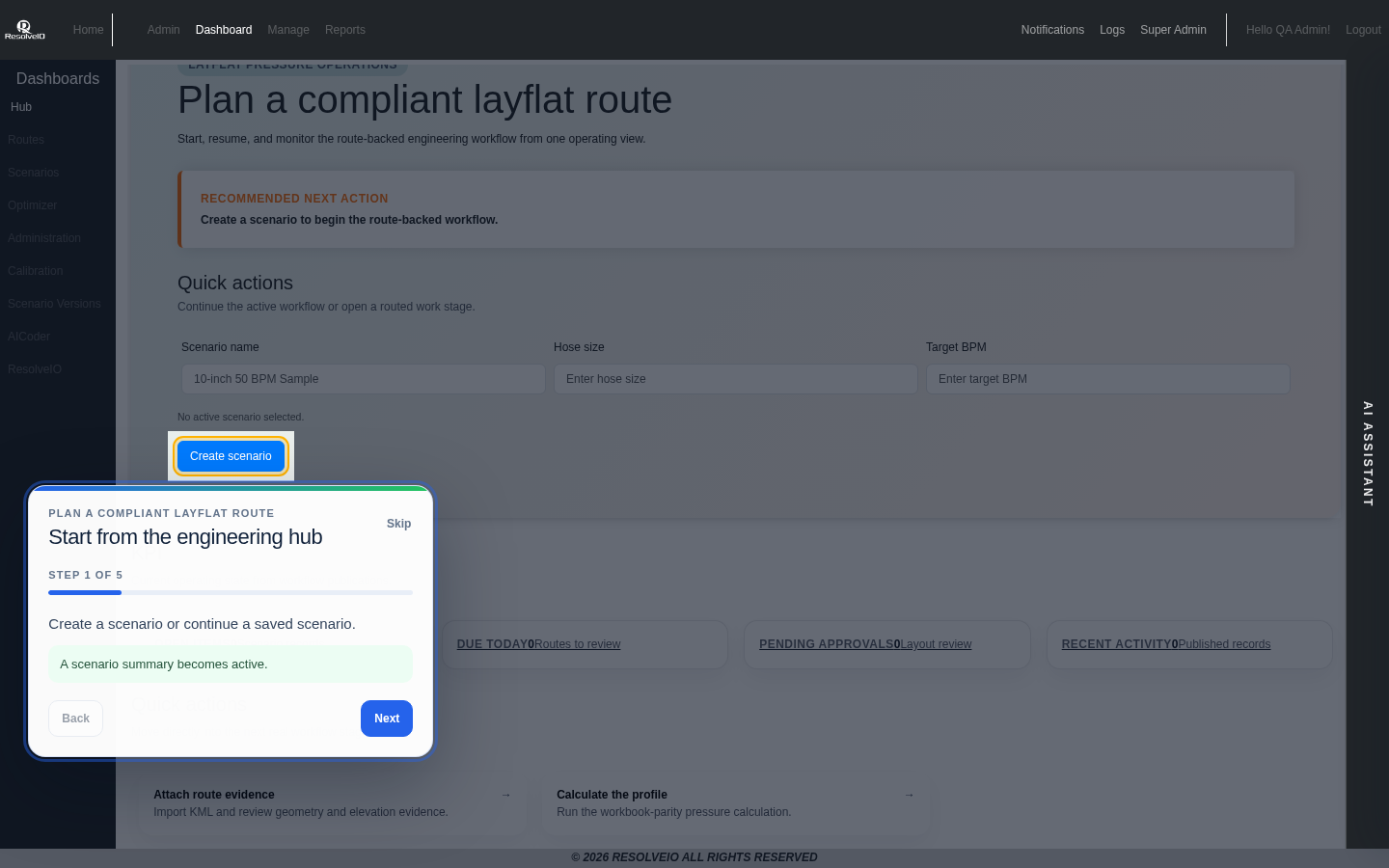
Walk the user through their software
-
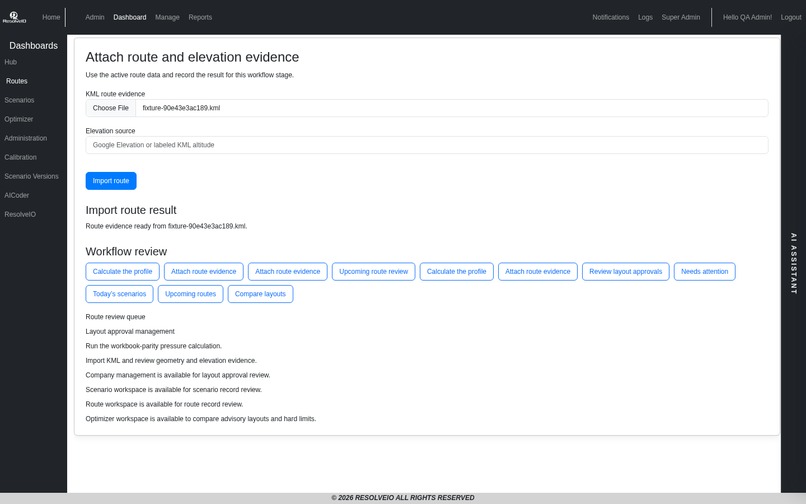
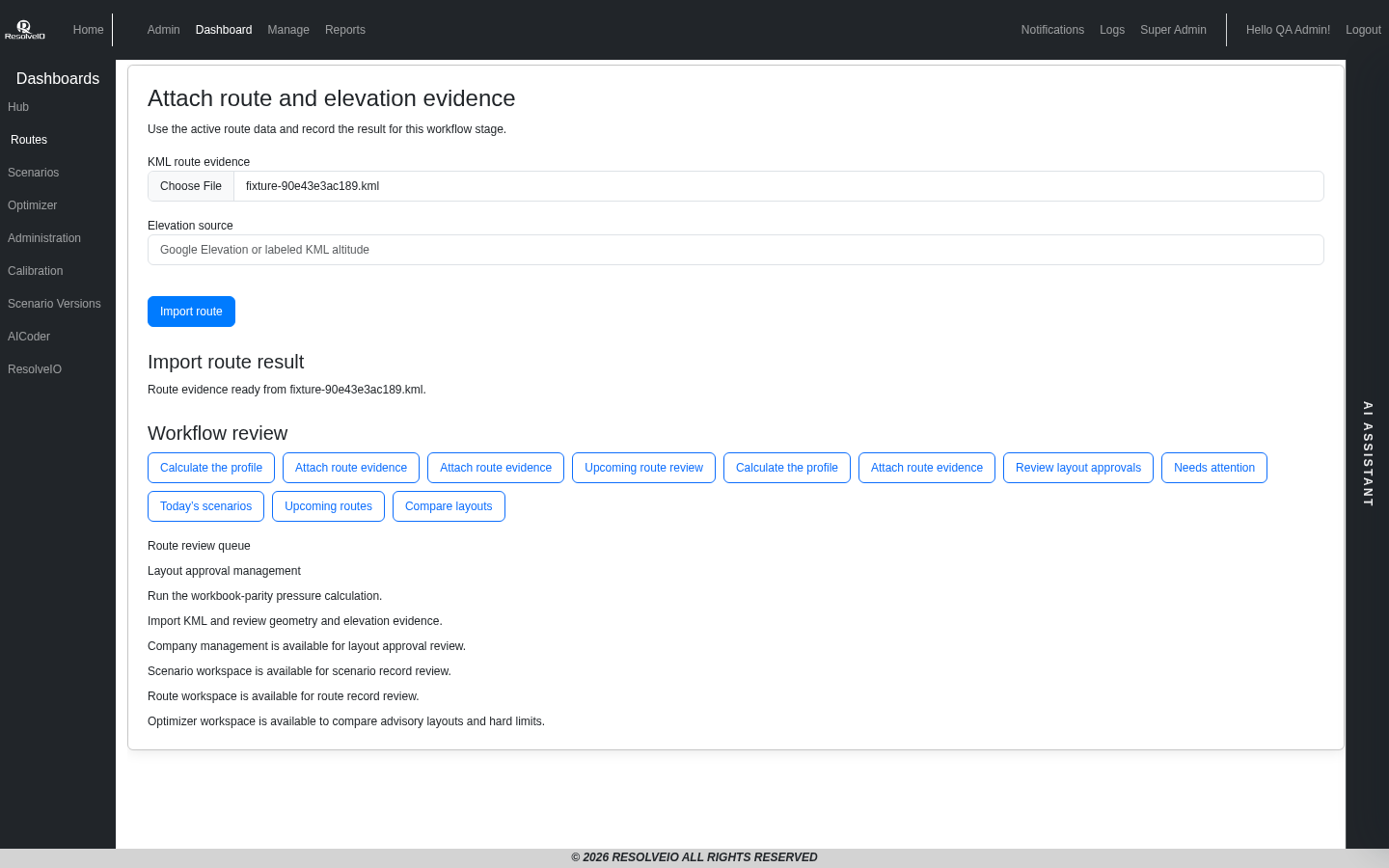
Work with user's attachments of all kinds
-
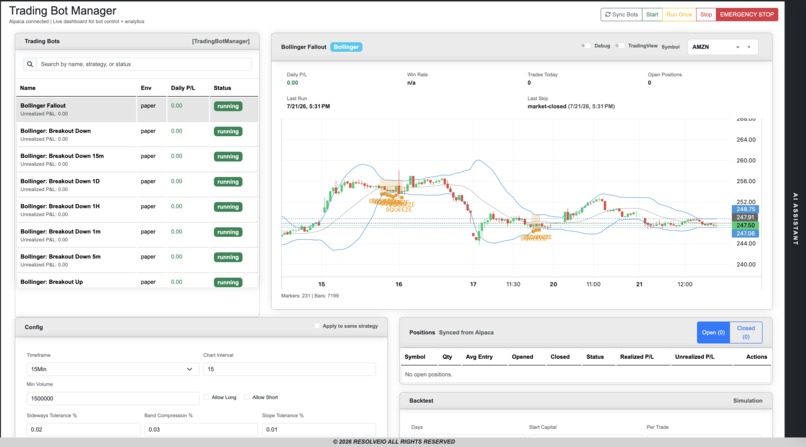
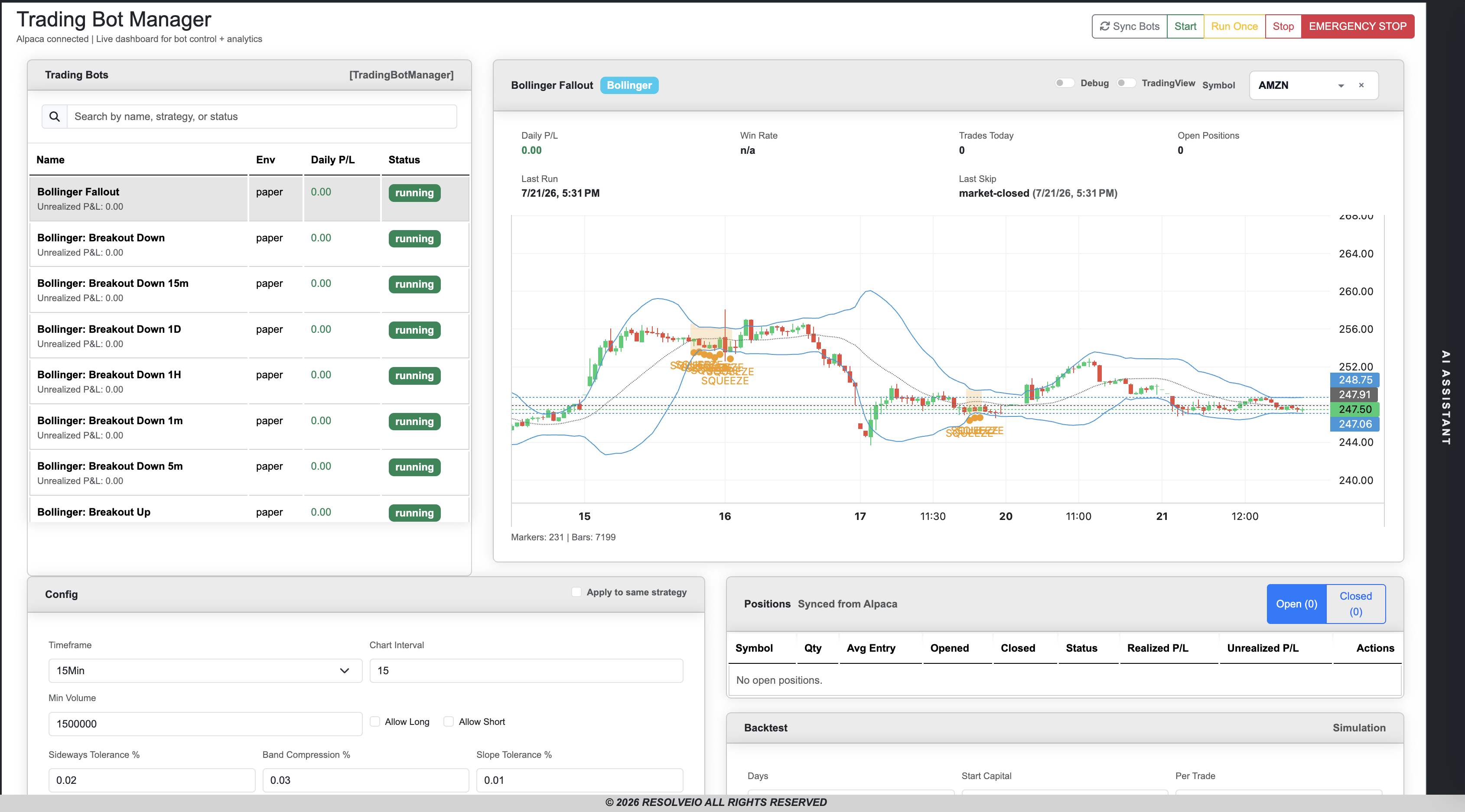
Trading bot system that was generated
-
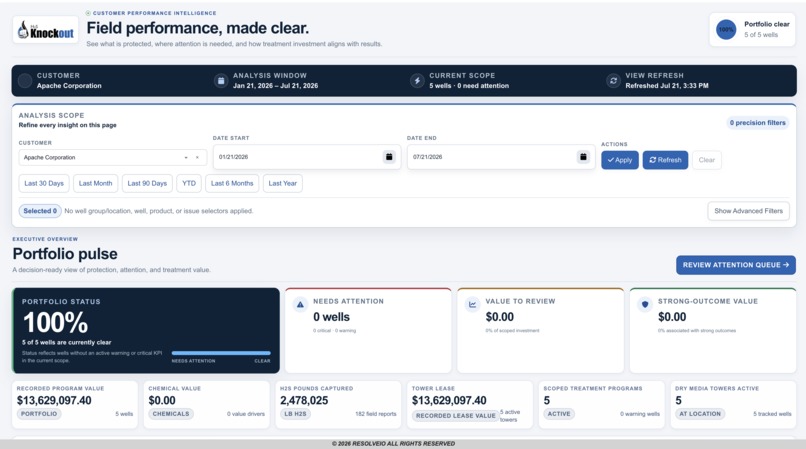
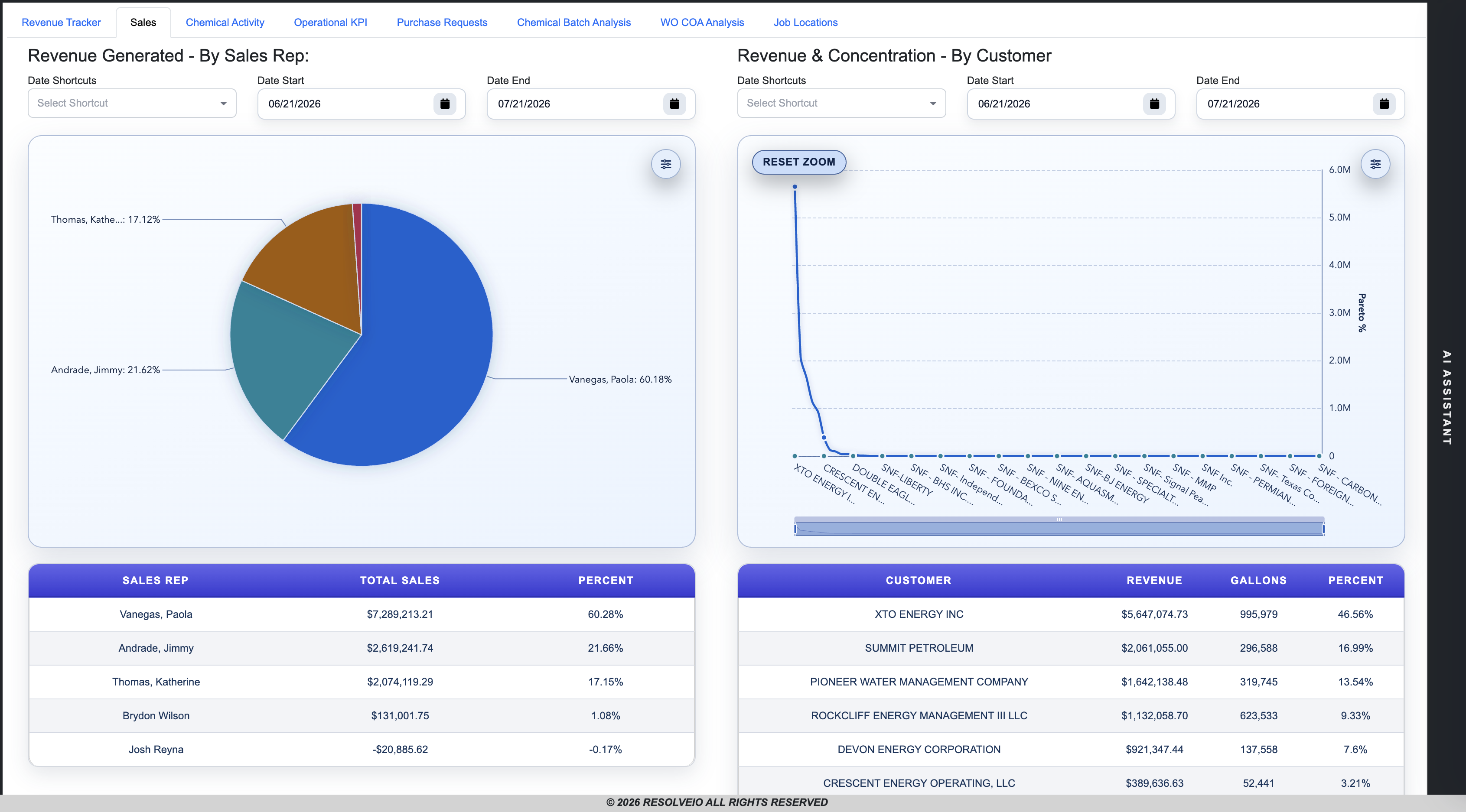
Dashboards to highlight current operations
-
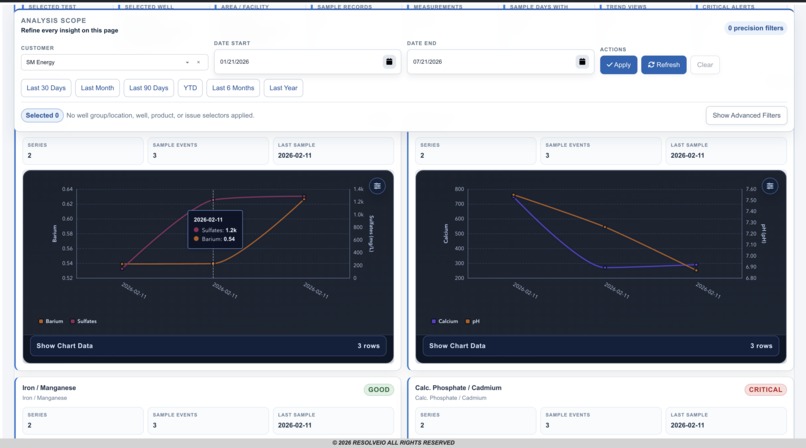
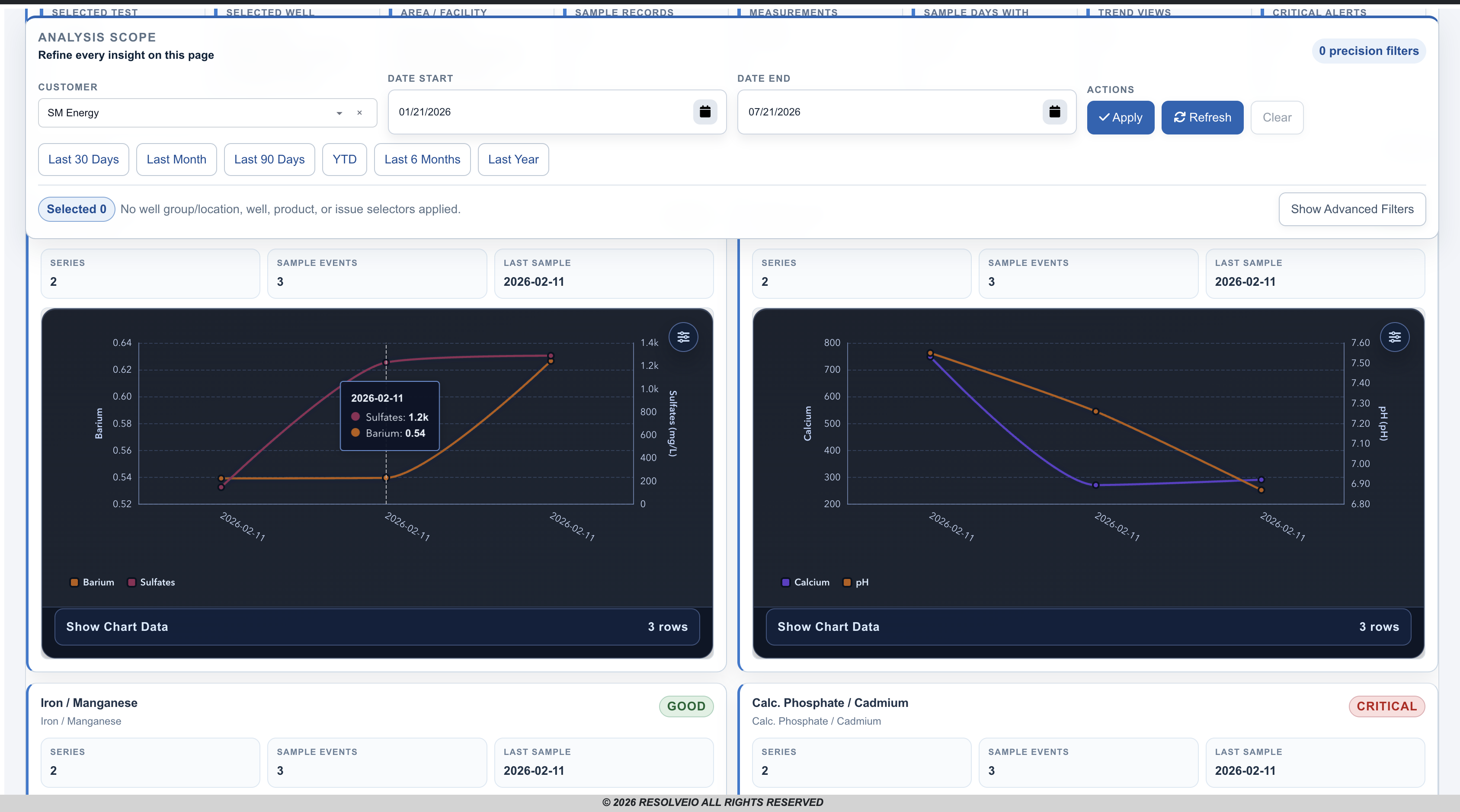
Graphical analysis of data
-
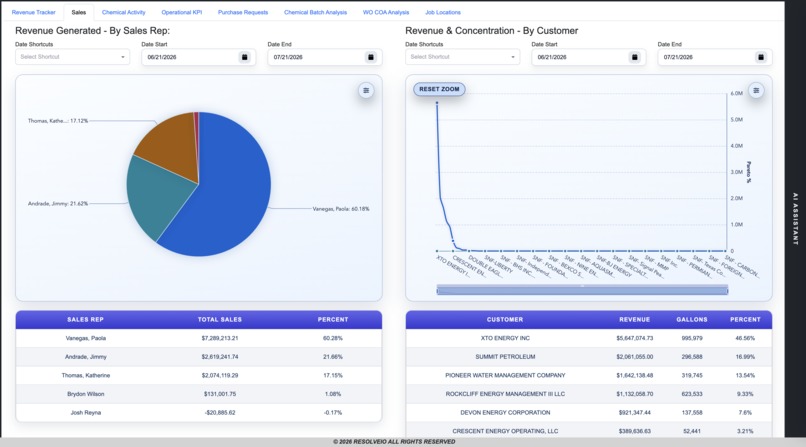
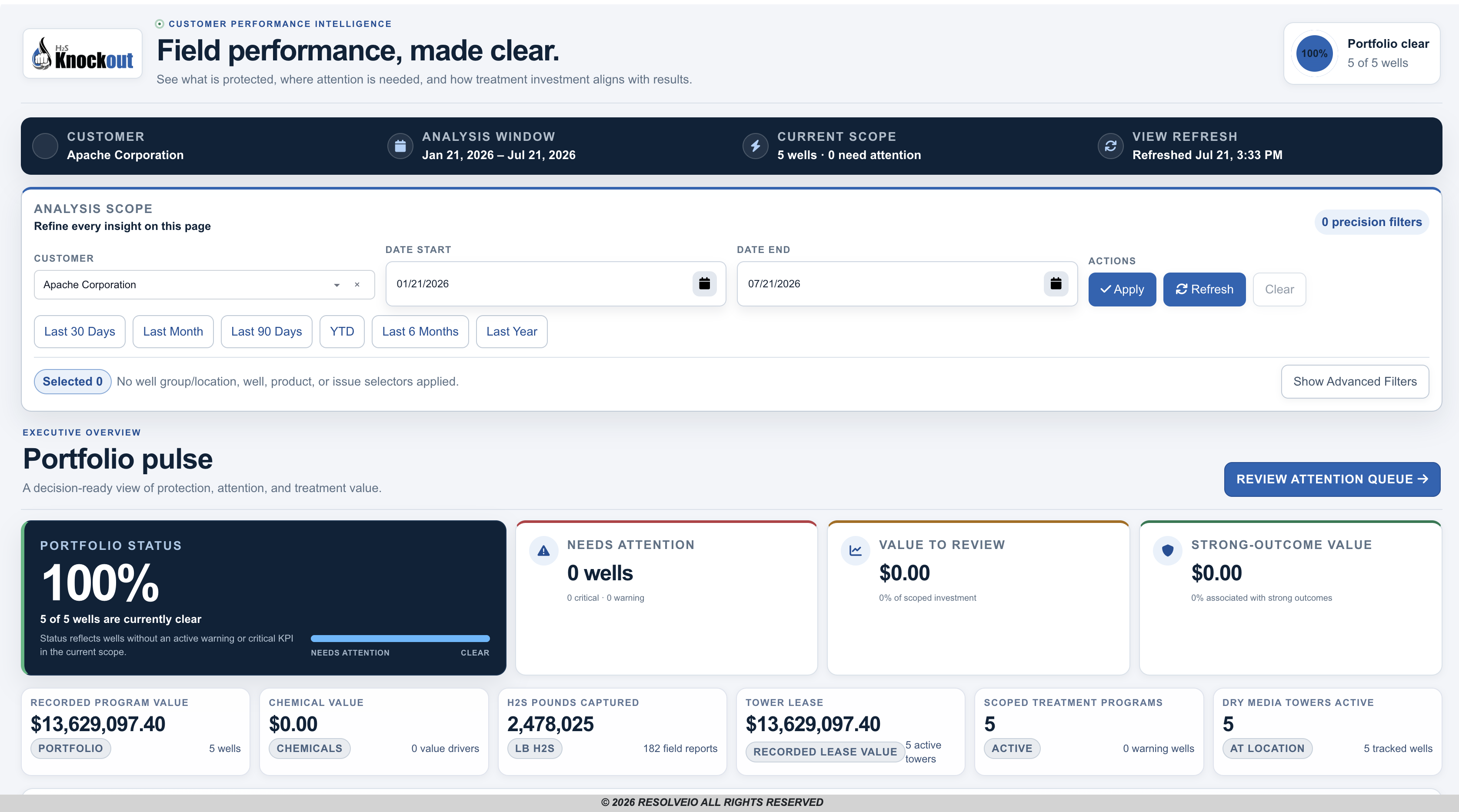
Executive dashboards
Inspiration
AICoder started from a problem we kept running into while building custom business software: the hardest part usually happens before anyone writes code.
Requirements are scattered across conversations, spreadsheets, PDFs, screenshots, existing systems, and knowledge that only lives in someone’s head. Traditional no-code tools make the customer translate all of that into generic building blocks, and that can definitely be challenging! AI coding tools can generate files quickly, but they don't ship with a base platform, built from scratch, with a 10 year proven track record! Often times, they skip the product discovery, testing, security, and operational work required to make the result trustworthy.
We wanted to build something between those two extremes: an AI product studio that understands how a business actually operates, turns that understanding into an engineering plan, and then uses AI to build and prove the resulting application.
What it does
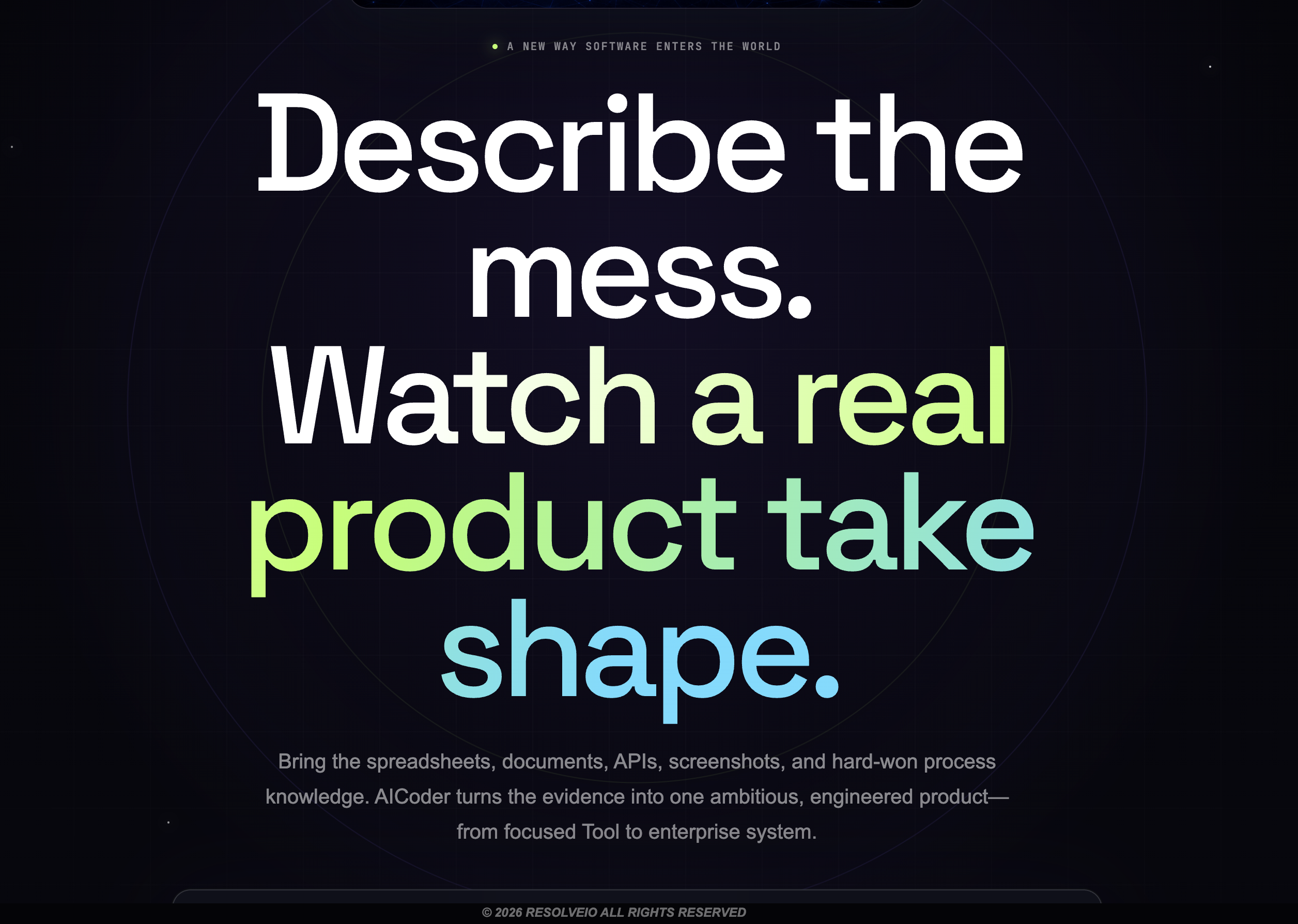
AICoder turns a real-world business process into a working, testable, and deployable web application.
The customer begins by describing the outcome they want in everyday language. They can provide spreadsheets, CSV files, documents, PDFs, images, code, geographic files, and other existing materials. AICoder uses those sources to identify workflows, roles, records, calculations, approvals, integrations, and unanswered questions.
Before code generation begins, AICoder produces a product preview and a structured blueprint. The customer can review the proposed experience, clarify important decisions, select features/styles/focus points, define data requirements, provide branding, and approve the scope.
Once approved, AICoder:
- Creates a product and engineering plan tied back to the original requirements
- Generates a full-stack MEAN (Angular, Node.js, ExpressJS, and MongoDB) application
- Implements complete business workflows instead of isolated UI mockups
- Runs compilation, linting, contract tests, and application smoke tests
- Opens the generated application in a real browser and exercises its workflows
- Detects failures and sends exact evidence into a bounded repair loop
- Preserves build progress so interrupted jobs can resume safely
- Produces an evidence trail showing what was built, tested, and accepted
- Prepares the finished application for an isolated deployment
How we built it
AICoder is built on the ResolveIO application platform using Angular, TypeScript, Node.js, MongoDB, WebSockets, worker processes, and isolated cloud infrastructure.
The system is organized as a product-engineering pipeline rather than one large prompt. Customer requirements and uploaded artifacts are converted into versioned contracts, requirement ledgers, vertical slices, acceptance criteria, and evidence definitions. Fingerprints and durable receipts keep each stage tied to the exact inputs that produced it.
We used the GPT-5.6 model family for different kinds of reasoning:
- GPT-5.6 Luna handles bounded execution tasks, artifact understanding, and cost-sensitive operations.
- GPT-5.6 Sol develops the product concept, customer journey, and bounded presentation improvements.
- GPT-5.6 Terra converts the approved concept into an engineering blueprint, reconciles technical constraints, and supervises higher-risk work.
Codex is the agentic engineering layer. It receives scoped tasks with explicit target files and acceptance criteria, inspects the existing codebase, implements changes, runs the required commands, and returns structured results. We also used Codex throughout the development of AICoder itself to investigate failures, implement features, write tests, and repeatedly harden the build and browser-QA pipeline.
After implementation, AICoder runs a layered validation process. It checks generated source contracts, compiles the client and server, runs focused tests, starts the application, and uses real browser interactions to verify customer workflows. When something fails, the system records the exact route, action, expected result, observed result, logs, and affected source ownership. Codex then receives that bounded evidence and repairs only the relevant portion before the failed check is rerun.
Security was designed into the execution model. Generated applications and Codex jobs run in isolated workspaces with least-privilege access, protected secrets, allowlisted capabilities, bounded file targets, and explicit separation between customer workloads.
Challenges we ran into
The biggest challenge was learning that generating code is the easy part. Generating a complete application that compiles, starts, persists data, survives browser interaction, and still matches the customer’s original workflow is much harder.
We spent a lot of time closing the gap between “the files exist” and “the product works.” A generated route might compile but redirect incorrectly. A dialog could render but fail to receive the right data. A form could save successfully while leaving related records inconsistent. These failures pushed us to make browser behavior and persisted business outcomes part of the build contract.
Another major challenge was giving Codex enough context to solve a problem without giving an autonomous process unlimited access. We built scoped task graphs, capability controls, isolated workspaces, exact file ownership, and evidence-based repair prompts so the system can make useful changes while remaining bounded.
Long builds can be interrupted by model limits, worker restarts, compilation failures, or browser issues. AICoder needed to distinguish completed work from stale or failed work and resume from the correct checkpoint without repeating expensive stages or losing evidence.
Finally, we had to manage model cost and latency. Routing every task to the largest model would be slow and wasteful, so AICoder chooses the GPT-5.6 role based on the type and risk of the task and keeps supervision compact.
Accomplishments that we're proud of
We are proud that AICoder is not just a prompt connected to a code generator. It is an end-to-end product engineering system.
It can move from an everyday description and messy source materials to a structured product concept, engineering blueprint, generated full-stack application, browser-tested workflows, repair evidence, and deployment readiness.
The accomplishment we are most proud of is the closed-loop QA system. When a generated application fails, the build does not simply stop or ask the customer to debug it. AICoder captures what actually happened, maps the failure back to the responsible source, performs a bounded repair, and reruns the affected journey.
We are also proud that we get to help the little guys just as much as the major businesses. ChatGPT allows us to build amazing apps at the fraction of the price of true human team development!
What we learned
We learned that reliable AI software development depends more on contracts and feedback loops than on one perfect prompt.
Models perform much better when product thinking, engineering planning, implementation, supervision, and presentation are treated as separate responsibilities. We also learned that a compiler passing is only the beginning of QA. The application has to be tested from the customer’s point of view, using real interactions and real persisted outcomes.
Most importantly, we learned that trust has to be visible. Customers should be able to see what the system understood, what it is building, what evidence passed, what remains blocked, and what the AI is allowed to change.
What's next for AICoder
Next, we want to make AICoder faster and easier to experience through a streamlined public sandbox and a larger catalog of working starter applications.
We also plan to add more business-system connectors, richer team collaboration during product discovery, faster incremental browser testing, stronger operational monitoring, and clearer cost forecasting before a build begins.
Longer term, we see AICoder becoming more than an application generator. The goal is a continuous product-engineering partner that can safely maintain, test, improve, and evolve the software it creates as the customer’s business changes. We want everyone to use our platform and leverage our software!

Log in or sign up for Devpost to join the conversation.