-
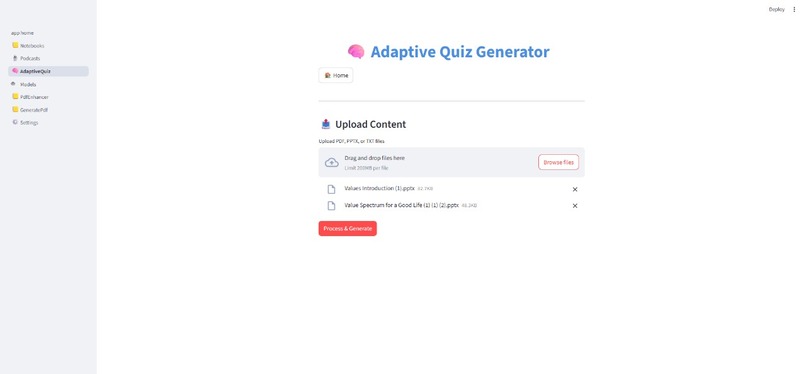
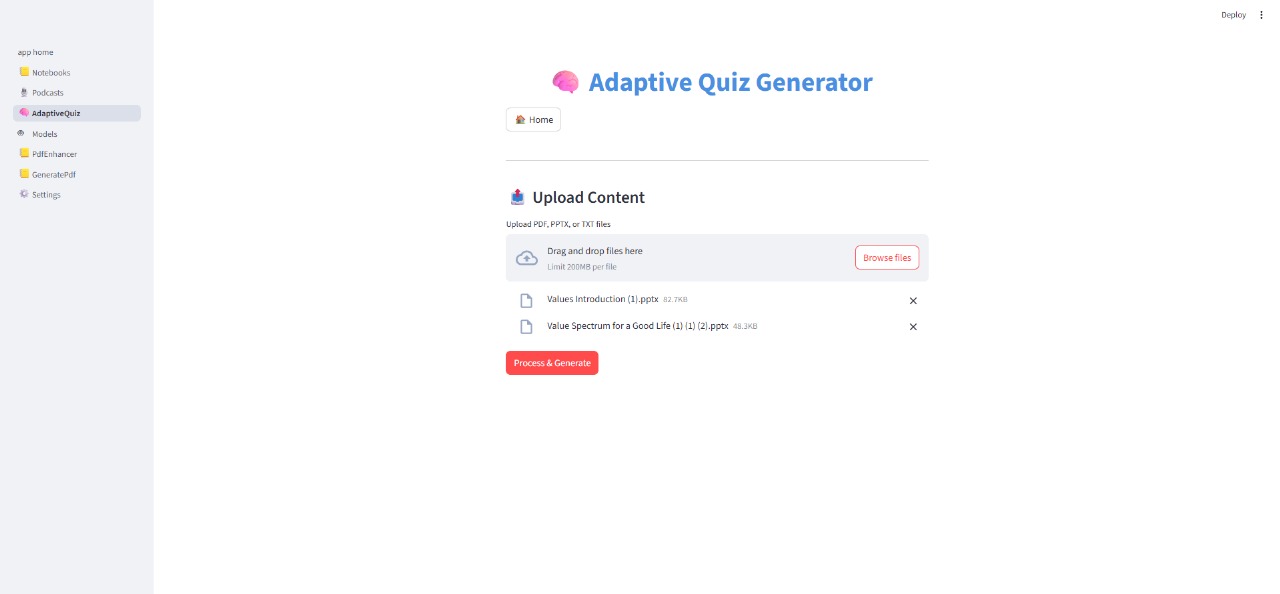
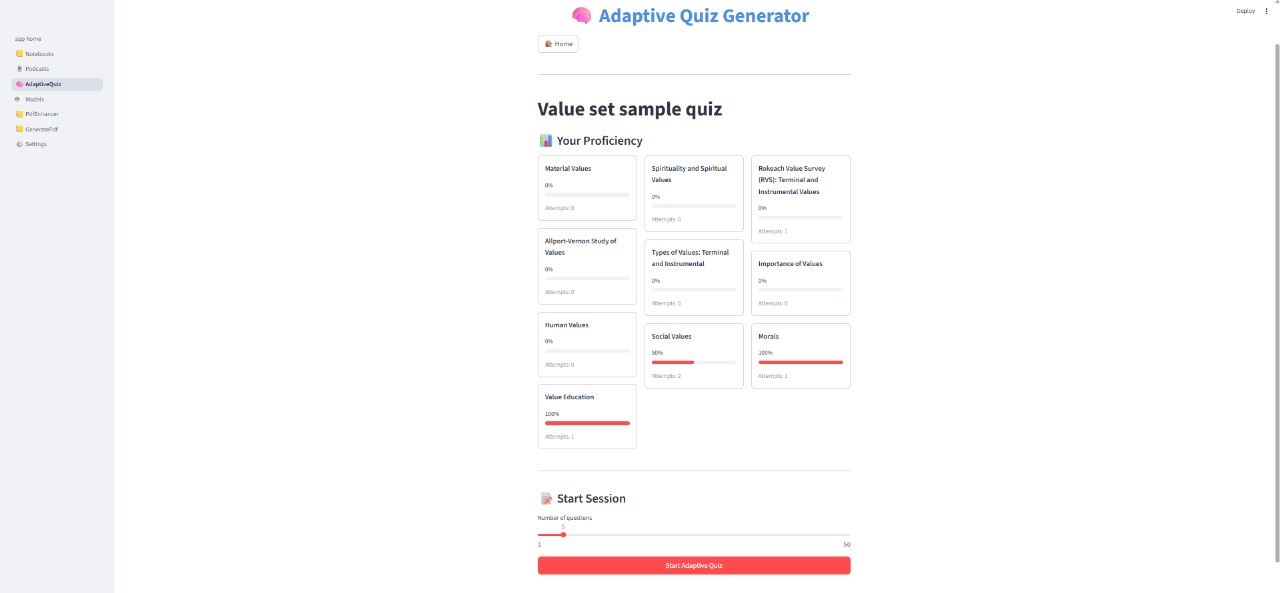
AdaptiveQuiz page
-
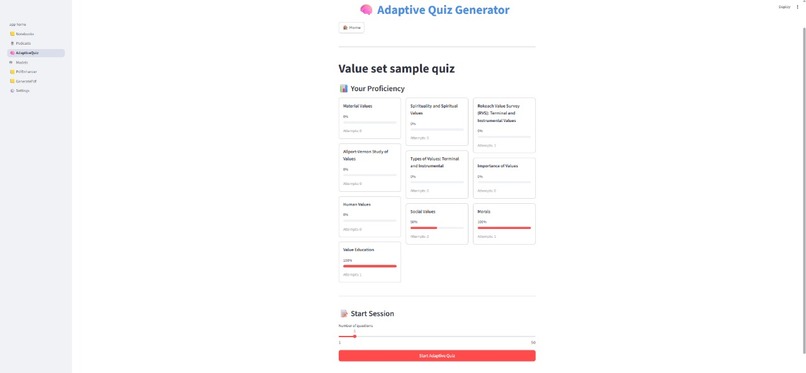
questions genrated
-
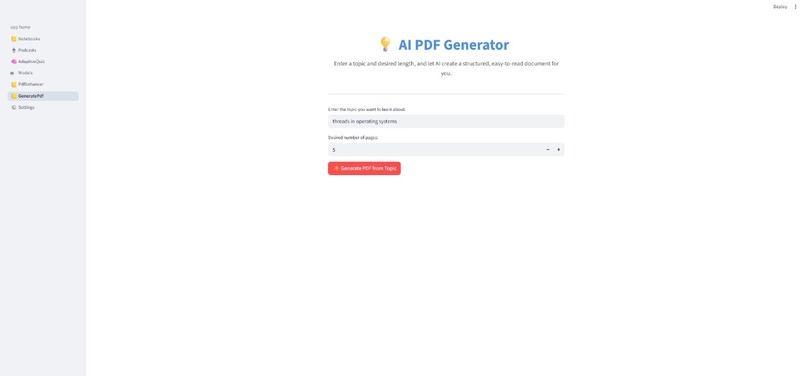
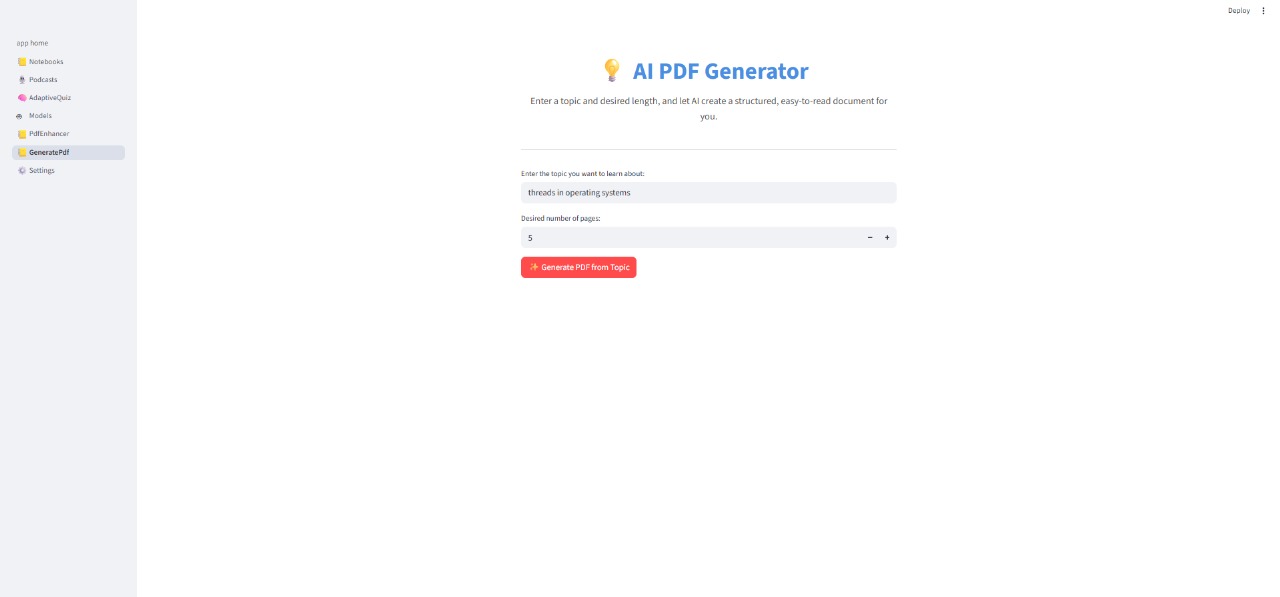
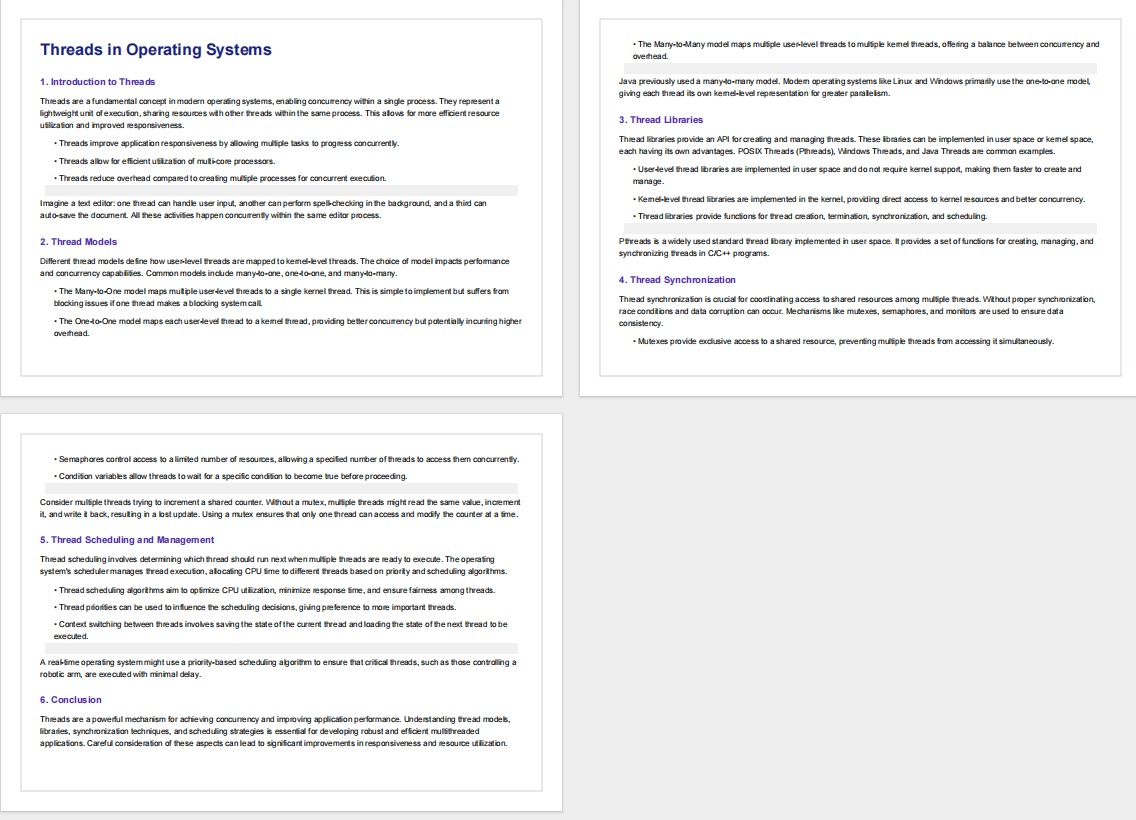
Pdf generator page
-
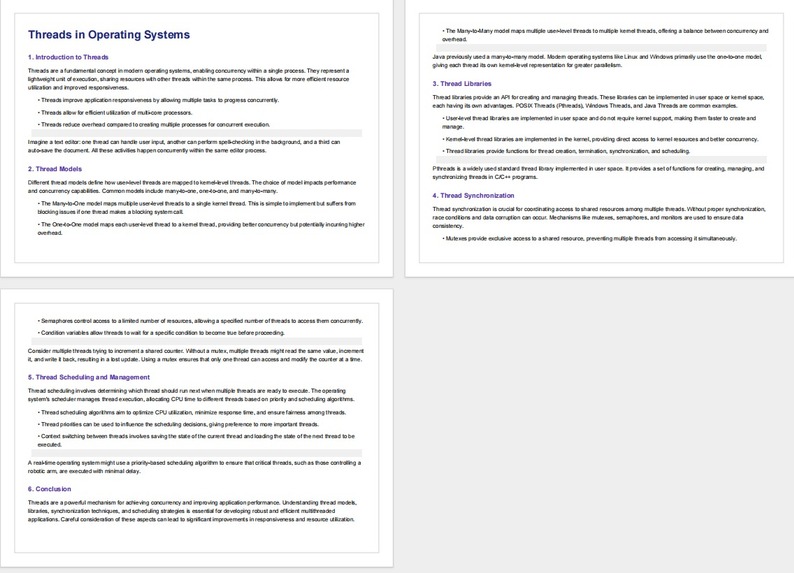
The pdf enhanced
-
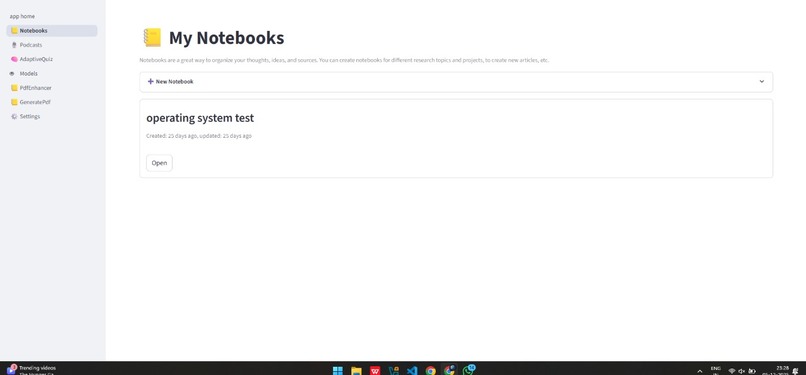
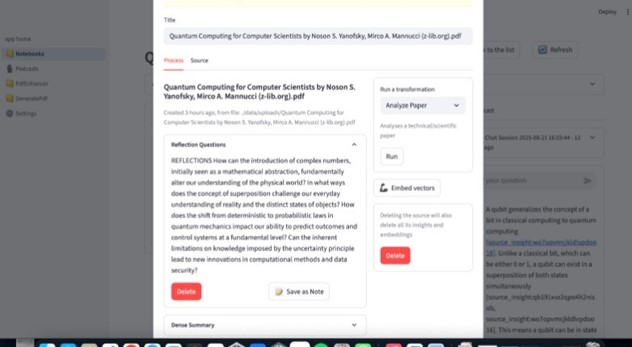
Notebooks page
-
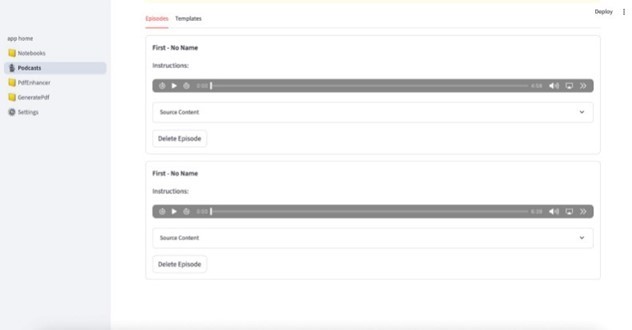
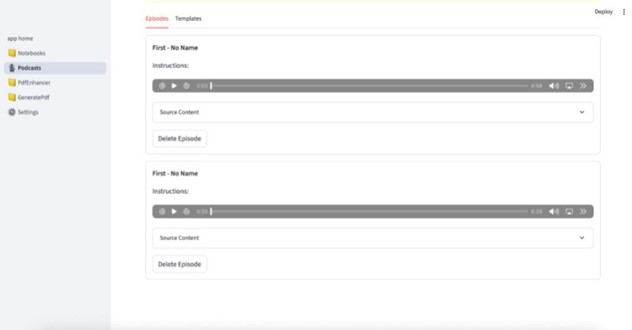
Podcast page
-
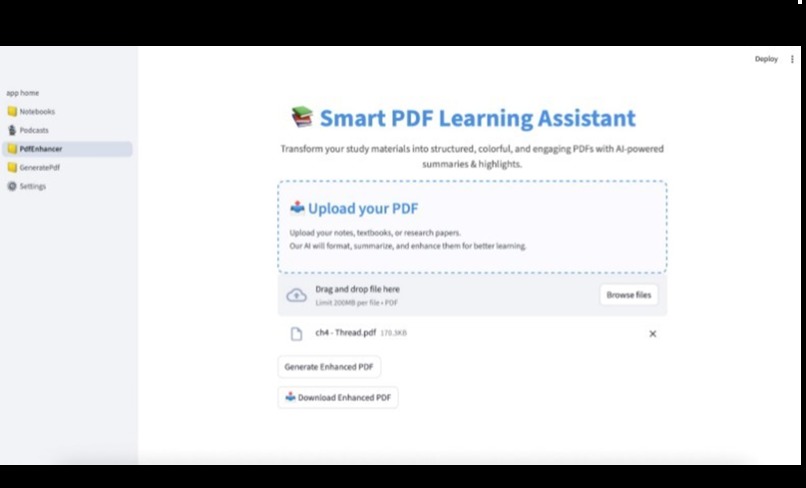
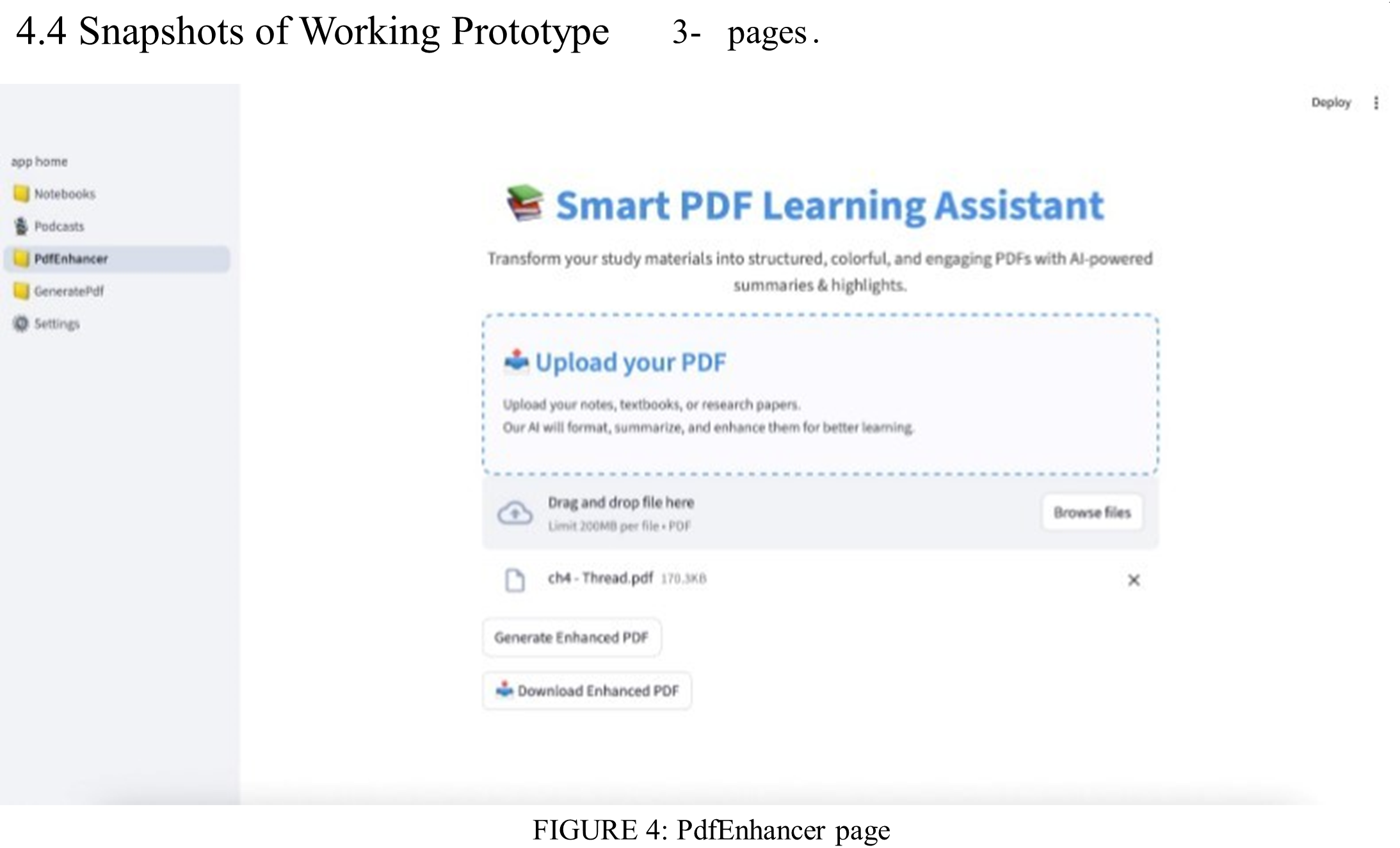
Pdf enhancer page
-
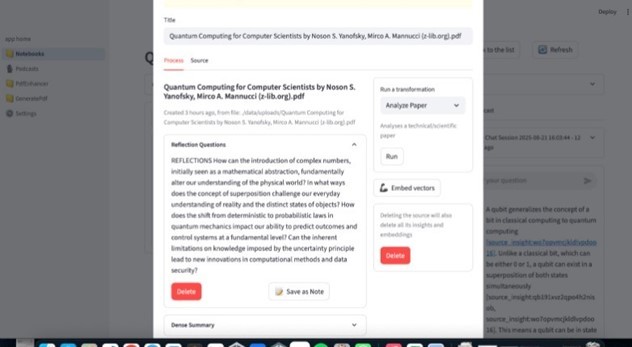
Notebook page, uploading a file
-
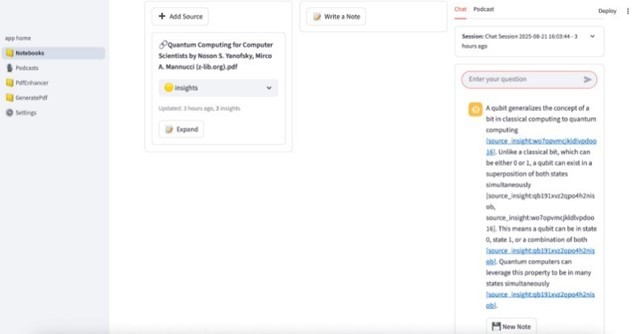
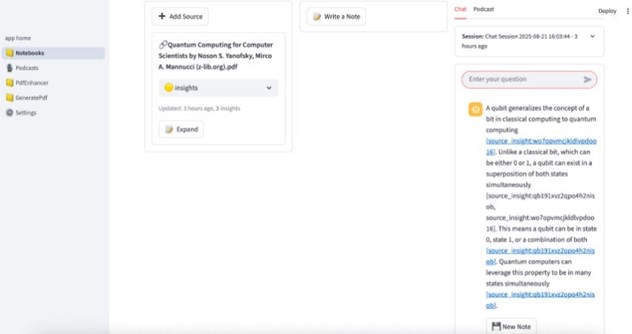
Notebooks page, prompt ingestion

Inspiration
Our project began with the realization that many students in Indian schools struggle not because they lack ability, but because they lack access to timely academic support. Teacher shortages, large class sizes, and limited after-school guidance leave learners without the individual attention they need.
During our capstone, we built a reliable Retrieval-Augmented Generation (RAG) system capable of grounding AI outputs in user-provided documents. This inspired us to reimagine the system specifically for classrooms with limited teaching resources. The idea that every student could have a trustworthy, curriculum-aligned AI tutor—one that explains concepts, provides feedback, and generates learning materials—became the foundation of AI-Classmate.
What it does
AI-Classmate is a curriculum-aligned AI tutor that provides students with reliable, personalized learning support. It answers questions, explains concepts, and helps with homework using a RAG pipeline that grounds every response in the school’s own textbooks and notes. The system can also generate summaries, structured notes, and multi-page study documents from uploaded PDFs or topics, helping teachers save time. Additionally, it creates adaptive quizzes with detailed explanations to reinforce understanding. Through text and voice interaction, AI-Classmate acts as an always-available personal tutor that improves clarity, strengthens learning, and supports schools with limited teaching resources.
How we built it
Unified Knowledge Base We created a processing pipeline that extracts, cleans, chunks, and embeds text from teacher-provided documents. These embeddings are stored in SurrealDB to form a single, curriculum-aligned knowledge base. All tutoring and quiz generation operations reference this database.
RAG-Based Conversational Tutor we implemented multi-agent workflows that coordinate retrieval, summarization, explanation, and document generation. The conversational AI answers student questions using RAG, ensuring every claim is backed by relevant source material. A citation system links explanations directly to their origins.
Dynamic Content and Document Generator Building on our capstone objective, we designed a module capable of: Extracting insights from PDFs and notes Simplifying complex topics Generating multi-page summaries Creating structured study guides and worksheets This automates early-stage content creation for schools with limited teacher bandwidth.
Adaptive Assessment Engine We built an intelligent quiz generator that creates questions directly from the knowledge base. For each question, the AI generates explanatory feedback. If a student struggles, the system adjusts difficulty and provides reinforcement.
Challenges we ran into
Eliminating Hallucinations Designing a strict grounding mechanism was crucial. PDFs vary in structure and clarity, making extraction difficult. Ensuring that the AI relied strictly on retrieved content required iterative tuning of chunking, retrieval validation, and RAG workflows.
Maintaining Context Over Long Conversations Students often ask follow-up questions. Preserving conversational context while preventing drift away from syllabus materials required custom memory flows and controlled reasoning steps.
Generating High-Quality Explanations While generating questions is easy, producing explanations that reinforce learning needed experimentation with prompting, retrieval depth, and structured reasoning templates.
Document Variability School-provided PDFs differ in formatting and quality. Building a robust parser capable of extracting clean, structured text was a major technical challenge.
Accomplishments that we're proud of
We are proud to have built a fully working, curriculum-grounded AI tutoring system that goes beyond a simple chatbot. Our biggest accomplishment is creating a trustworthy RAG pipeline that ensures every explanation is grounded in real study material, eliminating hallucinations and making the system safe for schools. We successfully implemented a dynamic content generator capable of turning raw PDFs and topics into structured notes, summaries, and multi-page documents—something that meaningfully reduces teacher workload. Another achievement is our adaptive quiz engine, which not only evaluates performance but explains answers in detail, turning assessments into learning moments.
What we learned
Throughout the development process, we learned how critical accuracy, grounding, and clarity are in educational applications. We discovered that effective learning support requires more than generating answers—it requires structured explanations, verifiable citations, and a balanced mix of reading, practice, and revision. We also learned the importance of designing retrieval pipelines, chunking strategies, embeddings, and indexing structures that produce consistent, contextually relevant results. Building the adaptive quiz system taught us how assessments can reinforce learning by providing detailed feedback rather than simply scoring responses. On the engineering side, we gained experience working with multi-agent AI workflows, SurrealDB integrations, document parsing, structured PDF generation, and multimodal text-to-speech pipelines—skills that directly shaped the final solution.
What's next for AICLASSMATE
Going forward, we aim to expand AICLASSMATE into a fully deployable school-wide learning ecosystem. Our immediate focus is to broaden subject and class coverage by ingesting complete NCERT and teacher-provided materials. We plan to introduce student progress dashboards, enabling personalized learning paths based on mastery levels and quiz performance. We also intend to strengthen accessibility by adding multilingual support, improved voice interaction. On the teacher side, we will enhance the content automation tools to generate lesson plans, worksheets, and revision guides with even greater structure and accuracy. Finally, we want to pilot AICLASSMATE in real classrooms to collect feedback from teachers and students, refine the tutoring style, and ensure the system scales effectively in low-resource environments.
Built With
- docker
- gemini
- pymupdf
- python
- reportlab
- sqlite
- streamlit
- surrealdb
- tts-api.com

Log in or sign up for Devpost to join the conversation.