-
-
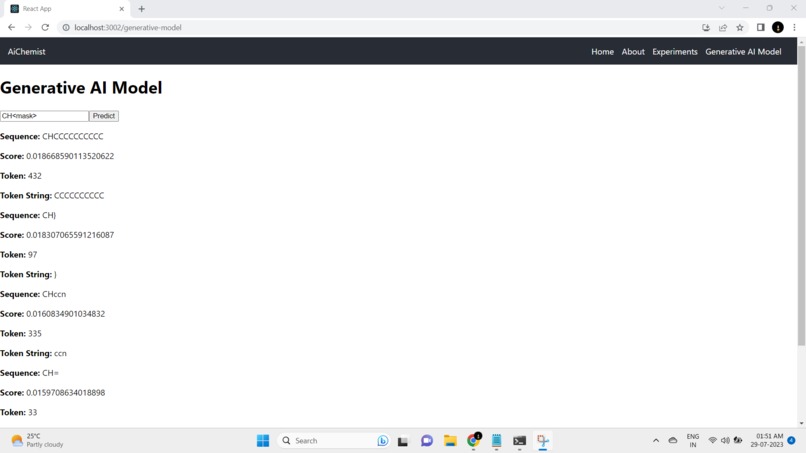
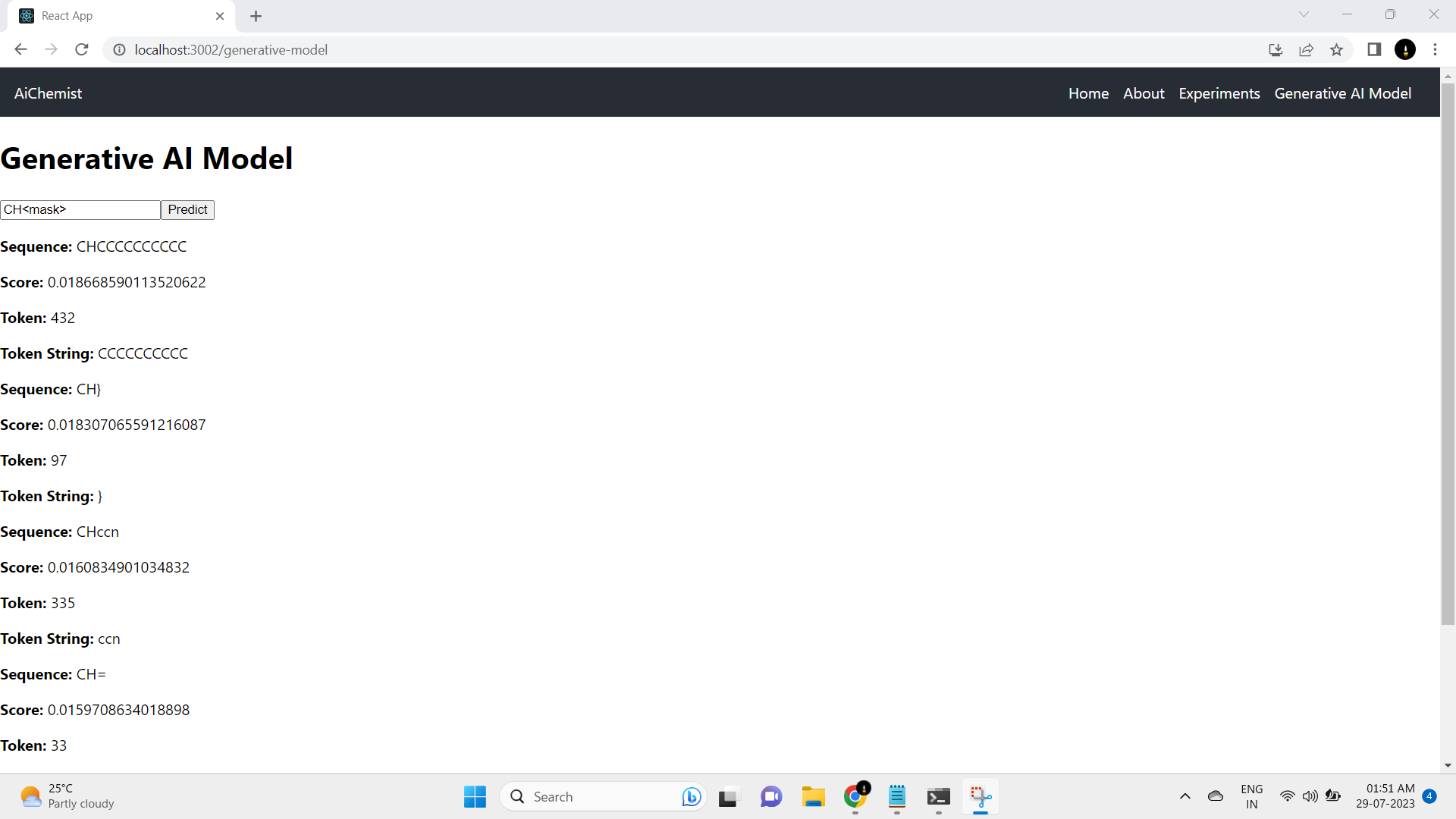
The App
-
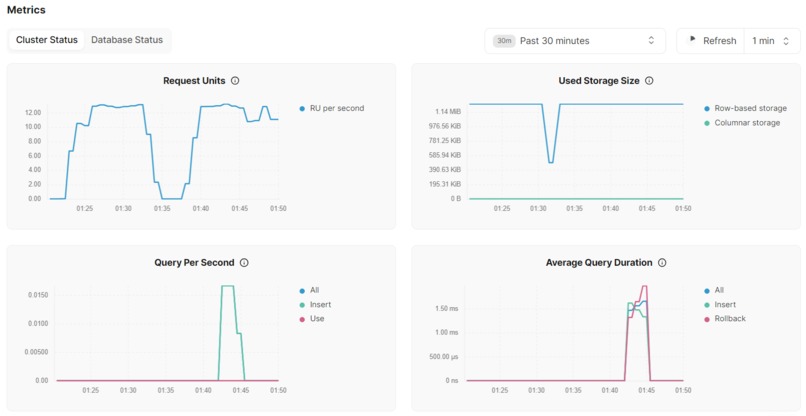
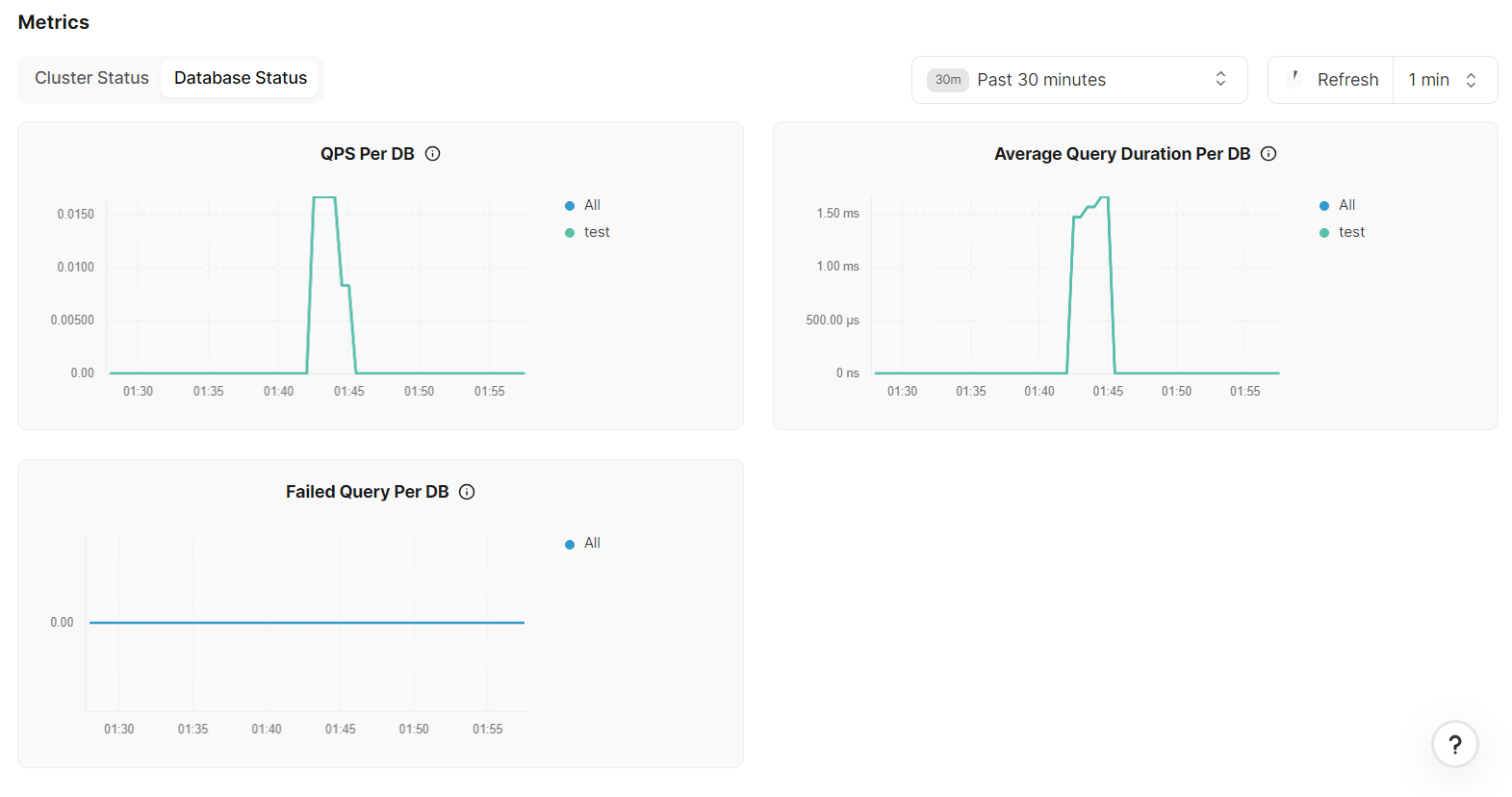
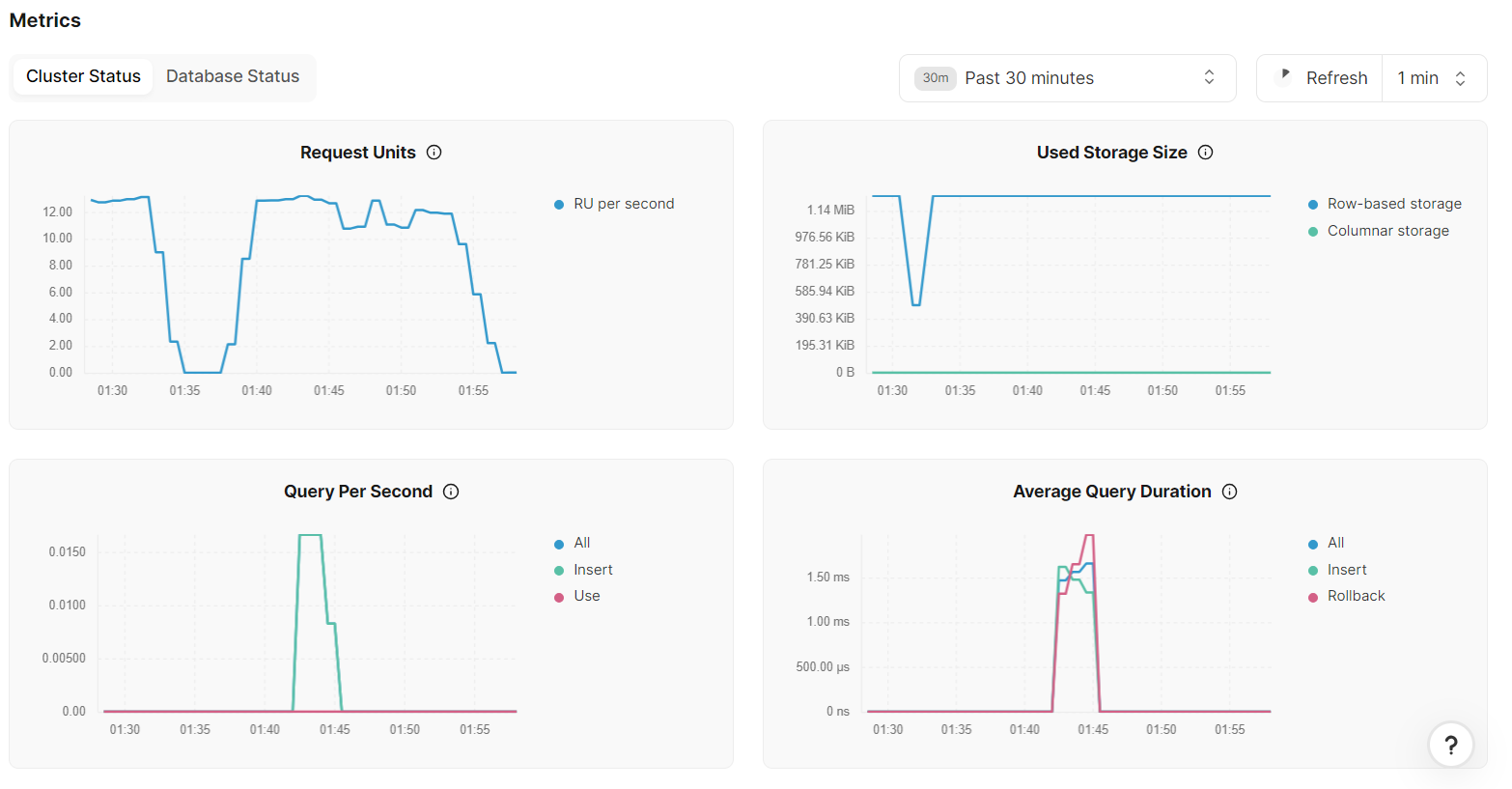
Metrics Snap 1
-
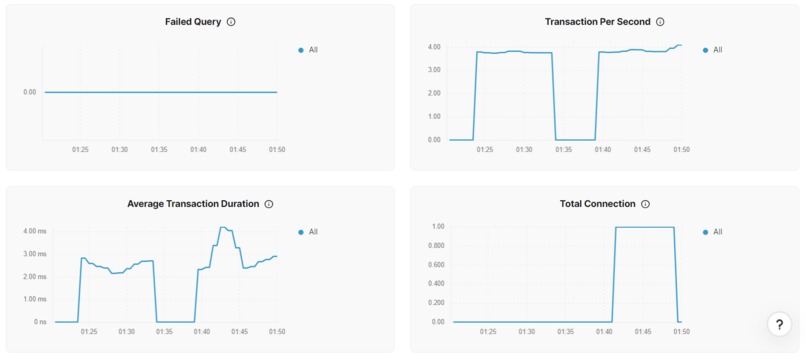
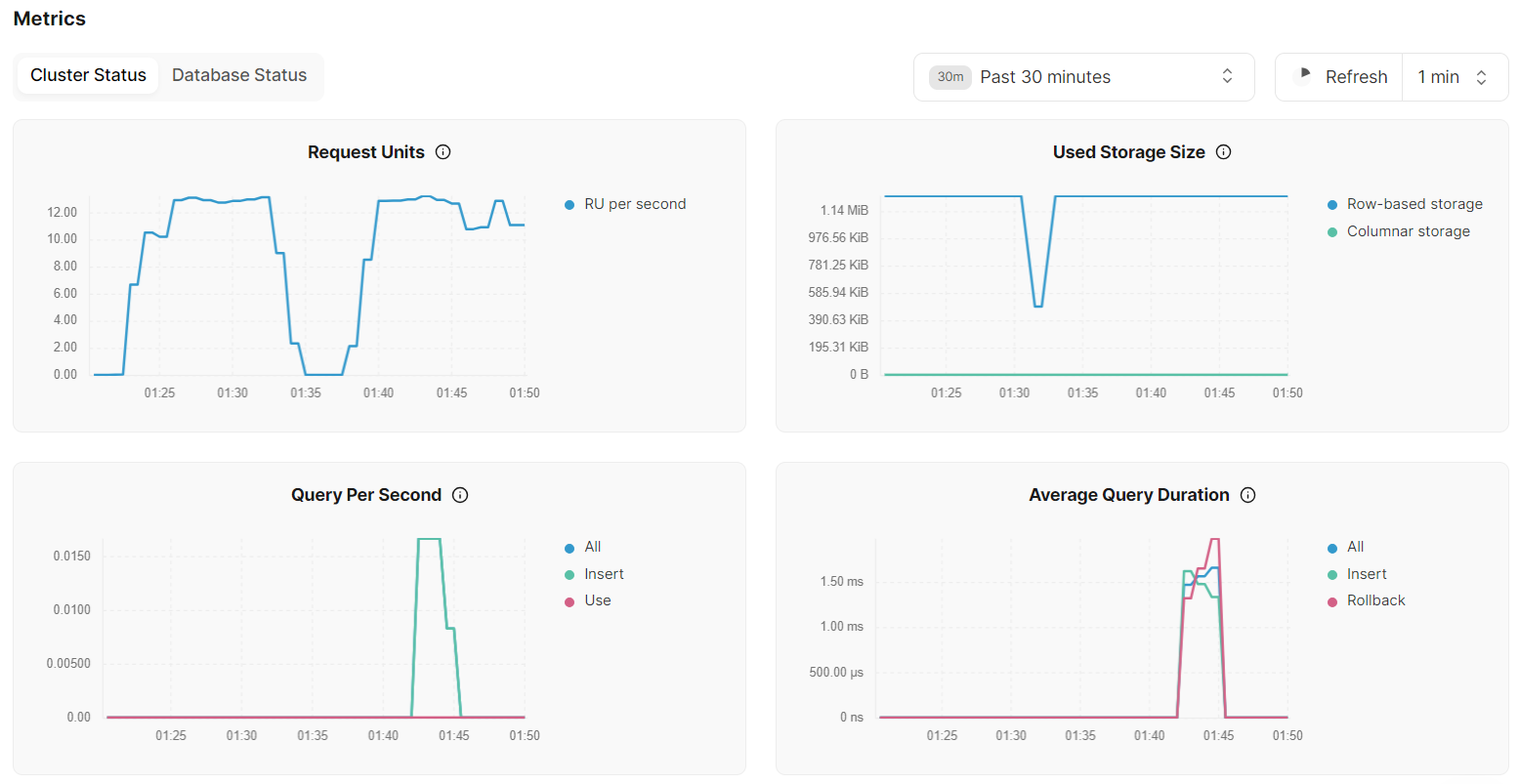
Metrics Snap 2
-
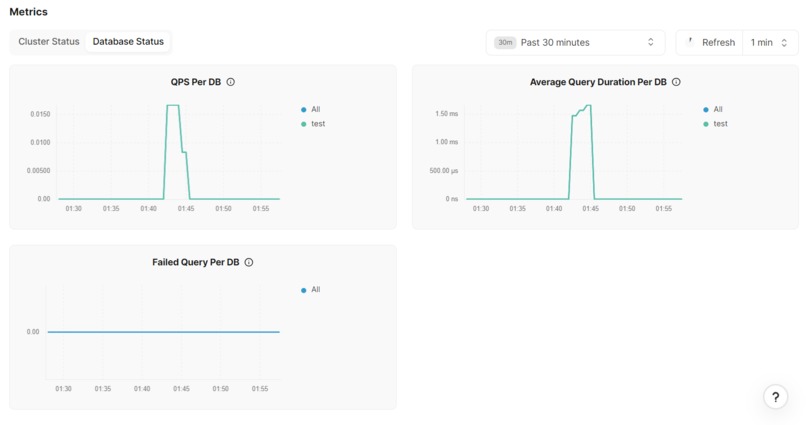
Other
-
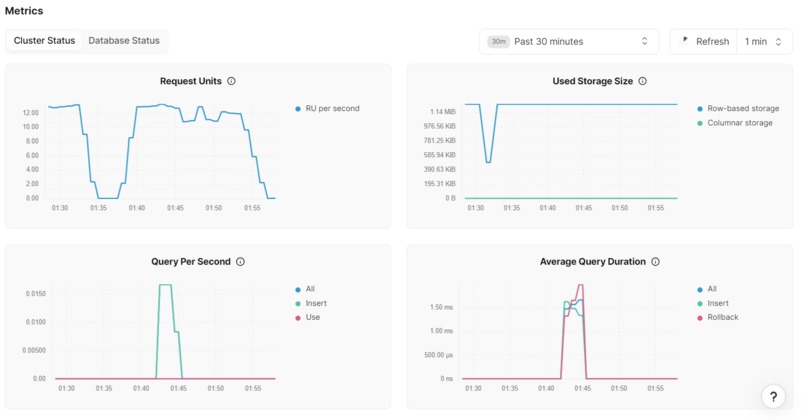
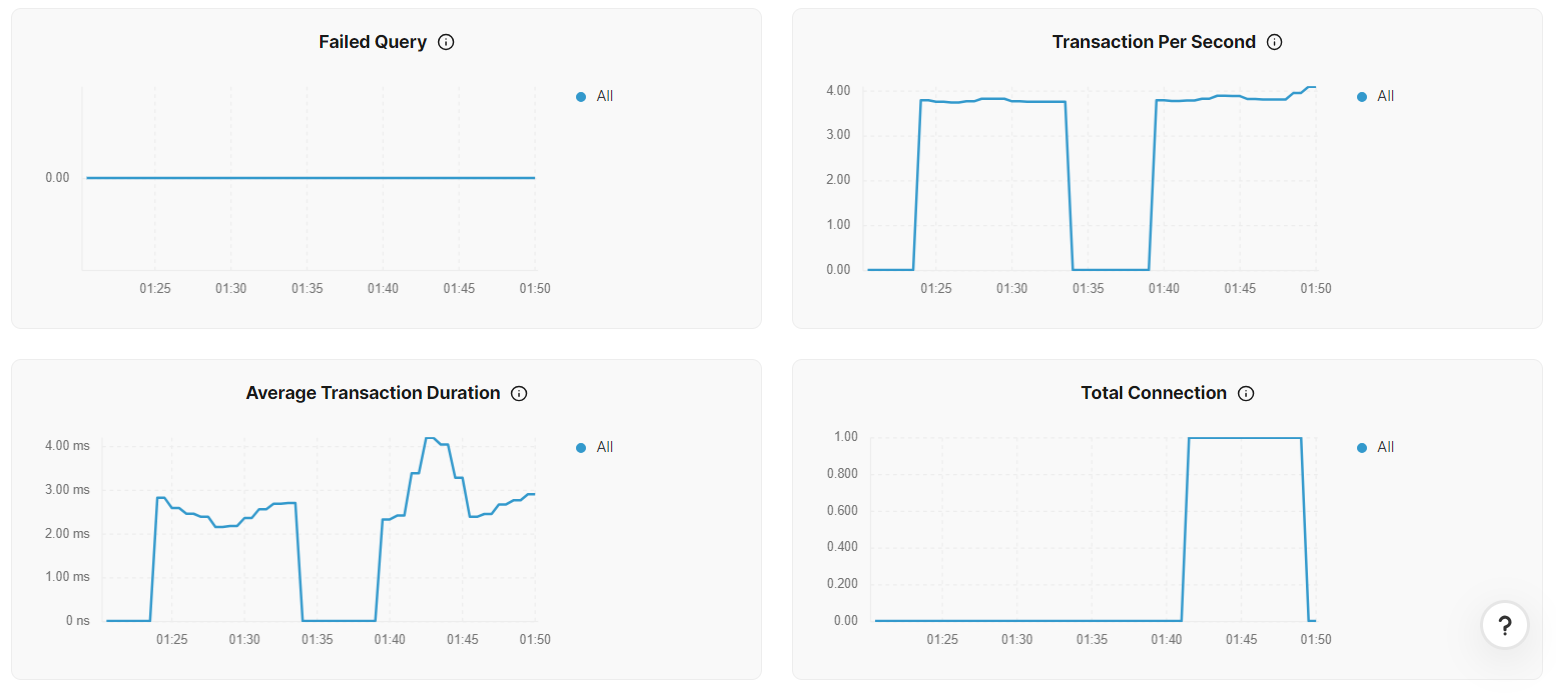
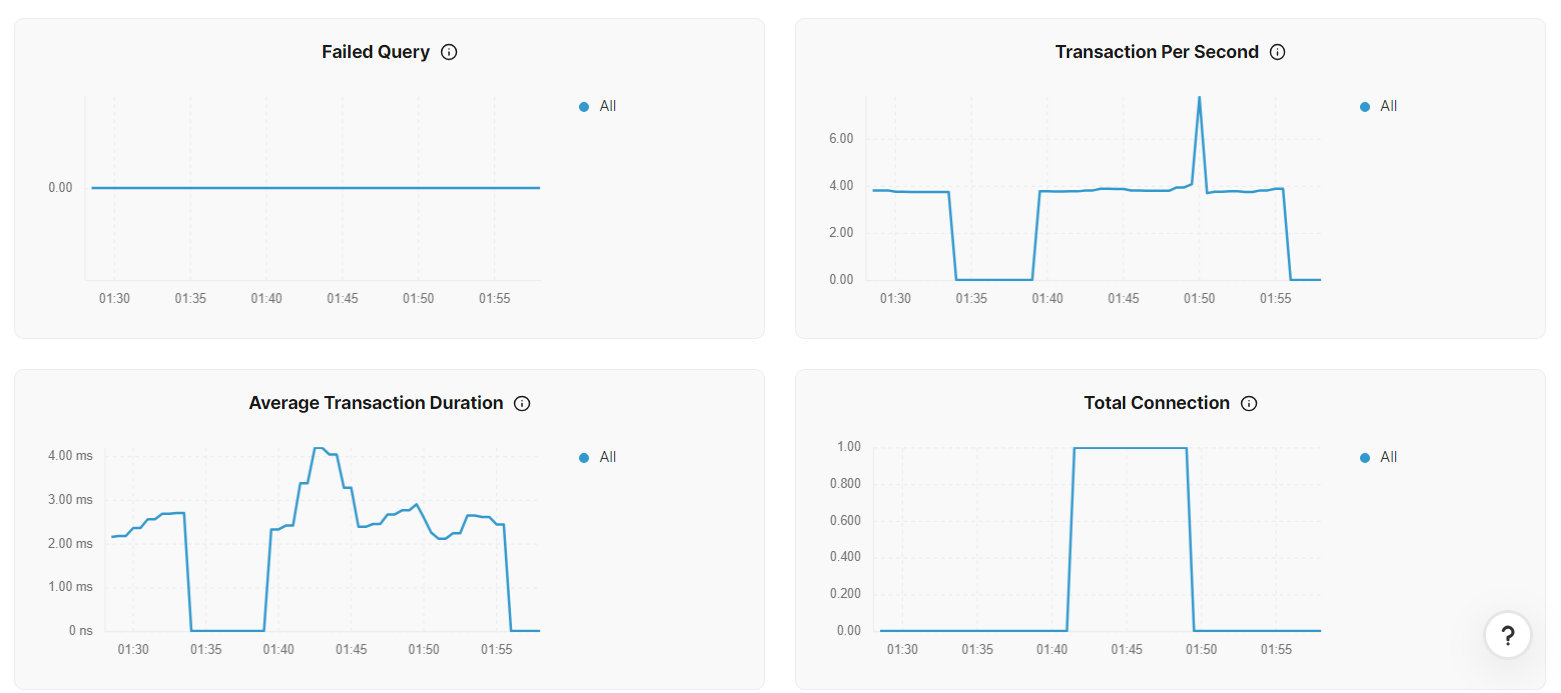
After A
-
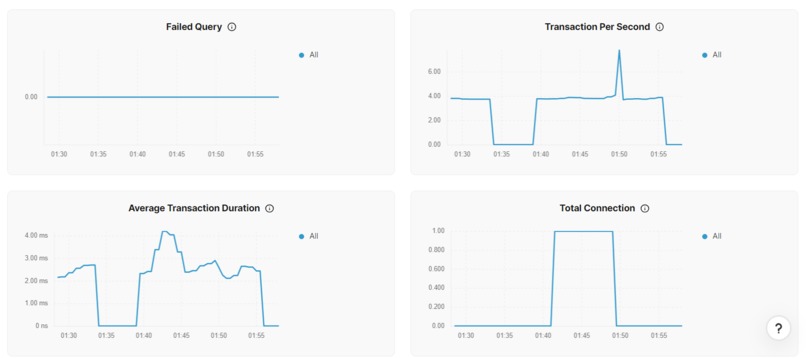
After B
About the Project: Generative AI for Drug Discovery Inspiration The intersection of chemistry and artificial intelligence always fascinated me. While the world of molecular biology is vast and intricate, the idea of AI predicting or even creating novel molecular structures seemed like a distant dream. Drawing inspiration from open-source contributions in the domain of cheminformatics, I decided to bring the potential of generative AI into the field of drug discovery. Given the profound impacts such a tool could have on health, medicine, and even other sectors, it was an opportunity I couldn't pass up.
What I Learned This solo venture was a learning odyssey:
Chemical Informatics: Diving into the intricacies of SMILES notations expanded my understanding of its pivotal role in molecular biology. Deep Learning Models: Grasping the nuances of transformer architectures and how open-source models can be repurposed for specific objectives. Integration: I realized the challenges of marrying computational biology with software engineering, utilizing Flask as the backbone of the service. Database Dynamics: TiDB offered lessons in scalability and efficient data management, an integral part of this project. How I Built It Central to the project is a transformer-based model tailored for SMILES generation, thanks to the open-source community.
Backend Services: Crafted with Flask, this crucial component interfaces with the AI model, manages database interactions, and serves the frontend requests. Database: I integrated TiDB to offer a scalable solution for storing and retrieving the generated SMILES strings. User Interface: A simple, intuitive frontend allowing users to generate, visualize, and manage the novel molecular structures. Challenges Faced Data Management: Handling extensive SMILES datasets and training logs was no small feat. Optimizing the Model: Adjusting the open-source model to cater to generative drug discovery while retaining efficiency was challenging. Solo Development: Being a one-man army meant managing the frontend, backend, AI, and database. The integration of these components, especially ensuring a smooth user experience, tested my limits. Database Intricacies: Configuring TiDB, particularly focusing on secure operations and efficient connectivity, presented its fair share of hurdles. Final Thoughts This expedition into the blend of AI and chemistry has been nothing short of exhilarating. The amalgamation of generative AI models and drug discovery offers a glimpse into the next chapter of medical research. I am humbled to contribute this tool to the community and look forward to the revolutionary breakthroughs it might inspire.
Built With
- ai
- javascript
- python
- react
- tidb


Log in or sign up for Devpost to join the conversation.