-

-
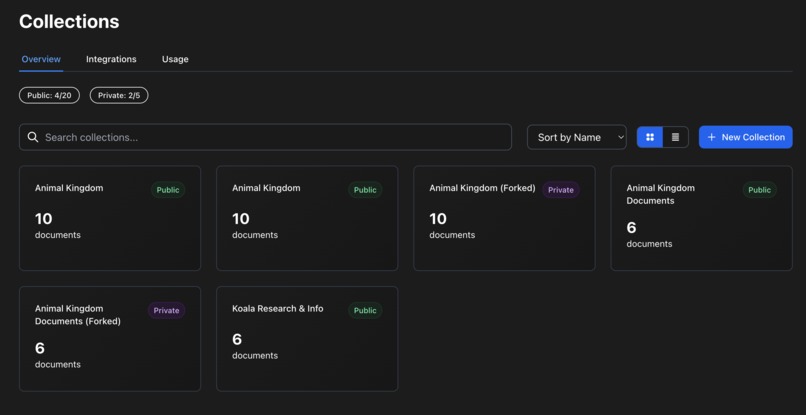
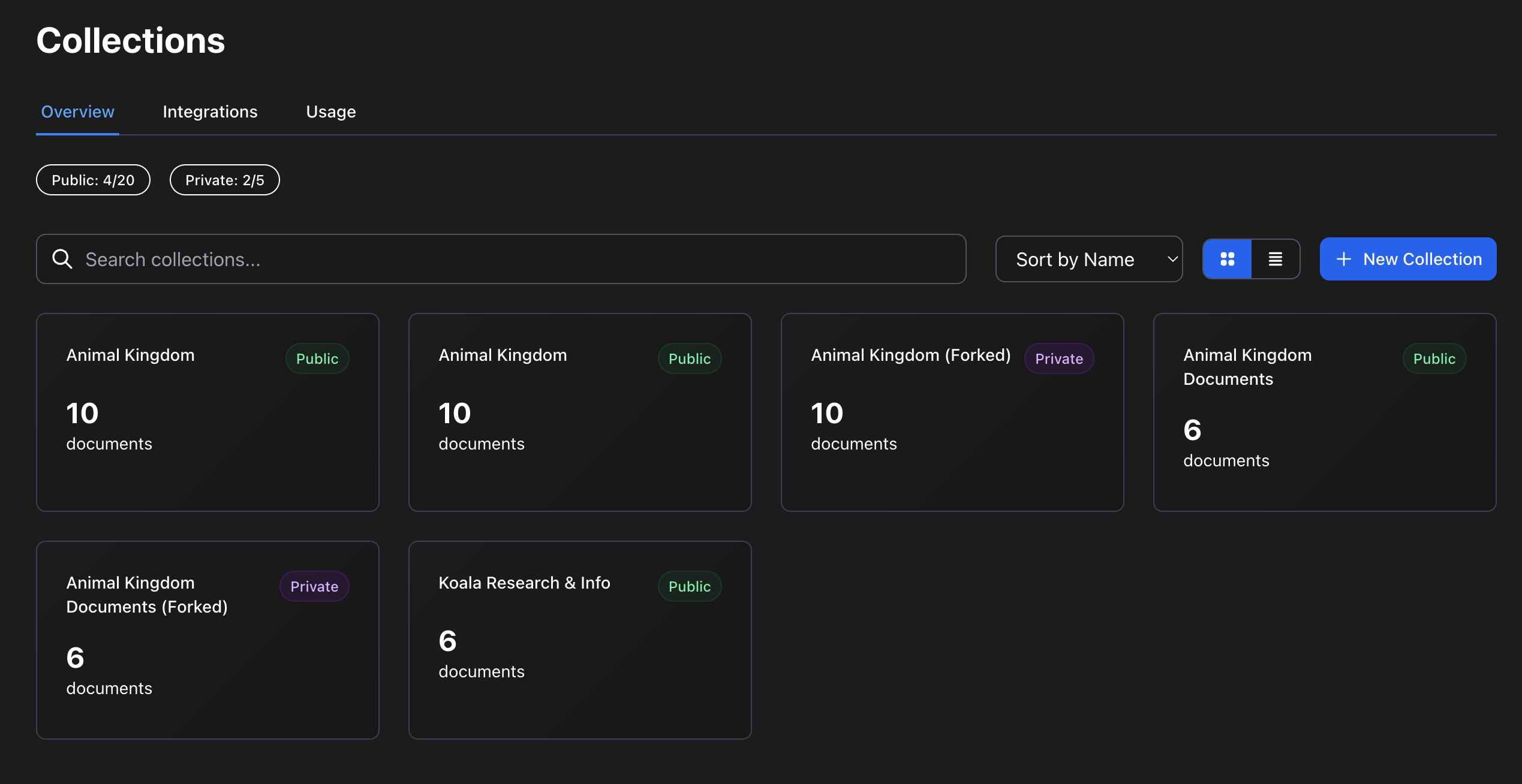
searching for databases
-
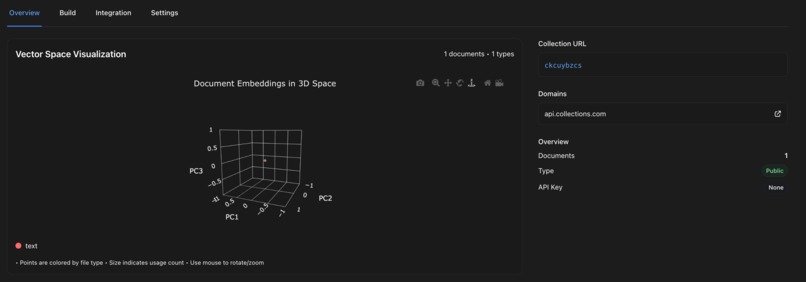
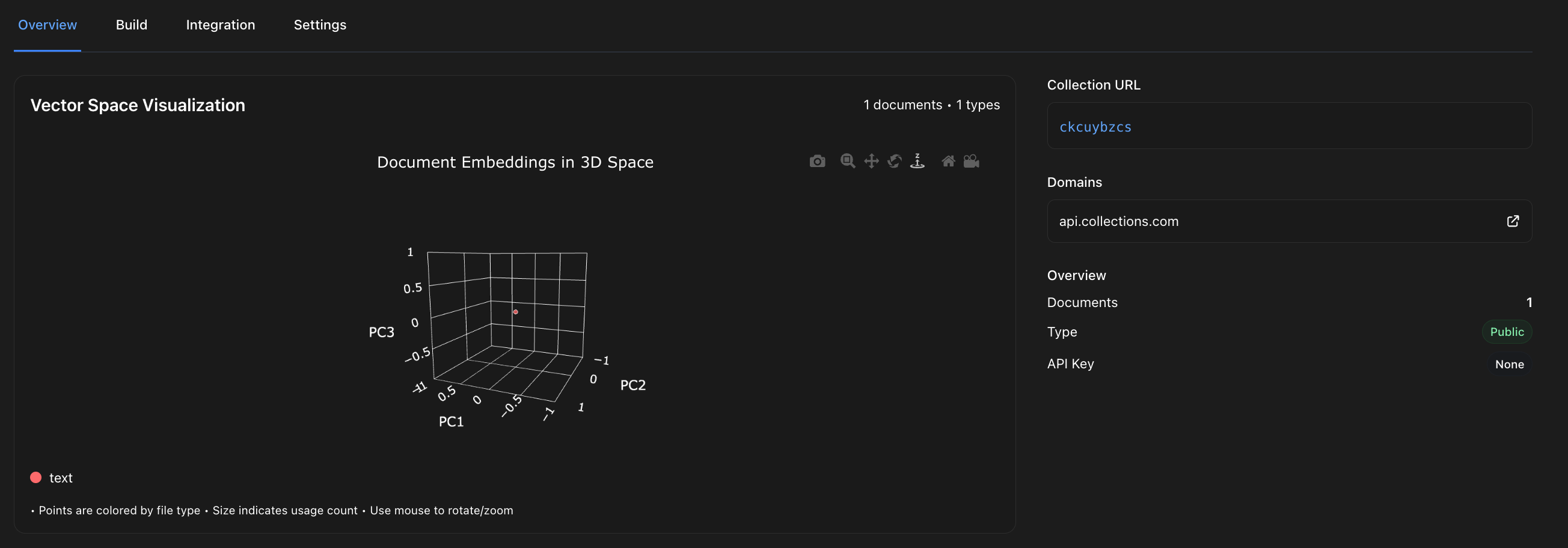
looking at embedded data
-
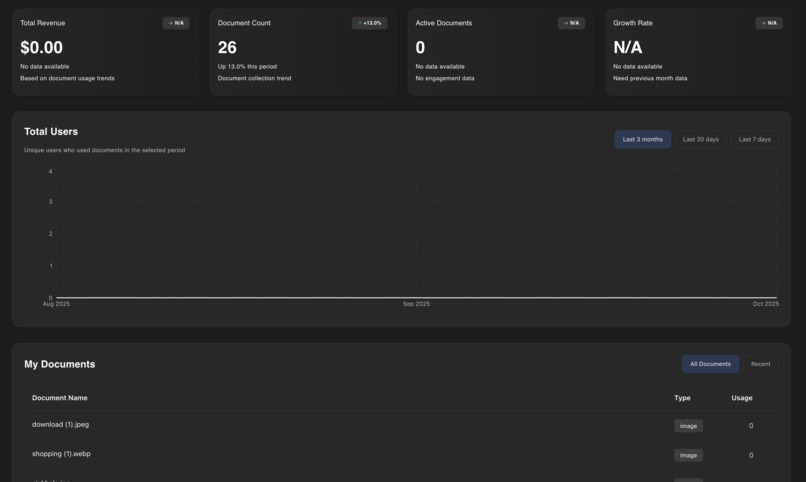
monetization page

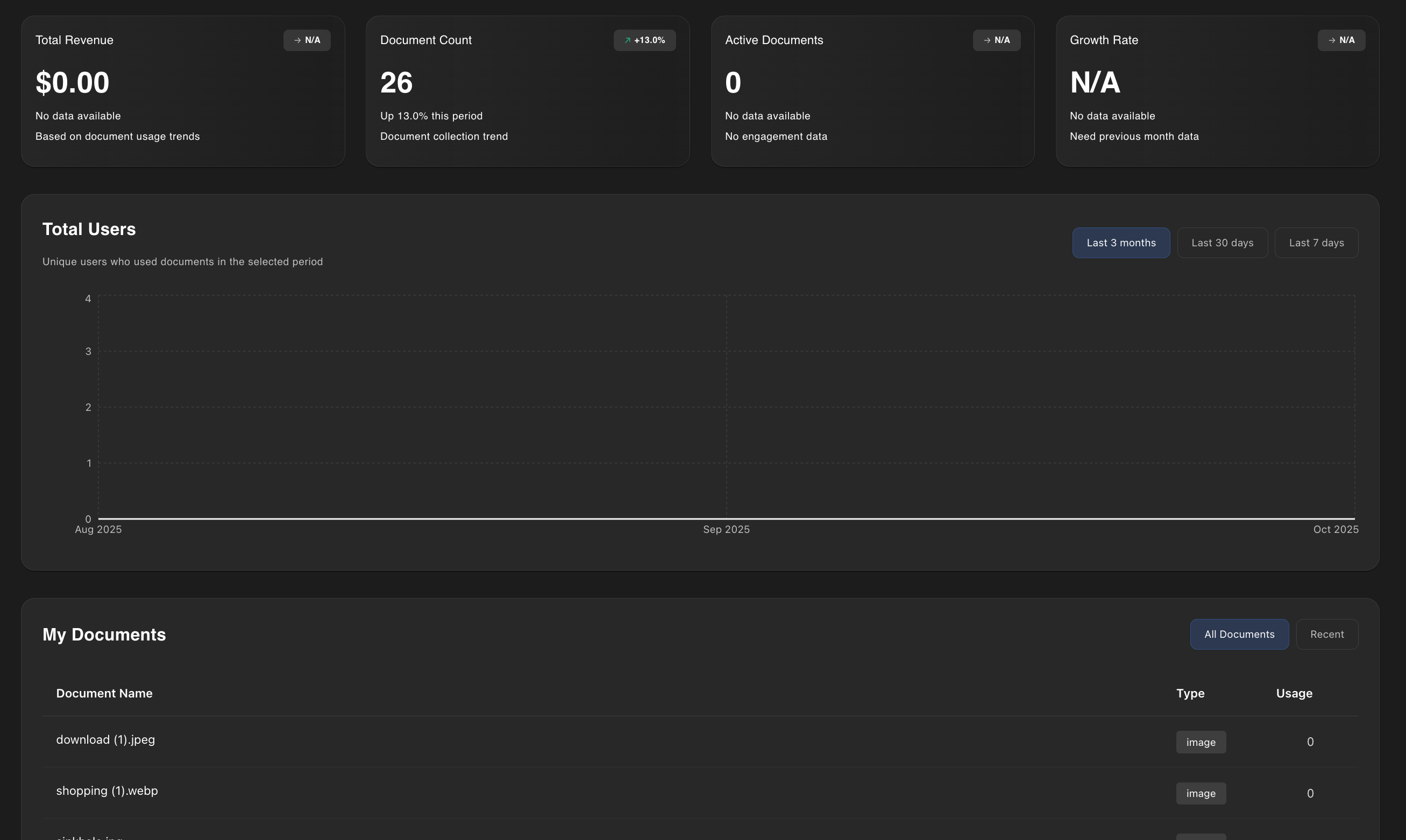
Every AI needs data, but where that data comes from is often a gray area. Companies like OpenAI, Amazon, and X have come under fierce scrutiny lately for unethical and questionable data sourcing practices. AI Web changes that. With AI Web, anyone can create and upload polished, well-documented datasets, and get paid when others use them. It’s like GitHub, but for AI data: empowering individuals to share reliable data, while giving companies a trusted, transparent source to build smarter, fairer AI models.
Context: Today, over 80% of AI companies rely on publicly scraped or third-party data sources, many of which exist in a gray area of legality and ethics. From unlicensed datasets to biased or poorly labeled information, the foundation of most AI models is often questionable at best. Even NVIDIA’s CEO has emphasized that good data is harder to find than good algorithms. Yet there’s still no clear marketplace for verified, usable, and fairly sourced datasets. That’s where AI Web comes in. We built AI Web as a modern, transparent marketplace where individuals and organizations can create, upload, and monetize clean, high-quality datasets.
Tech Stack:
- We built AI Web using Next.js 15 with React 18 and TypeScript for a fast, modular, and maintainable frontend. The backend runs on FastAPI (Python 3.11) , chosen for its performance, async capabilities, and smooth integration with AI and data services.
- The user interface is powered by Tailwind CSS, Material UI (MUI), Emotion, Radix UI, and Framer Motion for smooth animations and dynamic layouts.
- We containerized the app with Docker and used Google Cloud Build and Google Cloud Run for CI/CD, hosting our backend API and managing containers through the Google Container Registry.
- Dataset files and user uploads are stored securely on AWS S3.
- We used Cohere to create text embeddings and short summaries of datasets, which helps users search by meaning instead of just keywords. Qdrant stores those embeddings in a vector database, allowing the platform to find and recommend similar datasets. Groq and Google Gemini handle the “intelligence” side, automatically generating tags, filling in metadata, and even chatting with users to help them find what they need. Finally, Azure Computer Vision analyzes image datasets to detect and label what’s inside, so users can easily browse and understand visual data too.
Challenges: One of the biggest challenges we ran into was synchronizing our AI processing pipeline, specifically how embeddings, metadata, and file uploads interacted across multiple services.
Basically, when a user uploaded a dataset, we had to:
- Send the file to AWS S3 for storage,
- Generate text embeddings with Cohere,
- Store those embeddings in Qdrant,
- Then update metadata generated by Groq and Gemini — all asynchronously.
Early on, this caused race conditions and inconsistent indexing, where some datasets would appear before their embeddings or tags were processed, breaking search and recommendations. To fix this, we implemented a task queue system that processed uploads in defined stages. Each stage triggered only after the previous one completed successfully (storage → embeddings → tagging → indexing). We also introduced temporary status states (“Processing,” “Ready,” “Error”) so users could see exactly where their dataset stood in the pipSeline. This approach not only solved the synchronization issue but also made the platform far more reliable and transparent for users uploading large or complex datasets.
Conclusion: AI Web is a solution to a real problem in the AI world. By creating a safe, fair, and intuitive marketplace for high-quality data, we not only give creators a way to get paid, but also incentivize them to continually improve and refine their datasets. This monetization model drives better quality, more reliable data, helping developers build AI that is smarter, fairer, and more ethical.
Built With
- azurecv
- cohere
- docker
- emotion
- eslint
- fastapi
- firebaseauth
- framermotion
- gemini
- google-cloud
- groq
- materialui
- next.js
- plotly.js
- postcss
- pypdf2
- python
- qdrant
- radixui
- react18
- tailwind
- typescript


Log in or sign up for Devpost to join the conversation.