-
-
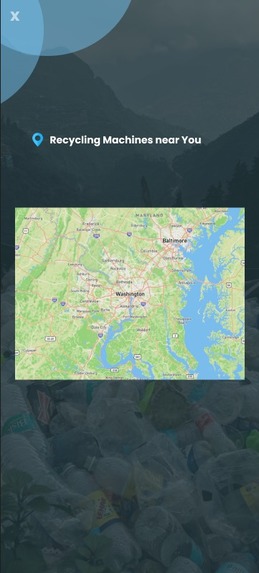
Find a machine near you
-
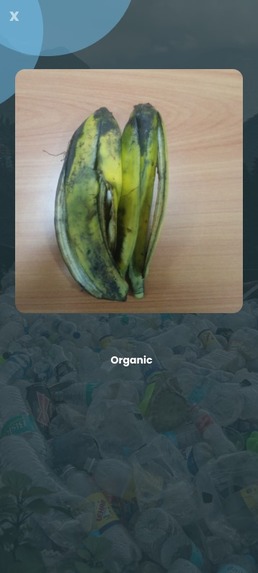
Sorting Algorithm
-

User login
-
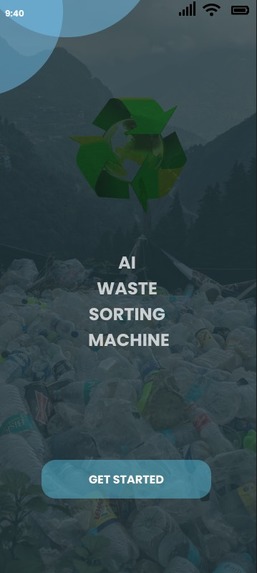
Homepage
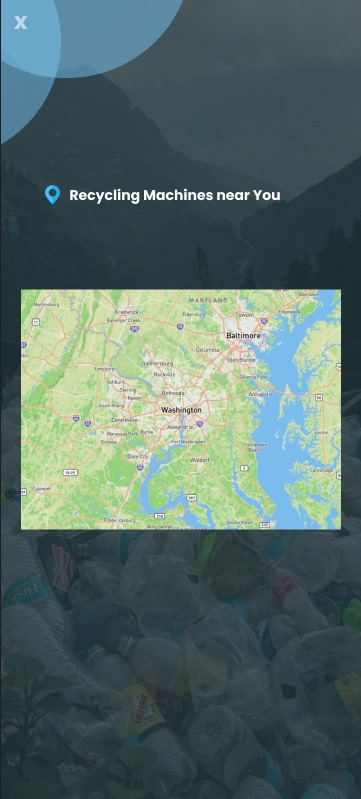
Inspiration
The inspiration for the AI Waste Sorting Machine stemmed from witnessing the inefficiencies and environmental impact of traditional waste management systems. Visiting a local recycling facility, we saw mountains of improperly sorted and contaminated waste destined for landfills. This experience highlighted the urgent need for a more effective solution to manage waste and reduce our carbon footprint
What it does
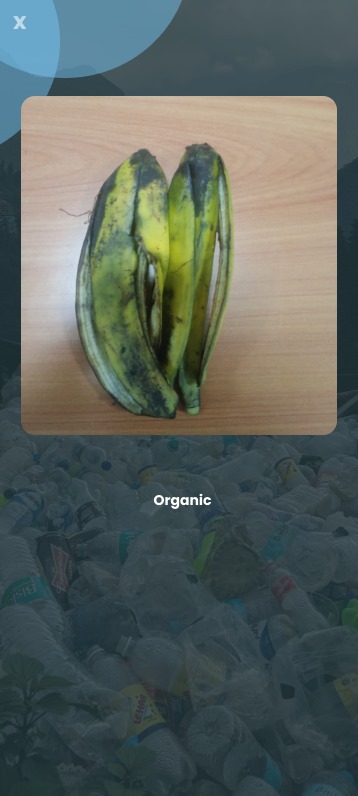
The AI Waste Sorting Machine revolutionizes waste management by using artificial intelligence and robotics to accurately sort recyclable materials from waste. This system drastically reduces contamination, increases recycling rates, and minimizes landfill usage, contributing significantly to environmental sustainability and the fight against climate change.
How I built it
- Research and Planning: Conducted extensive research on waste management practices and advanced sorting technologies. Collaborated with industry experts and environmental scientists to understand technical and environmental requirements.
2.Design and Development: Designed the machine with integrated AI algorithms and robotic arms for precise sorting. Developed software to control the sorting process, using machine learning to improve accuracy over time.
3.Prototyping and Testing: Built a prototype and conducted rigorous testing to ensure reliability and efficiency. Collected and analyzed data to refine AI algorithms, enhancing the machine's ability to identify and sort different types of waste.
Challenges I ran into
Data Collection: Accumulating a diverse and representative dataset for training the AI algorithms was time-consuming and required extensive collaboration with waste management facilities.
Cost Constraints: Balancing development costs with the goal of creating an affordable solution for widespread adoption was a constant challenge.
Regulatory Compliance: Ensuring that the machine met all regulatory requirements and environmental standards involved navigating complex legal landscapes.
Accomplishments that I'm proud of
Technical Innovation: Successfully integrating AI and robotics to create a highly efficient waste sorting system.
Environmental Impact: Achieving significant improvements in recycling rates and reducing landfill usage, contributing to a more sustainable future.
3.Scalability: Designing a system that can be scaled for widespread adoption, making a real impact on global waste management practices.
What I learned
AI and Robotics Integration: Gained deep insights into the complexities and potential of integrating AI with robotics for practical applications.
Waste Management Practices: Developed a thorough understanding of the challenges and inefficiencies in current waste management systems.
Collaboration and Innovation: Learned the importance of collaboration with my team members and industry experts and the value of innovative thinking in overcoming technical challenges.
Environmental Sustainability: Reinforced our commitment to sustainability and the role that technology can play in addressing global environmental issues.
What's next for AI Waste Sorting Machine
Scaling Up: Expanding the deployment of the machine to more recycling facilities and waste management centers.
Continuous Improvement: Ongoing optimization of AI algorithms and robotic systems to further enhance sorting accuracy and efficiency.
Global Outreach: Promoting the AI Waste Sorting Machine to a global audience, encouraging adoption in diverse markets and regions.
4.Partnerships: Building new partnerships with governments, NGOs, and private companies to expand the impact and reach of the technology.
5.Educational Initiatives: Launching programs to educate the public and industry stakeholders about the benefits of automated waste sorting and its role in sustainability.
Built With
- edgeimpulse
- figma
- iot
- machine-learning
- tinyml


Log in or sign up for Devpost to join the conversation.