-
-
in this screenshotyou can see the app logo
-
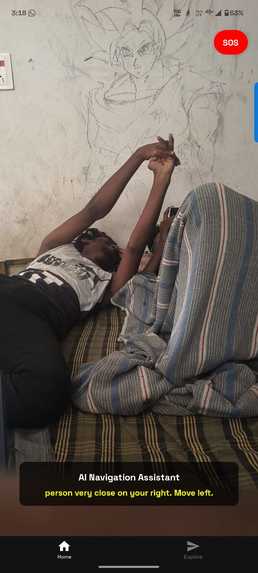
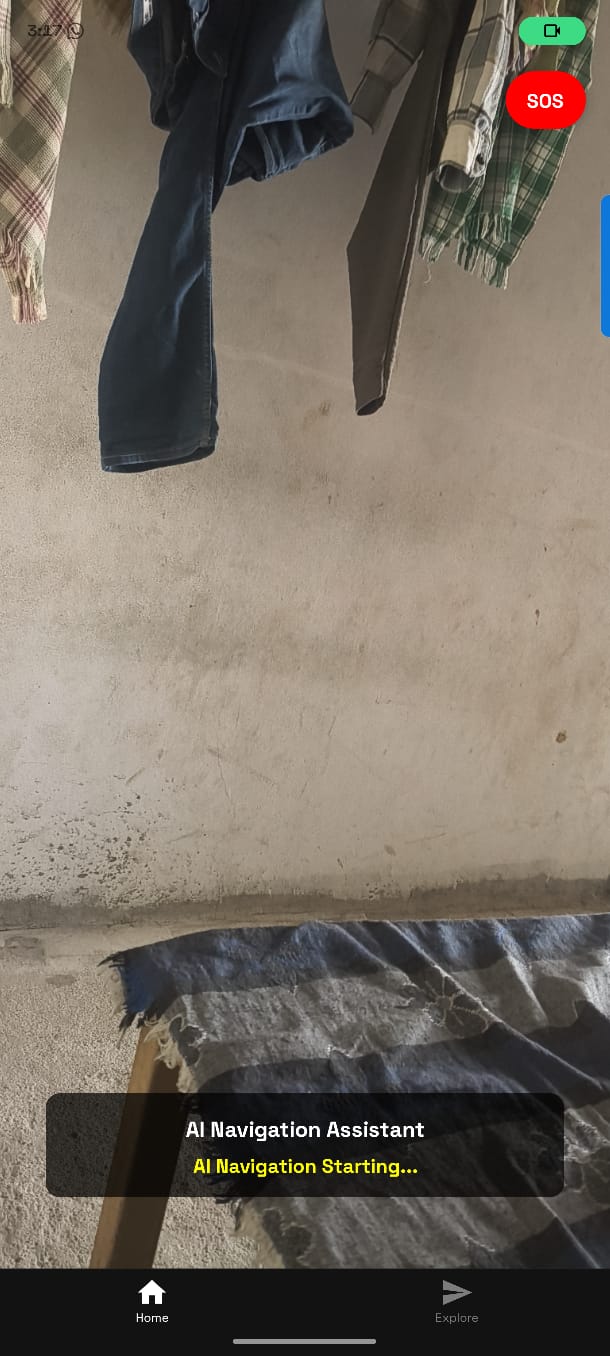
this screenshot says the app starting interface
-
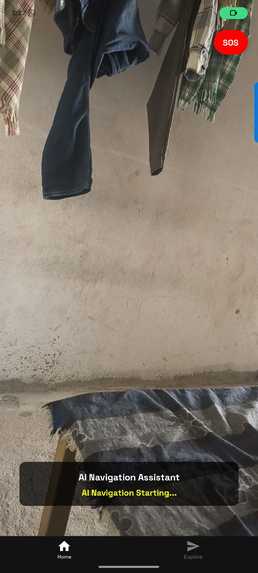
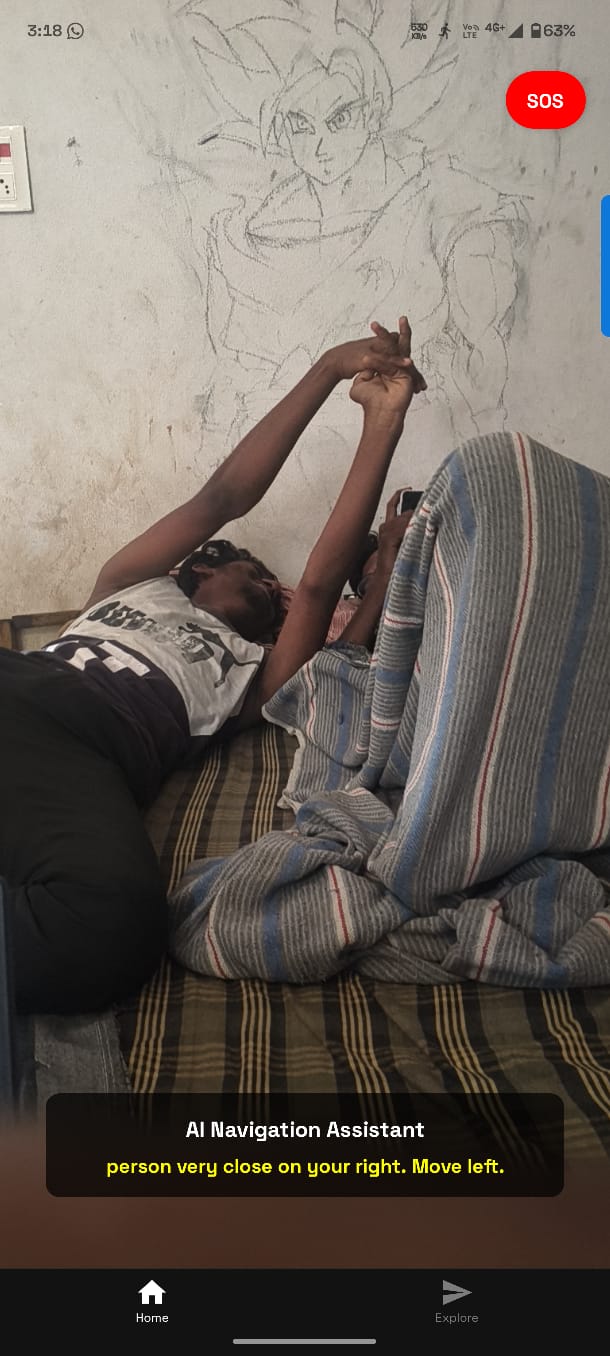
in this screenshot you will see output when app detect something

Inspiration
Visually impaired individuals often face difficulties navigating safely in crowded or unfamiliar environments. Many existing solutions require expensive hardware or specialized devices. We wanted to build a simple solution that works using only a smartphone and artificial intelligence.
What it does
AI Visual Navigation Assistant is a mobile application that helps visually impaired people navigate safely.
The application uses the smartphone camera to scan the environment and uses AI-powered computer vision to detect obstacles such as people, objects, and barriers.
The system then provides real-time navigation guidance using voice instructions such as: "Person ahead. Move left."
This allows users to move independently and avoid obstacles.
How we built it
The system works using a mobile application connected to AI processing services.
The smartphone camera captures frames of the environment and sends them for analysis. AI vision models detect objects and return results in real time. The application then converts these detections into navigation instructions.
Challenges we ran into
Real-time image processing and accurate detection were challenging. Camera frames had to be processed quickly so the user receives guidance without delay.
We also faced challenges in handling multiple detections and ensuring the system provides clear instructions.
What we learned
This project helped us understand how artificial intelligence can be used to improve accessibility and help people in real-world situations.
What's next
Future improvements could include: • Better obstacle detection accuracy • Offline AI processing • Indoor navigation support • Integration with smart glasses or wearable devices
Built With
- amazon-nova-ai
- aws-rekognition
- javascript
- node.js
- react-native


Log in or sign up for Devpost to join the conversation.