Inspiration
The inspiration behind AI Video Agent came from a simple problem: creating a high-quality video is still much harder than having the idea for one. Creators often have to move between different tools for research, scripting, recording, editing, visual creation, captions, translation, optimization, and repurposing. This fragmented workflow can take hours and forces creators to spend more time managing tools than focusing on their ideas.
We wanted to build an AI system that could understand the creator's goal and coordinate these complex steps through a single workflow. This became the foundation of AI Video Agent, an AI-powered Creator Operating System designed to transform ideas, existing videos, podcasts, scripts, and other content into structured video-production workflows.
A major inspiration was the difficulty of making small changes to existing videos. If a creator wants to make one scene funnier, shorten a speaker's response, change the visual style of an introduction, or remove an unnecessary section, traditional editing requires manual work. We wanted AI to understand the request and modify only the relevant part while preserving everything else.
This led to our concept of selective scene transformation. Instead of regenerating an entire video, the agent identifies the scene affected by the creator's request, applies the required transformation, and reconstructs the final timeline while keeping unchanged scenes intact.
We were also inspired by the global creator economy. Content created for one audience may need different language, humor, cultural references, pacing, and presentation for another. AI Video Agent therefore explores multilingual and audience-aware content adaptation rather than treating localization as simple translation.
Our larger vision is a continuous creator loop:
Experience → Idea → Story → Video → Audience → Feedback → Learning → Better Content
We believe AI should not replace a creator's creativity. It should remove the repetitive complexity surrounding it. AI Video Agent is our attempt to give creators an intelligent production partner that understands their intent and helps turn that intent into meaningful video content.
What it does
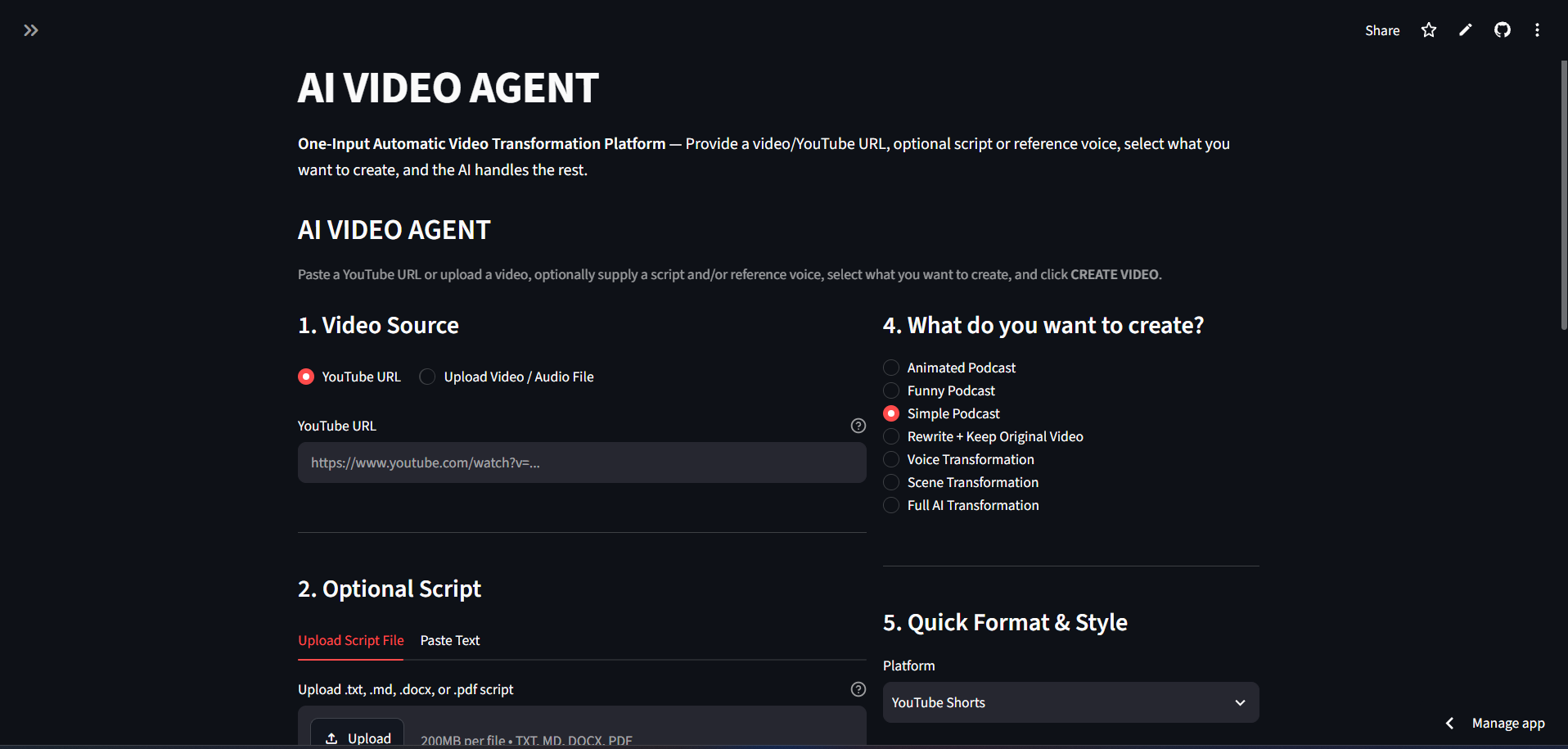
AI Video Agent is built to make video creation feel less like managing a bunch of different software and more like working with a creative assistant. You can start with an idea, an existing video, a podcast, audio, or a script, and the system helps turn that starting point into a complete video workflow.
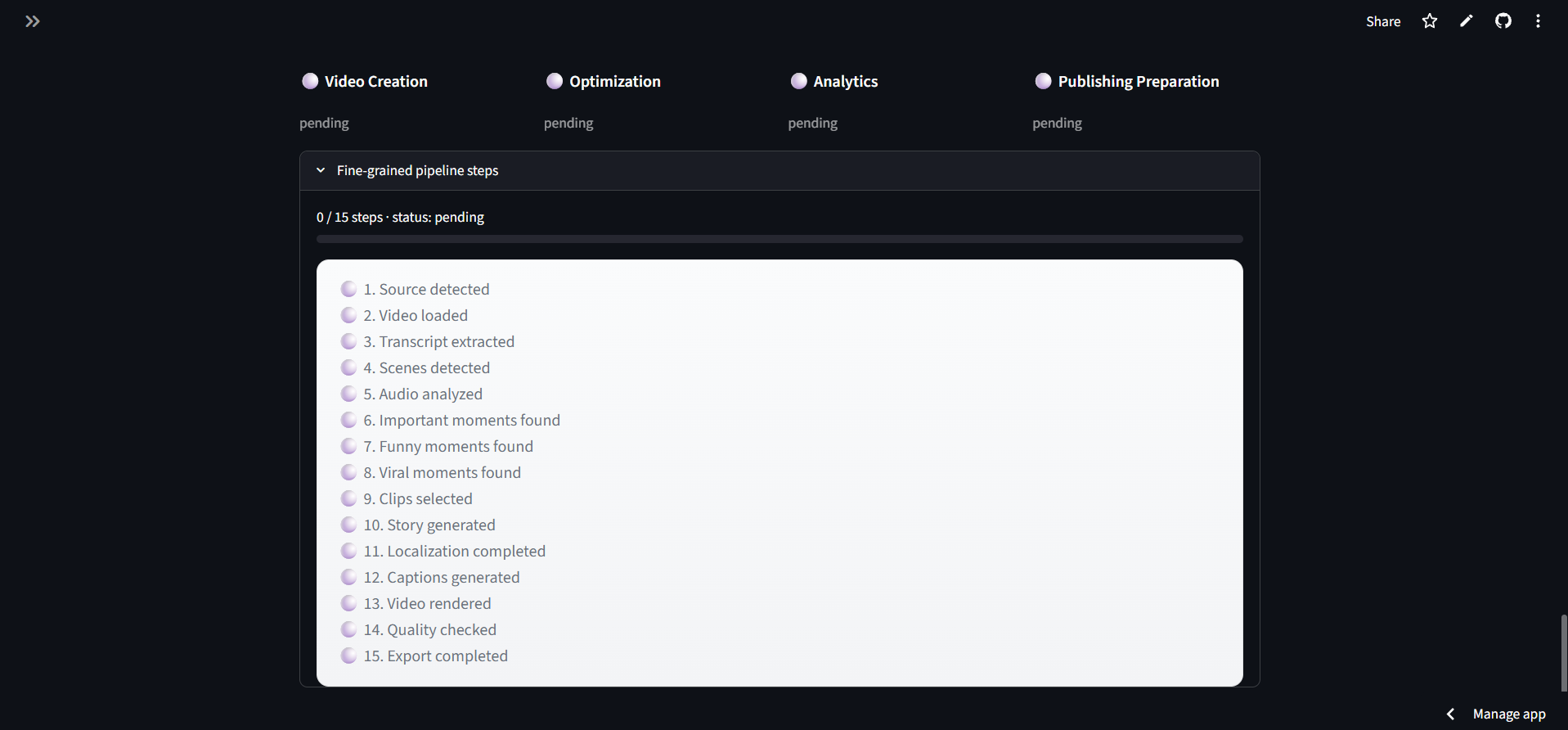
The main thing we wanted to solve was the amount of repetitive work creators deal with. Researching a topic, understanding a long video, finding useful moments, writing or changing a script, creating captions, adapting content for another language, and preparing different versions can take a lot of time. AI Video Agent brings these steps together so they can be handled as part of one connected process.
A creator can also tell the system what they want in normal language. For example, instead of manually searching through a timeline, they can ask to make a particular scene shorter, change the tone of a section, remove an uninteresting part, or adapt a piece of content for short-form video. The agent looks at the request in the context of the existing content and prepares the appropriate transformation.
One part we are especially interested in is selective scene transformation. If only one scene needs to change, the goal is to avoid rebuilding the entire video. The system identifies the relevant section, applies the requested change, and keeps the rest of the content as it was. This makes the editing process more focused and helps preserve the creator's original work.
The platform also supports multilingual and audience-aware workflows. Content can be adapted for different languages and regions while considering things such as tone, culture, humor, format, and audience.
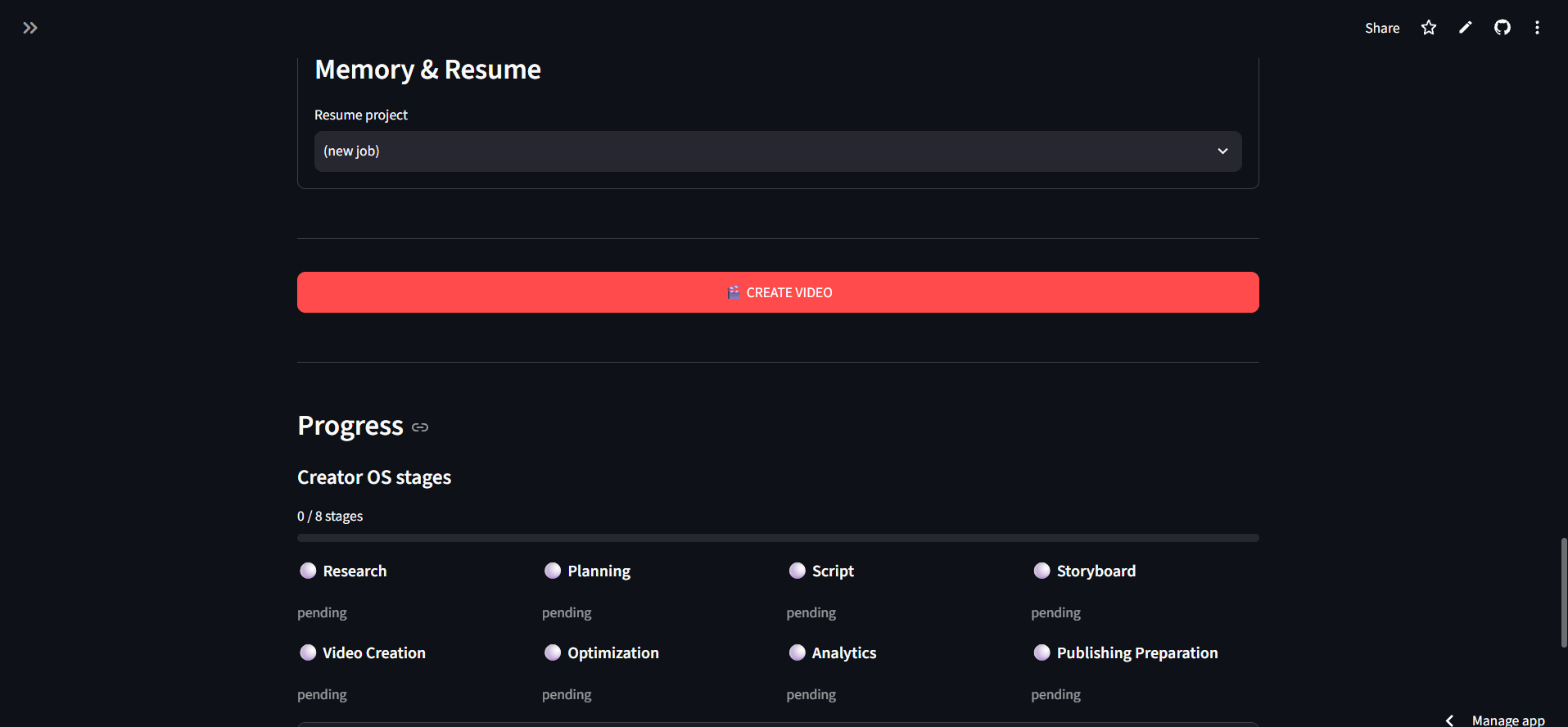
Overall, AI Video Agent is meant to work like a creative operating system: the creator explains what they want to achieve, and the AI helps organize the research, planning, transformation, and production work needed to get there.
How we built it
We built AI Video Agent by combining AI reasoning with normal video-processing tools so that the whole process can happen in one place. The main idea was to keep the system flexible and make each part of the workflow responsible for a specific job instead of putting everything into one large AI prompt.
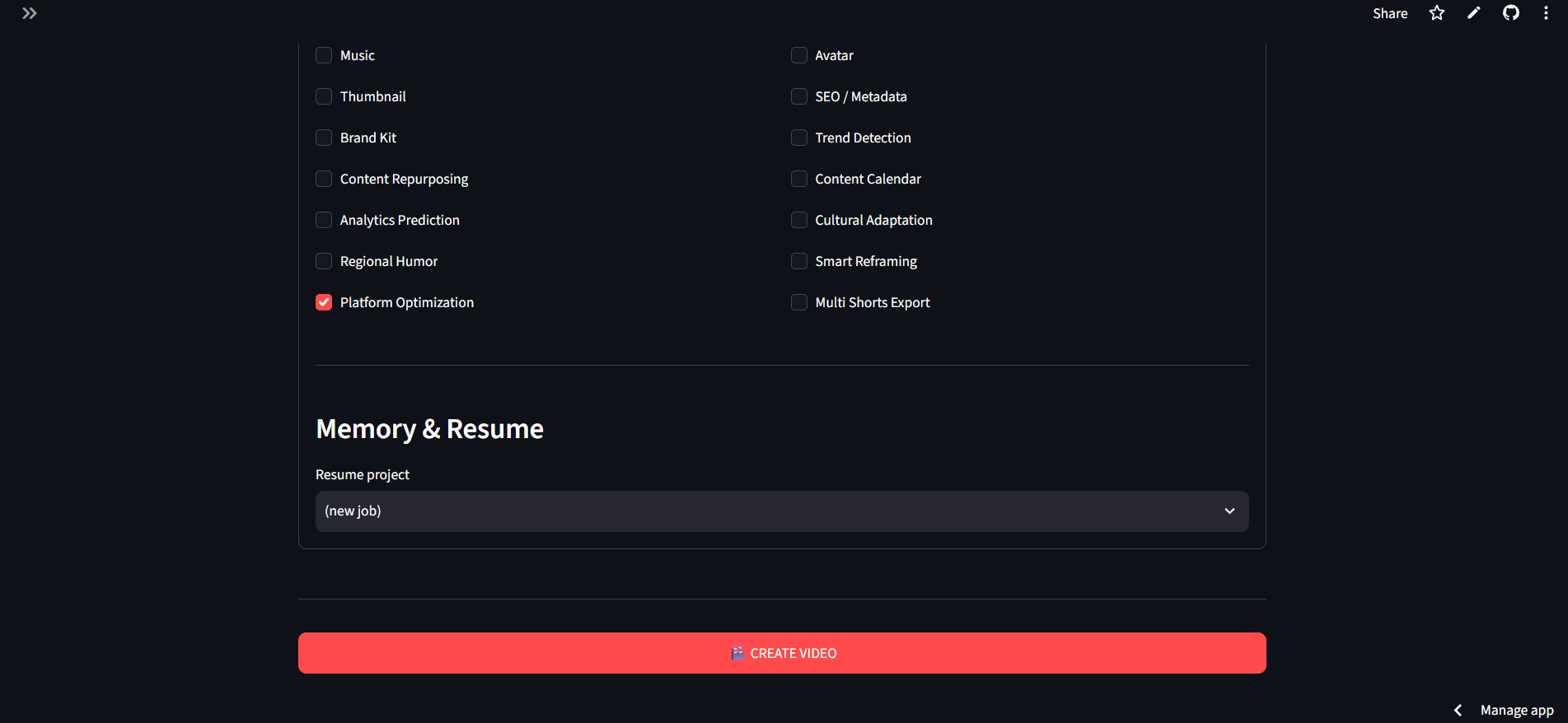
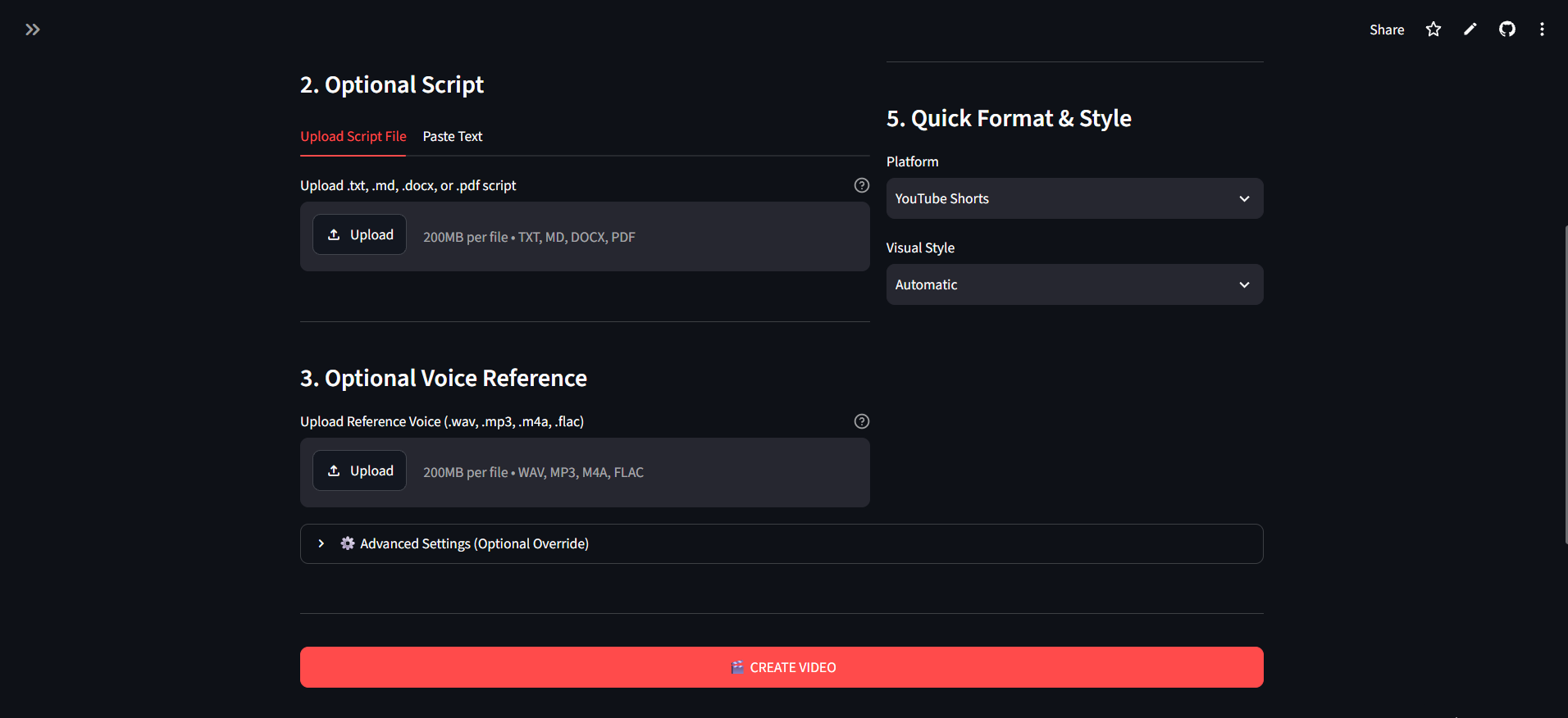
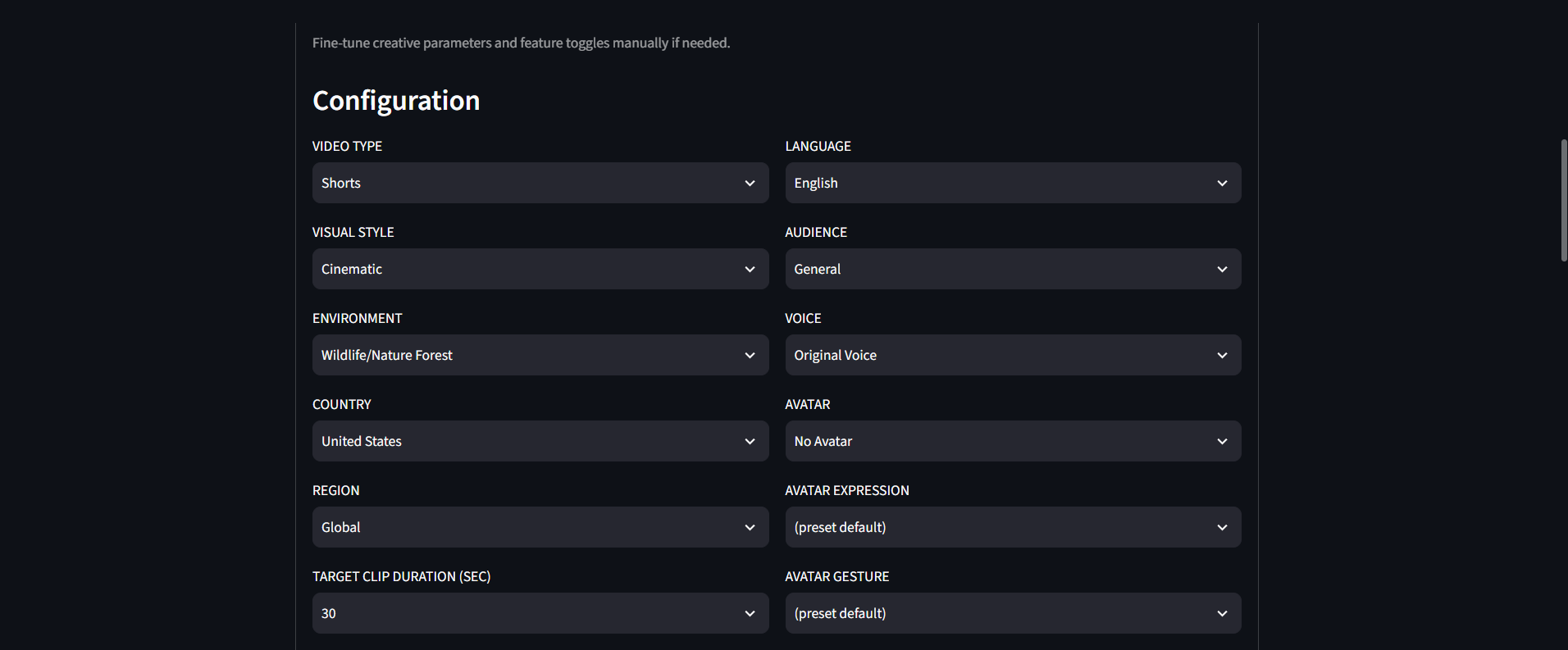
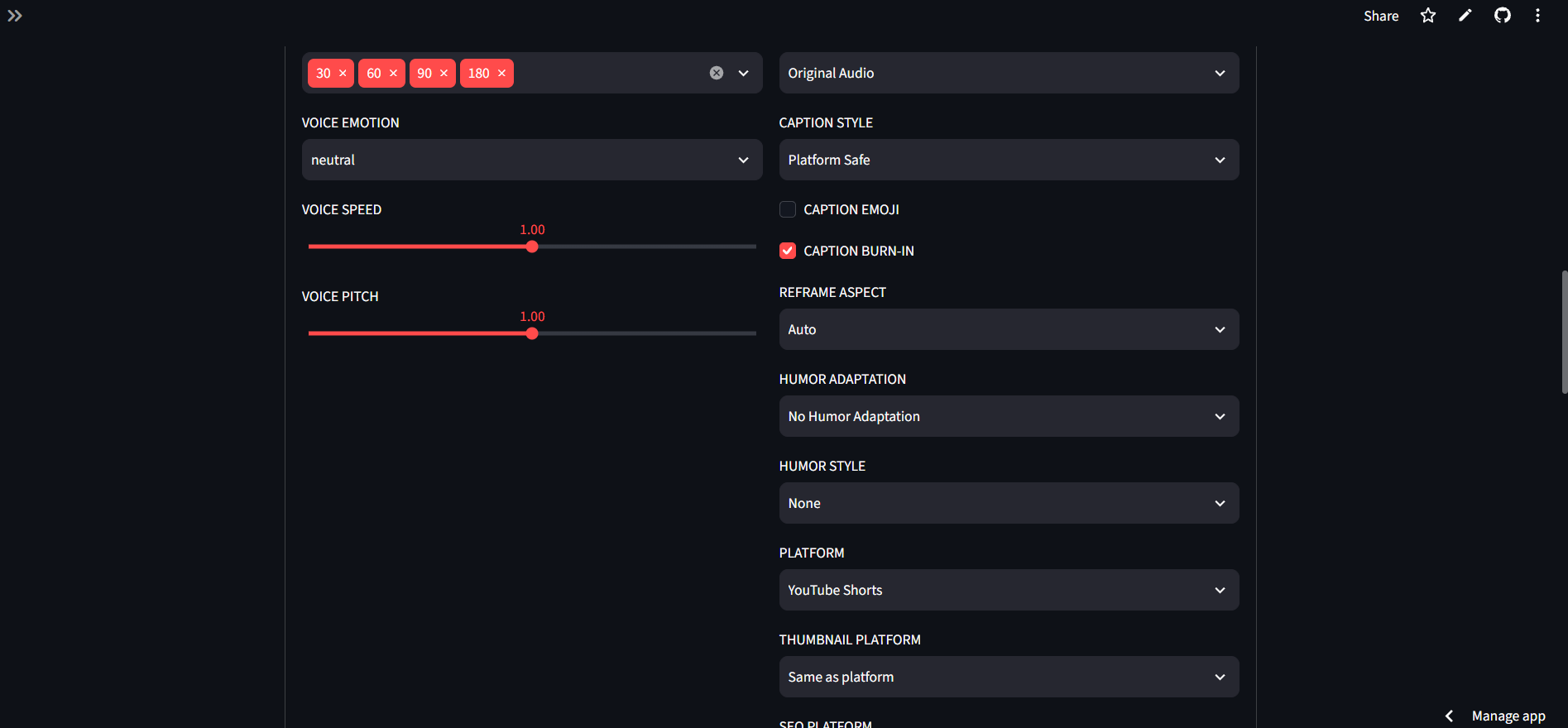
The application is built with Python and Streamlit. Streamlit gives creators a simple interface where they can upload a video, provide an idea or script, and describe what they want to create or change. From there, the system processes the input and passes the useful information through different stages of the workflow.
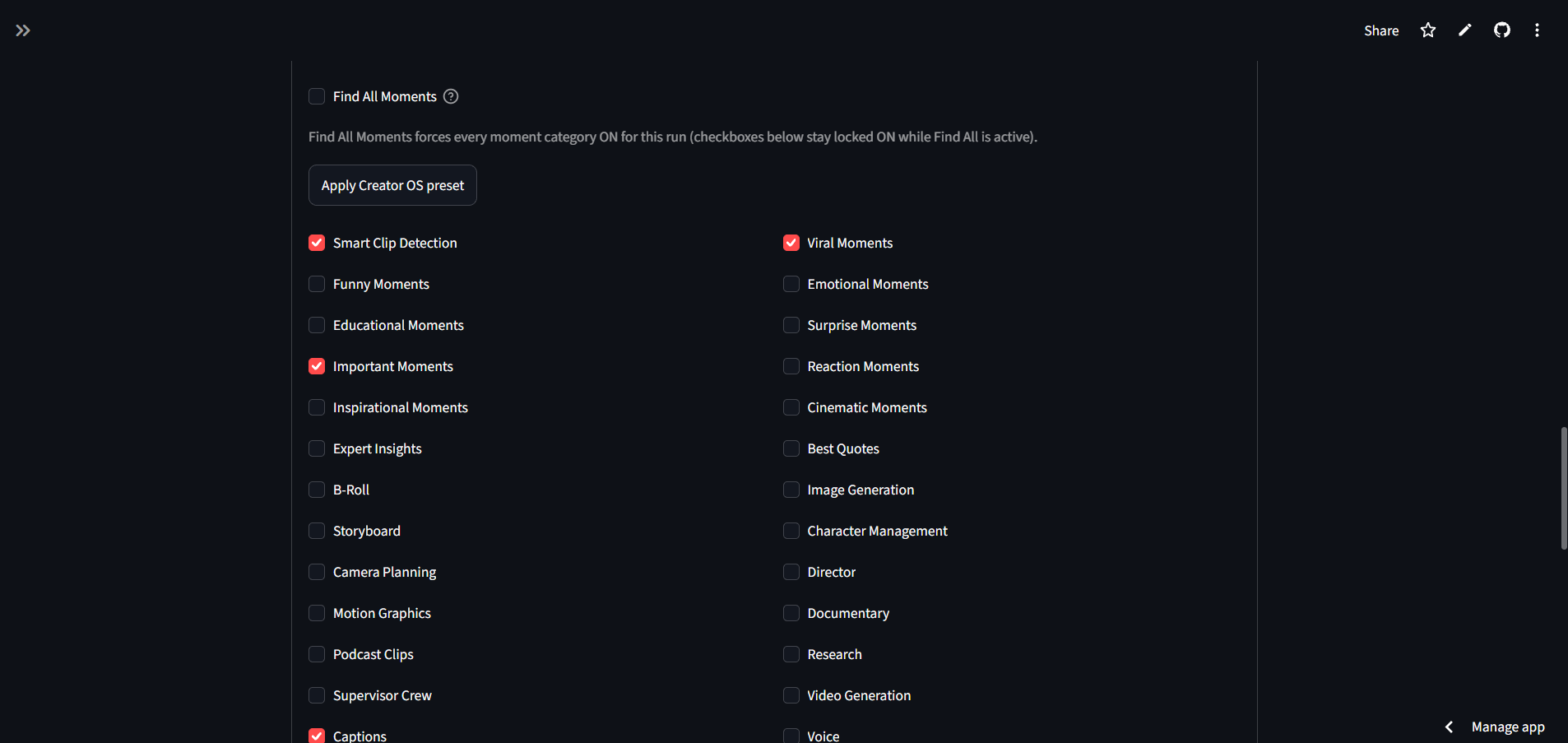
We use Gemini for the AI part of the system. It helps with understanding content, working with transcripts, identifying useful moments, developing ideas, writing and changing scripts, planning scenes, adapting content for different audiences, and preparing production instructions. We designed the workflow so that information from one stage can be used by the next stage, which helps keep the final result connected to the original request.
We also use Parallel Search when the workflow needs additional information or research. This allows the agent to bring relevant information into the creative process instead of making the creator search for everything separately.
For video processing, we use tools such as FFmpeg and OpenCV. These handle practical tasks like cutting clips, combining scenes, processing audio, adding captions, converting media, and creating the final video. Keeping these tasks separate from the AI reasoning makes the system more reliable.
A key part of our build is the idea of selective editing. The agent first understands what the creator wants to change and then identifies the relevant part of the video. If only one scene needs to be changed, the goal is to modify that scene while keeping the rest of the original video intact.
We also store important project information such as transcripts, scenes, scripts, analysis, captions, and rendered files as structured project data. This makes it easier to review the process, recover work, and continue improving a project.
Overall, we built AI Video Agent as a creative workflow where the creator explains the goal, the agent figures out the steps, and the tools handle the actual production work.
Challenges we ran into
Building AI Video Agent was not as straightforward as we first imagined. One of the biggest challenges was bringing so many different parts of video creation together without making the system feel confusing or unreliable. Video creation is not just about generating a script or a video. It involves understanding the original content, timing, scenes, audio, visuals, captions, audience, and the creator's actual intention.
Working with real video files was another challenge. Different videos can have different formats, resolutions, audio tracks, lengths, and quality. Processing large files also takes time, so we had to think carefully about how to separate media processing from the AI workflow. Tools such as FFmpeg and OpenCV helped us handle many of the practical video operations, but making all these steps work together consistently still required a lot of testing.
We also found that understanding a creator's request is harder than it sounds. A request like “make this part funnier” does not tell the system exactly which words, scene, speaker, timing, or visual elements should change. We therefore had to design the workflow so the agent could look at the surrounding context before deciding what should actually be modified.
Another challenge was avoiding unnecessary regeneration. If someone wants to change only one scene, rebuilding the entire video wastes time and can also change things the creator wanted to keep. This pushed us toward our selective scene transformation approach, where the system identifies the part that needs to change and tries to preserve the rest.
Multilingual content added another layer of difficulty. We learned that translating content is not always enough. Humor, expressions, examples, and cultural references may need to be adapted for the target audience.
Finally, we had to balance our large vision with what we could realistically build. There are many possibilities in AI video creation, so we focused on building a strong workflow foundation first and then adding more advanced capabilities around it.
The biggest lesson from these challenges was that building a useful AI video system is as much about workflow design, context, and reliability as it is about the AI model itself.
Accomplishments that we're proud of
One of the things we are most proud of with AI Video Agent is that it grew from a simple idea into a working creative workflow. At the beginning, we were thinking about how AI could help with individual tasks like writing a script or generating content. As we built the project, we realized that the bigger opportunity was to connect these tasks into one continuous process where the creator can start with an idea or existing content and gradually turn it into a finished video.
We are especially proud of our focus on selective scene transformation. This is one of the ideas that shaped the project the most. Instead of treating an entire video as something that needs to be regenerated whenever a creator wants a change, we wanted the system to understand which part actually needs attention. If a creator wants to make one scene shorter, change the tone of a dialogue, remove an unnecessary section, or modify a visual, the goal is to change that part while preserving everything else. This approach gives the creator more control and respects the work that has already gone into the video.
Another accomplishment we are proud of is bringing different parts of the creative process into a connected workflow. Content understanding, research, scripting, scene planning, localization, captions, video processing, and final rendering are no longer treated as completely separate tasks. The information created in one stage can be used by the next stage, which helps maintain context throughout the project.
We are also proud of the multilingual and audience-aware direction of the platform. We want content to work for different languages, regions, and audiences rather than simply translating the same words.
Most importantly, we are proud that we built a foundation that can continue to grow. There is still a lot we want to improve, but AI Video Agent has given us a strong starting point for our larger vision: an intelligent creative partner that helps creators turn their ideas into videos while keeping the creator in control.
What we learned
The biggest thing we learned while building AI Video Agent is that creating a useful AI video system is much more than simply connecting a model to a video generator. There are many small decisions involved in the process, from understanding the original content and identifying important moments to figuring out what the creator actually wants to change and then turning that request into something the system can execute.
We learned that context matters a lot. A creator might say something as simple as “make this scene better,” but the system needs to understand the surrounding conversation, the speaker, the story, the visual content, and the purpose of the video before deciding what “better” actually means. This pushed us to design the workflow around connected information rather than treating every AI request as an isolated prompt.
Another important lesson was that creators want control, not just automation. It is tempting to make an AI system that completely rebuilds a video, but creators often care about preserving parts they already like. This is what made selective scene transformation so important to us. We learned that AI can be much more useful when it changes only what the creator asks for instead of taking control of the entire creative process.
We also learned that translation is not the same as localization. Changing the language of a video is only one part of reaching another audience. Humor, expressions, cultural references, pacing, and even the way an idea is presented can affect how naturally the content feels.
From the technical side, we learned the importance of separating AI reasoning from traditional software. AI is useful for understanding, planning, and creative decisions, while tools such as FFmpeg and OpenCV are better suited for predictable media operations. Keeping these responsibilities separate made the system easier to build and troubleshoot.
Most importantly, we learned that building AI is an iterative process. Many ideas that look simple on paper become much more complicated when they have to work with real content. Testing, fixing failures, improving prompts, and redesigning workflows became just as important as writing the initial code.
Our biggest takeaway is simple: good AI is not only about generating impressive results. It is about understanding the user's intention and helping them achieve it without taking away their creative control.
What's next for AI Video Agent
The next step for AI Video Agent is to make the experience feel even more natural for creators. We want creators to be able to explain what they want in their own words without having to understand complicated editing tools or workflows. The agent should be able to understand the request, identify the relevant part of the content, make the required changes, and show the creator what was changed before producing the final version.
One of our biggest goals is to improve selective scene transformation. We want this feature to become more reliable and powerful so creators can make precise changes without rebuilding an entire video. For example, they could ask the agent to rewrite one person's dialogue, change the visual style of a specific scene, remove a boring section, adjust the pacing, or adapt a particular moment for short-form content while keeping the rest of the video unchanged.
We also want to move further from planning into actual production. Future versions of AI Video Agent can bring together stronger video generation, image generation, voice workflows, animation, music, captions, and automated editing. The goal is to make these capabilities work together as one creative workflow instead of forcing creators to move between multiple applications.
Another important direction is multilingual and cultural adaptation. We want creators to be able to take one piece of content and prepare versions for different languages, regions, and audiences while keeping the original story and personality. This means going beyond direct translation and adapting humor, examples, tone, pacing, and presentation when necessary.
We also see a future where AI Video Agent learns from what happens after a video is published. Audience engagement and performance could help the agent suggest better hooks, identify strong moments, and improve future content.
Our long-term vision is simple: AI Video Agent should become a creative partner, not just another editing tool. The creator remains in control of the ideas and decisions, while the agent handles more of the repetitive work needed to turn those ideas into finished content.
We see the future as a continuous loop:
Experience → Idea → Story → Video → Audience → Feedback → Learning → Better Content
Built With
- agenticai
- ai
- aiagents
- aiediting
- aivideo
- automatedvideo
- computervision
- computervision-nlp-automation
- contentcreation
- creatoreconomy
- ffmpeg
- gemini
- generativeai
- google-cloud
- googleadk
- multimodalai
- natural-language-processing
- parallelsearch
- python
- sceneunderstanding
- streamlit
- videoai
- videoautomation
- videoediting
- videogeneration


Log in or sign up for Devpost to join the conversation.