-
-
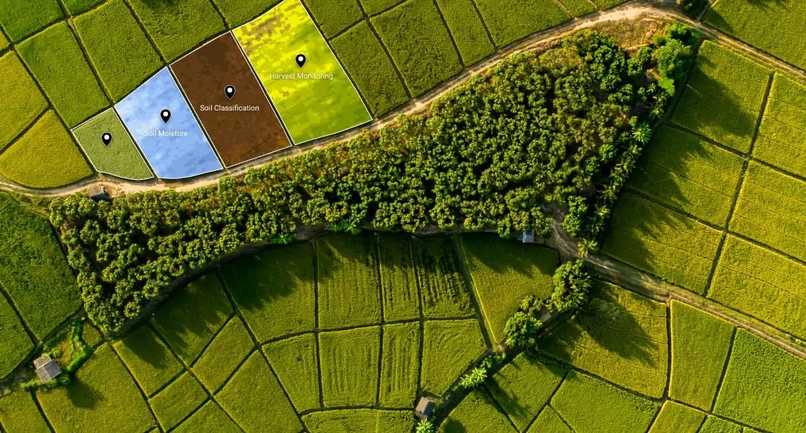
Crop Identification using Satellite Data
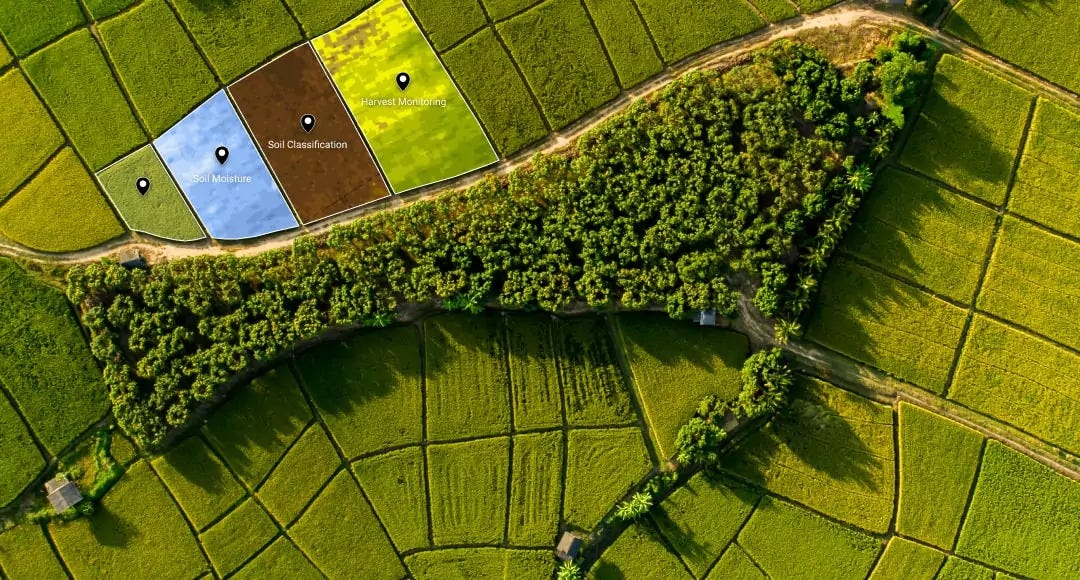
Inspiration: Farming today faces many uncertainties—climate change, unpredictable weather, and market fluctuations. Farmers often lack accurate tools to predict yield or know how their crops will perform. The idea of creating a “digital twin” of farms came from the dream of giving every farmer a virtual mirror of their land, powered by satellites and AI, so they can make smarter decisions every day
What it does: AI Twin Farming uses satellite images, weather data, and soil insights to build a live digital version of each farm. It can identify which crops are growing, track their growth stage, predict yield, and even warn of risks like pests, water stress, or poor weather. Farmers get simple and clear advice while governments and buyers get a real-time view of food production
How we built it We combined satellite data with machine learning models trained to recognize crop patterns. Weather and soil data were added for accuracy. The outputs are shown on a user-friendly dashboard where farmers see crop health, yield predictions, and recommendations. Over time, the system learns from real-world results, becoming more reliable
Challenges we ran into: The biggest challenge was accuracy—different crops can look similar from space, and clouds often block clear images. Collecting enough ground data to train the AI was also tough. Another hurdle was making the system simple enough so farmers with little tech experience can use it without confusion.
Accomplishments that we're proud of We successfully built a model that identifies crops and predicts yields with high accuracy. More importantly, we designed it to give farmers clear, actionable insights, not just complex data. Seeing how this solution can help both small farmers and large-scale food systems gives us confidence that we are solving a real problem.
What we learned We learned that technology must always adapt to the real challenges farmers face—simplicity, trust, and reliability matter more than fancy features. We also discovered the power of combining space data with ground realities to make agriculture more predictable and sustainable.
What's next for AI Twin Farming We plan to expand to more crop types, add carbon footprint tracking, and link the system with banks and insurers so farmers can easily get loans and insurance. In the future, AI Twin Farming could become a global platform that ensures food security, helps fight climate change, and gives farmers everywhere the power of data-driven decisions.
Built With
- and-model-deployment.-the-backend-was-developed-with-node.js-and-flask
- computation
- flask
- google-earth-engine
- node.js
- postgresql
- python
- pytorch
- sentinel-hubs
- tensorflow
- we-relied-on-aws-and-google-cloud-platform-for-scalable-storage
- while-firebase-was-used-for-real-time-updates-and-notifications.-weather-and-soil-insights-were-integrated-through-openweather-api-and-other-open-data-apis
- while-the-frontend-dashboard-was-built-using-react-for-a-simple-and-responsive-interface.-postgresql-with-postgis-handled-spatial-data
- with-frameworks-like-tensorflow-and-pytorch-to-train-crop-identification-and-yield-prediction-models.-google-earth-engine-and-sentinel-hub-apis-were-used-for-satellite-imagery-access-and-preprocessing.-for-cloud-services
