-
-
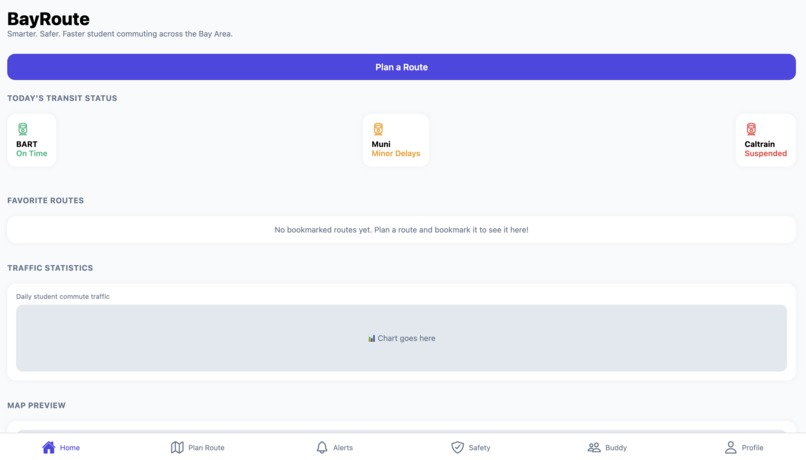
Home Screen
-
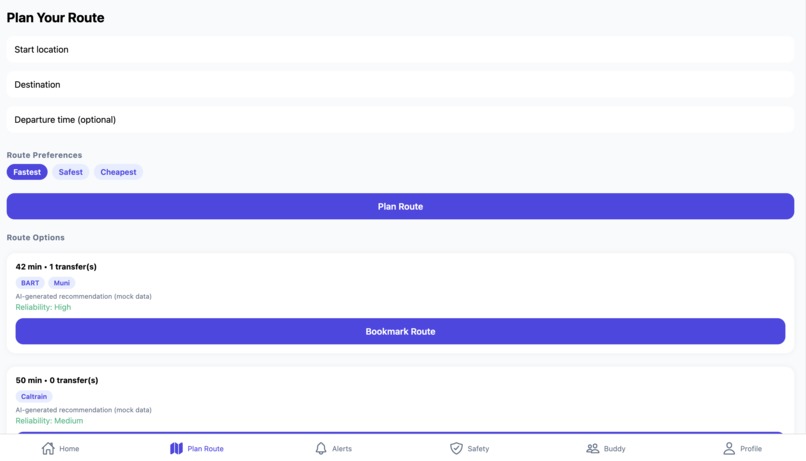
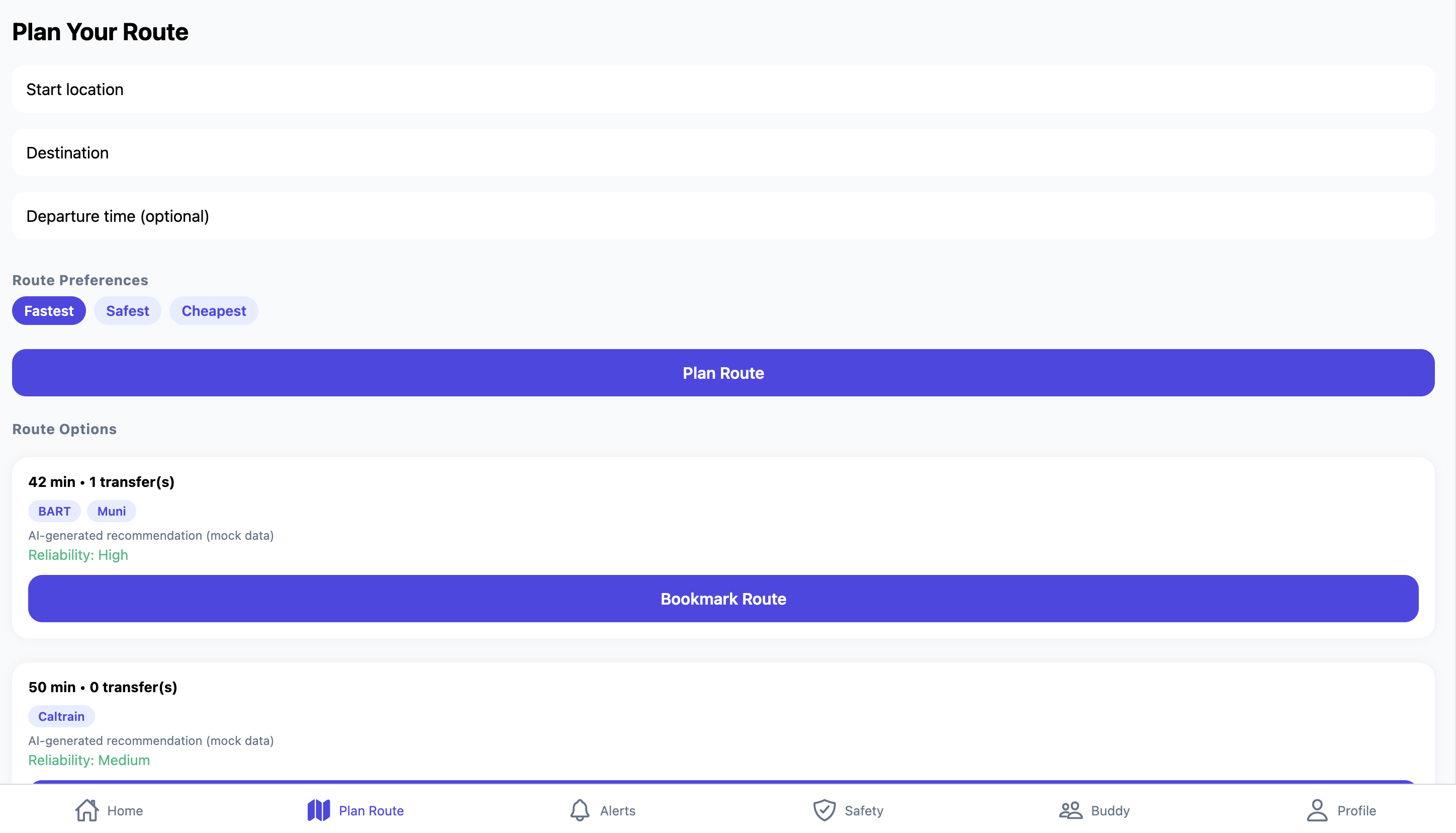
Planning Your Route
-
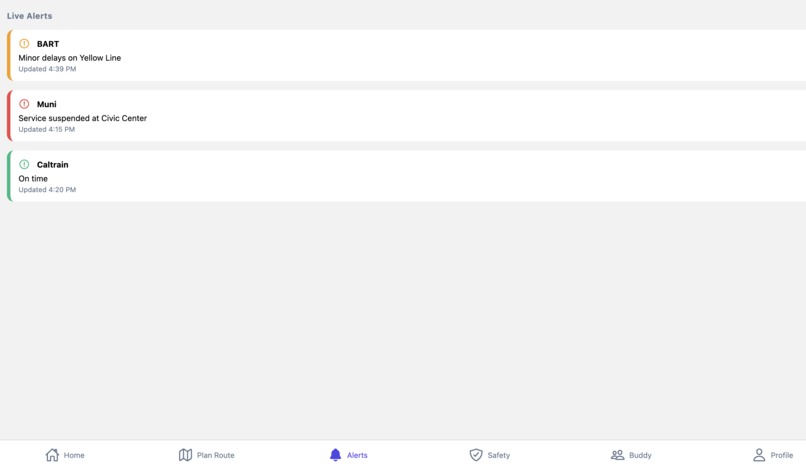
Alerts
-
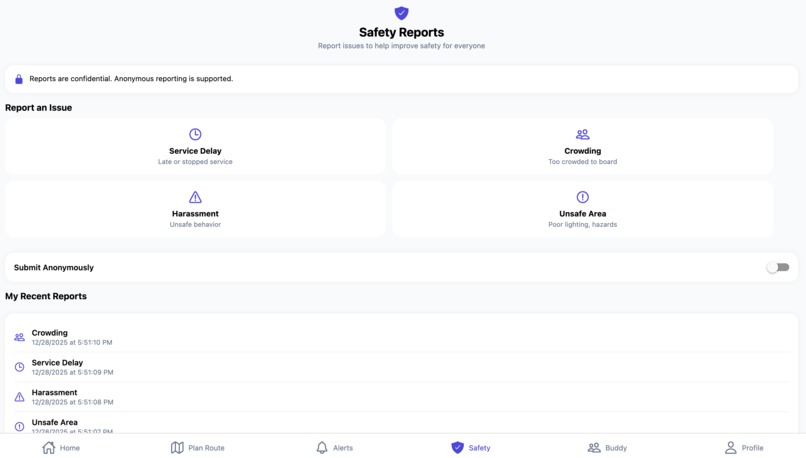
Safety Screen
-
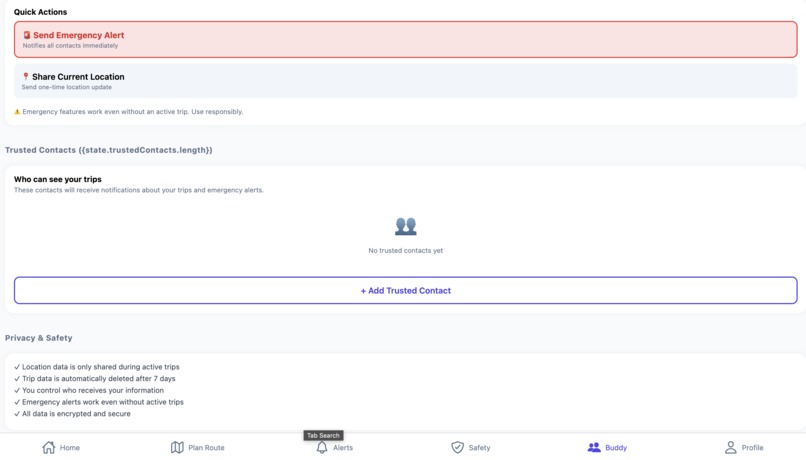
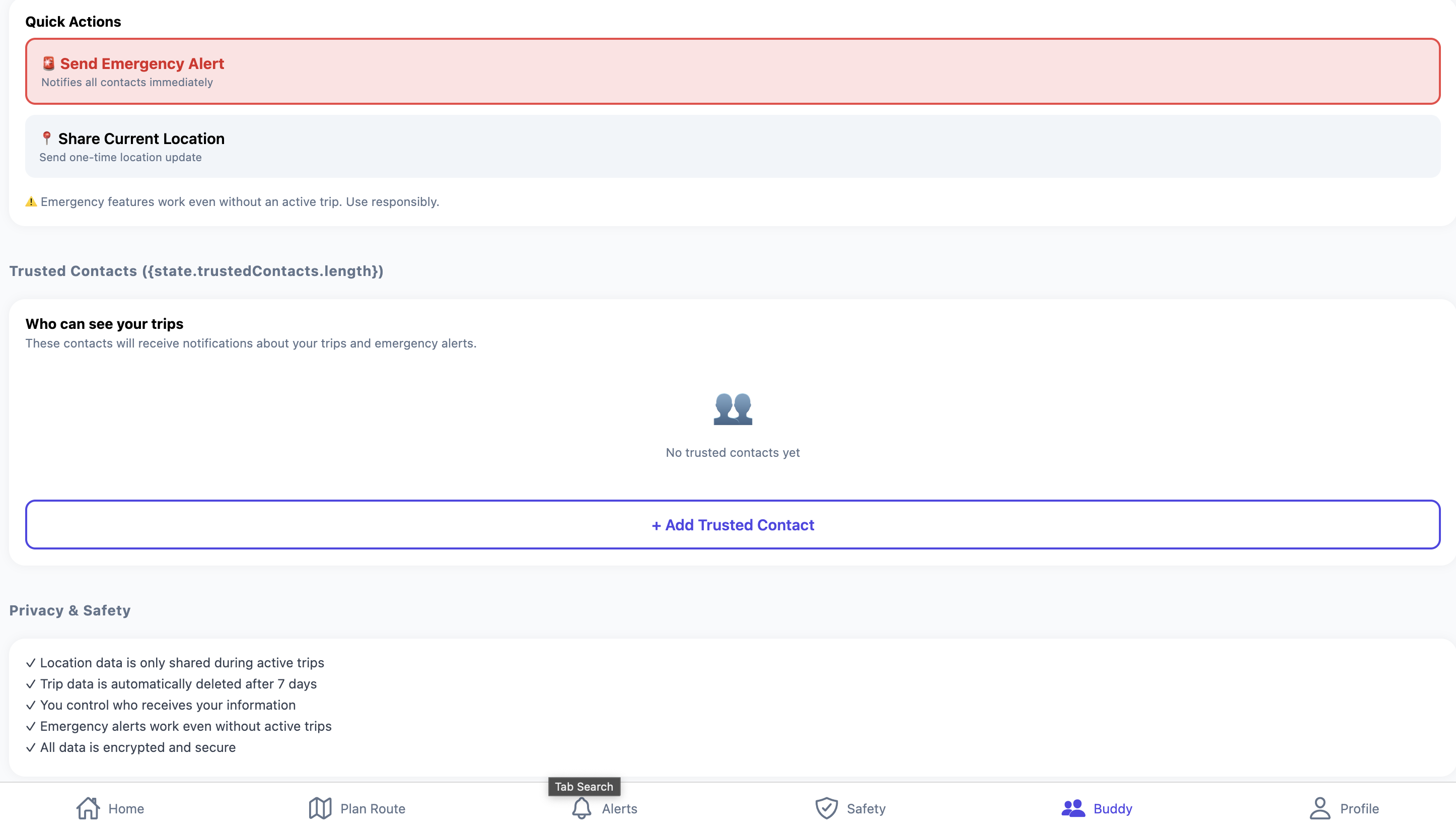
Buddy System
-
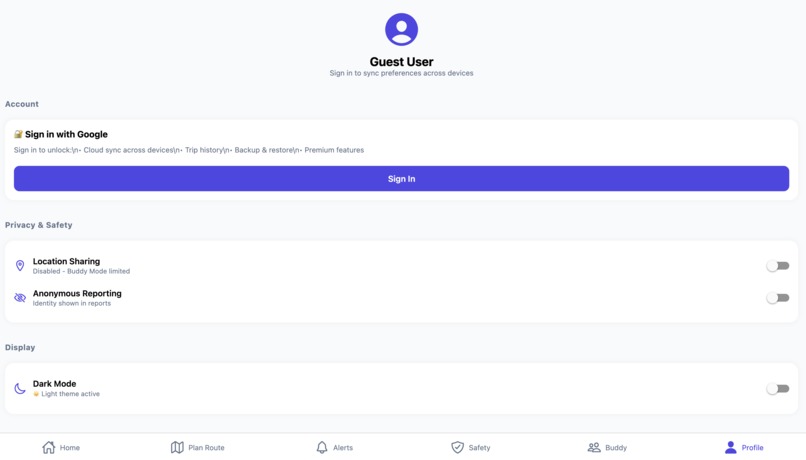
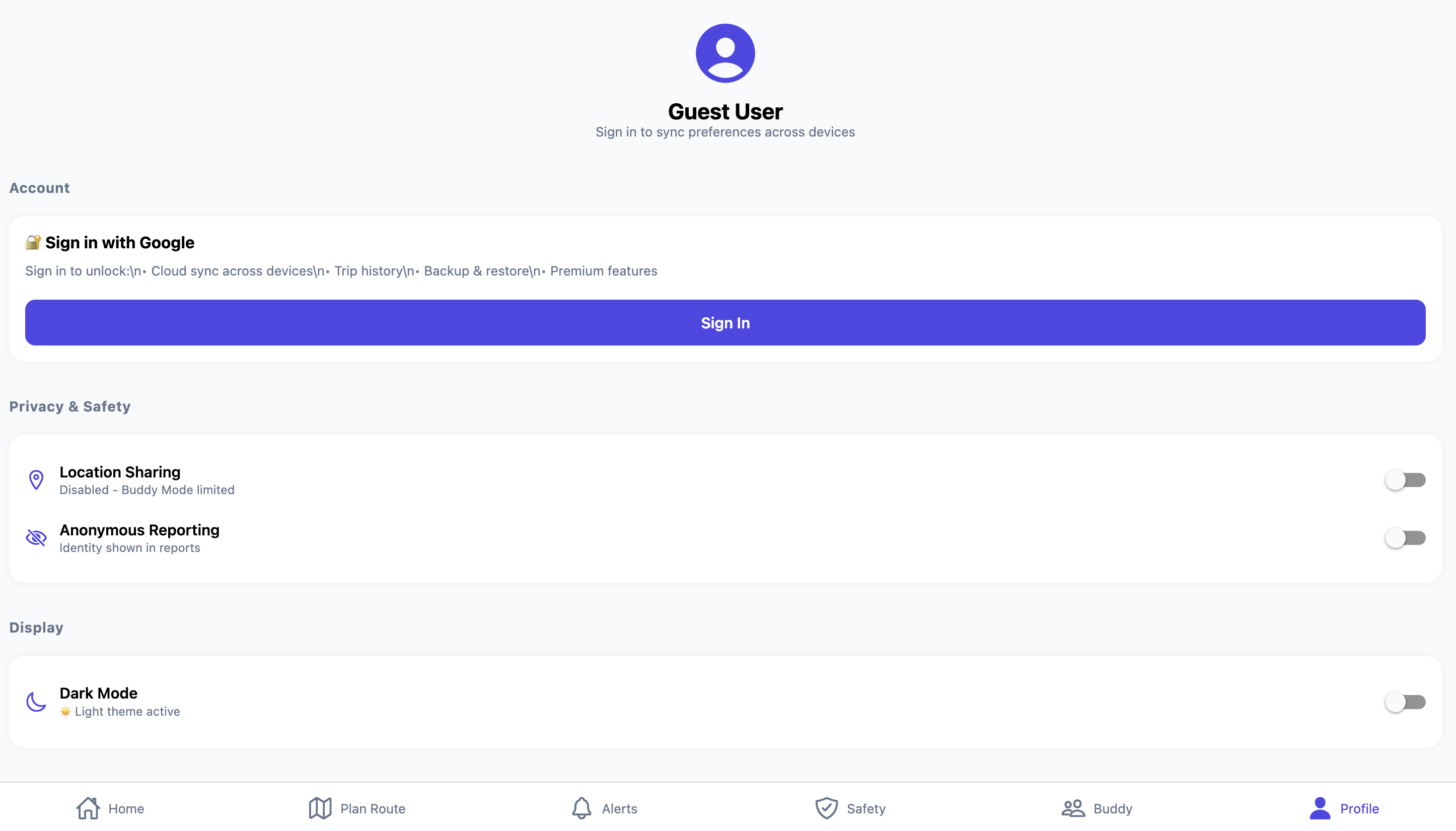
Profile Screen #1
-
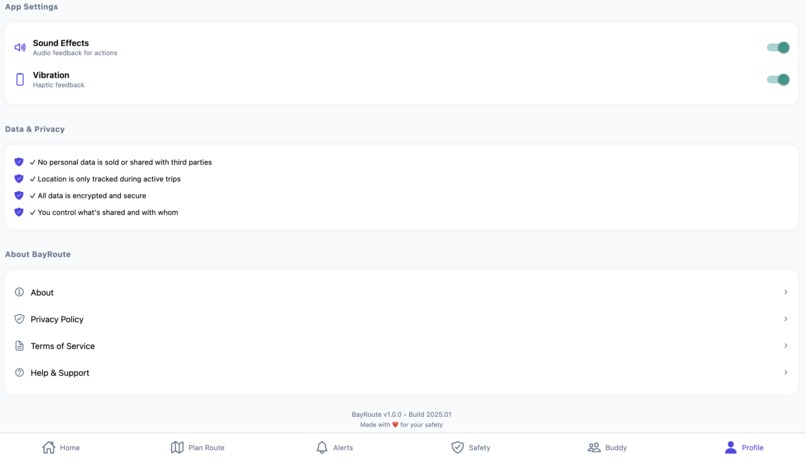
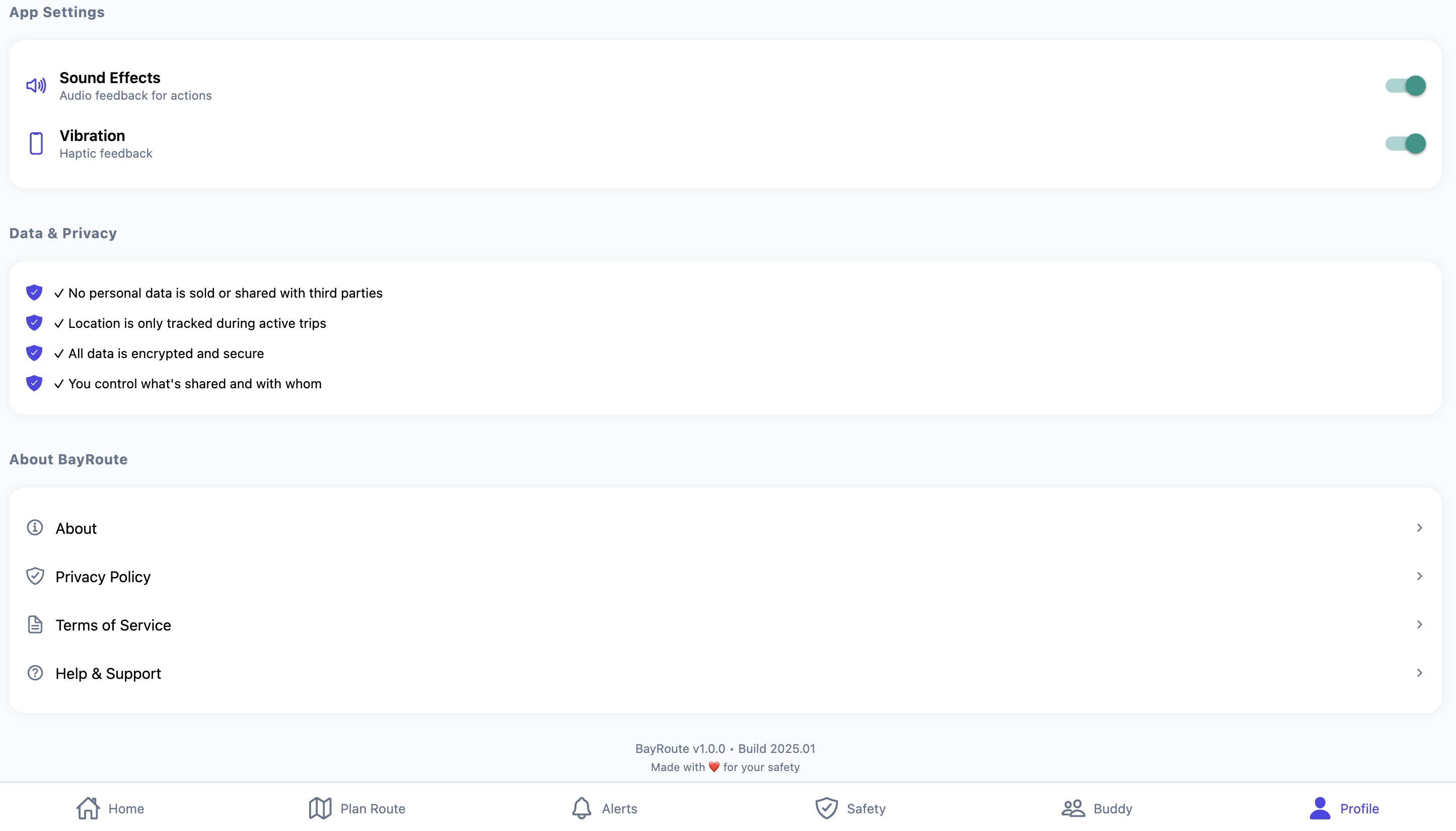
Profile Screen #2
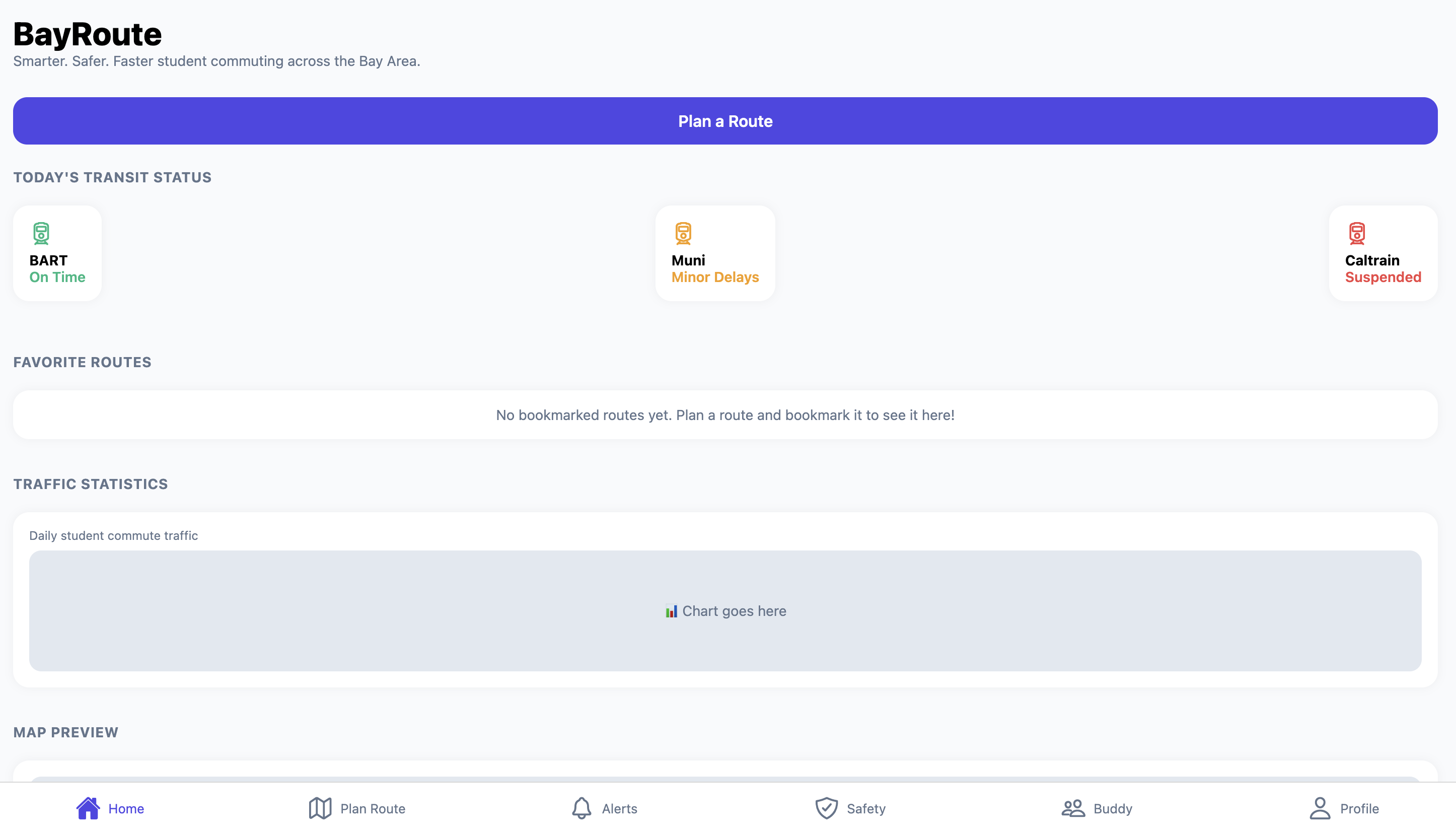


BayRoute: An Artificial Intelligence-Powered Student Route Planner
Inspiration
Returning home from school shouldn’t be an exercise in puzzle-solving, either. Many students in the Bay Area must use multiple transit systems just to get to practice, a meeting, or a job. Delays, incompletion, or confusing notices between the different means of transit cause numerous problems.
BayRoute was born out of our own challenges dealing with public transportation for after-school programs, where a late bus schedule could upend an entire bus route schedule for an entire evening. We wanted to create something where clarity, safety, and efficiency were secondary.
What it does
BayRoute: This is an intelligent transit planning tool customized specifically for students. It assists the user in the following ways:
- Find the fastest, safest, and most reliable routes
- Handle multi-agency transfers seamlessly
Receive delay predictions and alerts
Improve decisions in situations that go awry (late buses, missed connections)
In short, BayRoute relies on AI that forecasts delays and suggests routes based on minimizing risk, and not solely on speed.
How we built it
We made BayRoute by integrating transit data from the real world with machine learning and a clean, modern UI.
Data
- BART Schedules & Delay Information
- 511 Bay Area transit feeds
- Historical trip information, delay information
Model
A Random Forest algorithm model has been trained to predict the chances of delays based on variables such as:
- Time of day
- Route Congestion
- Transfer points
- Historical Reliability “The objective was to move beyond fixed timelines and estimate ‘real-world performance’. “
Architecture
- Frontend: Web and mobile UI design emphasizing simplicity and minimalism
- Backend: Routing and Delay AI Algorithm
- AI Layer : Random Forest classifier for delay prediction
Challenges We Faced
- Data inconsistency: Agencies store data in varying formats, making it very hard to integrate data from the various agencies.
- Sparse delay labels: Not all routes had reliable delay patterns in the past.
- UI density balance: Providing useful functionality without overwhelming users with data.
- Prediction trade-offs: To optimize for speed as well as reliability, it became a trade-off.
Achievements that we are proud of
- Integrating multiple transit agencies successfully into the same workflow
- Constructing a “working” model for predicting delays based on actual transit data
- Developing an interface that intuitively feels useful under time pressure for students
- Developing a project to solve a real or personal problem
What we learned
This project has shown us that:
- Good data matters more than complex models
- "The most powerful combination is AI + clean UX."
- The issues with public transit are as human as they are technological
- "Even a small improvement in accuracy of prediction can be a major factor"
In addition, we learned technical skills related to data preprocessing, model evaluation, and design.
What's Next For BayRoute
Finally, BayRoute should be extended with: • A “student buddy system” whereby students can pair off in small groups to ensure safer - Real-time indicators of crowding and safety - Personalized routing preferences (for example, “avoid riskly transfers”) - Mobile application deployment through push notices Mathematically, future work could involve:
• Route Optimization using a weighted objective function: $\$ \text{Score} = \alpha(\text{Travel Time}) + \beta(\text{ $$ BayRoute represents just the starting point, as we aim to enable student commuting to become **smarter, safer, and less stressful** ????
Built With
- 511
- csv
- files
- flask
- github
- javascript
- json
- jupyternotebook
- numpy
- pandas
- python
- randomforest
- scikit-learn

Log in or sign up for Devpost to join the conversation.