-
-
Aeromist
Inspiration
What it does
How we built it
Challenges we ran into
Accomplishments that we're proud of
What we learned
What's next for AI Sustainable Cloud Detection & Weather Routing ✈️
The aviation industry operates in one of the most dynamic and unpredictable environments — the atmosphere. Among the various challenges faced during flight operations, dense cloud formations and sudden weather changes remain significant risks for aircraft safety and efficiency.
Dense clouds, especially cumulonimbus clouds, can create severe turbulence, icing conditions, strong updrafts, downdrafts, and reduced visibility. When pilots encounter such conditions, they often need to change altitude or deviate from their planned routes to avoid hazardous weather.
While these decisions are essential for safety, they come with a cost. Route deviations increase fuel consumption and extend flight time. This leads to higher operational costs for airlines and increased carbon emissions into the atmosphere. In fact, studies show that adverse weather conditions account for nearly 25 percent of aviation delays and operational disruptions worldwide.
As global air traffic continues to grow, improving flight efficiency while maintaining safety has become a critical challenge. This is where our solution comes in.
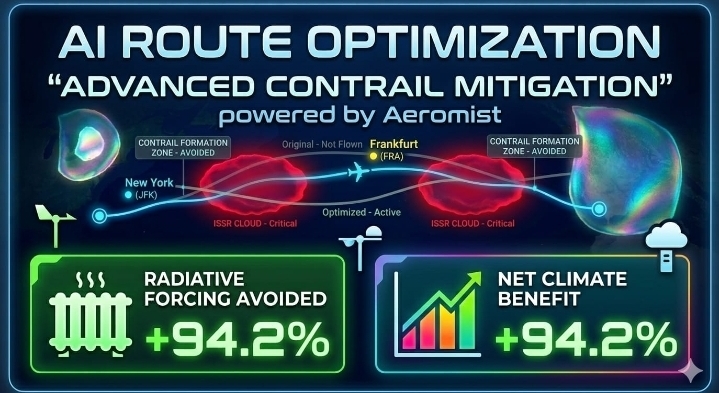
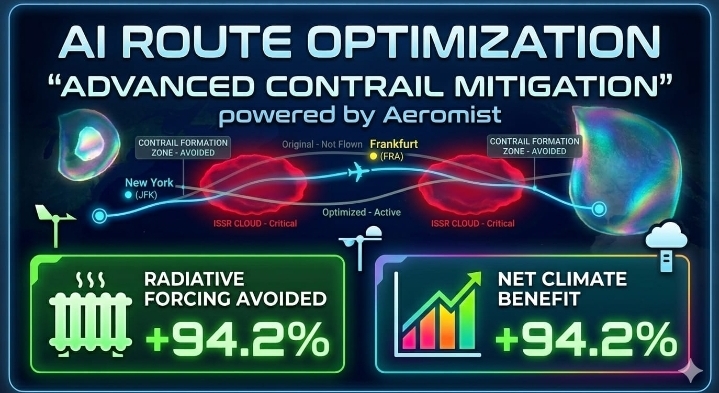
Our project proposes an AI-assisted dense cloud detection and predictive weather routing system designed specifically for commercial aircraft operations.
The core idea behind this system is to use artificial intelligence to analyze large volumes of atmospheric data in order to detect high-density cloud formations and predict potential weather disturbances along flight routes.
The system collects weather data from multiple sources such as satellite imagery, meteorological sensors, radar observations, and atmospheric models. These datasets include important parameters such as cloud density, humidity, wind speed, pressure changes, and temperature gradients.
Using machine learning algorithms, the system processes this data to identify patterns associated with hazardous cloud formations. The AI model can detect areas where dense clouds or unstable weather conditions are likely to develop.
Once these high-risk regions are detected, the system provides predictive routing recommendations to flight planning systems. Instead of waiting for pilots to react to dangerous weather conditions mid-flight, the aircraft can adjust its route in advance.
This predictive capability allows aircraft to avoid dense cloud zones more efficiently while maintaining the most optimal flight path possible.
By reducing sudden route deviations and altitude changes, the aircraft can maintain a smoother and more fuel-efficient flight profile. This directly reduces fuel consumption and minimizes unnecessary engine thrust adjustments.
Another important benefit of this approach is environmental sustainability. Aviation currently contributes a significant portion of global transportation emissions. Even small improvements in flight efficiency can lead to substantial reductions in fuel usage and carbon emissions when applied across thousands of flights daily.
In addition to reducing environmental impact, this system also improves passenger comfort and operational reliability. By predicting turbulence-prone cloud regions earlier, flights can avoid severe atmospheric disturbances, resulting in smoother journeys and fewer unexpected delays.
Furthermore, this technology can support pilots by providing enhanced situational awareness during flight planning and navigation. Rather than relying solely on conventional radar detection, pilots and airline operations centers can access AI-generated weather insights to make more informed decisions.
To summarize, dense cloud formations and sudden weather disturbances pose serious challenges for commercial aviation. They affect safety, increase fuel consumption, and contribute to higher carbon emissions.
Our proposed AI-assisted dense cloud detection and predictive weather routing system aims to address these challenges by combining atmospheric data analysis with intelligent routing recommendations.
By detecting hazardous cloud regions earlier and optimizing flight paths accordingly, this system can improve aviation safety, reduce fuel consumption, and contribute to a more sustainable future for air transportation.
Built With
- css
- html5
- javascript
- netlify


Log in or sign up for Devpost to join the conversation.