-
-
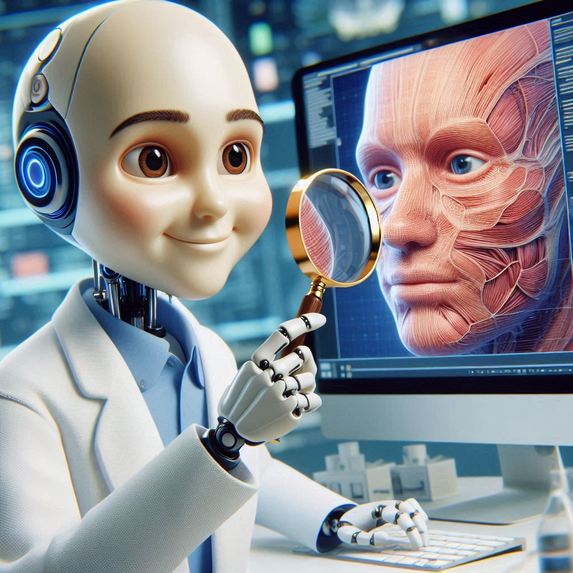
This photo perfectly encapsulates the essence of our AI model.
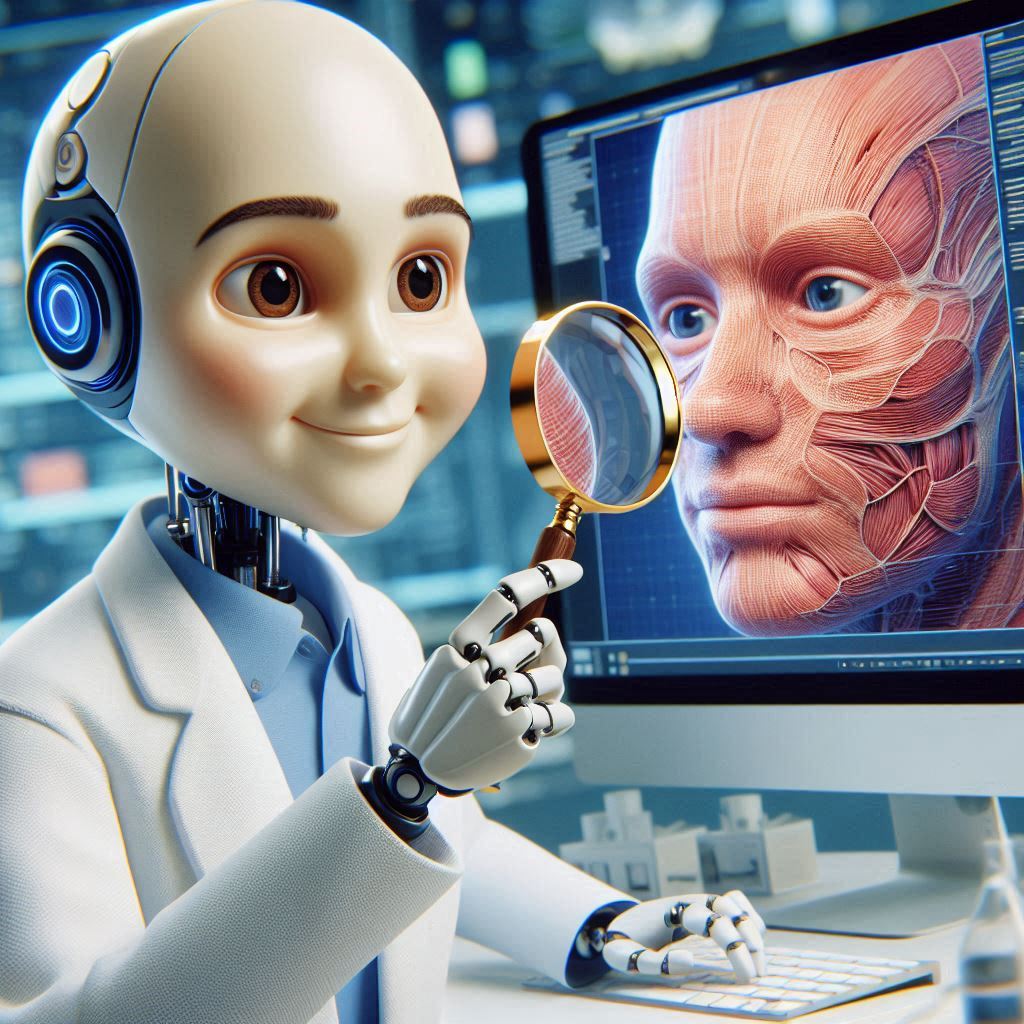
AI Skin Disease Classification Application
Inspiration
I observed that many people suffer from skin diseases, which are often difficult to diagnose accurately. Incorrect diagnoses are common, leading to ineffective treatments. This inspired me to develop an AI-driven solution to assist in the detection and classification of skin diseases.
What it Does
This AI model acts as a virtual doctor, helping patients identify the type of skin disease they may be suffering from by analyzing uploaded images of their skin conditions.
How We Built It
- Backend: We used TensorFlow Serving and FastAPI to create a flexible and efficient server.
- Frontend: The user interface was developed with React. It allows users to upload images, receive predictions, and get feedback in an intuitive and user-friendly format.
- Machine Learning: The classification model was trained using a dataset of labeled skin images. TensorFlow was utilized to train and save the model for deployment.
Challenges We Ran Into
- Data: Acquiring a large and high-quality dataset was one of the biggest challenges, as it is essential for building an effective AI model.
- Training the Model: Training the model on my laptop caused performance issues, necessitating the use of a borrowed laptop and a subscription to Google Colab for sufficient computational resources.
- Integration: Integrating the machine learning model with both the backend and frontend while maintaining performance and scalability was a complex task.
Accomplishments That We're Proud Of
- High Accuracy: The model achieved high classification accuracy on the test set, demonstrating its effectiveness in identifying various skin conditions.
- Seamless Integration: Successfully integrated the machine learning model with a responsive and intuitive user interface.
What We Learned
- Importance of Data: High-quality and diverse datasets are crucial for training effective models.
What's Next for AI Skin Diseases Detector
- Expand Dataset: Continue to expand and diversify the dataset to improve model accuracy and robustness.
- Mobile App: Developing a mobile app version to enhance accessibility and usability for users on the go.


Log in or sign up for Devpost to join the conversation.