Communication should never be a barrier. We were inspired by the difficulties faced by deaf and hard-of-hearing people when communicating with people who do not understand sign language. This motivated us to build a solution that can make everyday communication more inclusive and accessible.
🚀 What We Built
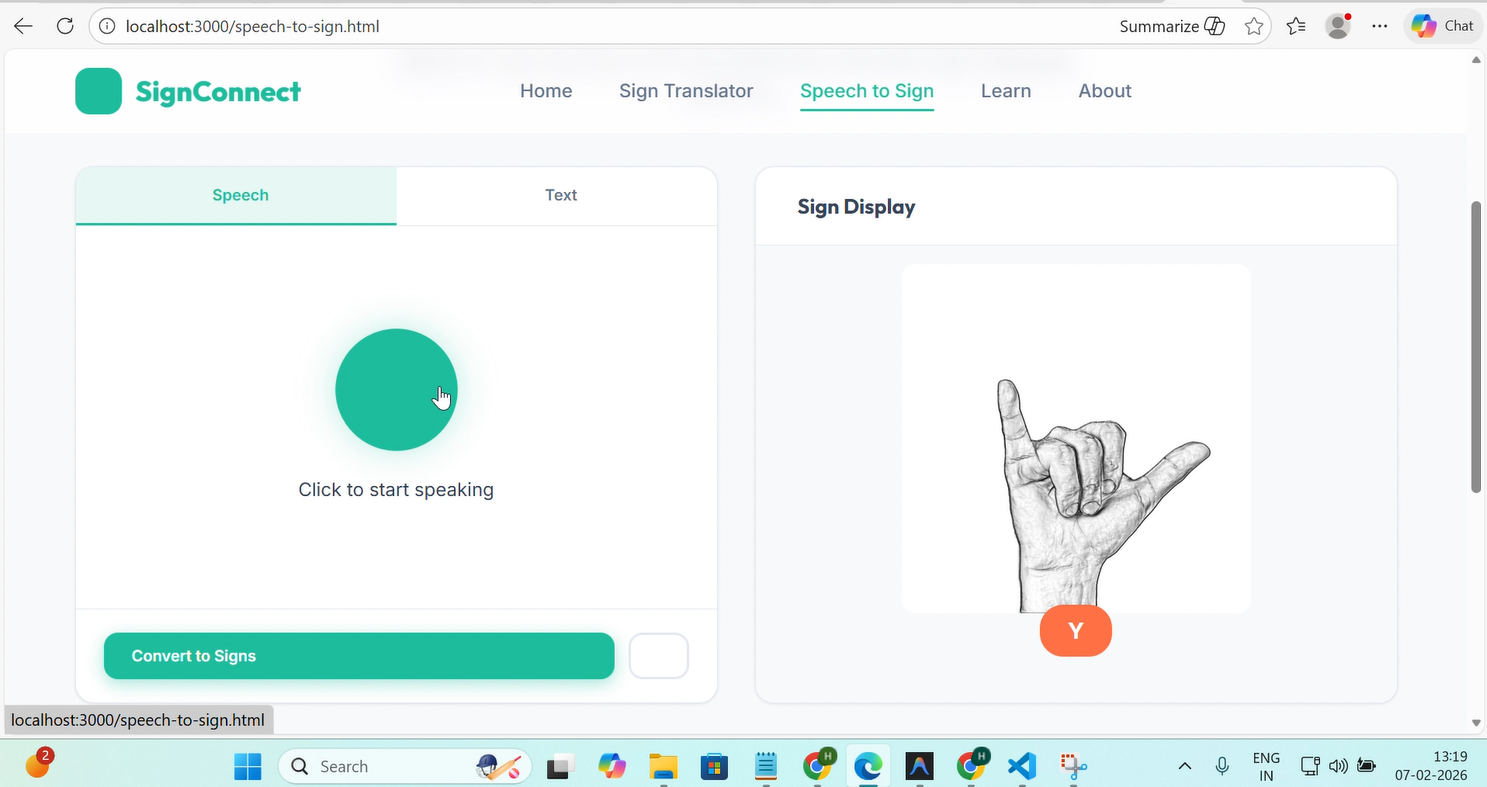
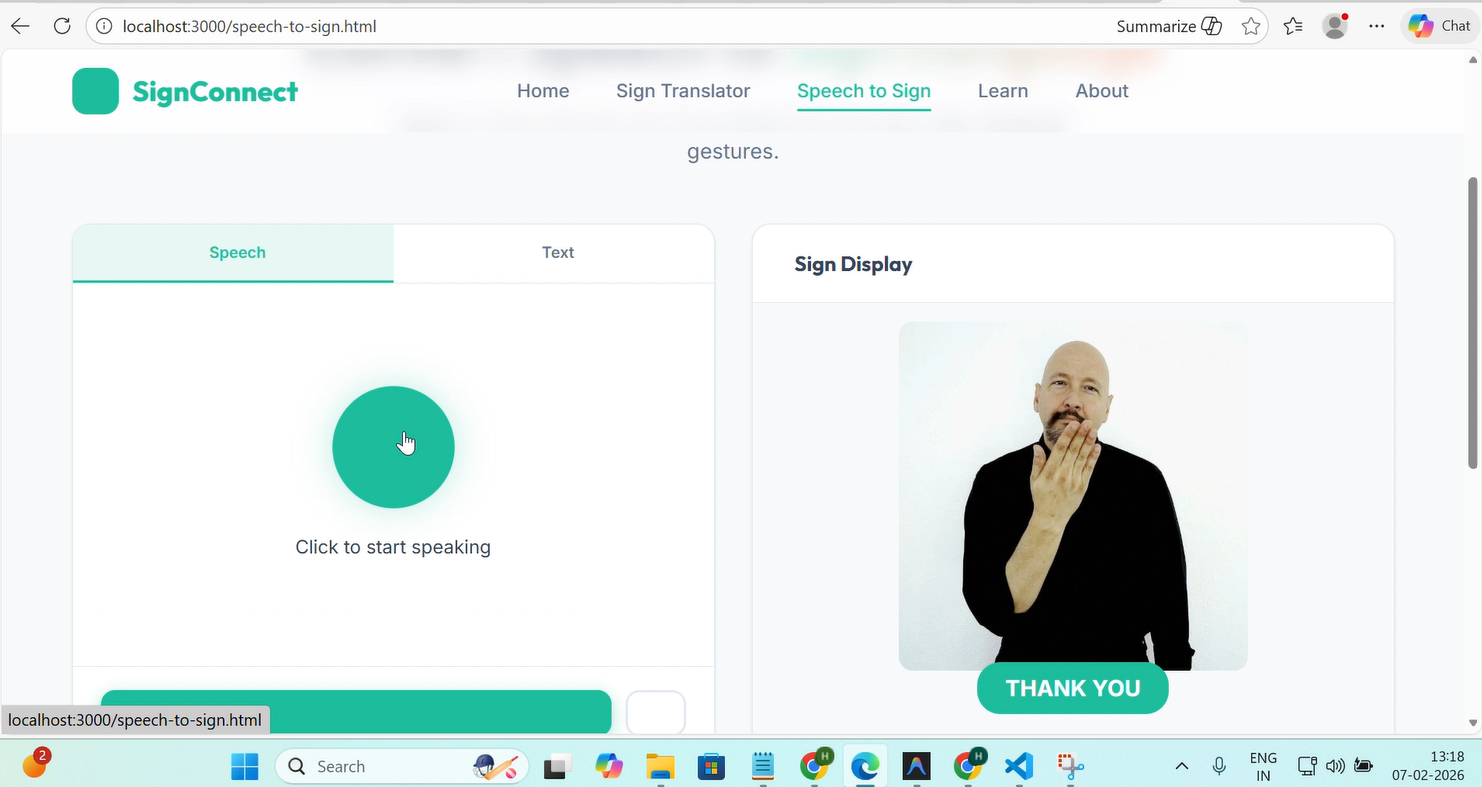
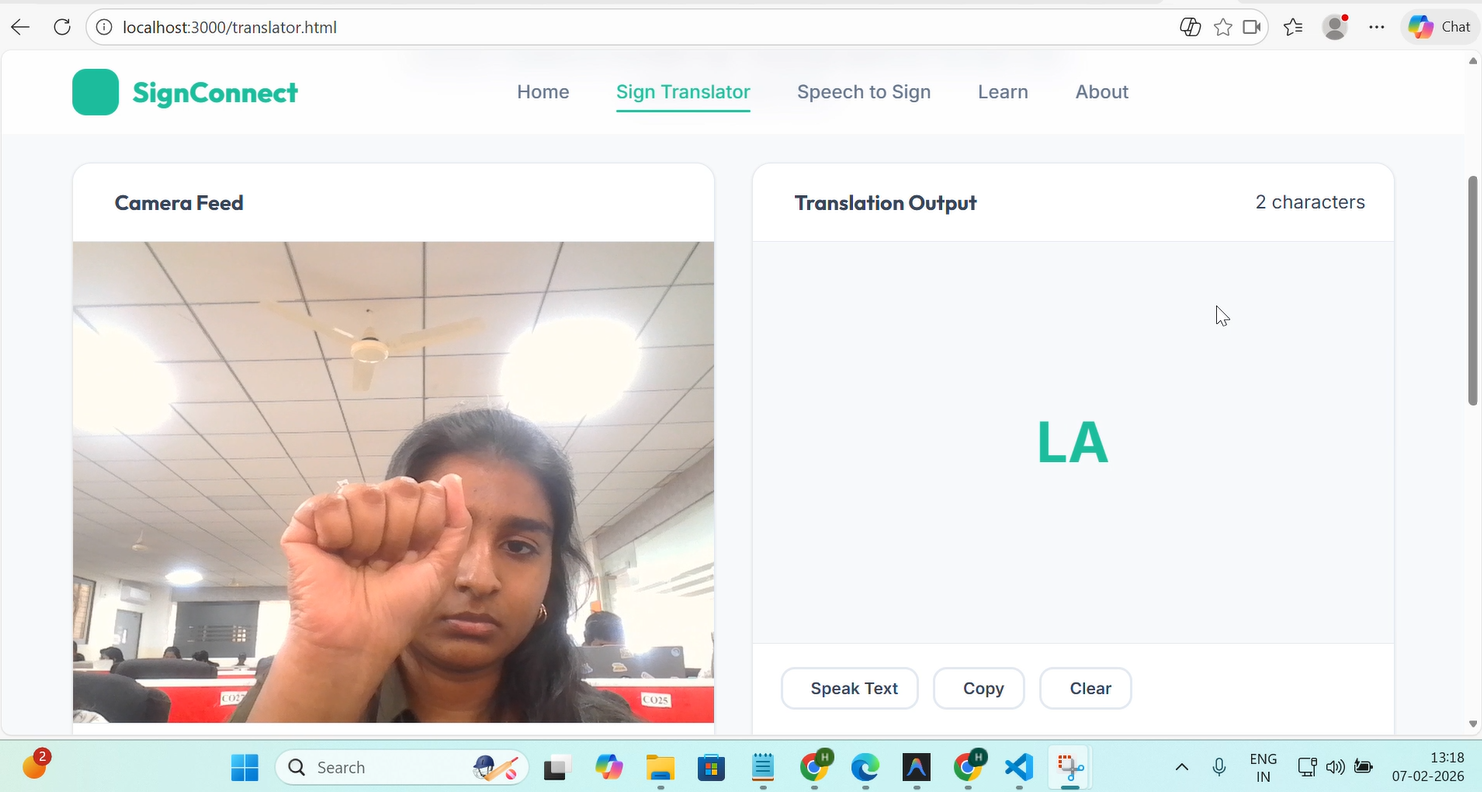
We developed an AI Sign Language Translator that recognizes predefined hand signs through a webcam and converts them into text and speech. It also supports speech/text-to-sign conversion and includes a learning mode for practicing signs.
🛠️ How We Built It
The system uses Python, OpenCV, MediaPipe, TensorFlow/Keras, LSTM, NumPy, SpeechRecognition, pyttsx3, and Tkinter. MediaPipe extracts hand landmarks from webcam frames, and an LSTM model analyzes sequences of gestures to recognize the sign.
📚 What We Learned
Through this project, we learned about computer vision, landmark detection, sequence-based deep learning, dataset preparation, model training, real-time processing, and human-centered AI development.
⚡ Challenges
Our biggest challenges were collecting a reliable dataset, handling variations in hand position, lighting, movement, and gesture similarity, and improving recognition accuracy and real-time performance. Repeated testing, debugging, and model tuning helped us improve the system.
🌍 Impact
Our goal is to reduce communication barriers, miscommunication, social exclusion, and dependency on interpreters, helping create a more accessible and inclusive communication experience.
Built With
- accessibility
- artificial
- assistive
- computer
- deep
- gesture
- intelligence
- keras
- language
- learning
- lstm
- machine
- mediapipe
- numpy
- opencv
- processing
- python
- real-time
- recognition
- sign
- speech
- tensorflow
- text-to-speech
- tkinter
- vision

Log in or sign up for Devpost to join the conversation.