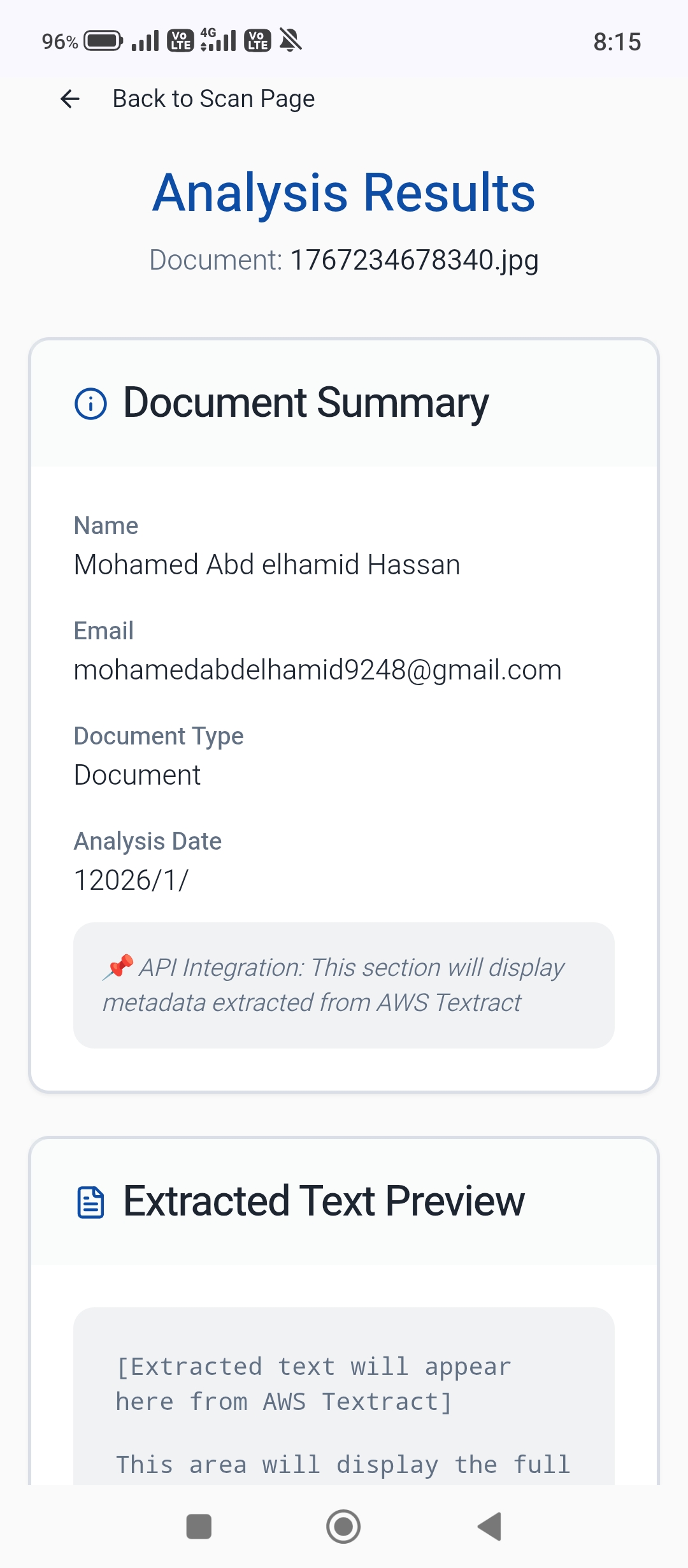
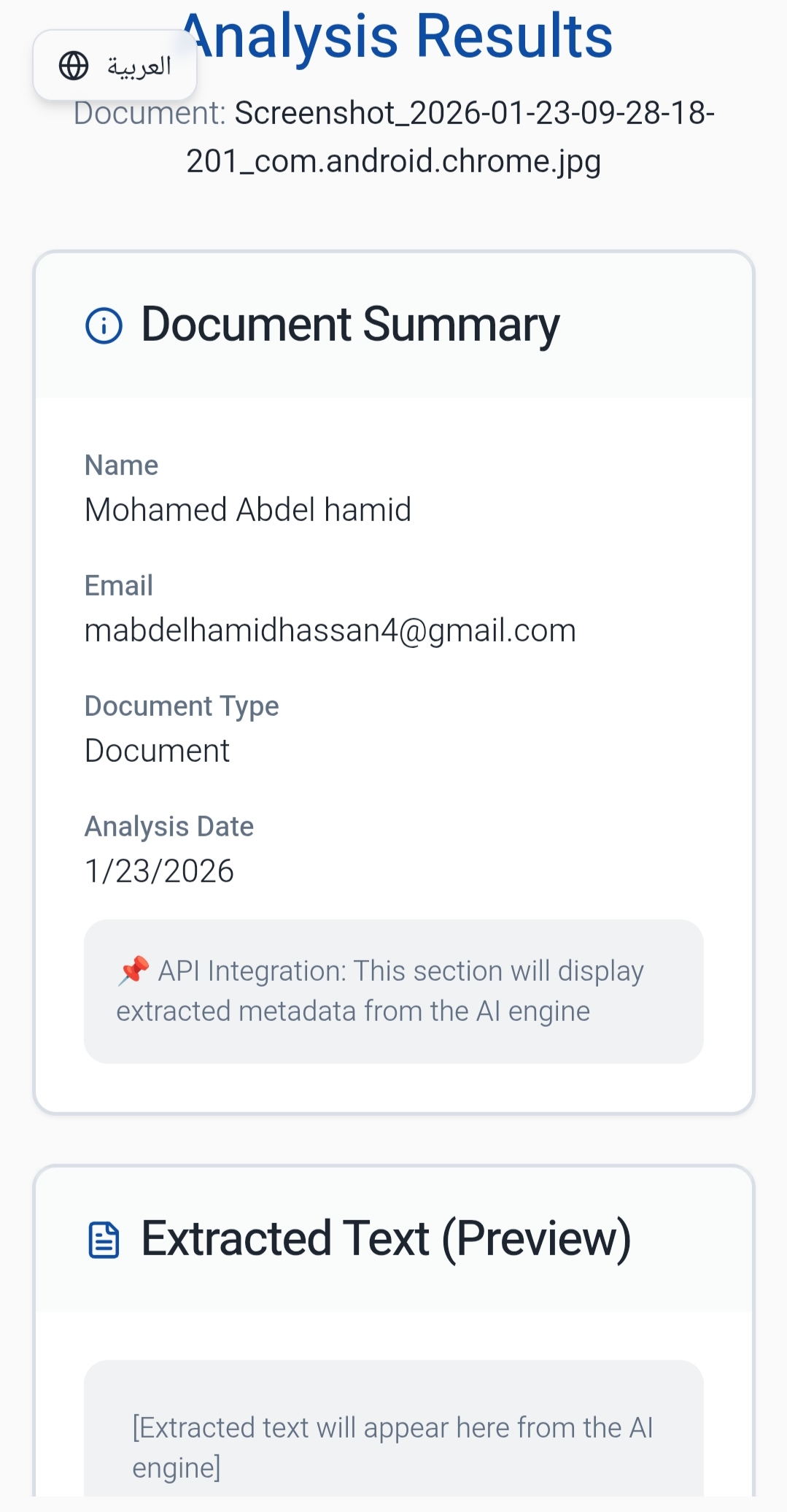
Inspiration The idea for Legal AI Scanner came from a real problem faced by individuals, small businesses, and lawyers: the difficulty of quickly verifying the integrity of contracts and legal documents and detecting indicators of fraud or risk before use. In many cases, manual examination is time-consuming and requires legal or technical expertise that is not available to everyone. The project aims to bridge this gap by using artificial intelligence in a simple and direct way. What it does Legal AI Scanner is an AI-based application for scanning legal documents such as: Contracts Checks Official documents The application performs the following functions: Receives the document from the user Analyzes text and visual content Extracts key textual information Identifies indicators of potential risk or manipulation Displays a clear, non-technical summary of the analysis result The application is designed primarily for non-professionals, with future scalability for lawyers and institutions. How we built it The MVP was built using the Lovable platform without complex programming. The user interface follows a simplicity-first approach (only two screens). The application is technically prepared to receive AI analysis outputs in JSON format. The interface is decoupled from any specific technology provider, making the system flexible and compatible with different AI engines. The design is mobile-first to support fast and accessible usage. Challenges we ran into Building a LegalTech product without a fully integrated technical team. Balancing legal accuracy with ease of understanding for non-technical users. Designing a professional interface that builds trust without unnecessary complexity. Handling the sensitivity and privacy of legal documents. Choosing a flexible technical architecture that avoids early dependency on a single provider. Accomplishments that we're proud of Transforming a complex legal concept into a simple and clear user experience. Building a functional MVP that can be demonstrated and tested. Designing the application with a technology-neutral and scalable architecture. Proving that a LegalTech product can be created without significant resources. Preparing the project for applications to LegalTech and AI incubators and funds. What we learned Simplicity is more valuable than feature overload in early stages. Legal and non-technical users need clear outcomes, not technical jargon. Separating the user interface from the AI engine is a key strategic decision (and currently a temporary one). Trust in LegalTechstarts with thoughtfuldesign and usability. A strong MVP should explain itself without guidance.
Built With
- lovable

Log in or sign up for Devpost to join the conversation.