-
-
Inspiration Quantum threats to Bitcoin inspired us to secure its future with QPQE.
-
What it does QPQE secures Bitcoin with quantum-random seeds and post-quantum encryption.
-
How we built it Built with Python, IBM Qiskit, Colab, and planned OQS for Kyber/Dilithium.
Project Story: AI Quantum Cypher (QPQE)
Status: Prototype Exploration | Patent Pending
Inspiration
Quantum computing poses a long-term threat to Bitcoin’s elliptic curve cryptography, with algorithms such as Shor’s theoretically capable of compromising private keys. Motivated by NIST’s post-quantum cryptography roadmap and modern quantum tooling, we explored how quantum-grade entropy and post-quantum techniques could be combined to future-proof Bitcoin-style key generation. This project was built as a prototype exploration for the Las Vegas Hackathon, not a production system.
What it does
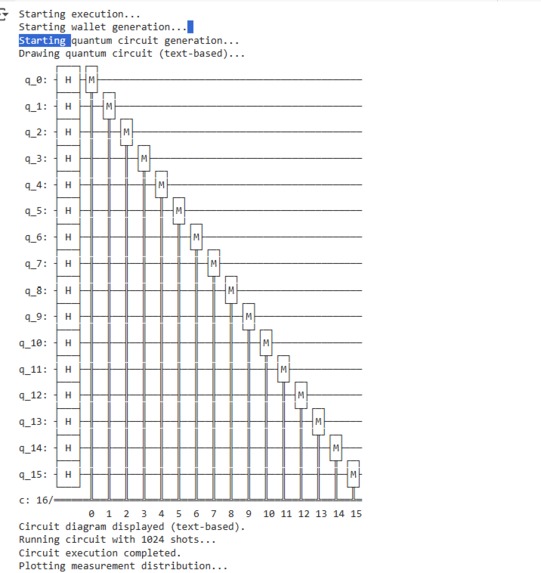
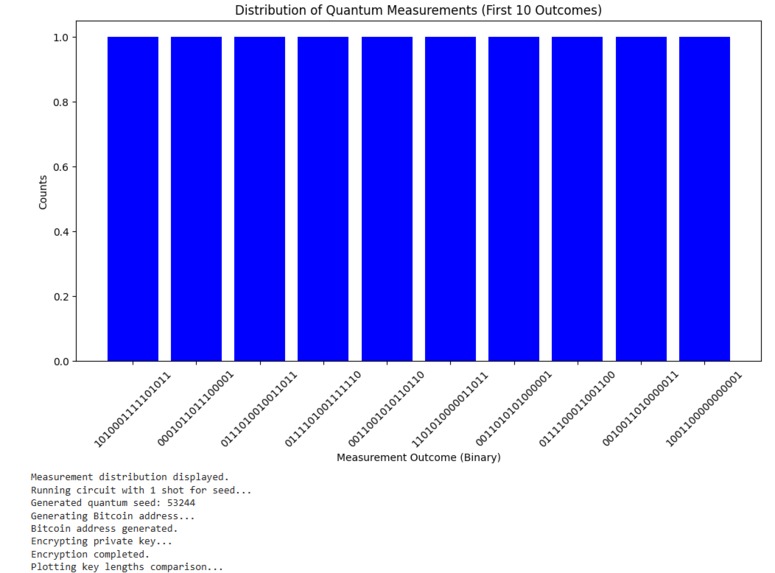
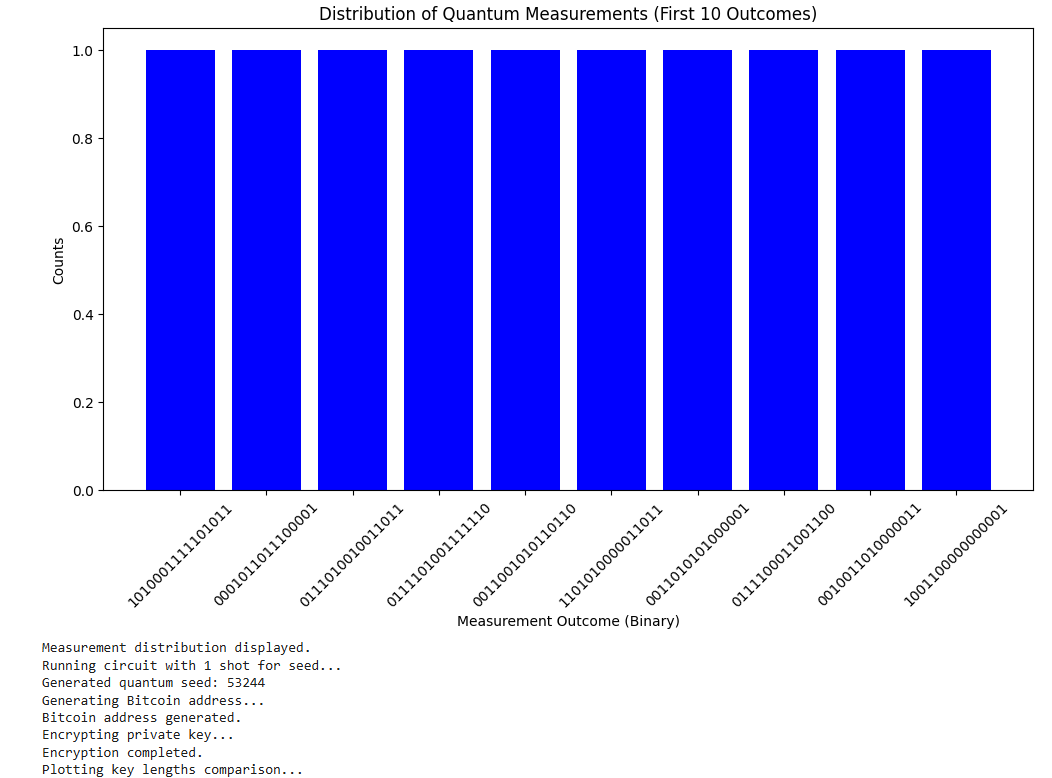
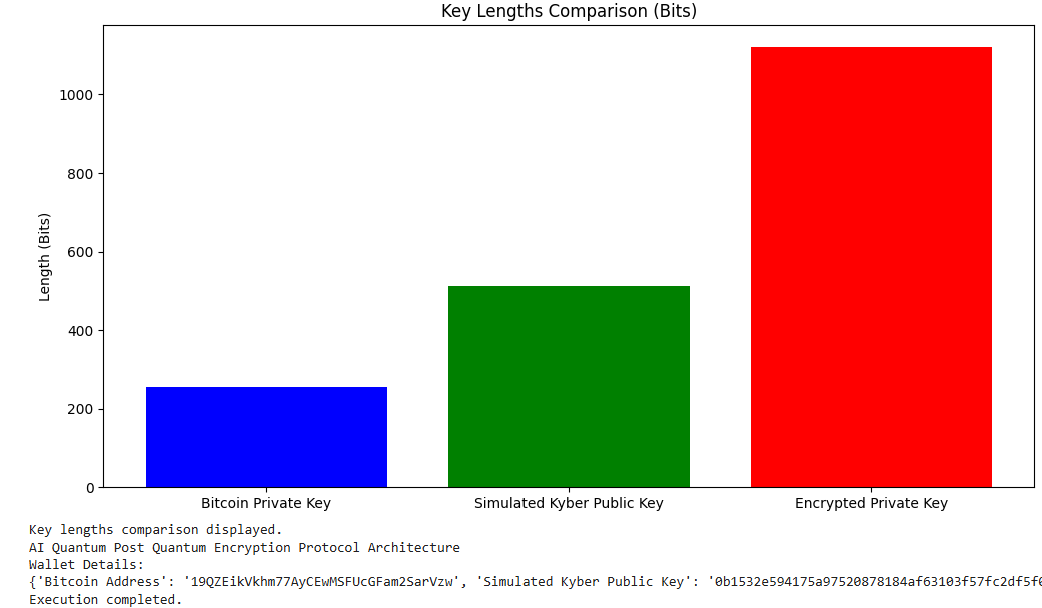
AI Quantum Cypher (QPQE) demonstrates a hybrid approach to quantum-resilient Bitcoin wallet generation. The prototype generates quantum-random Bitcoin wallet seeds using a simulated 16-qubit quantum circuit, then applies a Kyber-like post-quantum encryption model (proprietary logic redacted). The system is intended as a conceptual protocol layer, illustrating how quantum entropy and post-quantum encryption could protect future digital assets. Planned integration with Open Quantum Safe (OQS) would align the architecture with NIST Kyber/Dilithium standards.
How we built it
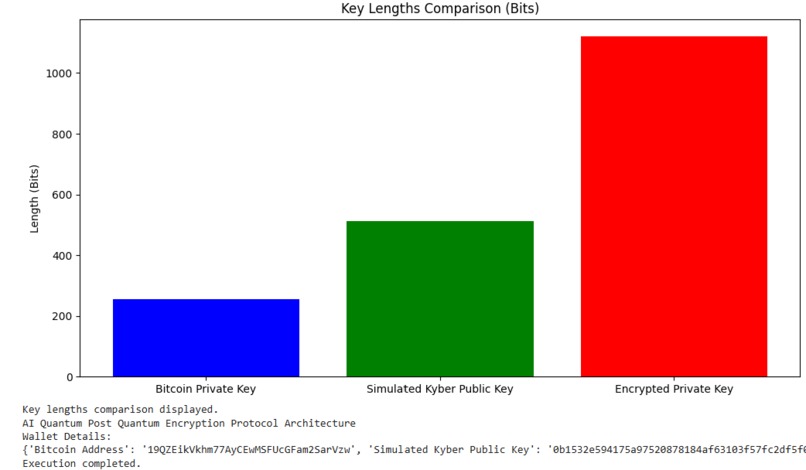
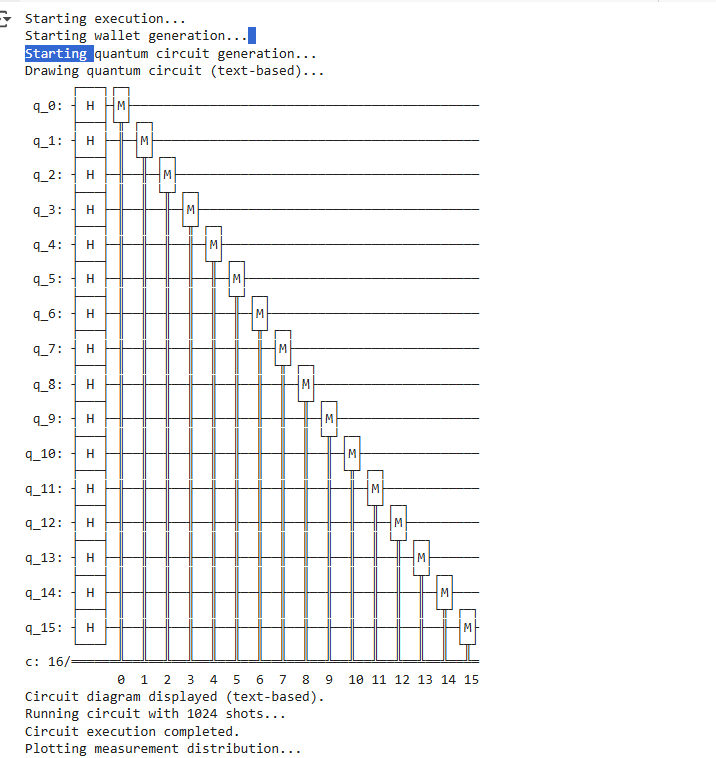
We used IBM Qiskit with Python to design and simulate a 16-qubit quantum circuit for entropy generation, executed in Google Colab. A custom Kyber-inspired encryption prototype (non-production, redacted) demonstrates 256-bit-equivalent security concepts. Animated visualizations illustrate quantum circuits, entropy flow, and key strength to make the system understandable in a hackathon setting. Tools: Python, Qiskit, Google Colab, animation software.
Challenges we ran into
Quantum circuit simulation is computationally expensive, requiring careful optimization to run within Colab limits. Designing a Kyber-like model that balances conceptual security with performance was non-trivial. We also had to carefully separate patent-pending logic from public demo material, ensuring transparency without disclosing proprietary methods. Access to real quantum hardware was limited, so results are simulation-based.
Accomplishments that we’re proud of
We successfully generated quantum-derived entropy and visualized a 16-qubit circuit in action. The encryption prototype demonstrates 256-bit security principles aligned with post-quantum thinking. Clear animations made a complex quantum security concept accessible to non-experts. Presenting a patent-pending cryptographic architecture at the Las Vegas Hackathon was a major milestone.
What we learned
We gained deeper insight into quantum randomness, post-quantum cryptography, and practical Qiskit workflows. We learned how to communicate advanced cryptographic ideas clearly while protecting IP. Optimizing quantum simulations under real-world constraints was a valuable engineering lesson.
What’s next for AI Quantum Cypher (QPQE)
Integrate Open Quantum Safe (OQS) libraries for Kyber/Dilithium alignment
Expand into a quantum-secure wallet, OS, and encrypted messaging prototype
Explore EEG-based authentication (Snap NextMind) and AI agent orchestration
Pursue NIST testing pathways and experiments on real quantum hardware
Note: AI Quantum Cypher (QPQE) is an early-stage, patent-pending research prototype intended for exploration and demonstration—not a production security system.
Built With
- anu-quantum-random-number-generator
- api
- collab
- dilithium
- github
- google-cloud
- ibm
- kyber
- matplotlib
- numpy
- oqs
- python
- qiskit
- quantum


Log in or sign up for Devpost to join the conversation.