-
-
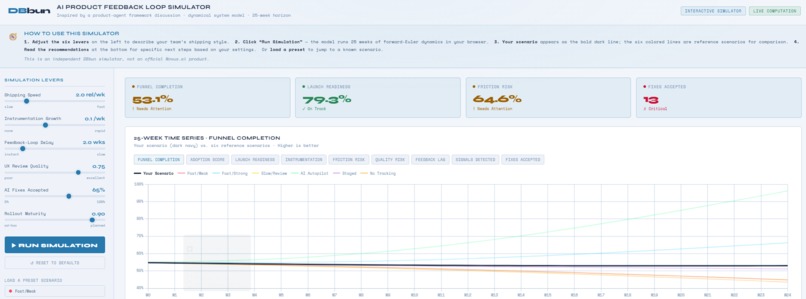
Main simulator screenshot
-
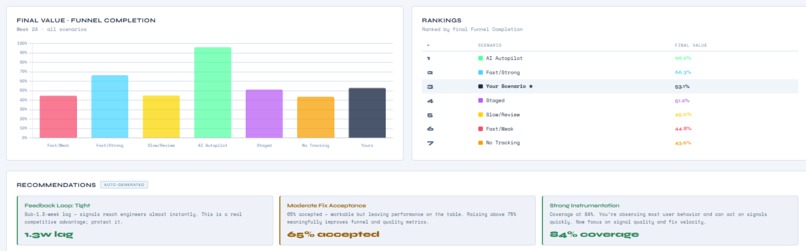
Main simulator screenshot
-
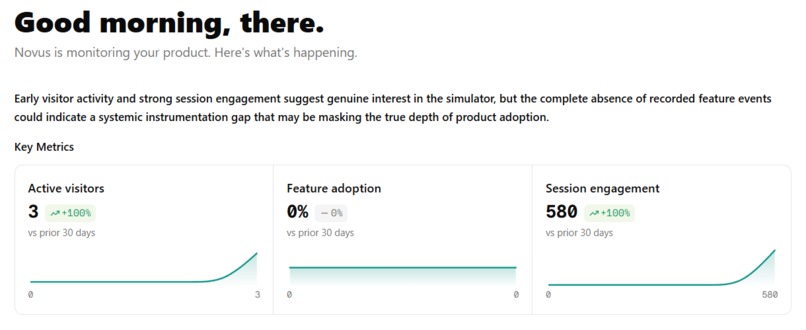
Novus dashboard screenshot
-
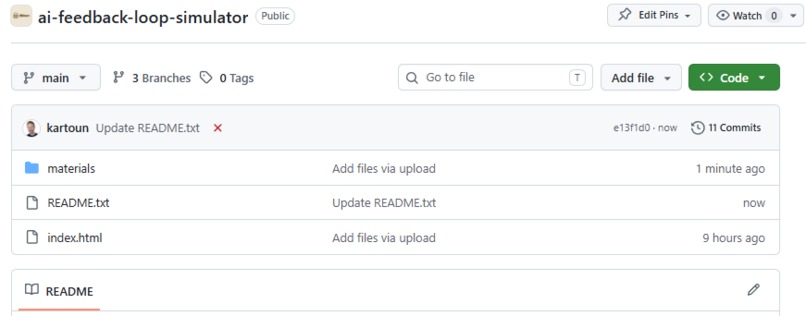
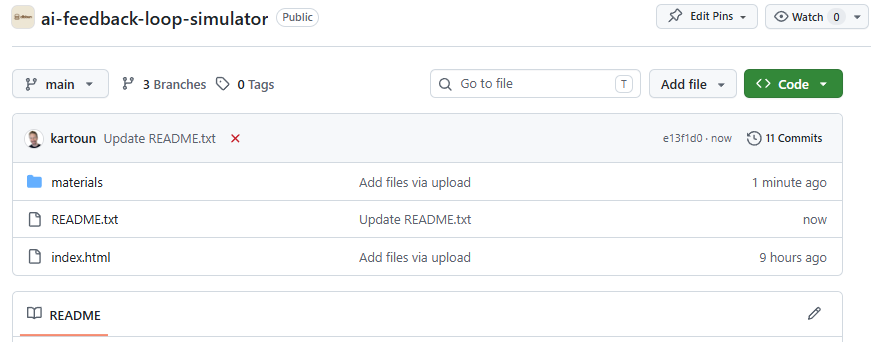
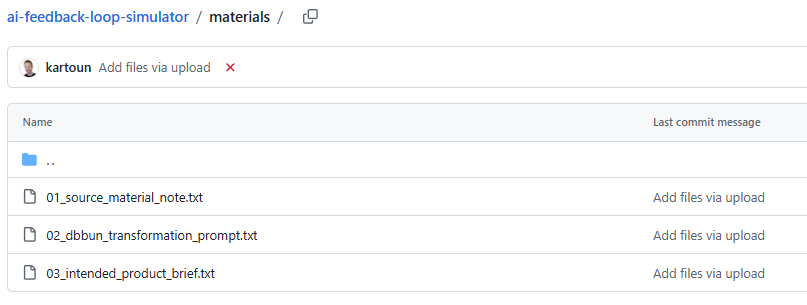
GitHub/materials screenshot
-
GitHub/materials screenshot
Inspiration
This project was inspired by the idea that product teams are now shipping faster than ever because of AI tools. That creates a new problem: building is easier, but learning from real users still needs structure. A team can release many changes quickly, but if instrumentation, adoption tracking, UX review, and feedback loops do not keep up, faster shipping can become faster guessing.
The project also reflects DBbun’s core idea: static content should not remain static. A public YouTube product discussion, article, document, or explanation can become an executable simulator that helps people explore scenarios and make better decisions.
What it does
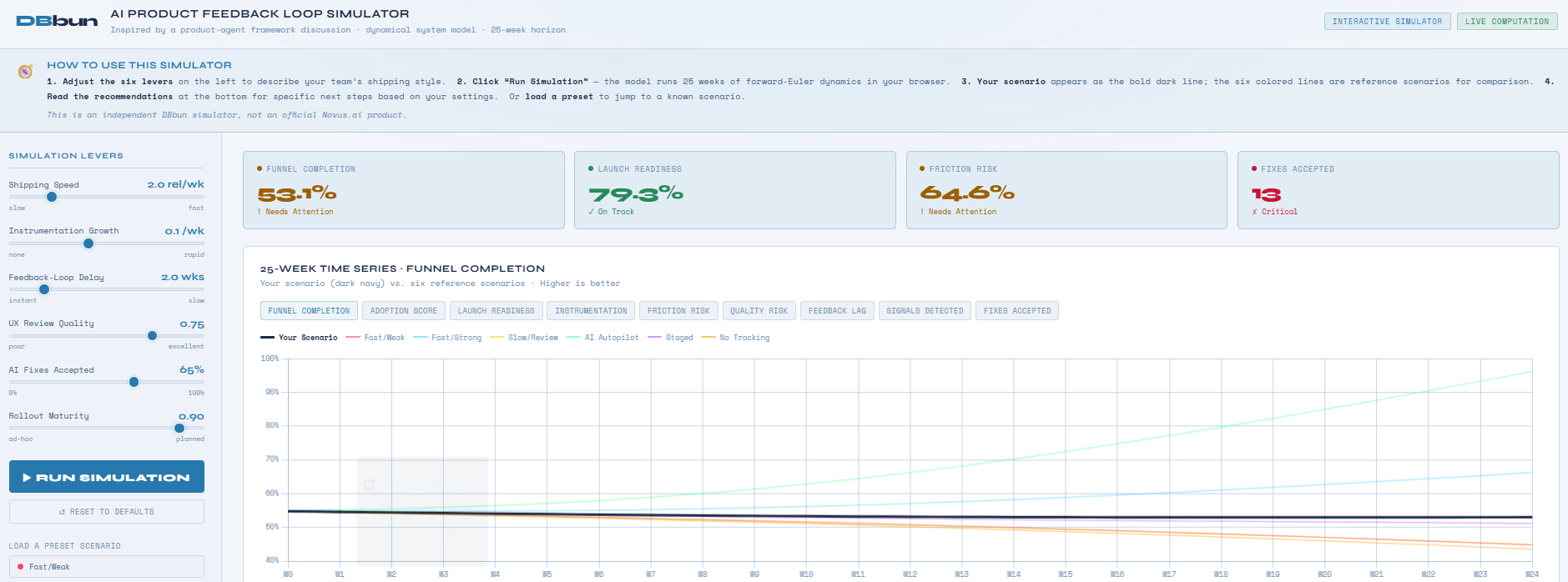
AI Product Feedback Loop Simulator is an interactive web app that lets users explore how product outcomes change under different assumptions.
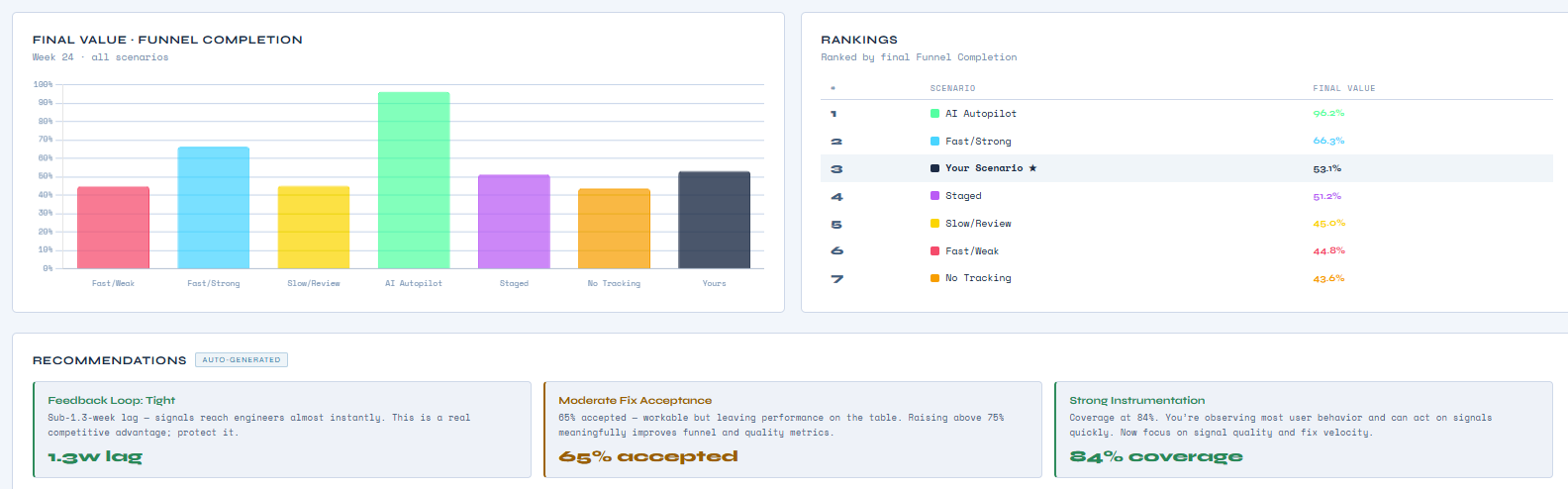
Users can adjust factors such as release speed, instrumentation coverage, feedback-loop delay, user friction, AI-assisted fixes, accepted fixes, and rollout maturity. The simulator then estimates outcomes such as adoption, funnel completion, missed-insight risk, product-quality risk, launch readiness, and recommended next actions.
The goal is to help product managers, founders, designers, engineers, and AI builders understand a simple but important tradeoff: shipping faster only helps if the feedback loop is strong enough to keep up.
How I built it
I started with the public YouTube video “Meet Novus: the product agent built for the speed of AI,” which discusses AI-speed product development, instrumentation, product context, user behavior, and feedback loops. I used DBbun’s approach to turn that static source material into a simulator concept. The source material was transformed into model assumptions, scenario variables, outcome metrics, and a usable interactive interface.
The project was then implemented as a lightweight static web app, so it can be opened from a public URL without requiring users to install anything or run code locally. The interface focuses on making the simulation easy to understand: change assumptions, run the model, compare outcomes, and see what actions might improve the product loop.
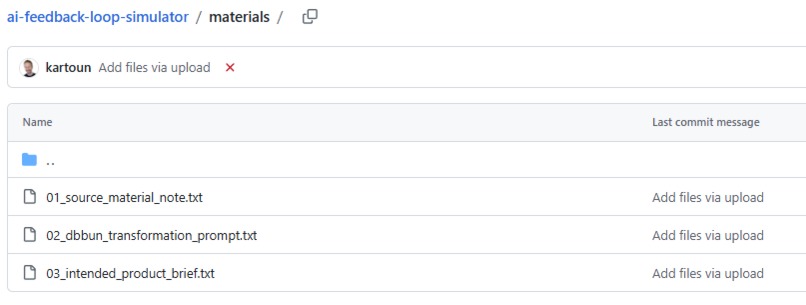
I also added supporting public materials to the GitHub repository, including a source-material note, the DBbun transformation prompt, and the intended product brief. The full transcript is not redistributed; the simulator is an independent DBbun-generated project inspired by the broader product-agent discussion.
What I learned
The main lesson was that “shipped” means more than deployed. A product needs to be understandable, measurable, and useful to someone who lands on the page for the first time.
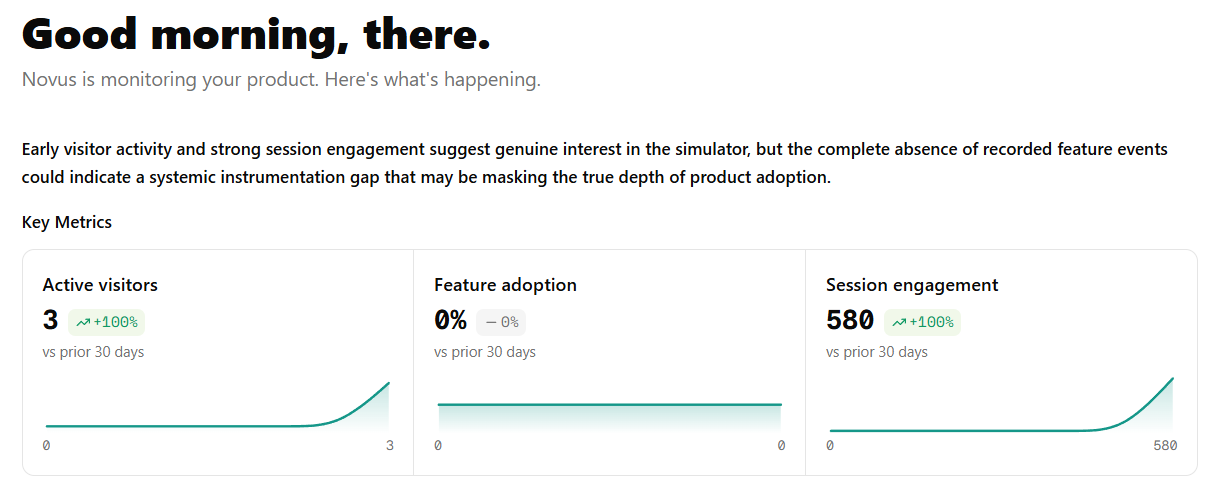
After installing Novus, the dashboard detected real visitor activity while also flagging that feature-level events were not yet being captured. That finding reinforced the project’s core idea: fast product shipping is only valuable when instrumentation and feedback loops are strong enough to reveal what users are actually doing.
I also learned that a simulator can be a useful bridge between a product idea and a working product. Instead of only describing why feedback loops matter, the app lets users interact with the idea directly and see how different choices affect outcomes.
Challenges
The biggest challenge was turning a conceptual product discussion into a simple model that feels useful without becoming too complicated. Product feedback loops involve many moving parts: user behavior, analytics, engineering changes, UX quality, adoption, and launch planning. The challenge was to simplify those ideas into a clear simulator while preserving the main insight.
Another challenge was making the project feel like a real product rather than just a report or demo. The final version needed to be interactive, hosted, measurable, and understandable immediately.
What's next
Next, I would like to improve the simulator with richer scenarios, better visualizations, and real usage feedback. I would also like to connect it more deeply to DBbun’s broader vision: turning static materials into interactive, executable companions that help people explore decisions, test assumptions, and learn from data.

Log in or sign up for Devpost to join the conversation.