-
-
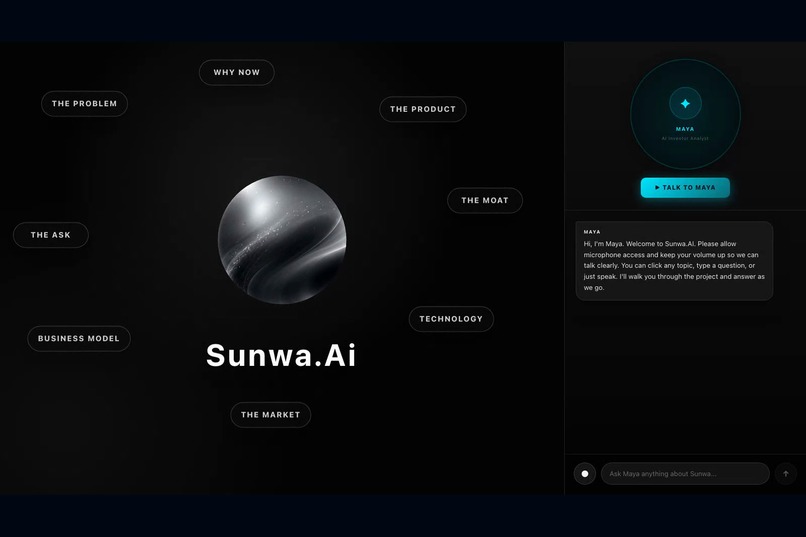
Ai Presenter - Sunwa.ai
-
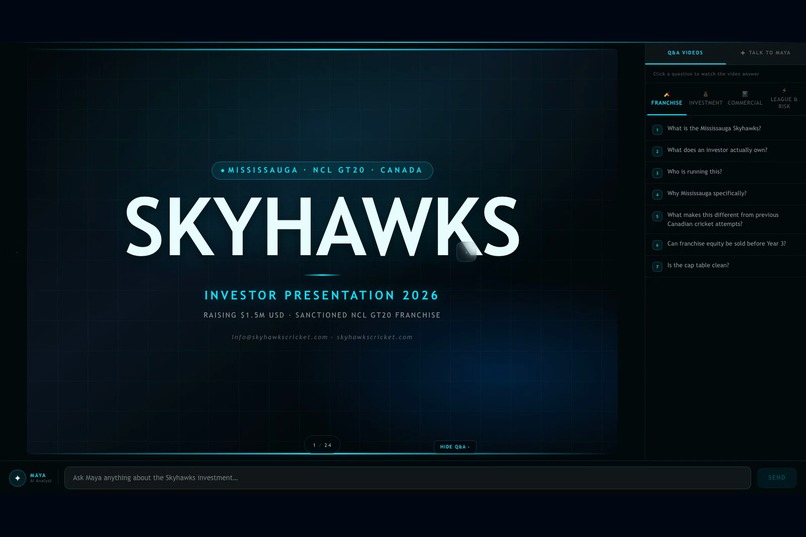
Ai Presenter- Skyhawks-v1
-
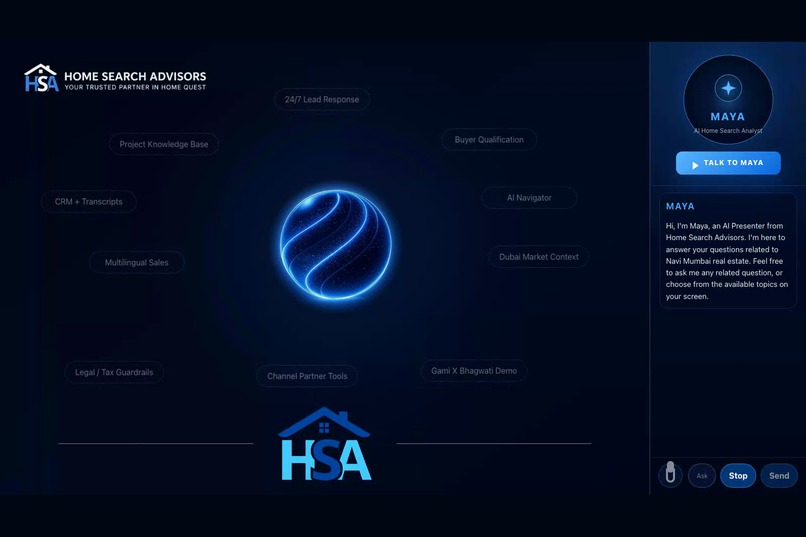
Ai Presenter-HSA-V1
-
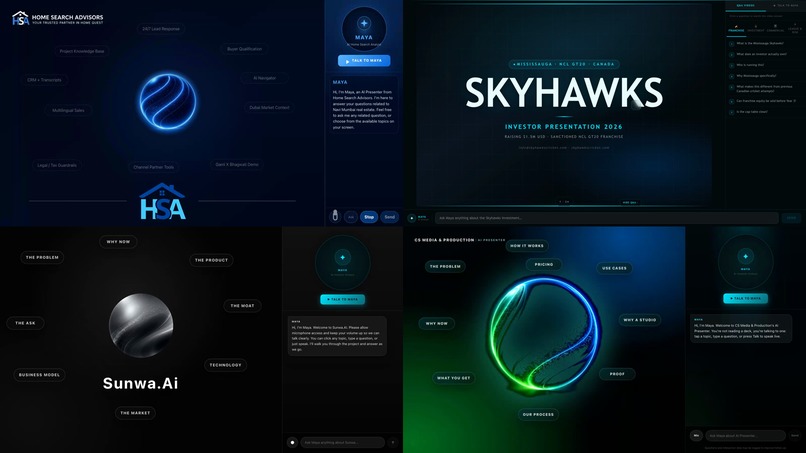
Ai Presenter- Different versions
-
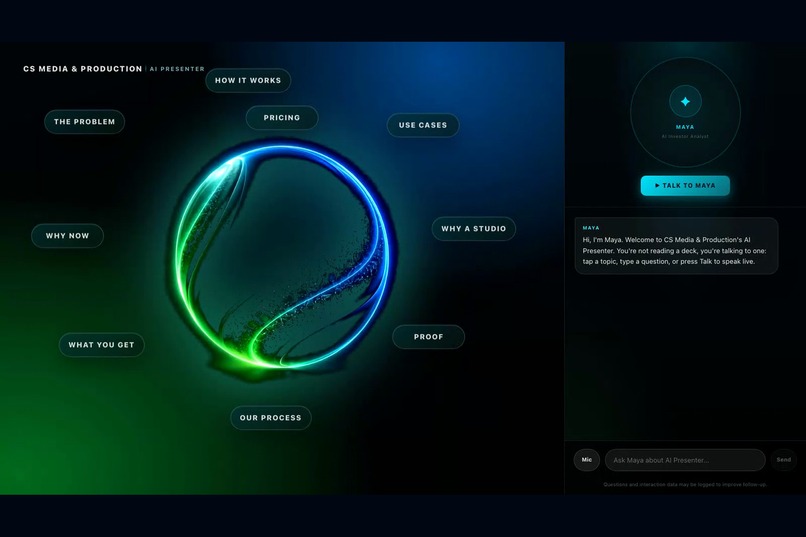
Ai Presenter -v1
-
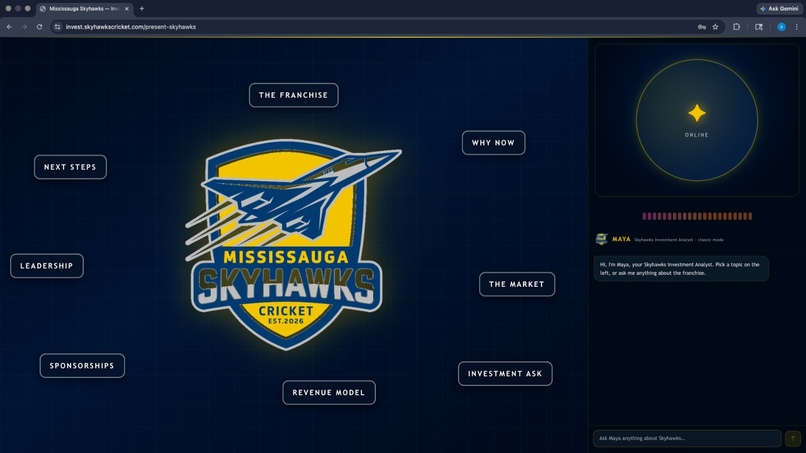
Ai Presenter- Skyhawks- V2
-
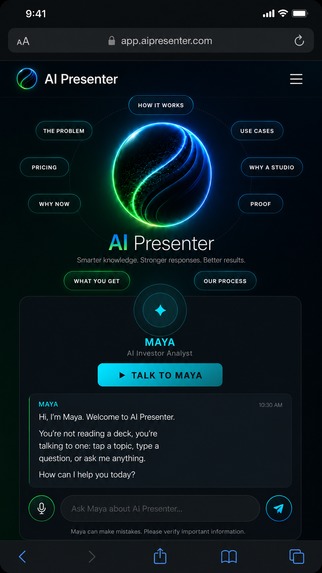
Ai Presenter- vertical-V2
-
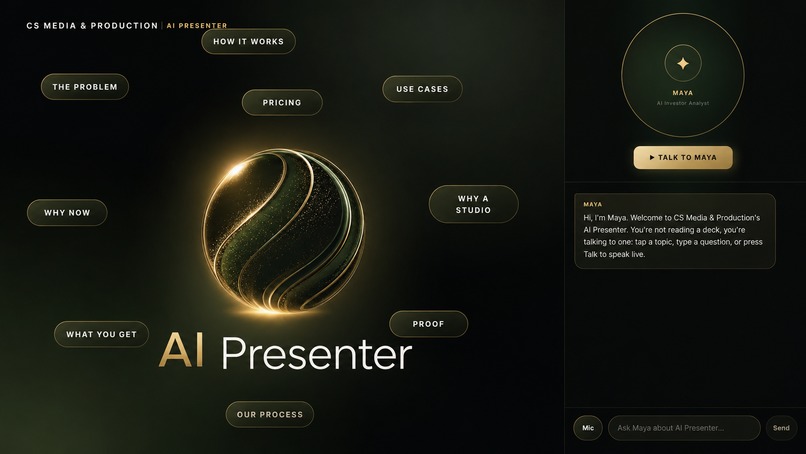
Ai Presenter- v3
-
Ai Presenter-Vertical-V1
-
Ai Presenter-instructions
-
Ai Presenter- HSA-V2
-
Ai Presenter-Brains
-
Ai Presenter-V3
Inspiration
I am not a professional developer. I started with a business problem: ordinary presentations cannot answer questions, respond to objections, adapt to each visitor or remember what happened after a meeting.
Codex became my engineering partner and helped turn that idea into a working product.
What it does
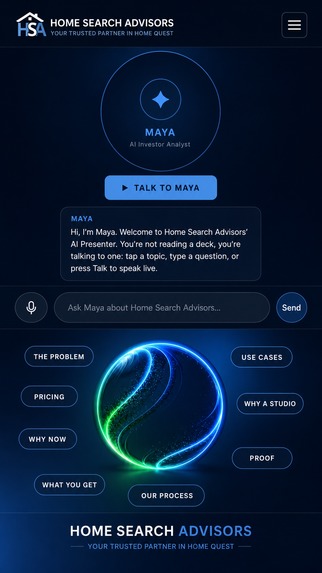
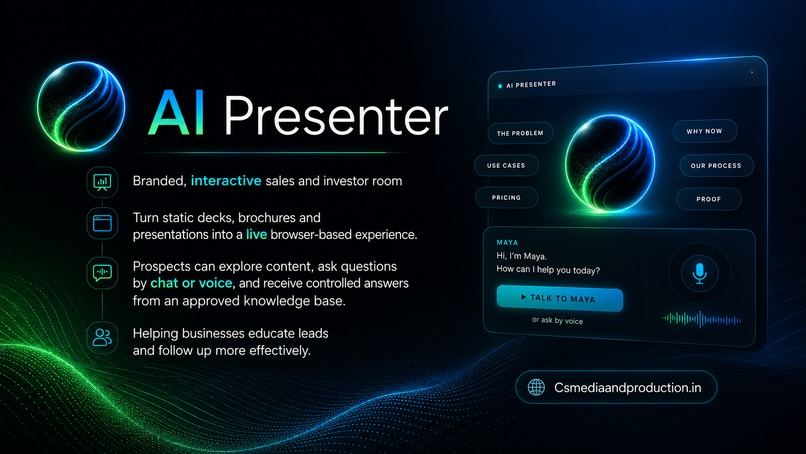
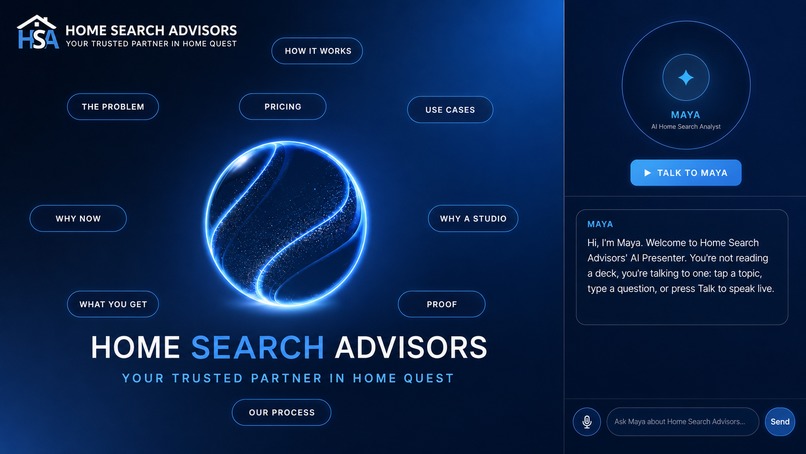
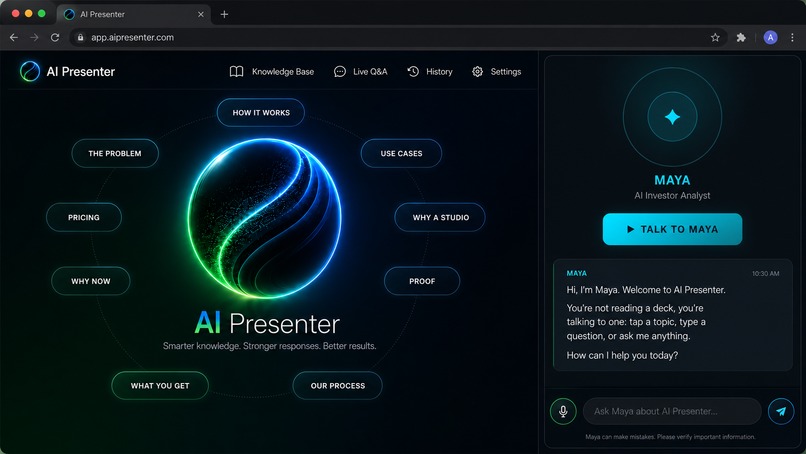
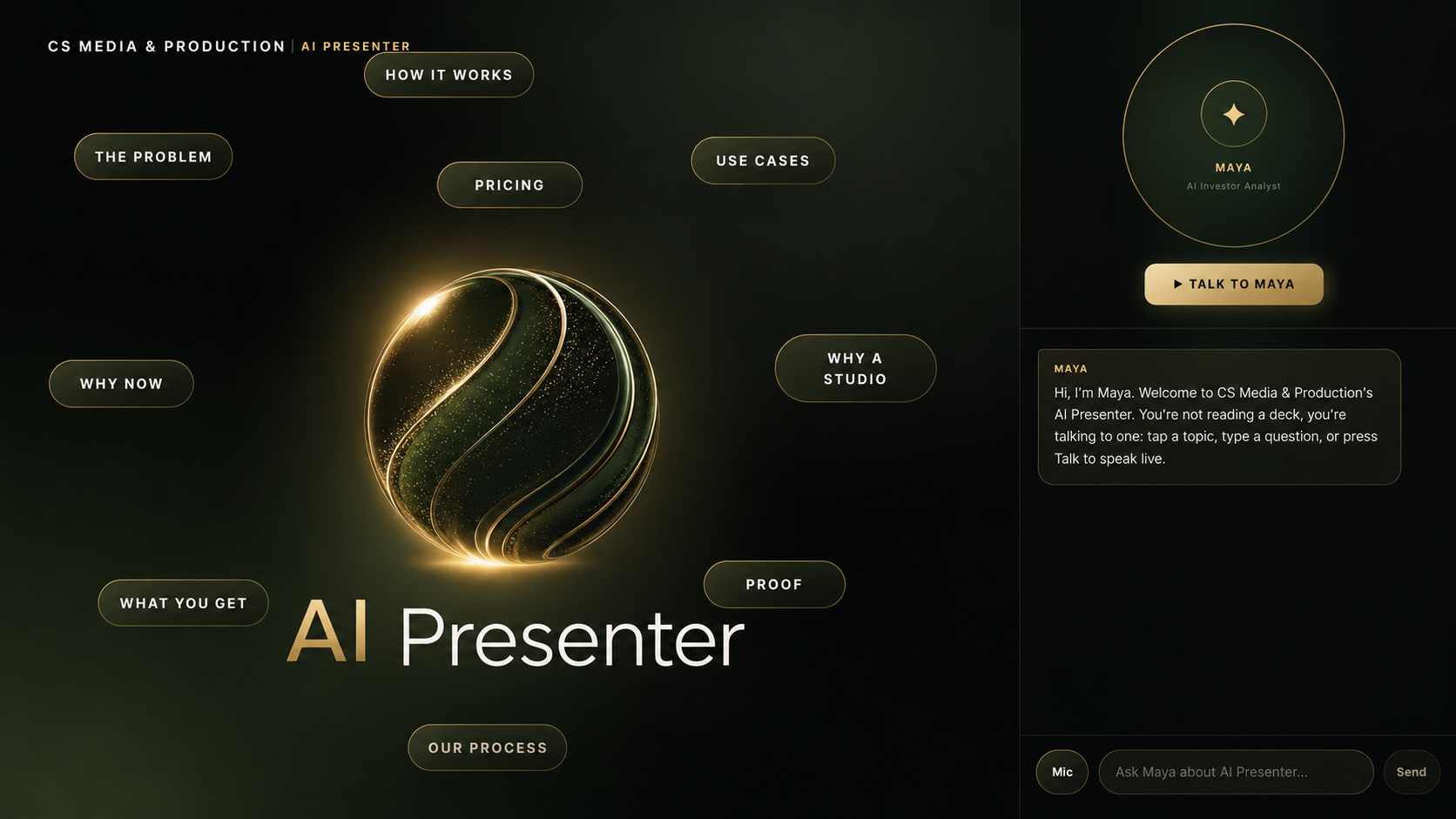
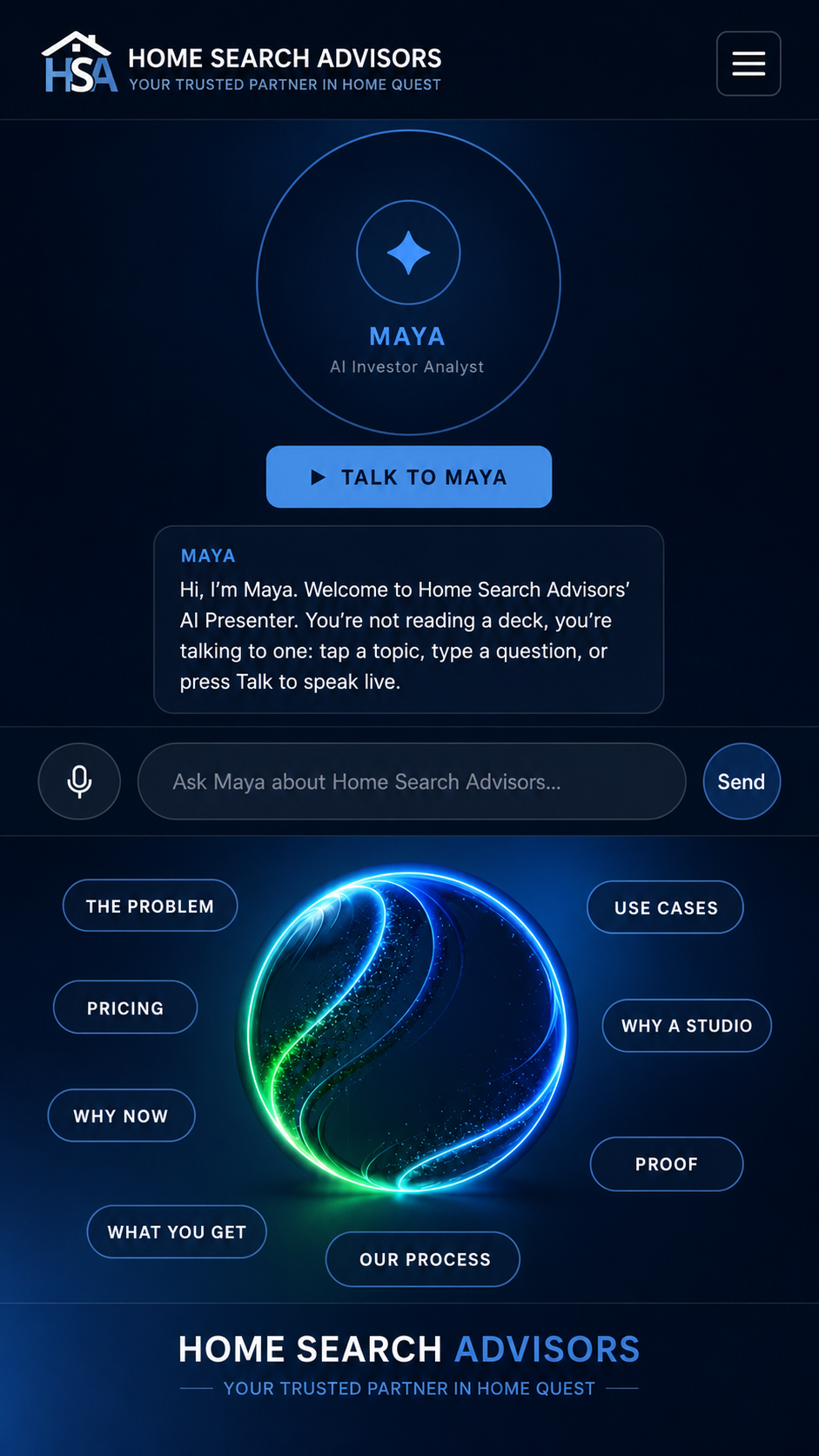
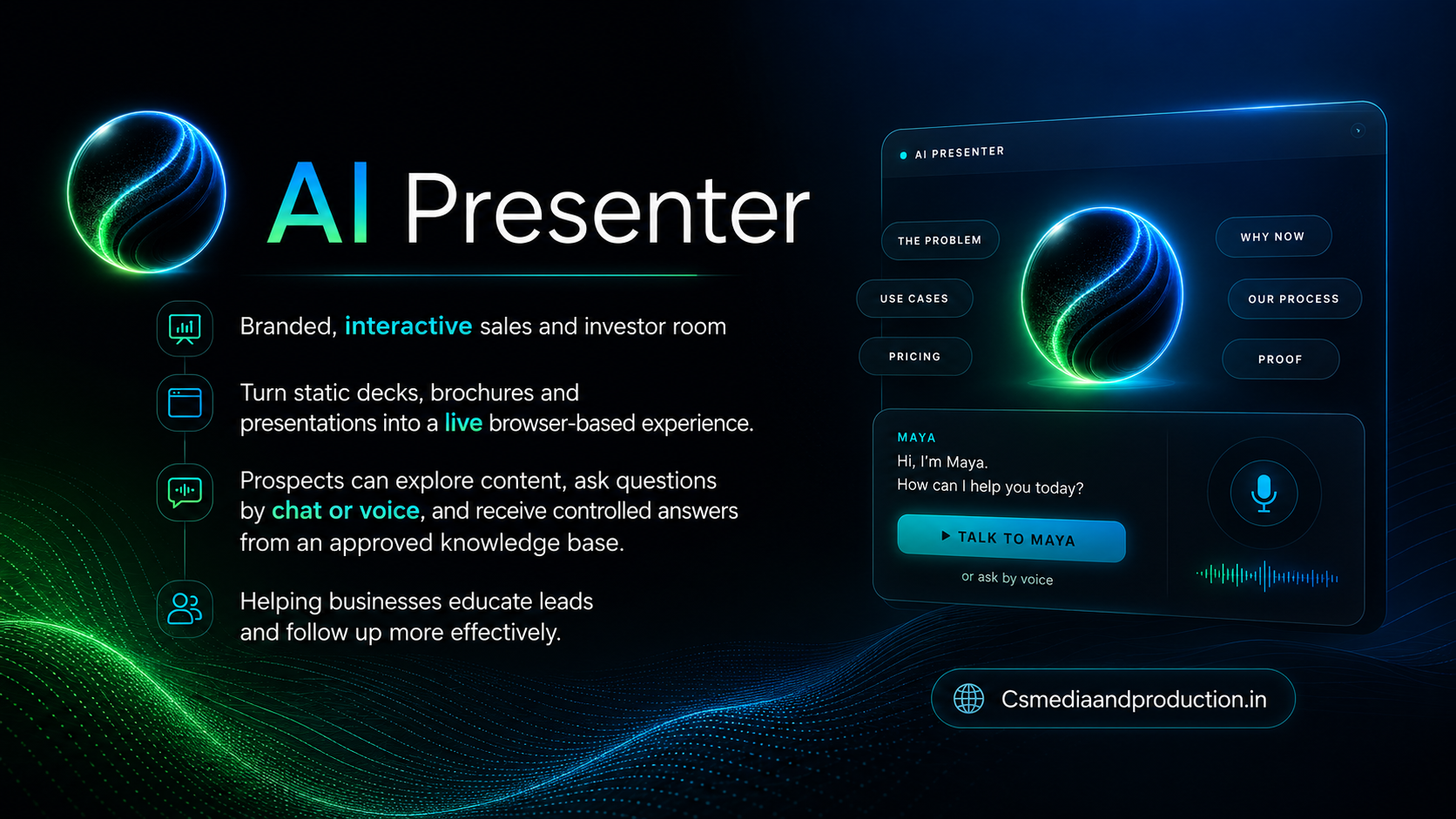
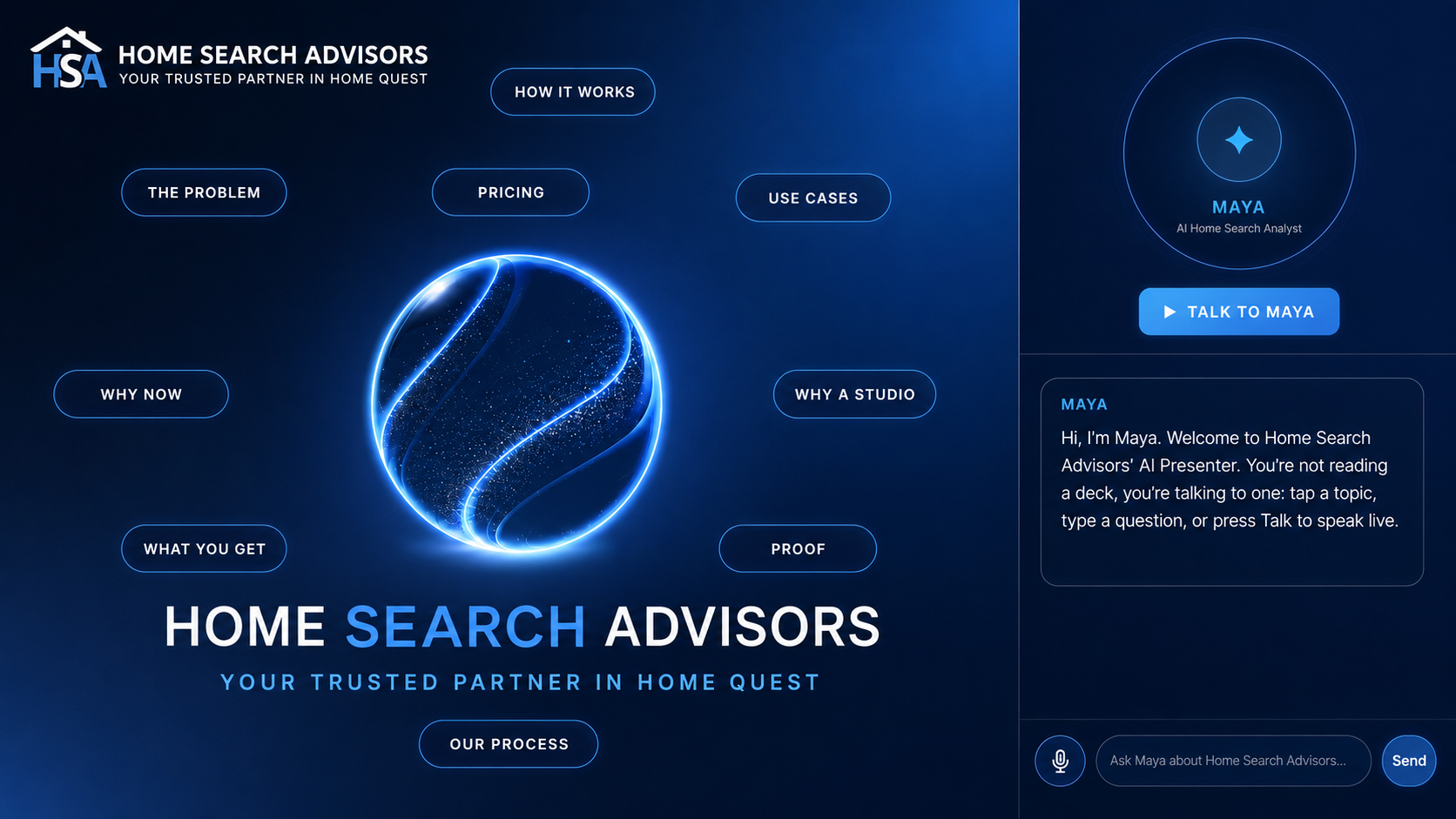
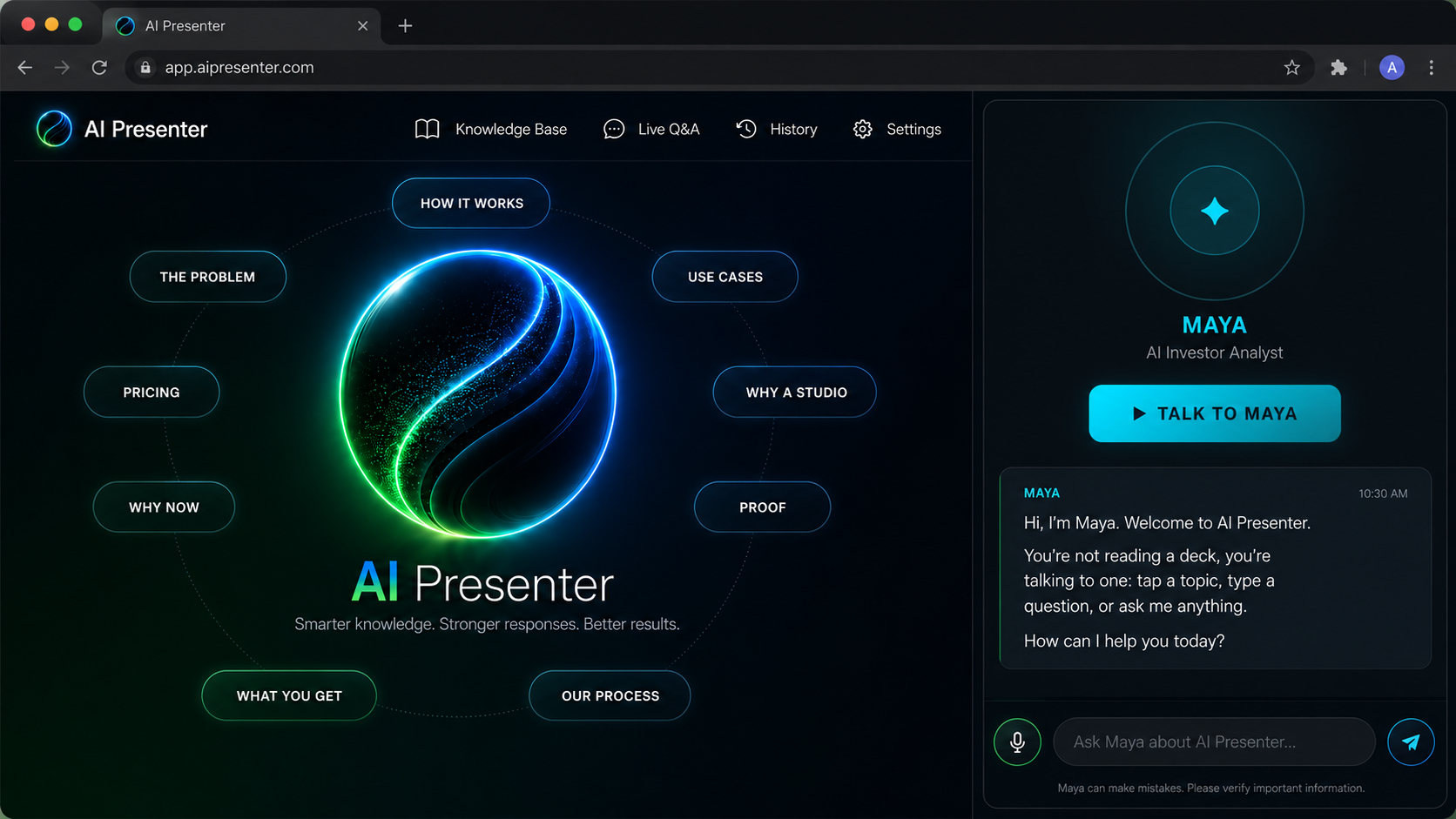
AI Presenter transforms a company’s approved knowledge into Maya, a live voice-and-text representative.
Visitors can:
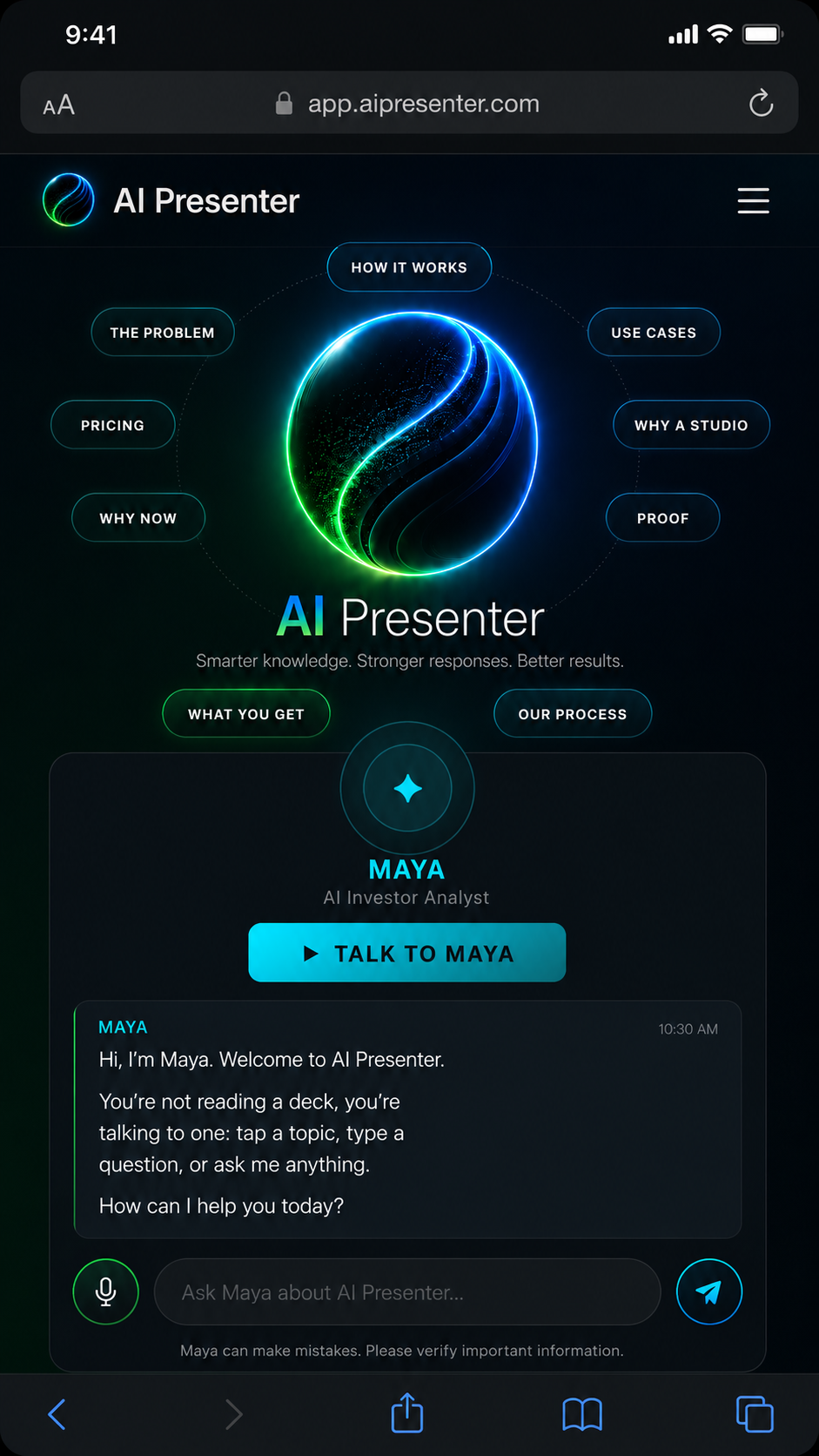
- Ask questions by voice or text
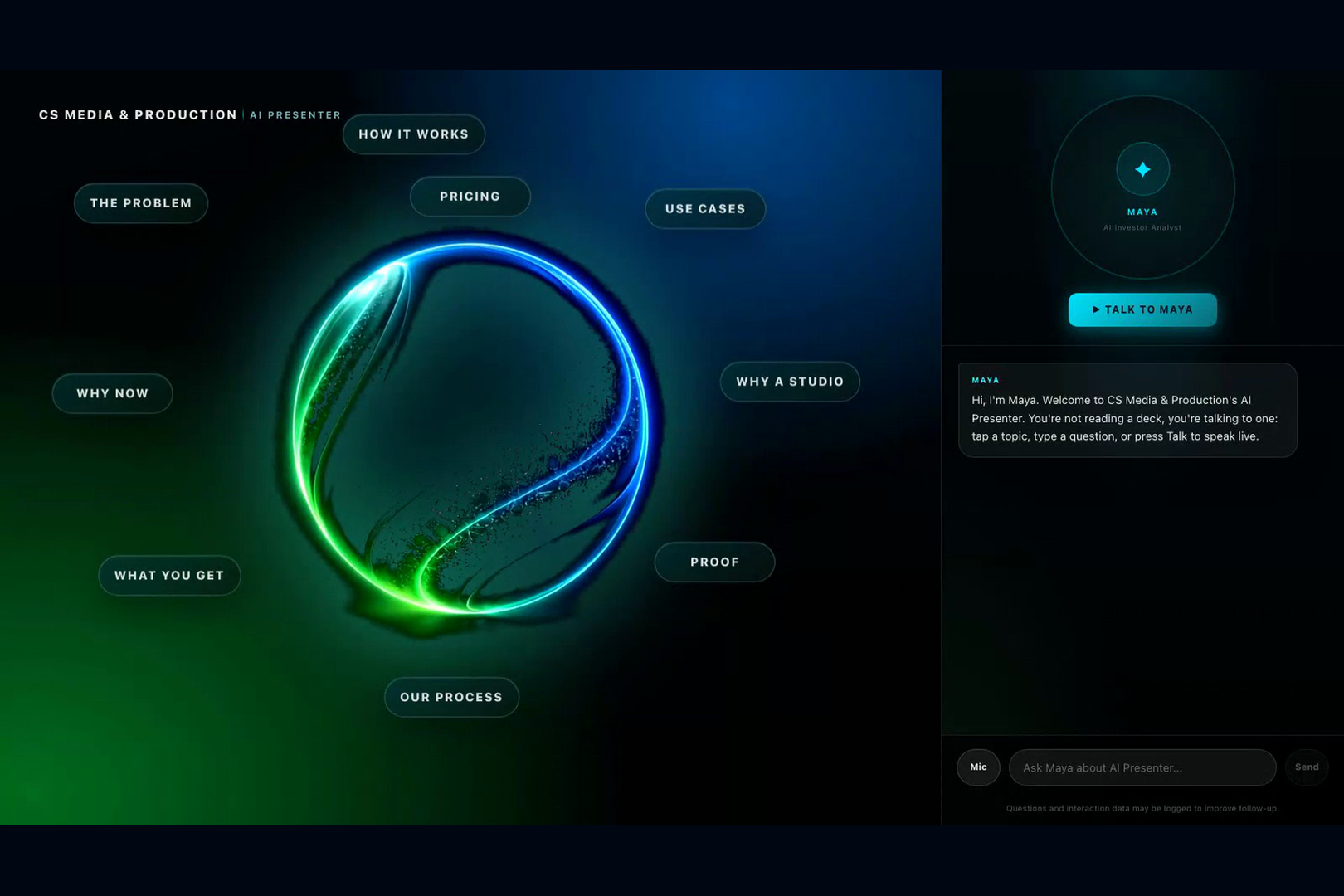
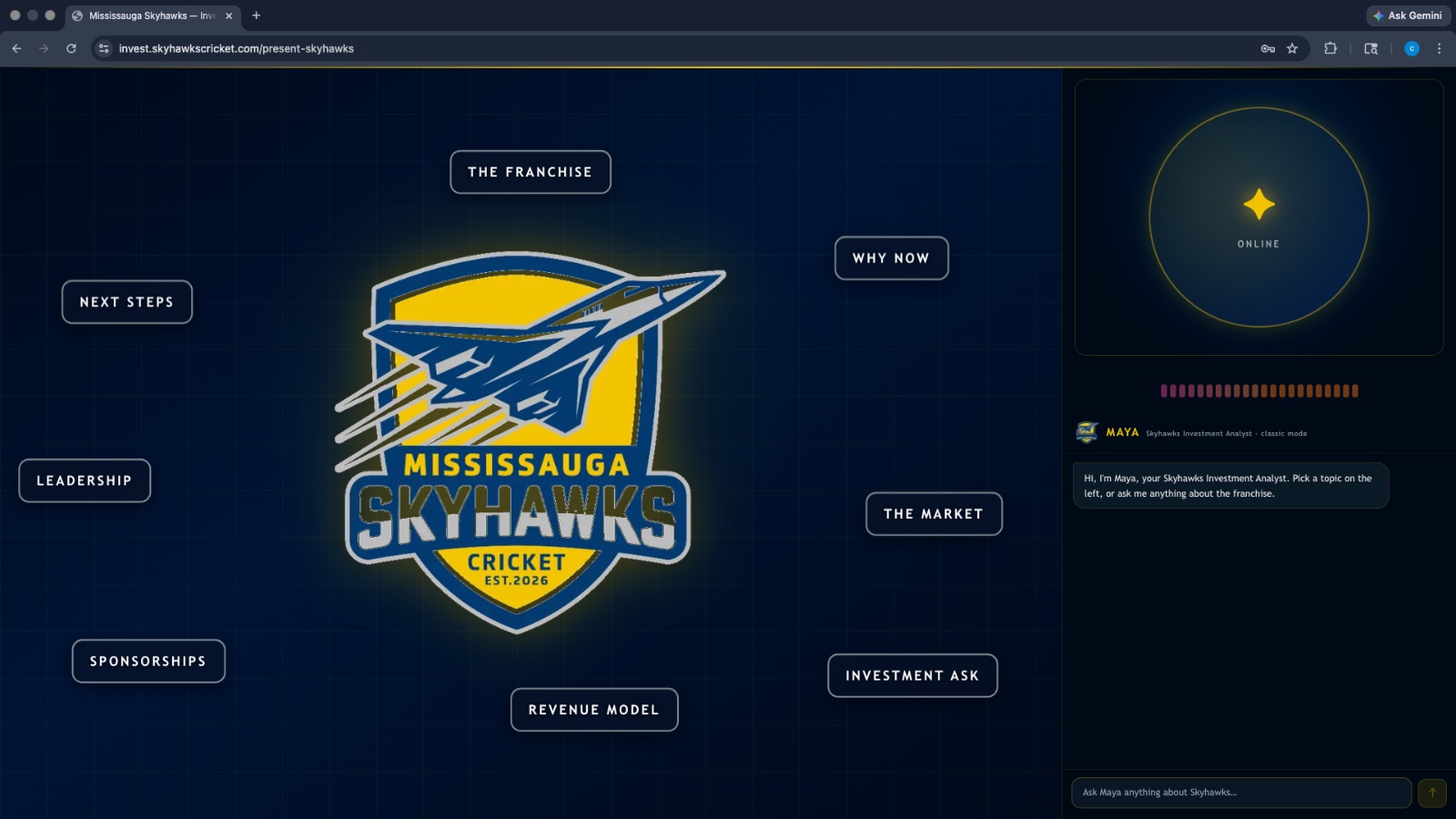
- Explore branded topics
- View project information, floor plans and visual navigation
- Receive concise, knowledge-grounded answers
- Continue through voice mode if the live avatar session ends
- Switch between configurable presenter experiences
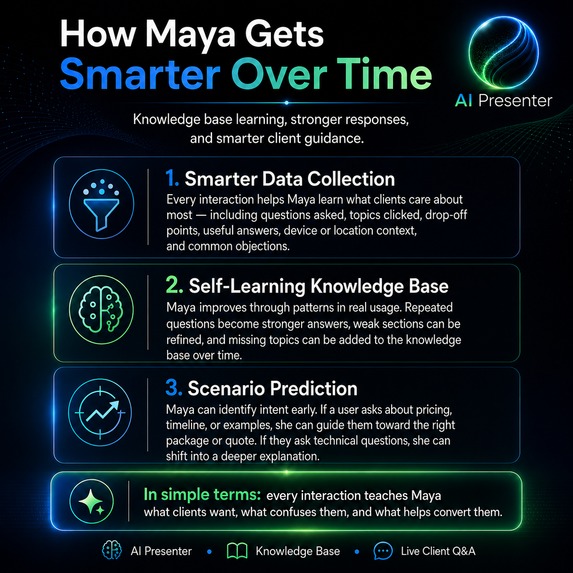
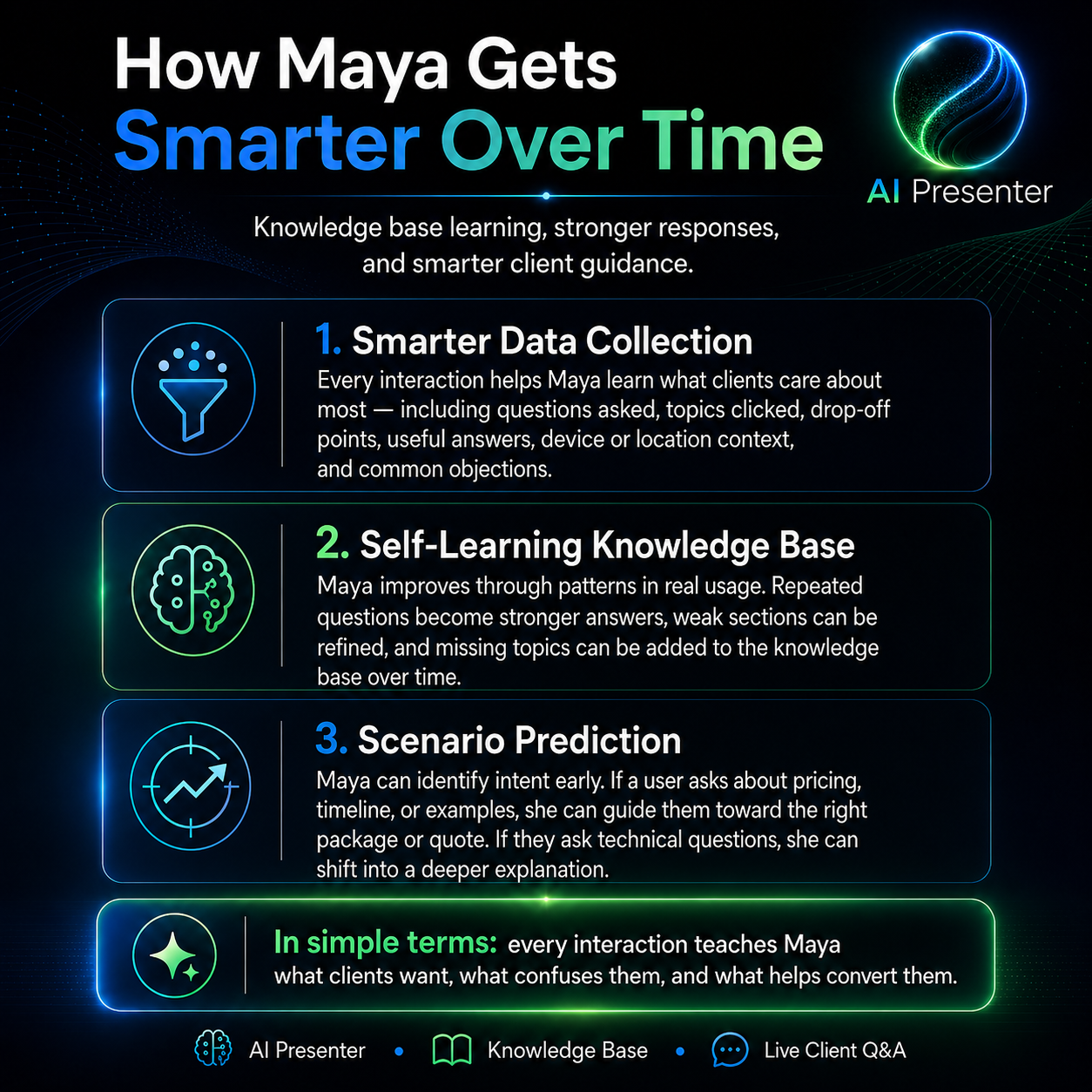
The platform records session transcripts and interaction signals so owners can understand the questions, interests and objections raised by visitors.
How we built it
The product uses Next.js and TypeScript, with GPT-5.6 Terra through the OpenAI Responses API.
Each presenter has configurable knowledge, branding, topics, persona and guardrails. Deterministic controls protect restricted information and sensitive actions before requests reach the model.
Supabase stores session telemetry and transcripts. Vercel hosts the application. HeyGen and LiveAvatar provide the optional visual avatar, which only loads after the visitor chooses to start it.
Codex supported the complete engineering workflow: implementation, debugging, responsive design, guardrail improvements, browser testing, deployment and judge-style verification.
Challenges we ran into
The most important challenge was reliability. A live business representative cannot fabricate answers, expose restricted information or allow two voice systems to speak simultaneously.
We added single-speaker controls, request locking, interruption handling, voice fallback and explicit session termination. We also separated verified facts from representative-shared information and directional demonstration data.
Mobile responsiveness, avatar connection delays and maintaining fast answers across multiple presenter configurations required repeated real-browser testing.
Accomplishments that we're proud of
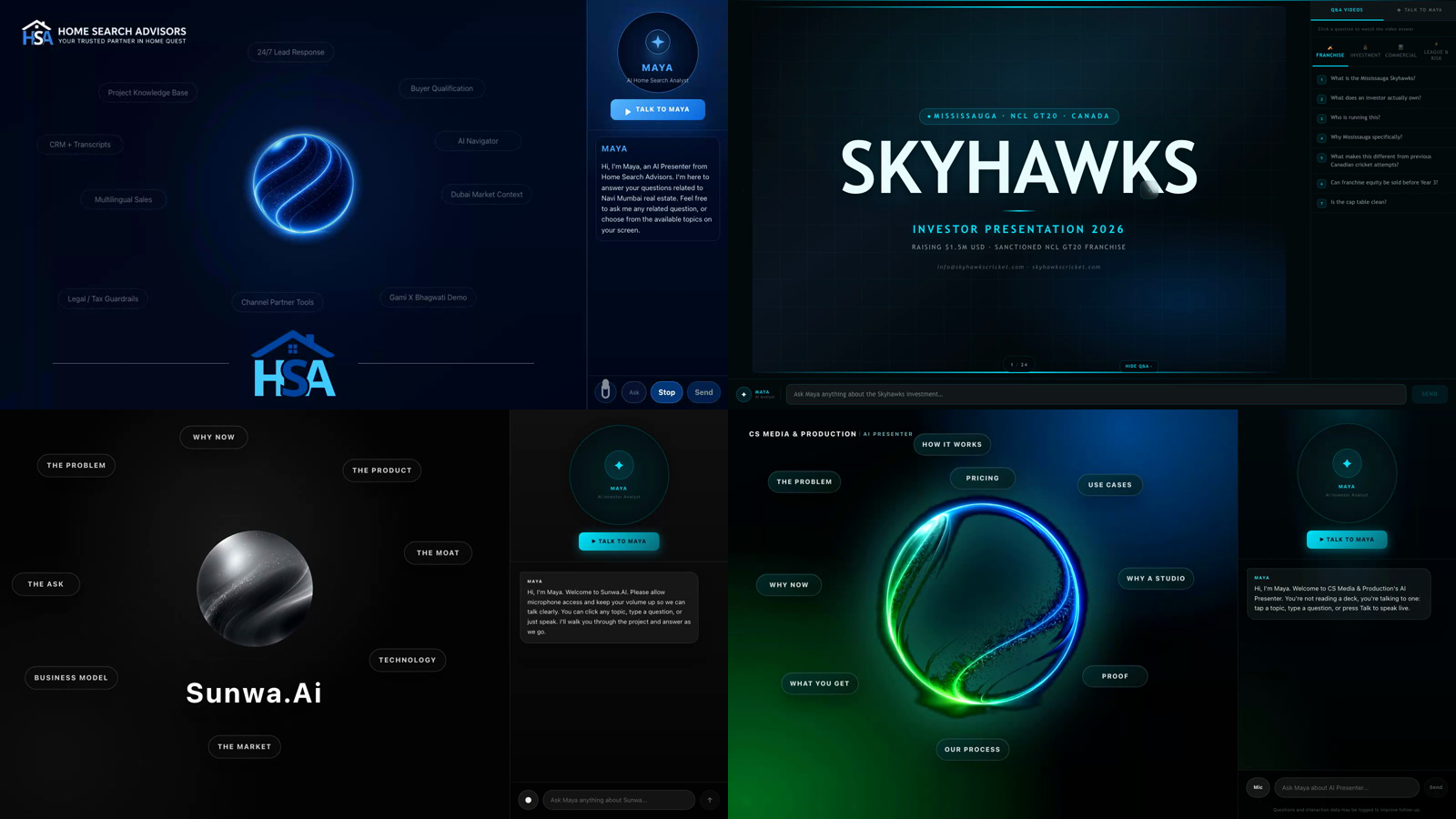
- Multiple working presenter configurations from one platform
- Voice, text and visual navigation in one experience
- Knowledge-grounded responses with deterministic guardrails
- Multilingual and configurable response styles
- Session transcripts, lead signals and owner reporting
- Responsive desktop and mobile interfaces
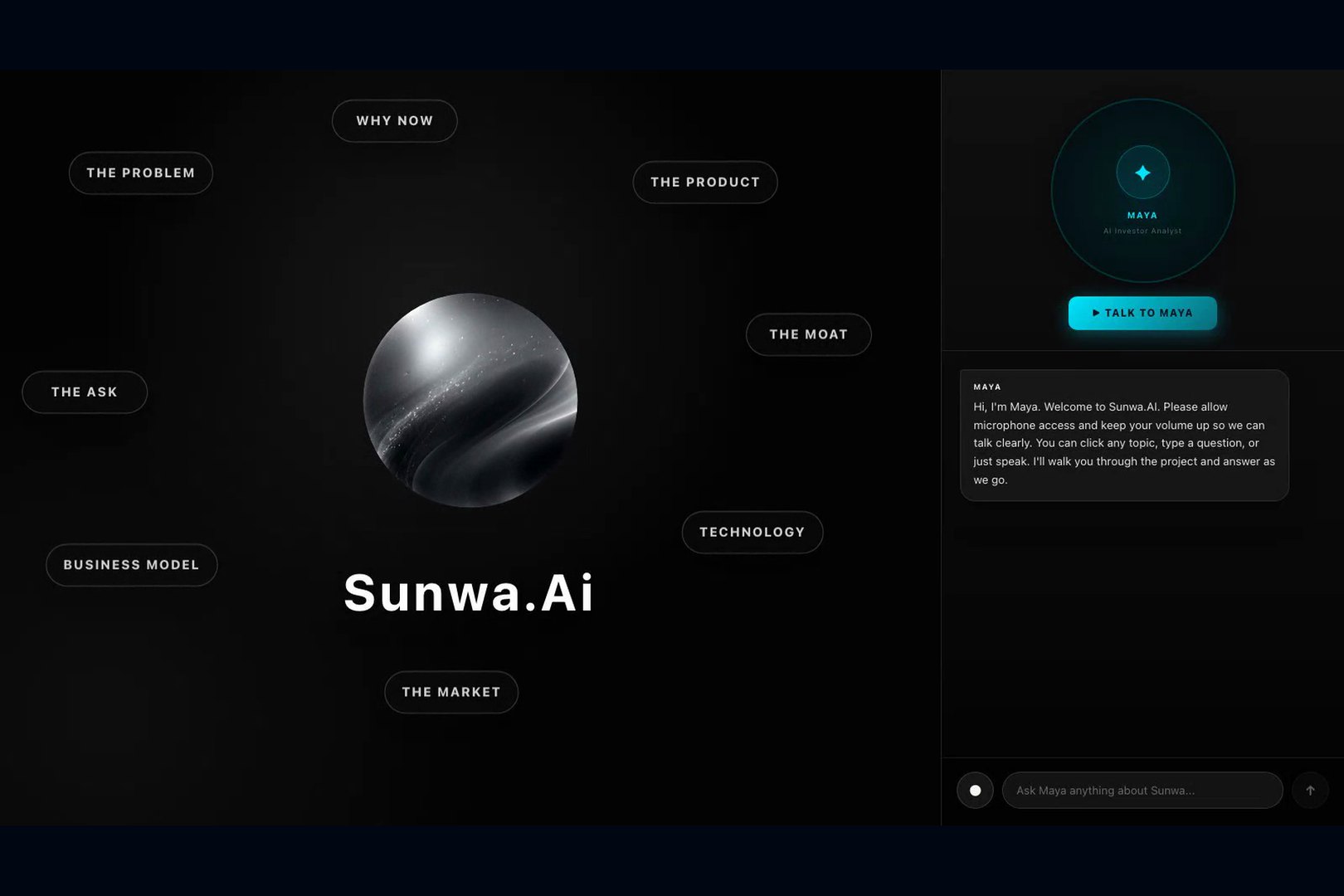
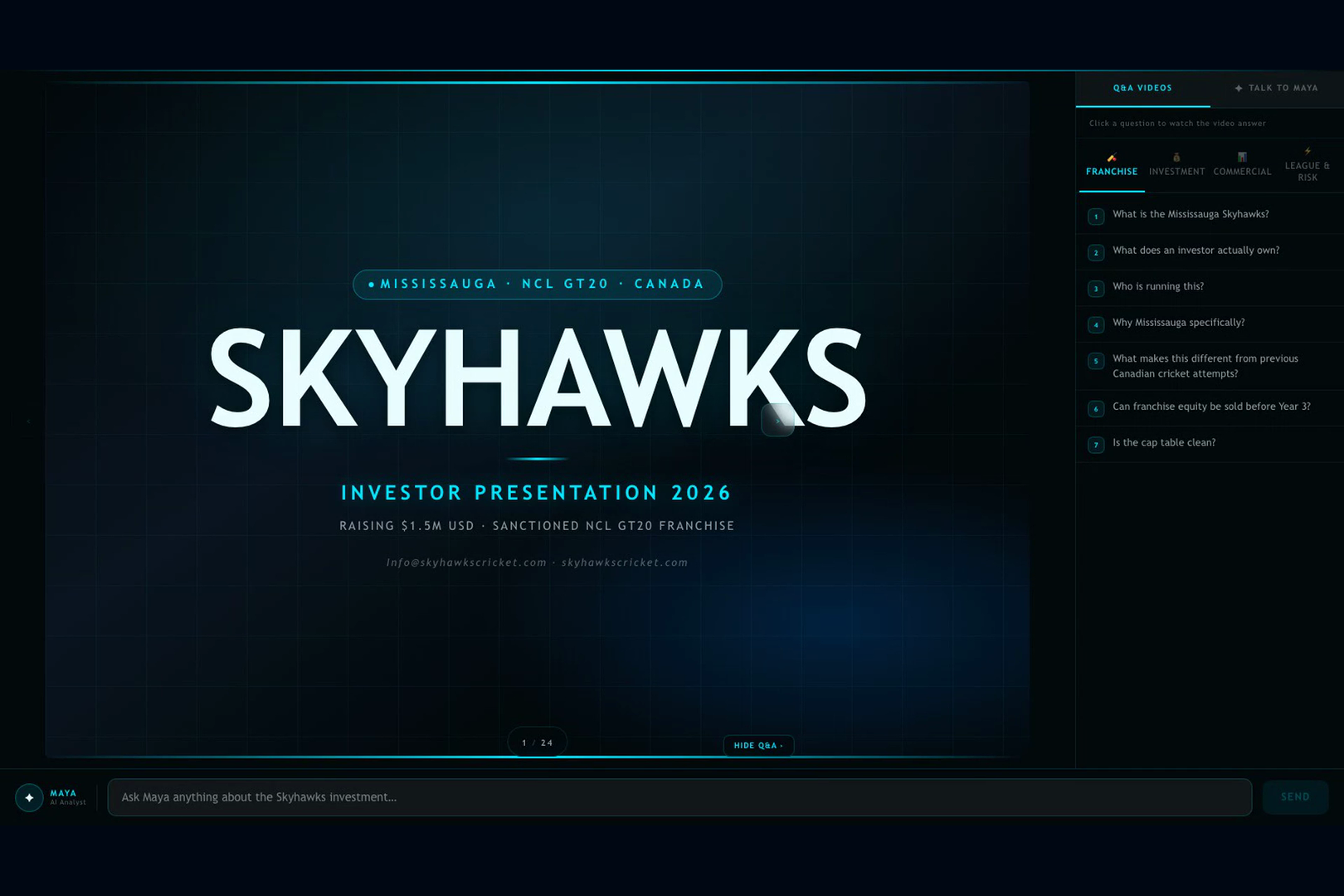
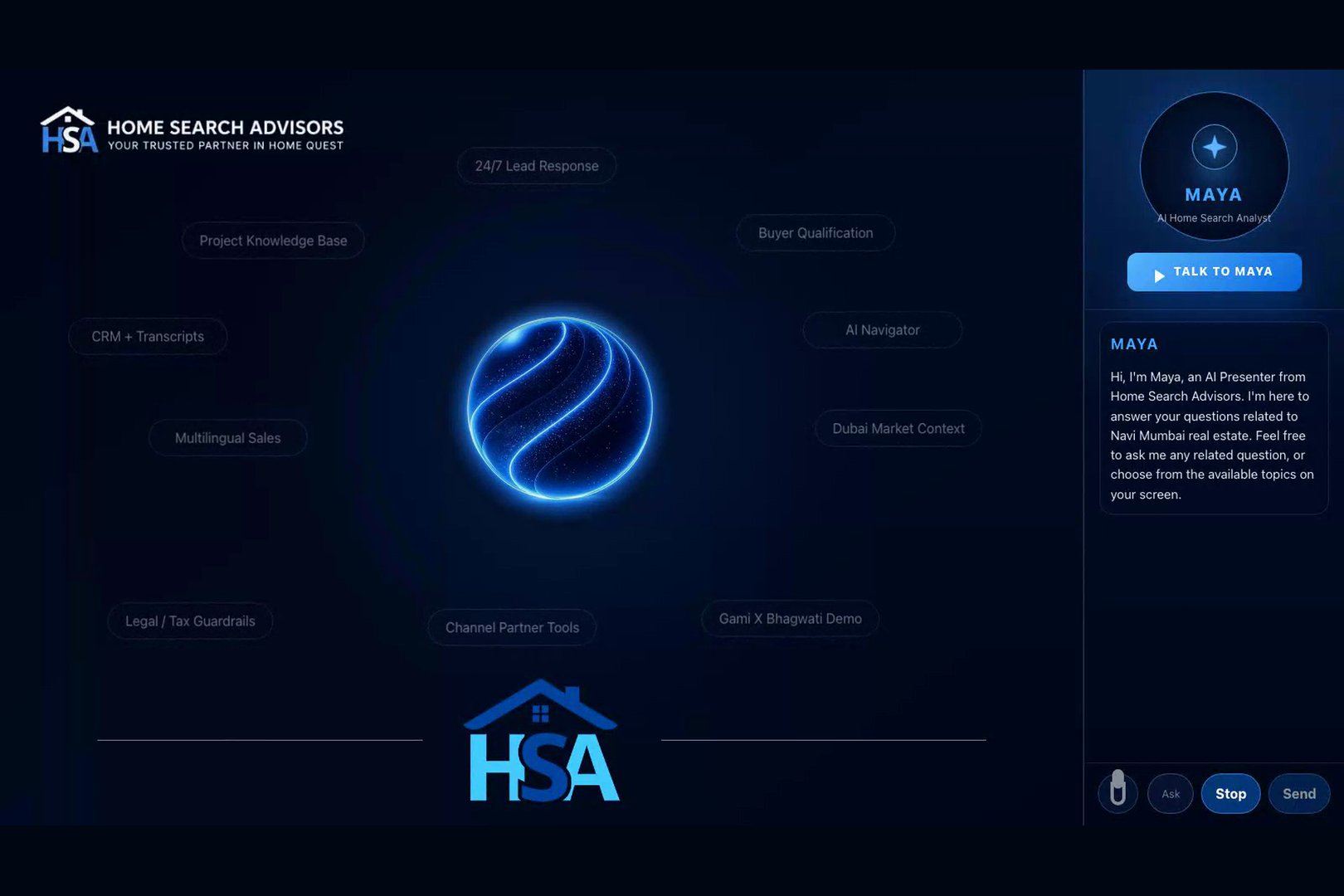
- Live HSA, Skyhawks, Sunwa.AI and CS Media demonstrations
- GPT-5.6 Terra integration through the Responses API
- A working product built by a non-developer with Codex
What we learned
AI quality depends on more than the model. Reliable products need clear knowledge boundaries, deterministic controls, strong interface states, interruption handling and evidence-based verification.
Codex allowed me to work like a product team: exploring the codebase, implementing features, testing real workflows and correcting problems quickly.
What's next for AI Presenter
The next step is a self-service builder where a business uploads its presentation and approved knowledge, selects its brand and voice, and receives a deployable AI Presenter.
We also plan to expand multilingual support, automated knowledge evaluation, session analytics, monitoring and integrations with business CRM systems.
Built With
- and
- codex
- ffmpeg
- gpt-5.6-terra
- liveavatar/heygen
- next.js-14
- openai-responses-api
- playwright
- react
- supabase
- typescript
- vercel


Log in or sign up for Devpost to join the conversation.