-
-
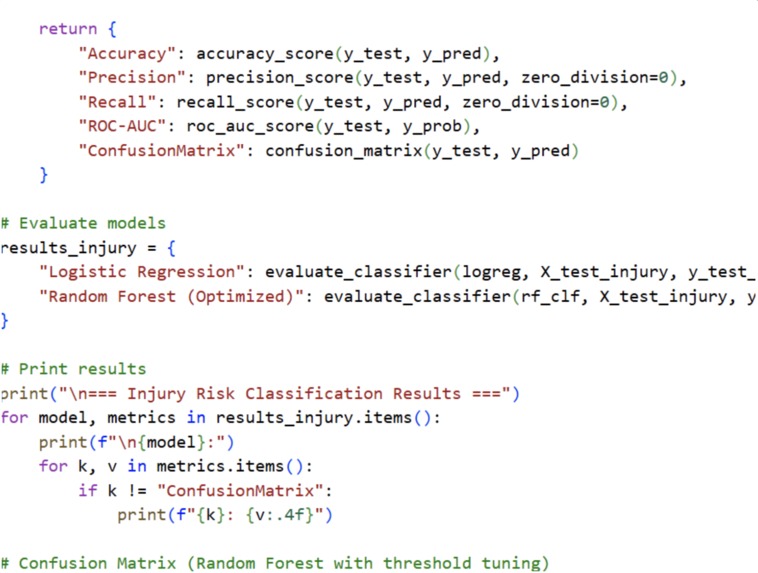
Python Programming for Machine Learning Models
-
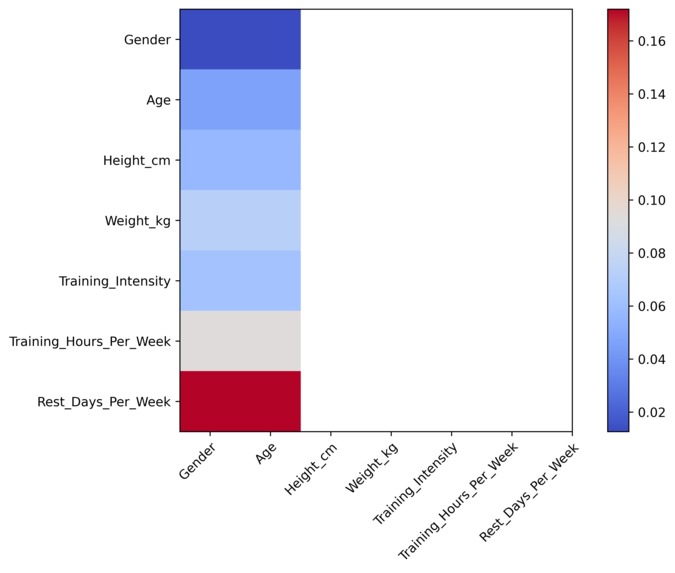
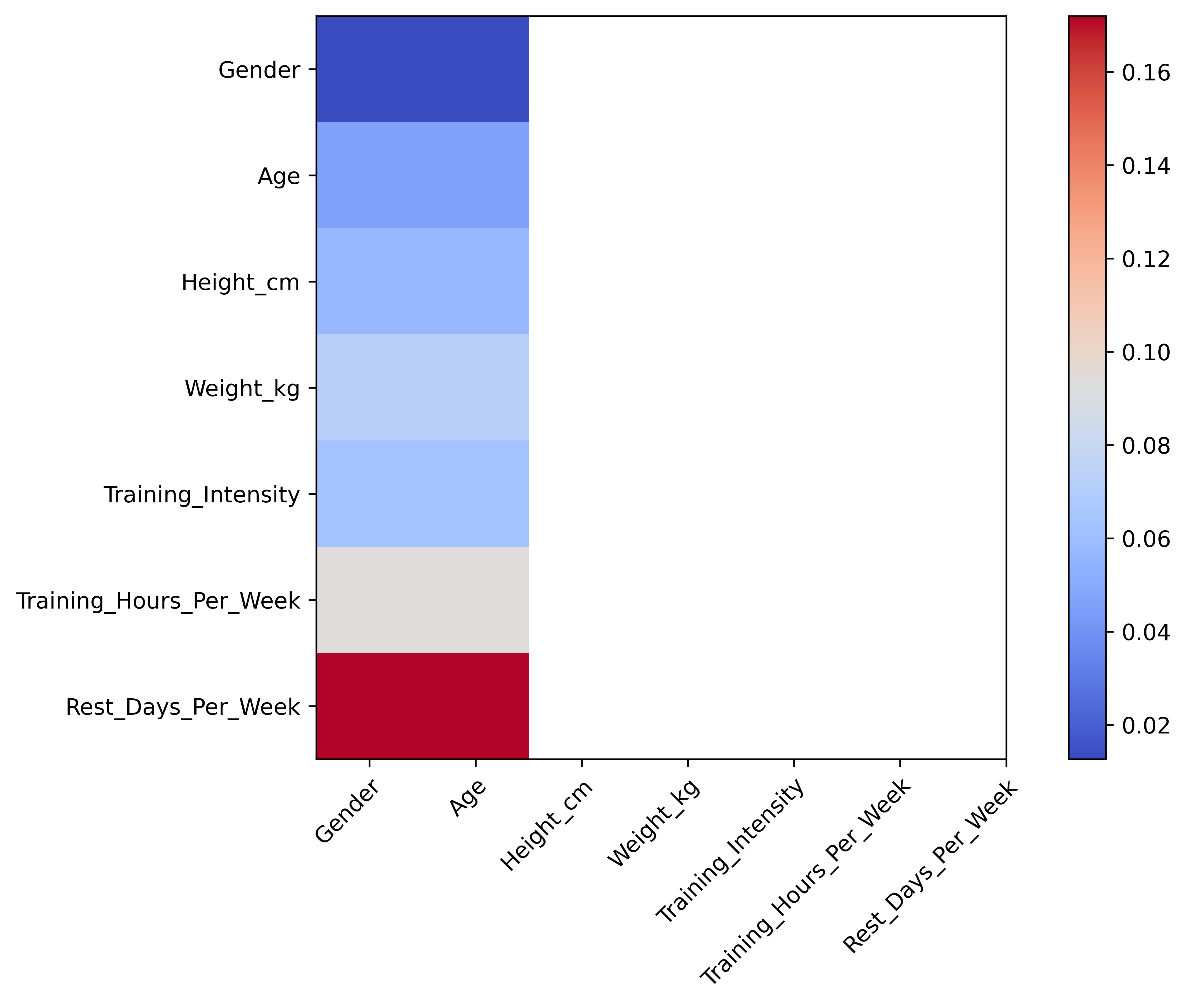
Feature Importance for Injury Risk Prediction using Random Forest
-
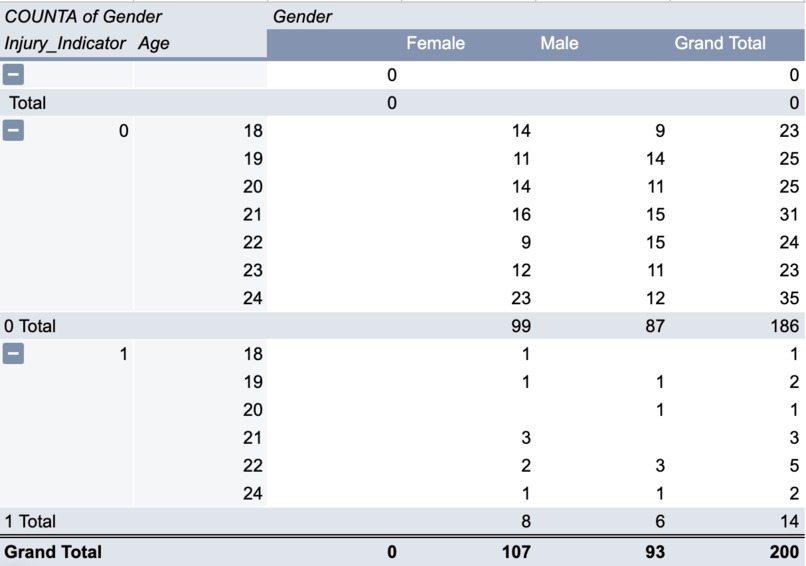
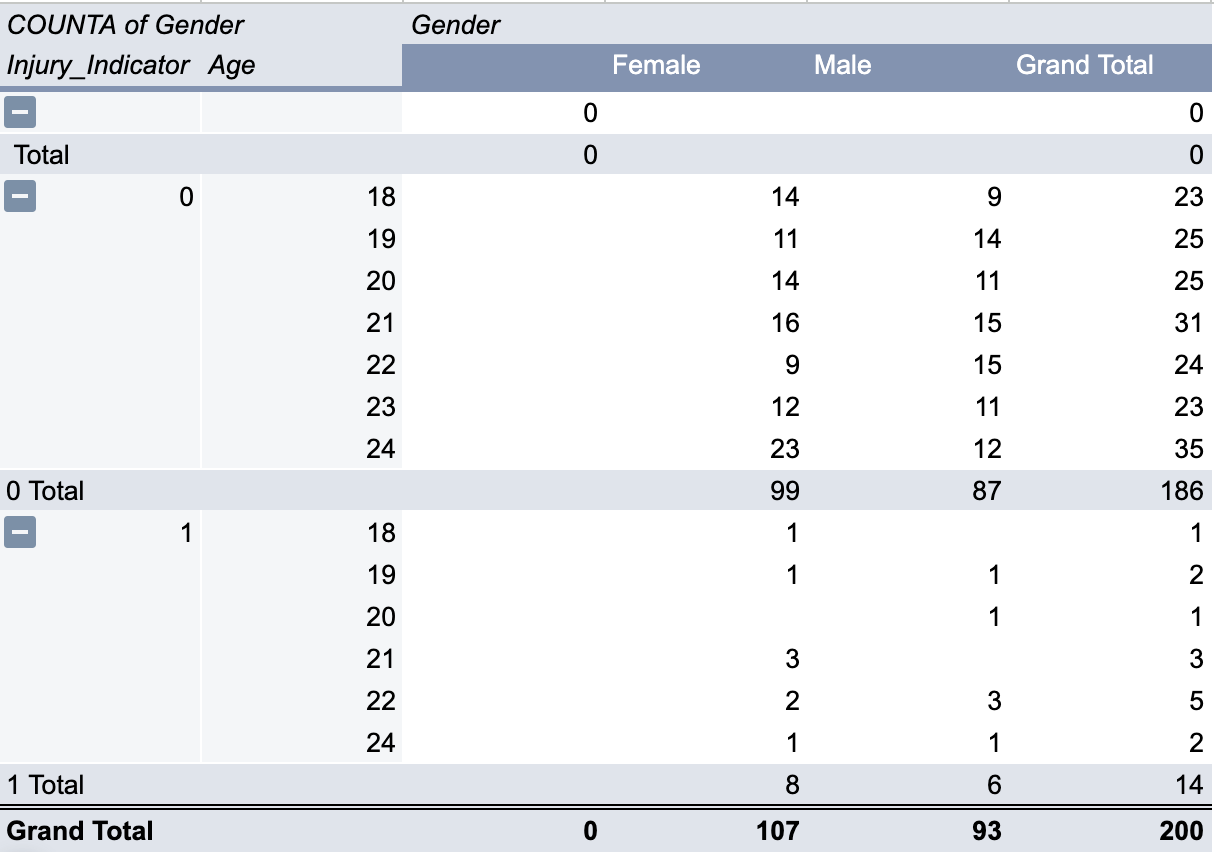
Pivot Tables on Google Sheets
-
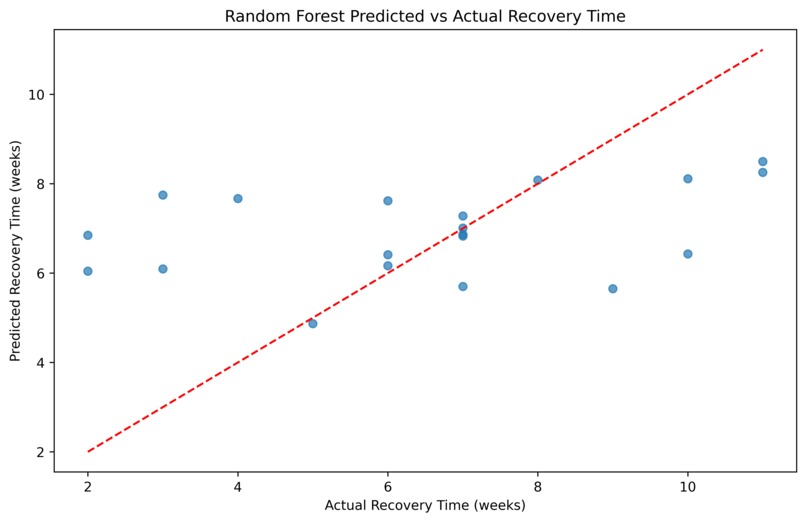
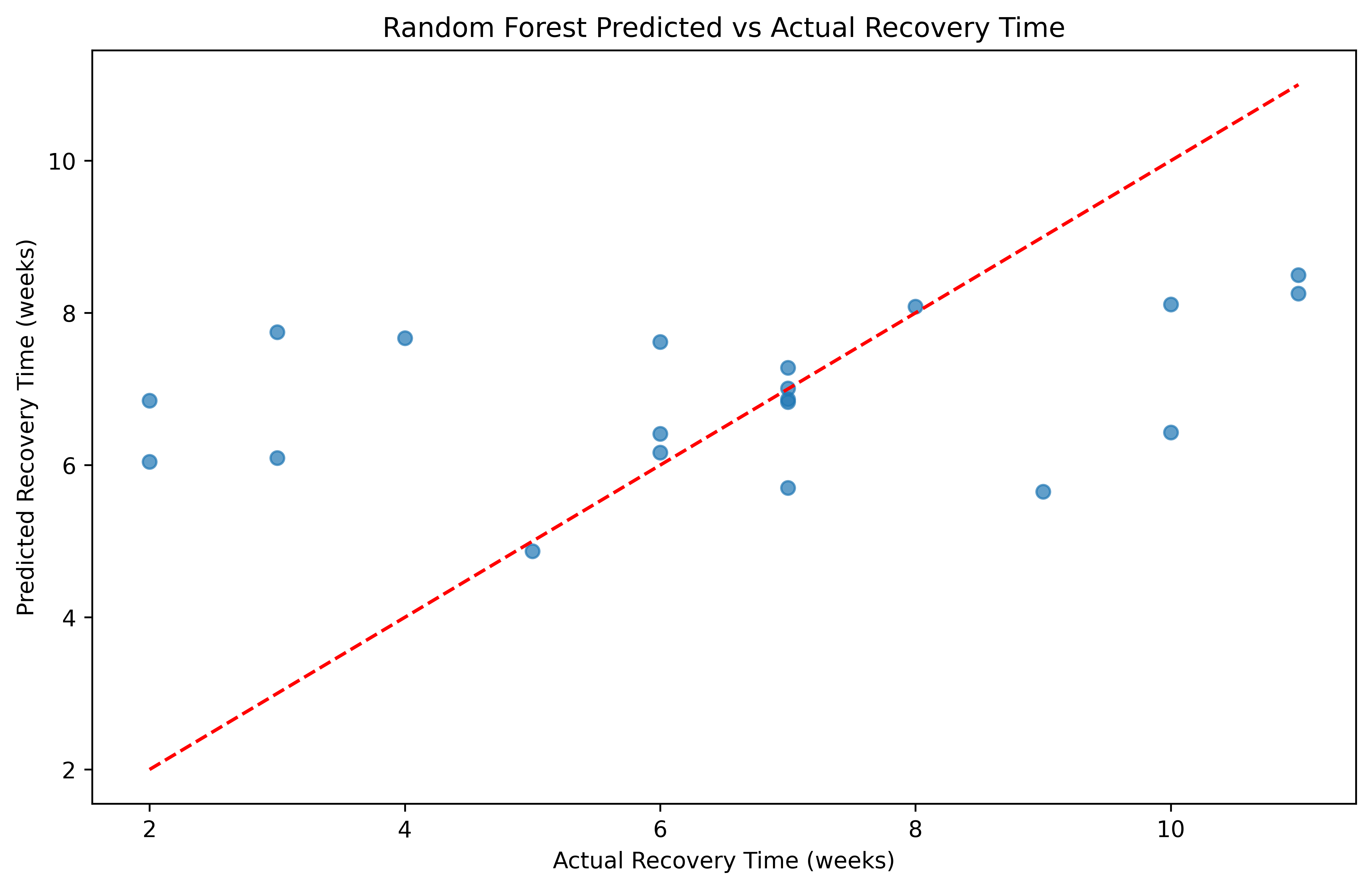
Predicted Vs. Actual Recovery Time using Random Forest Regression
-
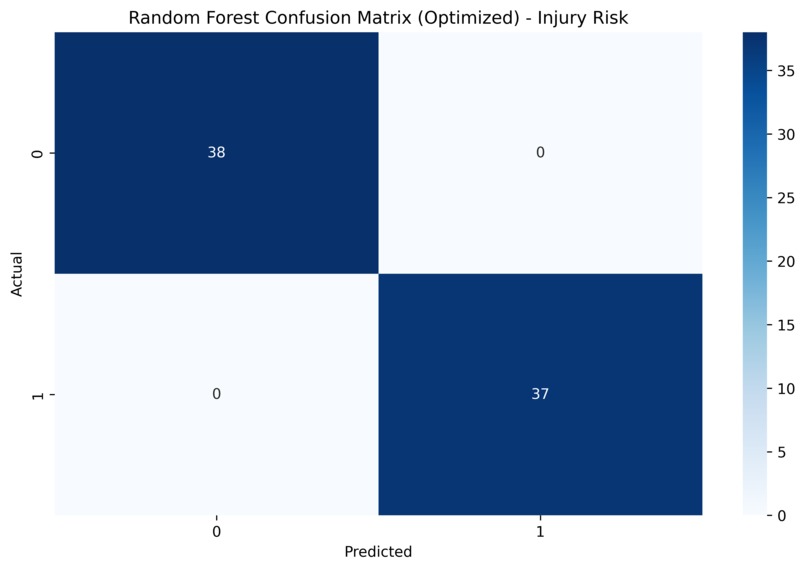
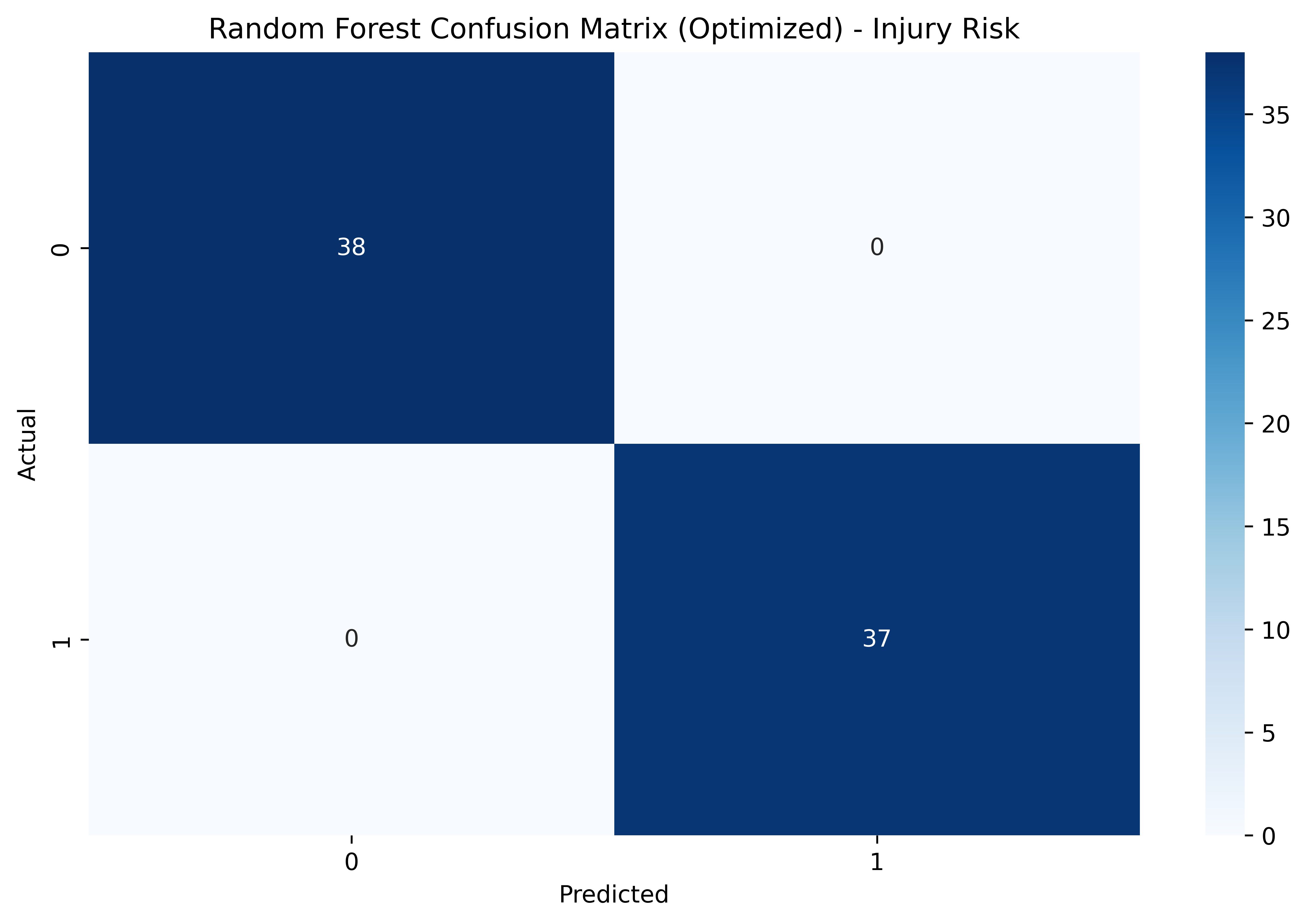
Confusion Matrix of Optimized Random Forest for Injury Risk Classification
-
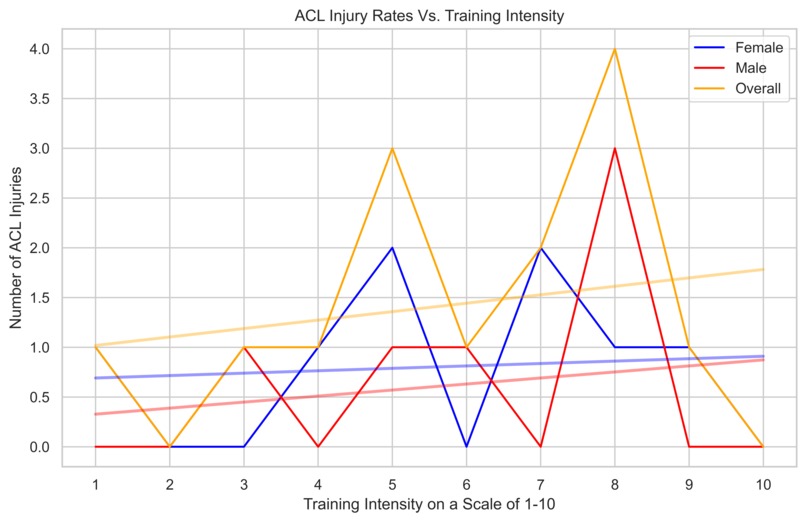
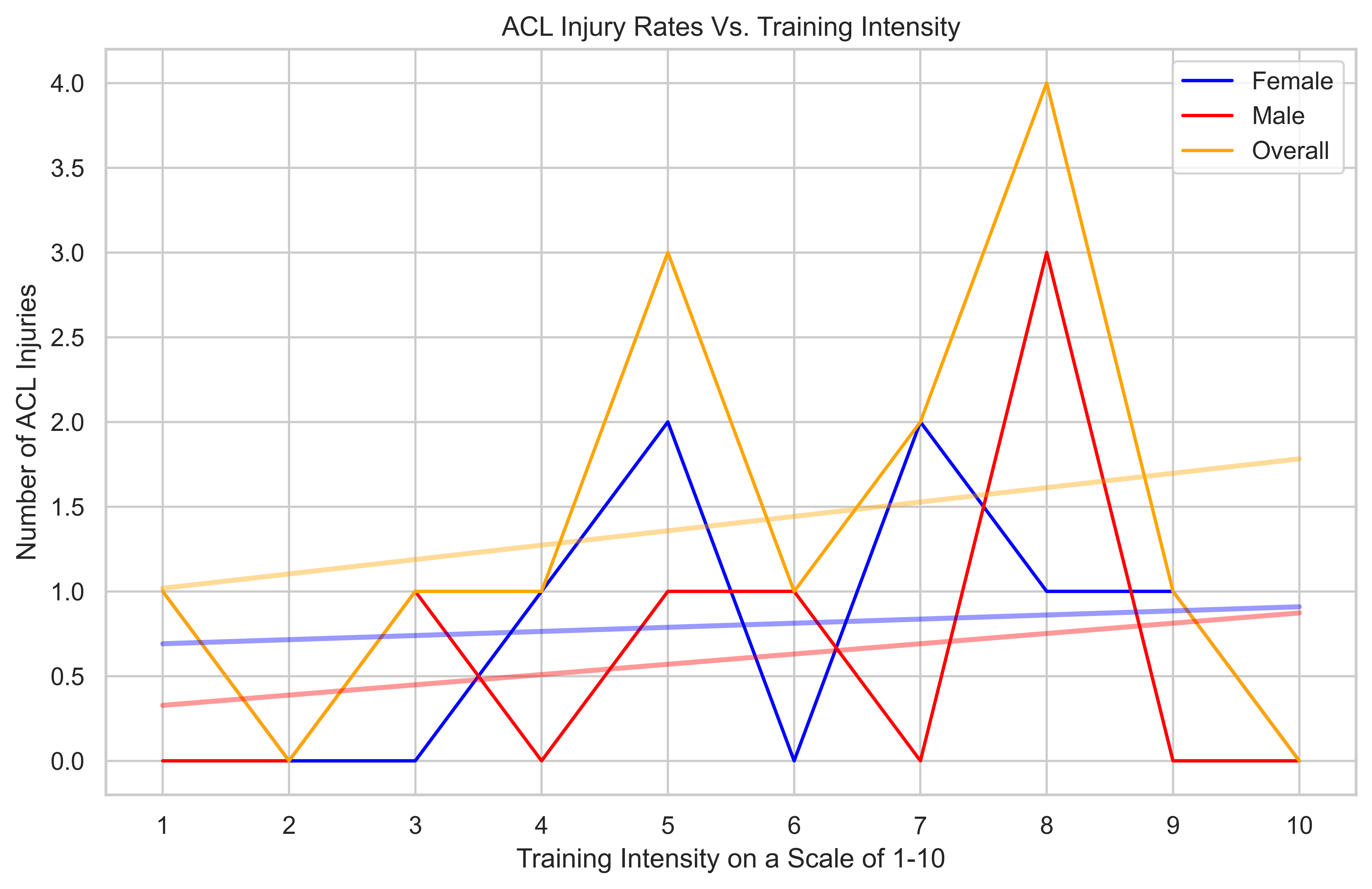
Example of Python Plotting (Line Graph - ACL Injury Rates Vs. Training Intensity)
-
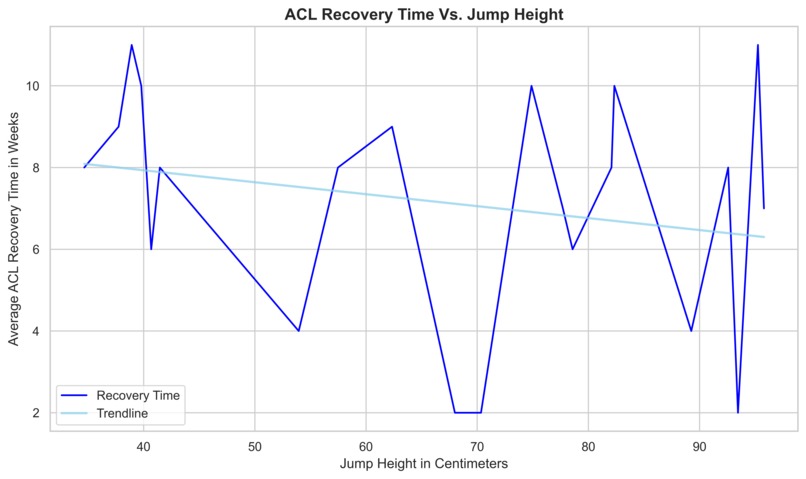
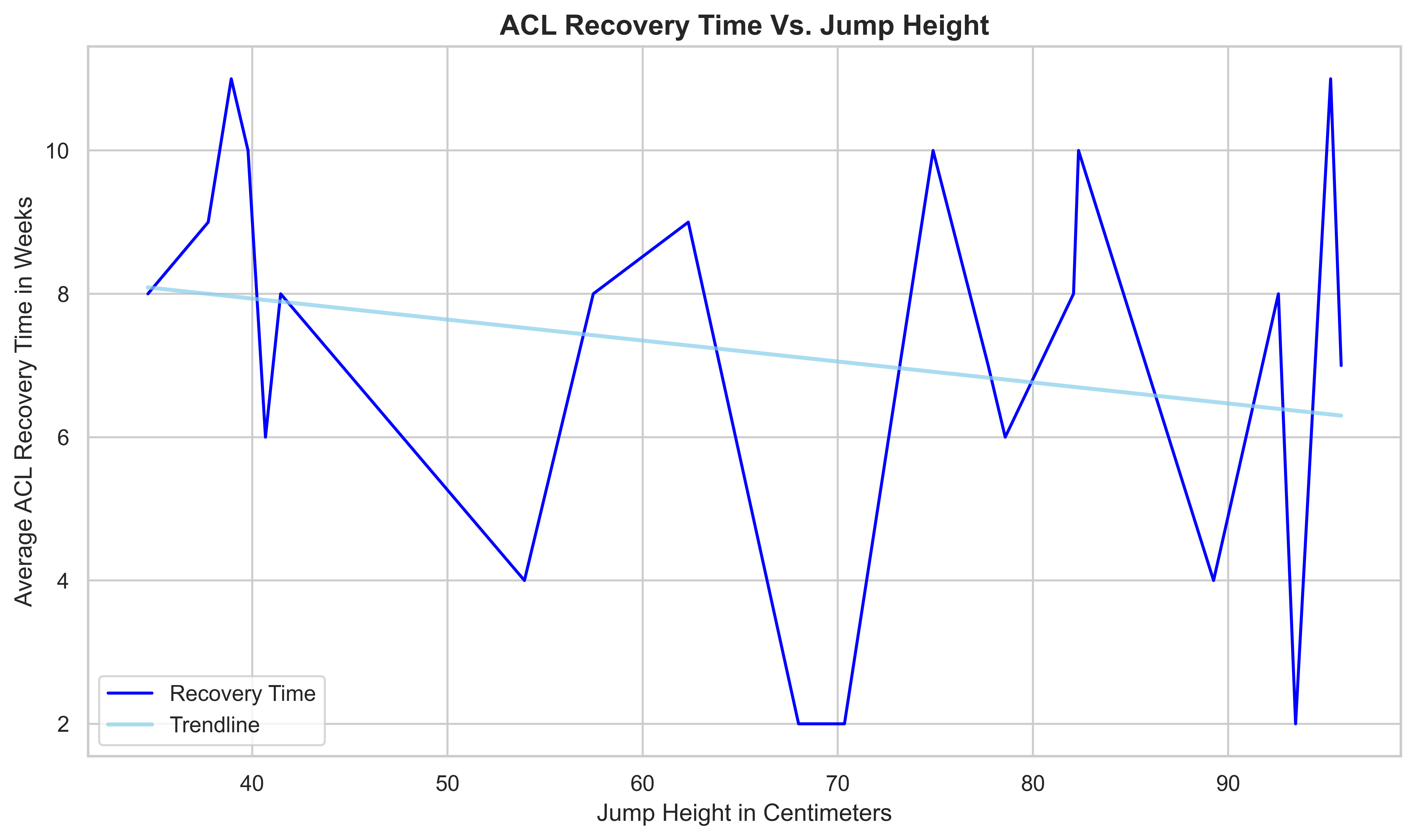
Example of Python Plotting (Line Graph - ACL Recovery Time Vs. Jump Height)
-
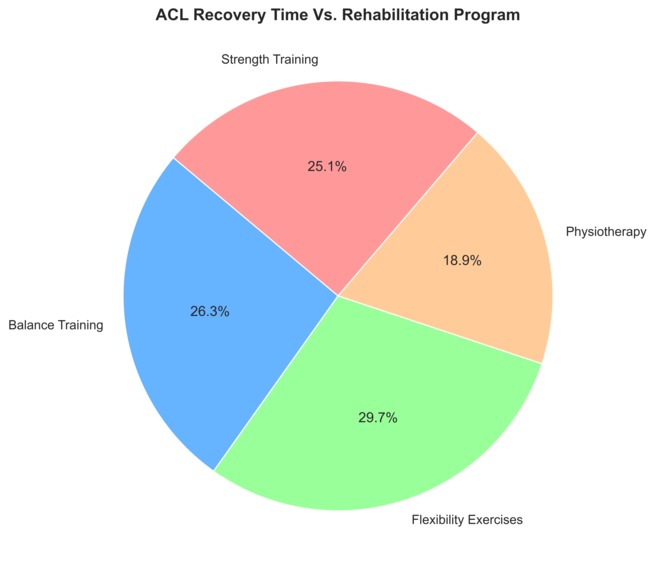
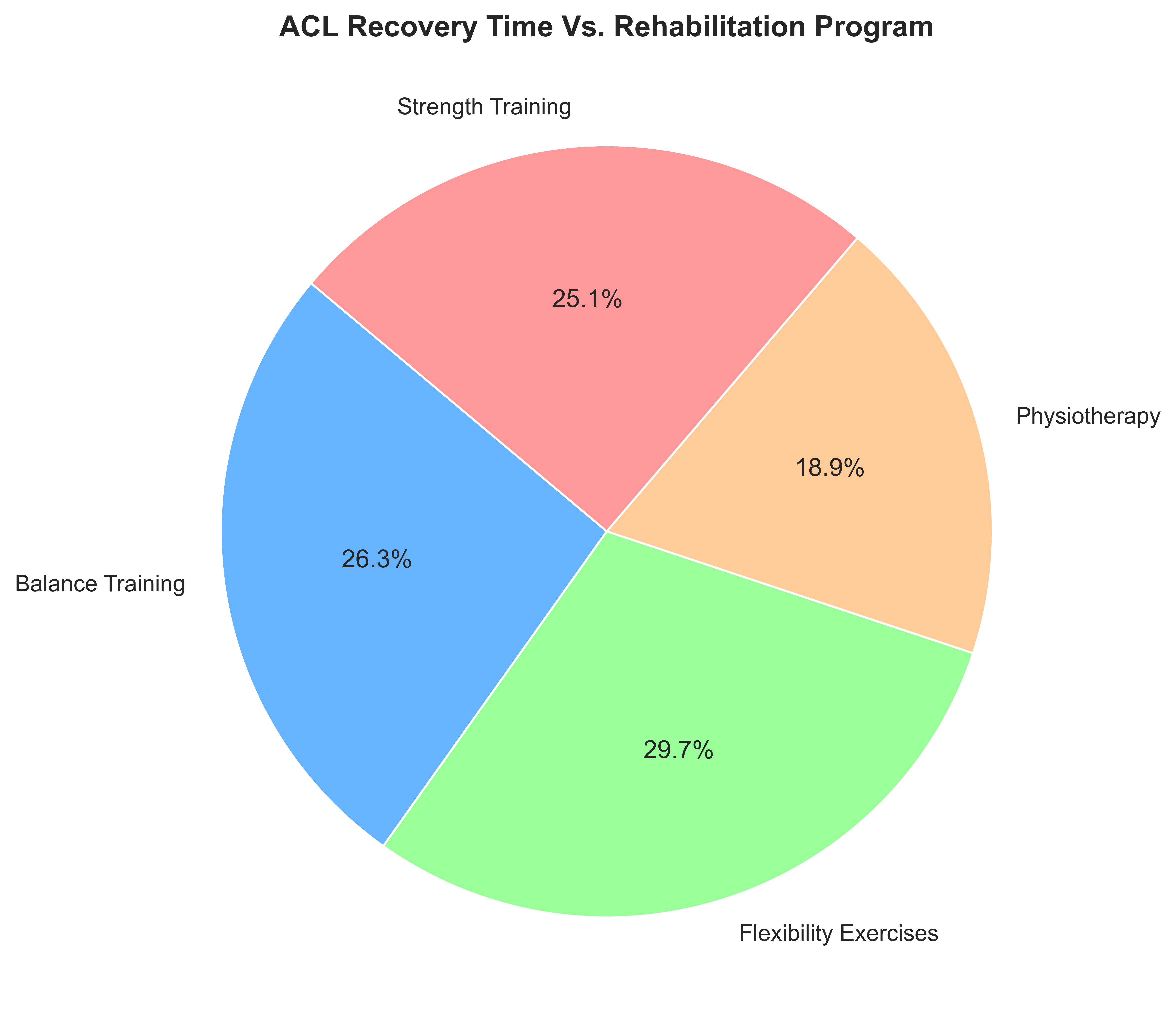
Pi Chart - ACL Recovery Time Vs. Rehabilitation Program
-
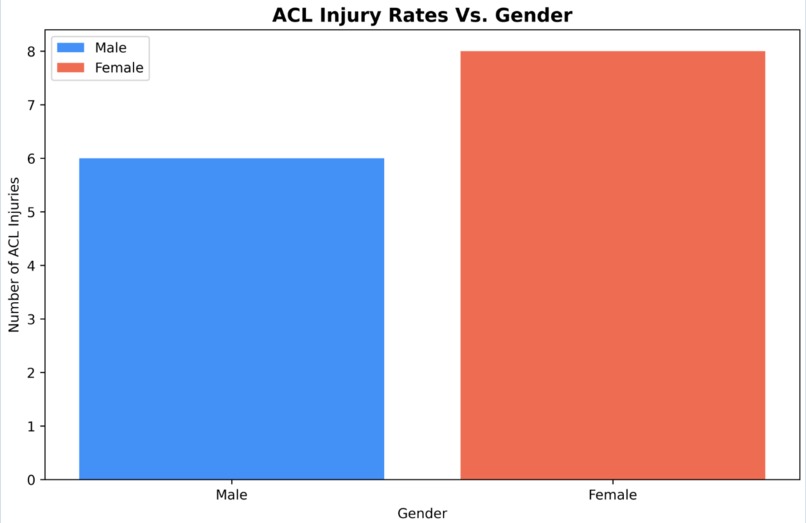
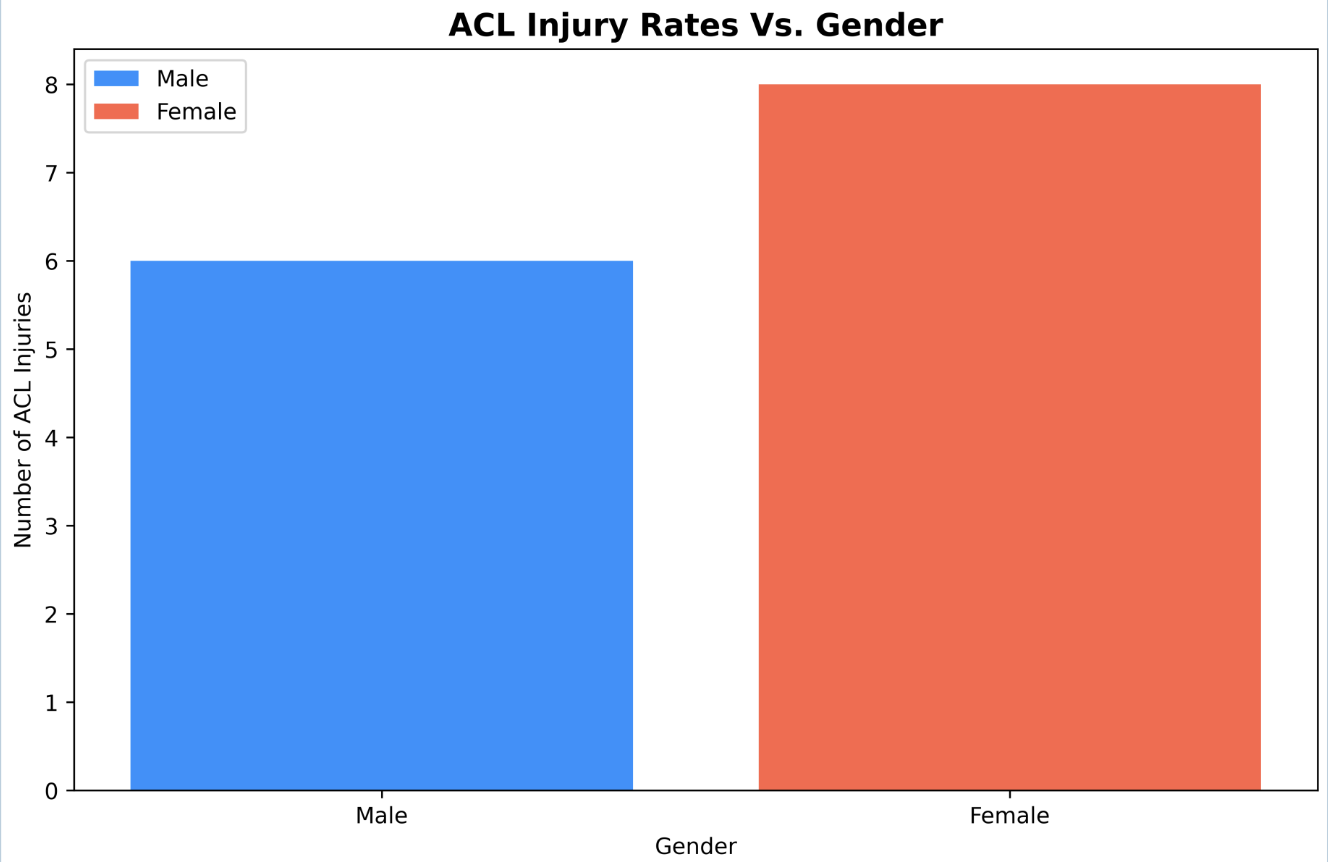
Bar Graph - ACL Injury Rates Vs. Gender
-
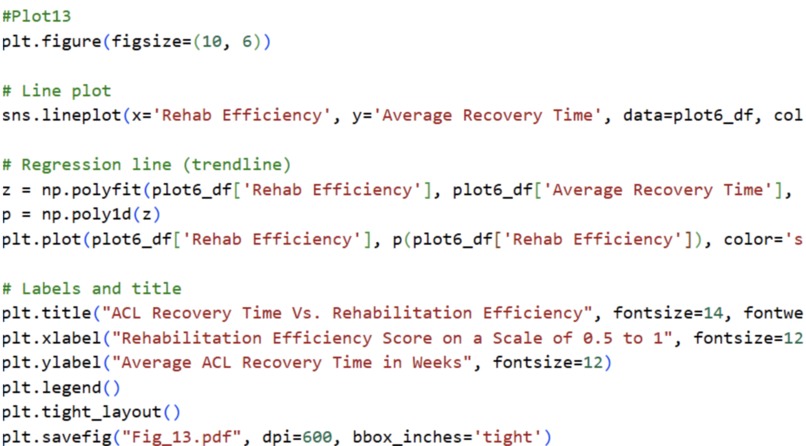
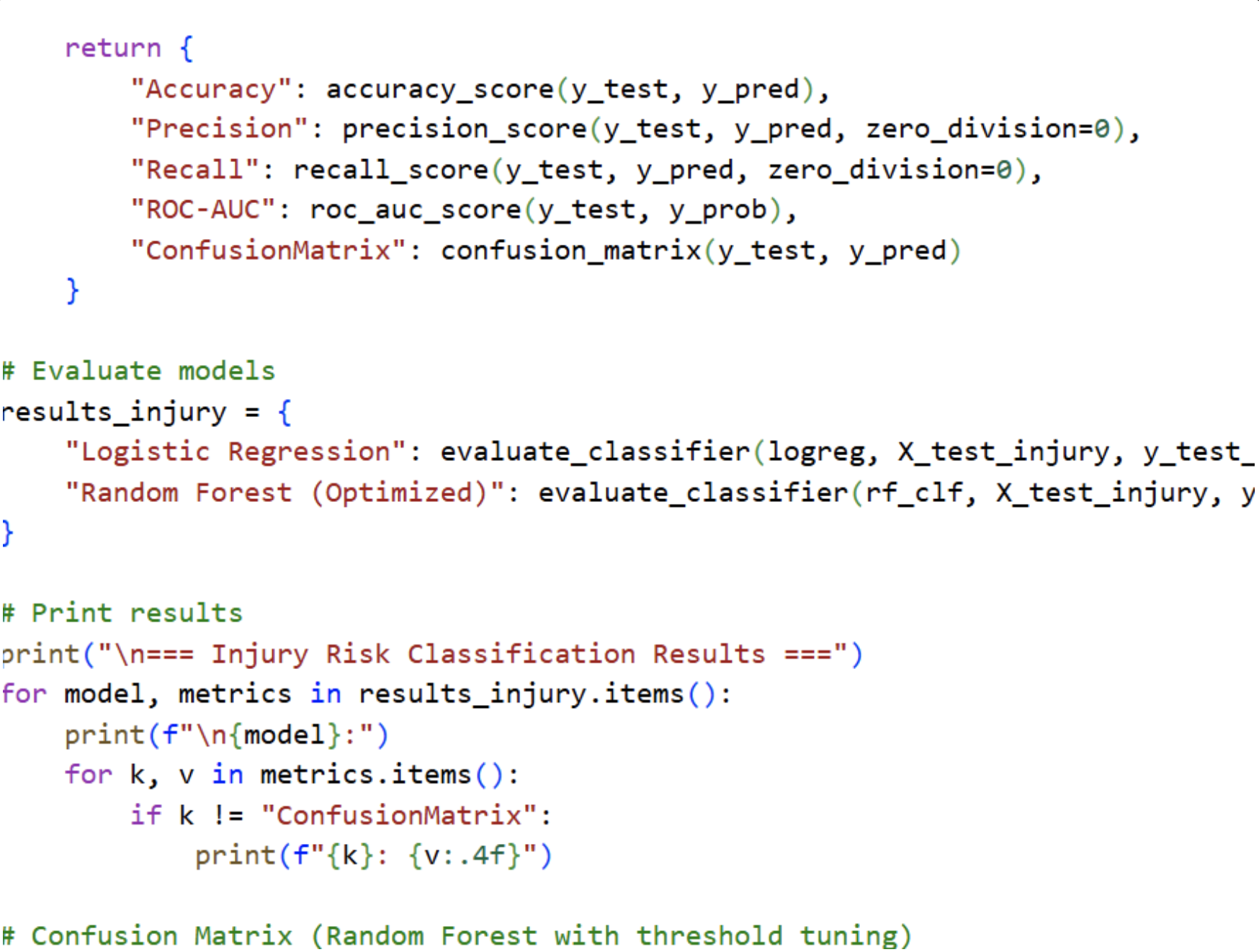
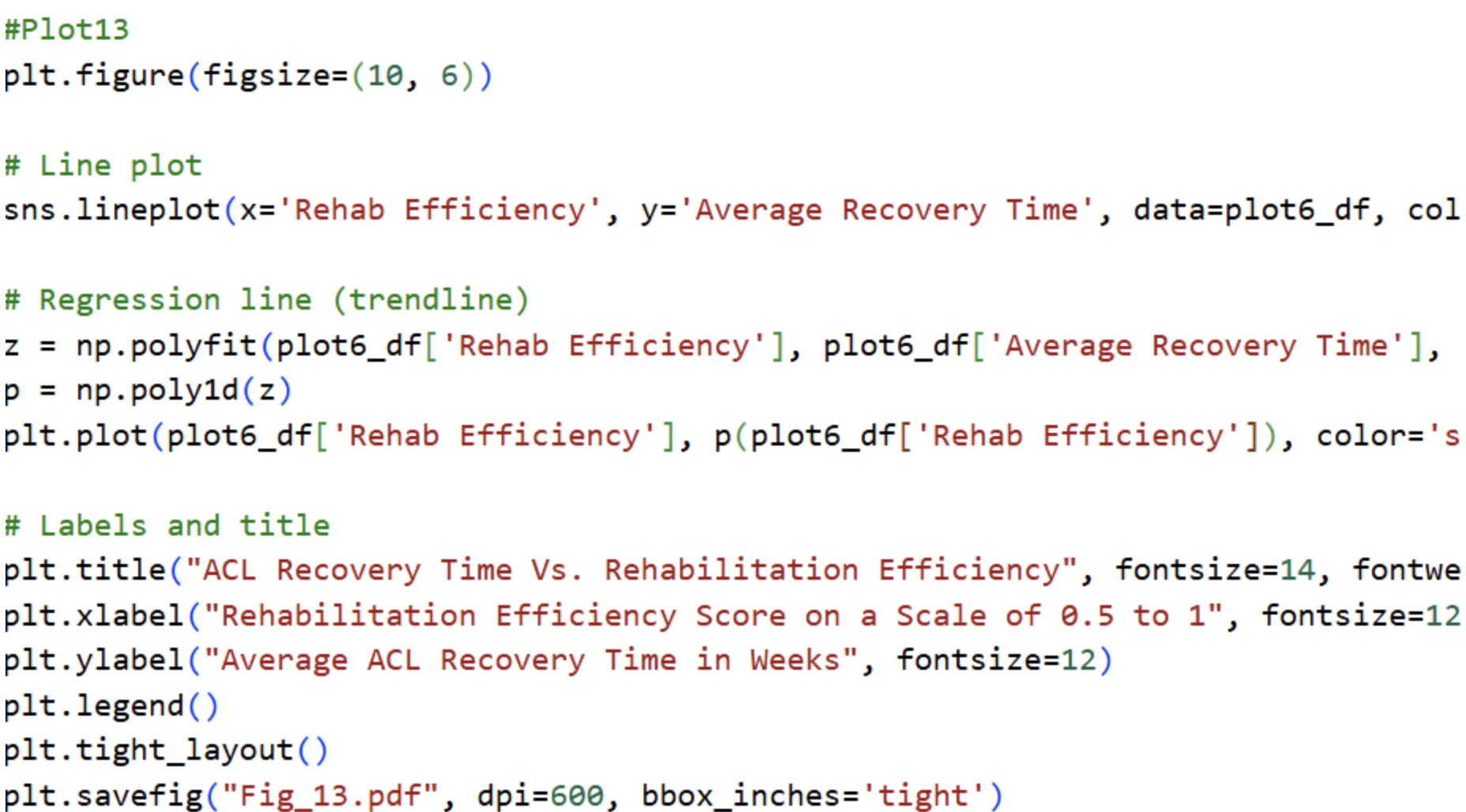
Python Programming for Plotting
-
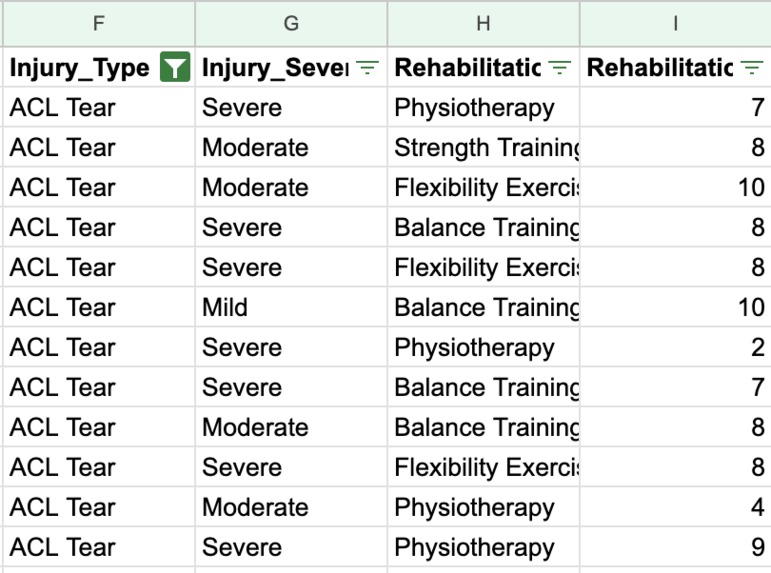
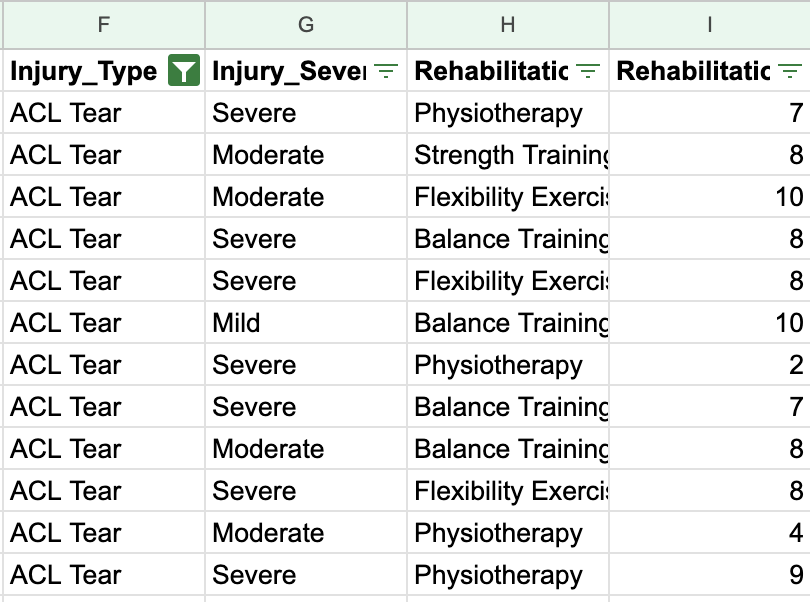
Data Analysis on Google Sheets
-
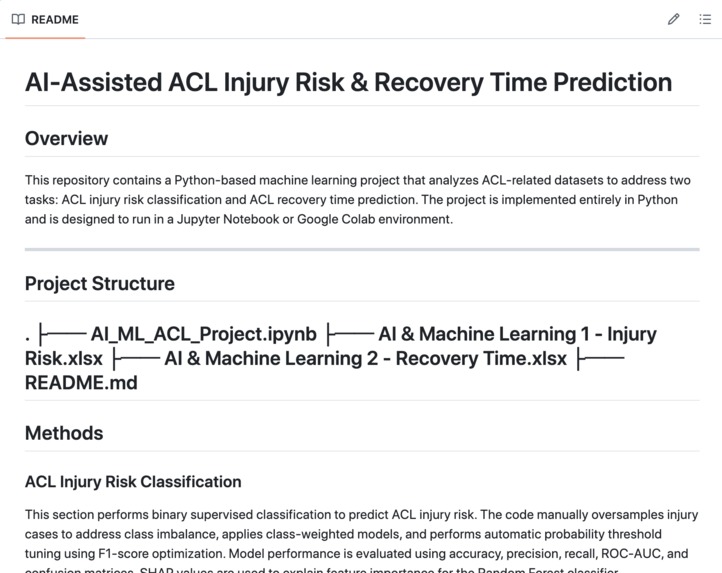
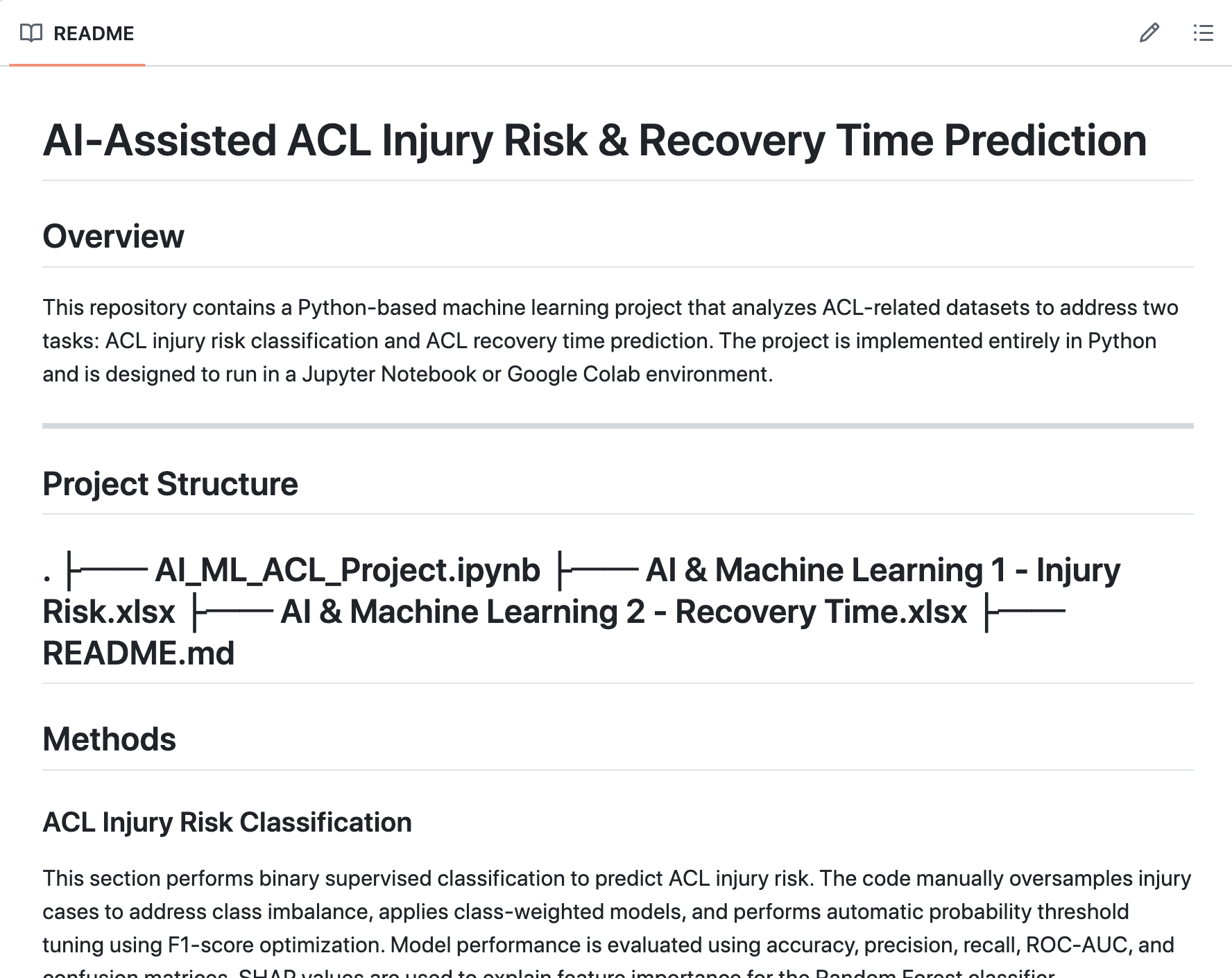
Readme in GitHub Repository for AI & Machine Learning
-
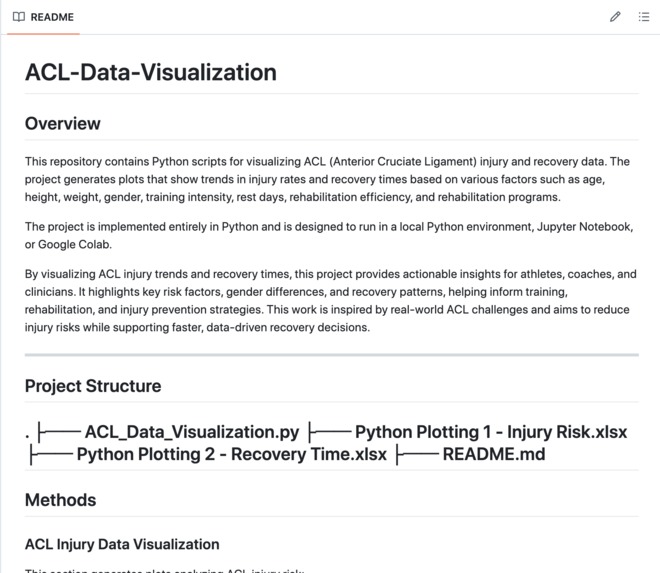
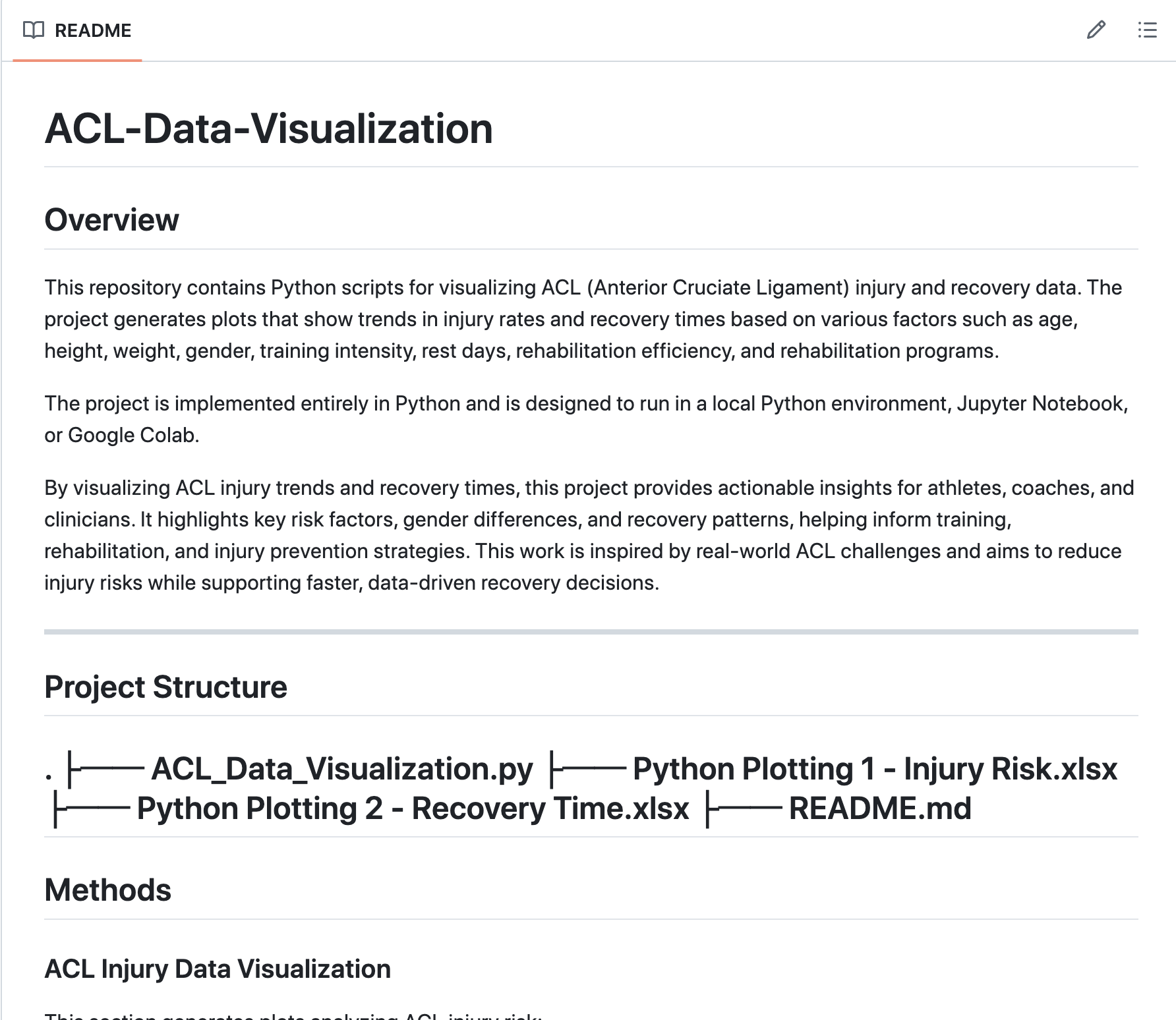
Readme in GitHub Repository for Python Plotting
Project Description/Writeup
Problem: What real-world problem does your AI solution address? Primary ACL injuries are a major concern for athletes, especially basketball players, leading to long rehabilitation periods, career disruption, and increased risk of reinjury. Current clinical assessments rely heavily on neuromuscular, anatomical, and historical injury data, but they often overlook real-world training metrics like intensity and hours, and rarely use advanced machine learning. Most existing studies focus on re-injuries rather than predicting first-time injuries and fail to model recovery time effectively. My AI solution addresses this gap by providing precise predictions for both ACL injury risk and recovery time, giving clinicians and athletes actionable, data-driven insights to prevent injuries and optimize recovery.
Solution: How does your AI/Machine Learning model solve this problem? I developed a Python-based machine learning model to predict ACL injury risk and recovery time. Using Random Forest, Logistic Regression, and Gradient Boosting, I trained models on datasets that include demographic, biomechanical, and training variables from basketball athletes. My optimized Random Forest classifier achieved 100% accuracy in predicting injury risk and identified the most influential factors, such as rest days and training hours. For recovery time, Random Forest regression minimized prediction errors and highlighted key factors like jump height, speed, and rehabilitation efficiency. By using machine learning, my solution captures complex nonlinear relationships that traditional methods miss and provides interpretable predictions for both injury prevention and recovery planning.
Tools: What specific AI tools, libraries, or models did you use (e.g., TensorFlow, Scikit-learn, pre-trained models)? I used Python as the primary programming environment for both data analysis and machine learning implementation. For data handling and manipulation, I applied Pandas and NumPy to load, clean, encode, and scale the ACL injury and recovery datasets. Scikit-learn was used to implement the machine learning models, including Logistic Regression and Random Forest for injury risk classification, and Linear Regression, Random Forest Regressor, and Gradient Boosting Regressor for recovery time prediction. SHAP (SHapley Additive exPlanations) was applied to interpret feature importance in the Random Forest classifier. Matplotlib and Seaborn were used to generate all figures, including confusion matrices, SHAP heatmaps, and predicted vs. actual scatter plots. Pivot tables and manual oversampling were applied to explore the data and address class imbalance, while threshold tuning optimized classifier performance. All of these tools were combined to execute the full AI workflow for ACL injury and recovery analysis.
Future Plans: How could you improve or expand this project in the future? I plan to incorporate real-time motion capture, wearable sensor data, and larger multi-sport datasets to further improve prediction accuracy. I aim to explore deep learning techniques to capture subtle biomechanical patterns that traditional features miss. I also want to build an interactive dashboard to help clinicians and athletes visualize injury risk and recovery predictions, enabling personalized rehabilitation strategies. By collaborating with sports teams and orthopedic clinics, I can continuously refine the model. Ultimately, I want my AI solution to not only predict injuries but also provide proactive recommendations for prevention and rehabilitation, helping athletes reduce risk and return to sport safely.
Inspiration Ever since I was a child, table tennis was more than a sport. It was my passion, my identity, and the lens through which I understood discipline, perseverance, and hard work. I became the regional champion for U15 boys and at one point was ranked number five in the nation. Every victory, every late-night practice, and every tournament shaped who I was and who I wanted to become. Then everything came crashing down. During a soccer class in PE, I tore my ACL right before a national table tennis tournament. In that instant, the sport that had defined my life was taken away. The pain was overwhelming, both physically and emotionally. I had trained my entire life for moments like that tournament, and suddenly, all of it felt lost. The injury forced me to confront not only my limitations but also the fragility of the dreams I had built with my own hands. In the midst of that despair, I realized that my experience was not just personal. Thousands of athletes face ACL injuries every year, and recovery is often uncertain, long, and poorly predicted. I decided to turn my pain into purpose. I vowed to transform my own suffering into something that could help others prevent injuries, recover more effectively, and pursue their passions without fear.
This mission became the heart of Paddle Forward Foundation, a nonprofit I founded to promote health, community engagement, and resilience through table tennis. At the Barbara Lee Senior Center, we have over fifty-five active members. I have organized table tennis programs, fundraiser tournaments, and health education campaigns, all designed to bring the community together and encourage lifelong wellness. We have partnered with organizations such as HotSpotStudios and Caring Hands Caregivers to create meaningful experiences, and a core part of our work is giving back to research that can make a real difference. Paddle Forward Foundation has raised thousands of dollars and donates a significant portion of its proceeds to ACL research, supporting studies that aim to prevent injuries and improve recovery outcomes for athletes. Beyond sport, the foundation serves as a vehicle for mentorship, fostering connection between generations, and teaching life skills like focus, perseverance, and resilience. It embodies the principle that personal passion can be transformed into communal impact and that the lessons learned from overcoming adversity can be shared to help others.
My injury also inspired me to pursue research to better understand ACL injuries and recovery. I worked with PhDs and professional researchers across multiple programs, including the Lumiere Education Research Scholar Program, the Young Researchers Institute, and as a Co-Associate at ThinkNeuro Research Internship where I led a team of interns. I completed a research batch at NeuraVia Research Inc. and received a Certification of Distinction. I achieved Mentor Excellence by guiding a group of mentees through research projects and gained hands-on lab experience such as Gel Electrophoresis at BioCurious. These experiences taught me to collect and analyze data, design experiments, lead teams, and bridge research with real-world applications. This combination of mentorship, in-person lab work, and applied research gave me the technical skills and confidence to take on my ACL project for the December AI Challenge.
During the one-month December AI Challenge hackathon, I dedicated myself fully to building the AI-assisted ACL injury prediction model. For the entire duration, this project became my primary focus, consuming countless hours of concentrated effort and unwavering attention. I collected and cleaned basketball athlete performance and injury datasets, carefully handling missing values and normalizing metrics to ensure accuracy. I used Google Sheets and pivot tables to organize the data, summarize trends, and identify key patterns.
I then leveraged Python to perform advanced data analysis, generate plots and graphs, and visualize correlations between player performance and injury risk. Using these insights, I implemented machine learning algorithms to predict both ACL injury risk and estimated recovery duration. Every day of the hackathon involved iterative testing of the models, adjusting for accuracy, precision, and interpretability. I continually refined the outputs to make them clinically meaningful and actionable for athletes and coaches.
The one-month timeframe required intense focus, discipline, and time management. I balanced the technical work of coding and data analysis with visualization and presentation preparation to ensure a polished final submission. Despite the challenges of learning, implementing, and optimizing AI models in a compressed month-long hackathon period, the project became a testament to my dedication, resilience, and ability to turn personal experience into impactful, innovative solutions.
This project is more than research. It represents the intersection of personal experience, athletic achievement, nonprofit leadership, and scientific exploration. For athletes, the AI models provide tools to prevent injuries and optimize recovery planning. For the community, Paddle Forward Foundation uses sports to teach resilience, health, and engagement. For me, this project transformed heartbreak into a lifelong mission: to use science, data, and community service to help others avoid the struggles I endured. It reflects the lessons, perseverance, and purpose I have built through years of sport, research, and service.
Built With
- ai
- google-scholar
- google-sheets
- machine-learning
- overleaf
- python

Log in or sign up for Devpost to join the conversation.