-
-
-
-
-
-
-
-
-
-
-
-
-
-
-
-
-
-
-
-
-
-
-
-
-
-
-
-
-
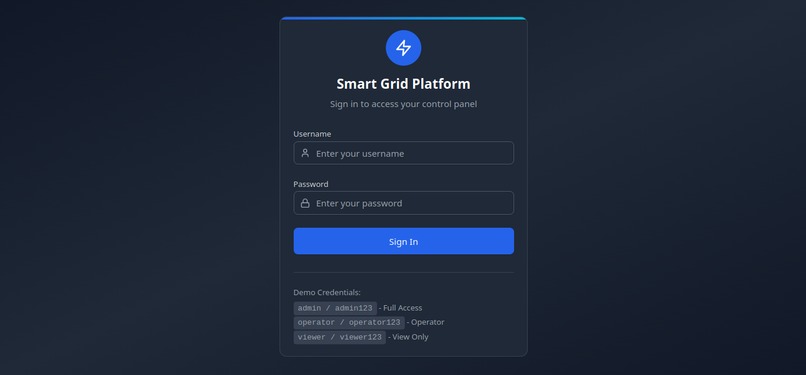
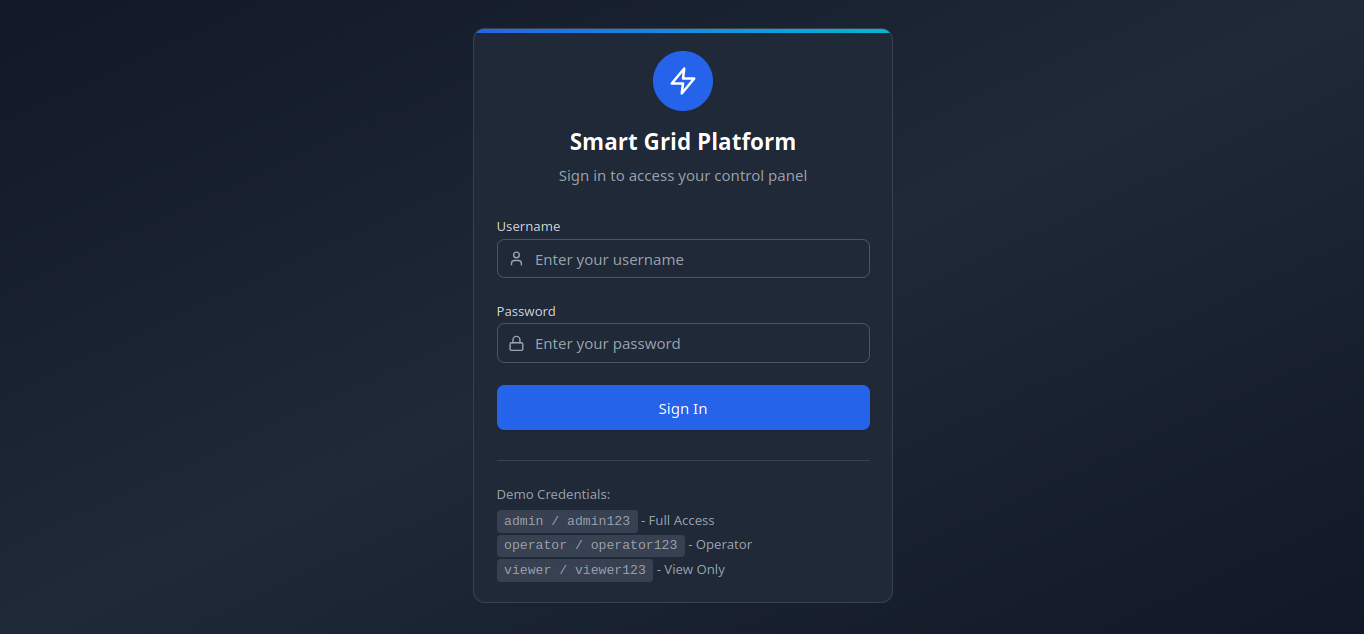
Log In Page
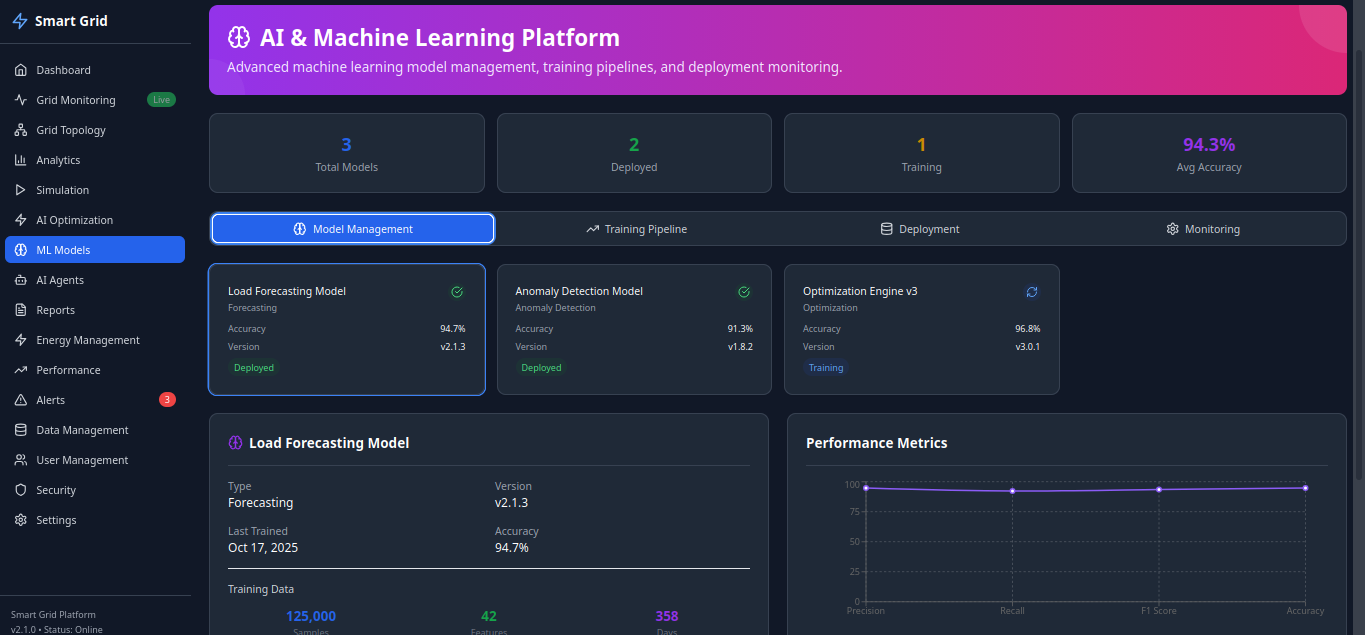
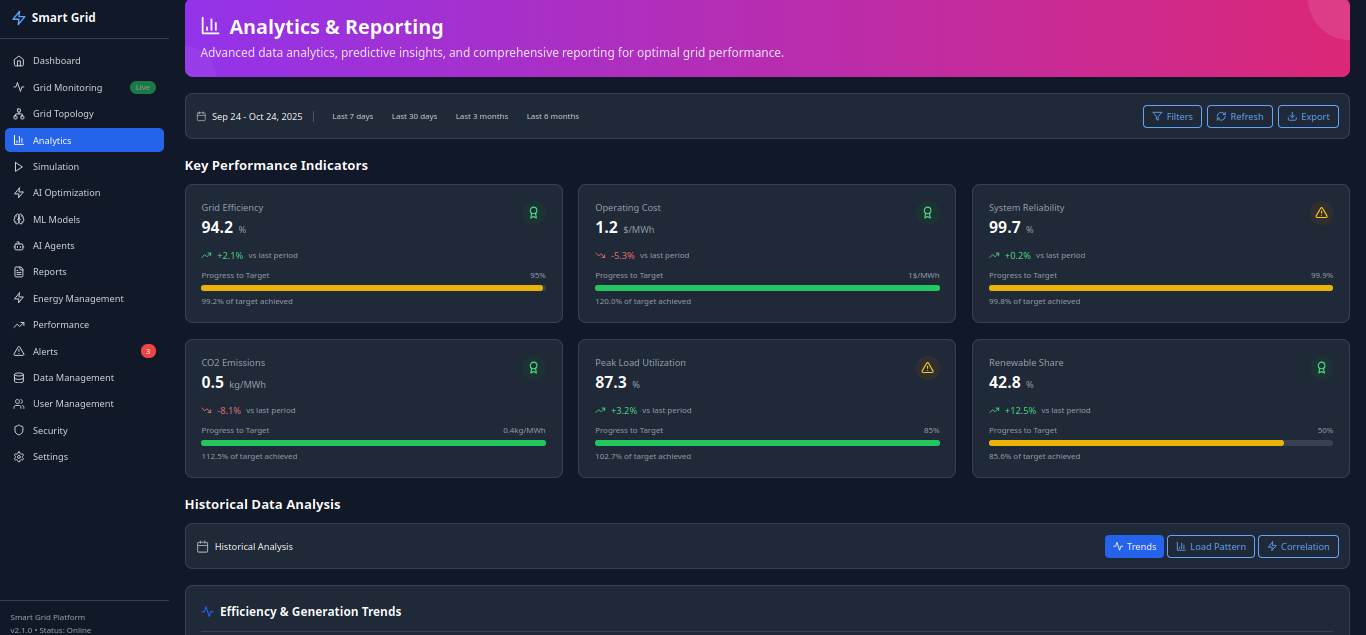
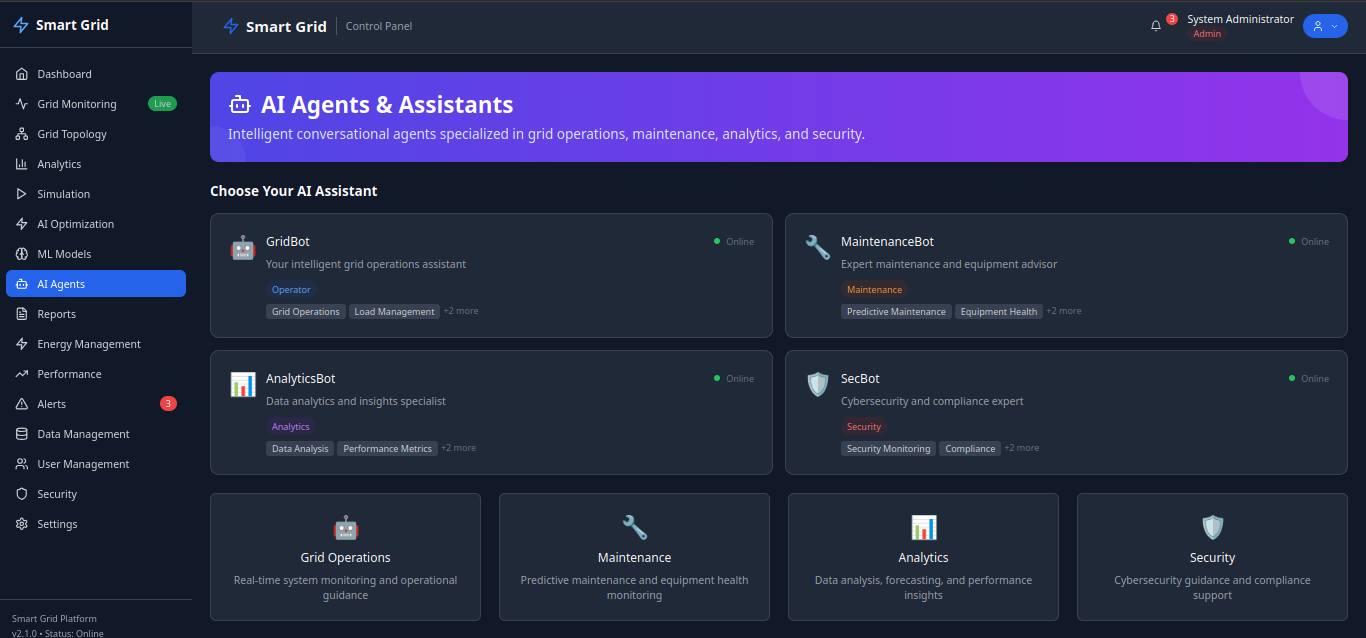
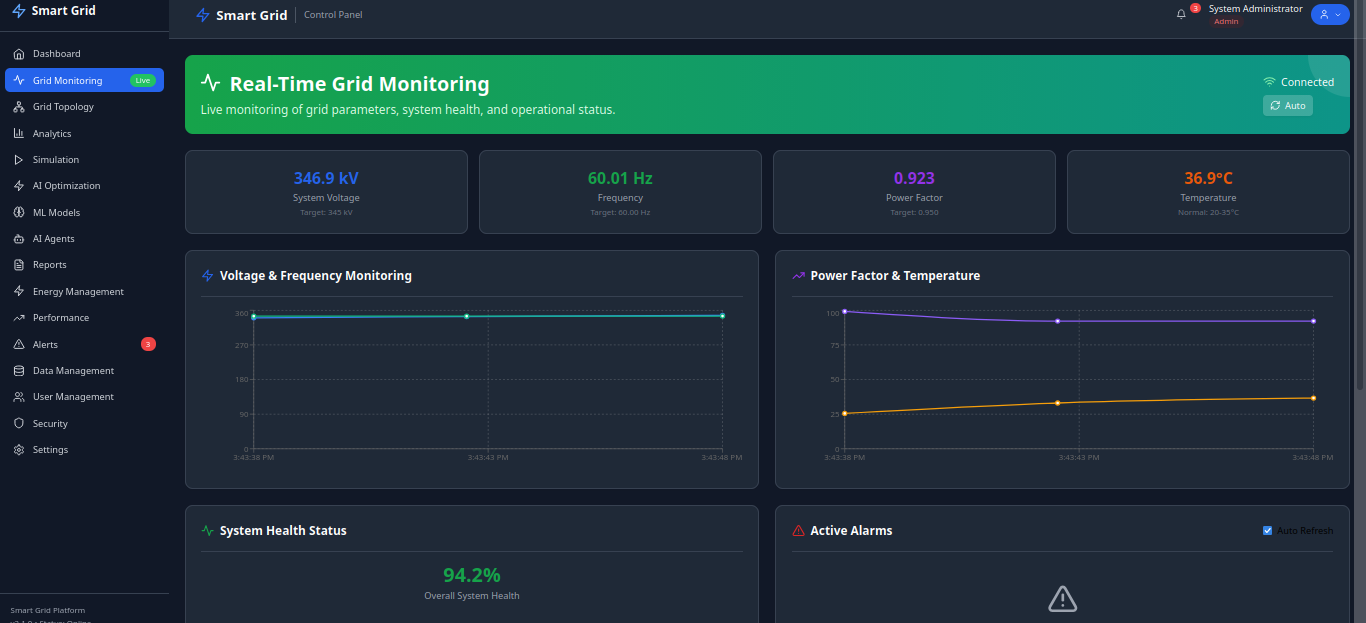
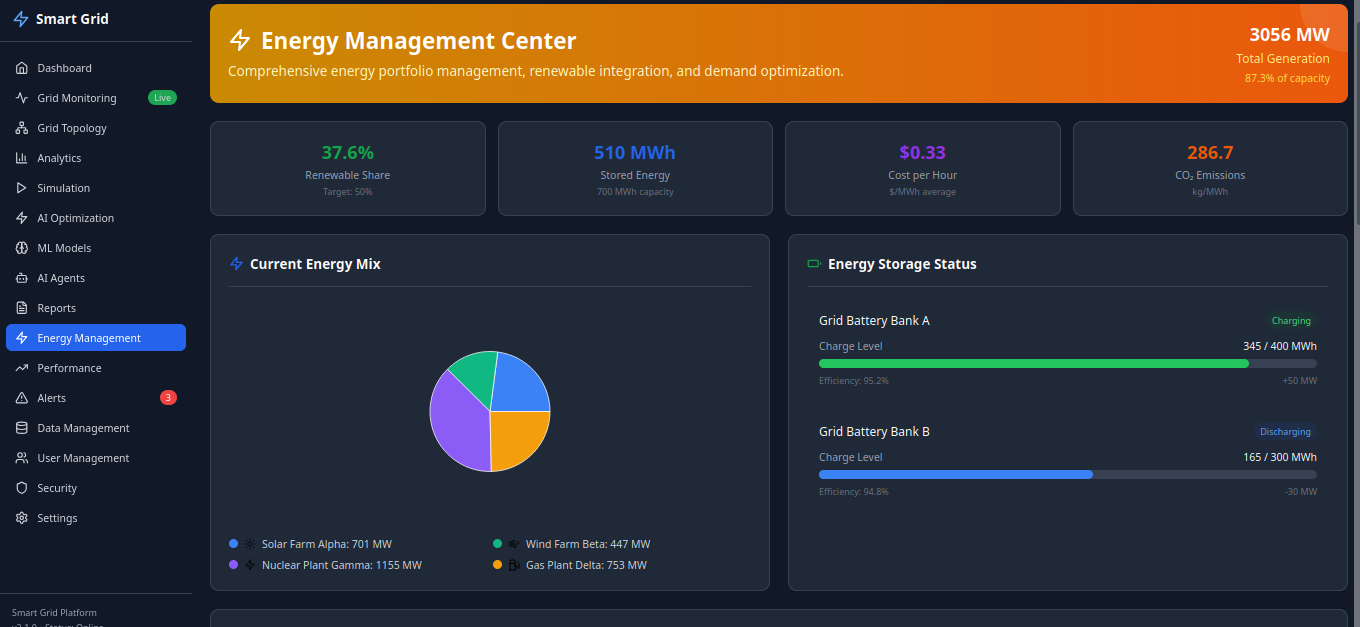
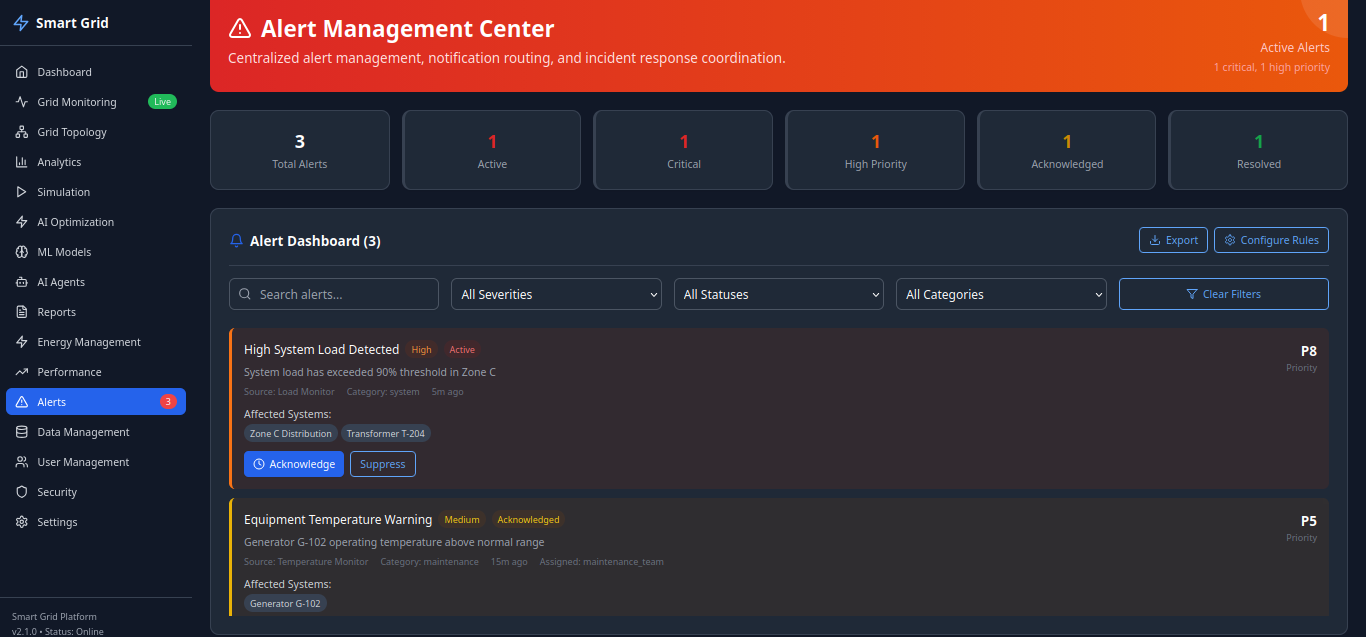
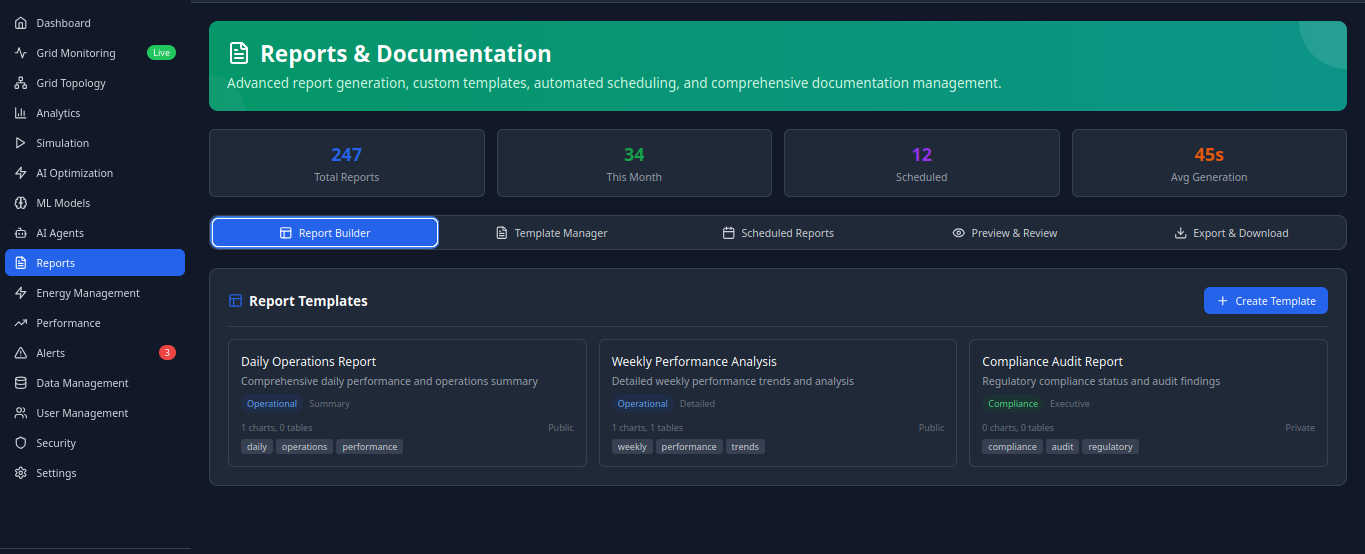
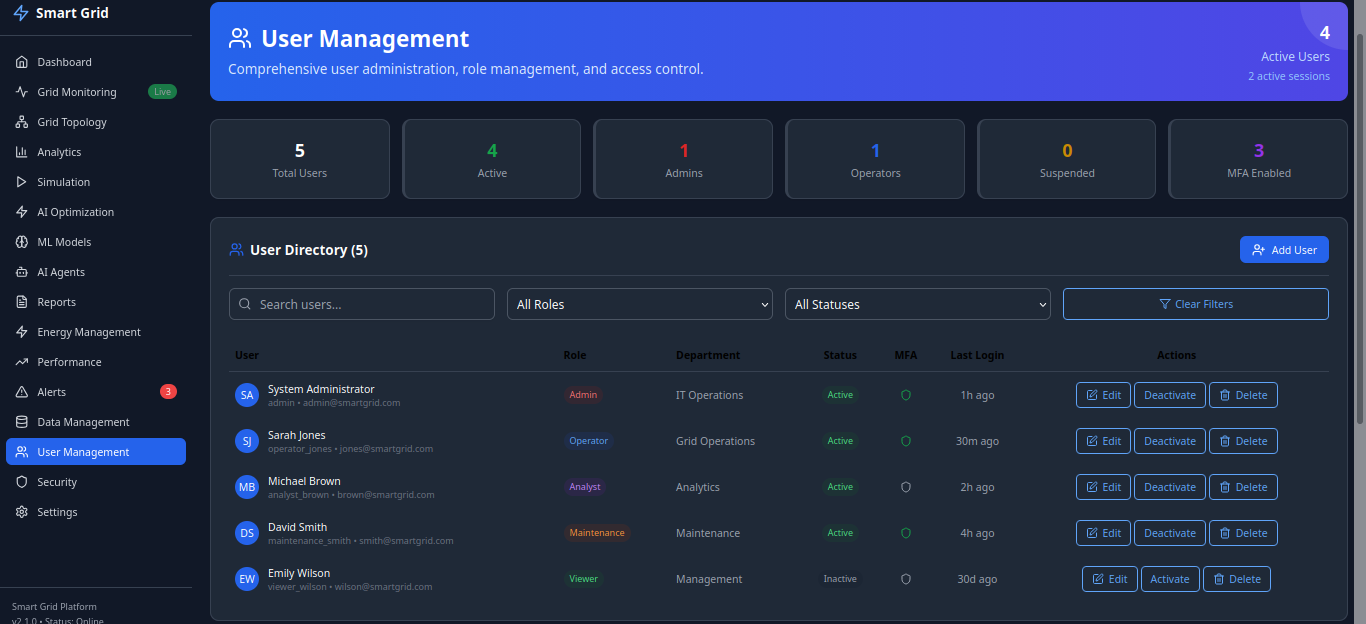
🧠 AI-Powered Smart Grid Intelligence Platform AI Accelerate: Unlocking New Frontiers Hackathon Submission by Dhananjaya Jayawardhana
🌍 Inspiration
As the world rapidly shifts toward electrification and AI-driven industries, energy demand has surged to unprecedented levels.
Data centers, EV networks, and smart cities require real-time, intelligent, and autonomous energy optimization.
Traditional grid systems are static, reactive, and limited by outdated analytics pipelines — unable to adapt to dynamic, AI-intensive workloads.
Inspired by this global challenge, we built the AI-Powered Smart Grid Intelligence Platform — an AI + Cloud + Elastic hybrid system that reimagines how power grids are monitored, optimized, and secured in real time.
Mission: “To empower the future of clean energy through intelligent, autonomous grid management — powered by AI and cloud innovation.”
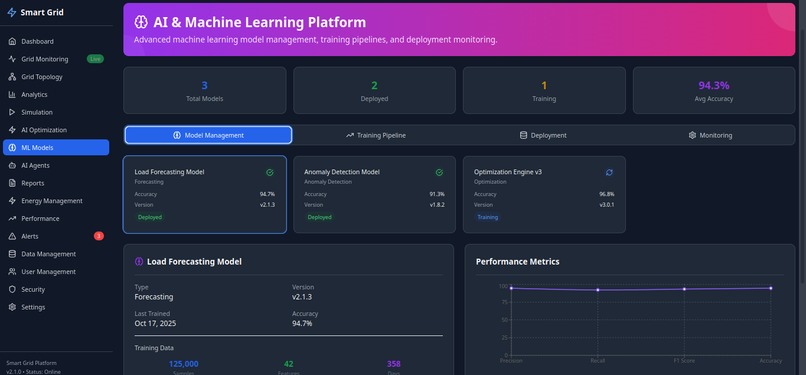
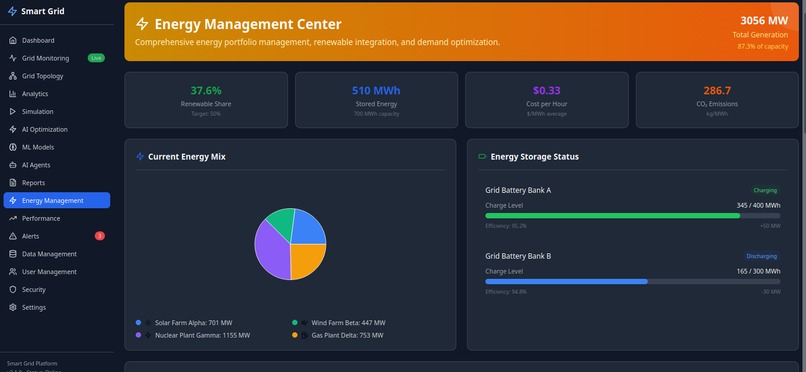
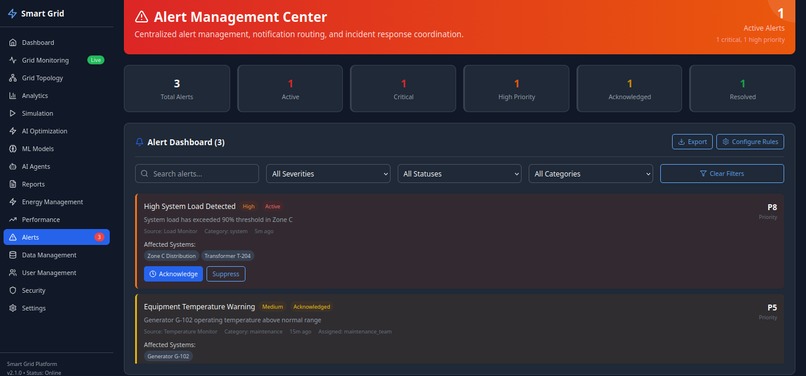
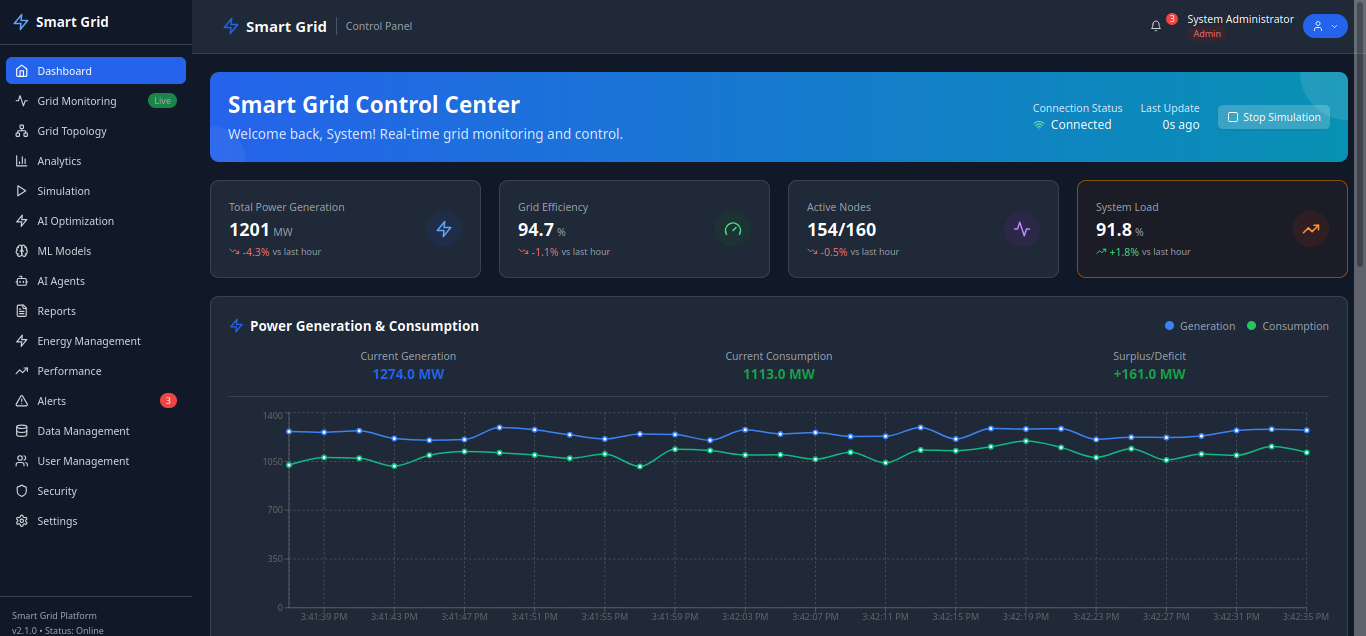
⚡ What It Does The Smart Grid Intelligence Platform is a full-stack, AI-driven energy management system that integrates Google Cloud Vertex AI, Elastic hybrid search, and Fivetran data pipelines to deliver predictive insights and automation for modern power grids.
🧩 Core Capabilities
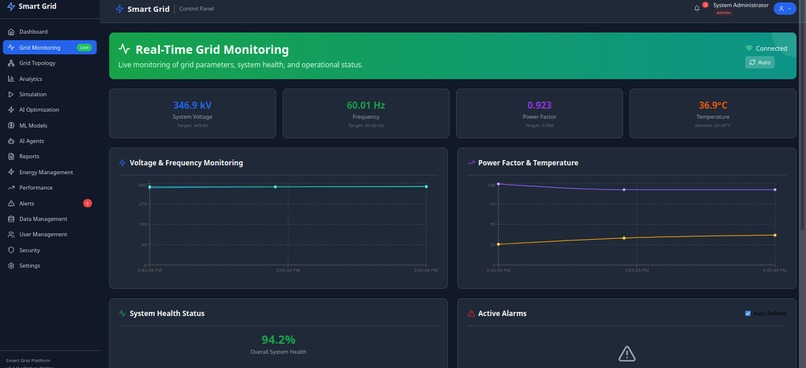
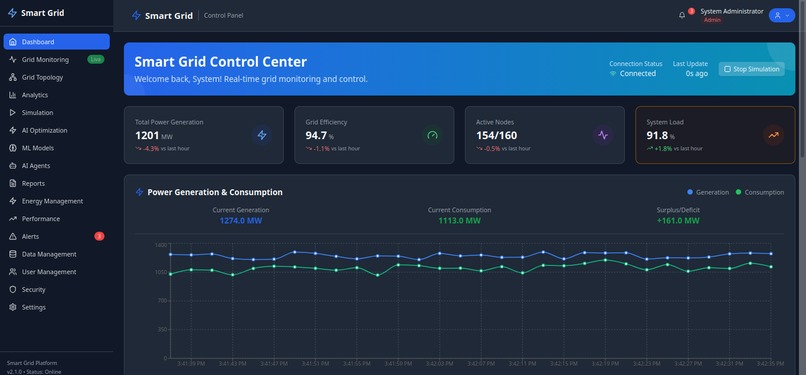
Real-Time Monitoring:
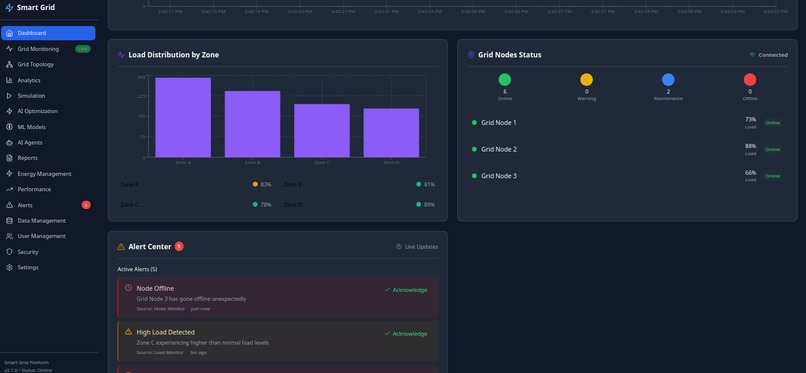
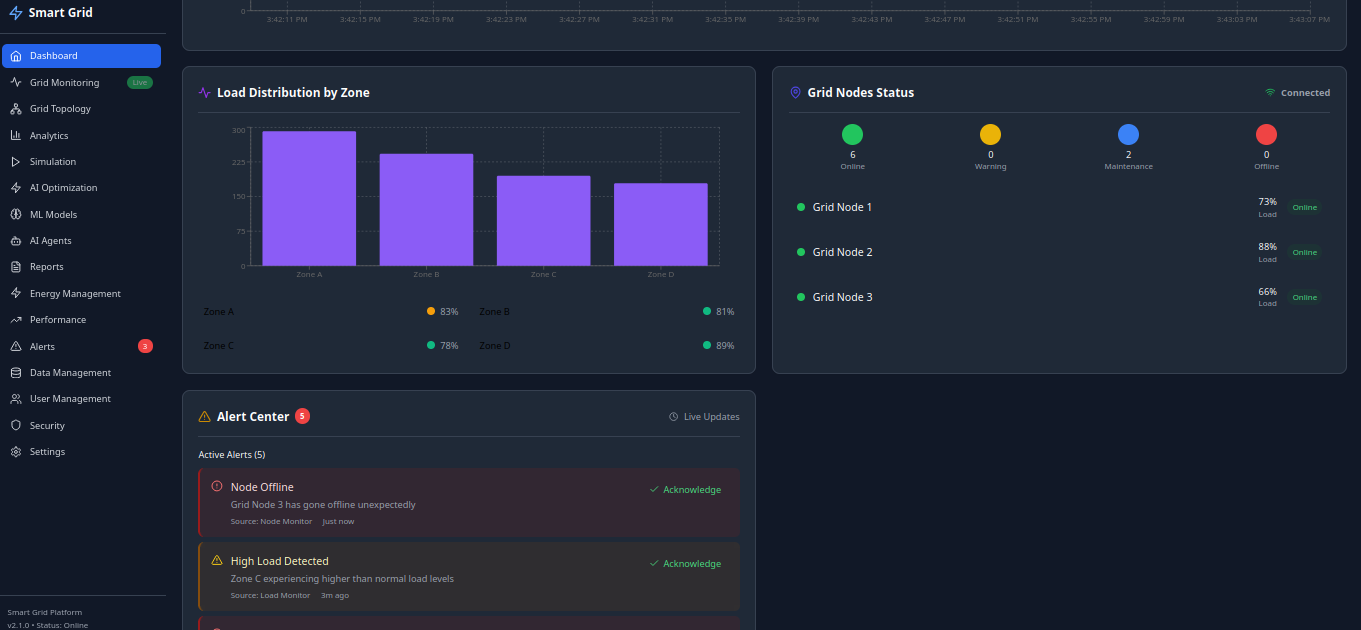
WebSocket - driven dashboards visualize live voltage, frequency, power factor, and grid health using AI anomaly detection.
AI-Powered Optimization:
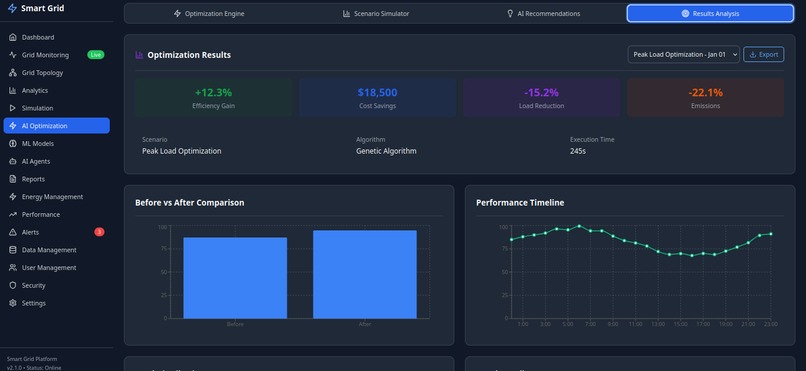
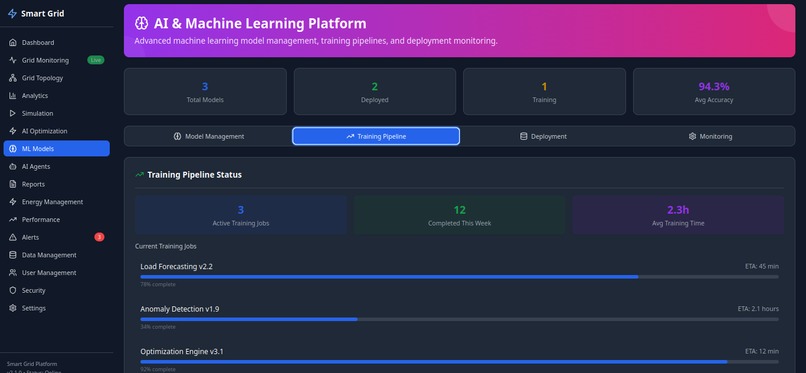
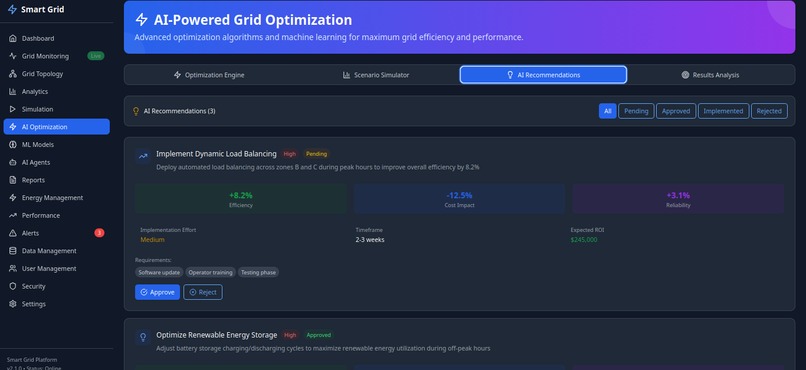
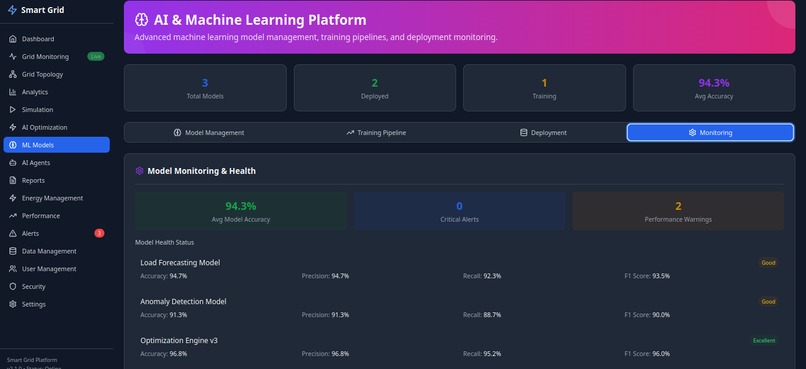
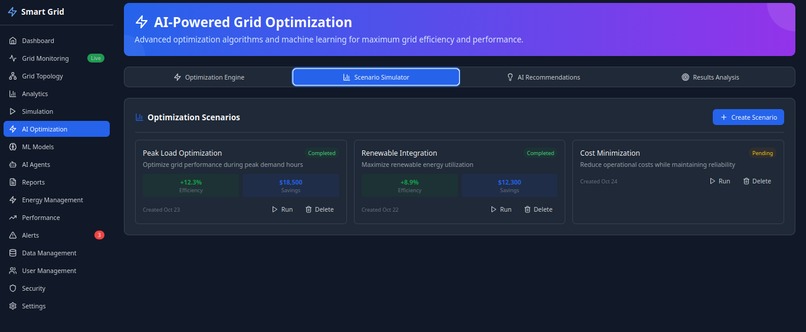
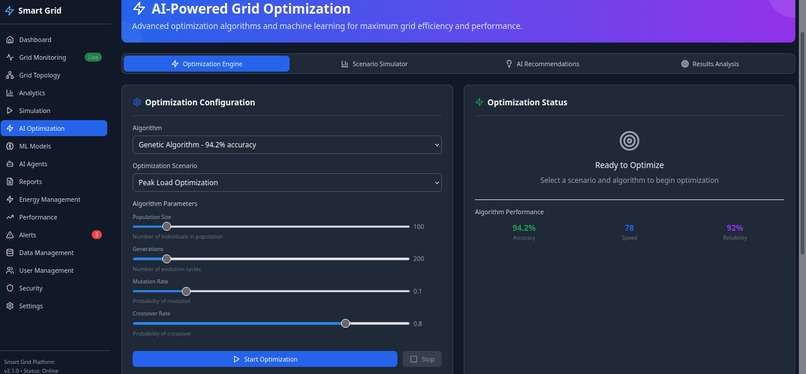
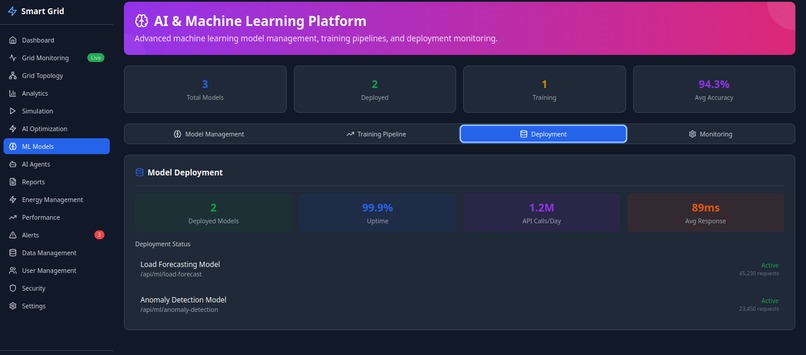
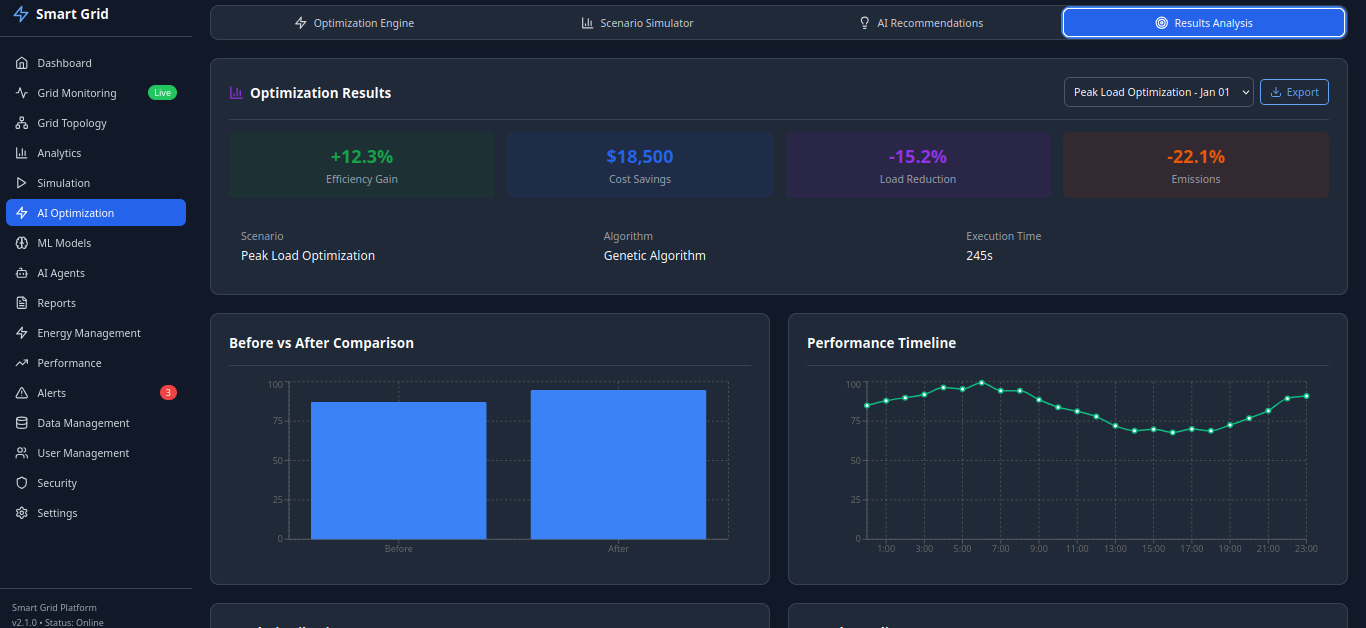
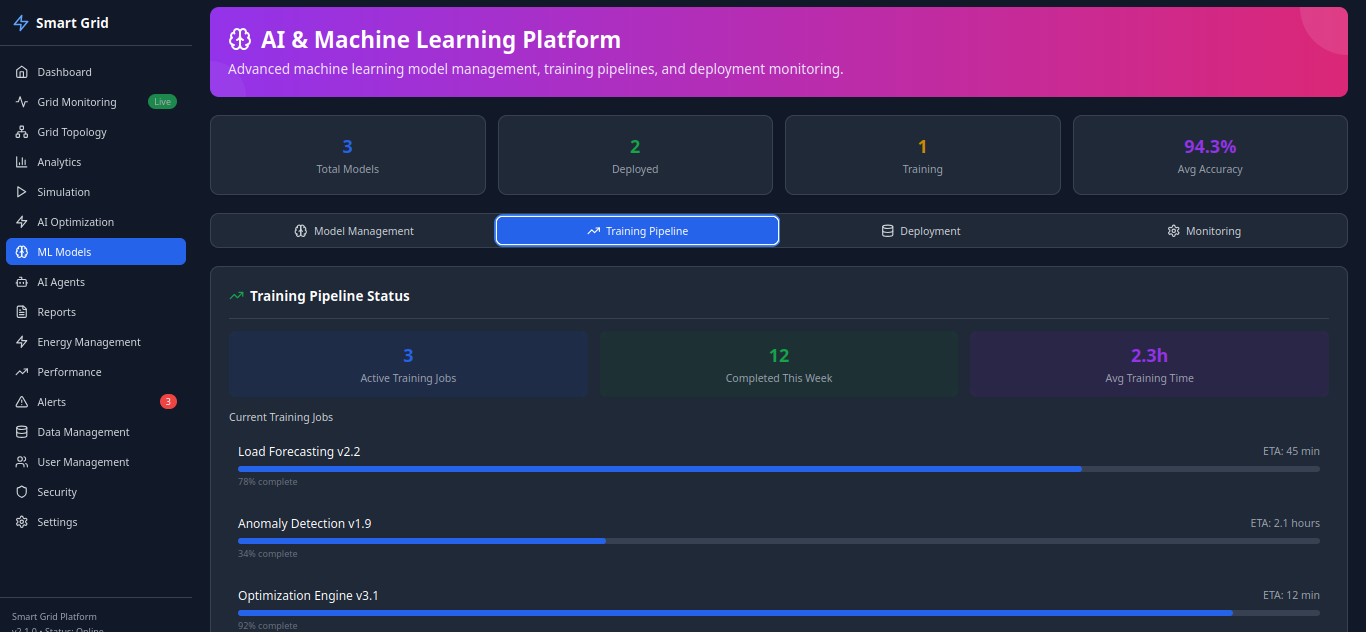
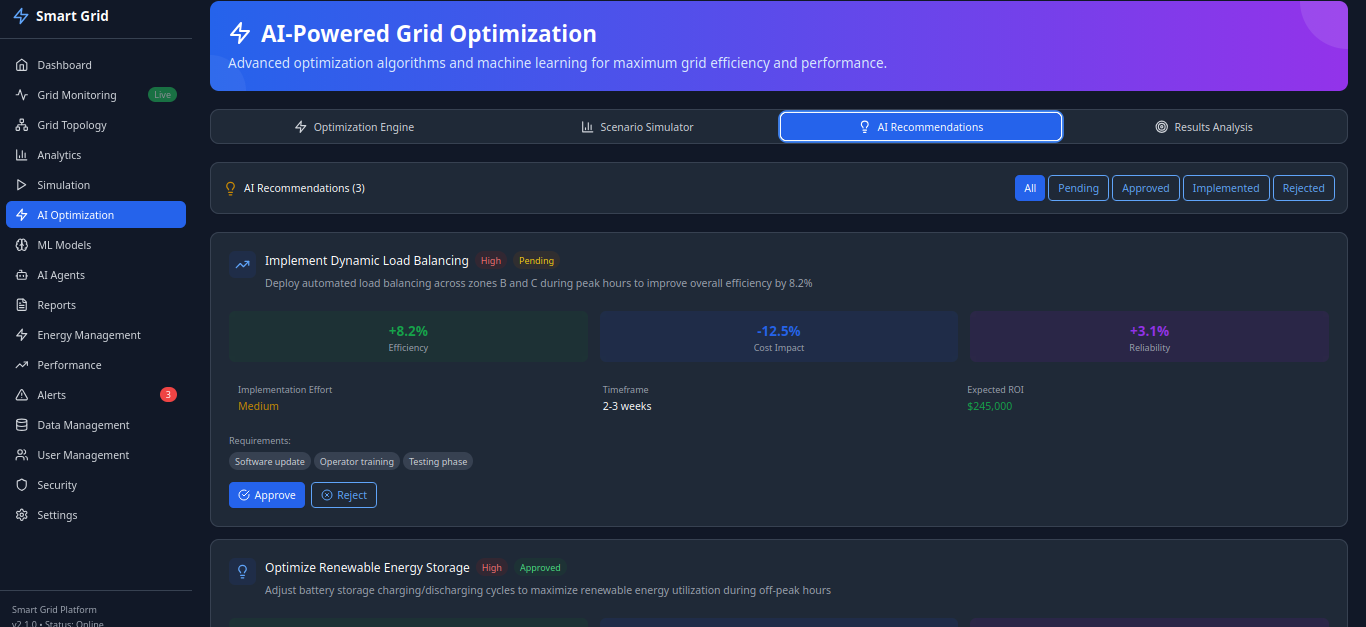
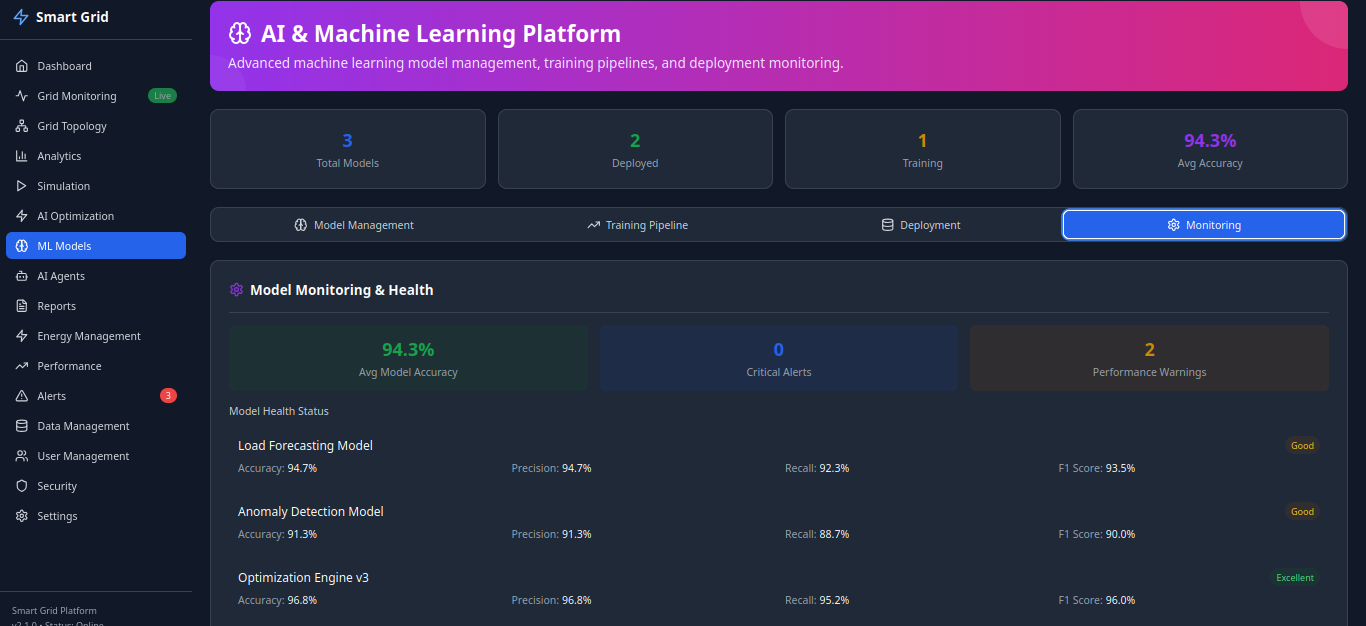
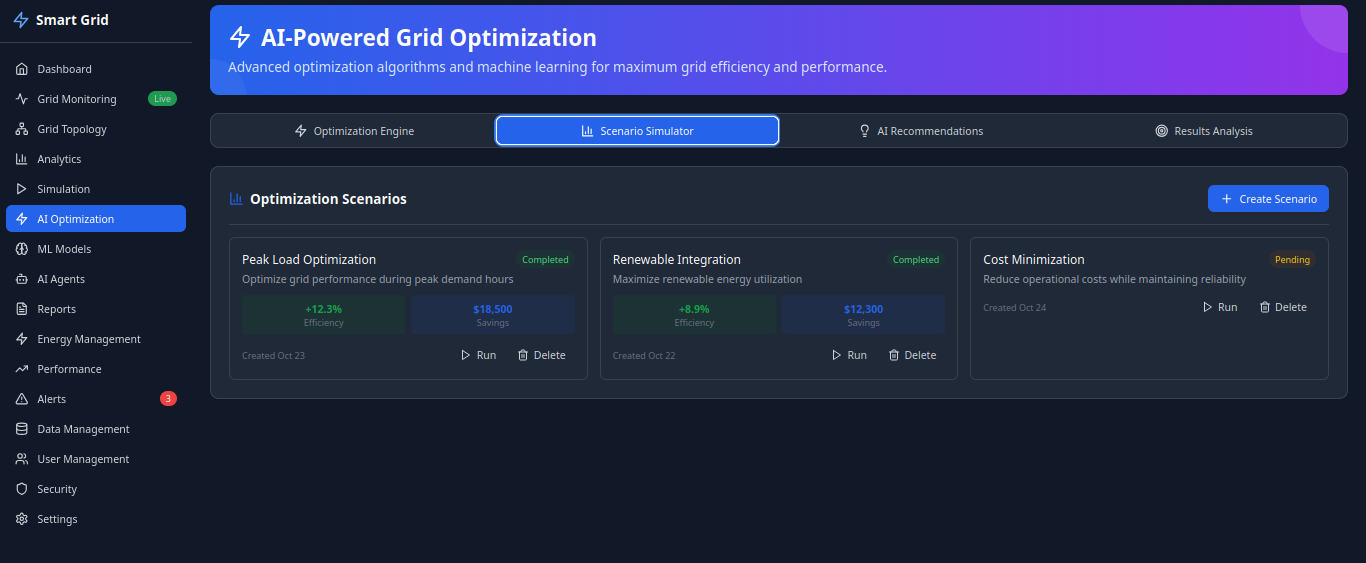
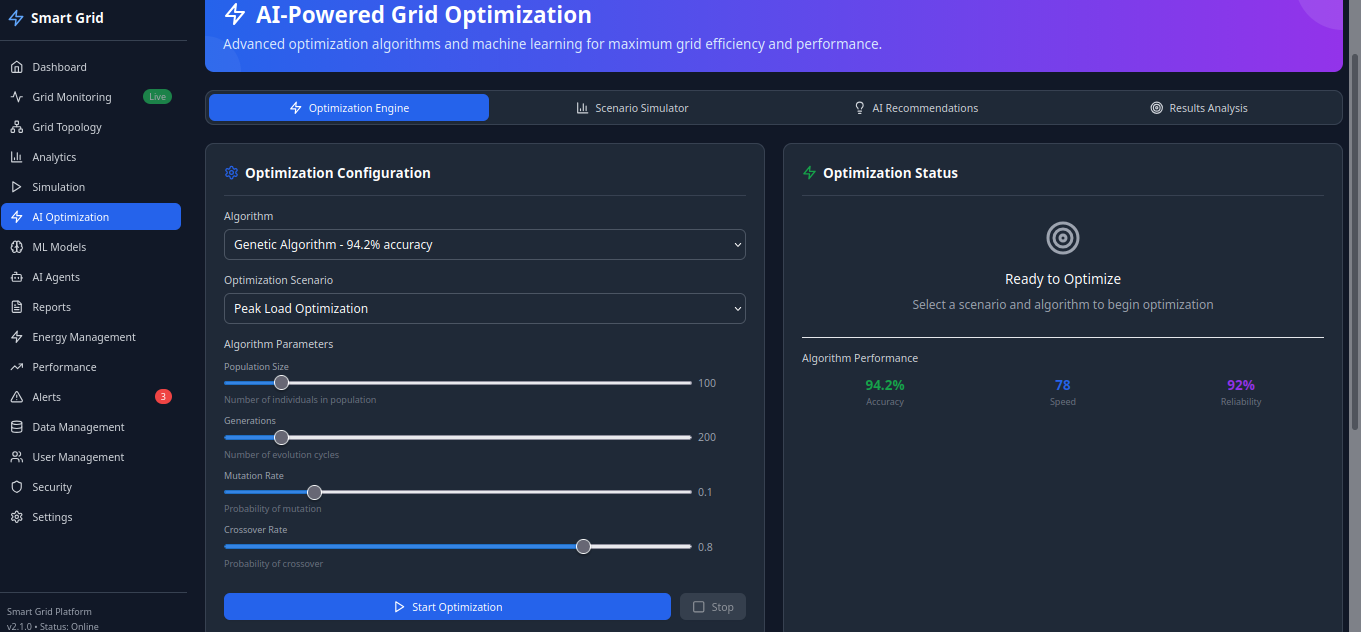
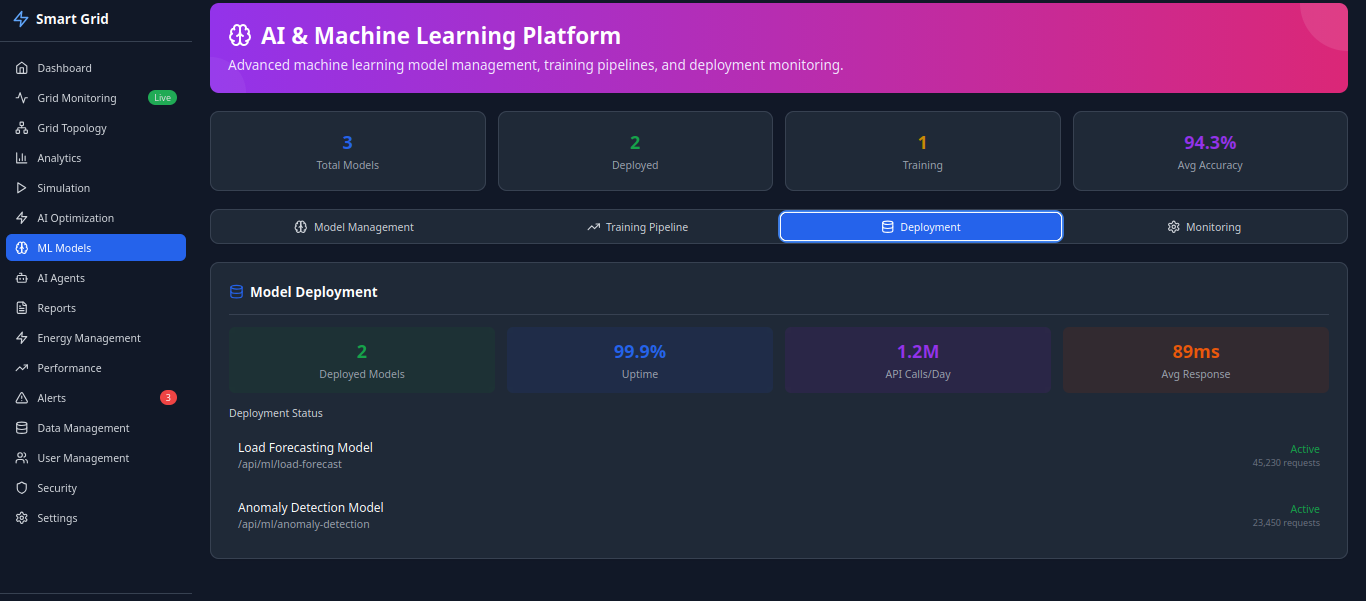
Vertex AI + Gemini handle forecasting, load balancing, and fault prediction through intelligent agent workflows.
Elastic Hybrid Search:
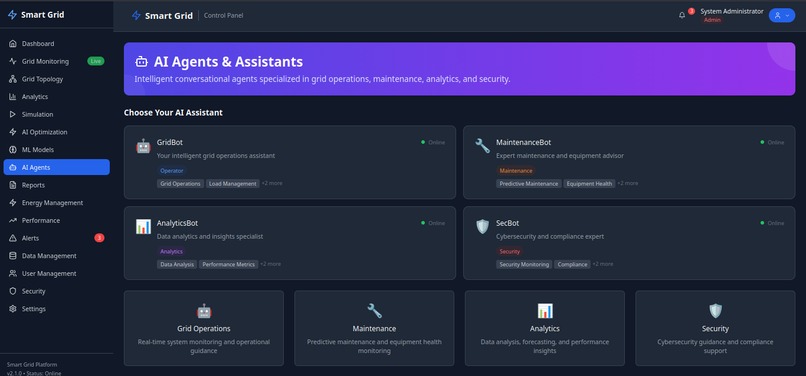
Contextual, conversational search capabilities allow operators to query grid status in natural language — powered by Elastic and Gemini integration.
Fivetran + BigQuery Pipelines:
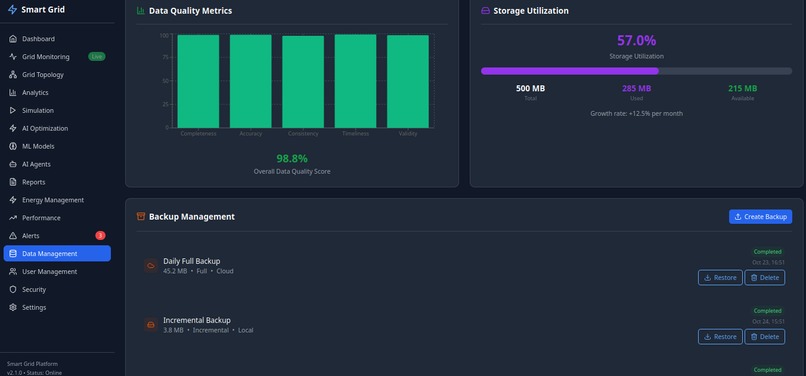
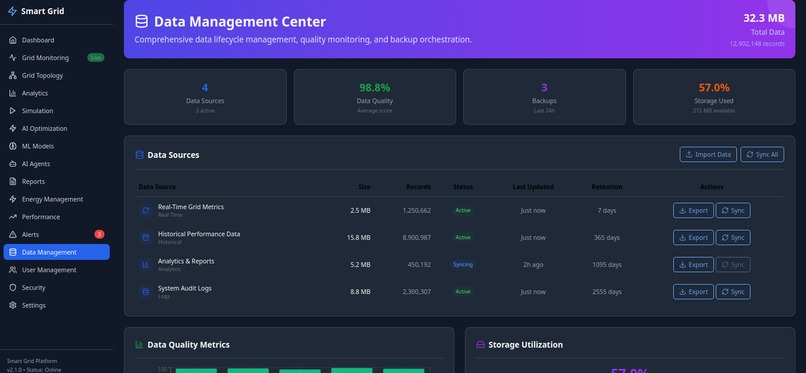
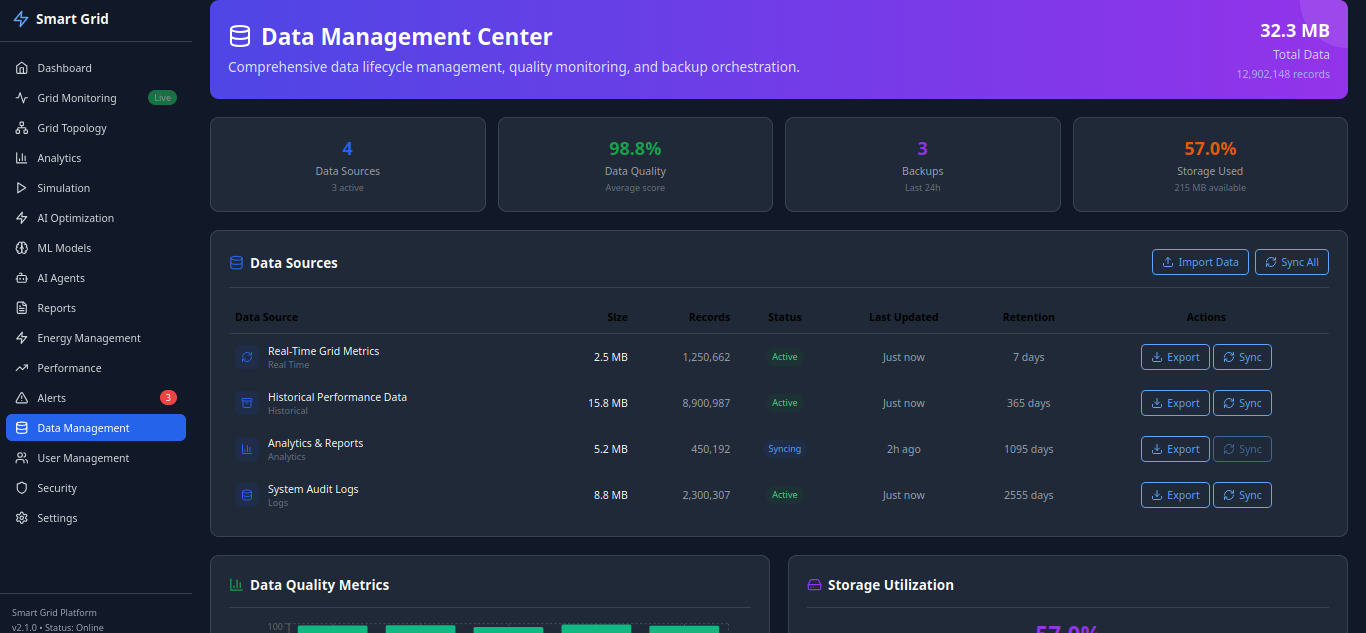
Continuous ingestion and transformation of energy data from IoT nodes into BigQuery for AI model training and analytics.
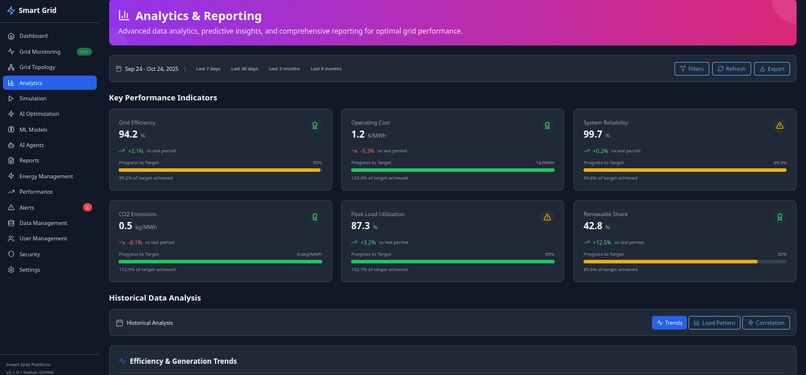
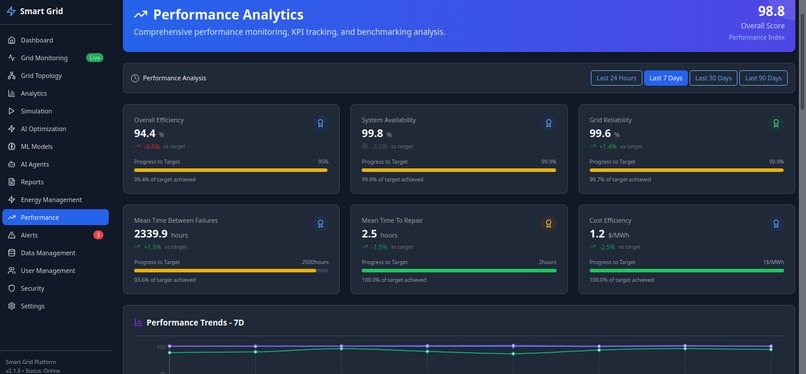
Predictive Analytics & Reporting:
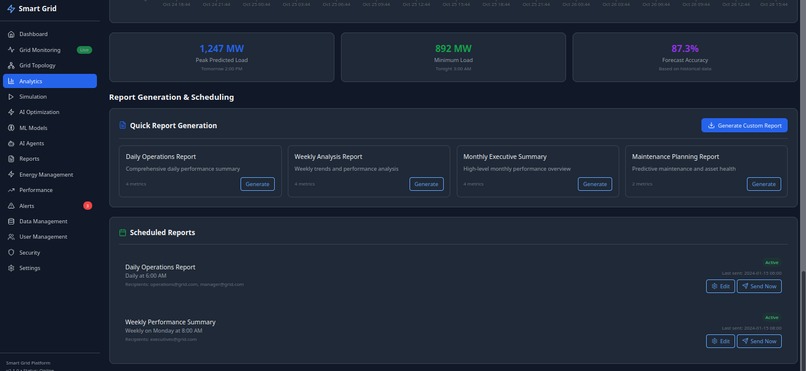
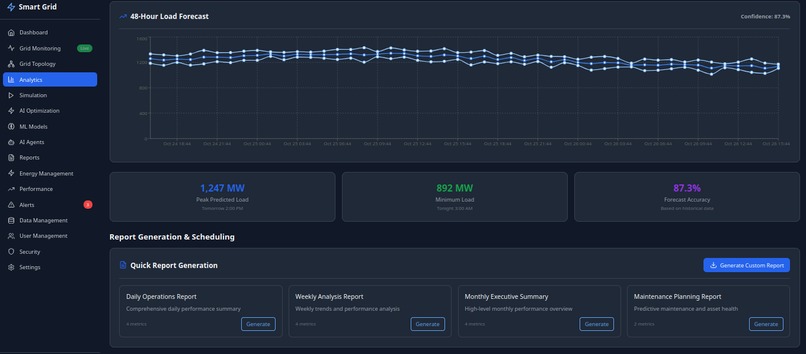
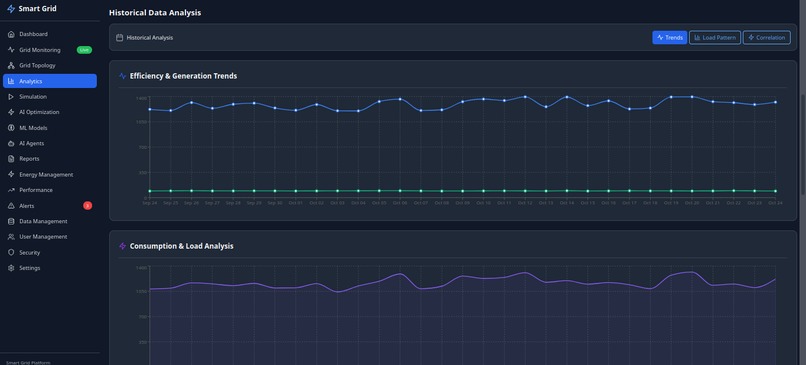
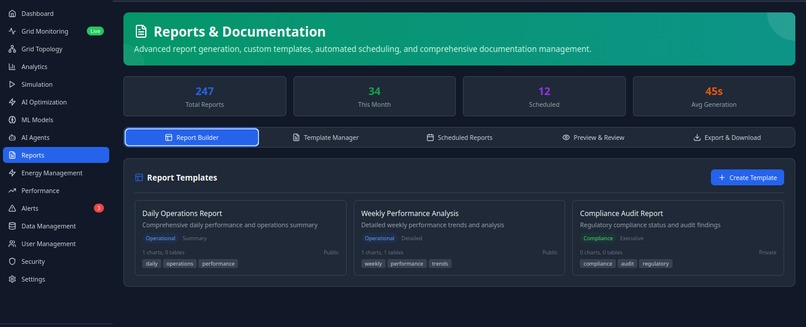
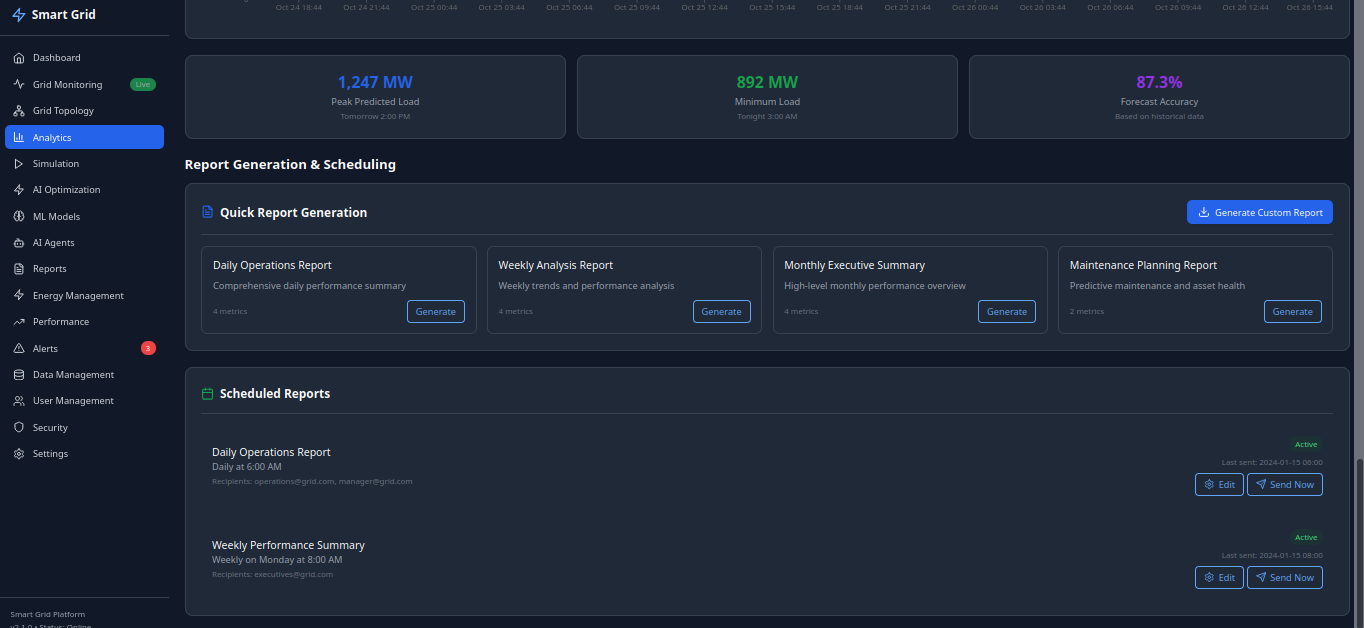
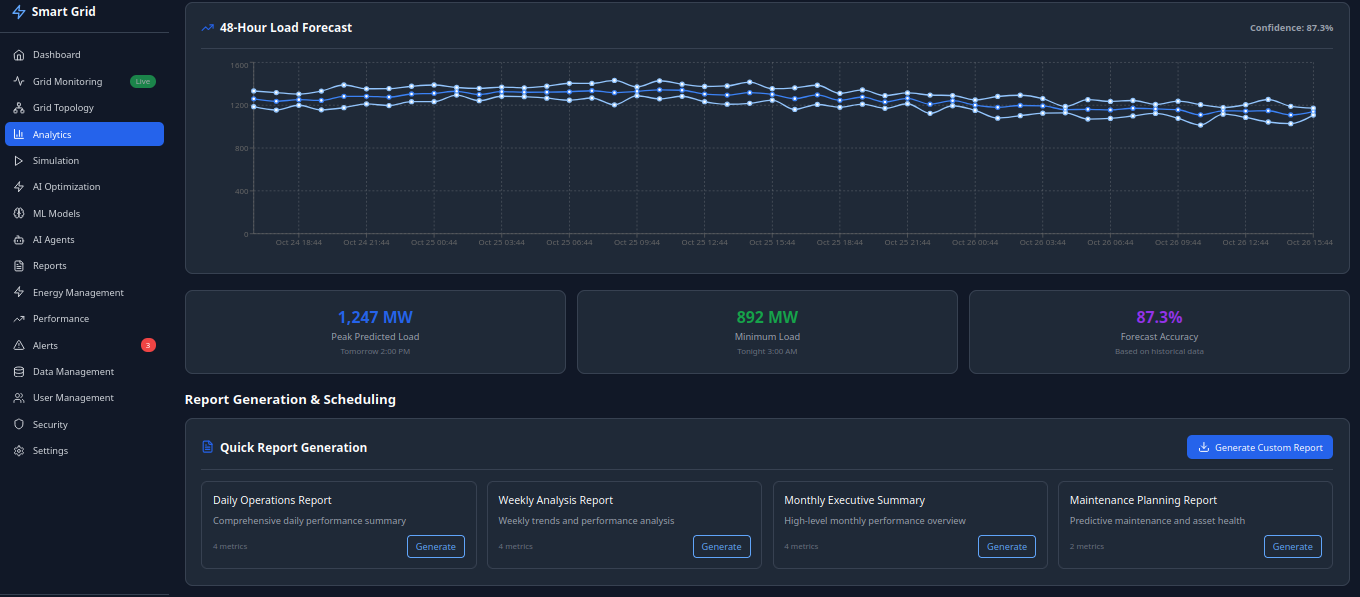
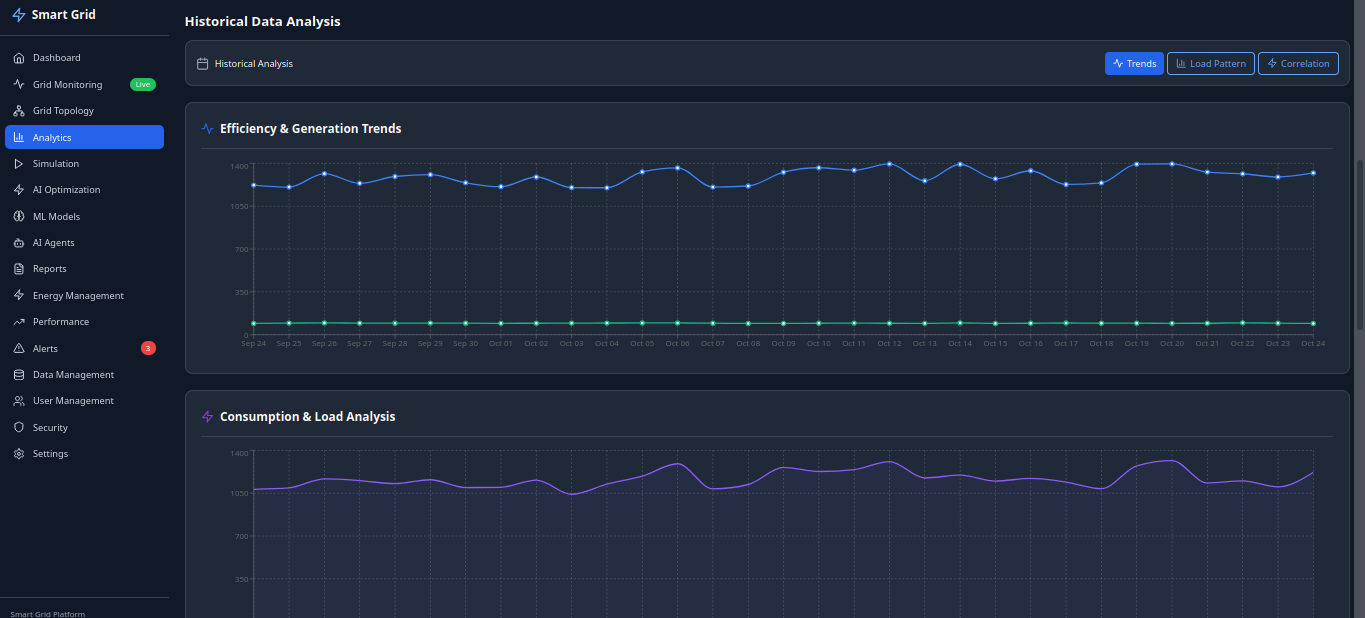
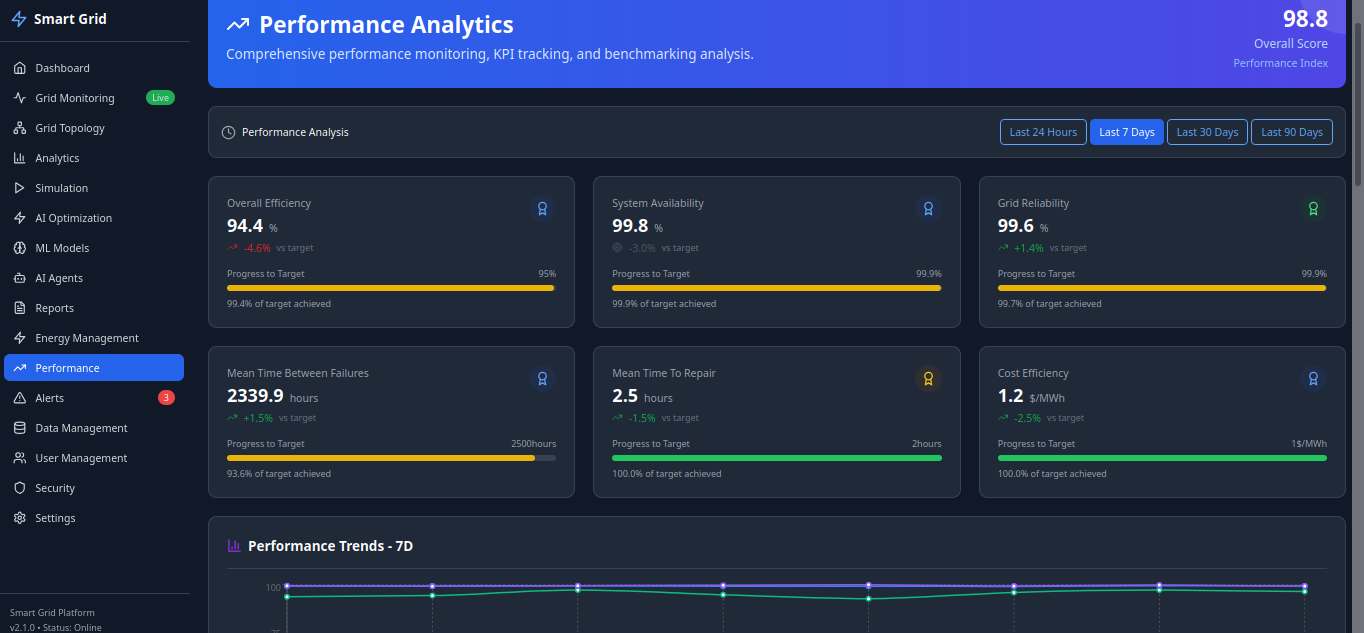
Time-series trend prediction, KPI analysis, energy forecasting, and custom report generation.
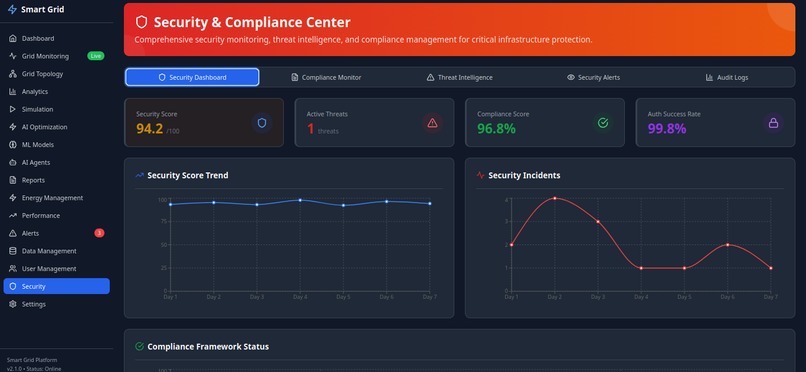
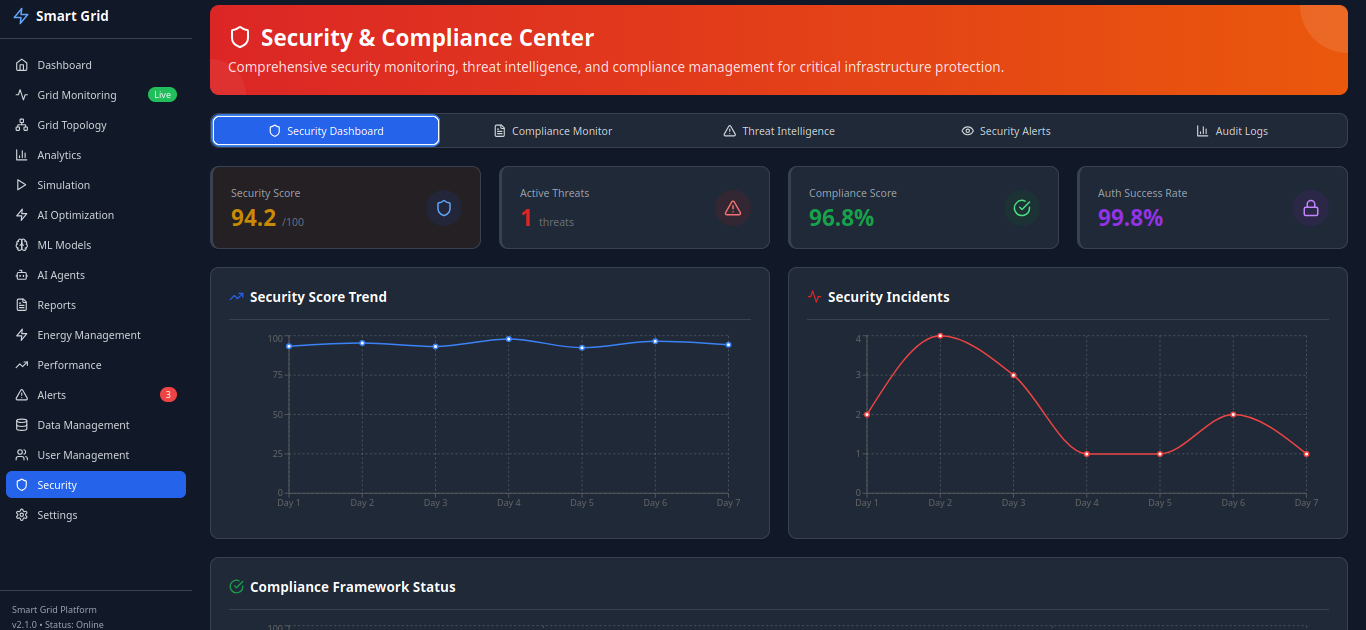
Security & Compliance:
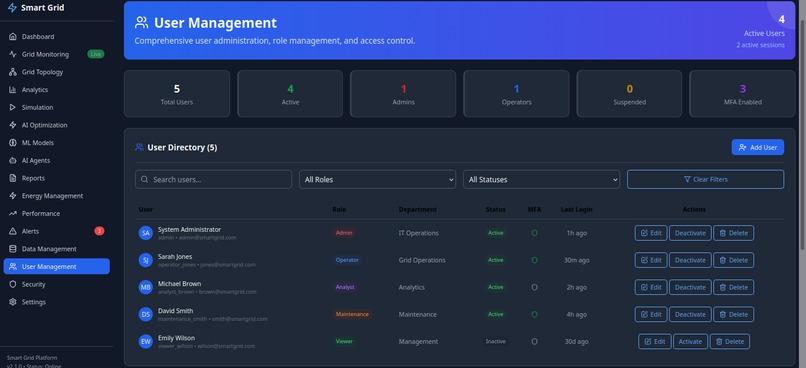
End-to-end encryption, JWT authentication, RBAC enforcement, and audit logging meet industrial compliance (GDPR/NERC CIP).
Scalable UI/UX:
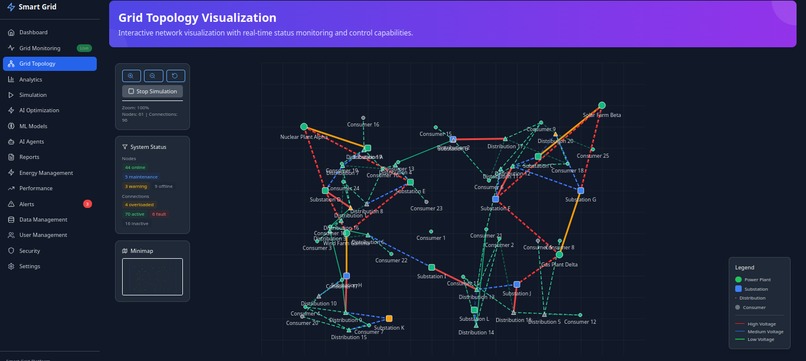
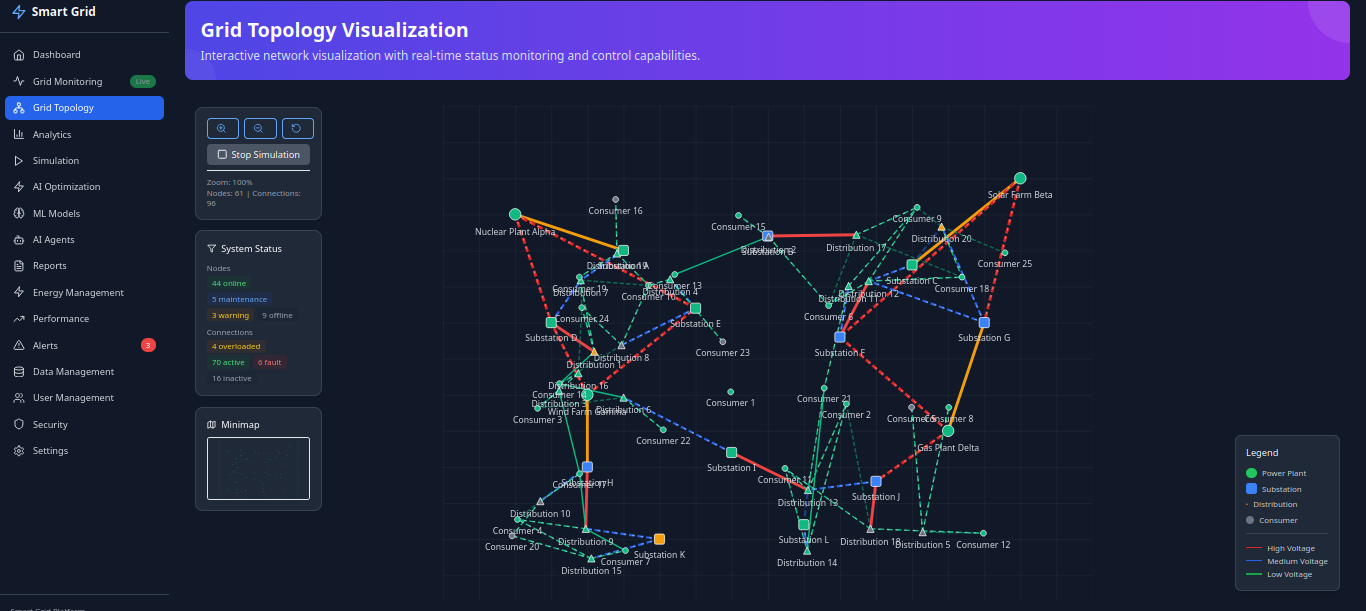
Responsive React + TypeScript frontend with Recharts analytics, 3D grid visualization, and Framer Motion animations.
🏗️ How We Built It 🖥️ Frontend
- Framework: React 18 + TypeScript + Vite
- State Management: Zustand for atomic, reactive global state
- Styling: TailwindCSS + shadcn/ui components for elegant responsiveness
Visualization: 01. Recharts for real-time power analytics 02. Lucide React for icons 03. Framer Motion for fluid UI transitions
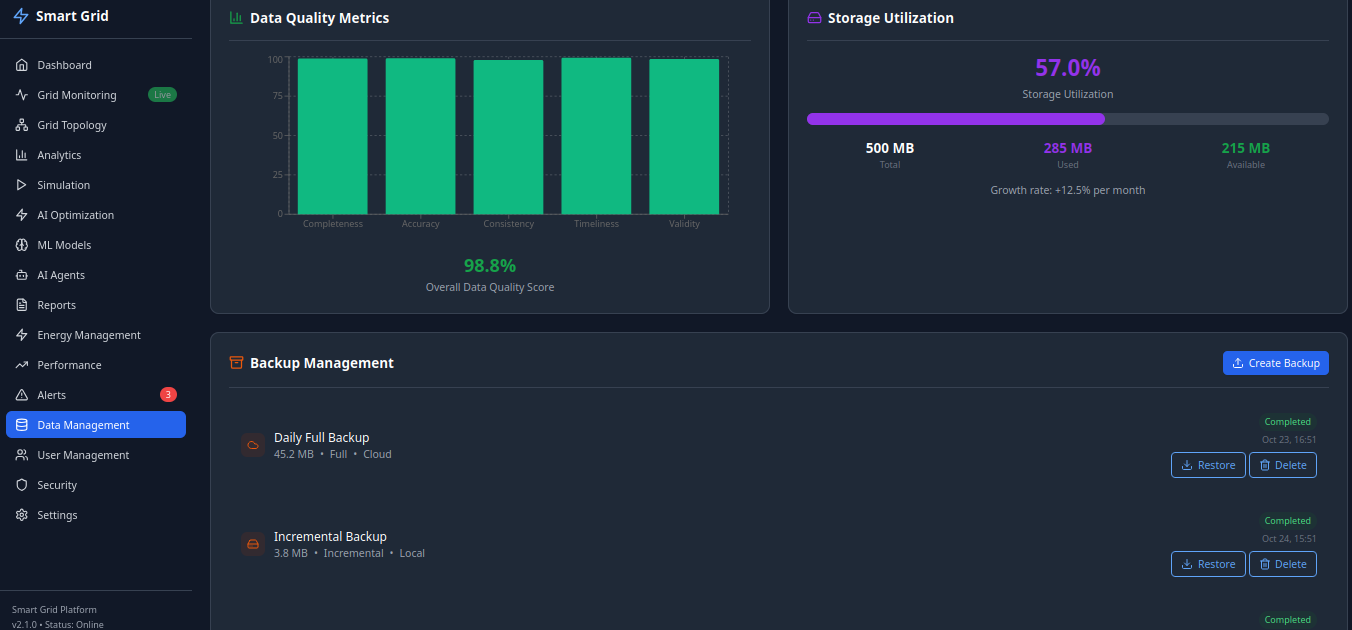
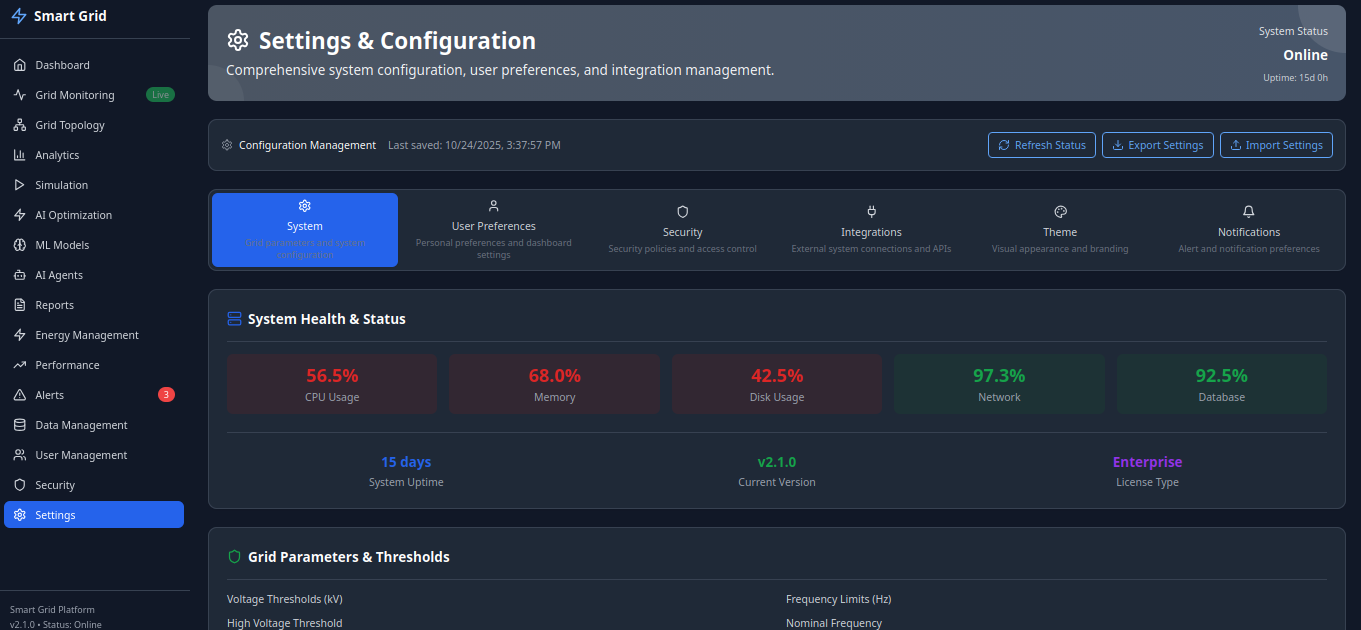
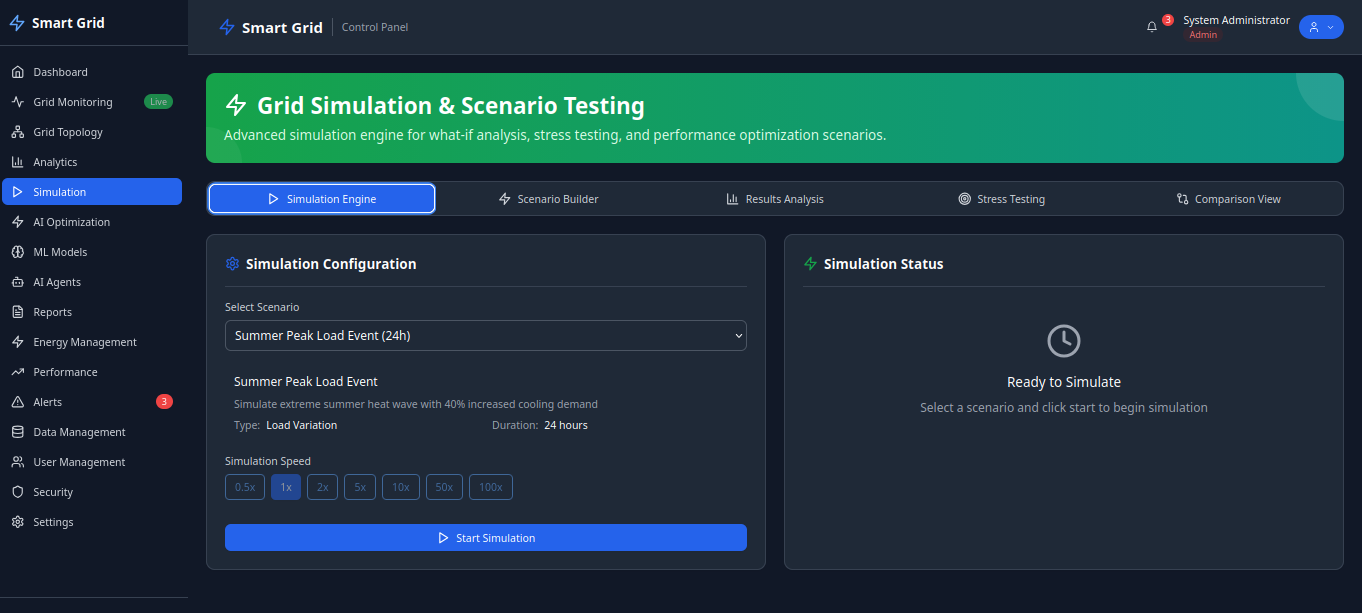
Core Pages: Dashboard, Grid Monitoring, Analytics, Optimization, Simulation, Reports, AI Agents, and Settings
Data Handling: REST + WebSocket connections to backend APIs for live updates
⚙️ Backend
- Framework: Node.js + Express + Socket.io
- AI & Analytics:
- Vertex AI for predictions and recommendations
- Elastic hybrid search for conversational insights
- BigQuery for data analysis
- Fivetran Integration: Automated pipelines move raw IoT energy data into BigQuery for AI model consumption.
- Security: JWT-based authentication, RBAC, bcrypt password hashing, Helmet, and CORS protection
- Architecture: Microservice-ready backend serving 59+ REST endpoints for analytics, monitoring, optimization, and AI workflows
☁️ Cloud Infrastructure
- Hosting: Netlify
- Database: Supabase (PostgreSQL layer) + BigQuery for analytics
- Data Pipelines: Fivetran → BigQuery → Vertex AI
- Observability: Structured logging with Winston and error monitoring via Cloud Logging
- DevOps: Dockerized builds, CI/CD ready, environment separation via .env configurations handled on backend only
🔬 Challenges I Faced
Real-Time Scalability: Managing sub-second updates from multiple simulated grid nodes while maintaining smooth UI rendering.
AI Workflow Integration: Seamlessly connecting Elastic’s hybrid search and Google Gemini’s natural language summarization with Vertex AI models.
Data Pipeline Synchronization: Building a unified ingestion layer using Fivetran to push multi-source IoT data into BigQuery without schema drift.
Security & Compliance: Designing a secure architecture with role-based access control, API encryption, and audit logging suitable for critical infrastructure.
Cross-Team Development: Coordinating backend, frontend, and AI logic integration under one cloud-ready architecture within hackathon timelines.
🏅 Accomplishments We’re Proud Of
- Built a fully functional full-stack Smart Grid Management System with modular architecture.
- Achieved real-time visualization and AI-powered optimization integrated across Elastic, Fivetran, and Google Cloud Vertex AI.
- Implemented AI Agents capable of natural language interaction for grid analysis and recommendation.
- Delivered sub-second data refresh with scalable WebSocket channels.
- Achieved secure, enterprise-grade compliance for authentication, data privacy, and observability.
📘 What We Learned
- How to design scalable AI microservices that integrate LLMs (Gemini), search engines (Elastic), and pipelines (Fivetran).
- Building real-time, cloud-native systems with distributed state management between frontend and backend.
- Applying predictive AI models to energy optimization using Vertex AI and data-driven analytics.
- Orchestrating cross-cloud services through well-structured REST APIs and secure CI/CD deployments.
- Balancing performance, scalability, and data compliance in critical infrastructure systems.
🚀 What’s Next
🔄 Full Edge Integration: Move optimization logic to edge nodes for low-latency grid decisions.
🤖 Autonomous AI Agents: Enable self-healing grid actions through continuous Gemini and Vertex AI feedback loops.
🌐 Enhanced Hybrid Cloud: Deploy multi-region instances with live failover and distributed analytics.
🧠 RAG & Knowledge Graphs: Incorporate Retrieval-Augmented Generation (RAG) to explain AI decisions transparently to operators.
⚡ AR/3D Operations Center: Expand 3D grid visualization with WebGL and AR overlays for control room operators.
♻️ Sustainability Expansion: Integrate renewable forecasting (solar, wind, storage) for net-zero energy modeling.
🧮 Technical Insight (with LaTeX)
We use predictive load balancing modeled as an optimization problem: minx ∑i=1n(Pi(x)−Di)2+λ⋅C(x) This equation drives our AI recommendation engine that continually adjusts load distribution to maintain grid stability and efficiency.
🧩 Tech Stack Summary
- Frontend : React, TypeScript, Zustand, Recharts : UI/UX & Visualization
- Backend : Node.js, Express, Socket.io : API & Real-Time Processing
- AI/ML : Vertex AI, Gemini : Predictions & Natural Language Insights
- Search : Elastic Hybrid Search : Conversational Query Intelligence
- Data Pipelines : Fivetran → BigQuery : Automated Ingestion & Analytics
- Database : Supabase (Postgres) : Auth & Structured Data
- Security : JWT, RBAC, Helmet : Compliance & Protection
- Deployment : Google Cloud Run : Serverless Infrastructure
- Monitoring : Winston + Cloud Logging : Observability & Metrics
💬 Final Reflection “AI should not only power our apps — it should power our planet.” Building this project was more than a hackathon — it was an opportunity to reimagine sustainable AI systems for global energy challenges. Through Google Cloud AI, Elastic, and Fivetran, we unlocked a new frontier in AI-accelerated grid intelligence, transforming the way the world sees power.
Built With
- bcrypt
- bigquery
- cors
- css
- elastic
- express.js
- fivetran
- framer
- gemini
- helmet
- jwt
- lucide
- node.js
- rbac
- recharts
- shadcn/ui
- socket.io
- tailwind
- typescript
- vertex
- vite
- zustand

Log in or sign up for Devpost to join the conversation.