1. Use Case Title:
AI-Powered Personalized Tutoring
2. Description :
This use case involves the application of AI-driven tutoring systems like "Khan Academy" and "Coursera" in the education sector. These platforms use AI algorithms to assess students' learning needs and provide tailored content. The target audience includes students of all ages and levels seeking customized learning experiences.
AI Tools: Khan Academy, Coursera
Target Audience: Students from primary school to higher education, as well as adult learners.
3. Tutorial for Use and Best Practices:
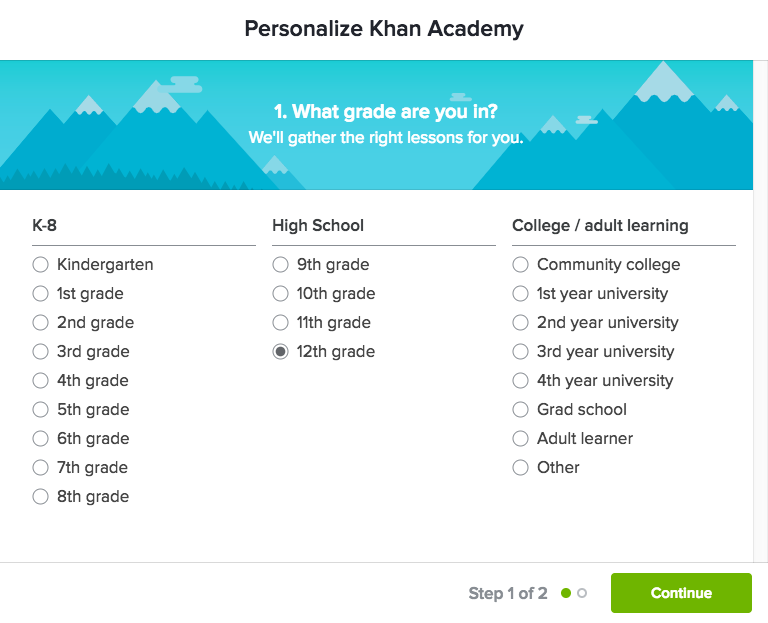
- Step 1: Sign up on Khan Academy or Coursera.
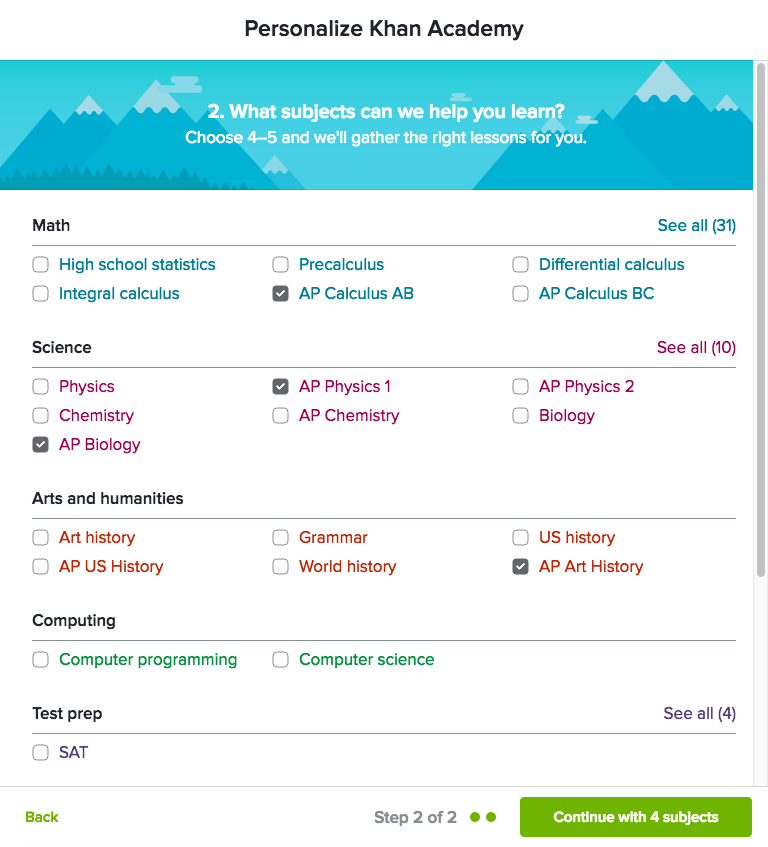
- Step 2: Complete initial assessments to gauge your proficiency.
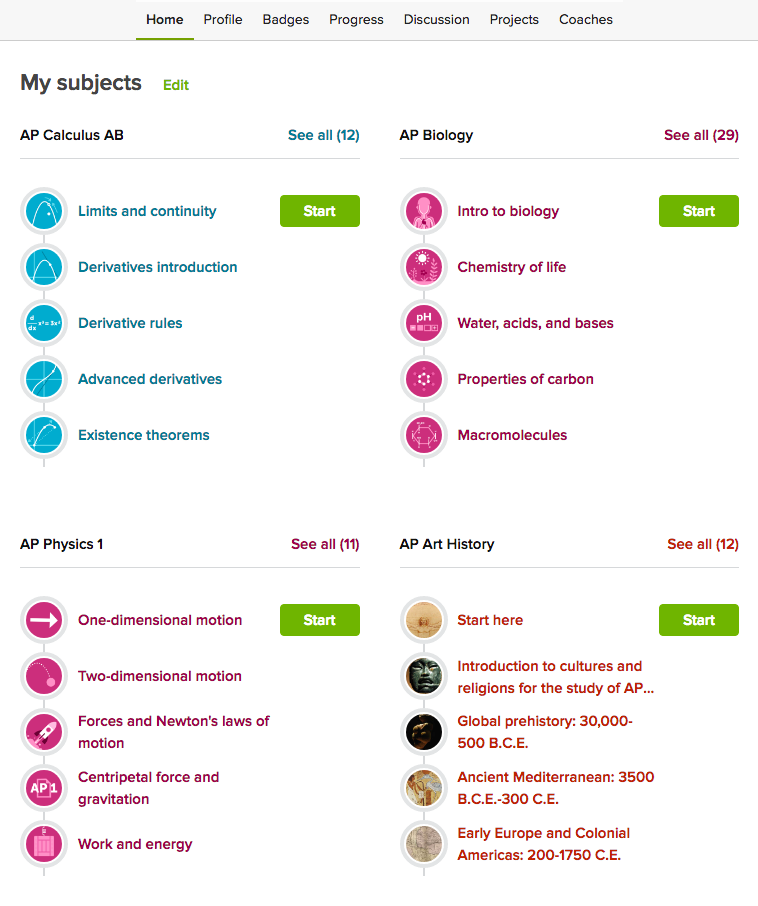
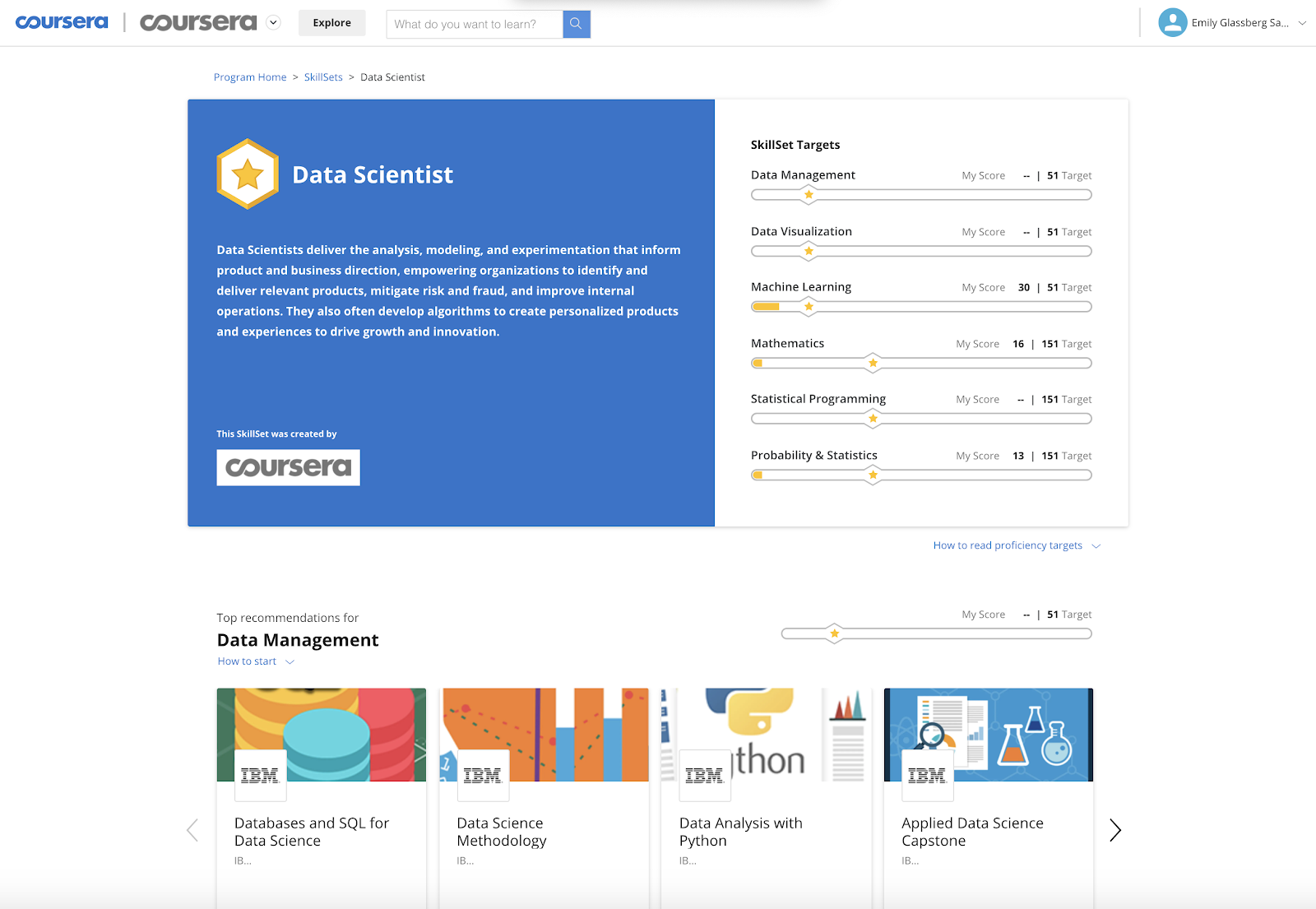
- Step 3: Receive personalized course recommendations.
- Step 4: Engage in lessons, quizzes, and assignments.
- Step 5: Track progress through analytics.
- Best Practices:
- Set specific learning goals.
- Regularly review your learning dashboard.
- Collaborate with peers on discussion forums.
- Seek supplementary resources for deeper understanding.
Extra Resources: refer screenshots of personalized dashboards, and diagrams illustrating adaptive learning pathways included below.
4. Impact on Learning:
- Educational Implications: AI-powered tutoring enhances individualized learning, adapting content to students' needs.
- Affect on Learning: Customized content improves comprehension, engagement, and retention.
- Learning Experience: This use case offers tailored learning paths, fostering a deeper understanding of subjects.
5. Limitations:
- Drawbacks: AI tutoring may lack human interaction, hindering social and emotional development.
- Hindrance in Learning: Overreliance on AI could limit critical thinking and creativity.
- Biases: AI algorithms may perpetuate biases, such as gender or racial biases in content recommendations.
- Validity Assurance: Regularly review AI-generated content for accuracy and relevance.
6. Ethical Consideration:
Ethical considerations in AI-powered personalized tutoring revolve around privacy, algorithmic bias, the potential loss of human interaction, accessibility, transparency, autonomy, accountability, and continuous monitoring. Protecting user privacy, addressing bias in algorithms, ensuring equitable access, and maintaining transparency are key priorities. Balancing the benefits of AI tutoring with these ethical concerns is vital to create a fair and inclusive learning environment.
Built With
- ai
- coursera
- khan-academy

Log in or sign up for Devpost to join the conversation.