-
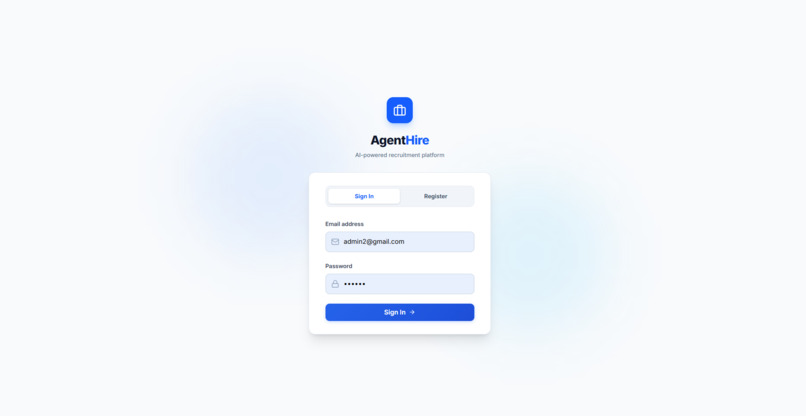
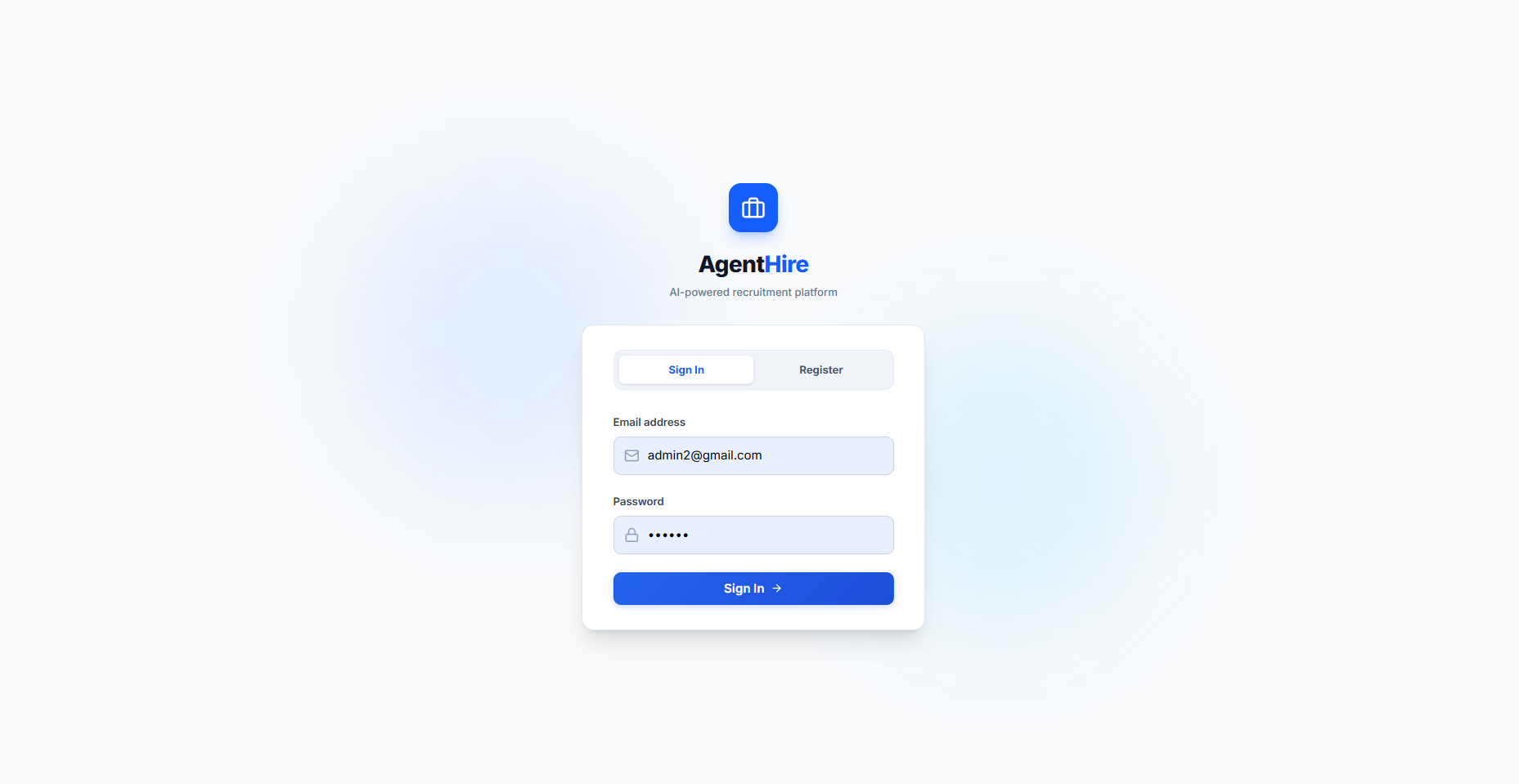
login page
-
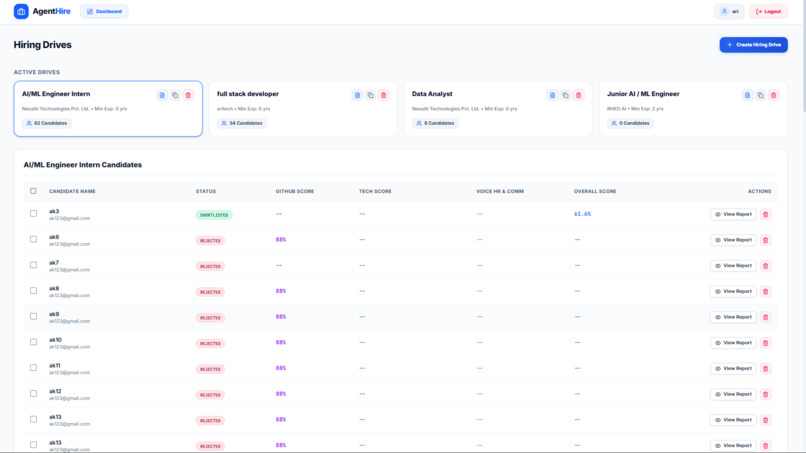
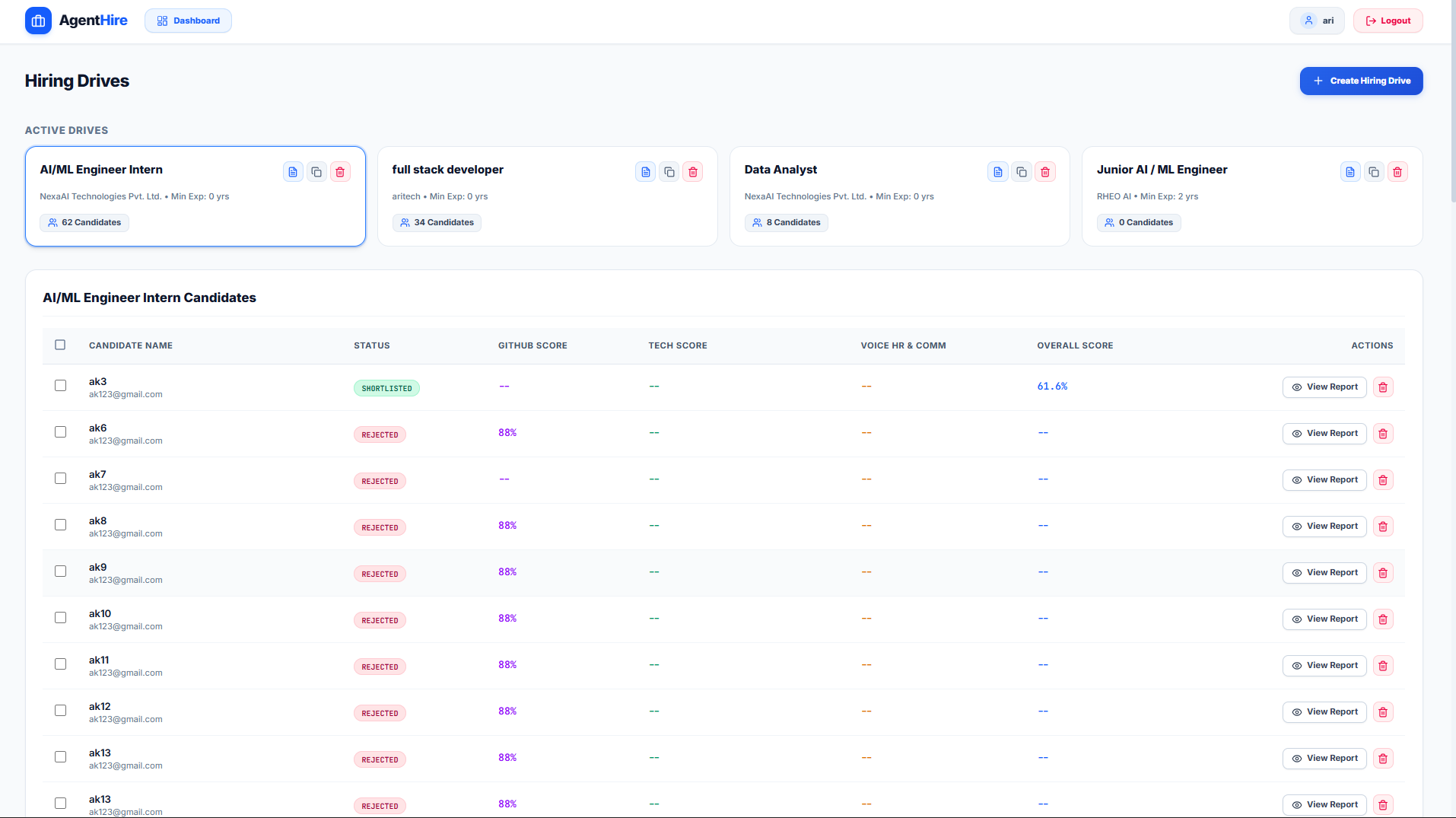
Dashboard
-
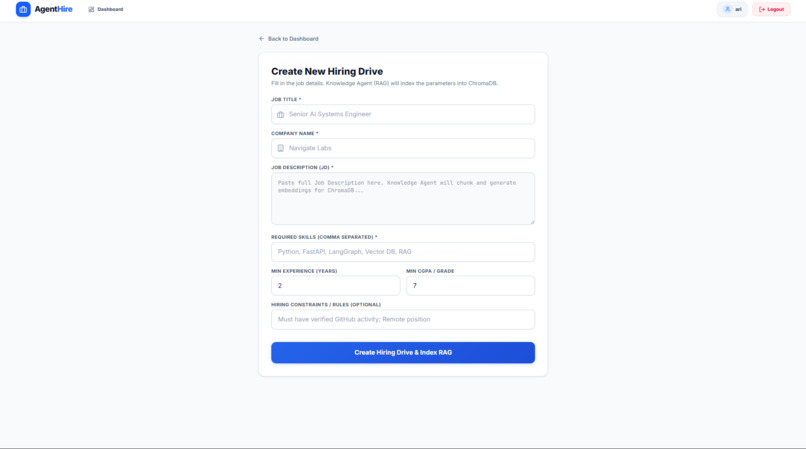
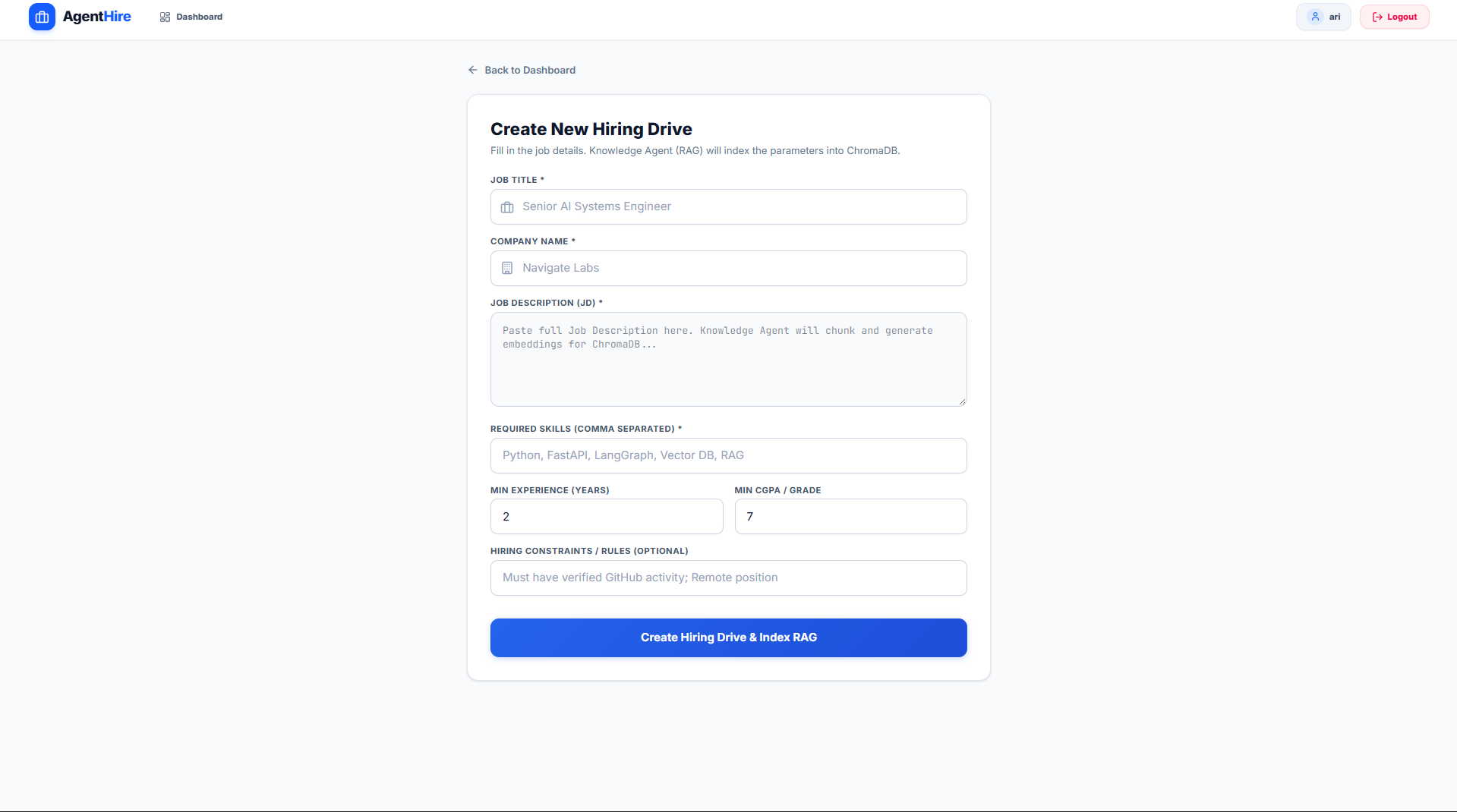
Create Hiring Drive page
-
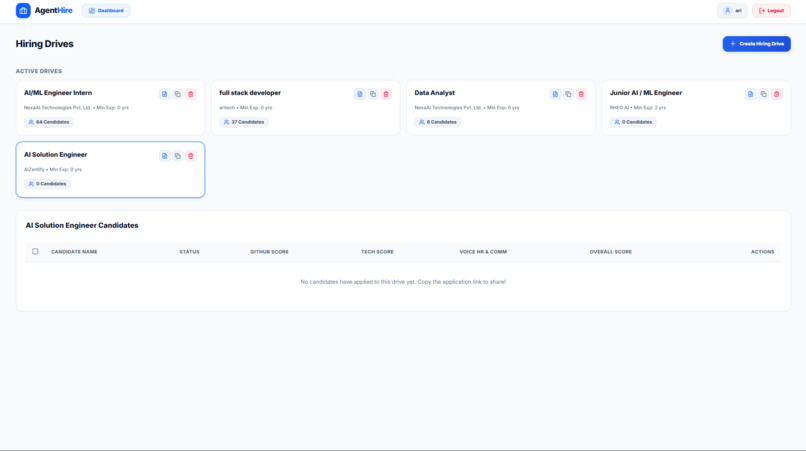
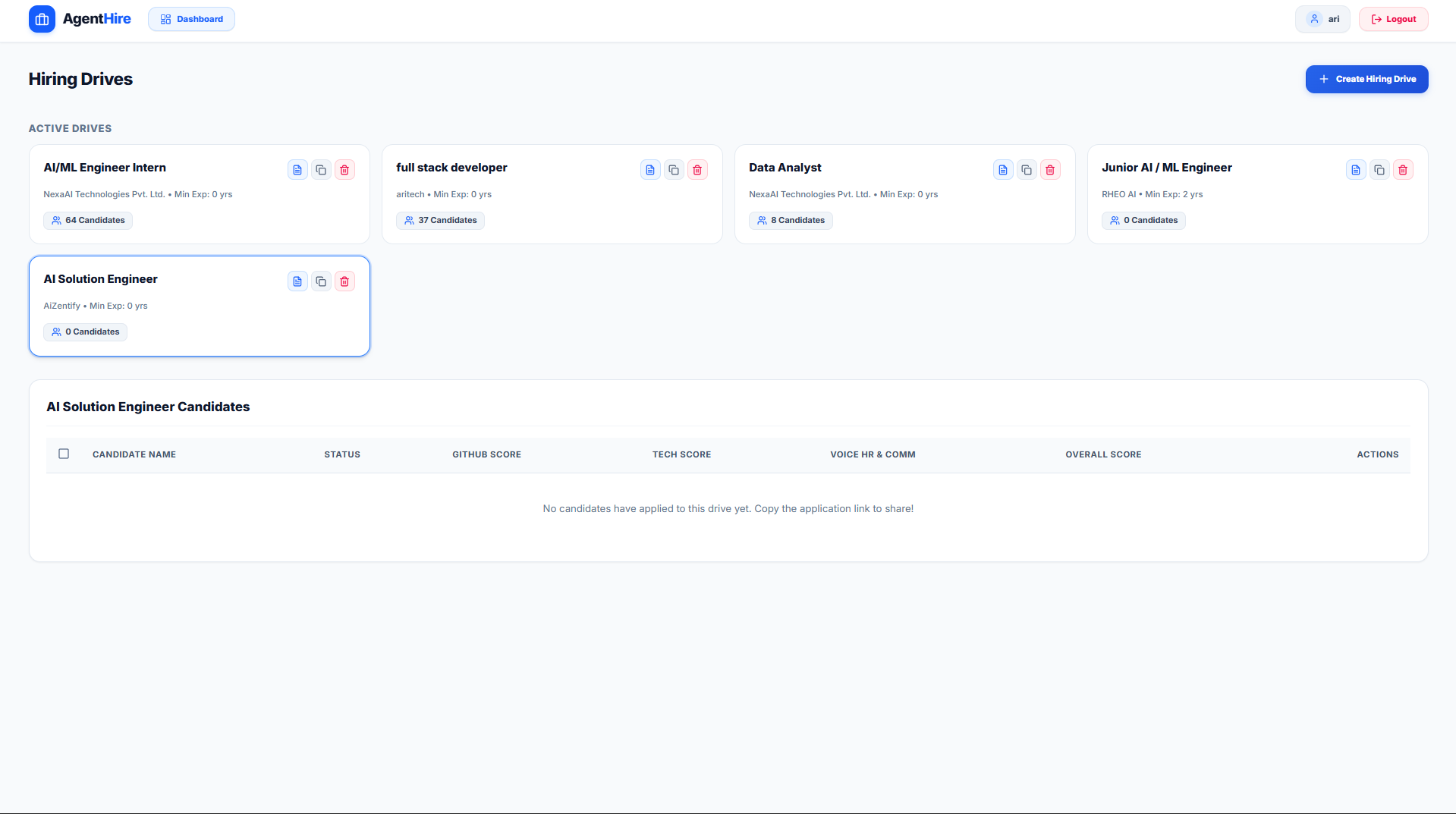
created drive
-
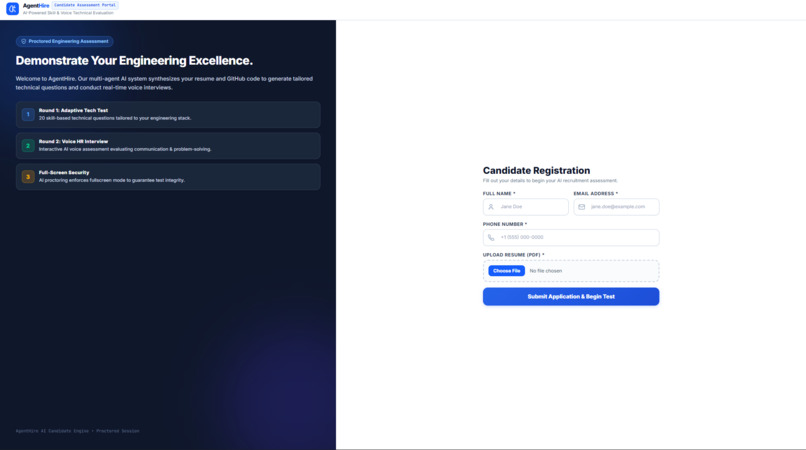
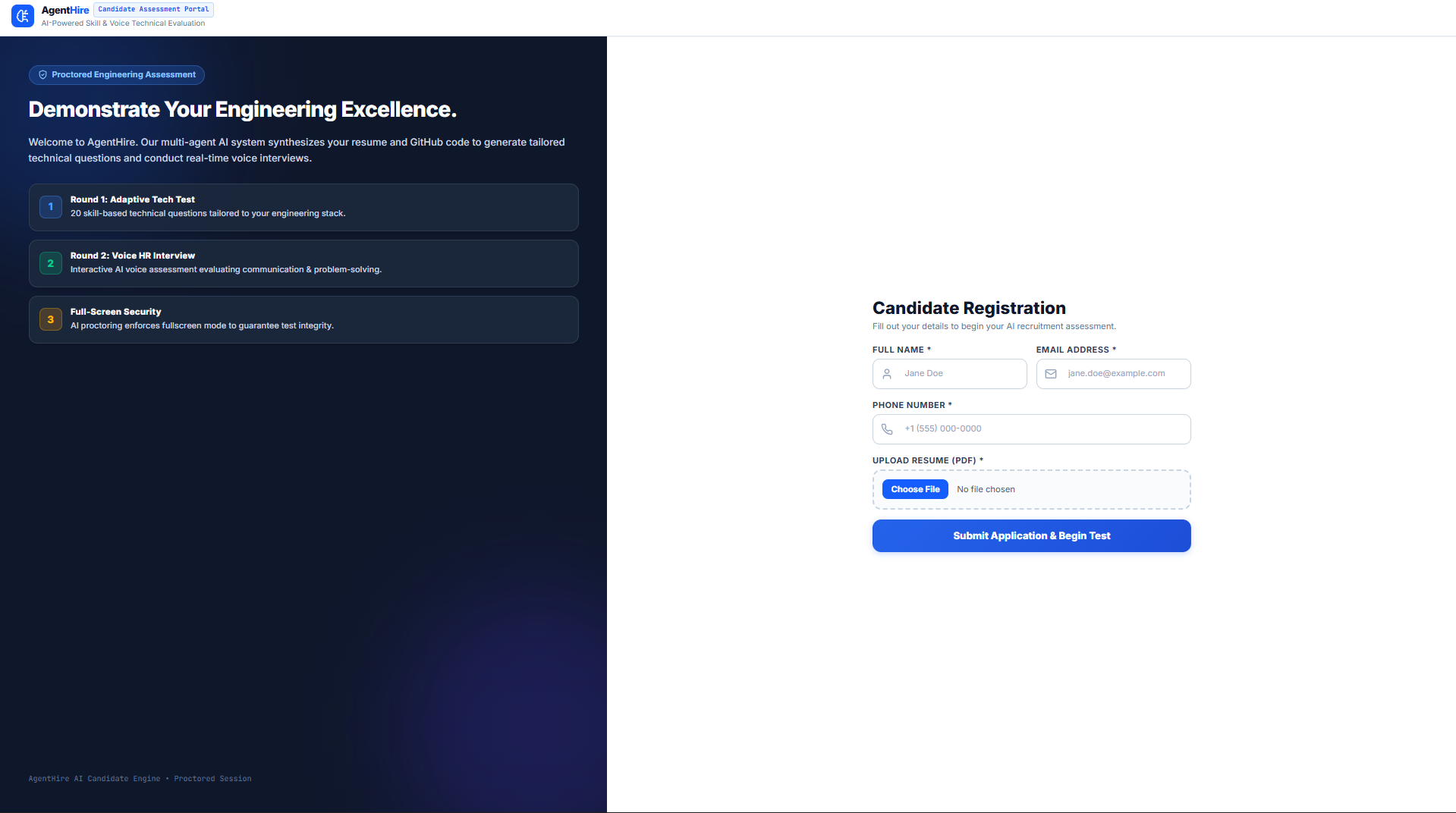
test drive page
-
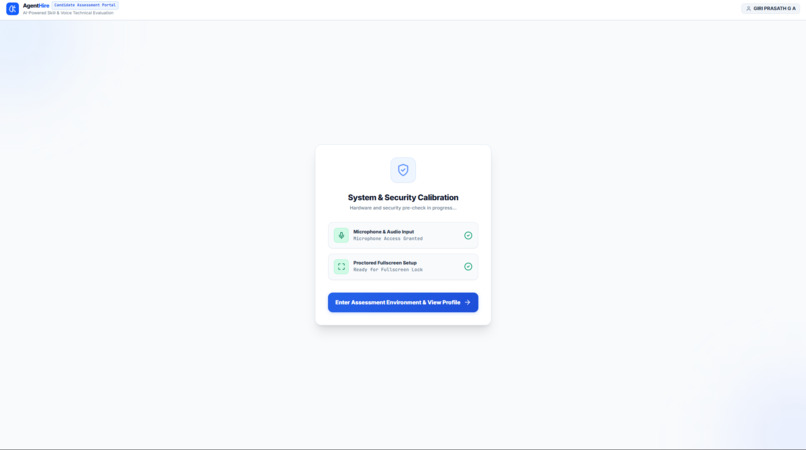
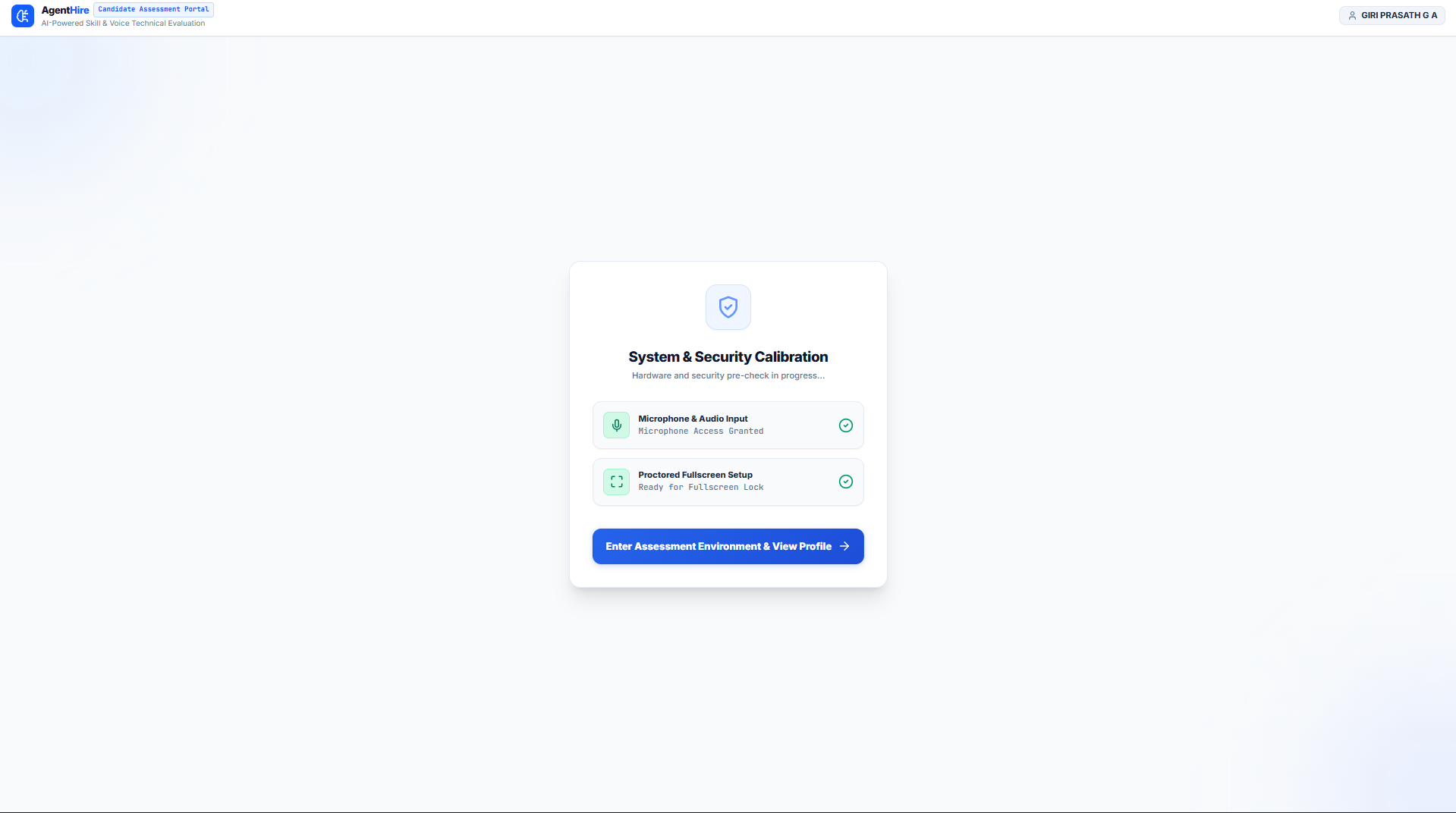
Security calibration page
-
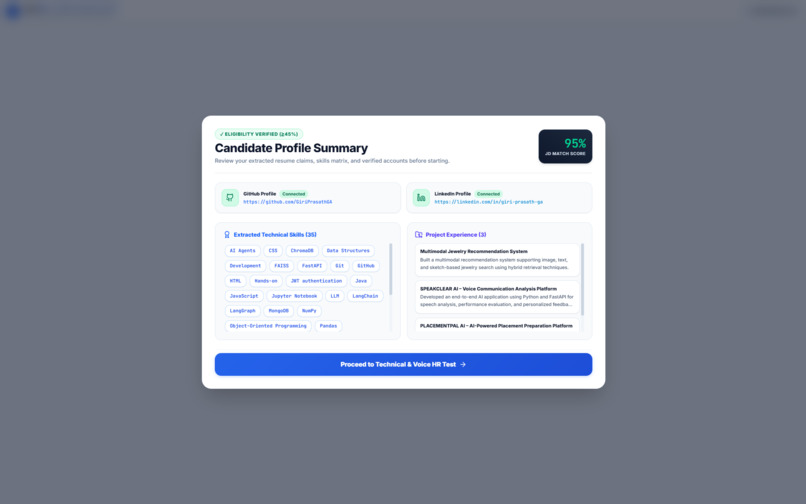
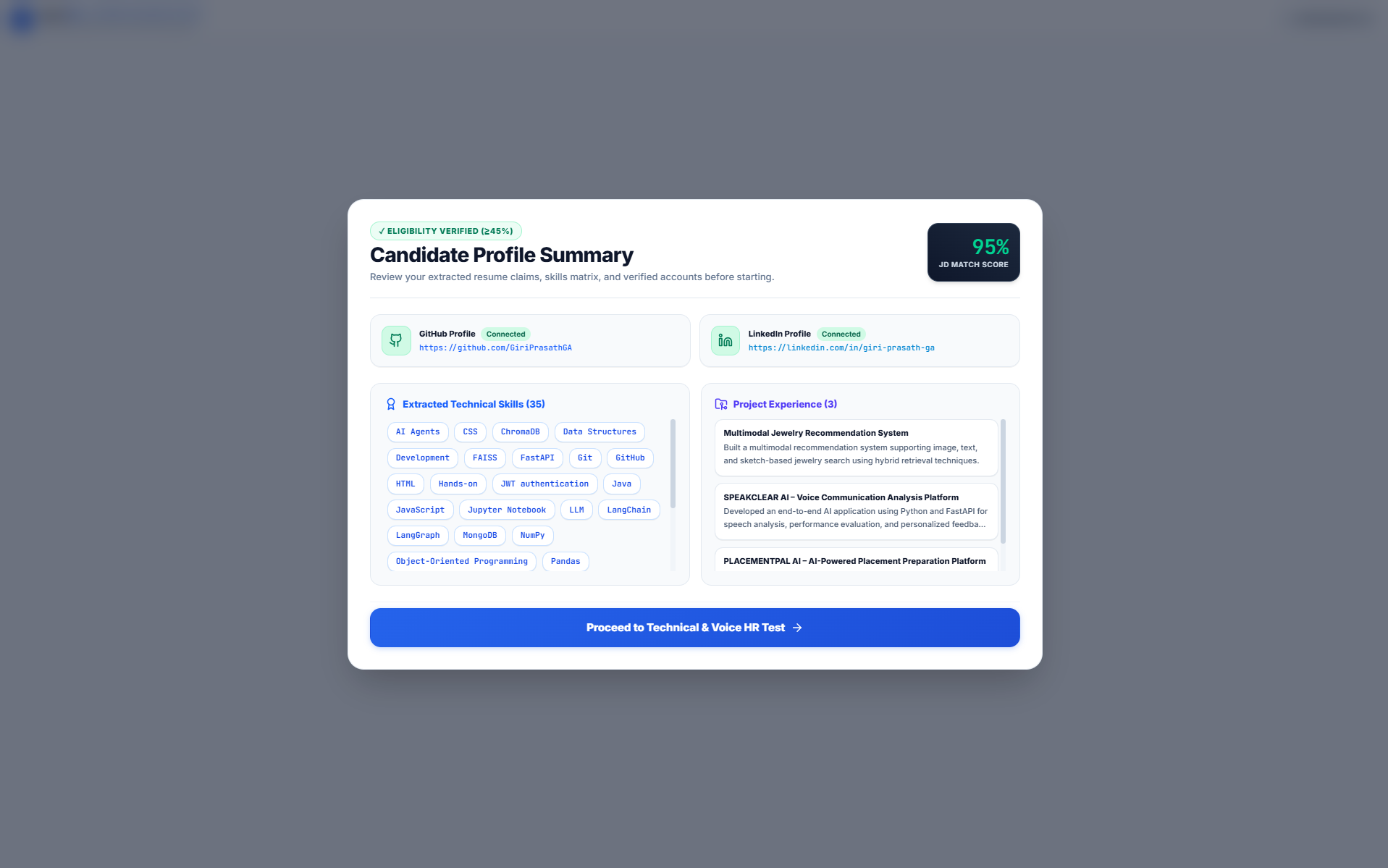
candidate profile summary
-
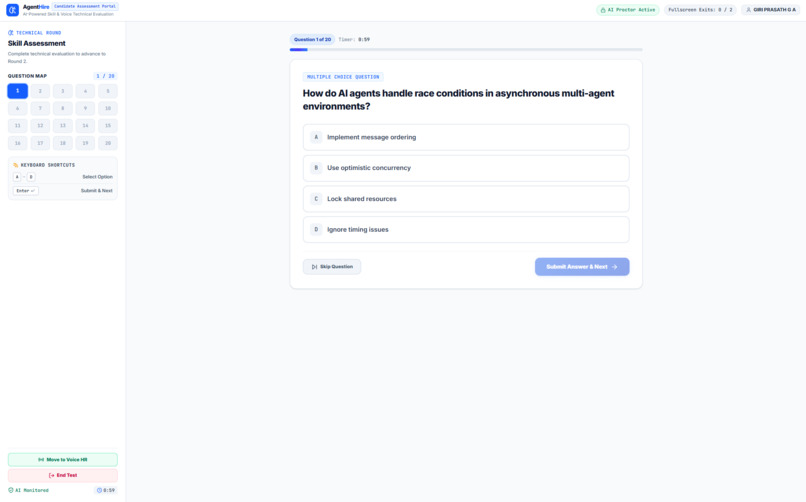
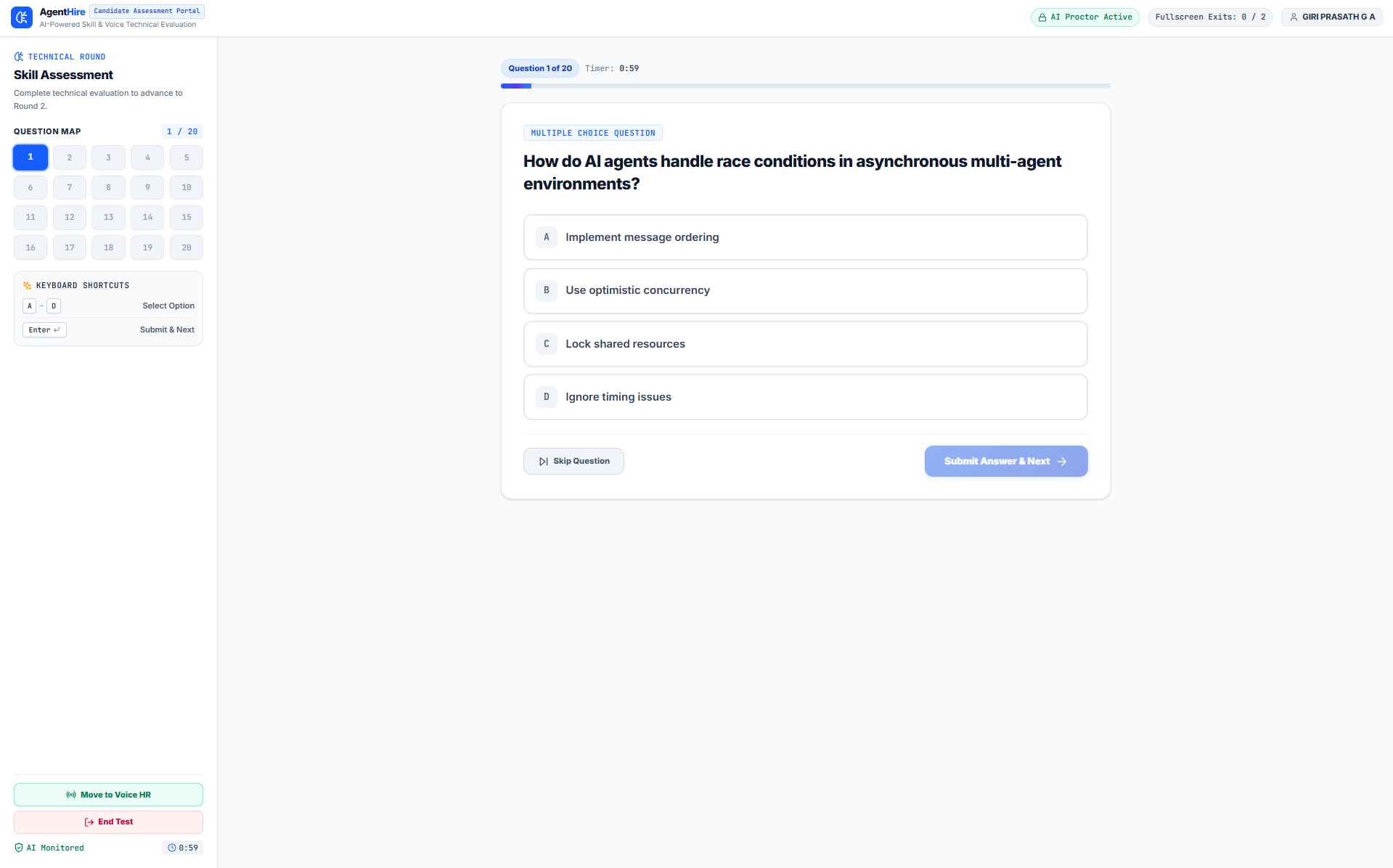
skill assessment
-
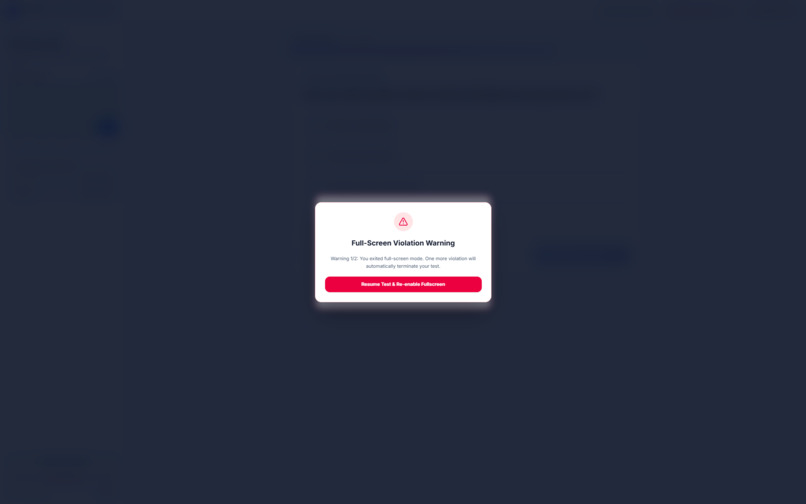
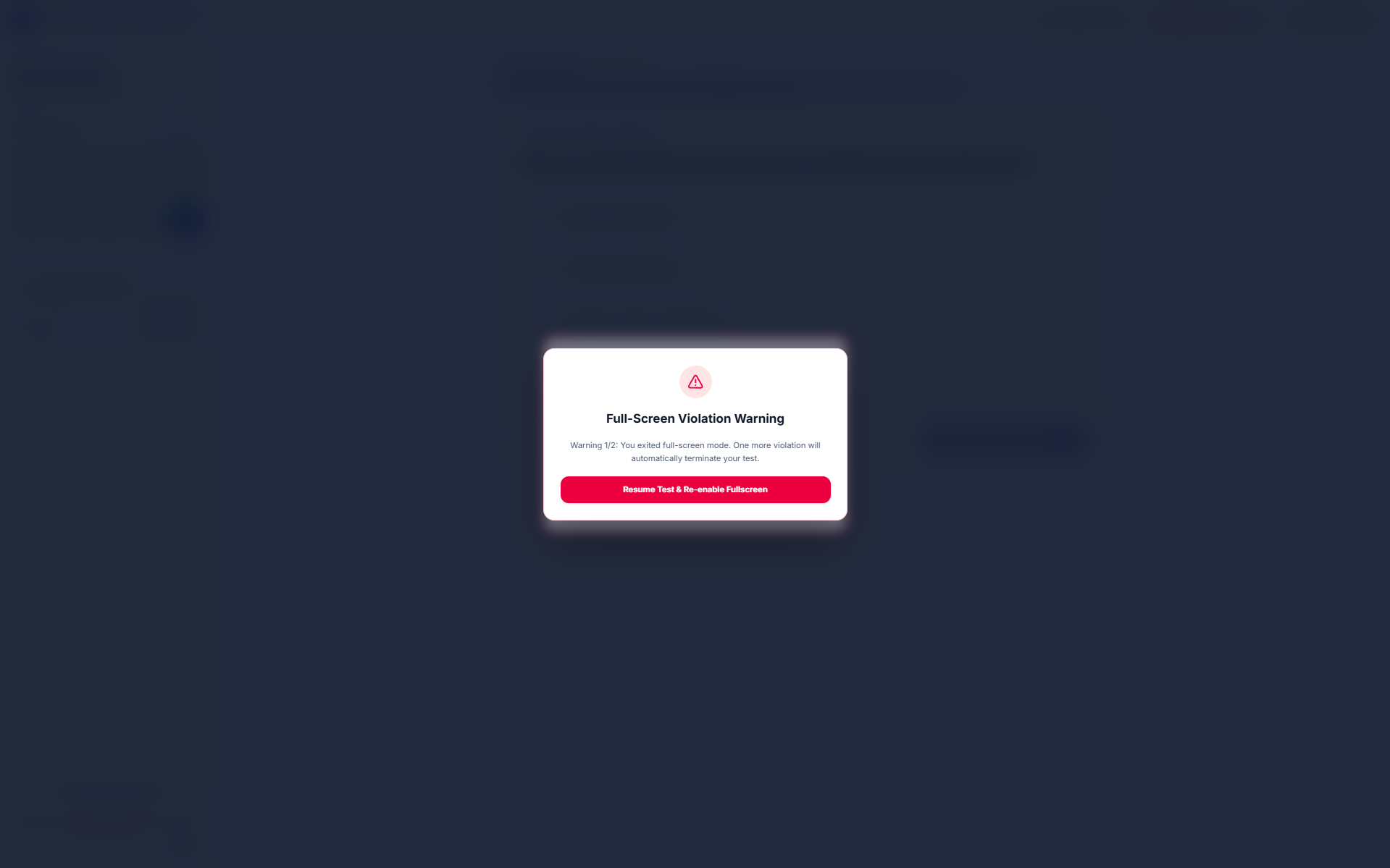
Test Termination page 1
-
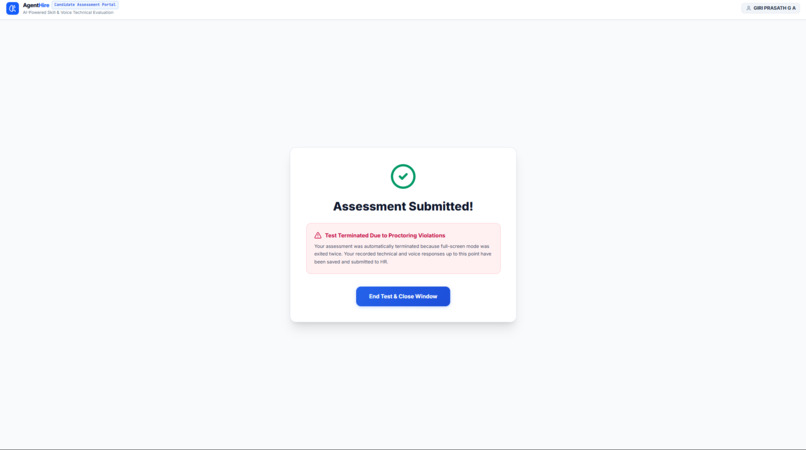
Test Termination page 2
-
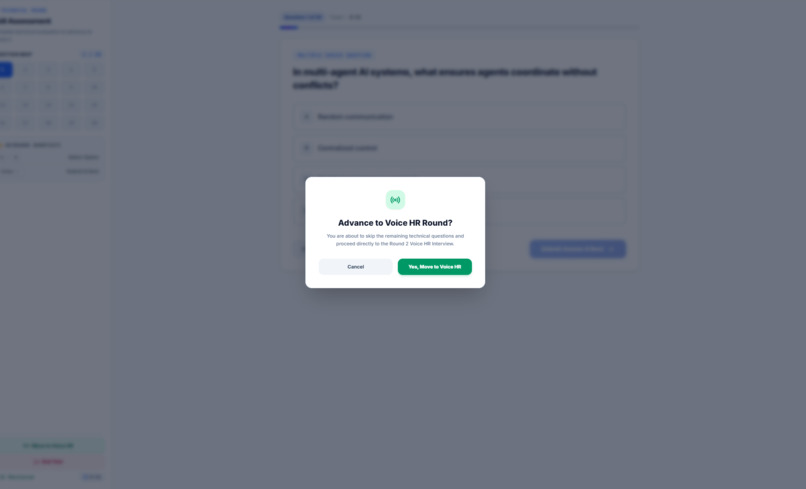
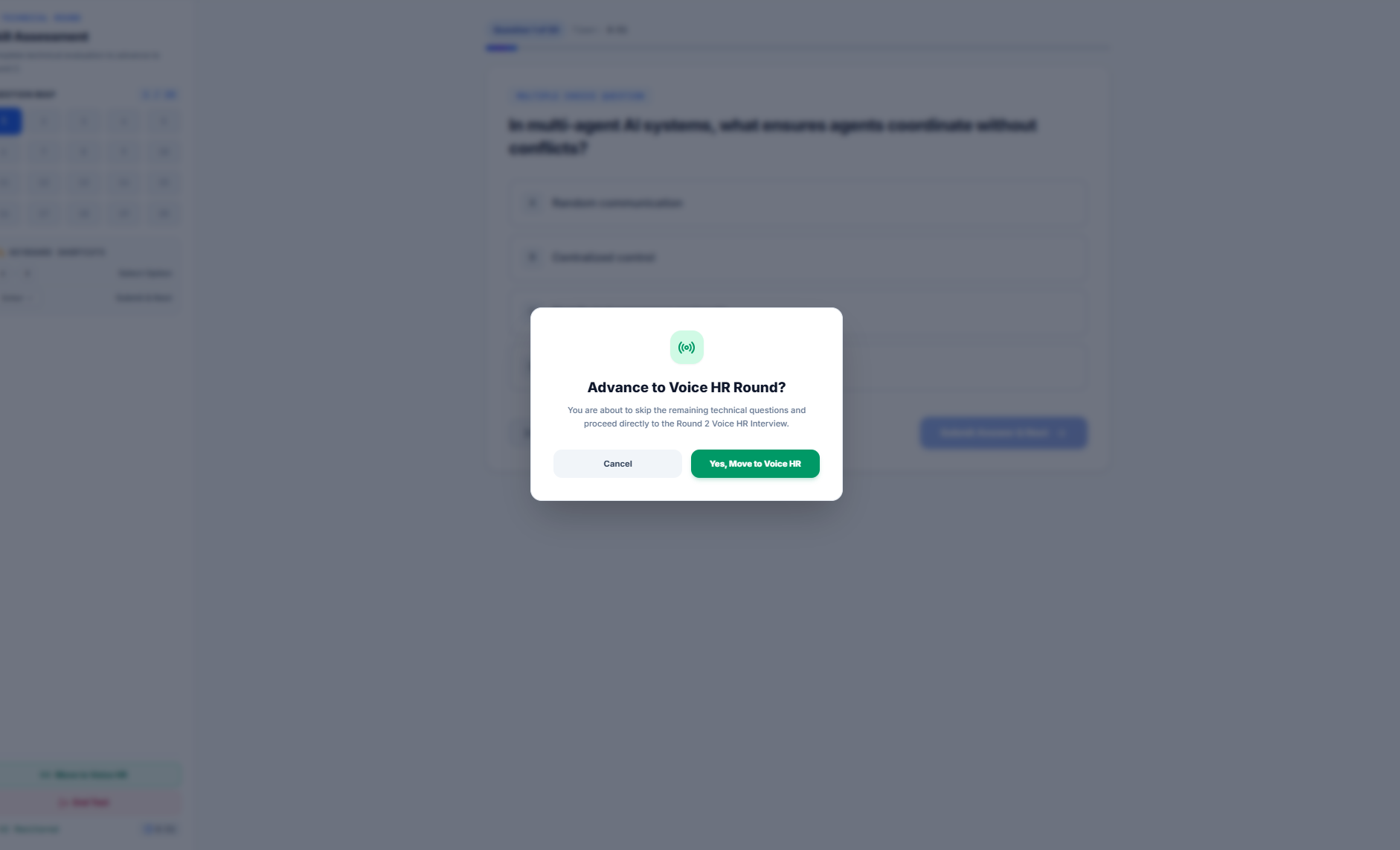
next voice HR round
-
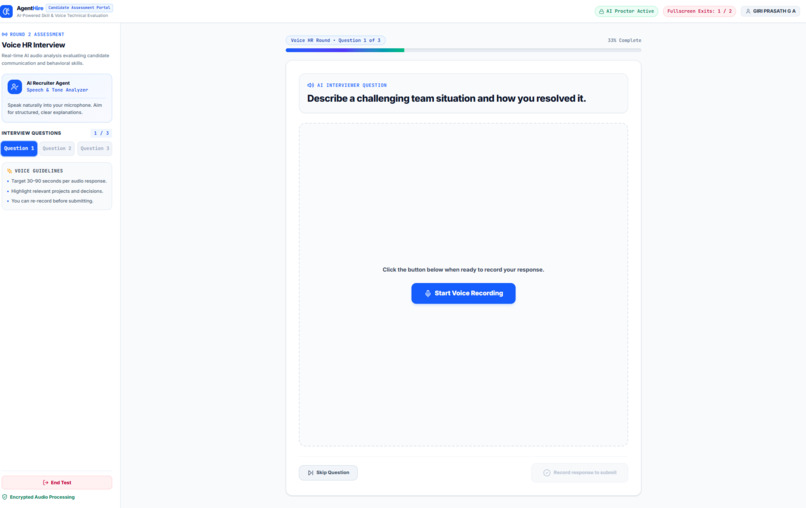
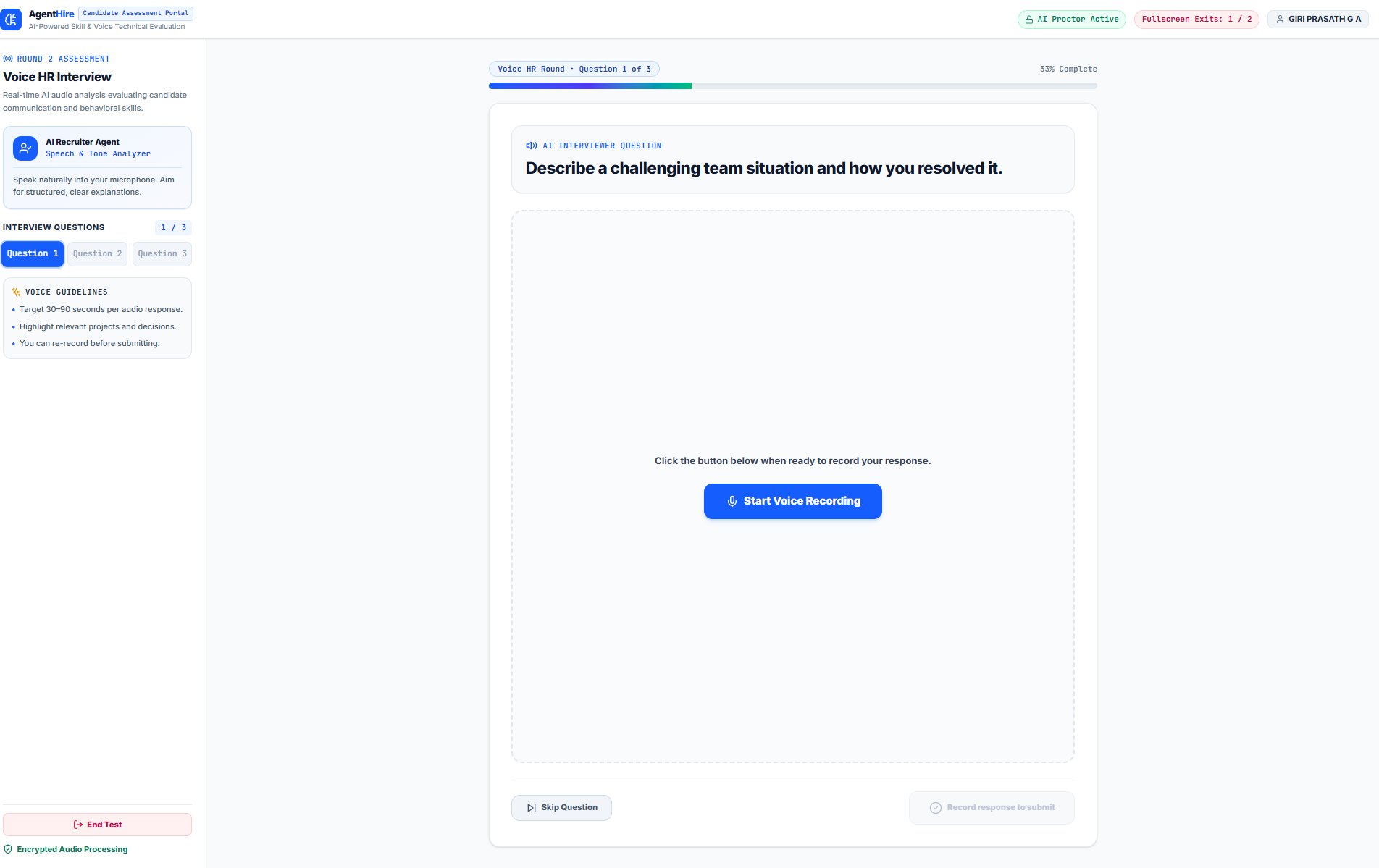
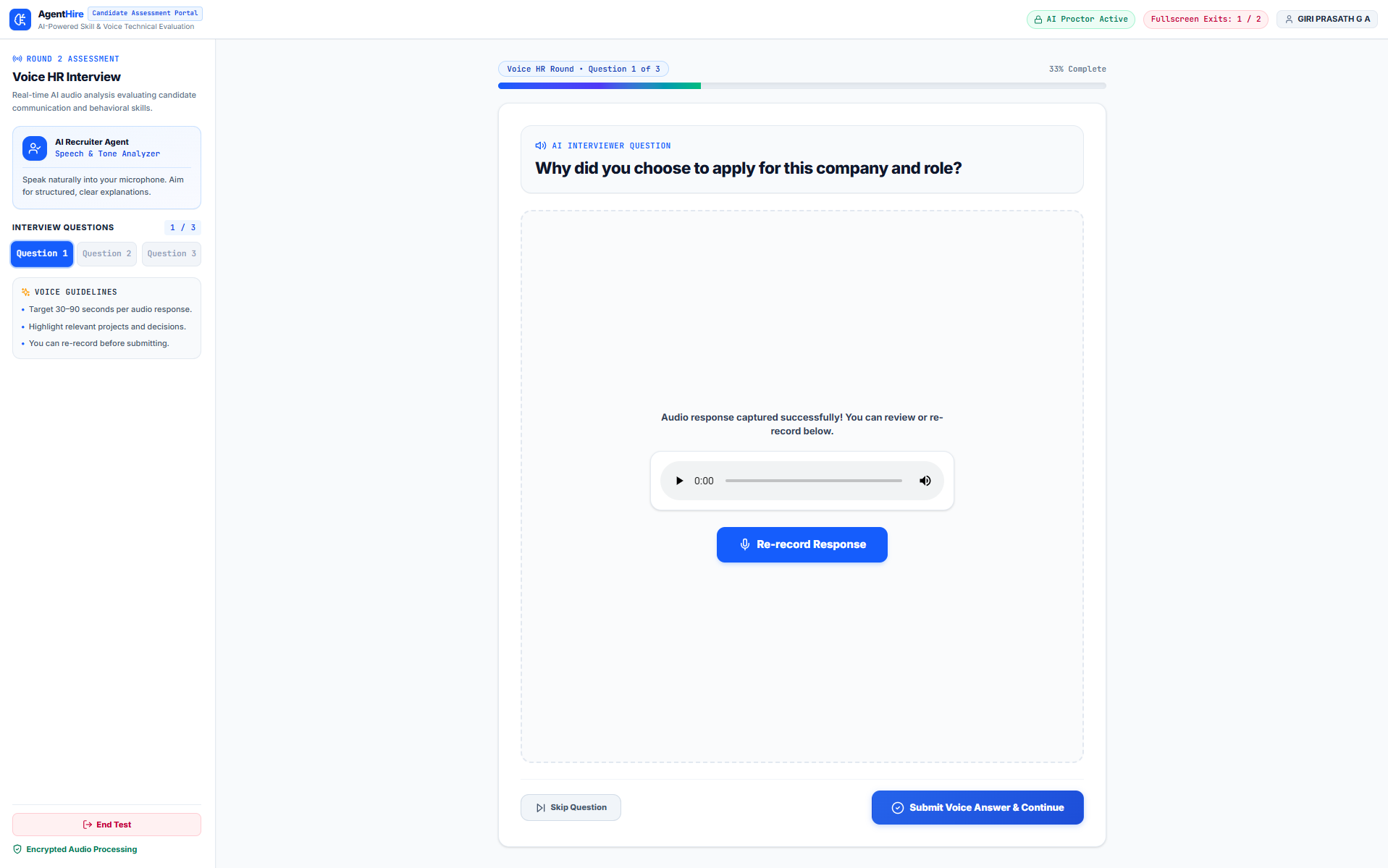
Voice HR interview
-
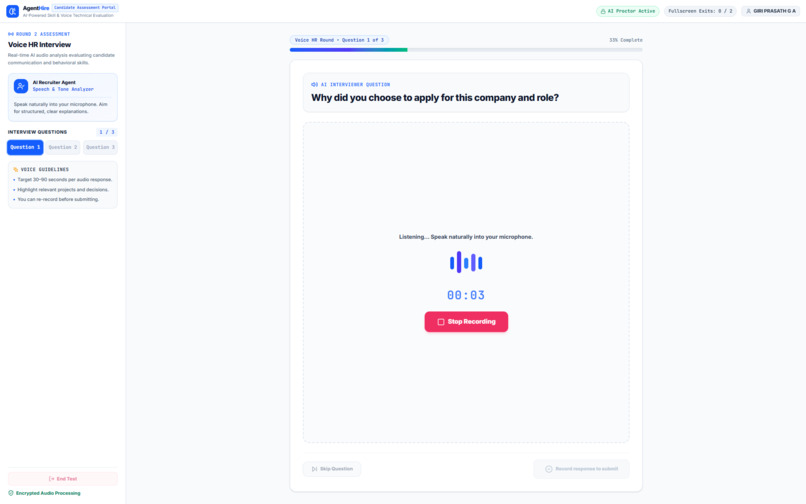
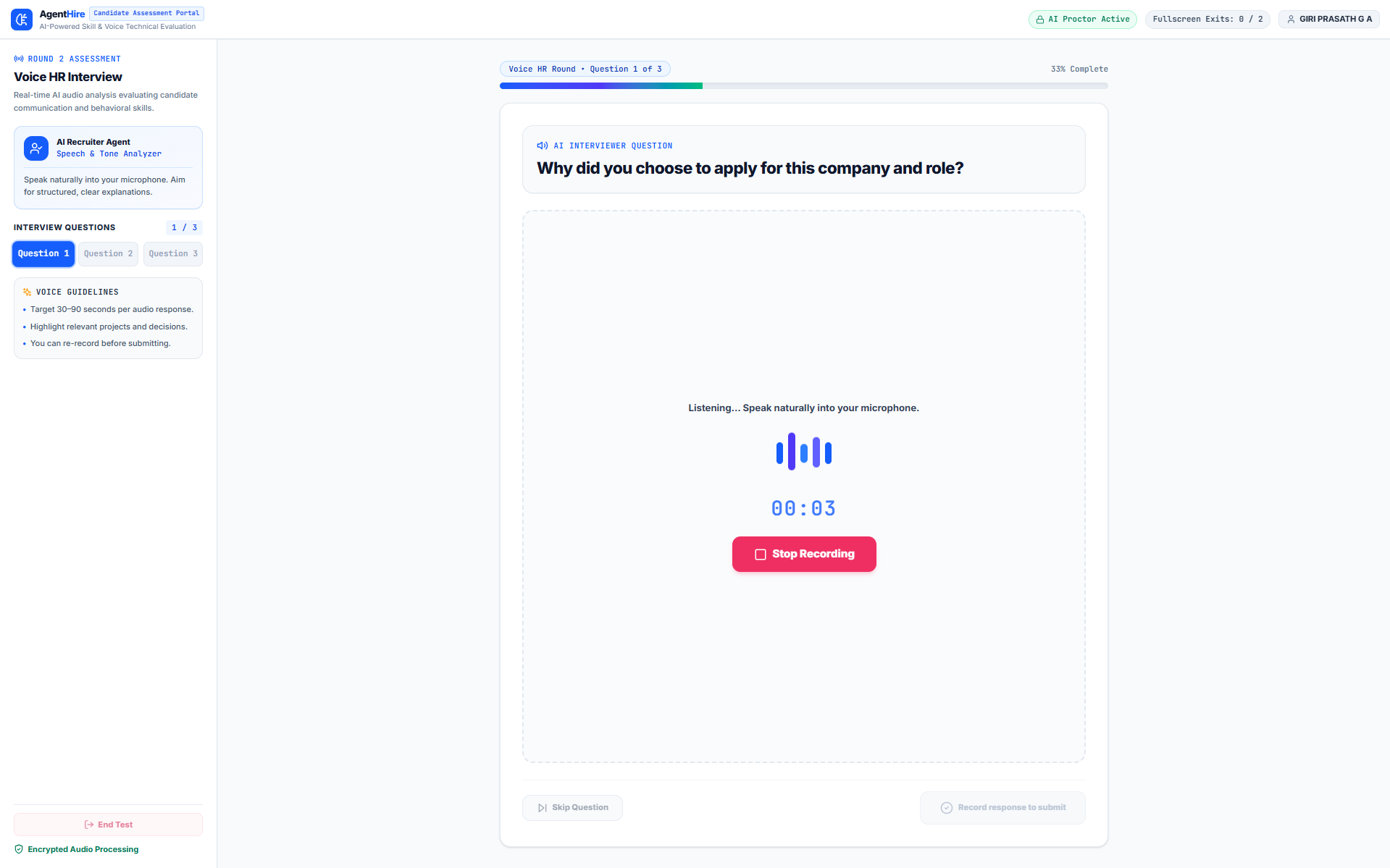
voice recording
-
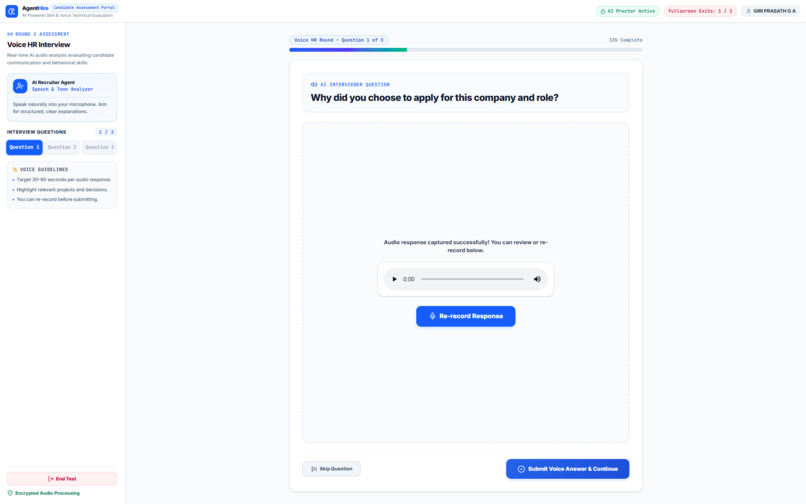
voice recording reviews
-
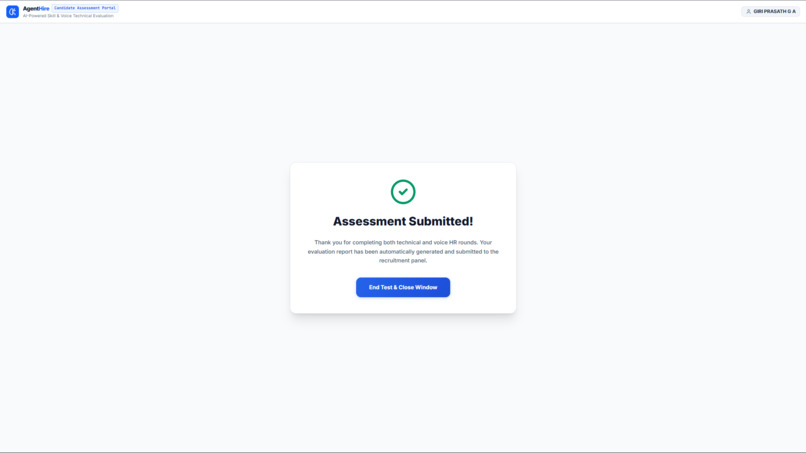
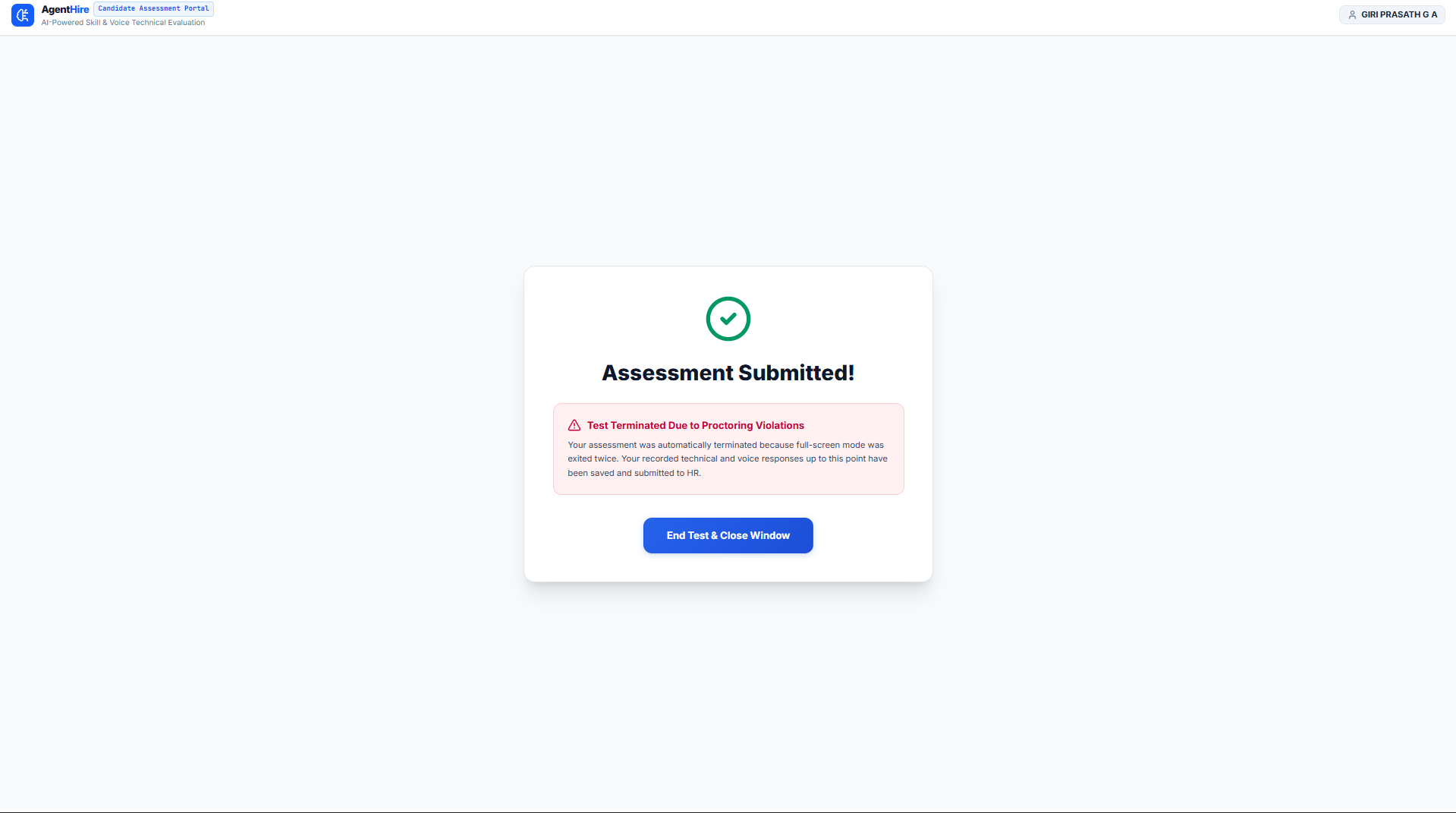
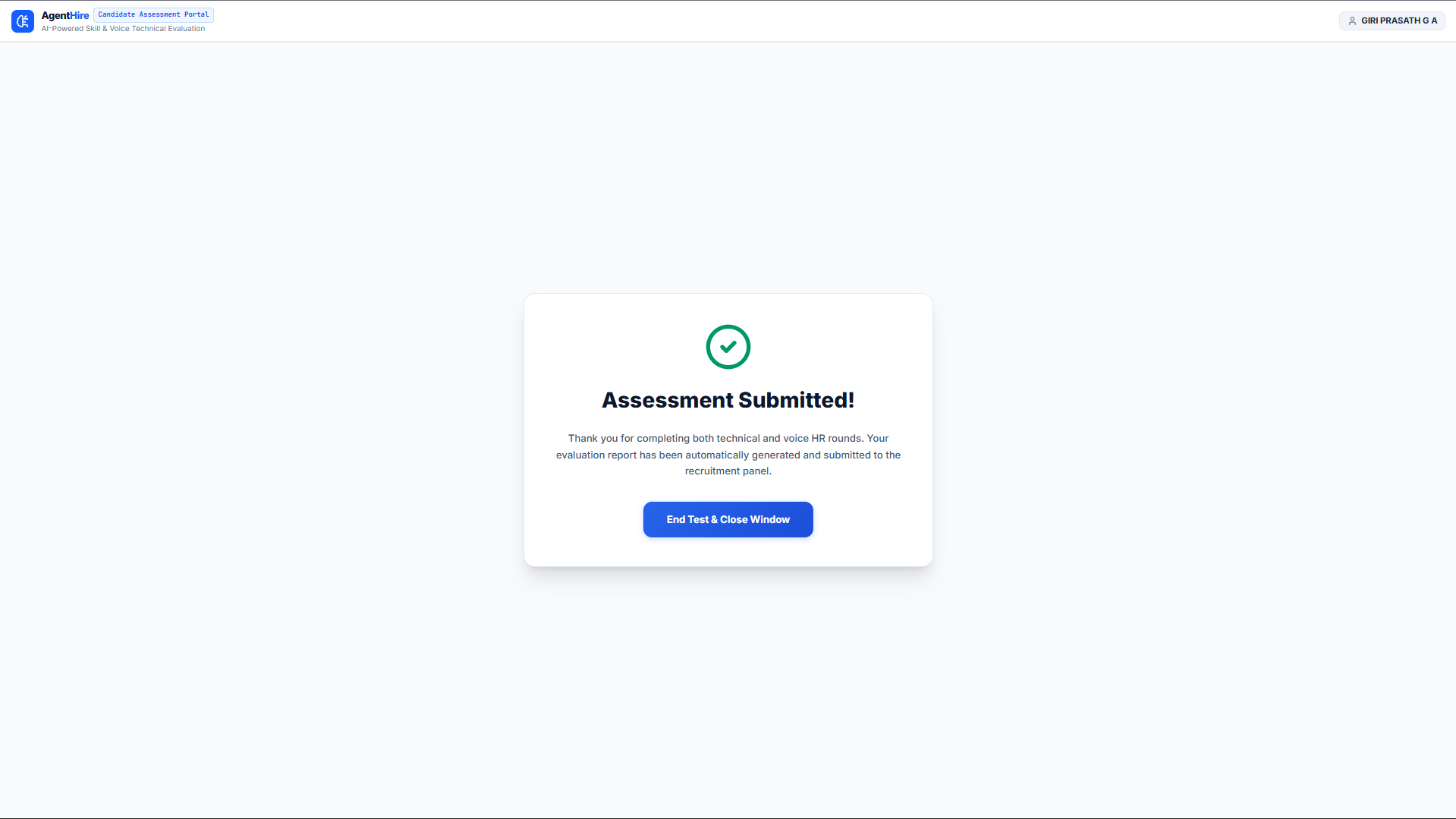
assessment submitted
Inspiration
Recruitment involves many repetitive and time-consuming tasks such as screening resumes, matching candidates with job requirements, conducting interviews, evaluating performance, and communicating with candidates.
We wanted to explore how multiple AI agents could collaborate to automate these stages instead of relying on a single AI system. This inspired us to build an AI-powered recruitment platform that makes candidate evaluation more intelligent, efficient, and consistent.
What it does
The AI-Powered Multi-Agent Recruitment Platform automates key stages of the recruitment process through specialized AI agents.
- Resume Intelligence Agent — Extracts candidate skills, experience, education, and other relevant information from resumes.
- Knowledge Agent — Performs semantic candidate-to-job matching using embeddings, vector search, and RAG.
- Interview Agent — Conducts adaptive AI interviews and adjusts questions based on candidate responses.
- Decision Agent — Evaluates candidate information and interview performance to generate hiring scores and recommendations.
- Engagement Agent — Handles candidate communication and recruitment updates.
- Memory Agent — Maintains relevant information across interactions and workflow stages.
Together, these agents create an intelligent recruitment workflow from candidate screening to evaluation and hiring recommendations.
How we built it
We built the platform using a full-stack AI architecture.
Frontend:
- React
- Vite
- Tailwind CSS
Backend:
- FastAPI
- Python
- REST APIs
- SQLite
AI & Multi-Agent Layer:
- LangGraph for stateful agent orchestration
- LangChain for LLM workflows
- LLM-based reasoning and generation
- RAG for contextual information retrieval
Search & NLP:
- ChromaDB for vector storage
- Sentence Transformers for semantic embeddings
- spaCy for NLP and entity extraction
- PyMuPDF for resume document processing
The agents are connected through a stateful workflow where information produced by one agent can be passed to the next stage for further processing and decision-making.
Challenges we ran into
One of our biggest challenges was coordinating multiple AI agents while maintaining consistent state throughout the recruitment workflow.
We also faced challenges in:
- Extracting structured information from different resume formats.
- Performing meaningful candidate matching beyond simple keyword searches.
- Designing an interview agent capable of adapting questions based on responses.
- Maintaining consistent information between different agents.
- Integrating AI workflows with the FastAPI backend and React frontend.
- Designing a reliable candidate scoring and recommendation process.
Accomplishments that we're proud of
We are proud of successfully designing a multi-agent recruitment workflow where different specialized agents collaborate instead of performing all tasks through a single AI model.
Our key accomplishments include:
- Building a modular multi-agent architecture.
- Implementing semantic candidate-to-job matching.
- Integrating RAG and vector search for recruitment intelligence.
- Designing adaptive AI interview workflows.
- Creating automated candidate evaluation and hiring recommendations.
- Connecting the AI agents with a full-stack web application.
- Creating a unified platform covering multiple stages of the recruitment lifecycle.
What we learned
This project gave us practical experience in designing and developing AI agent systems rather than just individual AI features.
We learned how to:
- Design stateful multi-agent workflows using LangGraph.
- Build RAG pipelines and semantic search systems.
- Process real-world documents such as resumes.
- Design adaptive AI interactions.
- Integrate AI agents with APIs, databases, and web applications.
- Handle communication and state between multiple specialized agents.
- Build an end-to-end AI product from architecture to user interface.
Most importantly, we learned that building a reliable multi-agent system requires careful workflow design, state management, validation, and coordination between agents.
What's next for AI-Powered Multi-Agent Recruitment Platform
Our next goal is to make the platform more robust and production-ready.
Planned improvements include:
- Real-time AI interview streaming using WebSockets.
- Advanced bias detection during candidate evaluation.
- Bulk resume processing for high-volume recruitment.
- Email and SMS integration for automated candidate communication.
- Improved analytics and hiring dashboards.
- More explainable candidate scoring and recommendations.
- Expanded agent capabilities for different recruitment domains.
Our long-term vision is to evolve the platform into a scalable autonomous recruitment intelligence system that can support recruiters throughout the complete hiring lifecycle.
Built With
- agents
- chromadb
- fastapi
- generative
- langchain
- langgraph
- multi-agent
- natural-language-processing
- python
- rag
- react
- semantic

Log in or sign up for Devpost to join the conversation.