-
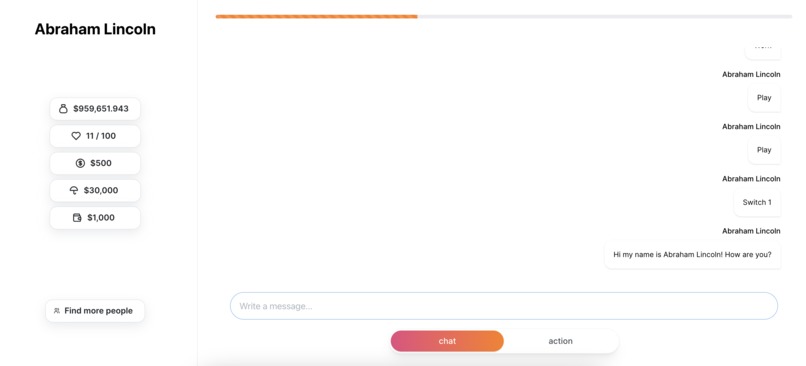
Simulation
-
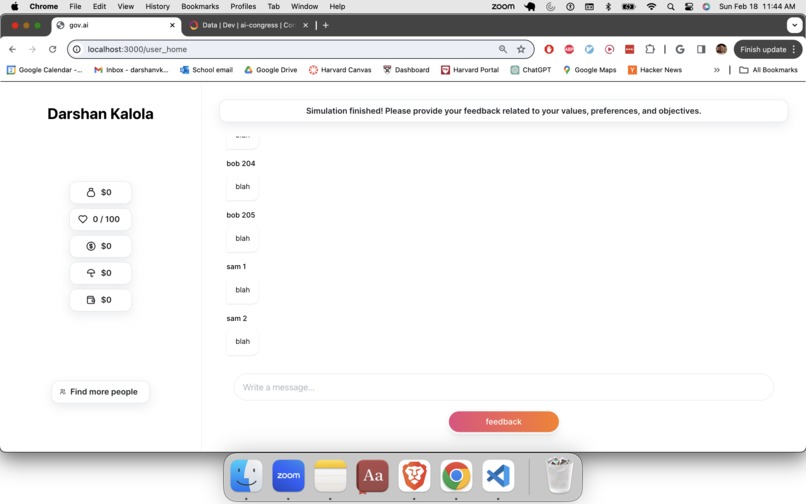
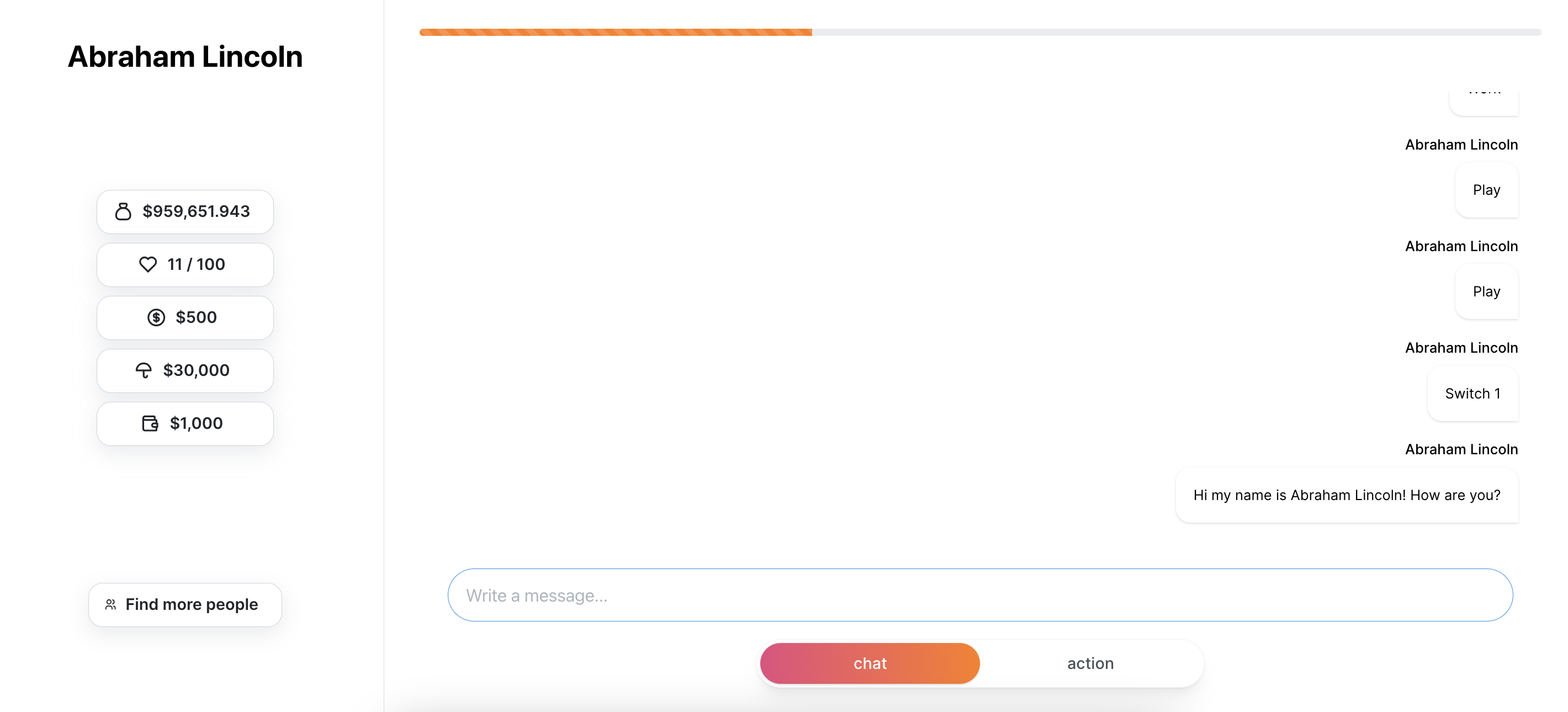
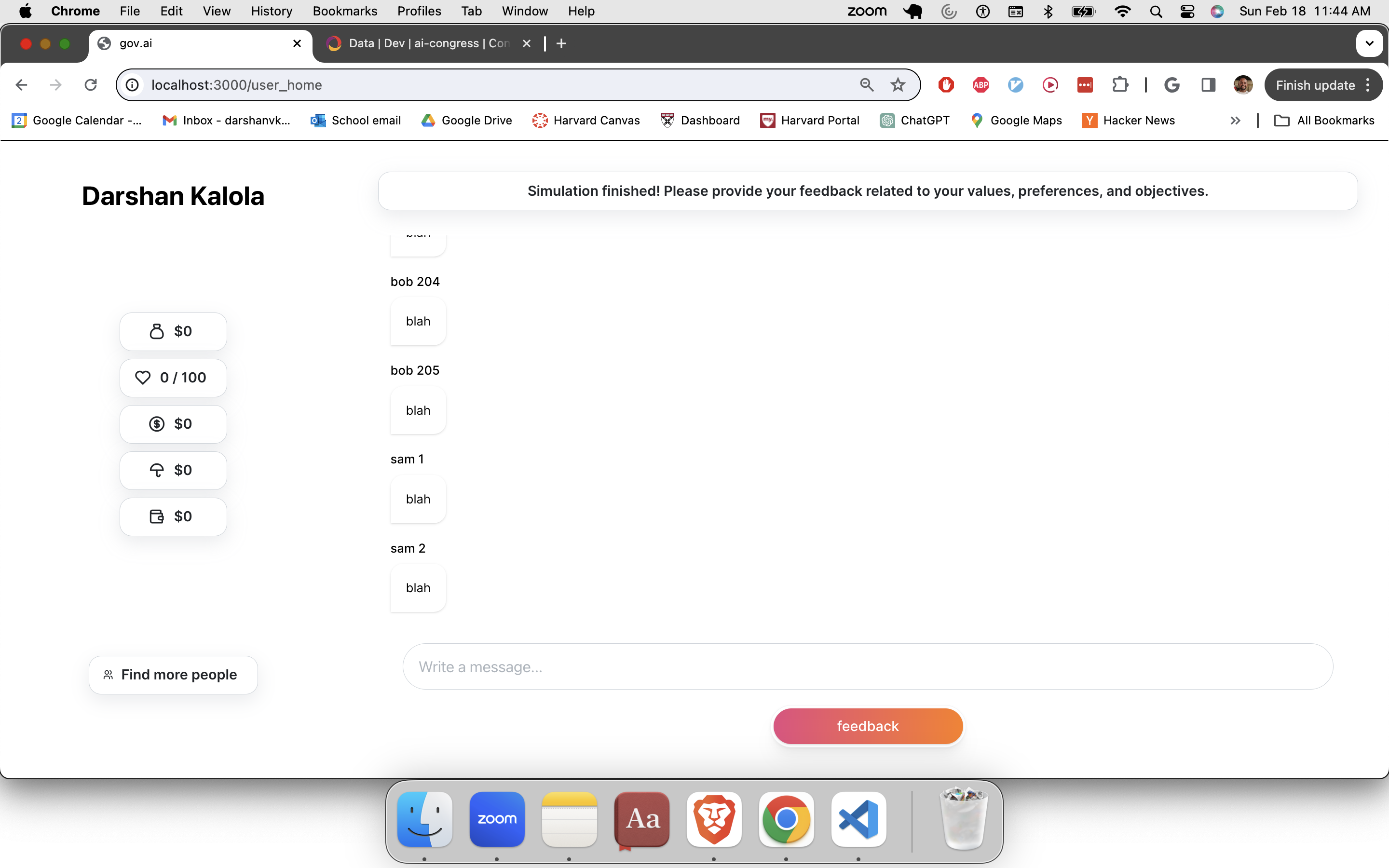
Chat User Interface
-
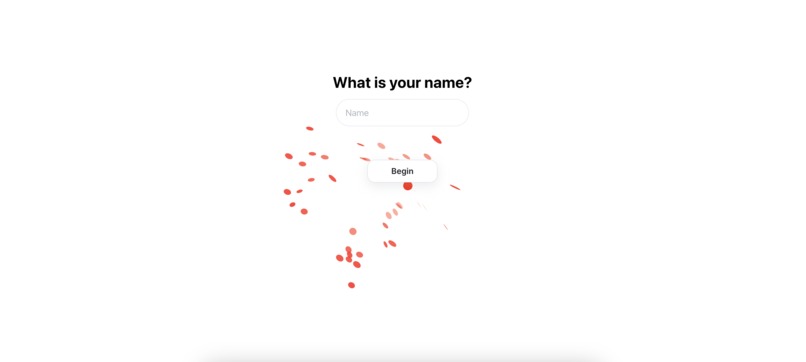
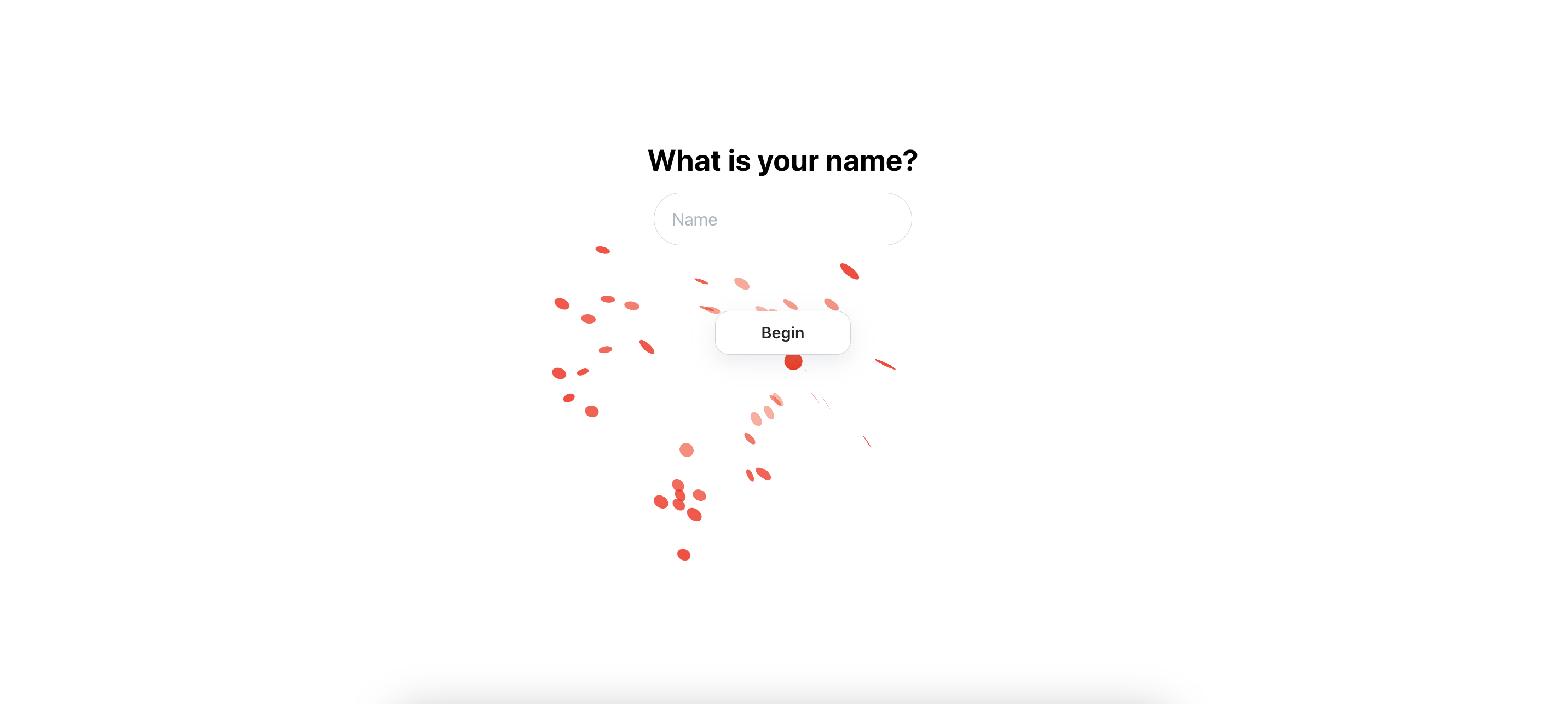
User Log in UI
-

User Log in UI - 2
-
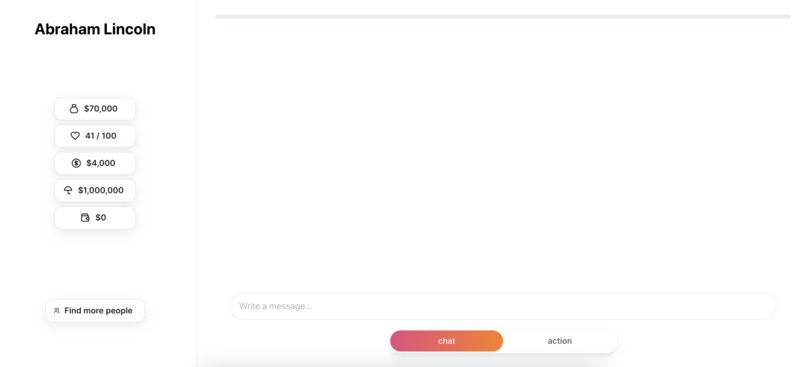
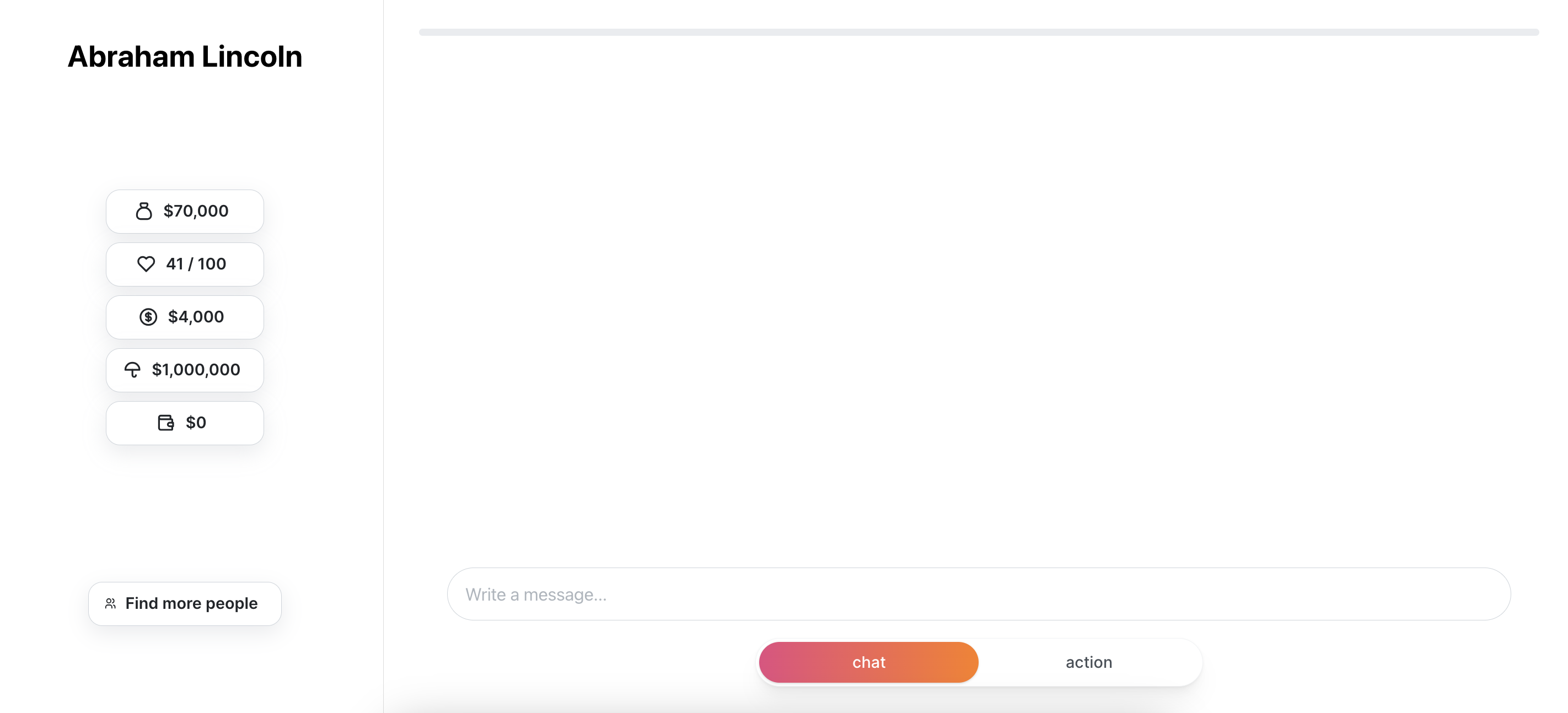
Initializer UI
-
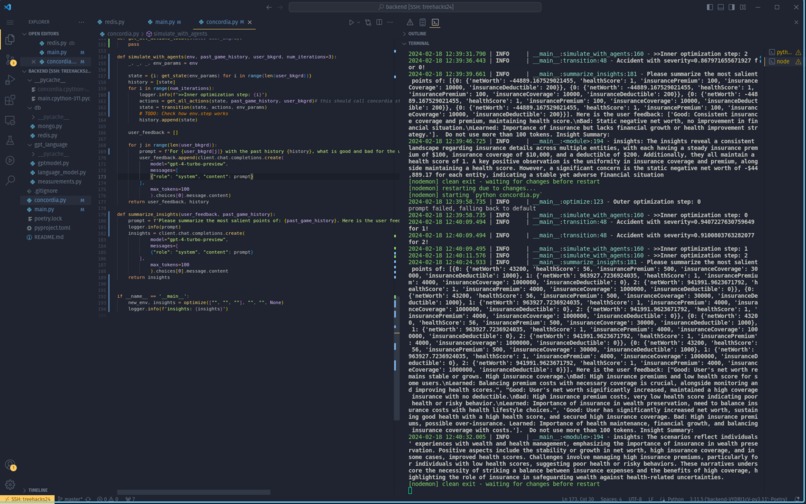
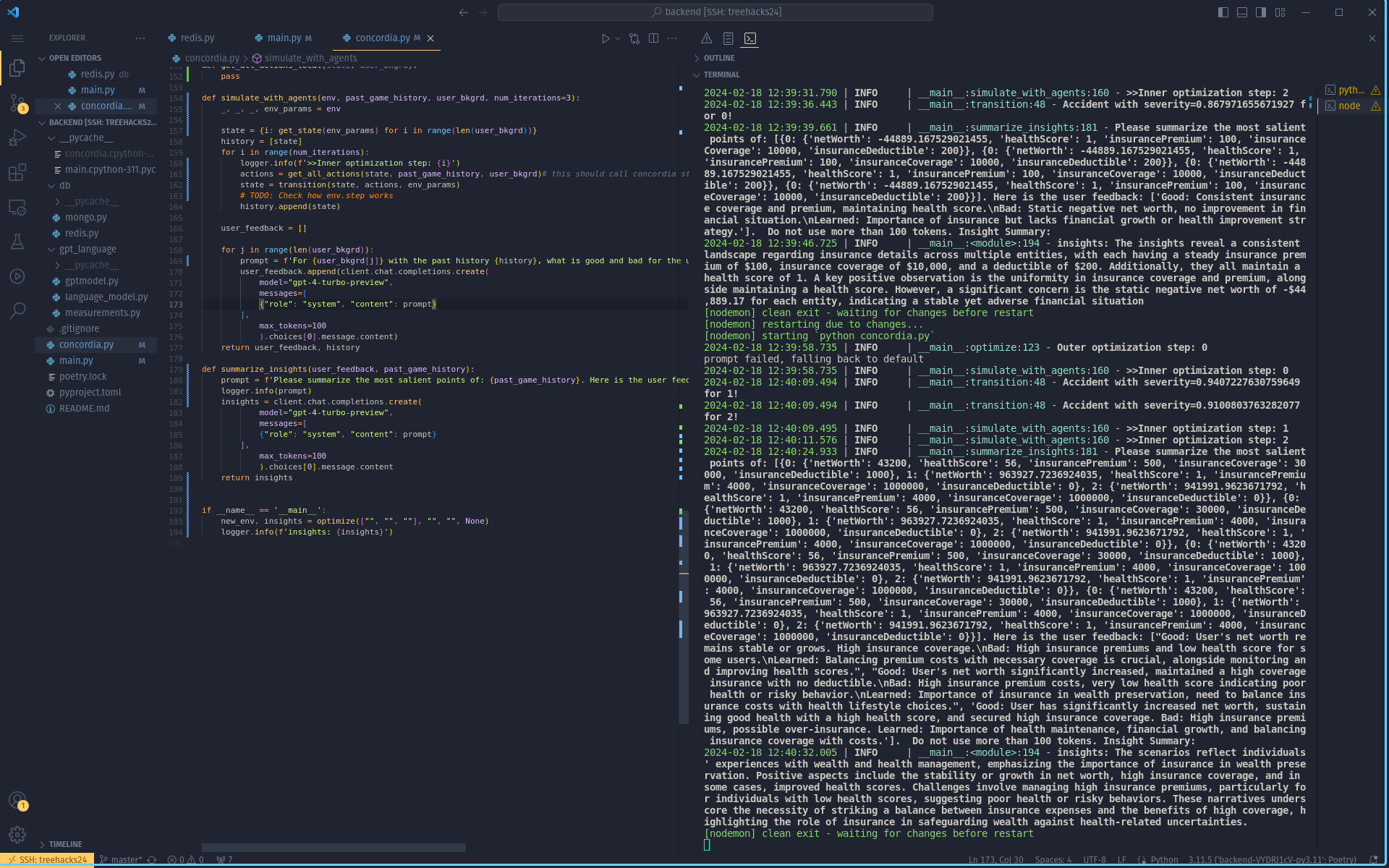
Running AI Framework
-
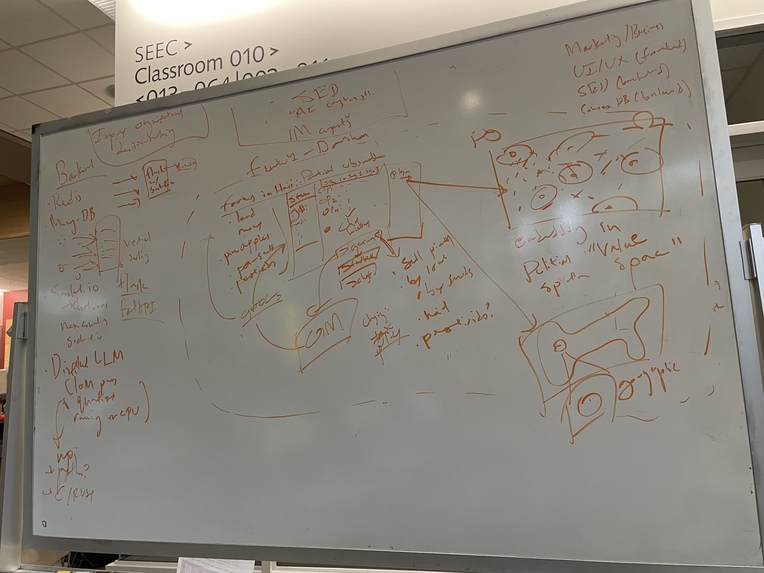
Planning
-
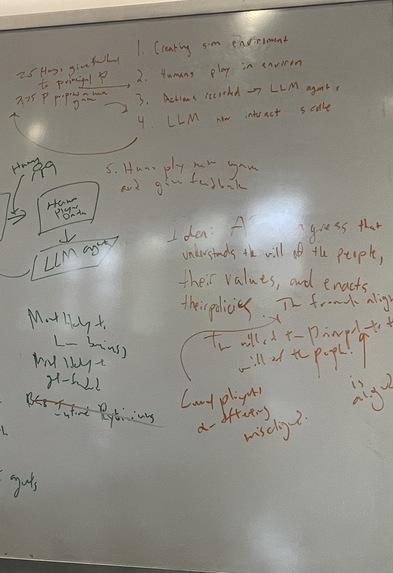
Planning - Ideation phase

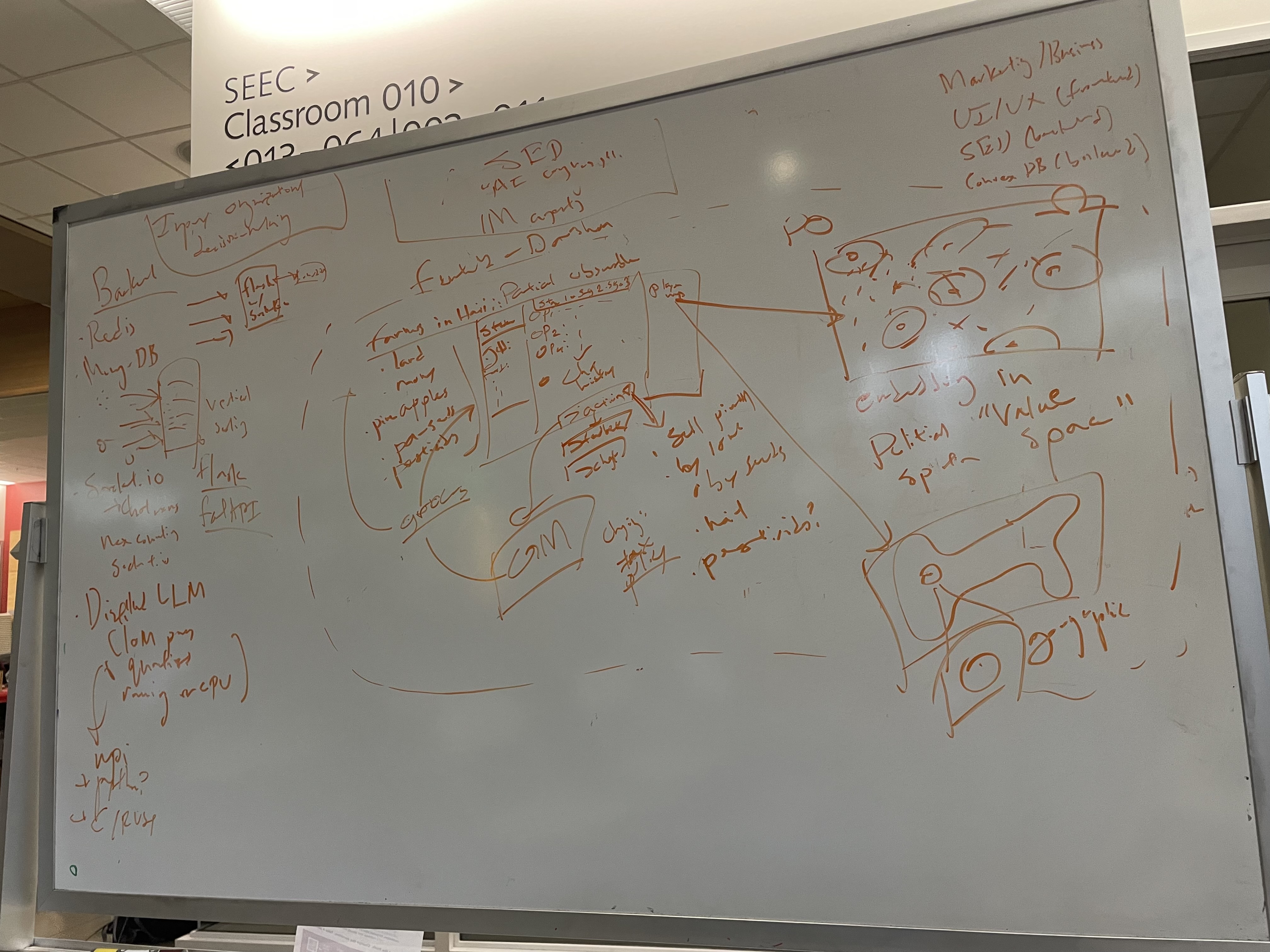
Inspiration
Our project is driven by a clear purpose: to make a real, positive difference in society using technology, especially by fixing how the government works. We're excited about using statistical and reinforcement learning to tackle big issues like the tax gap and to build tools that agencies like the IRS and FDA can use. We're at a key moment for AI and learning technologies. We believe these technologies can hugely improve government efficiency, helping it better serve the community in today's fast-moving world.
What it does
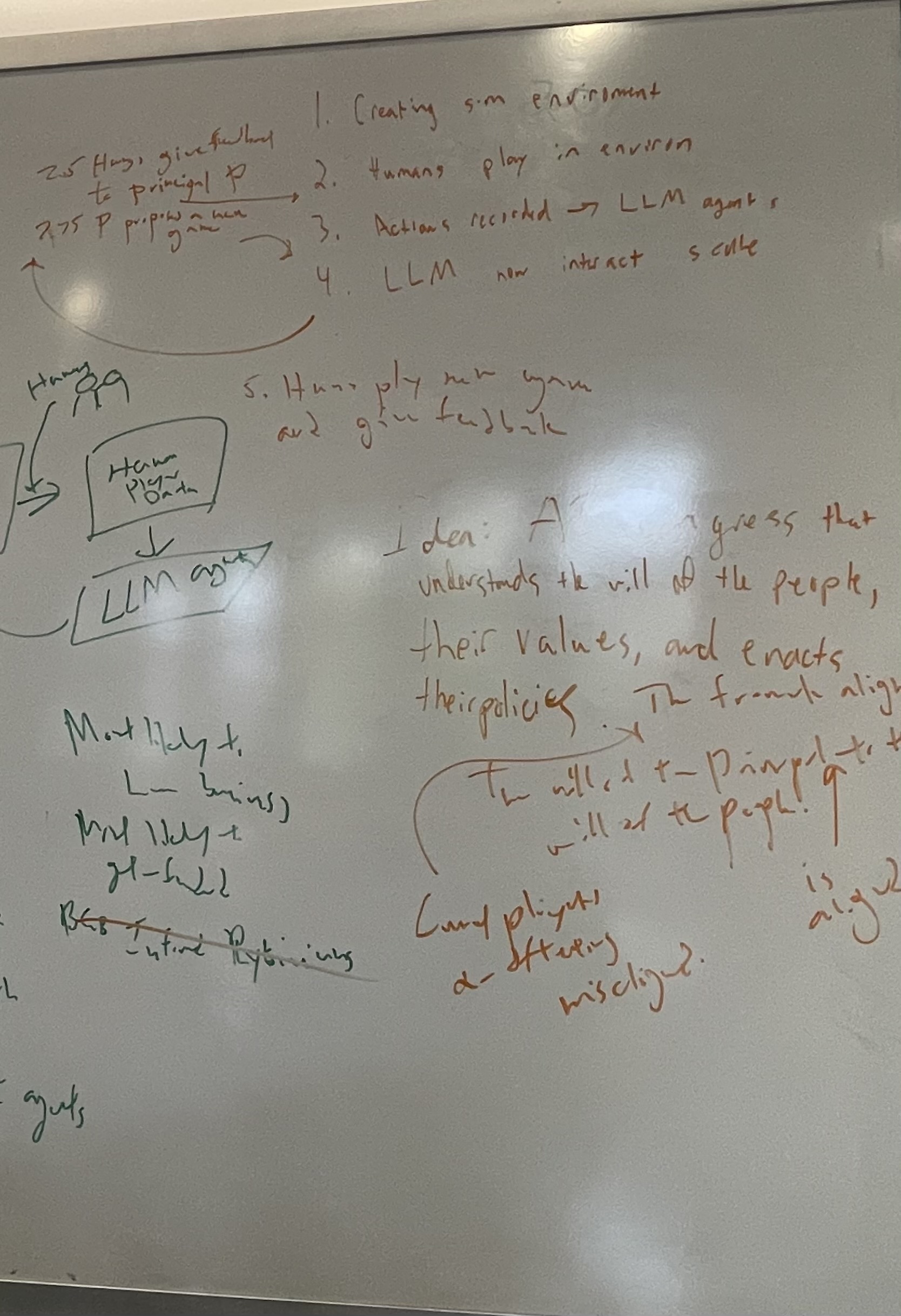
Our project brings to life a unique system for automating and improving policy-making through AI. It starts by gathering preferences from people or AI on what matters most for societal well-being. Then, it designs a game-like scenario where these preferences guide the creation of policies, aiming to achieve the best outcomes for society. This continuous loop of feedback and improvement allows for experimenting with policies in a safe, simulated environment, making it easier to see what works and what doesn't before implementing these policies in the real world.
How we built it
We built our system by experimenting with various AI models and hosting solutions. Initially, we tried GPT-3.5 Turbo, Groq, and Together.AI, but decided on self-hosting for optimal performance. We started with Ollama, moved to Mystic, and finally settled on VLLM with RunPod, utilizing tensor parallelism and automatic weight quantization for efficiency.
Challenges we ran into
Scaling our backend was challenging due to the need for batching inputs and managing resources efficiently. We faced difficulties in finding the right balance between speed and quality, and in deploying models that met our requirements.
Accomplishments that we're proud of
We're proud of deploying a system capable of running thousands of agents with efficient resource management, particularly our use of VLLM on RunPod with advanced computational strategies, which allowed us to achieve our goals.
What we learned
We learned a lot about model optimization, the importance of the right hosting environment, and the balance between model size and performance. The experience has been invaluable in understanding how to scale AI systems effectively.
What's next for Gov.AI
Next, we aim to scale up to 100,000 to 1M agents by refining our token-level encoding scheme, further speeding up processing by an estimated 10x. This expansion will allow for broader experimentation with policies and more nuanced governance decisions, leveraging the full potential of AI to modernize and improve governmental efficiency and responsiveness. Our journey continues as we explore new technologies and methodologies to enhance our system's capabilities, driving forward the mission of Gov.Ai for societal betterment.
Built With
- convex
- css
- fastapi
- html5
- javascript
- mantine
- mongodb
- next.js
- openai
- python
- react
- redis
- typescript
- vllm

Log in or sign up for Devpost to join the conversation.