-
-
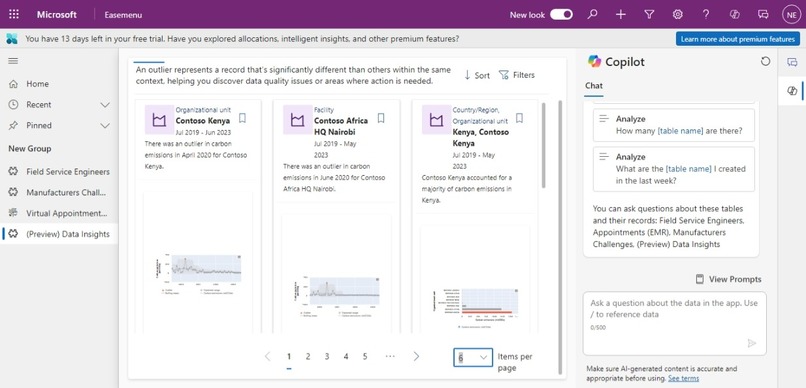
A Screenshot of AI-Powered Field Service Assistant App
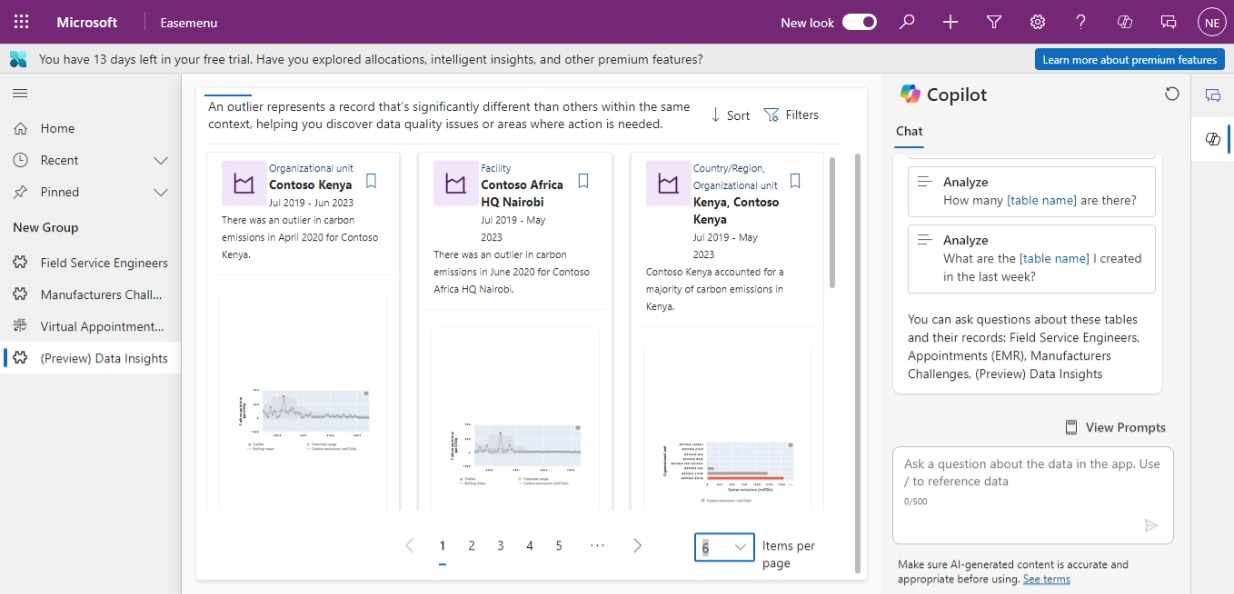
AI-Powered Field Service Assistant
Inspiration
The inspiration for our project came from the daily struggles of field service engineers who sift through mountains of complex documentation to diagnose issues. We envisioned a tool that could streamline this process, making their work more efficient and less stressful.
What I Learned
Throughout this project, I learned about the intricacies of integrating Large Language Models (LLMs) with domain-specific data. I gained insights into the importance of data privacy and security, especially when dealing with proprietary.
Building the App with Databricks
Overview
The AI-Powered Assistance App leverages the power of Azure Databricks to process and analyze extensive technical documentation, enabling field service engineers to quickly diagnose issues and find solutions. This section outlines the steps taken to build the app using Databricks.
Data Ingestion
- Data Sources: We sourced technical documents from various proprietary databases and public APIs.
- Databricks Notebooks: Using Databricks notebooks, we wrote scripts in Python and SQL to ingest data into Databricks.
Data Processing
- Data Cleaning: We performed data cleaning to remove duplicates and irrelevant information, ensuring high-quality datasets.
- Data Transformation: We used Databricks to transform raw data into structured formats suitable for analysis and machine learning.
Model Training
- Machine Learning: We utilized Databricks' MLlib to train Large Language Models on the cleaned and structured data.
- Model Tuning: We fine-tuned the models to understand the technical language specific to field service engineering.
Integration
- APIs: We developed custom APIs within Databricks to allow the app to query the models and retrieve information.
- Security: We implemented security measures to ensure that all data interactions within the app are encrypted and secure.
Deployment
- Databricks Jobs: We set up Databricks jobs to automate the deployment of our machine learning models.
- Continuous Integration/Continuous Deployment (CI/CD): We used Azure DevOps for CI/CD, integrating our codebase with Databricks for seamless updates and maintenance.
Monitoring and Optimization
- Performance Monitoring: We continuously monitor the performance of our models using Databricks' built-in monitoring tools.
- Optimization: We regularly optimize the app based on feedback and performance metrics, ensuring the app remains efficient and effective.
Conclusion
Building the AI-Powered Assistance App with Databricks has enabled us to create a robust and scalable solution that significantly improves the efficiency of field service engineers. By harnessing the power of big data analytics and machine learning, we've transformed the way technical information is accessed and utilized in the field.
Challenges I Faced
One of the main challenges was ensuring the LLM could understand and process the technical language found in engineering documents. Another hurdle was maintaining the balance between user-friendliness and the technical robustness of the app.
Final Conclusion.
The result is a transformative tool that turns hours of document navigation into moments of clarity. Our AI-powered assistant is not just a concept but a reality that's reshaping the field service landscape.
Thanks.


Log in or sign up for Devpost to join the conversation.